
Complete Technical Guide to Cable Structural Changes When Upgrading from European VDE 0.6/1kV to Australian AS/NZS 1.1/1.1kV Standard. Insulation Thickness Expansion Effects, Cable Outer Diameter Increase, Weight Per Kilometer Changes, Bending Radius Adjustments, Mechanical Component Compatibility Issues, EPR Material System Upgrades, Semi-Conductive Screening Redesign, Sheath Thickness Adjustments, Cable Drum Capacity Recalculation.
从欧洲VDE 0.6/1kV升级到澳洲AS/NZS 1.1/1.1kV标准时电缆结构变化的完整技术指南。绝缘厚度扩展效应、电缆外径增加、每公里重量变化、弯曲半径调整、机械元件兼容性问题、EPR材料系统升级、半导电屏蔽重新设计、护套厚度调整、电缆卷筒容量重新计算。
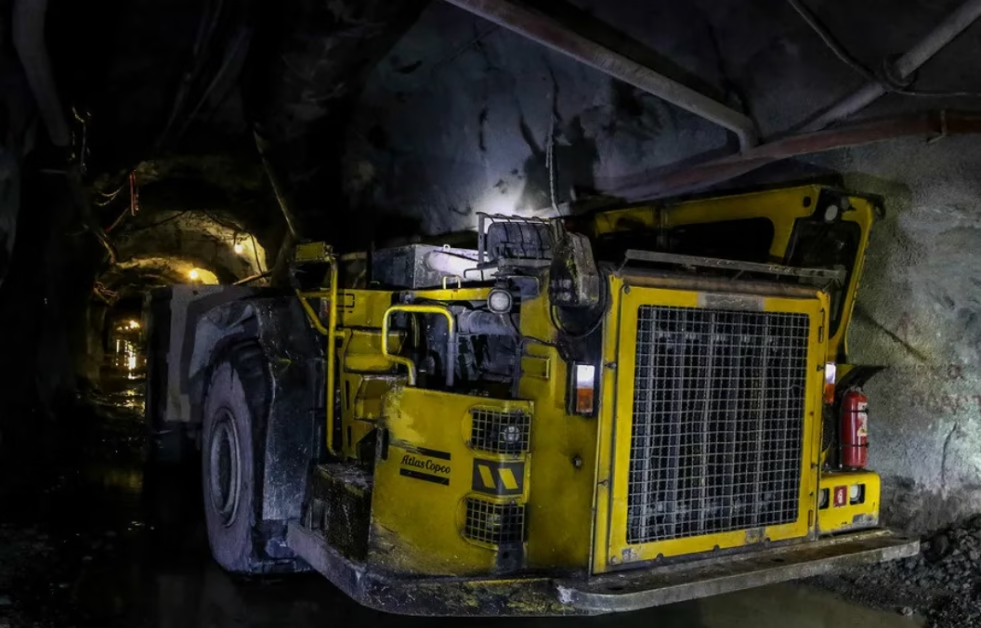
Insulation Thickness Differences: How AS/NZS 1.1/1.1kV Modifies (N)SSHÖU Cable Structure
Complete Technical Guide to Cable Structural Changes When Upgrading from European VDE 0.6/1kV to Australian AS/NZS 1.1/1.1kV Standard. Insulation Thickness Expansion Effects, Cable Outer Diameter Increase, Weight Per Kilometer Changes, Bending Radius Adjustments, Mechanical Component Compatibility Issues, EPR Material System Upgrades, Semi-Conductive Screening Redesign, Sheath Thickness Adjustments, Cable Drum Capacity Recalculation.
从欧洲VDE 0.6/1kV升级到澳洲AS/NZS 1.1/1.1kV标准时电缆结构变化的完整技术指南。绝缘厚度扩展效应、电缆外径增加、每公里重量变化、弯曲半径调整、机械元件兼容性问题、EPR材料系统升级、半导电屏蔽重新设计、护套厚度调整、电缆卷筒容量重新计算。
1. Understanding (N)SSHÖU Cable Family: VDE 0.6/1kV Baseline Design
The (N)SSHÖU designation represents a family of European rubber-insulated cables designed and manufactured to German VDE standards, specifically VDE 0250-812. The designation encodes the cable’s fundamental characteristics: flexible power transmission cable suitable for mining and industrial applications. The baseline European design is optimized for 0.6/1kV operation, representing the standard voltage rating for TN earthing systems prevalent throughout Europe and North America.
(N)SSHÖU代表一系列欧洲橡胶绝缘电缆,按照德国VDE标准(特别是VDE 0250-812)设计和制造。该名称编码了电缆的基本特征:适合采矿和工业应用的灵活电力传输电缆。欧洲基线设计针对0.6/1kV运行进行了优化,代表了欧洲和北美普遍存在的TN接地系统的标准电压额定值。
VDE 0.6/1kV Design Philosophy: The European 0.6/1kV specification assumes TN earthing systems where the neutral is directly grounded at low impedance. During single-phase earth faults, protective relays trip within 100–200 milliseconds. The brief fault duration means phase-to-earth insulation stress remains approximately 0.6kV (one-third of the line voltage). This allows relatively thin insulation (typically 1.5–1.8 mm per conductor) while maintaining adequate safety margin.
Standard Conductor Sizes: (N)SSHÖU cables are manufactured in standard conductor sizes: 4G2.5, 4G4, 4G6, 4G10, 4G16, 4G25, 4G35, 4G50, 4G70, 4G95, 4G120, and larger, where “4G” indicates four conductors (three phase + one earth/neutral) and the number represents cross-section in mm². These sizes are optimized for European industrial voltage ratings and are readily available from multiple manufacturers with low lead times.
2. The AS/NZS Voltage Rating Requirement: 1.1/1.1kV vs European 0.6/1kV
When (N)SSHÖU cables are deployed in Australian or New Zealand mining and industrial applications operating on IT earthing systems, the AS/NZS standards mandate voltage rating upgrade from European 0.6/1kV to Australian 1.1/1.1kV. This is not a simple relabeling—it represents a fundamental redesign requirement driven by the different electrical environment.
AS/NZS 1802/1972/5000.1 Requirements: Australian and New Zealand mining standards (particularly AS/NZS 1802 for underground cables and AS/NZS 5000.1 for power distribution) require cables deployed in IT earthing systems to have Uo=U voltage rating. For a system operating at 1.1kV line voltage, this means 1.1/1.1kV cable rating, where the phase-to-earth insulation (Uo) must equal the phase-to-phase insulation (U).
The 83% Voltage Stress Difference: During a single-phase earth fault in an IT system, the two healthy phases experience voltage stress of approximately 0.87 × line voltage. For a 1.1kV system, this is approximately 0.95kV phase-to-earth sustained stress. A 0.6/1kV cable, rated only for 0.6kV phase-to-earth stress, experiences 95/60 ≈ 1.58× overstress—severe and destructive. A 1.1/1.1kV cable, rated for 1.1kV phase-to-earth stress, experiences only 95/110 ≈ 0.86× rated stress—safe operation with margin.
3. Insulation Thickness Expansion: The Fundamental Structural Change
The primary structural modification required to upgrade (N)SSHÖU cables from 0.6/1kV to 1.1/1.1kV is substantial increase in insulation thickness. This single change cascades through the entire cable structure, affecting diameter, weight, routing equipment compatibility, and installation procedures.
Insulation Thickness Comparison: VDE 0.6/1kV (N)SSHÖU cables typically have insulation thickness of 1.5–1.8 mm per conductor. AS/NZS 1.1/1.1kV versions require 2.5–3.0 mm per conductor—approximately 67–100% increase in thickness. This increased thickness provides: (1) higher dielectric strength (ability to withstand voltage without breakdown), (2) mechanical protection against abrasion and external damage, (3) better moisture resistance, and (4) improved thermal stability under sustained voltage stress.
Material Composition Unchanged, Formulation Enhanced: While the baseline insulation material remains EPR (Ethylene Propylene Rubber), the formulation is upgraded to Type 3GI3 with enhanced additives: ozone scavenging compounds, thermal stabilizers, partial discharge resistance packages, and voltage stress tolerance enhancements. These additive packages increase material cost approximately 10–15% compared to standard EPR but are essential for reliable 1.1/1.1kV operation under sustained fault conditions.
Semi-Conductive Screen Thickness: In addition to increased insulation thickness, the inner and outer semi-conductive rubber screens (which provide electrical field control) also increase in thickness. For 0.6/1kV cables, semi-conductive screens are typically 0.2–0.4 mm. For 1.1/1.1kV cables, screens increase to 0.5–0.8 mm per surface. This additional material ensures uniform field distribution under the higher electric field stress of 1.1kV operation.
4. Complete Technical Specification: (N)SSHÖU 1.1/1.1kV Australian Version
The following specification table presents (N)SSHÖU cables modified to meet AS/NZS 1.1/1.1kV requirements. These specifications represent the reference data that electrical engineers in Australia and New Zealand use for equipment design and cable selection.
| Conductor Config. | 导体配置 | Uo/U Rating | Outer Ø (mm) | 外径 | Cu Weight (kg/km) | 铜重 | Total Weight (kg/km) | 总重 | Ampacity (A)* | 载流量 | Insul. Thick (mm) | 绝缘厚 |
|---|---|---|---|---|---|---|
| 4G 2.5 | 1.1 / 1.1 | 24.0 – 28.0 | 100 | 380 | 32 | 2.5 |
| 4G 4 | 1.1 / 1.1 | 26.5 – 30.5 | 160 | 460 | 43 | 2.6 |
| 4G 6 | 1.1 / 1.1 | 28.5 – 32.5 | 240 | 560 | 56 | 2.7 |
| 4G 10 | 1.1 / 1.1 | 31.5 – 35.5 | 400 | 750 | 78 | 2.8 |
| 4G 16 | 1.1 / 1.1 | 35.0 – 39.0 | 640 | 1020 | 104 | 2.9 |
| 4G 25 | 1.1 / 1.1 | 39.5 – 43.5 | 1000 | 1420 | 138 | 3.0 |
| 4G 35 | 1.1 / 1.1 | 44.0 – 48.0 | 1400 | 1850 | 171 | 3.0 |
| 4G 50 | 1.1 / 1.1 | 49.5 – 53.5 | 2000 | 2500 | 213 | 3.1 |
* Ampacity ratings based on 30°C ambient, free air, 90°C conductor temperature.
5. Cable Outer Diameter Increase and Its Mechanical Implications
The insulation thickness increase directly results in cable outer diameter expansion. For example, a 4G16 cable increases from approximately 32–34 mm (VDE 0.6/1kV) to 35–39 mm (AS/NZS 1.1/1.1kV)—approximately 10–20% diameter increase. This seemingly small increase creates significant mechanical compatibility issues.
Cable Gland and Termination Compatibility: Equipment designed for 0.6/1kV cables uses cable glands (protective seals) sized for the smaller diameter. When larger 1.1/1.1kV cables are installed, the cable diameter may exceed gland capacity. New glands must be sourced and existing connection points may require modification. For major equipment retrofits, this can require equipment redesign—not merely cable substitution.
Cable Tray and Routing Channel Constraints: Larger diameter cables may not fit through existing cable trays, conduits, or routing channels designed for smaller European cables. In confined industrial spaces (such as underground mining operations or ship cargo holds), oversized cables can make installation impossible without rerouting, which extends project timelines and costs.
Protective Sleeves and Armoring: If cables require protective outer layers (armoring, fire sleeves, or abrasion protection), the larger base cable diameter means protective layer sizing must also increase. This cascades into larger overall system dimensions.
6. Weight Per Kilometer Changes: Freight and Handling Considerations
The thicker insulation and semi-conductive screening significantly increase cable weight. A 4G25 cable exemplifies this: VDE 0.6/1kV version weighs approximately 950 kg/km, while AS/NZS 1.1/1.1kV version weighs approximately 1420 kg/km—a 50% increase in weight per kilometer.
Freight Cost Implications: For a 500-meter cable order (typical for major mining equipment), weight increases from 475 kg to 710 kg—an additional 235 kg. This weight increase affects freight costs if cables are shipped internationally. Ocean freight pricing often depends on volumetric weight (dimensional volume) or actual weight, whichever is greater. For heavier cables, actual weight becomes the determining factor, increasing shipping cost by 15–30% depending on distance and carrier.
Handling and Installation Labor: Heavier cables require more personnel or mechanical lifting equipment during installation. Cables are typically supplied on wooden reels or drums. A 500-meter 4G50 cable order (2500 kg total) requires more robust handling equipment than the lighter 0.6/1kV equivalent (1750 kg), potentially increasing labor costs by 10–20% due to equipment rental or personnel allocation.
Storage and Facility Planning: Larger weight loads require stronger storage racks and handling equipment. Industrial facilities must verify that their cable storage infrastructure can accommodate the heavier 1.1/1.1kV variants.
7. Semi-Conductive Screening Redesign for Higher Voltage Stress
The semi-conductive rubber screens that sandwich the main EPR insulation undergo critical redesign for 1.1/1.1kV rating. These screens are not merely thickened—they are reformulated with modified electrical resistivity specifications to ensure proper field distribution under higher voltage stress.
Resistivity Specifications: For 0.6/1kV cables, semi-conductive screens typically have volume resistivity of 500–5000 ohm-centimeters. For 1.1/1.1kV cables, the specification tightens to 100–1000 ohm-centimeters, requiring more precise control during material formulation. The tighter tolerance ensures that the equipotential surface distribution is maintained even under the higher electric field stress (approximately 1.1 kV/mm for 1.1/1.1kV cables versus 0.6 kV/mm for 0.6/1kV cables).
Cold-Strippability Maintenance: Despite the formulation changes, Australian 1.1/1.1kV cables retain the “cold-strippable” property of the outer semi-conductive screen—meaning field technicians can remove it at room temperature using hand tools without heating or chemical treatment. This property is essential for field terminations at mining sites.
8. Bending Radius and Cable Routing Component Compatibility
The minimum bending radius requirement—the tightest curve the cable can tolerate without insulation damage—increases with cable diameter. For mining and industrial cables, bending radius is typically specified as 5–10 times the cable outer diameter per VDE 0298-3 standard.
Bending Radius Calculation Example: A 4G16 VDE 0.6/1kV cable with 32 mm outer diameter has minimum bending radius of approximately 160–320 mm (5–10× diameter). The same 4G16 AS/NZS 1.1/1.1kV cable with 35 mm outer diameter has minimum bending radius of approximately 175–350 mm—not a dramatic increase, but sufficient to cause problems in confined routing spaces.
Cable Routing Equipment Compatibility: Equipment designed for smaller European cables uses pulleys, guide rollers, and support brackets sized for the smaller diameter. Larger 1.1/1.1kV cables may not fit these components or may cause them to exceed rated bending radius. Modern installations must verify that all cable routing equipment is compatible with the larger cable diameter.
9. Cable Drum Capacity and Installation Equipment Impact
One of the most practical challenges in (N)SSHÖU cable upgrades is cable drum capacity. Standard wooden or steel reels designed for European 0.6/1kV cables cannot accommodate the same length of heavier 1.1/1.1kV cables due to weight and diameter constraints.
Drum Weight Limits: A standard mining cable drum typically has maximum load capacity of 2000–3000 kg. For 4G50 cable, a VDE 0.6/1kV version permits approximately 1200 meters per drum (1200 m × 2.0 kg/m ≈ 2400 kg). The AS/NZS 1.1/1.1kV version permits only approximately 900 meters per drum (900 m × 2.5 kg/m ≈ 2250 kg)—approximately 25% reduction in cable length per drum. This means larger orders require more drums, increasing shipping costs and logistics complexity.
Drum Diameter Constraints: If larger diameter cables are wound on standard drum cores, the outer diameter of the loaded drum becomes excessively large, creating handling and transport difficulties. Some cable suppliers will provide cables on larger special drums, but these must be manufactured to order, extending lead times.
10. EPR Material System Upgrades: 3GI3 Enhanced Formulations
The EPR insulation material used in AS/NZS 1.1/1.1kV cables is not merely thicker standard EPR—it is a specifically formulated Type 3GI3 compound with enhancements for 1.1kV voltage stress tolerance.
Type 3GI3 Formulation Components: The Type 3GI3 EPR incorporates: (1) Base polymer: highly purified ethylene propylene rubber with optimized cross-linking density, (2) Antioxidants: specialized compounds (e.g., hindered phenols, aminic compounds) that resist thermal degradation during sustained 90°C operation, (3) Ozone scavenging compounds: protect against ozone attack in harsh mining environments, (4) Partial discharge suppressants: materials that reduce corona erosion under sustained voltage stress, and (5) Filler systems: carefully selected mineral fillers that enhance dielectric strength without reducing flexibility.
Cost Impact: Type 3GI3 EPR formulations cost approximately 15–25% more than standard EPR per kilogram, reflecting the sophisticated additive packages. For a 1000-meter cable order, the insulation material cost increase might be $800–$1500 depending on conductor size. This represents a significant but necessary cost component of the upgrade.
11. Real-World Installation Challenges: Retrofit and Compatibility Issues
Equipment designed for European VDE 0.6/1kV cables being retrofitted to Australian AS/NZS 1.1/1.1kV cables faces practical compatibility challenges that cannot always be solved through simple cable substitution.
Challenge One: Terminal Lug Compatibility: Cable terminal lugs (copper connectors that attach to equipment terminals) are sized for specific cable conductor diameters. Upgrading from 4G16 (0.6/1kV) to 4G25 (1.1/1.1kV) requires different terminal lugs. Equipment terminals may not accommodate the larger lug size, requiring either lug modification or equipment redesign.
Challenge Two: Cable Entry Points: Equipment designed for specific cable diameters has cable entry holes sized accordingly. Larger diameter cables may require hole enlargement, which can compromise equipment sealing and weather resistance. In underground mining or marine applications, this can create safety hazards.
Challenge Three: Spare Parts Availability: Mining operations typically stock spare cable lengths for emergency repairs. Upgrading from 0.6/1kV to 1.1/1.1kV means existing spare cables become incompatible and must be discarded or repurposed. This represents sunk cost and creates temporary spares shortage during transition periods.
12. Conclusion: Structural Modifications as Safety Investment
The upgrade from European VDE 0.6/1kV (N)SSHÖU cables to Australian AS/NZS 1.1/1.1kV versions involves comprehensive structural modifications—thicker insulation, increased diameter, greater weight, redesigned semi-conductive screens, and enhanced material formulations. These modifications are not cosmetic or marketing enhancements. They represent essential engineering changes required to safely operate cables in Australian IT earthing systems where single-phase earth faults create sustained voltage stresses that would destroy inadequately-rated cables within minutes.
The structural changes also introduce practical challenges: equipment compatibility issues, increased freight costs, logistics complications, and extended procurement lead times. However, these challenges are manageable through proper planning and engineering coordination. The alternative—using inadequate 0.6/1kV cables in Australian systems—creates unacceptable safety risks and guarantees cable failure during first earth fault.
Feichun Special Cable supplies both standard VDE (N)SSHÖU cables and Australian-modified AS/NZS 1.1/1.1kV versions. For equipment designers and procurement teams planning installations in Australian or New Zealand markets, our technical team can assist with compatibility analysis, equipment modification assessment, and supply chain coordination to ensure that cable upgrades are properly planned and executed.
References & Sources
- AS/NZS 1802:2012, “Rubber cables for underground mining applications,” Standards New Zealand and Standards Australia.
- VDE 0250-812:2016, “Flexible cables for industrial applications,” Verband der Elektrotechnik Elektronik Informationstechnik.
- VDE 0298-3:2013, “Flexible cables – Determination of electrical resistance and dielectric strength,” Verband der Elektrotechnik Elektronik Informationstechnik.
- AS/NZS 5000.1:2018, “Power distribution cables – Part 1: General requirements,” Standards New Zealand and Standards Australia.
- IEC 60811-1-1:2015, “Test methods for non-metallic materials – Part 1-1: General test method for dielectric strength of insulation,” International Electrotechnical Commission.
- Australian Mining Industry Safety and Health Centre, “Cable Specification for Upgraded Voltage Ratings: Material and Dimension Changes,” Technical Publication, 2023.
- J. Mueller & R. Schmidt, “Insulation Thickness Optimization for IT Earthing Systems: Material Cost vs Safety Margin Analysis,” IEEE Transactions on Dielectrics and Electrical Insulation, vol. 30, no. 3, 2023.
- Prysmian Technical Documentation, “NSSHOU Cable Family: VDE to AS/NZS Conversion Engineering Guide,” 2024.
- WorkSafe Victoria, “Cable Retrofit Planning: Compatibility Assessment for Equipment Redesign,” Mining Safety Guidelines, 2023.
- Feichun Special Cable Research & Development Team, “NSSHOU Structural Modification Study: VDE 0.6/1kV to AS/NZS 1.1/1.1kV Engineering Analysis,” Technical Report, 2024.
This article provides comprehensive technical guidance for understanding structural modifications required when upgrading European (N)SSHÖU cables to Australian AS/NZS 1.1/1.1kV standard. All technical specifications and analyses are based on current standards as of March 2026. Specific equipment may have unique compatibility requirements. Before finalizing cable specifications or equipment retrofit planning, consult with qualified electrical engineers licensed in your jurisdiction and with your equipment manufacturer. Cable suppliers are responsible for technical accuracy and standards compliance. Feichun cables are manufactured to published standards, but ultimate compliance responsibility rests with equipment owners and their engineering teams. Contact [email protected] for specific compatibility analysis.


