Reeling Cable

600V 3TC-RB (600V 3PNCT) Crane Cable Class 3 600V Ethylene Propylene Rubber-Insulated Polychloroprene Rubber Sheath Cable

600V 3TC-RB (600V 3PNCT) Crane Cable

The 600V 3TC-RB cable, also known as 600V 3PNCT, represents a specialized class of flexible power cables engineered specifically for demanding industrial applications. This cable system is designed for mobile machinery operations where continuous flexing, environmental resistance, and electrical reliability are paramount. The designation “3TC-RB” indicates a Class 3 stranded conductor configuration with ethylene propylene rubber insulation and polychloroprene rubber sheath construction.
The 600V 2TC-RB crane cable represents a specialized category of rubber-insulated flexible cables engineered specifically for mobile machinery applications in demanding industrial environments. The designation "2TC-RB" identifies this as a Class 2 conductor construction featuring tin-coated copper strands, ethylene propylene rubber (EPR) insulation, and a robust polychloroprene rubber (also known as neoprene) outer sheath.

What is 600V 2TC-RB Crane Cable?

The 600V 2TC-RB crane cable represents a specialized category of rubber-insulated flexible cables engineered specifically for mobile machinery applications in demanding industrial environments. The designation “2TC-RB” identifies this as a Class 2 conductor construction featuring tin-coated copper strands, ethylene propylene rubber (EPR) insulation, and a robust polychloroprene rubber (also known as neoprene) outer sheath.
Class 3 6600V Ethylene Propylene Rubber Insulated Polychloroprene Rubber Sheath Cable - JIS C 4353 Standard

What is 6600V 3PNCT Crane Cable? 

The 6600V 3PNCT crane cable represents a specialized class of high-voltage power cables specifically engineered for demanding industrial applications where continuous flexing, high mechanical stress, and environmental exposure are constant operational realities. This cable designation indicates a Class 3 flexible conductor construction rated for 6600 volts AC, featuring ethylene propylene rubber insulation and a polychloroprene rubber outer sheath, manufactured in accordance with the rigorous requirements of JIS C 4353 Japanese Industrial Standard.
The 2TC Light-SB (2PNCT-SB) crane cable represents a specialized category of industrial power transmission cables engineered specifically for demanding applications in material handling, crane systems, and mobile industrial equipment.

What is 2TC Light-SB (2PNCT-SB) Crane Cable?

The 2TC Light-SB (2PNCT-SB) crane cable represents a specialized category of industrial power transmission cables engineered specifically for demanding applications in material handling, crane systems, and mobile industrial equipment.
What is 600V 2TC Light (600V 2PNCT) Crane Cable? Comprehensive Technical Analysis of 600V Ethylene Propylene Rubber Insulated Polychloroprene Rubber Sheath Cable

What is 600V 2TC Light (600V 2PNCT) Crane Cable?

The 600V 2TC Light (600V 2PNCT) crane cable represents a specialized category of flexible power cables designed specifically for low-voltage mobile equipment applications operating at rated voltages up to 600V. This cable features ethylene propylene rubber (EPR) insulation and polychloroprene rubber (CR) sheath, combining superior electrical performance with exceptional mechanical durability. Manufactured in accordance with JIS C 3327 Japanese Industrial Standard, this cable classification has established itself as the preferred solution for crane systems, reeling applications, and material handling equipment throughout industrial facilities worldwide.
CARCT (Carrier Drum Cable Type) and FFCT/FFCTB (Heat Resistant Flexible Cable) represent two specialized classifications of industrial cables designed for demanding crane and material handling applications where conventional cables prove inadequate.

What is JIS C CARCT Carrier Drum Cable & FFCT/FFCTB Heat Resistant Flexible Cable (200°C)?

CARCT (Carrier Drum Cable Type) and FFCT/FFCTB (Heat Resistant Flexible Cable) represent two specialized classifications of industrial cables designed for demanding crane and material handling applications where conventional cables prove inadequate.
FTNCT (Festoon and Chain Cable) represents a specialized classification of flexible electrical cables engineered specifically for festoon systems and chain-supported applications in material handling equipment.

What is JIS C 3327 FTNCT Festoon/Chain Cable for Container Cranes?

FTNCT (Festoon and Chain Cable) represents a specialized classification of flexible electrical cables engineered specifically for festoon systems and chain-supported applications in material handling equipment.
Feichun Spreader Cable

What is JIS C 3327 SPDCT Spreader Cable for Container Cranes?

SPDCT (Spreader Cable) represents a specialized category of reeling cables designed specifically for vertical hoisting applications in container handling equipment. These cables operate under extreme mechanical stresses, including simultaneous tensile loading and torsional forces during rapid container lifting operations. Reeling cables are engineered for continuous movement under extreme conditions, particularly in maritime infrastructure where they serve as critical power transmission components for mobile machinery.
Feichun_Reeling_Cables_for_Reeling_Systems

RELCT (LV) JIS C 3327 Reeling Cables for Container Cranes

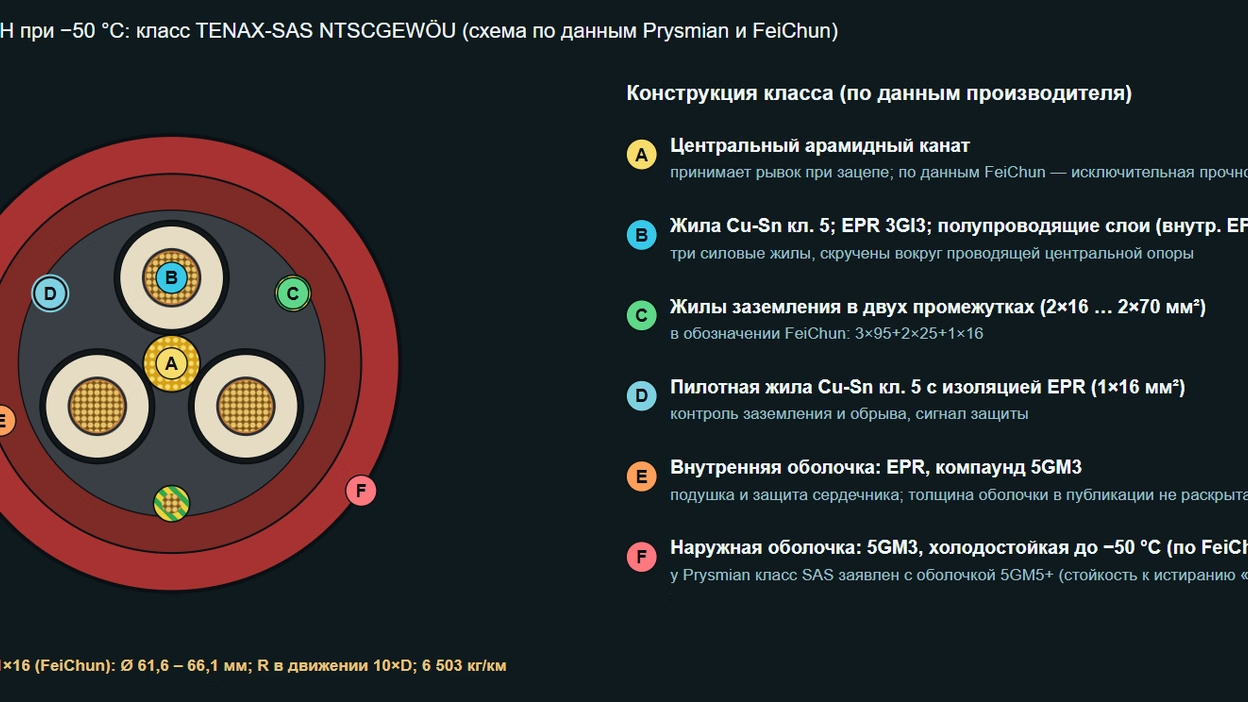
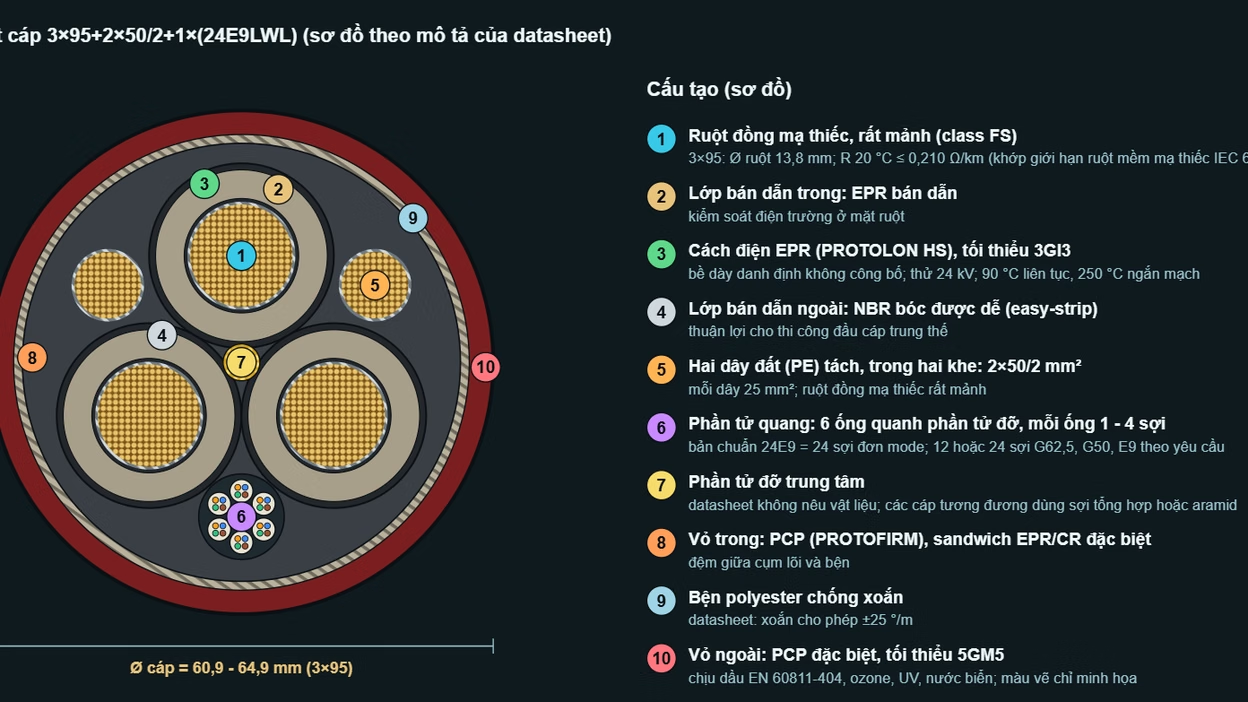
RELCT (LV) cable represents a specialized category of low-voltage flexible power cables engineered specifically for dynamic reeling applications in container handling operations within international port facilities. Operating under standard designation JIS C 3327, these cables serve as the critical power delivery conduits for automated rubber-tired gantry cranes (RTGs), ship-to-shore cranes (STS), and other containerized cargo handling equipment that operate continuously in demanding maritime environments.
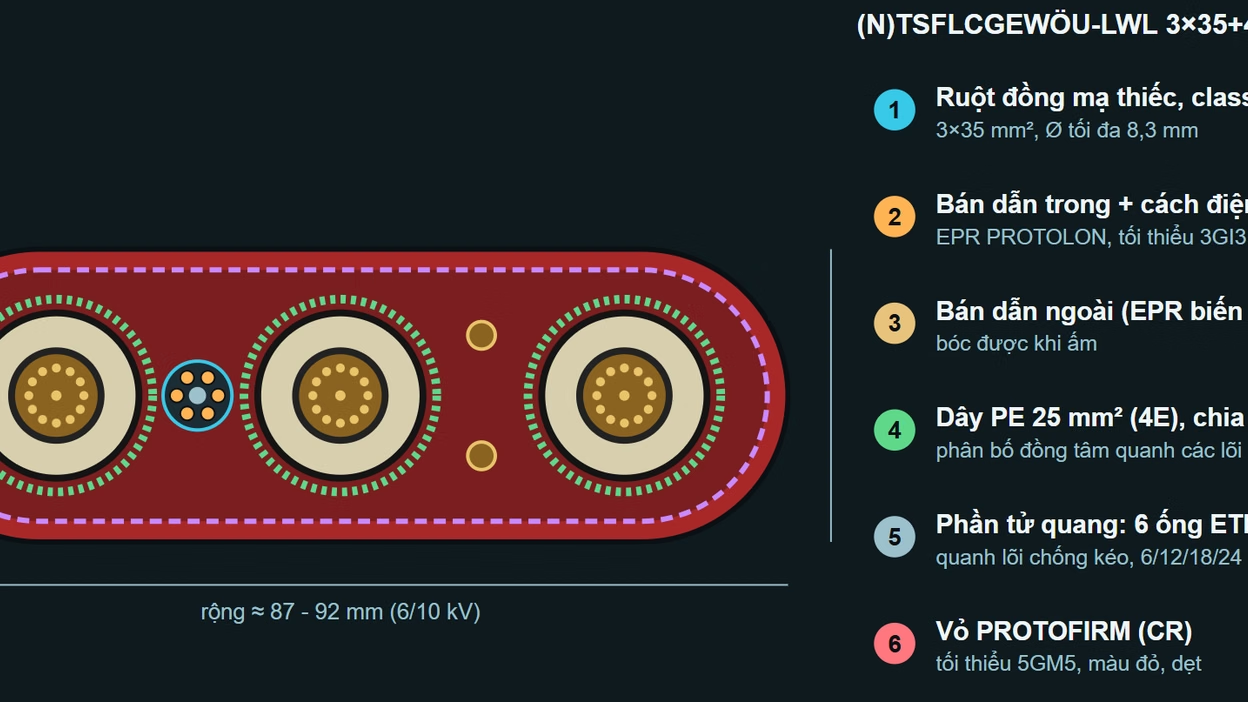
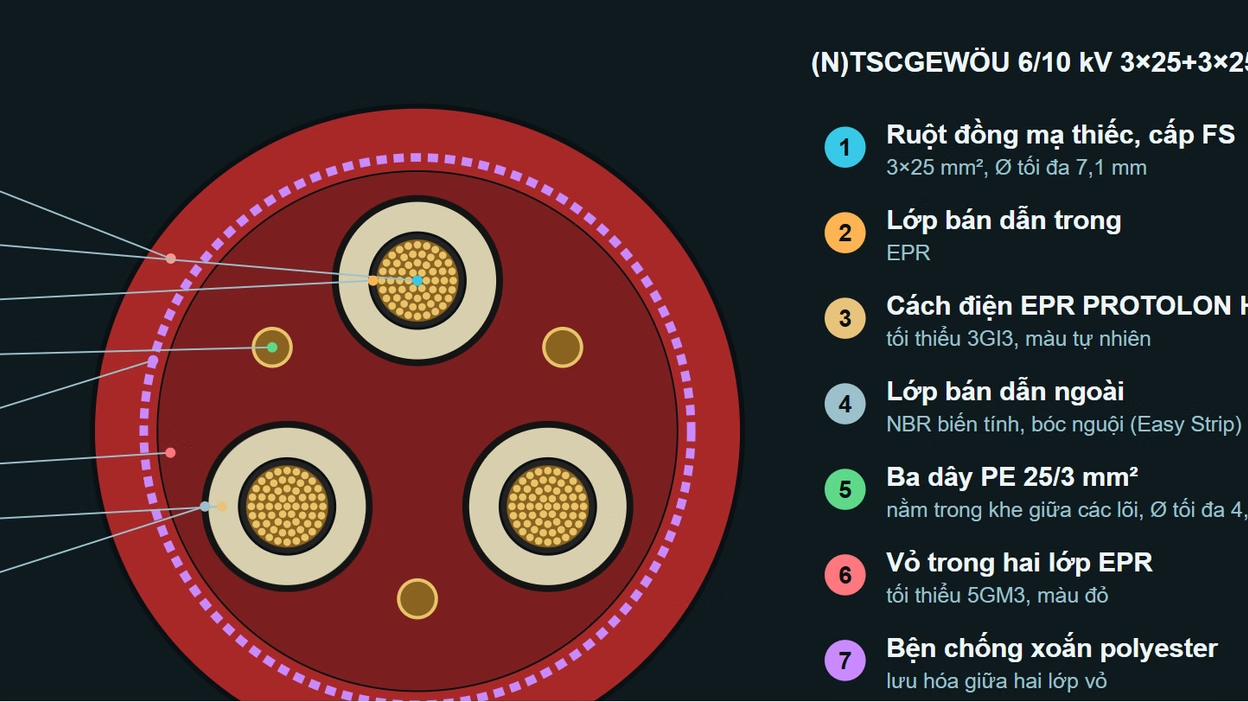
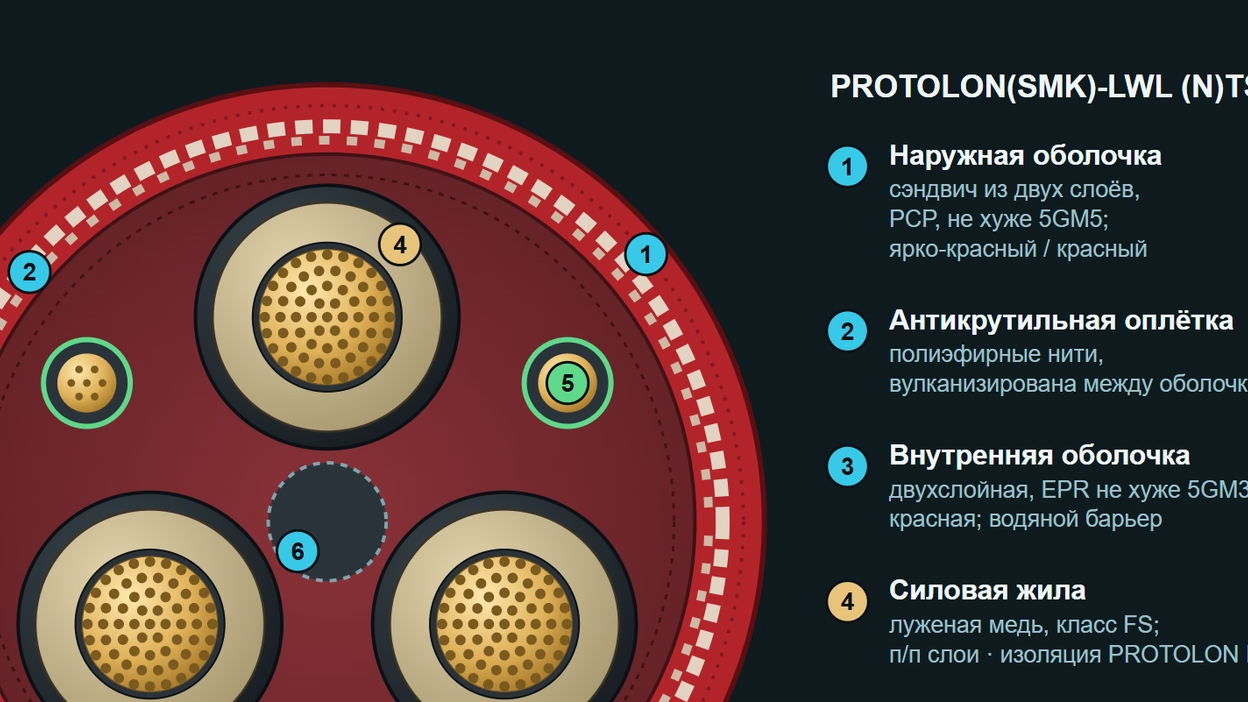
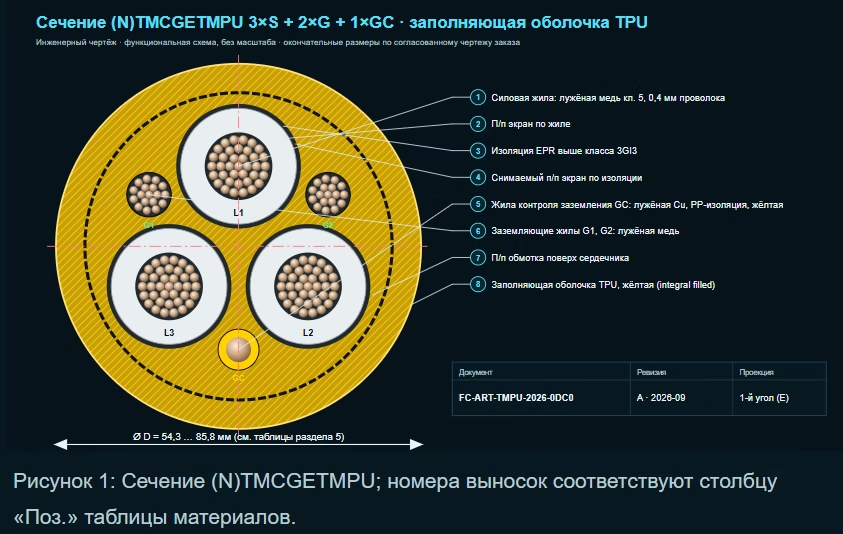
FEICHUN Reeling cable

What is RELCT (MV) Reeling Cables for Container Cranes?

RELCT (MV) reeling cables serve a critical function in container crane electrification systems. Specifically, these cables are deployed to deliver electrical power from fixed power supply systems to the rotating reel mechanisms and traveling components of container handling cranes. The cable must accommodate continuous mechanical stressing from repetitive coiling and uncoiling operations while maintaining electrical integrity and safety performance.