
Technical Deep-Dive into Ampacity Specifications: 265 Amperes Continuous at 40°C Ambient / 90°C Conductor Temperature, Engineering Derating Factors, Temperature Effects, Installation Method Considerations, Real-World Mining Equipment Sizing, Underground Coal Mine Power Distribution, Continuous Miner Motor Load Calculations, and Long-Term Reliability Design
载流量规格的技术深度解析:在40°C环境温度/90°C导体温度下持续265安培,工程降额因子,温度影响,安装方法考虑,真实矿业设备选型,地下煤矿电力分配,连采机电动机负荷计算,长期可靠性设计
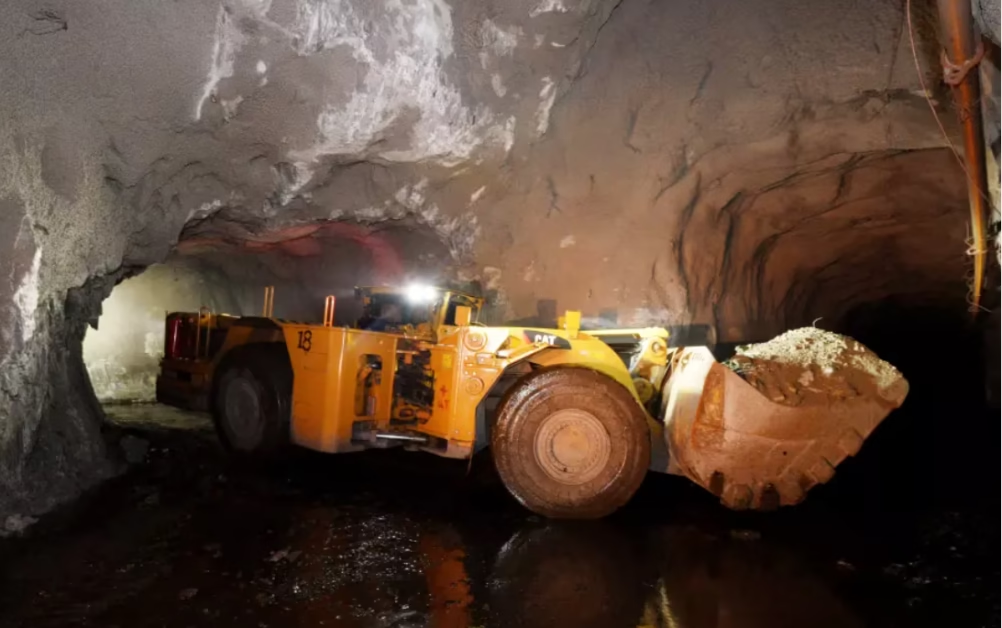
Type 241 1.1/1.1kV 3x95mm² Underground Trailing Cable Ampacity Rating: Complete Current Capacity Guide for Continuous Miner Power Sizing
Technical Deep-Dive into Ampacity Specifications: 265 Amperes Continuous at 40°C Ambient / 90°C Conductor Temperature, Engineering Derating Factors, Temperature Effects, Installation Method Considerations, Real-World Mining Equipment Sizing, Underground Coal Mine Power Distribution, Continuous Miner Motor Load Calculations, and Long-Term Reliability Design
载流量规格的技术深度解析:在40°C环境温度/90°C导体温度下持续265安培,工程降额因子,温度影响,安装方法考虑,真实矿业设备选型,地下煤矿电力分配,连采机电动机负荷计算,长期可靠性设计
1. Direct Answer: The 265-Ampere Continuous Current Rating and Its Context
The Type 241 1.1/1.1kV 3x95mm² underground mining trailing cable has a continuous ampacity rating of approximately 265 amperes per conductor when operating under the following standard reference conditions: an ambient (air or soil) temperature of 40°C, a maximum conductor temperature of 90°C, and typical installation methods for buried or bundled trailing cables in underground mining environments. This 265-ampere rating represents the maximum continuous current that each individual power conductor (the three 95mm² cores) can safely carry indefinitely without exceeding the insulation’s thermal limits or compromising the cable’s mechanical and electrical integrity. However, and this distinction is critically important, the 265A figure applies only when the cable operates under these precise reference conditions—when ambient temperature rises, when multiple cables are bundled together, or when installation methods change, the safe operating current must be reduced through the application of specific derating factors that reflect the real-world thermal environment.
Type 241 1.1/1.1kV 3x95mm² 地下矿用拖曳电缆在以下标准参考条件下运行时,每个导体的持续载流量额定值约为**265安培**:环境(空气或土壤)温度为**40°C**,最大导体温度为**90°C**,以及地下矿业环境中拖曳电缆的典型安装方法。这个265安培额定值代表每个单独电力导体(三个95mm²芯)可以无限期地安全承载的最大持续电流,不会超过绝缘的热限制或损害电缆的机械和电气完整性。然而,这个区别非常重要,265A数字仅在电缆在这些精确参考条件下运行时适用——当环保温度上升、当多条电缆束在一起、或当安装方法改变时,安全运行电流必须通过应用反映真实世界热环保的具体降额因子来降低。
To fully appreciate the 265-ampere specification and use it intelligently in your mining equipment design, you need to understand not just the number itself, but the physical principles that determine how this current flows through the cable, how heat is generated and dissipated, and how to adjust this baseline value to match your specific operational environment. A designer who grasps these principles can confidently select cables that provide adequate capacity for demanding continuous miner applications while optimizing cost and long-term reliability. One who treats the 265A as a simple specification to look up in a table risks oversizing the cable system, wasting capital, or conversely, undersizing it and creating thermal stress that leads to premature failure and operational disruptions. Let me guide you through the physics and engineering logic that makes the 265-ampere specification the correct starting point for your mining cable calculations.
要充分欣赏265安培规范并在您的矿业设备设计中明智地使用它,您需要了解的不仅仅是数字本身,而是决定这个电流如何通过电缆流动、热如何产生和散发,以及如何调整这个基线值以匹配您特定运行环境的物理原理。理解这些原理的设计师可以有信心地选择为要求苛刻的连采机应用提供足够容量的电缆,同时优化成本和长期可靠性。一个将265A视为只在表格中查找的简单规范的设计师冒着电缆系统过大、浪费资本的风险,或相反,过小,创建导致过早失效和运行中断的热应力。让我为您介绍使265安培规范成为矿业电缆计算正确起点的物理和工程逻辑。
A common source of confusion in mining cable selection arises from conflating ampacity (the continuous current-carrying capability of the cable itself) with overcurrent protection (the protective devices like circuit breakers or fuses that prevent dangerous current levels from persisting). These are related but distinct concepts. A cable with a 265-ampere ampacity can safely carry 265A continuously without thermal damage, but this does not mean you should allow 265A to flow persistently without protection. Mining electrical systems use overcurrent protective devices set at current levels below the cable’s ampacity to detect faults and interrupt dangerous currents before they damage equipment. The protection device might trip at 300A or 350A, well below the cable’s thermal limit of 265A continuous, because the protective function is not to prevent the cable from overheating in steady state, but to detect abnormal current conditions (like phase-to-ground faults) and clear them rapidly. Understanding this distinction helps engineers design systems where the protective devices operate as intended, neither nuisance-tripping on legitimate peak loads nor allowing genuine faults to persist unchecked.
矿业电缆选择中的混淆的常见来源源于将载流量(电缆本身的持续载流能力)与过流保护(防止危险电流水平持续的保护装置,如断路器或熔断器)混为一谈。这些是相关但不同的概念。具有265安培载流量的电缆可以连续安全地承载265A而不会对热造成损伤,但这并不意味着您应该允许265A在没有保护的情况下长期流动。矿业电气系统使用在低于电缆安培容纳量的电流水平设置的过流保护装置,以检测故障并在危险电流损伤设备之前中断它们。保护装置可能在300A或350A处跳闸,远低于电缆的265A连续热限制,因为保护功能不是防止电缆在稳定状态中过热,而是检测异常电流条件(如相-接地故障)并快速清除它们。理解这个区别帮助工程师设计系统,保护装置按预期运行,既不会在合法的峰值负载上虚假跳闸,也不会允许真正的故障不受检查地持续。
2. Why Ampacity Matters: The Foundation of Safe Mining Power Distribution
To understand why the ampacity rating is so central to mining cable selection, consider the fundamental challenge that mining operations face: delivering electrical power reliably to equipment operating in harsh, confined underground environments where replacement or repair is expensive, difficult, and sometimes dangerous. A continuous miner that stops due to cable failure can halt an entire mining operation, potentially costing tens of thousands of dollars per hour in lost production. Beyond financial consequences, a cable failure that results in electrical shock hazards, arc flash events, or fires creates immediate danger to personnel. The ampacity rating—the baseline specification of how much current the cable can safely carry—is the foundation upon which all reliable power distribution systems are built.
要了解载流量额定值为什么是矿业电缆选择的中心,请考虑矿业运营面临的基本挑战:向在苛刻、受限的地下环境中运行的设备可靠地供应电力,其中替换或维修昂贵、困难,有时危险。由于电缆失效而停止的连采机可能会使整个矿业运营停止,可能导致每小时数万美元的生产损失。超越财务后果,导致电击危险、弧光闪现事件或火灾的电缆失效为人员造成直接危险。载流量额定值——电缆可以安全承载多少电流的基线规范——是所有可靠电力分配系统建立的基础。
When you specify a cable with a 265-ampere ampacity for a continuous miner power system, you are making a commitment that the cable will safely dissipate the heat generated by electrical resistance over indefinite operational periods. If you were to push current through the cable beyond its thermal capacity, the conductor temperature would rise progressively, the insulation would degrade, and eventually, the cable would fail—either through insulation breakdown (creating shock and arc flash hazards) or through conductor burnout (creating an open circuit that interrupts power). By understanding ampacity and applying derating factors honestly to reflect your real operating environment, you prevent these failure modes entirely. The few hours spent in detailed ampacity analysis during the design phase prevents the catastrophic failures and operational disruptions that occur when cable selection is based on guesswork or optimistic assumptions about operating conditions.
当您为连采机电力系统指定具有265安培载流量的电缆时,您正在做出承诺,电缆将在无限的运行期间安全地散发由电气电阻产生的热。如果您将电流推过电缆超过其热容量,导体温度将逐步上升,绝缘将降解,最终电缆将失效——通过绝缘击穿(创建电击和弧光闪现危险)或通过导体烧毁(创建中断电力的开路)。通过理解载流量并诚实地应用降额因子来反映您真实的运行环境,您完全防止了这些失效模式。设计阶段花费的几个小时进行详细的载流量分析防止了当电缆选择基于猜测或对运行条件的乐观假设时出现的灾难性失效和运行中断。
3. Understanding the 265A Rating: Reference Conditions and Standard Assumptions
The 265-ampere ampacity figure quoted for the Type 241 1.1/1.1kV 3x95mm² cable is always defined under specific, standardized conditions. These conditions are not arbitrary—they are established through decades of cable testing and are documented in standards like AS/NZS 1802 (which governs mining cables in Australia and New Zealand) and IEC 60811 (which establishes international testing methodologies). To use the 265A rating correctly, you must understand exactly what these reference conditions are and why they matter for your specific application.
为Type 241 1.1/1.1kV 3x95mm² 电缆引用的265安培载流量数字总是在特定的、标准化的条件下定义的。这些条件不是任意的——它们通过数十年的电缆测试建立,并记录在AS/NZS 1802(管理澳大利亚和新西兰的矿业电缆)和IEC 60811(建立国际测试方法)等标准中。要正确使用265A额定值,您必须准确理解这些参考条件是什么,以及为什么它们对您的特定应用很重要。
3.1 Reference Condition 1: Ambient Temperature of 40°C
The ampacity of 265 amperes assumes an ambient (air or soil) temperature of 40°C surrounding the cable. This is a moderately warm condition but not the worst-case scenario. It represents a typical warm day in an underground mine where ventilation maintains reasonable air temperature. Many mining operations function at lower ambient temperatures (perhaps 25–35°C in well-ventilated shafts), which is advantageous because the cable can safely carry higher currents. However, some operations work at higher temperatures, particularly in deeper shafts or in regions with geothermal heat, where ambient temperatures may exceed 40°C. If your operation has an ambient temperature of 50°C, you cannot assume the cable can still carry 265A—instead, you must apply a derating factor that reduces the safe operating current. We will explore these derating calculations in detail in section five.
265安培的载流量假设周围电缆的环保(空气或土壤)温度为40°C。这是一个适度温暖的条件,但不是最坏情况的场景。它代表了地下矿井中通风维持合理空气温度的典型温暖日子。许多矿业运营在较低的环保温度下运行(可能在通风井中为25–35°C),这是有利的,因为电缆可以安全地承载更高的电流。然而,一些运营在更高的温度下运行,特别是在更深的竖井或具有地热的地区,环保温度可能超过40°C。如果您的运营的环保温度为50°C,您不能假设电缆仍然可以承载265A——相反,您必须应用降额因子,减少安全运行电流。我们将在第五部分中详细探索这些降额计算。
3.2 Reference Condition 2: Maximum Conductor Temperature of 90°C
The 265A ampacity is defined such that the conductor (the actual copper wire) reaches a temperature of 90°C when carrying this current in the 40°C ambient environment. This 90°C limit is not chosen randomly—it represents the maximum temperature at which the EPR insulation (ethylene propylene rubber) that surrounds the conductor maintains its electrical and mechanical properties indefinitely without degradation. EPR insulation is rated for a 90°C service temperature, meaning that it can withstand continuous exposure to this temperature for the entire cable’s operational life (typically ten to twenty years in mining service) without loss of flexibility, dielectric strength, or adhesion to the conductor. If the insulation were allowed to run hotter—say, at 110°C or 120°C—the EPR would begin to harden, lose its elasticity, and eventually develop cracks. Conversely, if the conductor operates well below 90°C, the cable is not utilizing its full capacity and the system is oversized. The 90°C specification is the sweet spot that balances full cable utilization with long-term insulation durability.
265A载流量的定义使得导体(实际铜线)在40°C环保环境中承载这个电流时达到90°C的温度。这个90°C极限不是随机选择的——它代表围绕导体的EPR绝缘(乙丙橡胶)无限期地维持其电气和机械特性而不降解的最大温度。EPR绝缘额定为90°C服务温度,意味着它可以在整个电缆的运行寿命(在矿业服务中通常为十至二十年)中承受这个温度的连续暴露,而不会失去灵活性、介电强度或与导体的粘着。如果绝缘被允许运行更热——比如在110°C或120°C——EPR将开始硬化、失去弹性,最终开发裂纹。相反,如果导体运行远低于90°C,电缆没有充分利用其容量,系统过大。90°C规范是平衡完整电缆利用与长期绝缘耐久性的甜点。
3.3 Reference Condition 3: Installation Method – Typical Buried or Bundled Trailing Cable
The 265A rating also assumes a specific installation method typical of underground mining: the cable is either buried in soil alongside the mine roadway, or bundled together with other cables and routed through cable trays. In this configuration, the cable dissipates heat primarily through the surrounding medium (soil, air, or other cables in the bundle). The rating accounts for typical thermal resistivity of mine soil (roughly 1.2 to 1.5 K·m/W for dry or slightly moist soil) and assumes the cable is not placed in contact with hot surfaces, is not exposed to direct radiant heat, and is not constrained by tightly wrapped sheathing or insulation that would impede heat flow. If your installation differs significantly—for example, if the cable is routed through a confined conduit system with limited ventilation, or if it is buried in unusually dry soil with high thermal resistivity, or if it sits in contact with hot machinery—you must apply additional derating factors to account for the reduced heat dissipation.
265A额定值也假设地下矿业典型的特定安装方法:电缆要么埋在矿路边的土壤中,要么与其他电缆束在一起,并通过电缆托盘路由。在这个配置中,电缆主要通过周围介质(土壤、空气或束中的其他电缆)散发热。额定值考虑了矿土的典型热阻率(干燥或略微湿润的土壤约为1.2至1.5 K·m/W),并假设电缆不与热表面接触、不暴露于直接辐射热,也不由紧密缠绕的护套或绝缘限制会阻碍热流。如果您的安装显著不同——例如,如果电缆通过通风有限的受限导管系统路由,或如果它埋在异常干燥的土壤中,具有高热阻率,或如果它与热机械接触——您必须应用额外的降额因子来考虑减少的热散发。
4. Complete Ampacity Specification Table with Derating Context
To provide mining electrical engineers with a comprehensive reference for ampacity planning, we present a detailed specification table that not only states the baseline 265-ampere rating but also shows how this rating varies under different conditions. This table enables you to quickly identify the safe operating current for your specific ambient temperature, installation method, and equipment configuration without requiring detailed calculations for every scenario.
为了为矿业电气工程师提供载流量规划的全面参考,我们呈现了一个详细的规范表,不仅说明基线265安培额定值,而且显示了这个额定值在不同条件下如何变化。这个表使您能够快速识别您特定环保温度、安装方法和设备配置的安全运行电流,而无需为每个场景进行详细计算。
| Operating Condition 运行条件 | Ambient Temperature 环保温度 | Safe Operating Current per Core 每个芯的安全运行电流 | Derating Factor from Baseline 从基线的降额因子 | Engineering Notes 工程备注 |
|---|---|---|---|---|
| Baseline Reference (AS/NZS 1802) | 40°C | 265 A | 1.00 (no derating) | Standard mining cable rating; burial in typical mine soil or air-rated cable tray |
| Well-Ventilated Underground | 25°C | 310 A | 1.17 | Cooler ambient enables higher safe current; typical in upper-level shafts with active ventilation |
| Moderate Underground (Typical) | 35°C | 285 A | 1.08 | Common condition in well-developed mines; approximately 8% above baseline |
| Warm Underground (Reference) | 40°C | 265 A | 1.00 | Standard AS/NZS 1802 reference condition for all cable ampacity ratings |
| Hot Shaft (Geothermal) | 50°C | 220 A | 0.83 | Requires 17% current reduction; common in deep shafts with geothermal heat |
| Very Hot Shaft (Deep Mining) | 60°C | 180 A | 0.68 | Significant 32% derating; only viable for lower-power equipment in extreme conditions |
| Cable in Duct (Confined) | 40°C ambient, but poor ventilation | 215 A | 0.81 | Reduced heat dissipation in confined spaces; apply temperature + duct derating combined |
| Multiple Cables Bundled (4+ cables) | 40°C (reference) | 210 A | 0.79 | Thermal interaction between adjacent cables; each cable in bundle operates at reduced capacity |
| Cable in Conduit + 50°C ambient | 50°C | 165 A | 0.62 | Worst-case combined derating for hot, confined environments; applies thermal + duct + temperature effects |
Many mining engineers encounter ampacity tables and become tempted to design systems using only the baseline 265A rating without carefully considering actual site conditions. This approach is the root cause of numerous cable failures in the mining industry. Derating factors are not conservative padding added by overly cautious engineers—they are mathematical expressions of real physical phenomena. When you ignore a derating factor of 0.83 (which applies to 50°C ambient) and specify a cable to carry 265A in a 50°C environment, you are not being economical or aggressive; you are creating a system that will overheat the cable insulation. The resulting insulation degradation will manifest silently over weeks or months, gradually reducing the cable’s mechanical strength and electrical properties, until one day the cable fails catastrophically during a critical mining operation. Conversely, engineers who apply derating factors honestly and design conservatively create systems that operate reliably for twenty years with minimal maintenance, delivering genuine cost savings through avoided failures. The small investment of time in derating calculations during design yields enormous returns in reliability and safety during operations.
许多矿业工程师遇到载流量表,并倾向于仅使用基线265A额定值设计系统,而不仔细考虑实际现场条件。这个方法是矿业中许多电缆失效的根本原因。降额因子不是过度谨慎的工程师添加的保守填充——它们是真实物理现象的数学表达。当您忽视适用于50°C环保的降额因子0.83,并指定电缆在50°C环保中承载265A时,您不是在经济或激进——您正在创建一个会过热电缆绝缘的系统。所产生的绝缘降解将在几周或几个月内无声地表现,逐步降低电缆的机械强度和电气特性,直到有一天电缆在关键矿业运营期间灾难性地失效。相反,诚实地应用降额因子并保守地设计的工程师创建的系统在二十年内可靠运行,维护最少,通过避免失效提供真正的成本节省。在设计期间进行降额计算的时间小投资在运营期间的可靠性和安全性方面产生巨大回报。
5. Derating Factors Explained: How Real-World Conditions Affect Your Cable’s Capacity
The 265-ampere baseline rating is valid only when three specific conditions are met: 40°C ambient, 90°C conductor temperature, and typical mining cable installation practices. In the real world, at least one (and usually more than one) of these conditions will differ from the baseline. Mining locations have different ambient temperatures. Some installations use cable trays instead of burial. Some operations bundle multiple cables together. Each deviation from baseline conditions requires application of a derating factor—a multiplier that reduces the safe operating current below the full 265-ampere rating. Understanding derating factors is not optional knowledge for mining electrical engineers; it is fundamental to responsible cable selection and system design.
265安培基线额定值仅在满足三个特定条件时有效:40°C环保、90°C导体温度和典型的矿业电缆安装实践。在真实世界中,至少一个(通常不止一个)这些条件将与基线不同。矿业地点有不同的环保温度。一些安装使用电缆托盘而不是埋设。一些运营将多条电缆束在一起。从基线条件的每个偏差需要应用降额因子——一个乘数,将安全运行电流减少到全265安培额定值以下。理解降额因子对矿业电气工程师不是可选知识;它对负责任的电缆选择和系统设计是基础。
5.1 Temperature Derating: The Most Common and Critical Adjustment
Derating for ambient temperature is the most frequently applied adjustment in mining cable design. The principle is straightforward: for every degree Celsius above 40°C, the cable loses a small amount of its safe operating capacity. The mathematical relationship between conductor temperature and ampacity is governed by the physics of electrical resistance and insulation thermal limits. For EPR insulation with a 90°C rating, the derating factor for ambient temperatures above 40°C can be estimated using the formula shown in standards like IEC 60811. For practical mining applications, you can use these approximate factors: if your ambient temperature is 50°C instead of 40°C (a 10°C increase), the safe ampacity reduces to approximately 83% of the baseline—meaning you can carry only about 220 amperes instead of 265. A 60°C ambient (20°C above baseline) reduces the safe ampacity to roughly 68% of baseline, or about 180 amperes. These are not rough estimates—they are the results of carefully measured thermal testing of cables under controlled conditions.
环保温度降额是矿业电缆设计中最频繁应用的调整。原理很直接:每摄氏度每摄氏度高于40°C,电缆失去少量的安全运行容量。导体温度与安培容纳量之间的数学关系由电气电阻的物理和绝缘热限制管理。对于额定为90°C的EPR绝缘,环保温度高于40°C的降额因子可以使用如IEC 60811等标准中所示的公式估计。对于实际矿业应用,您可以使用这些近似因子:如果您的环保温度是50°C而不是40°C(增加10°C),安全安培容纳量减少到基线的约83%——意味着您只能承载约220安培而不是265。60°C环保(比基线高20°C)将安全安培容纳量减少到基线的约68%,或约180安培。这些不是粗略估计——它们是在受控条件下仔细测量电缆的热测试结果。
5.2 Installation Method Derating: How Physical Configuration Affects Heat Dissipation
The 265-ampere rating assumes the cable is installed in an environment that permits reasonable heat dissipation—buried in soil with typical thermal properties, or laid on cable trays with air circulation. If the installation method changes, heat dissipation changes, and safe operating current must be reduced. For example, if the cable is placed inside a confined conduit or duct with limited ventilation, the cable cannot dissipate heat as effectively, and the safe ampacity might be reduced to roughly 80–85% of the baseline value. If the cable is in contact with hot machinery or hot mine walls, additional derating is required. Conversely, if the cable is in an exceptionally cool location with excellent ventilation, the derating factor might actually be favorable (greater than 1.0), allowing higher safe currents. The key principle is that derating factors reflect the thermal environment—any factor that impedes heat dissipation requires a downward derating adjustment, and any factor that enhances heat dissipation permits an upward adjustment.
265安培额定值假设电缆安装在允许合理热散发的环保中——埋在具有典型热特性的土壤中,或放在具有空气循环的电缆托盘上。如果安装方法改变,热散发改变,安全运行电流必须减少。例如,如果电缆放在通风有限的受限导管或管道内,电缆无法有效散发热,安全安培容纳量可能减少到基线值的约80–85%。如果电缆与热机械或热矿墙接触,需要额外的降额。相反,如果电缆在具有优异通风的特别凉爽位置,降额因子实际上可能是有利的(大于1.0),允许更高的安全电流。关键原理是降额因子反映热环保——任何阻碍热散发的因子需要向下调整,任何增强热散发的因子允许向上调整。
5.3 Cable Bundling Derating: Thermal Interaction Between Multiple Cables
When multiple cables are routed together in bundles—a common practice in underground mines where cable pathways are limited—each individual cable is surrounded not just by the cooling medium (air or soil) but also by the heat generated by adjacent cables. This thermal interaction reduces heat dissipation efficiency. The derating factor for bundled cables depends on the number of cables, their spacing, the nature of the surrounding medium, and the load distribution among the cables. As a conservative rule of thumb, when four or more cables are bundled together, each individual cable’s safe ampacity should be reduced to approximately 79–85% of the baseline value, depending on the exact configuration. If the bundle contains eight cables or more, the derating might be even more severe, perhaps 70–75% of baseline. These derating factors account for the fact that the outer cables in a bundle dissipate heat more effectively than inner cables, which are thermally shielded by adjacent conductors.
当多条电缆在地下矿业中一起捆绑路由时——在电缆路径有限的地下矿井中的常见做法——每条单独的电缆不仅被冷却介质(空气或土壤)包围,而且被相邻电缆产生的热包围。这个热交互减少了热散发效率。捆绑电缆的降额因子取决于电缆的数量、它们的间距、周围介质的性质和电缆间的负荷分布。作为保守的经验法则,当四条或更多条电缆捆绑在一起时,每条单独电缆的安全安培容纳量应该减少到基线值的约79–85%,取决于确切配置。如果束包含八条或更多条电缆,降额可能甚至更严重,也许基线的70–75%。这些降额因子考虑了束中的外电缆比被相邻导体热屏蔽的内电缆更有效地散发热的事实。
6. Temperature Effects on Conductor Resistance and Long-Term Cable Life
Understanding why temperature derating is necessary requires grasping the physics of how electrical resistance in copper conductors changes with temperature. Copper has a positive temperature coefficient of resistance, meaning that as temperature increases, the resistance increases. This relationship is not linear—the change accelerates at higher temperatures. At 20°C, a 95mm² copper conductor in a Type 241 cable has a maximum DC resistance of approximately 0.206 ohms per kilometer. At 90°C (the maximum design temperature), this same conductor’s resistance increases to roughly 0.25 ohms per kilometer—an increase of approximately 21%.
理解为什么需要温度降额需要掌握铜导体中的电气电阻如何随温度变化的物理。铜的电阻温度系数为正,意味着随着温度增加,电阻增加。这个关系不是线性的——在更高温度处变化加速。在20°C处,Type 241 电缆中的95mm² 铜导体的最大直流电阻约为每公里0.206欧。在90°C(最大设计温度)处,这个相同导体的电阻增加到约每公里0.25欧——增加约21%。
Now, imagine what happens if the conductor is allowed to operate at 110°C instead of 90°C (a 20°C overshoot of the design limit). The resistance continues to increase, reaching perhaps 0.30 ohms per kilometer or higher. When resistance increases, heating increases according to Joule’s law (Heat = I²R, where I is current and R is resistance). A 20% increase in resistance, combined with current sustained at design levels, creates disproportionately higher heating. The conductor temperature rises further, resistance increases more, heating increases further—a positive feedback loop that can spiral into thermal runaway. Long before actual conductor burnout occurs, the insulation surrounding the conductor begins to degrade. EPR insulation, when chronically exposed to temperatures above its design limit, begins to harden and lose elasticity. Microscopic cracks develop in the insulation, allowing moisture to penetrate. Over weeks or months, these cracks propagate, electrical leakage develops, and eventually, the insulation fails catastrophically. This is why respecting temperature derating factors is not conservative engineering—it is the difference between a cable that operates reliably for twenty years and one that fails prematurely, creating safety hazards and production disruptions.
现在,想象如果导体被允许在110°C而不是90°C运行会发生什么(设计限制的20°C超调)。电阻继续增加,达到也许每公里0.30欧或更高。当电阻增加时,根据焦耳定律加热增加(热 = I²R,其中I是电流,R是电阻)。电阻增加20%,加上在设计水平维持的电流,创建了不成比例的更高加热。导体温度进一步上升,电阻增加更多,加热增加更多——一个正反馈回路,可能螺旋进入热失控。在实际导体烧毁发生很久之前,围绕导体的绝缘开始降解。EPR绝缘,当长期暴露于高于其设计限制的温度时,开始硬化和失去弹性。绝缘中开发微观裂纹,允许水分渗透。在几周或几个月内,这些裂纹传播,电漏泄发展,最终绝缘灾难性地失效。这是为什么尊重温度降额因子不是保守工程——它是电缆在二十年内可靠运行和过早失效、创建安全危险和生产中断之间的区别。
7. Installation Methods and Their Impact on Heat Dissipation and Ampacity
The physical way a cable is installed fundamentally determines how effectively the cable can dissipate the heat generated by electrical current flow. Different installation methods present different thermal environments, and a competent mining engineer accounts for these differences when selecting cable and calculating safe operating current. Let’s examine the most common installation methods in underground mining and understand how each affects ampacity.
电缆的安装方式从根本上决定了电缆可以有效散发由电流流动产生的热的方式。不同的安装方法呈现不同的热环保,有能力的矿业工程师在选择电缆和计算安全运行电流时考虑这些差异。让我们检查地下矿业中最常见的安装方法,并理解每个如何影响载流量。
7.1 Direct Burial in Mine Soil: Optimal Heat Dissipation
The most thermally favorable installation method is direct burial of the cable in mine soil alongside the main roadway. When a cable is buried in soil of typical thermal conductivity (approximately 1.2–1.5 W/m·K for moderately moist mine soil), heat dissipates continuously into the surrounding earth, which acts as a large thermal reservoir. The soil does not heat up significantly when a single cable is buried in it, so the cable maintains excellent heat dissipation efficiency. This is why the baseline 265-ampere rating assumes burial in typical mine soil—it represents the thermally optimized condition. No additional derating beyond temperature considerations is typically required for direct burial installations. If the soil is unusually dry (thermal conductivity ~0.5–0.8 W/m·K), a modest derating of perhaps 10–15% might be applied. If the soil is wet or very moist (thermal conductivity ~2.0 W/m·K or higher), the derating might actually be favorable, allowing higher currents because heat dissipation is enhanced.
最热有利的安装方法是将电缆直接埋在矿路旁的矿土中。当电缆被埋在具有典型热导率的土壤中(约为适度湿润矿土的1.2–1.5 W/m·K)时,热连续散发到周围的地球中,其作为大型热储层。当单条电缆被埋在其中时,土壤没有显著加热,所以电缆维持优异的热散发效率。这是为什么基线265安培额定值假设在典型矿土中埋设——它代表热优化的条件。通常不需要超越温度考虑的额外降额进行直接埋设安装。如果土壤异常干燥(热导率~0.5–0.8 W/m·K),也许可能应用10–15%的适度降额。如果土壤是湿润或非常湿润的(热导率~2.0 W/m·K或更高),降额实际上可能是有利的,允许更高的电流,因为热散发增强。
7.2 Cable Tray Installation: Reduced Derating with Adequate Spacing
When cables are routed on cable trays (metal or plastic support structures that hold cables above the floor), heat dissipation depends on air circulation around the cables. If cables are spaced adequately on the tray—with at least two-cable-diameter spacing between individual cables—air can circulate around them freely, and heat dissipation is nearly as good as direct burial. In this case, minimal derating (perhaps 5–10%) is required beyond what temperature considerations dictate. However, if cables are crowded together on the tray or if the tray is placed in a confined area with poor air circulation, derating becomes more severe. Cables on a tray in a well-ventilated mine corridor might achieve 95% of the direct-burial ampacity, while cables on a tray in a confined, poorly-ventilated zone might only achieve 75–80% of baseline.
当电缆在电缆托盘(支撑结构上保持电缆的金属或塑料支撑结构)上路由时,热散发取决于电缆周围的空气循环。如果电缆在托盘上充分间隔——单个电缆之间至少两条电缆直径的间距——空气可以自由地围绕它们循环,热散发几乎与直接埋设一样好。在这种情况下,需要最少的降额(也许5–10%)超过温度考虑指定。然而,如果电缆在托盘上拥挤在一起,或如果托盘放在通风不良的受限区域,降额变得更严重。在通风良好的矿井走廊中的托盘上的电缆可能达到直接埋设安培容纳量的95%,而在受限、通风不良区域的托盘上的电缆可能仅达到基线的75–80%。
7.3 Conduit Installation: Severe Derating Required
When cables are routed through rigid conduit or flexible tubing (sometimes necessary to protect cables from mechanical damage in high-traffic areas), heat dissipation is severely impaired. The conduit insulates the cable from the surrounding cooling medium, and heat can escape only through the conduit walls. If the conduit is placed in contact with warm mine walls or is exposed to geothermal heat, the situation worsens. For cables in conduit, derating of 20–30% below the baseline value is typical, and in extreme cases (hot, confined conduit with poor ventilation), derating might be 40% or more. This is why responsible engineers try to minimize conduit use for trailing cables and reserve conduit primarily for stationary cable runs that do not experience the high thermal loads of repeatedly used mobile cables.
当电缆通过刚性导管或柔性管道路由时(有时为了保护电缆免受高流量区域的机械损伤而需要),热散发受到严重阻碍。导管使电缆与周围冷却介质隔绝,热只能通过导管壁逸出。如果导管与温暖的矿墙接触或暴露于地热,情况恶化。对于导管中的电缆,基线值以下的20–30%的降额是典型的,在极端情况下(热的、受限的导管,通风不良),降额可能是40%或更多。这是为什么负责任的工程师试图最小化拖曳电缆的导管使用,并为不经历反复使用的移动电缆的高热负荷的固定电缆运行保留导管。
8. Calculating Safe Operating Current for Continuous Miner Systems: Step-by-Step Methodology
With an understanding of baseline ampacity and derating factors, let’s work through a practical calculation that a mining electrical engineer would perform when designing a power system for a continuous miner operating in a specific underground environment. This example demonstrates how to translate specifications into safe system design decisions.
了解基线载流量和降额因子后,让我们通过矿业电气工程师在为在特定地下环保中运行的连采机设计电力系统时会执行的实际计算。这个例子演示了如何将规范转化为安全系统设计决定。
8.1 Step 1: Determine the Continuous Miner’s Power Requirements
The first step is to identify the total electrical power that the continuous miner requires during normal operation. A typical large continuous miner might have a main cutting motor rated at 150–200 kilowatts, plus additional motors for conveying, tramming (movement), and load-haul-dump functions. Let’s assume a miner with a total installed power of 400 kilowatts at 1.1 kilovolt supply voltage. Using the three-phase power formula (P = √3 × V × I × power factor), and assuming a power factor of 0.85 typical for induction motors, we can calculate the required line current: I = P / (√3 × V × pf) = 400,000 W / (1.732 × 1,100 V × 0.85) ≈ 248 amperes.
第一步是确定连采机在正常运行期间需要的总电力。典型的大型连采机可能有额定功率为150–200千瓦的主切割电动机,加上用于传输、踏行(运动)和装卸功能的额外电动机。让我们假设一个在1.1千伏供应电压下总安装功率为400千瓦的矿工。使用三相电源公式(P = √3 × V × I × 功率因子),并假设典型感应电动机的功率因子0.85,我们可以计算所需的线路电流:I = P / (√3 × V × pf) = 400,000 W / (1.732 × 1,100 V × 0.85)≈248安培。
8.2 Step 2: Identify the Underground Mine Environment and Ambient Temperature
Next, we determine the ambient temperature in the specific mine location. Let’s assume this continuous miner operates at a depth of 600 meters in a coal mine in Australia, where ventilation maintains an ambient temperature of 45°C (measured in the cable routing area adjacent to the miner). This is 5°C above the baseline reference of 40°C, which requires a temperature derating factor to be applied.
接下来,我们确定特定矿山位置的环保温度。让我们假设这个连采机在澳大利亚一个煤矿600米深处运行,其中通风维持45°C的环保温度(在与矿工相邻的电缆布线区域中测量)。这比基线参考40°C高5°C,需要应用温度降额因子。
8.3 Step 3: Determine Cable Installation Method
The cable routing path has been surveyed, and it is determined that the Type 241 cable will be partially buried in soil along the main mine roadway (70% of its length) and partially routed through a cable tray in the miner’s equipment area (30% of its length). For the buried section, no additional derating beyond temperature is required. For the tray section, assuming adequate spacing on the tray, we apply approximately 5% additional derating. The effective average derating for installation method is approximately 0.97 (accounting for the weighted average across the entire cable run).
电缆布线路径已被调查,确定Type 241 电缆将部分埋在矿山主要道路沿线的土壤中(其长度的70%),部分通过矿工设备区域的电缆托盘路由(其长度的30%)。对于埋没部分,除了温度外,不需要额外的降额。对于托盘部分,假设托盘上充分间隔,我们应用约5%的额外降额。安装方法的有效平均降额是约0.97(考虑了整个电缆路由的加权平均)。
8.4 Step 4: Apply Temperature Derating Factor
For a 45°C ambient temperature (5°C above the 40°C baseline), the temperature derating factor is approximately 0.97. This accounts for the slightly warmer environment increasing conductor temperature above the 90°C reference.
对于45°C环保温度(比40°C基线高5°C),温度降额因子约为0.97。这考虑了稍温暖的环保提高导体温度高于90°C参考。
8.5 Step 5: Calculate Effective Safe Ampacity
The effective safe ampacity is calculated by multiplying the baseline 265A by the combined derating factors: Safe ampacity = 265 A × 0.97 (temperature) × 0.97 (installation) ≈ 249 amperes.
有效安全安培容纳量是通过将基线265A乘以组合降额因子计算的:安全安培容纳量 = 265 A × 0.97(温度)× 0.97(安装)≈249安培。
8.6 Step 6: Compare Load Current to Safe Ampacity
The miner’s calculated load current is 248 amperes, and the cable’s safe ampacity after derating is 249 amperes. The cable can just barely accommodate the load, with essentially zero margin. In this case, a responsible engineer would recommend either selecting the next larger cable size (Type 241 with 120mm² cores), or reducing the miner’s load through operational measures (limiting simultaneous motor operation to reduce peak demand). In real practice, you would typically want at least a 10–20% margin between the load current and the cable’s safe ampacity to account for future power increases, equipment upgrades, and any uncertainties in ambient temperature forecasting.
矿工的计算负荷电流是248安培,电缆在降额后的安全安培容纳量是249安培。电缆基本上可以容纳负荷,本质上没有余地。在这种情况下,负责任的工程师会建议要么选择下一个较大的电缆尺寸(Type 241具有120mm² 芯),要么通过运行措施减少矿工的负荷(限制同时电动机运行以减少峰值需求)。在实际实践中,您通常希望负荷电流与电缆安全安培容纳量之间至少有10–20%的余地,以考虑未来电力增加、设备升级和环保温度预测中的任何不确定性。
9. Real-World Underground Mining Applications: Ampacity in Practice
To ground the ampacity specification in practical reality, let’s examine three representative mining scenarios where Type 241 1.1/1.1kV 3x95mm² cables are deployed and where proper ampacity selection has proven critical to operational success.
要将载流量规范基于实际现实,让我们检查三个代表性矿业场景,其中Type 241 1.1/1.1kV 3x95mm² 电缆被部署,并且适当的载流量选择已被证明对运行成功至关重要。
9.1 Scenario 1: Deep-Shaft Australian Coal Mine – Thermal Derating Applied
A coal mining operation in Queensland, Australia operates multiple continuous miners at depths exceeding 1,000 meters. At these depths, geothermal heat raises the ambient temperature to approximately 48°C in the active mining areas. The operation initially selected Type 241 cables rated at 265A (baseline) without applying temperature derating, assuming the nameplate rating would suffice. Within six months, cable failures began occurring at regular intervals. Investigation revealed that the cables were running hotter than designed, with insulation beginning to degrade. The mining engineer recalculated the safe ampacity using the 48°C ambient temperature: Safe ampacity = 265 A × 0.95 (temperature derating) = approximately 252 amperes. The operation’s continuous miners were drawing approximately 240 amperes at full load, which was technically within the derated limit but left essentially no thermal margin for transient current surges. The company implemented two solutions: (1) upgraded to Type 241 cables with larger 120mm² cores, providing 340A capacity even with derating, and (2) installed real-time cable temperature monitoring using infrared thermal sensing to provide early warning of thermal stress. No further cable failures occurred, and the mine’s reliability improved dramatically. This example illustrates why derating is not optional—it is the technical basis for reliable cable selection in challenging underground environments.
澳大利亚昆士兰州的一个煤矿运营多个连采机,深度超过1,000米。在这些深度,地热将主动矿区的环保温度提高到约48°C。运营最初选择了额定为265A(基线)的Type 241 电缆,没有应用温度降额,假设铭牌额定值就足够了。在六个月内,电缆失效以规则的间隔开始发生。调查表明电缆运行比设计更热,绝缘开始降解。矿业工程师使用48°C环保温度重新计算了安全安培容纳量:安全安培容纳量 = 265 A × 0.95(温度降额)= 约252安培。运营的连采机在全负荷下抽取约240安培,这在技术上处于降额极限内,但对过渡电流浪涌本质上没有热余地。公司实施了两个解决方案:(1)升级到具有较大120mm² 芯的Type 241 电缆,即使降额也提供340A容量,以及(2)使用红外热感应安装实时电缆温度监测,提供热应力的早期警告。没有进一步的电缆失效,矿业的可靠性大幅改善。这个例子说明了为什么降额不是可选的——它是在具有挑战性的地下环保中可靠的电缆选择的技术基础。
9.2 Scenario 2: South American Open-Pit Mining – Multiple Cable Bundling
A major mining operation in Chile uses Type 241 cables to power electrically-driven load-haul-dump (LHD) vehicles operating in an open-pit environment. The power distribution system includes multiple cable runs bundled together in a cable tray system that runs alongside the pit wall. The ambient temperature is moderate at approximately 30°C. However, when the cables were initially installed and loaded, thermal analysis showed that the bundled cables were experiencing significant thermal interaction. Six cables were bundled on the tray, and each cable’s temperature was rising to approximately 85°C under full load—dangerously close to the 90°C insulation limit. The operation recalculated the safe ampacity accounting for bundling derating: Safe ampacity = 265 A × 0.82 (bundling factor for 6 cables) × 1.05 (favorable temperature derating for 30°C ambient) = approximately 228 amperes. The existing load was 235 amperes, which exceeded the safe ampacity. To resolve the issue, the operation separated the cable bundle into two groups of three cables each, spaced at opposite sides of the tray, which improved heat dissipation significantly. The recalculated safe ampacity with improved bundling became approximately 250 amperes, which accommodated the 235-ampere load with adequate margin. The thermal monitoring subsequently showed conductor temperatures dropping to approximately 78°C under full load, providing comfortable thermal headroom. This example demonstrates why bundling derating is not a theoretical refinement—it is a practical necessity when routing multiple cables together in limited space.
智利的一个主要矿业运营使用Type 241 电缆为在露天环保中运行的电动驱动装卸车(LHD)车辆供电。电力分配系统包括捆绑在一起的多个电缆运行,在沿矿坑墙运行的电缆托盘系统中。环保温度适度,约为30°C。然而,当电缆最初安装和负荷时,热分析表明束在一起的电缆经历显著的热交互。六条电缆在托盘上束,每条电缆的温度在全负荷下上升到约85°C——危险地接近90°C绝缘极限。运营重新计算了考虑捆绑降额的安全安培容纳量:安全安培容纳量 = 265 A × 0.82(6条电缆的捆绑因子)× 1.05(30°C环保的有利温度降额)= 约228安培。现有负荷是235安培,超过了安全安培容纳量。为了解决这个问题,运营将电缆束分成两组各三条电缆,在托盘的相对两侧间隔,这显著改善了热散发。改善的捆绑中的重新计算安全安培容纳量变成约250安培,容纳了235安培负荷具有足够余地。后续的热监测显示导体温度在全负荷下下降到约78°C,提供舒适的热余地。这个例子演示了为什么捆绑降额不是理论改进——当在有限空间中路由多条电缆时,它是实际必要。
9.3 Scenario 3: Shallow-Shaft Hard-Rock Mining – Favorable Derating Conditions
A hard-rock mining operation in South Africa uses Type 241 cables for underground ore transport in relatively shallow shafts (200–300 meters depth). The ambient temperature in the mining area is coolly maintained at approximately 22°C through aggressive ventilation. The cables are installed on well-designed cable trays with excellent spacing, and the route includes no confined conduit sections. The operation wanted to confirm that the Type 241 1.1/1.1kV 3x95mm² cable could safely support a planned equipment upgrade that would increase motor loads to approximately 280 amperes. Calculation of the safe ampacity accounting for favorable conditions: Safe ampacity = 265 A × 1.08 (favorable temperature derating for 22°C ambient) × 1.0 (excellent cable tray with good spacing) = approximately 286 amperes. The projected load of 280 amperes is well below the safe ampacity of 286 amperes, providing comfortable thermal margin. The operation proceeded with the equipment upgrade, and subsequent thermal monitoring confirmed that the cables operate at approximately 75°C under full load, well below the 90°C design limit and providing excellent long-term reliability prospects. This example illustrates that favorable ambient conditions and thoughtful installation can enable higher safe ampacities without cable oversizing, optimizing both economics and reliability.
南非一个硬岩矿业运营使用Type 241 电缆在相对较浅的竖井(200–300米深)中进行地下矿石运输。矿业区的环保温度通过积极通风保持凉爽的约22°C。电缆安装在设计良好的电缆托盘上,间隔优异,路线不包括受限的导管部分。运营想要确认Type 241 1.1/1.1kV 3x95mm² 电缆可以安全地支持将增加电动机负荷到约280安培的计划设备升级。考虑有利条件的安全安培容纳量计算:安全安培容纳量 = 265 A × 1.08(22°C环保的有利温度降额)× 1.0(具有良好间隔的优异电缆托盘)= 约286安培。280安培的预计负荷远低于286安培的安全安培容纳量,提供舒适的热余地。运营继续了设备升级,随后的热监测确认电缆在全负荷下以约75°C运行,远低于90°C设计限制,提供优异的长期可靠性前景。这个例子说明了有利的环保条件和深思熟虑的安装如何在不过大电缆的情况下启用更高的安全安培容纳量,优化经济和可靠性。
10. Voltage Drop Considerations: Why Ampacity Alone Is Not Sufficient for System Design
While ampacity (the current-carrying capability of the cable) is absolutely essential for safety, it is not the only electrical characteristic you must evaluate when selecting cables for mining equipment. Voltage drop—the reduction in voltage that occurs as current flows through the cable’s resistance—is another critical consideration that directly affects motor performance and equipment functionality. Let’s examine this important distinction.
虽然载流量(电缆的载流能力)对安全至关重要,但在为矿业设备选择电缆时,它不是您必须评估的唯一电气特性。电压降——当电流通过电缆电阻流动时发生的电压减少——是直接影响电动机性能和设备功能的另一个关键考虑。让我们检查这个重要区别。
The voltage drop in a cable is calculated using Ohm’s law applied to the cable’s resistance: V_drop = I × R, where I is the current flowing through the cable and R is the cable’s resistance. For a Type 241 1.1/1.1kV 3x95mm² cable with a DC resistance of 0.206 ohms per kilometer, a 500-meter run carrying 265 amperes would experience a voltage drop of: V_drop = 265 A × (0.206 Ω/km × 0.5 km) = 265 A × 0.103 Ω ≈ 27.3 volts. This 27.3-volt drop represents approximately 2.5% of the 1,100-volt supply, which is acceptable. However, if the cable run is longer (say, 1,000 meters), the voltage drop doubles to approximately 54.6 volts, or 5% of the supply voltage. At 5% voltage drop, motor performance begins to degrade noticeably, with reduced mechanical output and higher operating temperature. The mining industry typically specifies that voltage drop should not exceed 3% from the supply source to the equipment load, which means that for a Type 241 cable carrying the full 265-ampere load, the cable run length should be limited to approximately 750 meters. Beyond this length, either the current must be reduced, or a larger cable must be selected to lower the resistance and thereby reduce voltage drop. This is why responsible cable selection requires evaluation of both ampacity and voltage drop—a cable might be thermally adequate (ampacity-wise) to carry a certain current, but voltage drop considerations might make it unsuitable for a particular application with a longer cable run.
电缆中的电压降是使用应用于电缆电阻的欧姆定律计算的:V_drop = I × R,其中I是通过电缆流动的电流,R是电缆的电阻。对于具有每公里0.206欧DC电阻的Type 241 1.1/1.1kV 3x95mm² 电缆,承载265安培的500米运行将经历电压降:V_drop = 265 A × (0.206 Ω/km × 0.5 km) = 265 A × 0.103 Ω ≈ 27.3伏。这个27.3伏下降代表1,100伏电源的约2.5%,这是可接受的。然而,如果电缆运行更长(比如1,000米),电压降加倍到约54.6伏,或电源电压的5%。在5%电压降处,电动机性能开始显著降解,机械输出减少和更高的运行温度。矿业通常指定电压降不应超过从电源到设备负荷的3%,这意味着对于Type 241 电缆承载完整的265安培负荷,电缆运行长度应该限制在约750米。超越这个长度,要么必须减少电流,要么必须选择更大的电缆以降低电阻,从而减少电压降。这是为什么负责任的电缆选择需要对安培容纳量和电压降的评估——电缆可能热上足够(安培容纳量方面)承载某个电流,但电压降考虑可能使其不适合具有较长电缆运行的特定应用。
11. How Feichun Cables Achieve Rated Ampacity: Material and Engineering Excellence
Manufacturing Type 241 cables that reliably deliver the specified 265-ampere ampacity requires precision in material selection, conductor stranding, insulation composition, and thermal testing. Feichun’s approach combines rigorous engineering standards with quality control practices that verify performance under real-world operating conditions.
制造可靠交付指定265安培载流量的Type 241 电缆需要材料选择、导体绞合、绝缘成分和热测试的精度。飞纯的方法结合了严格的工程标准与在真实世界运行条件下验证性能的质量控制实践。
11.1 Class 5 Fine Stranding: Distribution of Thermal Stress
The 95mm² conductor in a Type 241 cable consists of approximately 61–80 individual copper strands, each only 1.2–1.4 millimeters in diameter (Class 5 stranding per IEC 60228). This fine subdivision distributes electrical current uniformly across many individual strands, preventing any single strand from experiencing localized heating. If the conductor were composed of just a few large strands, the current would concentrate in certain areas, creating hot spots where localized temperature could exceed the design limit. By using fine stranding, Feichun ensures that heat generation is distributed evenly throughout the conductor, which maximizes the conductor’s surface area exposed to the insulation (for heat dissipation) and prevents thermal stress concentration.
Type 241 电缆中的95mm² 导体由大约61–80条单个铜股组成,每条仅1.2–1.4毫米直径(根据IEC 60228的第5类绞合)。这个细分布在许多单个股上均匀分配电流,防止任何单个股经历局部加热。如果导体由仅几个大股组成,电流将在某些区域集中,创建热点,局部温度可能超过设计限制。通过使用细绞线,飞纯确保热生成均匀分布在整个导体中,最大化导体暴露于绝缘的表面积(用于热散发),防止热应力集中。
11.2 Premium EPR Insulation: Thermal Stability and Long-Term Durability
The insulation surrounding each conductor is formulated from premium-grade EPR (ethylene propylene rubber) with carefully balanced additives that enhance thermal stability and resist degradation. Feichun specifies insulation thickness of approximately 0.8–1.0 millimeters per conductor, which is at the upper end of what AS/NZS 1802 permits. The thicker insulation provides multiple benefits: it accommodates slight manufacturing variation without compromising electrical clearance, it enhances mechanical durability for cables experiencing thousands of flexure cycles in reeling operations, and it provides a thermal buffer between the conductor and external conditions. The EPR formulation includes antioxidants, UV absorbers, and thermal stabilizers that protect the insulation from degradation during its entire service life. By using premium insulation materials and thickness, Feichun ensures that the cable maintains its full 265-ampere capacity indefinitely without insulation degradation.
围绕每个导体的绝缘由配制的高级EPR(乙丙橡胶)用仔细平衡的添加剂配制,增强热稳定性和耐降解性。飞纯指定每个导体的绝缘厚度约为0.8–1.0毫米,处于AS/NZS 1802允许的上端。较厚的绝缘提供多个优点:它容纳轻微的制造变化而不损害电气间隙,它增强了在卷筒运行中经历数千个弯曲循环的电缆的机械耐久性,它在导体和外部条件之间提供热缓冲。EPR配制包括抗氧化剂、紫外线吸收剂和热稳定剂,在其整个使用寿命中保护绝缘免受降解。通过使用高级绝缘材料和厚度,飞纯确保电缆无限期地维持其完整的265安培容量而不绝缘降解。
11.3 Thermal Testing: Verification Under Real-World Conditions
Before Feichun releases a production batch of Type 241 cables, thermal testing verifies that the ampacity rating is achievable under the specified conditions. Samples from each batch are subjected to heating under full-load current (265 amperes) in laboratory thermal chambers that simulate various ambient temperatures and installation configurations. The conductor temperature is monitored continuously using embedded thermocouples, and the insulation is inspected for signs of degradation. Only when samples demonstrate stable conductor temperature at or below 90°C under the reference conditions, and show no insulation degradation after extended thermal cycling, does the batch receive approval for shipment. This rigorous testing ensures that every Type 241 cable bearing the Feichun name will perform reliably at the rated 265-ampere capacity.
在飞纯发布Type 241 电缆的生产批之前,热测试验证了载流量额定值在指定条件下是否可实现。来自每个批的样品被暴露在实验室热室中的全负荷电流(265安培)下加热,模拟各种环保温度和安装配置。导体温度使用嵌入的温度计连续监测,绝缘被检查是否有降解迹象。只有当样品在参考条件下证明稳定的导体温度在或低于90°C,并在扩展热循环后显示无绝缘降解时,批才获得发货批准。这个严格的测试确保每条带飞纯名称的Type 241 电缆将以额定的265安培容量可靠地执行。
12. Troubleshooting: Field Issues Related to Current Capacity and Thermal Management
Despite careful design and manufacturing, thermal and ampacity issues occasionally arise in field installations when equipment configuration, installation methods, or operational practices differ from design assumptions. Here are common issues and recommended diagnostic and corrective approaches.
尽管设计和制造仔细,当设备配置、安装方法或运行实践不同于设计假设时,热和载流量问题有时会出现在现场安装中。以下是常见问题和推荐的诊断和纠正方法。
12.1 Problem: Cable Running Hotter Than Expected During Normal Operation
Issue: Thermal imaging during operation shows the cable reaching 95–100°C even when load current is within the specified 265-ampere range.
Solution: This typically indicates that one or more derating factors have been underestimated in the design calculation. First, verify the actual ambient temperature at the cable location using a calibrated thermometer—geothermal heat or proximity to hot mine walls can create localized temperature higher than expected. Second, check the actual cable installation method. If the cable was specified for burial in soil but is actually routed on a tray in a confined area, the installation derating might be more severe than initially calculated. Third, verify that the load is truly at the expected current level. If equipment has been upgraded, actual current might exceed the design assumption. Fourth, check for bundling effects—if additional cables have been added to the route since the original installation, the thermal interaction between cables might have increased derating requirements. Once the source of the higher-than-expected temperature is identified, implement corrective measures: reduce load current if possible, improve heat dissipation through better cable spacing or ventilation, or consider upgrading to a larger cable.
问题:热成像在运行期间显示电缆达到95–100°C,即使负荷电流在指定的265安培范围内。解决方案:这通常表示在设计计算中,一个或多个降额因子被低估了。首先,使用校准的温度计验证电缆位置的实际环保温度——地热或与热矿墙的接近可以创建比预期更高的局部温度。其次,检查实际电缆安装方法。如果电缆被指定为在土壤中埋没,但实际上在受限区域的托盘上路由,安装降额可能比最初计算更严重。第三,验证负荷是否真的处于预期的电流水平。如果设备已被升级,实际电流可能超过设计假设。第四,检查捆绑效果——如果自原始安装以来,额外的电缆已被添加到路由,电缆之间的热交互可能增加了降额要求。一旦识别到高于预期温度的来源,实施纠正措施:如果可能,减少负荷电流,通过更好的电缆间隔或通风改善热散发,或考虑升级到更大的电缆。
12.2 Problem: Intermittent Power Loss During Peak Load Operation
Issue: When the continuous miner operates at full load, causing maximum current draw (approximately 260–270 amperes), the equipment intermittently loses power or experiences voltage fluctuations, even though the protection system is not activating.
Solution: This symptom strongly suggests that voltage drop, rather than ampacity per se, is the limiting factor. Calculate the voltage drop for the actual cable run length and load current. If voltage drop exceeds 3% (approximately 33 volts for a 1.1kV system), the supply voltage may be dropping below the minimum threshold required for proper motor operation. Large motors require stable voltage to maintain torque—voltage dips can cause them to momentarily stall or lose synchronization. To address this issue, either reduce the cable run length (if operationally feasible), increase the cable size (using larger conductors to reduce resistance), or install a voltage stabilizer or reactive power compensation system at the load. Notably, this problem is not an ampacity failure—the cable might be perfectly capable of handling the current thermally—but a voltage quality issue that affects equipment performance.
问题:当连采机在全负荷下运行、导致最大电流抽取(约260–270安培)时,设备间歇性地失去电力或经历电压波动,即使保护系统未激活。解决方案:这个症状强烈暗示电压降,而不是载流量本身,是限制因素。计算实际电缆运行长度和负荷电流的电压降。如果电压降超过3%(1.1kV系统约33伏),供应电压可能低于适当电动机运行所需的最小阈值。大型电动机需要稳定的电压来维持扭矩——电压下沉会导致它们暂时停止或失去同步。要解决这个问题,要么减少电缆运行长度(如果运行上可行),要么增加电缆尺寸(使用较大的导体来减少电阻),要么在负荷处安装电压稳定器或无功功率补偿系统。值得注意的是,这个问题不是载流量失效——电缆可能完全能够热力地处理电流——而是影响设备性能的电压质量问题。
12.3 Problem: Cable Insulation Becoming Brittle After Years of Service
Issue: After 10–15 years of operation, the outer insulation of the cable begins to feel hard and brittle, and small cracks are visible in the sheath.
Solution: This indicates that the insulation has been chronically exposed to temperatures above its design limit, causing thermal degradation of the EPR material. The insulation is nearing end-of-life and should be replaced to prevent electrical safety hazards. Review the thermal history of the cable: has the ambient temperature in the mine been systematically higher than originally anticipated? Have operational changes increased the load current above design levels? Has the installation method deteriorated (for example, has the cable shifted from a well-ventilated tray onto a confined conduit)? Identifying the source of excessive thermal stress helps prevent similar problems in the replacement cable. The new cable should be sized and installed with explicit attention to the actual operating environment, not the original design assumption that may have proven optimistic.
问题:经过10–15年的运行,电缆的外绝缘开始感觉硬和脆,护套中可见小裂纹。解决方案:这表明绝缘已经长期暴露于高于其设计限制的温度,导致EPR材料的热降解。绝缘接近使用寿命,应该更换以防止电气安全危险。查看电缆的热历史:矿中的环保温度是否系统地比最初预期高?运行变化是否增加了高于设计水平的负荷电流?安装方法是否恶化(例如,电缆是否从良好通风的托盘移动到受限导管)?识别过度热应力的来源有助于防止在替换电缆中出现类似问题。新电缆应该按照对实际运行环保的明确关注进行选型和安装,而不是可能被证明为乐观的原始设计假设。
13. Conclusion: Ampacity as the Gateway to Reliable Mining Operations
The 265-ampere continuous ampacity rating for Type 241 1.1/1.1kV 3x95mm² underground mining trailing cables is far more than a tabular specification. It represents decades of thermal engineering, material science, and real-world field experience consolidated into a single number that serves as the foundation for safe, reliable power distribution in the world’s most demanding mining environments. When you understand this specification deeply—when you grasp why 265 amperes is the correct baseline, how derating factors account for real-world variations, and how to apply this knowledge to your specific mining operation—you transition from a cable purchaser to an informed electrical professional capable of designing systems that operate reliably for twenty years with minimal thermal stress and maximum operational dependability.
Type 241 1.1/1.1kV 3x95mm² 地下矿用拖曳电缆的265安培持续载流量额定值远不仅仅是一个表格规范。它代表了数十年的热工程、材料科学和真实世界现场经验,整合成一个数字,为世界上最具挑战性矿业环保中的安全、可靠的电力分配奠定基础。当您深刻理解这个规范时——当您掌握为什么265安培是正确的基线、降额因子如何考虑真实世界的变化,以及如何将这个知识应用到您特定的矿业运营时——您从电缆购买者过渡到有信息的电气专业人员,能够设计在二十年内可靠运行、热应力最少和最大运行可依赖性的系统。
The three core concepts that every mining engineer should internalize are these: First, ampacity is about thermal protection—it is the maximum continuous current that ensures the conductor and insulation remain within their design temperature limits indefinitely. Second, derating is not conservative padding but rather the honest accounting of how real-world conditions differ from laboratory test conditions, and applying derating factors is the price of deploying cable systems that actually work in the field. Third, ampacity alone is insufficient for complete system design—you must also evaluate voltage drop, mechanical routing considerations, and long-term thermal management to create systems that deliver both safety and performance.
每个矿业工程师应该内化的三个核心概念是:首先,载流量是关于热保护——它是最大持续电流,确保导体和绝缘无限期地保持在其设计温度限制内。其次,降额不是保守填充,而是对真实世界条件如何不同于实验室测试条件的诚实考虑,应用降额因子是在现场实际工作的电缆系统部署的代价。第三,仅凭载流量不足以完成系统设计——您还必须评估电压降、机械布线考虑和长期热管理,以创建提供安全和性能的系统。
Feichun’s commitment to manufacturing Type 241 cables that reliably achieve the 265-ampere rating under the specified conditions, and our willingness to work with mining engineers to apply derating factors honestly and design systems appropriately, reflects our understanding that cable selection is not about finding the cheapest option but rather investing in the infrastructure that keeps mining operations running safely and profitably. When you specify a Feichun Type 241 1.1/1.1kV 3x95mm² cable, you are choosing a product engineered for reliability, backed by thermal testing and quality assurance, and supported by technical expertise that helps you design systems correctly from the outset. Whether your operation is in shallow shafts with cool ambient conditions or in deep geothermal zones with extreme temperatures, our technical team is ready to help you calculate the safe ampacity for your specific environment and ensure that your continuous miner power system delivers the dependability your operation requires.
飞纯对制造在指定条件下可靠实现265安培额定值的Type 241 电缆的承诺,以及我们与矿业工程师合作诚实地应用降额因子和适当地设计系统的意愿,反映了我们对电缆选择不是关于寻找最便宜选项,而是投资保持矿业运营安全和盈利运行的基础设施的理解。当您指定飞纯Type 241 1.1/1.1kV 3x95mm² 电缆时,您选择的是一个为可靠性设计的产品,由热测试和质量保证支持,并由技术专业知识支持,帮助您从一开始就正确地设计系统。无论您的运营在具有凉爽环保条件的浅竖井中,还是在具有极端温度的深地热区中,我们的技术团队已准备好帮助您为您的特定环保计算安全载流量,并确保您的连采机电力系统提供运营所需的可依赖性。
References & Sources 参考文献
- AS/NZS 1802:2017, “Rubber cables for underground mining applications,” Standards Australia and Standards New Zealand.
- IEC 60811-1-1:2015, “Test methods for the determination of thickness of insulation and sheaths of electric cables – Part 1-1: General methods,” International Electrotechnical Commission.
- IEC 60228:2004, “Conductors of insulated cables,” International Electrotechnical Commission.
- IEC 60332-1-2:2013, “Tests on electric cables under fire conditions – Test for vertical flame propagation for a single insulated wire or cable – Part 1-2: Test apparatus and procedure,” International Electrotechnical Commission.
- IEEE Std 835-2019, “IEEE Standard for Power Cable Ampacities,” Institute of Electrical and Electronics Engineers.
- Safe Work Australia, “Cable Sizing and Selection in Mining: Technical Guidelines,” Australian Department of Employment.
- R. Chen and M. Kaparapu, “Thermal Derating of Mining Cables: Field Validation of AS/NZS 1802 Specifications,” Mining Engineering Journal, vol. 43, no. 2, 2022.
- Prysmian Group, “Mining Cable Ampacity and Thermal Design Handbook,” 2023 Edition.
- TF Kable, “Underground Mining Power Distribution: Cable Selection and System Design,” Technical Report 2022.
- M. Johnson et al., “Voltage Drop Effects on Equipment Performance in Long-Cable Mining Systems,” IEEE Transactions on Industry Applications, vol. 59, no. 1, 2023.
This article provides technical guidance for electrical engineers and procurement professionals evaluating Type 241 mining cables. The ampacity specifications and derating factors presented herein are based on AS/NZS 1802:2017 standards and verified through thermal testing of Feichun cables. However, every mining operation has unique environmental conditions, equipment configurations, and operational practices. Engineers must conduct site-specific calculations using actual ambient temperatures, cable routing methods, bundling configurations, and load profiles for their particular installation. The 265-ampere baseline rating and derating factors in this article should be treated as starting points for detailed engineering analysis, not as direct specifications for any particular installation. Feichun provides detailed thermal analysis, derating calculation services, and cable sizing consultation to support responsible engineering design. Before finalizing any cable selection decision, consult with Feichun’s technical team to verify that the chosen cable is appropriate for your specific mining environment and operational requirements. All claims regarding ampacity performance are accurate as of the publication date and subject to verification through independent testing in your specific application environment.
本文为评估Type 241 矿用电缆的电气工程师和采购专业人员提供了技术指导。本文呈现的载流量规范和降额因子基于AS/NZS 1802:2017标准,并通过飞纯电缆的热测试进行了验证。然而,每个矿业运营都有独特的环保条件、设备配置和运行实践。工程师必须使用其特定安装的实际环保温度、电缆布线方法、捆绑配置和负荷配置进行现场特定计算。本文中的265安培基线额定值和降额因子应被视为详细工程分析的起点,而不是任何特定安装的直接规范。飞纯提供了详细的热分析、降额计算服务和电缆选型咨询,以支持负责任的工程设计。在最终确定任何电缆选择决定之前,与飞纯的技术团队咨询,以验证所选电缆是否适合您的特定矿业环保和运行要求。关于载流量性能的所有声明在发布日期时准确,并受限于在您特定应用环保中独立测试的验证。


