3x95mm2 Mining Cable

Казахстанские открытые медные рудники (особенно Bozshakol с глубокими карьерами и Aktogay в степной зоне) испытывают зимние температуры −35…−45°C регулярно. Снег и лёд покрывают оборудование и кабельные линии. Электросварочные экскаваторы (Shovel) и буровые установки продолжают работать 24/7, потому что остановка добычи неприемлема. Это означает, что кабели подвергаются динамической нагрузке (вытягивание и наматывание на барабан) при температурах, при которых их оболочка находится в хрупком состоянии. Опасность в том, что отказ не виден визуально до того, как произойдёт электрический пробой. Микротрещины образуются в первые часы эксплуатации, но вода и электрический ток попадают в них только через 12–48 часов. Затем наступает внезапный отказ: слышен треск электрической дуги, видна вспышка, оборудование отключается, и вся подстанция теряет питание.

Glass Transition Trap: Why Standard VDE 0250 Cables Shatter at −40°C in Kazakhstan Copper MinesArctic-Grade (N)TSCGEWÖU Polymer Engineering Deep Dive

Казахстанские открытые медные рудники (особенно Bozshakol с глубокими карьерами и Aktogay в степной зоне) испытывают зимние температуры −35…−45°C регулярно. Снег и лёд покрывают оборудование и кабельные линии. Электросварочные экскаваторы (Shovel) и буровые установки продолжают работать 24/7, потому что остановка добычи неприемлема. Это означает, что кабели подвергаются динамической нагрузке (вытягивание и наматывание на барабан) при температурах, при которых их оболочка находится в хрупком состоянии. Опасность в том, что отказ не виден визуально до того, как произойдёт электрический пробой. Микротрещины образуются в первые часы эксплуатации, но вода и электрический ток попадают в них только через 12–48 часов. Затем наступает внезапный отказ: слышен треск электрической дуги, видна вспышка, оборудование отключается, и вся подстанция теряет питание.
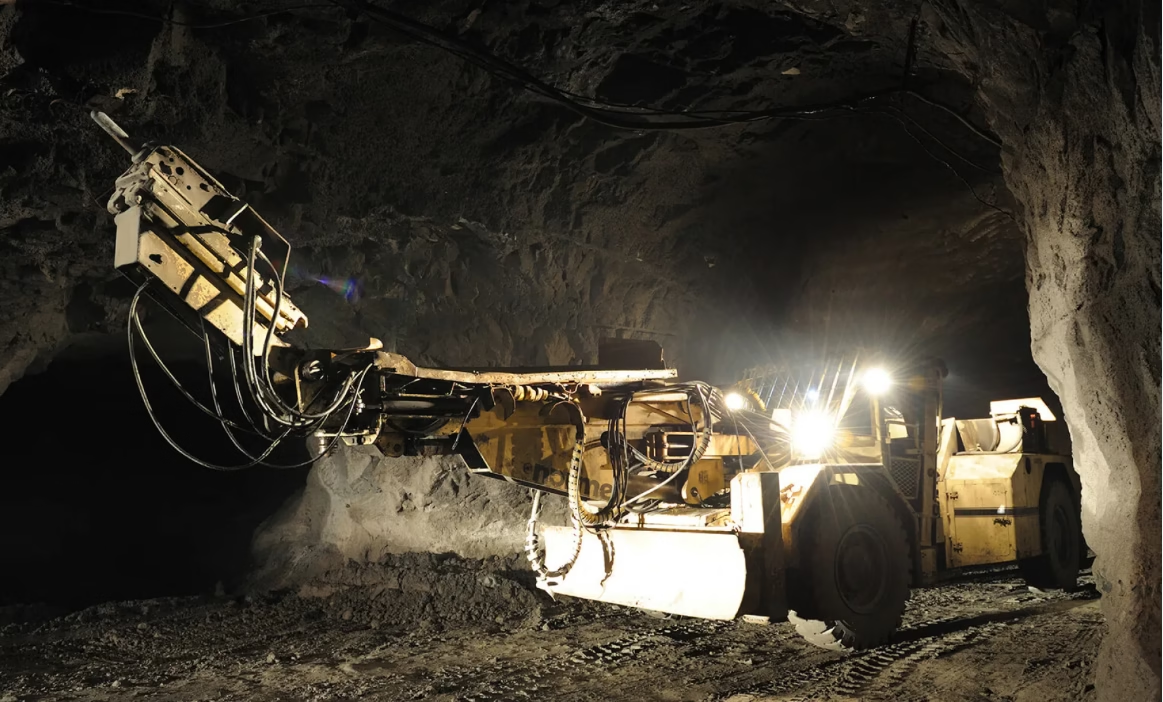
The Grasberg copper-gold mine in Indonesia, operated by PT Freeport Indonesia, is one of the world's largest and most technically complex hard rock mining operations. In recent years, the operation has transitioned to block cave mining (caving by gravity) to achieve depth-efficient extraction of ore from depths exceeding 1,000 meters. This transition creates unprecedented electrical infrastructure demands. 印尼自由港公司(PT Freeport Indonesia)运营的格拉斯伯格铜金矿是全球最大、技术最复杂的硬岩矿山之一。近年来,该矿区已过渡到自然崩落法(通过重力采矿),以实现深度超过1000米的矿石的深度高效开采。这一转变对电气基础设施提出了前所未有的要求。 Operational Context: Block cave mining requires large mobile substations, underground primary crushers, and heavy-duty drilling equipment (drill jumbos) to be positioned and repositioned continuously throughout the deep mine workings. Each of these installations demands flexible high-voltage power distribution cables capable of surviving: (1) Acidic sulfide-rich groundwater exposure, (2) Extreme mechanical abrasion from sharp porphyry rock fragments, (3) Continuous flexing and reeling during equipment repositioning, (4) High-voltage electrical stress at 11kV.

Grasberg Block Cave: Sourcing AS/NZS 1802 Type 241 11/11kV 3x95mm² for Indonesia Copper Mines

The Grasberg copper-gold mine in Indonesia, operated by PT Freeport Indonesia, is one of the world’s largest and most technically complex hard rock mining operations. In recent years, the operation has transitioned to block cave mining (caving by gravity) to achieve depth-efficient extraction of ore from depths exceeding 1,000 meters. This transition creates unprecedented electrical infrastructure demands. 印尼自由港公司(PT Freeport Indonesia)运营的格拉斯伯格铜金矿是全球最大、技术最复杂的硬岩矿山之一。近年来,该矿区已过渡到自然崩落法(通过重力采矿),以实现深度超过1000米的矿石的深度高效开采。这一转变对电气基础设施提出了前所未有的要求。 Operational Context: Block cave mining requires large mobile substations, underground primary crushers, and heavy-duty drilling equipment (drill jumbos) to be positioned and repositioned continuously throughout the deep mine workings. Each of these installations demands flexible high-voltage power distribution cables capable of surviving: (1) Acidic sulfide-rich groundwater exposure, (2) Extreme mechanical abrasion from sharp porphyry rock fragments, (3) Continuous flexing and reeling during equipment repositioning, (4) High-voltage electrical stress at 11kV.
Standards Clarification: AS/NZS 1972 defines Type 9 explicitly as a gas non-transmission cable, specifically engineered for flameproof (Ex d) electrical equipment enclosures. Type 9 cables are typically small-diameter, multi-core control or monitoring cables (0.5 mm², 1.5 mm², etc.)—never large power conductors like 3×95 mm². 标准澄清:AS/NZS 1972明确定义Type 9为防气体传输电缆,特别是为了防爆(Ex d)电气设备外壳而设计。Type 9电缆通常是小径、多芯的控制或监测电缆(0.5 mm²、1.5 mm²等)——绝对不是大功率导体如3×95 mm²。 Why the Confusion? The numbering system in AS/NZS 1972 progresses from Type 1 (fixed installation) through Type 8 (vertical shaft DWA cables). Type 9's designation comes last but reflects a specialized application (flameproof enclosures) rather than advancement in power capacity. Engineers sometimes assume higher type numbers equal higher voltage/current capacity—this assumption is incorrect for Type 9.

Tensile Load Limits: Calculating Maximum Suspension Depth for AS/NZS 1972 Mining Cables

Standards Clarification: AS/NZS 1972 defines Type 9 explicitly as a gas non-transmission cable, specifically engineered for flameproof (Ex d) electrical equipment enclosures. Type 9 cables are typically small-diameter, multi-core control or monitoring cables (0.5 mm², 1.5 mm², etc.)—never large power conductors like 3×95 mm². 标准澄清:AS/NZS 1972明确定义Type 9为防气体传输电缆,特别是为了防爆(Ex d)电气设备外壳而设计。Type 9电缆通常是小径、多芯的控制或监测电缆(0.5 mm²、1.5 mm²等)——绝对不是大功率导体如3×95 mm²。 Why the Confusion? The numbering system in AS/NZS 1972 progresses from Type 1 (fixed installation) through Type 8 (vertical shaft DWA cables). Type 9’s designation comes last but reflects a specialized application (flameproof enclosures) rather than advancement in power capacity. Engineers sometimes assume higher type numbers equal higher voltage/current capacity—this assumption is incorrect for Type 9.Standards Clarification: AS/NZS 1972 defines Type 9 explicitly as a gas non-transmission cable, specifically engineered for flameproof (Ex d) electrical equipment enclosures. Type 9 cables are typically small-diameter, multi-core control or monitoring cables (0.5 mm², 1.5 mm², etc.)—never large power conductors like 3×95 mm². 标准澄清:AS/NZS 1972明确定义Type 9为防气体传输电缆,特别是为了防爆(Ex d)电气设备外壳而设计。Type 9电缆通常是小径、多芯的控制或监测电缆(0.5 mm²、1.5 mm²等)——绝对不是大功率导体如3×95 mm²。 Why the Confusion? The numbering system in AS/NZS 1972 progresses from Type 1 (fixed installation) through Type 8 (vertical shaft DWA cables). Type 9’s designation comes last but reflects a specialized application (flameproof enclosures) rather than advancement in power capacity. Engineers sometimes assume higher type numbers equal higher voltage/current capacity—this assumption is incorrect for Type 9.
The Type 2S 11kV 3x95mm² cable has a base ampacity of 285 amperes when installed in free air at 40°C ambient temperature. However, in a typical underground mine substation where three or more feeder cables are installed side-by-side on a cable ladder, the practical usable current is reduced to approximately 228 amperes through application of temperature and grouping derating factors. This 228 A figure is the number that should govern your design calculations and equipment sizing for the substation feeder. Type 2S 11kV 3x95mm² 电缆在 40°C 环境温度的自由空气中安装时,其基础载流量为 285 安培。但在地下矿山变电站中,三根或更多馈电电缆并排安装在电缆桥架上的典型情况下,通过应用温度和编组降额系数,实际可用电流减少至约 228 安培。这个 228 A 的数字应该管理您的设计计算和变电站馈电的设备选型。

Ampacity Derating: Sizing Type 2S 11kV 3x95mm² for Underground Mine Substations (Ambient 40°C)

The Type 2S 11kV 3x95mm² cable has a base ampacity of 285 amperes when installed in free air at 40°C ambient temperature. However, in a typical underground mine substation where three or more feeder cables are installed side-by-side on a cable ladder, the practical usable current is reduced to approximately 228 amperes through application of temperature and grouping derating factors. This 228 A figure is the number that should govern your design calculations and equipment sizing for the substation feeder. Type 2S 11kV 3x95mm² 电缆在 40°C 环境温度的自由空气中安装时,其基础载流量为 285 安培。但在地下矿山变电站中,三根或更多馈电电缆并排安装在电缆桥架上的典型情况下,通过应用温度和编组降额系数,实际可用电流减少至约 228 安培。这个 228 A 的数字应该管理您的设计计算和变电站馈电的设备选型。
Feichun AS/NZS 1972 Type 2S 3.3kV cables can serve as direct drop-in replacements for Olex Nexans Versolex Type 2S mining cables, provided that the specifications are matched cross-section for cross-section and that the installation environment confirms compliance with AS/NZS 1972 requirements. However, this replacement is not automatic or universal. It requires careful verification of your existing Olex cable specifications, comparison against Feichun's equivalent product line, validation of termination compatibility, and confirmation that your mining site's electrical protection systems (earth leakage relays, neutral earthing resistors, and protection settings) are appropriately configured for the replacement cable's impedance characteristics.

Drop-in SWA Replacement for Olex Versolex Type 2S 3.3kV Underground Power Cable

Feichun AS/NZS 1972 Type 2S 3.3kV cables can serve as direct drop-in replacements for Olex Nexans Versolex Type 2S mining cables, provided that the specifications are matched cross-section for cross-section and that the installation environment confirms compliance with AS/NZS 1972 requirements. However, this replacement is not automatic or universal. It requires careful verification of your existing Olex cable specifications, comparison against Feichun’s equivalent product line, validation of termination compatibility, and confirmation that your mining site’s electrical protection systems (earth leakage relays, neutral earthing resistors, and protection settings) are appropriately configured for the replacement cable’s impedance characteristics.
The Type 241 1.1/1.1kV 3x95mm² underground mining trailing cable has a continuous ampacity rating of approximately 265 amperes per conductor when operating under the following standard reference conditions: an ambient (air or soil) temperature of 40°C, a maximum conductor temperature of 90°C, and typical installation methods for buried or bundled trailing cables in underground mining environments. This 265-ampere rating represents the maximum continuous current that each individual power conductor (the three 95mm² cores) can safely carry indefinitely without exceeding the insulation's thermal limits or compromising the cable's mechanical and electrical integrity. However, and this distinction is critically important, the 265A figure applies only when the cable operates under these precise reference conditions—when ambient temperature rises, when multiple cables are bundled together, or when installation methods change, the safe operating current must be reduced through the application of specific derating factors that reflect the real-world thermal environment.

Type 241 1.1/1.1kV 3x95mm² Underground Trailing Cable Ampacity Rating: Complete Current Capacity Guide for Continuous Miner Power Sizing

The Type 241 1.1/1.1kV 3x95mm² underground mining trailing cable has a continuous ampacity rating of approximately 265 amperes per conductor when operating under the following standard reference conditions: an ambient (air or soil) temperature of 40°C, a maximum conductor temperature of 90°C, and typical installation methods for buried or bundled trailing cables in underground mining environments. This 265-ampere rating represents the maximum continuous current that each individual power conductor (the three 95mm² cores) can safely carry indefinitely without exceeding the insulation’s thermal limits or compromising the cable’s mechanical and electrical integrity. However, and this distinction is critically important, the 265A figure applies only when the cable operates under these precise reference conditions—when ambient temperature rises, when multiple cables are bundled together, or when installation methods change, the safe operating current must be reduced through the application of specific derating factors that reflect the real-world thermal environment.