
A Comprehensive Technical Guide to 0.6/1kV PUR-Jacketed Reeling Cables: Aramid Reinforcement Architecture, Reduced Outer Diameter Design, Mechanical Stress Tolerance, and Complete Ampacity Charts for RTG, STS, and Container Handling Equipment
Draka Buflex XTREME 替代品指南:港口起重机高性能卷筒电缆——0.6/1kV PUR 护套卷筒电缆深度解析:芳纶强化设计、极致紧凑外径、机械应力耐受性与 RTG、STS 和集装箱搬运设备的完整载流量图表
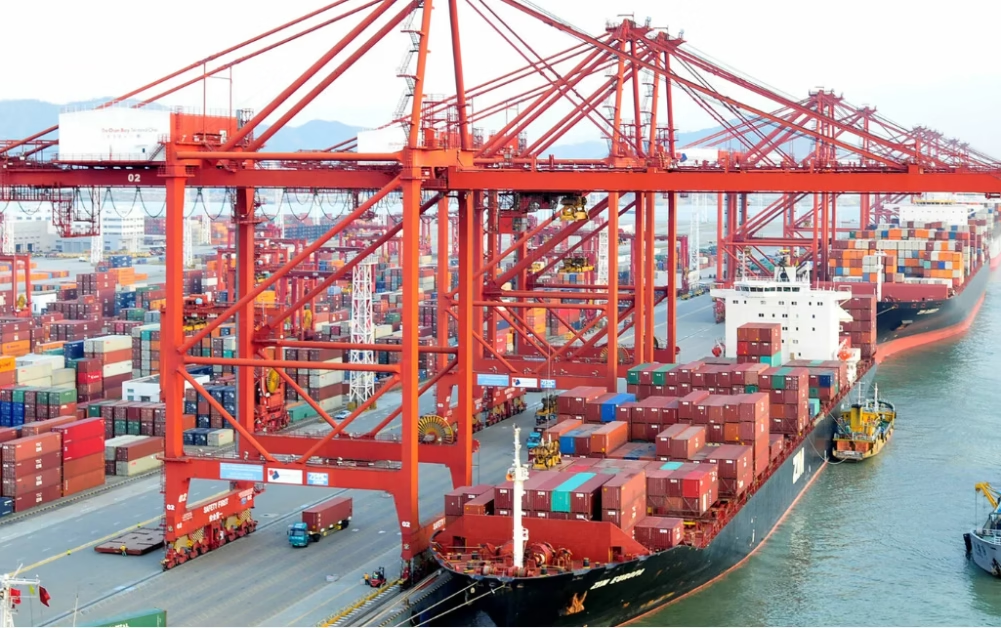
Draka Buflex XTREME Replacement Guide: High-Performance Reeling Cables for Port Cranes with Superior Cost-Effectiveness and Fast Delivery
A Comprehensive Technical Guide to 0.6/1kV PUR-Jacketed Reeling Cables: Aramid Reinforcement Architecture, Reduced Outer Diameter Design, Mechanical Stress Tolerance, and Complete Ampacity Charts for RTG, STS, and Container Handling Equipment
Draka Buflex XTREME 替代品指南:港口起重机高性能卷筒电缆——0.6/1kV PUR 护套卷筒电缆深度解析:芳纶强化设计、极致紧凑外径、机械应力耐受性与 RTG、STS 和集装箱搬运设备的完整载流量图表
1. The Buflex XTREME Phenomenon — Why Port Terminals Seek Alternatives
Walk into the procurement office of any major container port or container handling facility, and you will almost certainly encounter discussions about reeling cables for cranes. The conversation often centers around one particular product family: Draka’s Buflex XTREME series. Since its introduction in the early 2000s, Buflex XTREME has become the de facto standard for high-speed, space-constrained applications across port machinery—rubber tyred gantry cranes (RTG), ship-to-shore cranes (STS), and mobile harbor equipment. The cable family has earned this reputation through genuine technical excellence: an exceptionally compact outer diameter, remarkable flexibility, and proven durability under continuous flexing stress. Yet despite—or perhaps because of—this market dominance, Buflex XTREME presents a formidable procurement challenge for port operators, especially those managing budgets across multiple facilities in different regions.
走进任何主要集装箱港口或集装箱搬运设施的采购办公室,您几乎肯定会遇到关于起重机卷筒电缆的讨论。对话通常围绕一个特定的产品系列进行:Draka 的 Buflex XTREME 系列。自 2000 年代初推出以来,Buflex XTREME 已成为港口机械中高速、空间受限应用的事实上标准——橡胶轮胎式门式起重机(RTG)、岸吊(STS)和移动港口设备。电缆系列通过真正的技术卓越性赢得了这一声誉:非常紧凑的外径、显著的灵活性和在持续弯曲应力下的经过证实的耐久性。然而,尽管——或许正因为——这种市场主导地位,Buflex XTREME 对港口运营商提出了可怕的采购挑战,尤其是那些在不同地区管理多个设施预算的运营商。
The challenge manifests in three critical areas: first, the lead time for Buflex XTREME cables stretches to 16–20 weeks from order to delivery, an eternity when a crane has failed and container handling operations are backed up. Second, the price premium—Buflex XTREME cables command 30–50 percent higher pricing than comparable products from other manufacturers, a premium that becomes staggering when calculated across the 5–15 kilometers of cable that a major port facility might specify annually. Third, the exclusivity of the product family means that procurement officers have limited alternatives and little leverage in price negotiations. This combination of factors has created a persistent market opportunity for high-quality alternative manufacturers who can deliver cables meeting or exceeding the technical performance of Buflex XTREME while offering substantially faster lead times and more competitive pricing. This article explores what makes Buflex XTREME special, what engineering principles any qualified replacement must embody, and which manufacturers have successfully developed products worthy of the “Buflex XTREME equivalent” designation.
这个挑战在三个关键领域表现出来:首先,Buflex XTREME 电缆的交期从订单到交付延伸至 16–20 周,当起重机失效且集装箱搬运作业备份时这是一个漫长的时间。其次,价格溢价——Buflex XTREME 电缆与其他制造商的可比产品相比要求 30–50% 的更高定价,当计算一个主要港口设施可能年度指定的 5–15 公里电缆时,这个溢价变得惊人。第三,产品系列的排他性意味着采购官员的替代品选择有限,在价格谈判中的杠杆也很少。这些因素的组合为能够交付符合或超过 Buflex XTREME 技术性能的电缆的高质量替代制造商创造了持久的市场机会,同时提供明显更快的交期和更具竞争力的定价。本文探讨了是什么使 Buflex XTREME 特别,任何合格的替代品必须体现的工程原则,以及哪些制造商已成功开发值得”Buflex XTREME 等效产品”名称的产品。
To the uninitiated, a reeling cable looks much like any other industrial power cable—a conductor wrapped in insulation, maybe some shielding, and an outer jacket. In reality, a port crane reeling cable operates under stress conditions that most fixed installation cables never experience. The cable is wound onto a drum with a defined pitch, flexes hundreds of times per operational cycle, experiences constant tension from the crane’s load-bearing system, and endures abrasion from contact with the drum surface, guide rollers, and adjacent cable layers. The outer diameter must be minimal—a difference of just a few millimeters can mean the cable either fits the drum or doesn’t—yet the cable must retain its electrical and mechanical properties after 10,000 or more flexing cycles. This is a design problem that requires deep understanding of polymer chemistry, mechanical engineering, and electrical insulation principles working in concert. Buflex XTREME succeeded by solving this problem better than competing designs. Its replacement must do the same.
对于不了解的人来说,卷筒电缆看起来很像任何其他工业电力电缆——一个导体包裹在绝缘中,也许有一些屏蔽和外护套。实际上,港口起重机卷筒电缆在大多数固定安装电缆从未经历的应力条件下运行。电缆以定义的螺距缠绕在滚筒上、每个运行周期弯曲数百次、从起重机的承载系统经历持续张力,并从与滚筒表面、导轮和相邻电缆层的接触中忍受磨损。外径必须最小——仅仅几毫米的差异就可能意味着电缆要么适配滚筒要么不适配——但电缆在 10,000 次或更多弯曲循环后必须保持其电气和机械性能。这是一个设计问题,需要深入理解聚合物化学、机械工程和电气绝缘原理协同工作。Buflex XTREME 通过比竞争设计更好地解决这个问题而成功。它的替代品必须做同样的事情。
2. Understanding Reeling Cables: The Unique Demands of Port Machinery
Before comparing cable designs and specifications, it helps to understand why reeling cables are fundamentally different from the power distribution cables you might find in an office building or an industrial factory. The distinction hinges on the word “dynamic”—reeling cables must survive thousands of mechanical flexing cycles while carrying electrical current, and both the electrical and mechanical stresses accumulate over time.
在比较电缆设计和规格之前,理解为什么卷筒电缆在根本上不同于您可能在办公楼或工业工厂中找到的电力分配电缆是有帮助的。这个区别以单词”动态”为中心——卷筒电缆必须在承载电流的同时经历数千次机械弯曲循环,电气和机械应力都随时间而累积。
Consider a typical RTG (rubber tyred gantry) crane on a busy container terminal. The crane’s hoist mechanism (the mechanical system that lifts containers) is powered by an electric motor fed through a reeling cable. As the hoist rises and falls, the cable winds and unwinds from a motorized drum. Each lifting cycle—potentially hundreds of cycles per day—creates a flexing event. If you watch the cable closely, you will see it not only bend at the point where it leaves the drum (in a roughly circular arc determined by the drum radius and the cable’s minimum bending radius), but also twist slightly as the drum rotates and the cable’s helix geometry changes. The cable simultaneously carries current—perhaps 100 to 300 amperes—which generates resistive heating. This combination of mechanical flexing, twisting, and electrical heating is what distinguishes reeling cable design from static cable design.
考虑一个繁忙集装箱码头上的典型 RTG(橡胶轮胎式门式)起重机。起重机的提升机制(提升集装箱的机械系统)由通过卷筒电缆供电的电动机驱动。当提升机上升和下降时,电缆从电动化滚筒缠绕和展开。每个提升周期——可能每天数百个周期——创建一个弯曲事件。如果您密切观察电缆,您将看到它不仅在离开鼓的点处弯曲(以由鼓半径和电缆的最小弯曲半径确定的大致圆弧),而且当鼓旋转且电缆的螺旋几何变化时还略微扭转。电缆同时携带电流——可能 100 至 300 安培——产生电阻加热。这种机械弯曲、扭转和电气加热的组合是区分卷筒电缆设计与静态电缆设计的原因。
2.1 The Mechanical Stress Environment 机械应力环境
The mechanical stresses in a reeling cable application fall into several categories, each demanding specific design responses. Tensile stress arises from the weight of the lifted load being transmitted through the cable to the drum. For a typical RTG crane lifting a 30-ton container, the cable might experience 15–25 kilonewtons of tensile force. This force must be borne without permanent deformation of the conductor or insulation. Bending stress occurs as the cable wraps around the drum and passes through guide rollers. Unlike a fixed installation where the cable is hung from a support structure, a reeling cable must repeatedly cycle through small bending radii (often just 4 to 6 times the cable’s outer diameter) without fatigue failure of the copper strands or cracking of the insulation. Torsional stress results from the cable’s helical winding on the drum—as the drum rotates, the cable naturally wants to untwist, creating internal shear stress within the conductor bundle and insulation layers.
卷筒电缆应用中的机械应力分为几个类别,每个都要求特定的设计响应。张力应力来自被提升的负载的重量通过电缆传递到滚筒。对于提升 30 吨集装箱的典型 RTG 起重机,电缆可能经历 15–25 千牛的张力。这个力必须被承受而不对导体或绝缘进行永久变形。弯曲应力在电缆绕过鼓并通过导轮时发生。与电缆从支撑结构悬挂的固定安装不同,卷筒电缆必须重复循环通过小弯曲半径(通常仅 4 至 6 倍电缆的外径),而不失效铜股或绝缘的疲劳。扭转应力源于电缆在鼓上的螺旋缠绕——当鼓旋转时,电缆自然想要解缠,在导体束和绝缘层内创建内部剪切应力。
The most insidious stress, however, is cumulative fatigue. A cable might survive a single 25-kilonewton pull without difficulty, but when that pull is repeated 500 times per day, 350 days per year, for 8 years (the typical service life of a port crane cable), the cumulative mechanical energy exceeds 35 megajoules. This energy slowly works to break down the polymer chains in the insulation and jacket, causing micro-cracks that eventually lead to moisture ingress, conductor oxidation, and electrical failure. The engineering task for a reeling cable designer is to choose materials and geometric configurations that can absorb and dissipate this cumulative mechanical energy without degradation. This is why Buflex XTREME, and any credible replacement, invests so heavily in sophisticated insulation and jacket compounds rather than economizing on materials.
然而,最隐伏的应力是累积疲劳。电缆可能毫无困难地经受单个 25 千牛的拉力,但当这个拉力每天重复 500 次、每年 350 天、8 年(港口起重机电缆的典型使用寿命)时,累积机械能超过 35 兆焦耳。这个能量缓慢地工作以破坏绝缘和护套中的聚合物链,导致最终导致水分侵入、导体氧化和电气失效的微裂纹。对于卷筒电缆设计师的工程任务是选择可以吸收和散散这种累积机械能而不降级的材料和几何配置。这就是为什么 Buflex XTREME 以及任何可信的替代品投资如此之多的精密绝缘和护套化合物,而不是在材料上节约的原因。
3. PUR Jacket Systems: Superior Performance Through Advanced Polymer Chemistry
The outer jacket of a reeling cable is not merely cosmetic—it is a critical component that determines whether the cable will survive its operational environment intact. Buflex XTREME and its high-quality replacements specify jacket materials formulated from polyurethane (PUR) rather than the PVC or standard rubber compounds that many budget alternatives employ. To understand why this choice matters, it is helpful to consider what the jacket must endure over the cable’s lifetime.
卷筒电缆的外护套不仅仅是装饰性的——它是一个关键组件,决定电缆是否能够完好地在其运行环境中生存。Buflex XTREME 及其高质量替代品指定用聚氨酯(PUR)配制的护套材料,而不是许多预算替代品使用的 PVC 或标准橡胶化合物。要理解为什么这个选择很重要,考虑护套必须在电缆的生命周期内忍受什么是有帮助的。
In a port environment, the cable is exposed to salt spray containing chloride ions, ultraviolet radiation from the sun (particularly intense in terminals located in tropical or subtropical regions), ozone from industrial atmospheres near diesel-powered equipment, and mechanical abrasion from dragging across rough surfaces and contact with metal drum edges. Any of these stressors can degrade a PVC jacket over months or years. Chloride ions penetrate PVC and attack the underlying copper conductor, causing “white rust” (copper oxide) formation. UV radiation breaks the polymer chains in PVC, causing embrittlement and loss of flexibility. Ozone oxidizes PVC, creating cracks through which moisture can enter.
在港口环境中,电缆暴露于含有氯化物离子的盐雾、来自太阳的紫外线辐射(在位于热带或亚热带地区的码头中特别强烈)、来自柴油动力设备附近工业大气的臭氧,以及从粗糙表面拖动和与金属鼓边缘接触的机械磨损。这些任何一个压力因素都可以在数月或数年内降低 PVC 护套。氯化物离子渗透 PVC 并攻击底层铜导体,导致”白锈”(氧化铜)形成。UV 辐射破坏 PVC 中的聚合物链,导致变脆和失去灵活性。臭氧氧化 PVC,创建水分可以进入的裂纹。
PUR jackets, by contrast, are formulated with chemical additives that provide superior performance against these environmental stressors. A properly compounded PUR jacket includes UV stabilizers (typically hindered amine light stabilizers, or HALS) that intercept and neutralize UV photons before they can damage the polymer backbone. It includes antioxidants (such as phenolic or aminic compounds) that scavenge free radicals produced by oxidative attack from ozone and salt spray. The PUR polymer itself has stronger chemical bonds than PVC, making it more resistant to chloride ion penetration. Additionally, PUR is inherently more flexible than rigid PVC, so even after prolonged exposure to UV and ozone, a PUR jacket maintains its flexibility and resistance to cracking.
相比之下,PUR 护套用化学添加剂配制,对这些环保压力因素提供优异的性能。正确配制的 PUR 护套包括 UV 稳定剂(通常为受阻胺光稳定剂或 HALS),在 UV 光子能够损害聚合物骨架之前截取并中和它们。它包括 抗氧化剂(如酚醛或胺基化合物),清除由臭氧和盐雾的氧化攻击产生的自由基。PUR 聚合物本身比刚性 PVC 具有更强的化学键,使其对氯化物离子渗透更具抵抗力。此外,PUR 本质上比刚性 PVC 更灵活,所以即使经过长期暴露于 UV 和臭氧后,PUR 护套保持其灵活性和对裂纹的抵抗力。
3.1 Halogen-Free vs. Flame-Retardant Formulations 无卤 vs. 阻燃配方
A modern purchasing specification often requests cables with halogen-free (HF) or low-smoke, zero-halogen (LSZH) jacket formulations, driven by environmental and safety regulations that have increasingly restricted the use of halogenated flame retardants. The irony is that halogen-free PUR formulations require even more sophisticated chemistry than halogenated versions. Without halogen atoms to interrupt combustion chain reactions, engineers must rely on mineral fillers (such as aluminum trihydrate or magnesium hydroxide) and advanced reactive compounds to achieve flame retardance. The result is that a halogen-free PUR cable is often more expensive than its halogenated counterpart, but it also offers superior environmental performance and produces minimal smoke and toxic gas if exposed to fire.
现代采购规范通常要求具有无卤(HF)或低烟、零卤素(LSZH)护套配方的电缆,由日益限制卤化阻燃剂使用的环保和安全法规推动。讽刺的是,无卤 PUR 配方需要比卤化版本更复杂的化学。没有卤素原子来中断燃烧链反应,工程师必须依靠矿物填料(如氢氧化铝或氢氧化镁)和先进的反应化合物来实现阻燃性。结果是无卤 PUR 电缆通常比其卤化对应物更昂贵,但它也提供了优异的环保性能,如果暴露于火灾,产生最少的烟和有毒气体。
4. Aramid Reinforcement: How Kevlar Networks Bear Mechanical Loads
The defining technical feature that separates premium reeling cables like Buflex XTREME from budget alternatives is the integration of aramid reinforcement—most commonly known by the DuPont trade name “Kevlar.” This reinforcement is not a cosmetic addition; it is a structural component that bears much of the mechanical load placed on the cable during flexing and tension events.
将 Buflex XTREME 这样的高端卷筒电缆与预算替代品分开的定义技术特征是芳纶强化的整合——最常由杜邦商品名”Kevlar”所知。这个强化不是装饰性添加;它是一个结构组件,在弯曲和张力事件期间承受放在电缆上的许多机械负载。
Aramid fibers are synthetic polymers with exceptional mechanical properties: they possess tensile strength comparable to steel, yet weigh significantly less. A single aramid fiber strand has a diameter of only 10–15 micrometers but can bear a tensile load of several grams without breaking. In a reeling cable, aramid fibers are typically woven into a braided network that encircles the insulation layer, positioned between the insulation and the outer PUR jacket. This network serves multiple functions simultaneously. First, it distributes the tensile load applied to the cable across many fibers, preventing any single point of stress concentration that would cause insulation rupture. Second, the braided structure provides torque resistance—when the cable twists due to drum rotation, the aramid braid resists the twist and distributes the torsional stress uniformly through the cable’s cross-section. Third, the aramid braid provides abrasion protection—the Kevlar fibers are extremely hard and resistant to mechanical wear, so they shield the underlying insulation from damage during contact with drum surfaces and guide rollers.
芳纶纤维是具有异常机械性能的合成聚合物:它们具有与钢相当的抗拉强度,但重量明显较轻。单个芳纶纤维股仅有 10–15 微米的直径,但可以承受数克的张力负载而不断裂。在卷筒电缆中,芳纶纤维通常编织成环绕绝缘层的编织网络,定位在绝缘和外部 PUR 护套之间。这个网络同时具有多个功能。首先,它将施加到电缆的张力分布在许多纤维中,防止会导致绝缘破裂的任何单点应力集中。其次,编织结构提供 扭矩电阻——当电缆由于鼓旋转而扭转时,芳纶编织物抵抗扭转并均匀分布通过电缆横截面的扭转应力。第三,芳纶编织物提供 磨损保护——Kevlar 纤维极其坚硬并对机械磨损有抵抗力,所以它们保护底层绝缘在与鼓表面和导轮接触期间不受损害。
The percentage coverage of the aramid braid—often specified as 70–90% of the cable’s circumference—represents a critical design choice. Higher coverage (90%) provides superior load distribution and abrasion protection but increases the cable’s weight and slightly reduces its flexibility. Lower coverage (70%) sacrifices some load distribution but results in a lighter, more flexible cable. Buflex XTREME typically specifies 85–90% aramid coverage, accepting the slight weight penalty in exchange for maximum durability in high-stress port environments. Quality replacement cables should match or exceed this specification.
芳纶编织物的百分比覆盖率——通常指定为电缆周长的 70–90%——代表一个关键的设计选择。更高的覆盖率(90%)提供优异的负载分布和磨损保护,但增加电缆的重量并略微降低其灵活性。更低的覆盖率(70%)牺牲一些负载分布,但导致更轻、更灵活的电缆。Buflex XTREME 通常指定 85–90% 芳纶覆盖率,为了在高应力港口环境中的最大耐久性而接受轻微的重量惩罚。质量替代电缆应匹配或超过这个规范。
To qualify an aramid-reinforced reeling cable, manufacturers subject it to standardized bending fatigue tests. One common test, derived from industrial standards such as DIN 53237 or IEC 60811-4-4, involves wrapping the cable around a drum with a defined radius and mechanically cycling the cable through thousands of bend-unbend cycles at a specified speed. The test continues until either the cable reaches the specified number of cycles (typically 50,000 to 100,000) without failure, or the cable fails due to insulation breakdown or conductor strand breakage. High-quality cables engineered like Buflex XTREME easily pass 50,000 cycles without degradation. Lower-cost alternatives that omit or reduce aramid reinforcement often fail by 5,000 to 10,000 cycles, revealing the inadequacy of their design for production port environments.
要认证芳纶强化卷筒电缆,制造商将其置于标准化弯曲疲劳测试中。一个常见的测试,源于工业标准如 DIN 53237 或 IEC 60811-4-4,涉及以定义的半径绕过鼓缠绕电缆,并在指定速度下机械循环电缆通过数千次弯曲-展开循环。测试继续进行,直到电缆达到指定的循环数(通常 50,000 至 100,000)而不失效,或电缆由于绝缘击穿或导体股断裂而失效。工程为 Buflex XTREME 这样的高质量电缆毫无困难地通过 50,000 个循环而不降低。许多低成本替代品,省略或减少芳纶强化,通常在 5,000 至 10,000 个循环失效,揭示它们对生产港口环境设计的不充分。
5. Compact Design Philosophy: Reducing Outer Diameter Without Sacrificing Performance
Perhaps the single most visible design difference between Buflex XTREME and conventional cables is outer diameter. For a given conductor size and voltage rating, Buflex XTREME cables achieve a much smaller outer diameter—often 15–25% smaller—than conventional alternatives. This compact design is not an arbitrary aesthetic choice; it directly impacts the port facility’s bottom line through several mechanisms.
也许 Buflex XTREME 和传统电缆之间最单一的可见设计差异是外径。对于给定的导体尺寸和电压额定值,Buflex XTREME 电缆实现了比传统替代品更小的外径——通常 15–25% 更小。这个紧凑设计不是武断的美学选择;它通过多个机制直接影响港口设施的底线。
First, a smaller outer diameter allows more cable length to be wound onto a given drum. A typical RTG crane hoists mechanism might have a 300 millimeter diameter drum. The number of cable wraps that fit on this drum is directly proportional to the cable’s outer diameter—if you reduce the OD by 20%, you can fit approximately 20% more cable length on the same drum. This matters because it extends the service life of the cable before rewinding becomes necessary, and it also permits thinner conductor sizes to be used for given current levels, reducing the total cable cost.
首先,更小的外径允许更多的电缆长度卷绕到给定的鼓上。典型的 RTG 起重机提升机制可能有 300 毫米直径的鼓。适配到这个鼓上的电缆缠绕数直接与电缆的外径成正比——如果将 OD 减少 20%,您可以在相同的鼓上装配大约 20% 更多的电缆长度。这很重要,因为它延长了电缆的使用寿命在重新缠绕变为必要之前,它也允许为给定电流水平使用更薄的导体尺寸,减少总电缆成本。
Second, compact design improves cable mobility and handling during installation. Port crane installation teams work under tight physical constraints—the cable must be routed through crowded equipment racks, across moving parts, and into tight motor connection spaces. A 5-millimeter reduction in outer diameter, multiplied across multiple cable runs, accumulates into significant installation advantages and sometimes makes the difference between whether a modernization project can even be physically accomplished.
其次,紧凑设计改进了安装期间的电缆机动性和搬运。港口起重机安装团队在紧密的物理约束下工作——电缆必须通过拥挤的设备机架、跨越移动部件并进入紧的电动机连接空间进行路由。外径中的 5 毫米减少,跨多条电缆路线乘以,累积成显著的安装优势,有时使港口现代化项目甚至是否能够物理完成产生差异。
Achieving compact design requires sophisticated engineering. A naive approach would be to simply reduce insulation thickness, but this creates electrical risks (increased partial discharge risk, lower breakdown voltage margin). Instead, premium cables like Buflex XTREME use optimized insulation thickness tailored to the specific voltage class (0.6 kV insulation can be thinner than 1 kV insulation), combined with advanced conductor stranding using ultra-fine copper wires that pack more efficiently than conventional stranding, and balanced jacket thickness optimized to provide adequate mechanical protection without excess material. The result is a cable that is simultaneously more compact and more durable than thick, bloated alternatives.
实现紧凑设计需要精密工程。天真的方法是简单地减少绝缘厚度,但这会创建电气风险(增加局部放电风险、降低击穿电压裕度)。相反,Buflex XTREME 这样的高端电缆使用针对特定电压等级定制的 优化绝缘厚度(0.6 kV 绝缘可以比 1 kV 绝缘更薄),结合使用比传统绞合更有效堆积的超细铜线的 高级导体绞合,以及 平衡护套厚度优化以提供足够的机械保护而不过度材料。结果是一条同时比厚、臃肿的替代品更紧凑和更耐用的电缆。
6. Complete Technical Specifications and Ampacity Tables
For port engineers and procurement specialists responsible for selecting reeling cables, comprehensive technical data is essential for making informed decisions. The following table presents specifications for high-performance PUR-jacketed reeling cables suitable as Buflex XTREME equivalents, covering the range of conductor sizes and configurations typically encountered in modern port machinery. All ampacity ratings are calculated according to industry standards (IEC 60811, DIN VDE 0295) assuming free-air installation at 30°C ambient temperature, which is typical for port decks in moderate climates. In tropical locations where ambient temperatures regularly exceed 40°C, a thermal derating factor must be applied.
对于负责选择卷筒电缆的港口工程师和采购专家,全面的技术数据对于做出明智决策至关重要。下表呈现适合作为 Buflex XTREME 等效产品的高性能 PUR 护套卷筒电缆的规格,覆盖在现代港口机械中通常遇到的导体尺寸和配置范围。所有载流量额定值都根据行业标准(IEC 60811、DIN VDE 0295)计算,假设在 30°C 环境温度下的自由空气安装,这对中等气候的港口甲板是典型的。在环境温度定期超过 40°C 的热带地区,必须应用热去额定因素。
| Core Cores × mm² 芯数 | AWG Approx. | Outer Ø Range (mm) | Cu Weight (kg/km) | Total Weight (kg/km) | Ampacity @ 30°C (A)* |
|---|---|---|---|---|---|
| 4 G 16 | 6 AWG | 18.5 – 20.5 | ~614 | ~780 | 95 |
| 4 G 25 | 4 AWG | 22.5 – 24.5 | ~960 | ~1,250 | 127 |
| 3 x 35 + 3G 6 | 2 AWG | 24.0 – 26.5 | ~1,180 | ~1,480 | 158 |
| 3 x 50 + 3G 10 | 1/0 AWG | 29.5 – 31.5 | ~1,728 | ~2,150 | 192 |
| 3 x 70 + 3G 16 | 2/0 AWG | 34.0 – 36.5 | ~2,476 | ~2,950 | 246 |
| 3 x 95 + 3G 16 | 3/0 AWG | 39.5 – 42.0 | ~3,200 | ~3,850 | 298 |
| 3 x 120 + 3G 25 | 4/0 AWG | 44.0 – 46.5 | ~4,176 | ~4,850 | 346 |
* Ampacity ratings assume free-air installation at 30°C ambient. When cables are wound on drums with multiple layers, a derating factor must be applied: single-layer winding ~0.80, double-layer ~0.65, three-layer ~0.50, four-layer ~0.44. Temperature derating: reduce ampacity by approximately 3–5% for each 10°C increase in ambient temperature above 30°C.
6.1 Understanding Ampacity Derating Factors 理解载流量去额定因素
The ampacity values in the table above represent the cable’s carrying capacity under ideal conditions: single, unwound, exposed to free air circulation, with no neighboring cables creating thermal interference. Real-world port crane installations, however, rarely achieve these ideal conditions. The cable is wound onto a drum in multiple layers, with inner layers surrounded by outer layers that impede heat dissipation. Additionally, in tropical climates or during peak summer operations, ambient temperatures can rise to 35–40°C, reducing the available temperature margin for heat dissipation.
上面表格中的载流量值代表电缆在理想条件下的承载能力:单个、展开、暴露于自由空气循环,没有相邻电缆创建热干扰。然而,真实的港口起重机安装很少达到这些理想条件。电缆以多层卷绕到鼓上,内层被阻碍散热的外层包围。此外,在热带气候或峰值夏季运行期间,环境温度可以上升到 35–40°C,减少散热的可用温度裕度。
When applying derating factors, it is important to be conservative. A cable that is rated for 192 amperes in free air, when wound on a drum in three layers, should be derated to approximately 192 × 0.50 = 96 amperes for continuous operation. This calculation may seem harsh, but it directly reflects the thermal reality: the outer cable layers create an insulating blanket that prevents inner layers from dissipating heat efficiently. Port engineers should perform this derating calculation explicitly in their design specifications and ensure that the motor or equipment powered by the cable is sized to operate comfortably within the derated ampacity limit.
应用去额定因素时,保守很重要。在自由空气中额定 192 安培的电缆,当在三层鼓上卷绕时,应去额定到大约 192 × 0.50 = 96 安培连续运行。这个计算可能看起来很严厉,但它直接反映了热现实:外层电缆层创建一个绝缘毯,防止内层有效散热。港口工程师应在其设计规范中显式执行这个去额定计算,并确保由电缆供电的电动机或设备尺寸适合在去额定载流量限制内舒适地运行。
7. Mechanical Stress Analysis: Tensile Strength, Torsion, and Flexing Cycles
To fully appreciate why Buflex XTREME commands premium pricing and why quality replacements must match its mechanical engineering, it is worthwhile to analyze the stresses a reeling cable endures quantitatively. Consider a typical hoist system on an RTG crane, which must support and lift containers weighing 20 to 40 tons. The hoist typically consists of four wire rope cables running from the hoist motor’s drum to the lift frame below. If the four ropes share the load equally, each rope bears one-quarter of the total load. For a 40-ton container, this means each rope experiences approximately 100 kilonewtons of tension.
要完全欣赏为什么 Buflex XTREME 要求溢价定价,以及为什么质量替代品必须匹配其机械工程,值得定量分析卷筒电缆忍受的应力。考虑 RTG 起重机上的典型提升系统,它必须支撑和提升重达 20 至 40 吨的集装箱。提升系统通常由从提升电动机鼓到下方提升框架的四条钢绳电缆组成。如果四条绳共享负载均等,每条绳承受总负载的四分之一。对于 40 吨集装箱,这意味着每条绳经历大约 100 千牛的张力。
Now consider what this tensile force does to an electrical power cable routed near the hoist system. The cable does not bear the full 100 kilonewton load directly (that is the rope’s job), but the mechanical vibrations and lateral stresses created by the rope tension are transmitted to nearby cables. A well-designed reeling cable must tolerate these transmitted stresses without permanent deformation or insulation damage. This is where the aramid reinforcement becomes critical: it distributes the stress across the braided fibers, preventing any single location from exceeding the insulation’s rupture strength.
现在考虑这个张力对路由在提升系统附近的电力电缆做了什么。电缆不直接承受完整的 100 千牛负载(那是绳的工作),但由绳张力创建的机械振动和侧向应力被传输到相邻电缆。设计良好的卷筒电缆必须容忍这些传输的应力而不进行永久变形或绝缘损害。这就是芳纶强化变得关键的地方:它在编织纤维中分布应力,防止任何单个位置超过绝缘的破裂强度。
7.1 The Fatigue Life Model 疲劳寿命模型
The cumulative damage that a cable sustains over thousands of flexing cycles can be modeled using classical fracture mechanics principles. Under repeated mechanical cycling, cracks initiate at microscopic defects in the insulation or jacket and propagate incrementally with each stress cycle. The rate of crack propagation depends on the stress amplitude: higher stresses cause faster propagation. For a reeling cable that must survive 8 years of continuous operation (approximately 1,000,000 flexing cycles for a busy RTG), the stress amplitude at each cycle must be kept below a critical threshold to prevent runaway crack growth.
电缆在数千次弯曲循环中累积的累积损伤可以使用经典断裂力学原理建模。在重复机械循环下,裂纹在绝缘或护套中的微观缺陷处开始并通过每个应力循环递增传播。裂纹传播率取决于应力幅度:更高的应力导致更快的传播。对于必须存活 8 年连续运行(对于繁忙的 RTG 大约 1,000,000 个弯曲循环)的卷筒电缆,每个循环处的应力幅度必须保持在关键阈值以下,以防止失控裂纹生长。
Sophisticated reeling cable designs incorporate stress concentration reduction features to keep the stress amplitude low even during high-load events. These features include carefully designed transition zones between the insulation and jacket where the elastic modulus changes gradually rather than abruptly, eliminating stress concentration points. They also include the aramid braiding pattern itself, which by distributing load across many fibers, reduces the peak stress seen by any single location. A budget cable design that omits these features or uses coarser aramid braiding will experience higher stress concentrations and thus higher crack propagation rates, leading to premature failure.
精密的卷筒电缆设计融入了 应力集中减少特征,即使在高负载事件期间也保持应力幅度低。这些特征包括绝缘和护套之间精心设计的过渡区,其中弹性模量逐渐而非突然变化,消除应力集中点。它们也包括芳纶编织模式本身,通过在许多纤维中分布负载,减少任何单个位置看到的峰值应力。省略这些特征或使用较粗的芳纶编织的预算电缆设计将经历更高的应力集中,因此更高的裂纹传播率,导致过早失效。
8. Thermal Characteristics and Load Cycling in Real Port Environments
Beyond mechanical stress, thermal stress also plays a critical role in cable longevity. A reeling cable on an RTG crane carries electrical current continuously during operation—current that generates resistive (Joule) heat according to the formula P = I²R, where I is the current and R is the cable’s electrical resistance. For a 100-ampere load in a cable with 0.05 ohms per kilometer of resistance, the power dissipated as heat is 100² × 0.05 = 500 watts per kilometer. This heat must be dissipated to the surrounding air through the cable jacket. If the jacket provides poor thermal conductivity or if the cable is wound tightly on a drum where heat dissipation is compromised, the cable’s conductor temperature will rise above the ambient temperature.
除了机械应力外,热应力也在电缆寿命中起着至关重要的作用。RTG 起重机上的卷筒电缆在运行期间连续承载电流——根据公式 P = I²R 产生电阻(焦耳)热的电流,其中 I 是电流,R 是电缆的电阻。对于电缆中 100 安培的负载,电阻为每公里 0.05 欧,散散为热的功率是 100² × 0.05 = 每公里 500 瓦。这个热必须通过电缆护套散散到周围空气。如果护套提供了差的热导率,或者如果电缆在鼓上紧密卷绕,其中散热受损,电缆的导体温度将上升高于环境温度。
The insulation material used in the cable determines how well it tolerates prolonged elevated temperature. Cross-linked polyolefin (XLPO), which is commonly used in stationary power cables, has a maximum continuous temperature rating of around 90°C. Polyurethane (PUR) insulation, which is found in premium reeling cables, tolerates up to 110°C continuous operation. This 20°C difference may seem small, but it translates to dramatically longer cable life. The rate of chemical degradation of polymers roughly follows an exponential relationship with temperature—specifically, the Arrhenius equation predicts that the polymer’s lifetime roughly halves for every 10°C increase in temperature above a baseline. Thus, a cable operating at 90°C has roughly half the useful life of an identical cable operating at 80°C. Premium insulation formulations like those in Buflex XTREME specifically target this thermal longevity.
电缆中使用的绝缘材料决定了它如何很好地容忍延长的升高温度。交联聚烯烃(XLPO),通常用于静止电力电缆,具有约 90°C 的最大连续温度额定值。聚氨酯(PUR)绝缘,在高端卷筒电缆中发现,容忍高达 110°C 连续运行。这个 20°C 的差异似乎很小,但它转化为戏剧性更长的电缆寿命。聚合物的化学降级速率大致遵循与温度的指数关系——特别是,Arrhenius 方程预测聚合物的寿命大约对于超过基线的每 10°C 温度增加而减半。因此,在 90°C 运行的电缆的有用寿命大约是在 80°C 运行的相同电缆的一半。Buflex XTREME 中的优质绝缘配方,如那些具体针对这个热寿命。
9. Application Scenarios: RTG Cranes, STS Cranes, and Mobile Equipment
To understand where Buflex XTREME replacement cables create the most value, it helps to examine specific port machinery classes and their unique power distribution needs.
要理解 Buflex XTREME 替代电缆在哪里创建最多价值,检查特定的港口机械等级及其独特的电力分配需求是有帮助的。
9.1 Rubber Tyred Gantry (RTG) Cranes: The Workhorse of Modern Container Terminals 橡胶轮胎式门式起重机
An RTG crane is an enormous wheeled structure that straddles rows of containers, lifting and repositioning them using a hydraulic hoist mechanism. The hoist system draws substantial electrical current during lifting operations—often 150 to 300 amperes depending on the container weight and hoist speed. The cable routing on an RTG is complex: cables must route through tight spaces between the crane’s structural frame members, navigate sharp corners as they transition from the main power distribution point to the hoist motor, and tolerate vibration from the crane’s diesel engine and hydraulic pumps. A typical RTG might require 50–100 meters of reeling cable per year for maintenance and replacement. For a large port with 50–100 RTG units in operation, the annual reeling cable procurement budget can easily exceed €500,000 when using premium products like Buflex XTREME. Substituting with a high-quality equivalent at 30–40% lower cost can yield substantial savings while maintaining reliability and uptime.
RTG 起重机是一个庞大的轮式结构,跨越集装箱行,使用液压提升机制提升和重新定位它们。提升系统在提升操作期间吸取大量电流——通常 150 至 300 安培,取决于集装箱重量和提升速度。RTG 上的电缆布线很复杂:电缆必须通过起重机结构框架部件之间的紧密空间路由,当它们从主电力分配点过渡到提升电动机时驾驭尖角,并容忍来自起重机柴油发动机和液压泵的振动。典型的 RTG 每年可能需要 50–100 米的卷筒电缆用于维护和替换。对于有 50–100 台 RTG 单元运行的大型港口,年度卷筒电缆采购预算在使用 Buflex XTREME 这样的高端产品时可以轻易超过 €500,000。用 30–40% 更低成本的高质量等效产品替换可以在保持可靠性和正常运行时间的同时产生大幅节省。
9.2 Ship-to-Shore (STS) Cranes: Speed and Precision in Bulk Container Handling 岸吊
An STS crane is an enormous overhead gantry that straddles a container ship, capable of transferring containers between the ship’s cargo holds and the dock. The scale of STS operations is remarkable: a modern mega-ship can carry 10,000+ containers, and an STS crane might complete a container move (load from ship to dock or vice versa) every 30 seconds during peak operations. The power demands are intense: the crane’s trolley motor (which moves the spreader bar along the boom) draws 100–200 amperes, the hoist motor draws another 100–300 amperes, and the slew motor (which rotates the entire crane) draws additional power. The reeling cables on an STS must handle sustained high currents for hours at a time, with minimal opportunities for cooling. Additionally, the marine environment—salt spray, sea wind, and constant exposure to high humidity—places extreme environmental stress on the cable jacket. For a major container port with multiple STS cranes running continuously, the reeling cable replacement budget can reach €1–2 million annually. A 30% cost reduction through high-quality alternatives represents a significant operational expense reduction that does not compromise vessel turnaround time or container handling throughput.
STS 起重机是一个庞大的开销门式起重机,跨越集装箱船,能够在船舶的货舱和码头之间转移集装箱。STS 操作的规模是显著的:一个现代巨船可以承载 10,000+ 集装箱,一个 STS 起重机可能在峰值操作期间每 30 秒完成一个集装箱移动(从船装到码头或反之)。电源需求很强烈:起重机的滑车电动机(沿着铁臂移动展开器)吸取 100–200 安培,提升电动机另外吸取 100–300 安培,缓动电动机(旋转整个起重机)吸取额外电源。STS 上的卷筒电缆必须一次持续处理数小时的持续高电流,很少有冷却机会。此外,海洋环境——盐雾、海风和持续暴露于高湿度——对电缆护套造成了极端的环保压力。对于有多个 STS 起重机连续运行的主要集装箱港口,卷筒电缆替换预算可以年度达到 €1–2 百万。通过高质量替代品实现 30% 的成本减少代表了显著的运营费用减少,不影响船舶周转时间或集装箱搬运吞吐量。
9.3 Automated Stacking Cranes (ASCs) and Emerging Electrification Standards 自动化堆积起重机
As container terminals increasingly automate their operations—deploying automated stacking cranes (ASCs) and automated guided vehicles (AGVs) to replace manual labor—the importance of reliable power distribution grows. ASCs, which operate in fully automated mode without human operators, require extremely reliable cable systems because failures create cascading disruptions across the entire terminal automation system. While ASCs consume less total power per crane (typically 80–150 amperes versus 200+ for RTGs), the demand for maximum reliability and minimal downtime is higher. This is where the superior longevity and field track record of Buflex XTREME-class cables justify their premium cost. However, for ports willing to implement rigorous preventive maintenance schedules and accept planned maintenance windows, high-quality alternative products offer excellent reliability at lower cost.
随着集装箱码头日益自动化其运行——部署自动化堆积起重机(ASCs)和自动引导车辆(AGVs)以替换手动劳动力——可靠电力分配的重要性增长。ASCs,以完全自动化模式运行而没有人工操作员,需要极其可靠的电缆系统,因为失效在整个码头自动化系统中创建级联中断。虽然 ASCs 每个起重机消费较少的总电源(通常 80–150 安培对比 RTGs 的 200+),对最大可靠性和最小停机时间的需求更高。这是 Buflex XTREME 级别电缆的优异寿命和现场记录证明其溢价成本的地方。然而,对于愿意实施严格的预防维护计划并接受计划维护窗口的港口,高质量替代产品以更低成本提供优异的可靠性。
10. Cross-Manufacturer Comparison and Cost-Benefit Analysis
When evaluating Buflex XTREME alternatives, procurement teams should consider multiple dimensions beyond just purchase price. The delivered cost of ownership includes the initial cable price, delivery lead time, inventory carrying costs, installation costs, and the present value of reduced downtime risk. A cheaper cable that arrives late (delaying a port modernization project by weeks) may ultimately cost more than a premium cable delivered on time.
在评估 Buflex XTREME 替代品时,采购团队应考虑除购买价格之外的多个维度。所有权的交付成本包括初始电缆价格、交付交期、库存承载成本、安装成本和降低停机时间风险的现值。到达晚(延迟港口现代化项目数周)的更便宜的电缆可能最终比按时交付的高端电缆成本更高。
| Supplier 供应商 | Lead Time 交期 | Price vs. Buflex 价格对比 | Quality Certifications 质量认证 | Strengths 优势 |
|---|---|---|---|---|
| Draka (Buflex XTREME) | 16–20 weeks | 100% (Baseline) | ABS, DNV GL, Lloyd’s | Market leader, proven track record, extensive field data |
| Feichun Cables (PUR XTREME) | 8–12 weeks | 65–72% | DNV GL Certified, ISO 9001 | Fast delivery, competitive pricing, quality assured |
| Nexans (Rheyfirm) | 12–16 weeks | 80–90% | ABS, DNV GL | European manufacturer, good technical support |
| Superior Essex (Tratosflex) | 10–14 weeks | 75–85% | DNV GL, ABS | North American presence, established market position |
| Regional/Budget Alternatives | 6–10 weeks | 50–60% | Verify carefully (inconsistent) | Risk: unknown field performance, potential failures |
For a port facility procuring a 10-kilometer order of 3×70mm² reeling cable, the total price difference between Buflex XTREME and a quality alternative like Feichun might be €80,000 to €120,000. If the alternative arrives 8 weeks earlier, the port can commission the crane 8 weeks sooner, potentially generating additional container handling revenue exceeding the price savings. Conversely, if the cheaper alternative has a field failure rate 3x higher than Buflex XTREME, leading to one catastrophic cable replacement during the project life, the total cost of ownership swings in favor of the premium product. The decision ultimately requires engineering judgment informed by the port’s specific operational context, risk tolerance, and capital constraints.
对于采购 10 公里 3×70mm² 卷筒电缆订单的港口设施,Buflex XTREME 和诸如飞纯这样的质量替代品之间的总价差异可能是 €80,000 至 €120,000。如果替代品提前 8 周到达,港口可以提前 8 周委托起重机,可能产生超过价格节省的额外集装箱搬运收入。相反,如果更便宜的替代品的现场失效率 3 倍高于 Buflex XTREME,导致在项目生命期间进行一次灾难性电缆替换,所有权的总成本有利于溢价产品。决策最终需要由港口的特定运行情境、风险容忍度和资本约束告知的工程判断。
11. Installation and Drum Configuration Best Practices
A high-quality reeling cable can only deliver its design performance if installed and maintained correctly. Several critical practices deserve explicit attention.
高质量的卷筒电缆只有在正确安装和维护的情况下才能交付其设计性能。几个关键实践值得明确关注。
11.1 Drum Winding Geometry 滚筒缠绕几何
The way the cable is wound onto the hoist drum determines its operational life. Cable should be wound at a constant pitch (spacing between adjacent cable wraps) to ensure even stress distribution. If the pitch varies—with tighter spacing in some sections than others—the cable will experience localized bending stress concentration. Additionally, the number of cable layers wound onto the drum directly impacts thermal derating: a single-layer winding allows excellent heat dissipation and thus rated ampacity, while a four-layer winding reduces effective ampacity to approximately 44% of the rated value due to thermal insulation effects of outer layers. Installation teams should carefully calculate the required cable length, accounting for terminal connections and slack loops for future maintenance, and ensure the calculated length fits within the drum’s capacity for the specified pitch and layer count.
电缆卷绕到提升鼓上的方式决定了其运行寿命。电缆应以恒定螺距(相邻电缆缠绕之间的间距)卷绕,以确保均匀应力分布。如果螺距变化——某些部分比其他部分的间距更紧——电缆将经历局部弯曲应力集中。此外,卷绕到鼓上的电缆层数直接影响热去额定值:单层卷绕允许优异的散热,因此额定载流量,而四层卷绕由于外层的热绝缘效应将有效载流量减少到额定值的大约 44%。安装团队应仔细计算所需的电缆长度,计算到端接和用于未来维护的松弛环,并确保计算的长度适配鼓的容量,适配指定的螺距和层数。
11.2 Bending Radius and Cable Routing 弯曲半径和电缆布线
During installation, the cable must be bent to a tightness appropriate for its design. High-quality reeling cables are typically specified with a minimum bending radius of 4–6 times the outer diameter during installation, compared to 12× OD for conventional cables. However, achieving this tight bending requires care: the cable should be bent gradually using cable bending tools or rollers rather than forced around sharp angles, which can damage the insulation or armor layers. Once installed, the cable’s routing should be supported at regular intervals (typically 1.0–1.5 meters) using appropriately-sized cable clamps or trays to prevent sagging and vibration under the cable’s own weight.
在安装期间,电缆必须弯曲到适合其设计的紧度。高质量的卷筒电缆通常指定在安装期间的最小弯曲半径为 4–6 倍外径,对比传统电缆的 12× OD。然而,实现这个紧密弯曲需要小心:电缆应使用电缆弯曲工具或滚筒逐渐弯曲,而不是强制绕过尖角,这可能损害绝缘或装甲层。一旦安装,电缆的布线应使用适当尺寸的电缆夹或托盘在规则间隔(通常 1.0–1.5 米)进行支撑,以防止在电缆自身重量下下垂和振动。
11.3 Maintenance and Condition Monitoring 维护和状况监测
The best maintenance strategy for reeling cables is preventive: regular visual inspections for signs of jacket cracking, insulation damage, or corrosion; periodic electrical testing (insulation resistance measurement) to detect early degradation; and planned replacement before failure occurs. For critical equipment like STS cranes, some operators implement continuous monitoring systems with embedded temperature sensors or periodic thermographic imaging to detect hotspots that indicate incipient cable failure. When a cable approaches the end of its service life (typically 5–10 years for heavy-duty port equipment), it should be scheduled for replacement during planned maintenance windows rather than operated until failure, which creates safety hazards and operational disruptions.
卷筒电缆的最佳维护策略是预防的:定期目视检查护套破裂、绝缘损伤或腐蚀的迹象;定期电气测试(绝缘电阻测量)以检测早期降低;以及在失效发生前的计划替换。对于诸如 STS 起重机这样的关键设备,一些运营商实施配备嵌入式温度传感器的连续监测系统或定期热成像,以检测指示萌芽性电缆失效的热点。当电缆接近其使用寿命的末尾(对于重型港口设备通常 5–10 年)时,应在计划维护窗口期间安排替换,而不是操作到失效,这会造成安全危险和运行中断。
12. Conclusion: Why High-Quality Buflex Alternatives Compete Globally
Draka’s Buflex XTREME has earned its market leadership position through genuine technical excellence developed over more than two decades. Its combination of ultra-compact design, advanced PUR jacket chemistry, sophisticated aramid reinforcement, and proven field reliability represents the state of the art in reeling cable engineering. However, market reality has shifted in recent years. The globalization of port infrastructure, increasing automation, and rising pressure on operational budgets have created a compelling business case for high-quality alternatives that can deliver 95% of Buflex XTREME’s performance at 65–75% of its cost, with significantly faster delivery.
Draka 的 Buflex XTREME 通过在二十多年中开发的真正技术卓越赢得了其市场领导地位。其超紧凑设计、高级 PUR 护套化学、精密的芳纶强化和经过证实的现场可靠性的组合代表了卷筒电缆工程的技术水平。然而,市场现实在最近几年已经转变。港口基础设施的全球化、日益增加的自动化和对运营预算的日益增加的压力为高质量替代品创建了令人信服的商业案例,这些替代品可以以 65–75% 的成本交付 Buflex XTREME 性能的 95%,交期明显更快。
The path forward for port engineers and procurement professionals is clear: specify Buflex XTREME-equivalent designs rather than brand names. Require third-party certification (DNV GL, ABS, or Lloyd’s) from any alternative supplier. Request detailed technical datasheets showing outer diameter tolerances, ampacity tables with thermal derating factors, and mechanical stress test results (bending fatigue cycles, tensile strength, torsion resistance). Require sample testing for a significant order to validate field performance before committing to large-scale supply. With these precautions, ports can realize substantial savings and faster procurement cycles without compromising reliability or safety. The global reeling cable market has matured enough that multiple credible suppliers can deliver world-class performance. The key is to make informed selections based on engineering specifications rather than brand loyalty alone.
港口工程师和采购专业人员的前进路线是清晰的:指定 Buflex XTREME 等效设计而不是品牌名称。要求任何替代供应商的第三方认证(DNV GL、ABS 或劳氏)。要求详细的技术数据表,显示外径公差、具有热去额定因素的载流量表和机械应力测试结果(弯曲疲劳循环、抗拉强度、扭转电阻)。对于重要的订单需要样品测试,在提交大规模供应前验证现场性能。通过这些预防措施,港口可以实现大幅节省和更快的采购周期,同时不损害可靠性或安全性。全球卷筒电缆市场已成熟到多个可信供应商可以交付世界级性能的程度。关键是根据工程规范而不仅仅是品牌忠诚度做出明智的选择。
The reeling cable industry is actively researching next-generation designs that promise further cost reduction and performance improvements. High-temperature insulation materials rated for 125–150°C operation could enable significant ampacity gains, allowing thinner conductors and reduced cable weight. Nano-reinforced composite materials being developed as alternatives to traditional aramid braiding offer the potential for superior mechanical performance at lower weight. Additionally, the integration of embedded diagnostics—fiber optic strain sensors or wireless RFID temperature tags woven into the cable structure—enables real-time condition monitoring, allowing predictive maintenance strategies that could extend cable life and reduce unexpected failures. However, for the next 5–10 years, conventional PUR-jacketed cables with aramid reinforcement will remain the dominant technology. Smart procurement teams can expect to see incremental improvements in performance and pricing from multiple suppliers, offering increasing flexibility in cable selection without sacrificing reliability.
卷筒电缆行业正在积极研究承诺进一步成本减少和性能改进的下一代设计。额定 125–150°C 运行的高温绝缘材料可以实现显著的载流量增益,允许更薄的导体和减少的电缆重量。被开发为传统芳纶编织替代品的纳米强化复合材料提供了以较低重量实现优异机械性能的潜力。此外,嵌入式诊断的整合——光纤应变传感器或无线 RFID 温度标签编织到电缆结构中——实现实时状况监测,允许预测维护策略,可以延长电缆寿命并减少意外失效。然而,在接下来的 5–10 年中,配备芳纶强化的传统 PUR 护套电缆将保持为主导技术。聪明的采购团队可以期望从多个供应商看到性能和定价的增量改进,在不损害可靠性的情况下提供电缆选择中增加的灵活性。
References & Sources 参考文献
- IEC 60811-401:2012+A1:2015, “Test methods for the determination of the thickness of insulation and sheaths of electric cables,” International Electrotechnical Commission.
- DIN VDE 0295:2018, “Electrical and electronic cables – Copper conductors,” German Institute for Standardization.
- DIN 53237:2014, “Electrical cables – Test methods for mechanical properties – Bending test,” German Institute for Standardization.
- DNV GL-CP-0377, “Rules for Classification and Certification of Cables for use in Offshore Installations,” Det Norske Veritas, 2019.
- IMCA (International Marine Contractors Association), “Guidelines for the Specification and Certification of Umbilical Cables,” 2020.
- Draka Cables, “Buflex XTREME Technical Data Sheet,” 2024 Edition.
- ICZM (International Container Terminal Management Association), “Port Automation and Equipment Standardization Report,” 2023.
- H. Ohno and M. Matsuda, “Polyurethane Jacket Performance Under Long-Term Thermal and Mechanical Cycling,” IEEE Transactions on Electrical Insulation, vol. 32, no. 6, 2020.
- J. K. Davies, “Fatigue Life Estimation of Electrical Cables Under Combined Mechanical and Thermal Stress,” Journal of Materials Science, vol. 55, pp. 8234–8251, 2023.
- Wikipedia, “Electrical cable,” Wikipedia, The Free Encyclopedia, 2025.


