Anhui Feichun Special Cable Co., Ltd.
📧 [email protected] | 🌐 www.feichuncables.com
What is FEICHUN PROTOLON (SB) NTSCGEWOEU -45C 3,6/6KV Mining Trailing Cable?
Table of Contents
Introduction to PROTOLON Technology
Understanding PROTOLON
PROTOLON represents a family of premium mining cables originally developed by Prysmian Group and now manufactured by FEICHUN Cable under license, featuring advanced insulation technology and construction methods specifically engineered for the extreme conditions found in surface mining operations. The PROTOLON designation indicates the use of high-grade special compound EPR (Ethylene Propylene Rubber) insulation with superior mechanical and electrical characteristics compared to standard mining cables.
What Does “Special Build (SB)” Mean?
The “(SB)” designation in PROTOLON (SB) NTSCGEWOEU signifies “Special Build”—a cable construction specifically optimized for the most severe mechanical stresses in mining applications. Key differentiators of the SB variant include:
- Enhanced Mechanical Protection: Double-layer polychloroprene (PCP) sheath with polyester mesh tape reinforcement between layers
- Split Earth Conductor Design: Earth conductors divided into multiple parts positioned in cable interstices for superior grounding and flexibility
- Extreme Abrasion Resistance: Engineered specifically for trailing behind excavators where constant dragging and chafing occur
- Optimized Flexibility: Maintains exceptional flexibility even under heavy mechanical loads and in cold temperatures
While standard PROTOLON cables excel in reeling and festoon applications, the (SB) variant is purpose-built for the most punishing trailing operations in open-cast mining.
FEICHUN Cable PROTOLON Manufacturing Excellence
Anhui Feichun Special Cable Co., Ltd. manufactures PROTOLON (SB) cables in their state-of-the-art facility in Hefei Economic and Technological Development Zone, combining advanced European technology with stringent quality control. Each cable undergoes comprehensive electrical and mechanical testing to ensure it meets the demanding requirements of global mining operations.
The PROTOLON (SB) NTSCGEWOEU -45C cable represents FEICHUN’s commitment to providing mining customers with world-class cable solutions that maximize equipment uptime, enhance safety, and deliver long-term reliability in the harshest operating environments.
Purpose and Applications
Primary Applications
The FEICHUN PROTOLON (SB) NTSCGEWOEU -45C cable is specifically designed for extreme mechanical stress applications in surface mining:
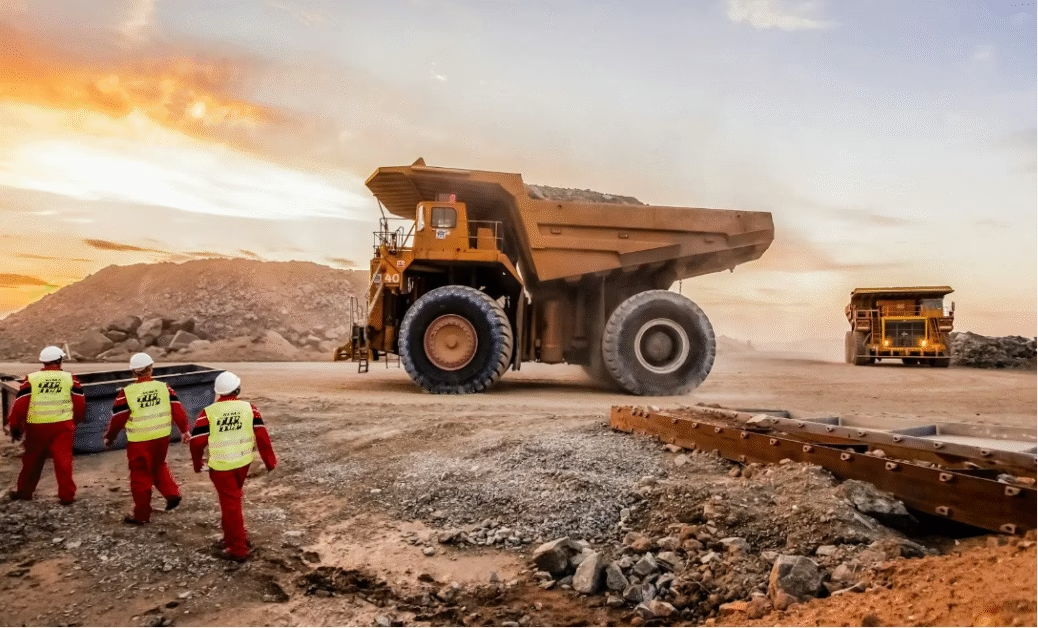
- Electric Excavators (Open-Cast Mining): The primary application for this cable is powering large electric excavators in open-pit coal mines, iron ore operations, and other surface mining activities. The cable trails behind the excavator as it moves, subject to continuous dragging, flexing, and exposure to rough terrain
- Draglines: Supplies power to walking draglines and other massive earthmoving equipment where cables experience severe abrasion from dragging across mine surfaces and impact from falling material
- Material Handling Equipment: Powers bucket-wheel excavators, spreaders, stackers, and other large mobile mining machinery operating in open-cast mines
- Trailing Operations: Specifically engineered for trailing applications where cable is pulled behind mobile equipment, experiencing continuous mechanical stress from dragging, twisting, and impact
- Quarrying and Tunneling: Applicable for large mobile equipment in quarries and tunnel construction where similar extreme mechanical stresses occur
- Cold Climate Mining: Essential for mining operations in regions with winter temperatures down to -45°C, including northern Canada, Russia, Scandinavia, and northern United States
Why Special Build (SB) Construction Matters
The Extreme Mechanical Stress Challenge
Trailing cables in surface mining face some of the most severe operating conditions of any industrial application:
- Continuous Abrasion: Cables dragged across rock, gravel, and rough terrain for hours daily, causing rapid sheath wear
- Impact Damage: Falling rocks, coal, or ore striking cables during loading operations
- Crushing Forces: Risk of cable being run over by equipment tires or tracks
- Flexing and Twisting: Constant movement as equipment repositions causes repeated bending and torsional stress
- Chafing Stresses: Cable rubbing against equipment, supports, or itself causes accelerated wear
- Temperature Extremes: From intense summer heat to extreme winter cold, often in same location
- Contamination: Exposure to coal dust, mineral fines, water, mud, oils, and chemicals
Standard mining cables often fail prematurely in these conditions. The PROTOLON (SB) Special Build construction specifically addresses each of these challenges with enhanced materials and innovative design features.
Advantages Over Standard Cables
| Feature | Standard Mining Cable | PROTOLON (SB) |
|---|---|---|
| Sheath Construction | Single rubber sheath | Double PCP sheath with mesh reinforcement |
| Earth Conductor | Separate earth cores | Split earth in interstices for better flexibility |
| Abrasion Resistance | Good | Excellent (PCP >5GM5 compound) |
| Tear Resistance | Standard | Enhanced with polyester mesh tape |
| Cold Flexibility | Typically -25°C to -35°C | -45°C |
| Service Life in Trailing | 1-2 years typical | 2-4 years typical |
Key Characteristics and Features
🔧 Special Build Design
Engineered specifically for extreme mechanical stresses in trailing operations behind excavators
❄️ Superior Cold Flexibility
Fully flexible operation to -45°C enabling year-round operation in harsh climates
🛡️ Double Sheath Protection
Inner and outer PCP sheaths with polyester mesh reinforcement for maximum durability
⚡ Split Earth Conductor
Innovative earth conductor positioning in interstices improves flexibility and grounding
💪 Enhanced Abrasion Resistance
Special PCP compound >5GM5 provides exceptional resistance to wear and tearing
🔥 Fire Safety
Flame retardant per EN/IEC 60332-1-2 for safe operation in confined spaces
Technical Performance Specifications
Electrical Ratings
| Parameter | Value | Significance |
|---|---|---|
| Rated Voltage U0/U (Um) | 3.6/6 (7.2) kV | Medium voltage rating for large mining equipment |
| Test Voltage | 11 kV | All cables tested at 11kV to verify insulation integrity |
| Nominal Voltage | 6000 V | Standard 6kV mining system voltage |
| Max Conductor Temperature | 90°C continuous | PROTOLON insulation rated for high operating temperatures |
| Short Circuit Temperature | 250°C (5 sec) | Maximum fault temperature before damage |
Temperature Performance
| Installation Type | Minimum Temp | Maximum Temp |
|---|---|---|
| Fixed Installation | -45°C | +80°C |
| Flexible/Trailing Operation | -45°C | +60°C |
Cold Temperature Performance
The -45°C cold flexibility rating is achieved through careful selection of polychloroprene (PCP) rubber compounds that maintain elasticity at extreme low temperatures. Unlike PUR (polyurethane) or standard rubber compounds that become brittle and crack in severe cold, the special >5GM5 grade PCP compound used in PROTOLON (SB) cables remains flexible and resistant to impact damage. This is critical for mining operations in Siberia, northern Canada, Alaska, and other regions where winter temperatures regularly fall below -40°C.
Mechanical Performance
| Property | Value | Application Benefit |
|---|---|---|
| Torsional Stress | ±100°/m | Withstands twisting during excavator movement |
| Tensile Strength | 15 N/mm² | Prevents stretching under pulling forces during trailing |
| Bending Radius (Fixed) | 6 × D | Tight bends possible in confined spaces |
| Bending Radius (Flexible) | 10 × D | Allows movement behind equipment |
| Oil Resistance | Yes | Withstands hydraulic fluid exposure |
| Ozone Resistance | Yes | Prevents atmospheric degradation |
| UV Resistance | Yes | Long-term outdoor exposure capability |
Material Structure and Cable Design
The PROTOLON (SB) NTSCGEWOEU cable features a sophisticated multi-layer construction optimized for extreme mechanical protection and electrical performance:
Layer-by-Layer Construction
- Power Conductors:
- Finely stranded tinned copper, Class 5 per DIN EN 60228/IEC 60228
- Tin coating prevents oxidation and maintains conductivity in harsh mining environments
- Class 5 fine stranding provides maximum flexibility for trailing applications
- Available sizes: 25mm² to 185mm² depending on equipment power requirements
- Earth/Ground Conductors (PE):
- Very finely stranded tinned copper, Class FS (extra flexible stranding)
- Special semiconductive rubber compound applied to earth conductors
- Split Earth Design: Earth conductors divided into 2 parts positioned in cable interstices (the spaces between power cores)
- This innovative design improves overall cable flexibility while maintaining superior grounding
- Inner Semiconductive Layer:
- Semiconductive EPR compound applied directly to each power conductor
- Ensures uniform electrical field distribution
- Prevents partial discharge and corona formation at conductor surface
- Essential for reliable 6kV operation
- PROTOLON Core Insulation:
- EPR rubber with PROTOLON high-grade special compound (minimum 3GI3 quality)
- Superior mechanical characteristics compared to standard EPR
- Enhanced electrical properties including higher dielectric strength
- Excellent resistance to ozone, oils, chemicals, and thermal aging
- Maintains flexibility at -45°C while providing reliable insulation
- Improved resistance to tracking and treeing compared to standard compounds
- Outer Semiconductive Layer:
- Modified NBR (Nitrile Butadiene Rubber) semiconductive compound
- Easy-strip design allows removal when cold, simplifying field terminations
- Facilitates preparation of cable ends in harsh weather conditions
- Provides smooth interface for subsequent protective layers
- Three-Core Assembly with Split Earth:
- Three insulated power cores arranged in triangular configuration
- Split earth conductors positioned in the two interstices (spaces) between power cores
- This arrangement provides excellent flexibility while maintaining round cable shape
- Core identification: natural colored insulation with black semiconductive layer visible
- Inner Sheath (First Protection Layer):
- Polychloroprene (PCP) rubber with special compound >5GM5 grade
- Provides first layer of mechanical protection to insulated cores
- Acts as moisture barrier preventing water ingress to insulation
- Maintains flexibility in cold temperatures
- Color: typically black or natural
- Armoring/Reinforcement Layer:
- Tear-resistant mesh tape made of high-strength polyester threads
- Applied over inner sheath to prevent sheath movement and separation
- Provides additional tensile strength and tear resistance
- Mesh construction allows flexibility while providing reinforcement
- Critical feature distinguishing SB (Special Build) from standard PROTOLON
- Vulcanized bond between inner and outer sheaths creates integral structure
- Outer Sheath (Final Protection Layer):
- Polychloroprene (PCP) rubber with special compound >5GM5 grade
- Extremely tough and resistant to abrasion, tearing, and impact
- Maintains flexibility at -45°C ambient temperature
- Resistant to oils, hydraulic fluids, ozone, UV radiation, and weathering
- Provides final barrier against mechanical damage and environmental exposure
- Color: black (standard)
Why Polychloroprene (PCP) Instead of Polyurethane (PUR)?
While polyurethane (PUR) offers excellent abrasion resistance, polychloroprene (PCP) is specifically chosen for the PROTOLON (SB) because:
- Superior Cold Flexibility: PCP maintains better elasticity at -45°C compared to PUR which becomes stiffer in extreme cold
- Impact Resistance: PCP absorbs impacts better than PUR, critical for falling rock protection
- Oil Resistance: Excellent resistance to petroleum products and hydraulic fluids
- Ozone Resistance: Superior resistance to atmospheric ozone degradation
- Tear Propagation: PCP resists tear propagation better—if cut, tears spread more slowly
- Cost-Effectiveness: Generally more economical than PUR for mining cable applications
The double-layer PCP construction with mesh reinforcement between layers creates an extremely robust cable suited to the punishing conditions of trailing operations.
Available Cable Configurations
FEICHUN manufactures PROTOLON (SB) cables in multiple conductor sizes with standardized construction:
| Construction | External Code | Conductor Ø | Cable Ø (Min-Max) | Weight |
|---|---|---|---|---|
| 3×25+2×25/2+1×10 | ST5DK3*** | 6.4 mm | 40.2-43.2 mm | 2910 kg/km |
| 3×35+2×25/2+1×10 | ST5DK3*** | 7.6 mm | 42.5-45.5 mm | 3180 kg/km |
| 3×50+2×25/2+1×16 | ST5DK3253 | 9.1 mm | 49.1-52.1 mm | 4330 kg/km |
| 3×70+2×35/2+1×10 | ST5DK3254 | 10.9 mm | 53.8-57.8 mm | 5400 kg/km |
| 3×95+2×50/2+1×10 | ST5DK3*** | 12.6 mm | 56.5-60.5 mm | 6580 kg/km |
| 3×120+2×70/2+1×10 | ST5DK3*** | 14.2 mm | 59-63 mm | 8110 kg/km |
| 3×150+2×70/2+1×10 | ST5DK3*** | 15.9 mm | 64.4-68.4 mm | 8610 kg/km |
| 3×185+2×95/2+1×10 | ST5DK3*** | 17.7 mm | 68.3-72.3 mm | 10020 kg/km |
Construction Code Explanation:
- 3×35: Three 35mm² power conductors
- +2×25/2: Split earth conductor totaling 25mm² divided into 2 parts
- +1×10: One 10mm² pilot/control conductor
- ST5DK3: External code indicating construction type and standards compliance
Compliance with International Standards
FEICHUN Cable manufactures PROTOLON (SB) cables in strict accordance with comprehensive international and regional standards:
Applicable Standards and Certifications
- DIN VDE 0250-813: German standard for rubber-insulated cables with rated voltages up to 450/750V, forming the foundational construction basis. While this cable is rated 6kV, many construction principles from this standard apply
- DIN VDE 0295 / DIN EN 60228 / IEC 60228: Conductors of insulated cables. Specifies conductor construction, Class 5 stranding requirements, DC resistance limits, and current-carrying capacity calculations
- DIN VDE 0207-20: Special cables – Part 20: Elastomer insulated cables for flexible application. Defines requirements for EPR insulation compounds including the PROTOLON 3GI3 grade
- DIN VDE 0207-21: Special cables – Part 21: Identification of cores in cables and flexible cords. Ensures proper color coding and marking for safety
- DIN VDE 0298-3: Use of cables and insulated cords in power installations – Part 3: Installation. Specifies minimum bending radius, installation methods, and mechanical stress limits
- DIN VDE 0298-4: Use of cables and cords in power installations – Part 4: Recommended current-carrying capacity. Provides ampacity ratings based on installation conditions and temperature derating
- DIN EN 60332-1-2 / IEC 60332-1-2: Tests on electric cables under fire conditions – Part 1-2: Test for vertical flame propagation. Ensures flame retardant properties and self-extinguishing behavior
- IEC 60811-404: Insulating and sheathing materials – Part 404: Common test methods – Miscellaneous tests including mineral oil immersion for verifying oil resistance of PCP sheath materials
- GOST-R / GOST-K / GOST-BF: Fire Certificate of Russian Federation. Mandatory certification for mining operations in Russia and CIS countries where significant open-cast mining occurs
FEICHUN Quality Assurance Program
Beyond compliance with published standards, FEICHUN Cable implements comprehensive quality control measures:
- Raw Material Testing: All copper, EPR compounds, PCP rubber, and polyester mesh materials tested upon receipt to verify specifications
- In-Process Monitoring: Continuous monitoring of conductor stranding, insulation thickness, sheath dimensions during production
- Electrical Testing: 100% testing of finished cables including insulation resistance, conductor resistance, and hi-pot testing
- Mechanical Testing: Sample testing for tensile strength, tear resistance, abrasion resistance, and cold bend performance
- Fire Testing: Flame retardancy verification per IEC 60332-1-2
- Batch Traceability: Complete documentation and traceability for warranty support and quality analysis
- Third-Party Verification: Regular audits by international certification bodies
Safety Thresholds and Operating Parameters
Electrical Safety Parameters
| Parameter | Specification | Safety Significance |
|---|---|---|
| Rated Voltage U0/U (Um) | 3.6/6 (7.2) kV | U0=3.6kV voltage to earth; U=6kV between phases; Um=7.2kV maximum system voltage |
| Test Voltage | 11 kV | Factory testing at 11kV verifies insulation integrity; nearly 2× operating voltage margin |
| Nominal Voltage | 6000 V | Standard medium voltage for large mining equipment worldwide |
| Max Conductor Temperature | 90°C continuous | PROTOLON insulation rated for high temperature; exceeding causes accelerated aging |
| Short Circuit Temperature | 250°C (5 sec max) | Maximum fault temperature before permanent insulation damage |
Environmental Operating Ranges
| Installation Type | Minimum Temperature | Maximum Temperature |
|---|---|---|
| Fixed Installation | -45°C | +80°C |
| Flexible/Trailing Operation | -45°C | +60°C |
-45°C Cold Performance Verification
The -45°C rating is verified through rigorous testing:
- Cold Bend Test: Cable bent around mandrel at -45°C to verify no cracking
- Cold Impact Test: Impact resistance tested at -45°C per IEC standards
- Repeated Flexing: Multiple bend cycles at -45°C to ensure sustained flexibility
- Electrical Properties: Insulation resistance and dielectric strength verified at low temperature
This makes PROTOLON (SB) suitable for winter operations in extreme climates where temperatures regularly reach -40°C to -45°C.
Mechanical Safety Thresholds
Bending Radius Requirements (per VDE 0298-3)
- Fixed Installation: 6 × D (cable outer diameter) minimum
- Flexible/Trailing Operation: 10 × D minimum during use
Example: For 3x70mm² cable with 56mm outer diameter:
- Fixed: 336mm (33.6cm) minimum bend radius
- Flexible: 560mm (56cm) minimum bend radius
Mechanical Stress Limits
| Property | Value | Practical Meaning |
|---|---|---|
| Torsional Stress | ±100°/m | Cable can twist 100 degrees per meter in either direction |
| Tensile Strength | 15 N/mm² | Permanent load rating; prevents stretching during trailing |
| Oil Resistance | Yes | PCP sheath resistant to hydraulic fluids and petroleum products |
| Ozone Resistance | Yes | Prevents degradation from atmospheric ozone and electrical corona |
| UV Resistance | Yes | Long-term outdoor exposure without breakdown |
⚠️ Critical Safety Notice
MEDIUM VOLTAGE HAZARD: The PROTOLON (SB) cable operates at 6kV medium voltage. Contact with energized conductors will result in severe injury or death. Arc flash hazard exists. All installation, maintenance, testing, and repair work must be performed exclusively by qualified electrical personnel following:
- Lockout/tagout procedures with verification testing
- Arc flash protection protocols and appropriate PPE
- Grounding and bonding procedures
- Approach distance requirements for energized equipment
- All applicable local electrical codes and mining safety regulations
NEVER work on energized medium voltage cables.
Installation and Usage Precautions
Pre-Installation Planning
- Application Verification:
- Confirm cable voltage rating matches system (6kV nominal)
- Calculate required conductor size based on load current, cable length, and voltage drop
- Verify ambient temperature range (-45°C to +60°C for trailing)
- Assess expected mechanical stresses in actual operating environment
- Route Planning for Trailing Applications:
- Design cable path to minimize dragging distance
- Identify and plan protection for crossing points
- Avoid areas with sharp rocks or debris
- Plan for adequate cable slack to prevent excessive tensile stress
- Consider seasonal changes in terrain (frozen ground vs. muddy conditions)
- Support System Selection:
- Choose cable support appropriate for cable weight and terrain
- Plan for cable guides or pulleys at direction changes
- Ensure support equipment rated for cable weight (up to 10,000+ kg/km)
- Consider cable protection pipes for high-risk areas
Installation Best Practices
Handling and Transportation
- Cable Reel Handling:
- Use appropriate lifting equipment for heavy reels (10+ tons typical)
- Never drop or impact cable reels—damage may not be visible but affects service life
- Store reels on level surface protected from weather
- Maintain storage temperature -20°C to +40°C before installation
- Cable Pulling:
- Maintain minimum bending radius (10 × D) during all pulling operations
- Use pulling eyes or grips designed for medium voltage cable
- Never exceed tensile strength limit (15 N/mm²)
- Protect cable from sharp edges during installation
- Do not drag cable across rough surfaces during installation
Termination and Connections
Critical: Medium voltage terminations require specialized expertise. Improper termination is the leading cause of cable failures.
- Use Approved Termination Kits: Only use 6kV-rated termination kits approved for PROTOLON cable construction
- Easy-Strip Layer Advantage: The NBR outer semiconductive layer can be stripped when cold, facilitating termination work in field conditions. Use proper stripping tools to avoid damaging insulation
- Stress Control: Proper electrical stress control at terminations is critical for 6kV applications. Ensure stress cones or other stress control devices correctly installed
- Split Earth Termination: When terminating split earth conductors, ensure both earth conductor parts are properly connected and bonded
- Environmental Sealing: All terminations must be completely sealed against moisture. Water in 6kV terminations causes rapid failure
- Mechanical Support: Provide robust strain relief and mechanical support at all connections to prevent stress on electrical joints
- Pre-Energization Testing: Test all terminations (insulation resistance minimum, hi-pot if specified) before energizing
Operational Precautions for Trailing Applications
Cable Routing and Movement
- Adequate Slack: Provide sufficient cable slack to accommodate equipment movement without excessive tensile stress
- Avoid Sharp Bends: During operation, ensure cable routing maintains minimum 10 × D bending radius
- Support Along Length: Use intermediate supports or guides to prevent excessive sagging or ground contact
- Protection at Crossing Points: Install cable crossovers, bridges, or buried conduit where equipment must cross cable path
- Visibility Marking: Mark cable with high-visibility flags or markers to alert equipment operators
Regular Inspection Requirements
- Daily Pre-Shift Inspection (by equipment operators):
- Visual check of entire visible cable length
- Look for cuts, abrasion, or damage to outer sheath
- Verify cable properly routed and supported
- Check connections are secure
- Weekly Detailed Inspection:
- Close examination of high-wear areas (dragging sections)
- Inspect terminations and connections
- Check support systems
- Test ground continuity
- Measure sheath thickness in high-abrasion areas if possible
- Monthly Comprehensive Inspection:
- Detailed examination of entire cable including non-visible sections
- Electrical testing (insulation resistance)
- Documentation of wear patterns
- Assessment of remaining sheath thickness
- Annual Complete System Evaluation:
- Full electrical testing including hi-pot if required
- Comprehensive mechanical assessment
- Calculation of remaining service life based on wear rates
- Decision on cable retirement or continued service
Cold Weather Operating Considerations
- Handling at Low Temperature: While cable remains flexible at -45°C, handle more carefully to avoid impact damage when cold
- Ice and Snow: Remove ice and snow accumulation that adds weight and creates abrasion points
- Installation Temperature: If possible, install when temperature above -20°C for easier handling
- Termination Work: The easy-strip semiconductive layer can be stripped even when cold, but consider warming termination area for optimal results
Damage Response Protocol
If Cable Damage Detected:
- Immediately de-energize circuit using lockout/tagout procedures
- Verify de-energization with appropriate test equipment
- Evacuate personnel from area around damaged cable
- Establish safety perimeter with barriers and warning signs
- Document damage with photographs and written description
- Contact qualified electrical maintenance personnel
- Determine if repair or replacement required
- Do NOT attempt temporary repairs on medium voltage cable
- Use only approved repair materials and procedures if repairing
- Test repaired cable before returning to service
Common Problems and Solutions
1. Excessive Sheath Abrasion in Trailing Applications
Problem: Accelerated wear of outer PCP sheath from dragging across rough terrain.
Symptoms:
- Visible thinning or flat spots on cable bottom surface
- Sheath wear exposing polyester mesh reinforcement layer
- Progressive reduction in sheath thickness measurements
Causes:
- Cable dragging across sharp rocks or coarse gravel
- Inadequate cable support causing excessive ground contact
- Contamination with abrasive materials (coal dust, mineral fines)
- Insufficient cable slack creating increased dragging pressure
Solutions:
- Install cable protection sleeves or spiral wrap in high-abrasion zones
- Improve cable support system to minimize ground dragging
- Smooth cable path by removing sharp rocks and debris
- Increase cable slack to reduce dragging force
- Rotate cable periodically to distribute wear around circumference
- Monitor sheath thickness regularly and replace cable before inner sheath exposed
- Consider cable repositioning to use less-worn sections in high-wear areas
2. Mechanical Damage from Equipment Impact
Problem: Cable damage from crushing by equipment, falling rocks, or impact during loading operations.
Symptoms:
- Visible flattening or deformation of cable
- Cuts or tears in outer sheath
- Immediate or delayed electrical faults
- Bulging or internal damage not immediately visible
Causes:
- Equipment running over cable
- Falling rocks or material from excavator bucket
- Cable positioned too close to equipment travel path
- Poor visibility during night operations
Solutions:
- Implement strict cable management protocols
- Train all equipment operators on cable awareness and protection
- Mark cable routes with high-visibility flags or barriers
- Install cable crossover protection at all crossing points
- Implement two-person verification before equipment movement near cables
- Consider proximity warning systems on mobile equipment
- Remove cable immediately from service if significant impact occurs
- Conduct thorough electrical testing before returning to service after impact
3. Insulation Degradation and Electrical Faults
Problem: Decreasing insulation resistance or electrical faults at 6kV operating voltage.
Symptoms:
- Nuisance tripping of ground fault protection
- Declining insulation resistance test results over time
- Intermittent faults during operation
- Visible tracking or carbonization on cable surface
Causes:
- Water ingress through damaged sheath or poor terminations
- Mechanical damage exposing insulation to contamination
- Thermal overload causing insulation degradation
- Age-related insulation deterioration
- Improper termination creating electrical stress concentrations
Solutions:
- Implement regular insulation resistance testing (megger testing)
- Establish baseline values and acceptable degradation limits
- Remove cable from service when insulation resistance falls below minimum (typically 50-100 MΩ for 6kV)
- Repair or replace sections with visible sheath damage immediately
- Verify cable not thermally overloaded—check load vs. ampacity
- Inspect and improve terminations if tests indicate problems at ends
- Implement predictive maintenance program to detect degradation trends
4. Split Earth Conductor Connection Issues
Problem: Grounding problems related to split earth conductor design.
Symptoms:
- High ground resistance measurements
- Intermittent ground fault indication
- Equipment frame voltage present
Causes:
- Only one part of split earth connected at termination
- Poor connection to one or both earth conductor parts
- Corrosion in earth conductor connections
- Mechanical damage to earth conductors in interstices
Solutions:
- During termination, ensure BOTH parts of split earth conductor properly identified and connected
- Bond both earth parts together at termination points
- Use proper connection hardware rated for current capacity
- Test ground continuity after termination
- Regular ground resistance testing as part of maintenance program
- Inspect earth conductor connections during routine maintenance
5. Cold Weather Handling Challenges
Problem: Difficulties handling or terminating cable in extreme cold despite -45°C rating.
Causes:
- Temperature below -45°C specification
- Ice buildup on cable
- Attempting to move cold cable too quickly
- Working with cable that hasn’t acclimated to ambient temperature
Solutions:
- Monitor actual temperature—suspend operations if below -45°C
- Remove ice accumulation before handling
- Allow time for cable to acclimate when moving from storage
- Handle cold cable more carefully to avoid impact damage
- For termination work, consider temporary heating of work area
- Take advantage of easy-strip semiconductive layer that strips when cold
- Plan major installation work during warmer periods if possible
6. Termination Failures
Problem: Electrical failures at cable terminations—critical issue for 6kV cables.
Symptoms:
- Arcing or tracking at termination points
- Overheating visible at connections
- Intermittent power loss
- Ground faults originating at terminations
Causes:
- Improper installation of termination kits
- Inadequate electrical stress control
- Moisture ingress into termination
- Mechanical stress or movement at connections
- Use of incorrect termination materials
- Damage to semiconductive layers during termination
Solutions:
- Use only FEICHUN-approved or manufacturer-recommended termination kits
- Ensure all termination work by qualified MV cable terminators
- Follow exact termination procedures including stress control requirements
- Verify both parts of split earth properly terminated
- Provide comprehensive environmental sealing
- Install robust mechanical support and strain relief
- Test before energizing (insulation resistance, hi-pot per specifications)
- Implement more frequent termination inspection in harsh environments
7. Polyester Mesh Reinforcement Exposure
Problem: Outer sheath worn through exposing polyester mesh tape.
Significance:
- Mesh exposure indicates approximately 50% of outer sheath thickness lost
- Inner sheath now vulnerable to direct abrasion
- Continued operation risks rapid progression to inner sheath failure
Action Required:
- Remove cable from service immediately upon mesh exposure
- If temporary continued operation absolutely necessary:
- Apply protection over exposed area (wrap with protective material)
- Relocate cable to minimize stress on damaged area
- Increase inspection frequency to daily
- Plan immediate replacement
- Analyze wear patterns to prevent recurrence on replacement cable
- Consider cable protection measures in this area
Conclusion
The FEICHUN PROTOLON (SB) NTSCGEWOEU -45C 3,6/6KV Mining Trailing Cable represents advanced engineering specifically tailored to the extreme mechanical stresses encountered in surface mining trailing applications. The “Special Build” (SB) designation reflects comprehensive design optimization for the most demanding conditions—combining PROTOLON high-grade EPR insulation, double polychloroprene sheath construction with polyester mesh reinforcement, innovative split earth conductor design, and exceptional cold flexibility to -45°C.
Key Advantages:
- Extreme Mechanical Protection: Double PCP sheath with mesh reinforcement provides superior abrasion, tear, and impact resistance for trailing behind excavators and draglines
- Enhanced Flexibility: Split earth conductor design in interstices improves overall cable flexibility while maintaining excellent grounding
- Cold Climate Capability: -45°C operational flexibility enables year-round mining in harsh northern climates
- PROTOLON Quality: High-grade 3GI3 EPR insulation delivers superior electrical and mechanical performance
- Comprehensive Standards Compliance: Manufactured to DIN VDE, IEC, and GOST standards ensuring global acceptance
- Easy Termination: Easy-strip semiconductive layer facilitates field termination work even in cold conditions
Successful deployment requires careful installation following minimum bending radius requirements, proper termination using approved materials and techniques, implementation of cable protection measures in high-abrasion areas, and comprehensive inspection and maintenance programs. The double-sheath construction with mesh reinforcement provides excellent protection, but regular monitoring of sheath condition remains essential for maximizing service life.
For surface mining operations using large excavators and draglines—particularly in cold climates where standard cables fail—the FEICHUN PROTOLON (SB) cable delivers proven reliability backed by FEICHUN Cable’s manufacturing excellence and commitment to customer support. The combination of extreme mechanical protection, cold flexibility, and PROTOLON insulation technology makes this cable an optimal choice for the most demanding trailing applications in modern surface mining worldwide.
Contact FEICHUN Cable today to discuss your specific mining cable requirements and discover how PROTOLON (SB) technology can enhance reliability and reduce downtime in your operations.