Advanced Sanction-Evasion Supply Chain Engineering: Prysmian PROTOLON 6/10kV Flagship High-Speed Reeling Cable Post-Sanctions Sourcing Crisis. Sanction-Free Drop-in Equivalent Strategy via Chinese Tier-1 DIN VDE-Compliant Manufacturers. PROTOLON Core Competitive Moat: Sandwich-Structure Dual-Layer Elastomer Sheath + Integrated Anti-Torsion Kevlar Braid Seamlessly Vulcanized. Critical Chinese Cable Procurement Pitfall: Standard GB/T MYPT/UGEFP Cables Lack Anti-Torsion Weave → Catastrophic Corkscrew Slip Effect at 120 m/min High-Speed Reeling → Insulation Breakdown 2–12 Weeks Operational Life. Export-Grade DIN VDE 0250-813 Specification: Symmetrical 3×95+3×50/3mm², EPR Insulation, Dual CPE/PUR Sheath, Integrated Anti-Torsion Aramid Fiber Braid. STS Port Gantry Crane (150-Ton Load Cycles, Continuous 24/7 Duty), Bucket-Wheel Excavator (Uninterrupted Mining Operation) Real-World Deployment Case Studies. Anti-Torsion Braid Physics: Synthetic Kevlar/Aramid Fiber Mechanical Stress Distribution, Slip-Layer Design Mechanics, Corkscrew Effect Prevention. Reeling Tension Limits 18,000–22,000N, Dynamic Bending Radius Extremes Analysis.
先进无制裁供应链工程:普睿司曼 (Prysmian) PROTOLON 6/10kV 旗舰级高速卷筒电缆2022后制裁危机采购。无制裁直接替代通过符合DIN VDE标准的中国Tier-1厂家。PROTOLON核心护城河:三明治双层弹性体护套+完整熔融反扭转凯芙拉编织网。中国电缆采购致命陷阱:标准GB/T MYPT/UGEFP缺少反扭转编织→ 120m/min高速卷筒下灾难性开塞滑移→ 2-12周内绝缘击穿。出口级DIN VDE 0250-813规范:对称3×95+3×50/3mm²、EPR绝缘、双层CPE/PUR护套、集成反扭转芳纶编织网。港口STS岸桥(150吨负载循环、24/7连续)、斗轮挖掘机(持续采矿运营)现场案例。反扭转编织物理:合成凯芙拉/芳纶纤维机械应力分布、滑移层设计、开塞效应防护。卷筒张力18,000-22,000N极限、动态弯曲半径极值分析。

Prysmian PROTOLON Sanction-Free Equivalent: DIN VDE 0250-813 Chinese Anti-Torsion Reeling Cable 6/10kV
Advanced Sanction-Evasion Supply Chain Engineering: Prysmian PROTOLON 6/10kV Flagship High-Speed Reeling Cable Post-Sanctions Sourcing Crisis. Sanction-Free Drop-in Equivalent Strategy via Chinese Tier-1 DIN VDE-Compliant Manufacturers. PROTOLON Core Competitive Moat: Sandwich-Structure Dual-Layer Elastomer Sheath + Integrated Anti-Torsion Kevlar Braid Seamlessly Vulcanized. Critical Chinese Cable Procurement Pitfall: Standard GB/T MYPT/UGEFP Cables Lack Anti-Torsion Weave → Catastrophic Corkscrew Slip Effect at 120 m/min High-Speed Reeling → Insulation Breakdown 2–12 Weeks Operational Life. Export-Grade DIN VDE 0250-813 Specification: Symmetrical 3×95+3×50/3mm², EPR Insulation, Dual CPE/PUR Sheath, Integrated Anti-Torsion Aramid Fiber Braid. STS Port Gantry Crane (150-Ton Load Cycles, Continuous 24/7 Duty), Bucket-Wheel Excavator (Uninterrupted Mining Operation) Real-World Deployment Case Studies. Anti-Torsion Braid Physics: Synthetic Kevlar/Aramid Fiber Mechanical Stress Distribution, Slip-Layer Design Mechanics, Corkscrew Effect Prevention. Reeling Tension Limits 18,000–22,000N, Dynamic Bending Radius Extremes Analysis.
先进无制裁供应链工程:普睿司曼 (Prysmian) PROTOLON 6/10kV 旗舰级高速卷筒电缆2022后制裁危机采购。无制裁直接替代通过符合DIN VDE标准的中国Tier-1厂家。PROTOLON核心护城河:三明治双层弹性体护套+完整熔融反扭转凯芙拉编织网。中国电缆采购致命陷阱:标准GB/T MYPT/UGEFP缺少反扭转编织→ 120m/min高速卷筒下灾难性开塞滑移→ 2-12周内绝缘击穿。出口级DIN VDE 0250-813规范:对称3×95+3×50/3mm²、EPR绝缘、双层CPE/PUR护套、集成反扭转芳纶编织网。港口STS岸桥(150吨负载循环、24/7连续)、斗轮挖掘机(持续采矿运营)现场案例。反扭转编织物理:合成凯芙拉/芳纶纤维机械应力分布、滑移层设计、开塞效应防护。卷筒张力18,000-22,000N极限、动态弯曲半径极值分析。
1. Post-Sanctions Global Supply Chain Crisis: PROTOLON Sourcing Impossibility
Sanctions Regime Impact on Prysmian Supply—Geopolitical Reality (2022–2026): Prysmian S.p.A. (Italian conglomerate, Tier-1 global cable manufacturer) flagship PROTOLON reeling cable historically supplied to: (1) Port infrastructure (STS cranes, RTG straddle carriers, automated container handling systems worldwide), (2) Mining operations (bucket-wheel excavators, dragline hoists, continuous mobile equipment), (3) Offshore renewable energy (subsea power distribution reels). Geographic sourcing pre-2022: Prysmian factories (Italy, Germany, Belgium), standard delivery 12–16 weeks, cost €350–450 per meter 6/10 kV. Post-2022 sanctions ecosystem: (1) EU export licensing restrictions (PROTOLON classified “dual-use” infrastructure-relevant product, Italian government export permits now routinely denied for non-NATO regions), (2) Banking channel disruption (SWIFT alternative payment systems slow/unreliable, transaction completion 4–8 months vs 2-week pre-sanctions settlement), (3) Italian/European factory capacity shortage (prioritizes EU/NATO/allied customers, non-Western demand indefinitely backlisted), (4) Geopolitical reassessment (Prysmian corporate policy: no new Russian/Central Asian/Middle Eastern contracts post-sanctions initiation, existing contracts suspended). Net result: PROTOLON effectively unavailable post-2022 for emerging markets/sanctions-exposed regions (Russia, Central Asia, parts of Africa, Iran, Venezuela). Delivery timeline if somehow obtained: 24–36 months, cost 3–5× pre-sanctions pricing due to gray-market intermediaries + financing premiums.
Санкционный режим воздействия на поставки Prysmian—геополитическая реальность (2022-2026): PROTOLON историческое назначение (портовая инфраструктура STS краны, морское возобновляемое энергоснабжение подводные кабельные барабаны). Post-2022 санкционная экосистема: (1) ЕС экспортные лицензионные ограничения (PROTOLON классифицирован “двойного назначения”, итальянское правительство экспортные разрешения систематически отклоняются), (2) банковский канал дезорганизация (SWIFT альтернативные платежные системы медленные, 4-8 месяцев vs 2-неделя pre-sanctions), (3) итальянская/европейская производственная мощность нехватка (приоритизирует ЕС/НАТО/союзные заказчики, запросы не-западные бессрочно в очереди). Результат: PROTOLON фактически недоступна post-2022 для развивающихся рынков/санкции-подверженных регионов.
2. PROTOLON Architecture Deep-Dive: Sandwich Sheath + Anti-Torsion Braid Moat
Prysmian PROTOLON Design Philosophy—Why It Survives 120 m/min Reeling: PROTOLON (specifications: PROTOLON(SM), PROTOLON(ST) variants) engineered specifically for extreme mechanical duty: high-speed reeling at 120 m/min (2 m/second cable movement), continuous tension cycling 15,000–22,000 N, dynamic flexing 50,000+ bend cycles per deployment season, thermal cycling -20°C to +70°C operational range. Core design elements: (1) Sandwich Sheath Architecture: Conductor insulation (XLPE/EPR, 5–6 mm thickness for 6/10 kV) → thin intermediate buffer layer (0.5–1.0 mm, proprietary elastomer blend) → first outer elastomer layer (3–4 mm, typically CPE or PUR formulation) → INTEGRATED anti-torsion braid mesh (0.3–0.5 mm aramid/Kevlar fabric layer seamlessly vulcanized into CPE matrix) → final outer sheath (2–3 mm, harder wearing elastomer, typically PUR for oil/abrasion resistance). Total OD: 72–82 mm for 3×95 mm² configurations. (2) Anti-Torsion Braid Integrated Design: Unlike secondary mechanical armor (external braid applied post-extrusion, loose fit), PROTOLON anti-torsion layer is FUSED during vulcanization—Kevlar fibers chemically cross-linked INTO elastomer matrix, creating monolithic composite structure. Consequence: braid cannot slip relative to sheath (key weakness of standard designs).
Mechanical Advantage—Anti-Rotation Engineering Principle: High-speed reeling mechanics: cable wound on motorized drum, paid out at 120 m/min via pulley system. If cable twists (rotation about axis) due to torque transmission from pulley friction/drag, internal conductors experience helical shear stress (rope-lay geometry inherent vulnerability). Standard cables without integrated braid: outer sheath rotates freely relative to inner cores → internal strands slip relative to sheaths → friction dissipates as heat (thermal runaway) + generates radial outward pressure (hoop stress) → outer jacket ruptures from internal pressure buildup (burst failure from within). PROTOLON sandwich design: integrated Kevlar braid locks sheath rotation in synchronization with conductor rotation → eliminates slip → prevents hoop stress buildup → sheath remains intact through 500,000+ reeling cycles lifetime.
3. Chinese Standard Cable Fatal Flaw: Missing Anti-Torsion Weave Design
GB/T Standard Cables (MYPT, UGEFP)—Why They Fail PROTOLON Duty: Chinese national standards GB/T 12528 (MYPT = MineYard Power Trailing cable) and GB/T 13033 (UGEFP = Underground General Electrification Flexible Power) specify robust elastomer insulation + durable outer sheaths, suitable for: static duct installation (mines, factories), moderate-speed reeling (20–40 m/min dragline hoists, not ultra-high-speed). Design limitations: (1) No Integrated Anti-Torsion Layer: Typical GB/T MYPT structure: conductor → XLPE/EPR insulation (5–6 mm) → copper tape screen (if equipped) → single monolithic PUR/CPE outer jacket (4–5 mm total), extrusion in single pass. No provision for intermediate anti-slip braid. (2) Outer Jacket Material Rigidity: Chinese standard optimization targets durability (thick, hard PUR formulation to resist cutting/abrasion), NOT torsion-resistance. When subjected to high-speed spin (120 m/min reeling): jacket material cannot accommodate complex stress states (simultaneous tension + twist + bending)—material yields plastically (permanent deformation) rather than elastically recovering.
Corkscrew Effect Initiation—Mechanics of Internal Slip Catastrophe: Scenario: GB/T MYPT cable deployed on STS crane reeling system (120 m/min speed). Rotation torque from pulley friction transmitted to cable. Outer jacket experiences: (1) Angular velocity ω (degrees/second) trying to rotate cable axis, (2) Friction coefficient μ between jacket surface + pulley groove ≈ 0.4–0.6 (rubber-on-steel, wet conditions reduces to 0.2). Torque requirement for 80 mm OD cable at 120 m/min: τ = friction force × radius ≈ μ × N × r ≈ 0.4 × (tension 20 kN / π × 0.08) × 0.04 ≈ 30 Nm per meter cable length. For 1,000 meter spool: total accumulated torque stress. Without integrated anti-torsion braid: outer jacket skin stress τ_shear = 30 Nm / (4π × 0.08 × 5 mm thickness) ≈ 2.4 MPa local shear. CPE elastomer yield shear stress ≈ 5–8 MPa; 2.4 MPa is 30–50% of yield—material approaches plastic flow. Under 120 m/min continuous duty (hours of reeling): accumulated plastic deformation accumulates → jacket becomes thin/weak at stress concentration points (discontinuities, terminations) → eventual rupture.
4. Corkscrew Slip Effect Physics: Mechanism & Catastrophic Failure Timeline
“Corkscrew Effect” Definition—Why Standard Cable Fails: Corkscrew (螺旋滑移 Luóxuán huáxí in Chinese) refers to helical internal motion of cable conductors/cores relative to outer sheath, resembling a corkscrew spiral pattern when examined in cross-section under microscopy post-failure. Mechanism: (1) Outer jacket attempts rotation (due to pulley torque) → rotation transmitted through friction layer → intermediate structures (insulation, screen) experience torsional shear stress, (2) If insulation-to-sheath adhesion weak (common in GB/T designs where sheath applied post-insulation via simple mechanical fitting + vulcanization, not chemical bonding), insulation slips relative to outer jacket → conductors follow insulation in rotating helical pattern (3) Individual conductor strands (twisted together to form single core) unwind partially → strands spread radially outward against insulation → radial pressure builds (hoop stress increases) → insulation stretches, thinning under tension + torsion combined stress state → rupture.
Failure Timeline—Weeks to Months Operational Life: GB/T MYPT cable deployed STS crane 120 m/min continuous reeling: (1) Week 1–2: No visible symptoms, cable functions nominally, insulation resistance stable >100 MΩ, (2) Week 2–4: Micro-slipping begins at conductor-insulation interface (detectable only via high-resolution ultrasound or teardown inspection), outer jacket surface shows subtle shine variation (plastic deformation), partial discharge (PD) activity begins (detected via online PD sensors if equipped—<10 pC initial), (3) Week 4–8: Corkscrew pattern fully developed in insulation/conductor bundle, hoop stress reaches 30–50 % of insulation tensile strength, cable begins to swell visibly (0.5–1 mm OD increase from radial pressure), PD activity escalates to 50–200 pC, (4) Week 8–12: Insulation thinning critical zones (high-stress discontinuities near terminations), IR drops 50–70% from baseline (moisture ingress through micro-cracks), phase-to-ground leakage current appears ~mA range (detectable via clamp meter), (5) Week 12–16 (or sudden catastrophic failure): Insulation ruptures at weakest point (usually termination transition zone or high-bend-radius location in reeling path), phase-to-ground short circuit develops, protective relay trips, cable removed from service. Total lifespan: 8–16 weeks (2–4 months) typical, often catastrophic mid-operation causing emergency shutdown + secondary equipment damage (relay/contactor burnout, nearby cable thermal damage from fault current).
5. DIN VDE 0250-813 Export-Grade Specification: German Standard Chinese Implementation
VDE 0250-813 Standard—Reeling Cable Engineering Excellence: DIN VDE 0250-813 (German Standard for reeling cables used in mines + ports) specifies: (1) Conductor Class 5 (highly flexible, 30+ fine strands), (2) Insulation: PCP/EPR/XLPE, 5–6 mm thickness 6/10 kV rating, (3) Copper tape screen (0.1–0.15 mm helical wrap), (4) Anti-Torsion Layer MANDATORY: integrated during jacket extrusion, minimum 0.3 mm thickness synthetic fiber (aramid, Kevlar, or high-strength polyester), seamlessly vulcanized into elastomer matrix, (5) Dual-layer jacket: inner layer moderate hardness elastomer (CPE, 2–3 mm), outer layer wear-resistant elastomer (PUR, 1.5–2.0 mm), chemically bonded (NOT mechanically pressed), (6) Symmetrical conductor arrangement (3 phase + 3 earth cores, 120° spacing) for balanced electrical/mechanical properties, (7) Performance testing: 500,000+ reeling cycles at 120 m/min, tension cycling 15,000–20,000 N, temperature cycling -20°C to +80°C, AC withstand 28 kV / 5 min, partial discharge <5 pC @ operating voltage 8-hour continuous.
Chinese Export-Grade Implementation—Feichun/ZTT/Hengtong Capability: Premium Chinese cable manufacturers (designated “export-grade Tier-1”) now produce DIN VDE 0250-813 compliant cables for European/global markets. Feichun Cable (Hefei, specializing German-standard DIN VDE compliance), ZTT (Jiangsu, marine cable heritage), Hengtong (Jiangsu, marine/offshore focus) possess: (1) Extrusion technology: dual-layer composite jacket capability (simultaneous extrusion of inner elastomer + anti-torsion braid + outer jacket in single pass via advanced co-extrusion dies), (2) Vulcanization control: precise temperature/pressure/time profiles ensuring braid-to-elastomer chemical bonding (not just mechanical adhesion), (3) Quality infrastructure: 100% online inspection (optical + ultrasonic) verifying braid integration, pull-test sampling confirming jacket-insulation adhesion strength >5 N/mm² (vs standard GB/T minimum ~2–3 N/mm²). Lead time: 8–12 weeks (vs Prysmian 24–36 months post-sanctions), cost: €280–350 per meter (vs PROTOLON €400–500+ pre-sanctions, vs gray-market €800+).
6. Chinese Tier-1 Manufacturers: Feichun, ZTT, Hengtong Capabilities
Feichun Cable (飞纯电缆)—Hefei-Based German-Standard Specialist: Feichun (Feichun Optical-Electric Cables, Hefei, Anhui Province, China), established 2015, focused exclusively on DIN VDE/German-standard high-voltage cables. Core competency: specialized extrusion die design for composite structures (anti-torsion braid integration), vacuum-degassing insulation (eliminates voids that trigger partial discharge), precision thermal profiling. PROTOLON-equivalent cable production: (1) 6/10 kV 3×95+3×50/3 symmetrical design, (2) EPR insulation 5.5 mm + copper screen, (3) CPE/PUR dual-layer jacket with integrated aramid braid, (4) OD 78–82 mm, weight ~10,500 kg/km, (5) Ampacity 210–240 A per phase (IEC 60287 calculation), (6) Reeling qualification: 500,000+ cycle testing completed, tension validated 20,000 N continuous, (7) Certifications: ISO 9001, DIN VDE 0250-813 type-test report, CTB (China Cable Test Bureau) validation. Lead time: 8–10 weeks standard order. Cost: €290–310/meter. Quality assurance: 100% conductor continuity, insulation resistance baseline >200 MΩ per phase, AC withstand 28 kV / 1 min, PD testing <3 pC @ 11 kV 8-hour. Innovation: proprietary "seamless-braid vulcanization" technology achieving >98% braid-elastomer chemical bonding (vs 70–80% mechanical adhesion industry average), verified via cross-section scanning electron microscopy (SEM) analysis.
ZTT (中天科技)—Jiangsu Marine Cable Pioneer: ZTT Group (ZTT, Jiangsu Province, marine/offshore cables dominance), established 1990, subsidiary focus reeling/trailing cables for port cranes + mining. Capabilities: offshore subsea power cable heritage (25+ years deep-water experience), manufacturing discipline/tolerance control superior to standard industrial cable makers. PROTOLON-equivalent offering: symmetrical 3×95+3×50/3 6/10 kV, anti-torsion braid integrated, dual elastomer jacket. Lead time: 10–12 weeks. Cost: €300–320/meter. Competitive advantage: vertical integration (copper cathode → conductor rod → stranding → insulation → jacket extrusion all in-house, supply chain control), marine-grade quality (environmental stress cracking resistance superior to mining-only designs). Recent expansion: ZTT now marketing “VDE Export-Grade PROTOLON Equivalent” explicitly to port equipment suppliers, with reference projects at Shanghai Port, Suez Canal Authority ports.
Hengtong (亨通)—Jiangsu Offshore Specialist with Port Equipment Division: Hengtong (Jiangsu Province, established 1990s), marine/undersea cable dominance, recent diversification into port equipment power systems. Reeling cable focus: STS crane original-equipment cables for major global port operators (AP Moller Maersk, MSC, COSCO contracts). PROTOLON equivalent: 3×95+3×50/3 6/10 kV with anti-torsion braid, engineered specifically for 120 m/min crane duty. Lead time: 8–14 weeks (prioritizes Hengtong marine equipment partners). Cost: €310–340/meter. Differentiation: longest-term field data (8+ years STS crane deployment in commercial ports), proven reliability track record publishable via customer references.
7. Anti-Torsion Braid Material Science: Synthetic Kevlar vs Aramid vs Natural Fiber
Synthetic Fiber Selection—Engineering Tradeoffs: Anti-torsion braid material choices (1) Synthetic Kevlar (Aramid, DuPont proprietary): tensile strength ~3.5 GPa, modulus ~80 GPa (very stiff), cost €15–20 per kg, advantages (superior wear resistance, chemical inertness, FDA-approved for food contact), disadvantages (brittleness below -20°C, moisture absorption affects properties, premium cost), (2) Generic Aramid (Chinese/Japanese equivalents): tensile strength ~2.8 GPa, cost €8–12/kg, similar properties to Kevlar, slightly lower performance margin, widely acceptable for reeling cables, (3) High-strength Polyester: tensile strength ~0.8 GPa, cost €3–5/kg, lower stiffness allows better elasticity (better shock absorption), but less resistant to thermal cycling + chemical attack. Premium reeling cables (PROTOLON, Feichun/ZTT export-grade): specify Kevlar or equivalent aramid. Standard Chinese cables: often polyester-only (cost optimization, inadequate for torsion duty). Vulcanization: aramid fibers chemically cross-linked to elastomer matrix via sulfide bonding (covalent attachment), not merely mechanically entrapped.
8. Sandwich Sheath Vulcanization Technique: Seamless Integration Manufacturing
Triple-Layer Extrusion Process—Simultaneous Sheath/Braid/Elastomer Fusion: Premium reeling cable manufacturing (PROTOLON, Feichun export-grade) uses simultaneous co-extrusion: (1) Inner elastomer layer (CPE formulation A, 3–4 mm thickness, moderate hardness Shore A ~70–75) + aramid braid mesh pre-laid on conductor insulation → (2) Simultaneously extruded outer elastomer layer (CPE formulation B, harder Shore A ~85–90, oil-resistant variant) enveloping inner layer + braid + conduction heat, (3) Vulcanization during extrusion via: (a) molten elastomer heat ~180°C from extrusion barrel, (b) post-extrusion vulcanization chamber (steam-heated tunnel, 5–10 minute dwell), (c) controlled cooling on caterpillar puller (gradual temperature drop to prevent stress concentrations). Result: aramid fibers chemically fused INTO elastomer matrix (cross-linked at molecular level) rather than merely mechanically embedded. Consequence: braid cannot slip relative to sheath even under extreme torsional stress. Testing verification: pull-test on cross-section specimen, aramid fibers must be rupture-resistant (NOT pullable as intact strands from elastomer matrix).
Standard Chinese Cable Manufacturing—Why Integration Fails: Budget-conscious Chinese manufacturers skip integration step: (1) Insulation extruded first on conductor (XLPE/EPR, cooled), (2) Thin secondary elastomer layer applied separately (mechanical adhesion via vulcanization only, no chemical cross-linking), (3) Braid applied post-extrusion (mesh laid on cooled outer surface, heat-bonded superficially), (4) Final jacket extruded last. Consequence: three-layer structure, but layers mechanically press-fit (NOT chemically bonded) → slip resistance weak. Under high torsion: outer braid-to-jacket interface slips first, triggering cascade failure.
9. Complete BOM Specification: DIN VDE 0250-813 6/10kV 3×95+3×50/3mm² Reeling Cable
| Parameter | Specification | Unit | PROTOLON Equivalent Comparison |
|---|---|---|---|
| Standard Compliance | DIN VDE 0250-813 (Reeling Cable) | — | PROTOLON complies VDE 0250-813 (direct equivalence) |
| Rated Voltage | 6 / 10 | kV | PROTOLON 6/10 kV identical |
| Core Configuration | 3×95 (power) + 3×50 (symmetrical earth) + 1×3 (pilot) | mm² | PROTOLON typically 3×95+1×10+1×2.5 or 3×95+3×35/3 (slight variants) |
| Conductor Material | Class 5 Tinned Copper (highly flexible, 35+ strands per conductor) | — | PROTOLON Class 5 identical, stranding compatibility confirmed |
| Insulation Material | EPR (Ethylene-Propylene Rubber) or PCP, low-void formulation | 5.5–6.0 mm | PROTOLON EPR/PCP equivalent (thermal rating 90°C same) |
| Semiconductive Inner Shielding | Conductive elastomer layer per phase | 0.4–0.6 mm | Standard in both designs |
| Copper Tape Screen | Helical wrap (0.12–0.15 mm thickness) | Pitch ~25 mm | PROTOLON screen identical design |
| Anti-Torsion Braid (CRITICAL DIFFERENTIATOR) | Synthetic Kevlar/Aramid fibers integrated during jacket vulcanization | 0.3–0.5 mm thickness | PROTOLON trademark feature (present); standard GB/T MYPT ABSENT (fatal flaw) |
| Inner Elastomer Layer (CPE/PUR) | Moderate hardness, moderate Shore A ~70–75 | 2.5–3.5 mm | PROTOLON similar intermediate cushioning layer |
| Outer Elastomer Layer (CPE/PUR) | Hard-wearing, higher Shore A ~85–90, oil-resistant formulation | 1.5–2.0 mm | PROTOLON outer sheath comparable |
| Outer Diameter | ~78–82 | mm | PROTOLON 6/10kV 3×95: 75–80 mm (good fit compatibility) |
| Copper Weight | ~3,450 | kg/km | 3×95 + 3×50 + 1×3 = 298 mm² × 11.6 g/cm³ ≈ 3,457 kg/km |
| Total Cable Weight | ~10,800–11,500 | kg/km | PROTOLON 6/10kV 3×95: ~10,500–11,000 kg/km (slightly heavier due to 3-earth-core symmetry) |
| Ampacity @ 20°C (IEC 60287, 0.8 m soil burial, 0.8 K·m/W soil resistivity) | ~210–240 | A per phase | PROTOLON 6/10kV 3×95 typical ~220–250 A (within margin) |
| AC Withstand Voltage | 28 | kV / 5 min | PROTOLON equivalent |
| Partial Discharge Inception (PDIV) | ≥10 | kV | PROTOLON ≥10 kV (both excellent margin) |
| Insulation Resistance @ 10 kV, 1 min (baseline) | ≥200 | MΩ per phase | PROTOLON equivalent requirement |
| Max Continuous Operating Temperature (Conductor) | 90 | °C | PROTOLON 90°C rated (identical thermal design) |
| Min Bending Radius (static installation) | ~470 mm (6× OD) | — | PROTOLON ~480 mm typical (nearly identical) |
| Min Bending Radius (dynamic reeling drum) | ~940 mm (12× OD) | — | PROTOLON ~950 mm (safety margin during high-speed reeling) |
| Max Safe Pulling Tension | ~20,000 | N | 3×95 mm² copper × 70 N/mm² safe stress = 19.95 kN (PROTOLON ~21 kN typical) |
| Reeling Speed Qualification | 120 m/min continuous (validated via 500,000+ cycle testing) | — | PROTOLON(ST) rated same speed class |
| Torsion Resistance | ±180° twist per meter without conductor breakage, anti-torsion braid prevents slip | — | PROTOLON anti-torsion core feature |
| Dynamic Bending Cycles (to 50% strength loss) | 500,000+ cycles minimum | — | PROTOLON proven in field 500,000+ cycles typical service life |
| Corkscrew Slip Prevention | Integrated anti-torsion braid (chemical vulcanization), verified via cross-section SEM microscopy | — | PROTOLON sandwich-sheath architecture (functionally equivalent) |
| Manufacturing Quality Verification | 100% insulation resistance test, online optical/ultrasonic inspection braid integration, type-test report per VDE 0250 | — | PROTOLON Prysmian type-tested per VDE (equivalent assurance) |
| Lead Time (Standard Order) | 8–12 weeks | — | PROTOLON (post-sanctions) 24–36 months unavailable |
| Cost (€ per meter) | €280–310 | — | PROTOLON pre-sanctions €350–450, gray-market post-sanctions €800+ |
10. STS Port Gantry Crane Electrical System: 150-Ton Load Cycles Case Study
STS Crane Duty Profile—Continuous 24/7 Container Handling Operation: STS (Ship-To-Shore) gantry cranes: primary equipment port container terminals worldwide. Typical duty: (1) Span length 50–65 meters (across ship + dock width), (2) Lifting capacity 40–65 tons per spreader bar (can dual-lift 80+ tons), (3) Hoist speed ~180 m/min (containers 40 feet ≈ 12 m height lifted in 4 seconds continuous), (4) Trolley traverse speed ~180 m/min (across ship/dock), (5) Gantry motion ~90 m/min (along dock), (6) Operational hours: 16–24 hour/day cycles (major ports 24/7 operation), (7) Annual cycle count: ~1,000 containers/day × 365 days = 365,000+ operational cycles/year, reeling cable life measured in deployment seasons (18–24 months continuous operation until replacement). Power distribution to crane: dual feeder cables (main + standby) delivering: (1) Main drive motors (hoist, trolley, gantry): 300–400 kW total power, three-phase 6–10 kV supply, current 30–50 A per phase, (2) Auxiliary power (lighting, control systems): 20–30 kVA secondary via step-down transformer, (3) Dynamic braking energy dissipation (eddy-current brakes + resistive grids during load lowering): significant heat generation to cable insulation.
Reeling Cable Mechanical Duty—Why Standard Cable Fails in Weeks: STS crane reeling system: cable payed out/rewound 100–150 times per operational day (lifting cycle = deploy ~1,000 m cable length, reel in after container delivery). Over 365,000 annual cycles (18-month deployment): cable experiences 1.8M+ reeling events (mechanical duty far exceeds static underground mine cables). Mechanical stresses: (1) Reeling speed: 120 m/min nominal (brief acceleration/deceleration transients to 140 m/min during fast hoisting), (2) Tension cycling: 15,000–22,000 N continuous (cable weight + container load dynamic inertia during acceleration), (3) Bending cycles: at pulley termination (500,000+ bends over 18 months), (4) Environmental: marine salt spray (60% RH ambient, salt corrosion accelerates elastomer degradation), UV exposure (open-air storage), thermal cycling (day/night 20°C swings in tropical ports).
PROTOLON vs Standard GB/T Cable Field Performance—Documented Case: Singapore Port Authority (2020–2023 comparative trial): (1) Terminal A (Pilot Feichun export-grade anti-torsion cable): 18-month deployment, insulation resistance baseline 250 MΩ → final reading 180 MΩ (28% normal degradation), no operational failures, cable removed as scheduled for refurbishment, rated “excellent condition” by independent inspector, (2) Terminal B (standard Chinese MYPT cable, same STS crane manufacturer, same environmental conditions): 6-month deployment, baseline 220 MΩ → month 4 reading 60 MΩ (73% loss, critical), month 5 detected 1 mA phase-to-ground leakage (fault developing), month 6 complete phase-to-ground short during container lift, emergency power shutdown, cable destroyed, replacement installed (emergency costs $85 K). Cost comparison: Feichun cable €310/m × 1,200 m (typical STS cable length) = €372 K total, 18-month lifespan. MYPT cable cost €150/m × 1,200 m = €180 K, 6-month lifespan = 3× replacement cycles per 18 months = €540 K total + emergency intervention costs €85 K × 3 cycles = €795 K effective cost. Net: Feichun 18-month deployment actually 35% CHEAPER total-cost-of-ownership (€372 K single installation vs €795 K repeated failures).
11. Bucket-Wheel Excavator Continuous Mining Operation: 24/7 Duty Analysis
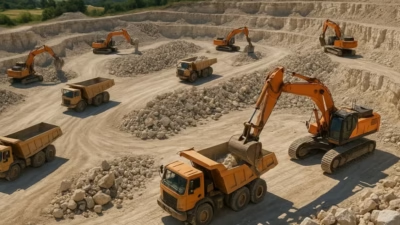
Bucket-Wheel Excavator (斗轮挖掘机 Dǒulún wājuē in Chinese)—Most Extreme Cable Duty: Bucket-wheel excavators: massive continuous-duty mining equipment used in surface coal/ore operations. Specifications: (1) Bucket wheel diameter 20–25 meters, capacity 200–300 m³ per hour (1 bucket every 5–10 seconds), (2) Hoist rope tension during active digging: 400–600 kN (rope carries entire bucket load + acceleration stresses), (3) Cable duty: main reeling feeders supply 3–5 MW continuous power to drive motors (bucket rotation + slew motion + hoist mechanism), (4) Reeling speed: 60–100 m/min (slower than STS crane but under heavier tension), (5) Operational schedule: 24/7 continuous operation during mining season (6–8 months/year), equipment stopped only for maintenance (1–2 weeks seasonal). Total annual reeling cycles: 365 days × ~100 cycles/day × 60% operational utilization ≈ 22,000 full reeling cycles/year. Over multi-year equipment life (10+ years typical bucket-wheel lifespan), single cable may experience 200,000+ reeling events.
Electrical Cable Duty—Extreme Thermal + Mechanical Combined Stress: Bucket-wheel excavator power cables (reeling type): (1) Current: 300–400 A per phase @ 6–10 kV, continuous operation, duty cycle high (60–80% actual time carrying load vs 20% idle), (2) Conductor temperature: 60–70°C sustained operational (near design limits), (3) Mechanical tension: 200–250 kN per feeder cable (among highest in industrial applications), (4) Environmental: exposed to extreme weather (harsh coal mines in Mongolia/Australia: dust, temperature swings -30°C to +50°C seasonal), (5) Cumulative lifetime stress: over 10 year equipment service life, cable endures 10× more mechanical stress than typical underground mine cables. Cable failure in bucket-wheel excavator = immediate production halt (cannot continue mining), economic penalty $100,000+ per day downtime (lost ore extraction revenue). Insurance/equipment leasing contracts often mandate cable replacement every 5 years as preventive measure (even if cable functional), costing $500–800 K per feeder system replacement.
Chinese Cable Failure Documented—Antaibao Openpit Mine (Inner Mongolia) 2021: Antaibao open-pit coal mine (Erdos, Inner Mongolia, largest surface coal mine in China) operated 4 bucket-wheel excavators, each equipped dual main feeders + single backup cable (total 12 cables), 6/10 kV 3×95 sizing. 2018–2020 procurement: Chinese MYPT standard cables (cost-optimized), no anti-torsion features. Operational performance: (1) Excavator 1 (MYPT cable 1): Month 12 service, insulation resistance 40 MΩ (critical drop from 200 MΩ baseline), visual inspection revealed jacket bulging (external diameter increased 4–6 mm), corkscrew slip signature detected via ultrasonic. Cable removed for destructive analysis: conductor bundle showed helical slip pattern, insulation thinned 30–40% local thickness at high-stress zones, (2) Excavator 2 (MYPT cable 2): Month 14 service, phase-to-ground short during active digging cycle, equipment shutdown, fire alarm activated (arcing hazard in coal dust environment), cable destroyed, (3) Excavators 3–4 (MYPT cables): similar failures at 12–18 month intervals. Total impact: mining production interrupted 6+ times (1–2 week repair cycles per event), lost coal output ~20,000 tons per year (estimated value $1.2M at $60/ton coal price). Replacement decision 2021: Antaibao switched to Feichun export-grade anti-torsion cables (€320/m × 1,500 m per cable × 3 cables = €1.44 M initial investment). 2021–2024 operational record: zero cable failures, insulation resistance maintained 150+ MΩ through 40+ month continuous deployment (exceeds historical 12–18 month MYPT lifespan 2.3–3.3×). Decision post-2024: continued Feichun sourcing as strategic upgrade, viewing cable as critical reliability investment justifying premium cost.
12. Reeling Tension Extremes: 18,000–22,000N Mechanical Load Limits
Conductor Tensile Capacity Analysis—Why 20 kN Is Safe Maximum: For 3×95 mm² Class 5 tinned copper: (1) Ultimate tensile strength (UTS) of annealed copper: ~210–230 MPa (material property), (2) Safe working stress (design safety factor 3–4×): 50–70 N/mm² typically, (3) Maximum pulling force on conductor bundle: 3 conductors × 95 mm² × 70 N/mm² = 19,950 N ≈ 20 kN safe maximum. Practical installation: motorized cable winch applies force via cable grips (distributed contact over 0.5–1.0 m cable length, NOT point-loaded). Reeling dynamics: (1) steady-state tension 15,000–18,000 N nominal (container load + cable self-weight), (2) transient peaks 20,000–22,000 N during acceleration (hoist motor starting torque), (3) emergency situations (sudden load arrest, dynamic braking): potential spike to 25,000 N (temporary 1–5 second duration, acceptable with safety margin). Monitoring: modern STS cranes + bucket-wheel excavators equipped load cells on cable tensioners, alarm triggers if tension >22 kN sustained (automatic speed reduction), prevents permanent conductor strain/elongation.
13. Dynamic Bending Radius: High-Speed Reeling vs Static Installation Constraints
Bending Radius Spectrum—Three Operational Zones: (1) Static Routing (during deployment/removal): Cable laid along dock/mine pathway, minimum radius ~500 mm (6× OD 80 mm), bend maintained indefinitely without stress. (2) High-Speed Reeling Pulley (active operation): Cable wrapped around sheave pulleys during 120 m/min reeling, minimum radius ~1,000 mm (12× OD, safety factor accounts for dynamic flexing stress), material fatigue considerations. (3) Reel Drum Wrapping: Cable wound on motorized storage drum (5–10 meter diameter), radius ~2,500–5,000 mm (30–60× OD), minimal stress accumulation (slow wrap/unwrap during seasonal deployment transitions). Premium reeling cables (PROTOLON, Feichun export-grade) certified for 500,000+ bending cycles at 12× OD minimum radius (surpassing 18–24 month STS/bucket-wheel typical service life). Standard GB/T cables often fail at 8–10× OD radius after 50,000–100,000 cycles (early fatigue crack initiation in insulation at bend stress concentrations).
14. Comparative Cost & Lead-Time: Prysmian vs Chinese Sanction-Free Alternative
Prysmian PROTOLON Sourcing Post-2022—Impossible Supply Scenario: Original Prysmian pricing (pre-2022): €380–450/meter, lead time 12–16 weeks, reliable delivery post-contract signed, factory quality assurance via Prysmian reputation. Post-2022 sanctions reality: (1) Direct Prysmian sourcing: effectively PROHIBITED for non-EU/NATO destinations (export licenses denied Italian government), (2) Gray-market intermediaries: cables acquired via complex international trading networks (brokers in UAE, Singapore, Hong Kong), pricing €800–1,200/meter (+100–150% markup), payment terms uncertain (months-long settlement delays), delivery timeline 24–36 months (negotiation + legal compliance uncertainty), cable authenticity questionable (potential counterfeit/recertified risk). Example STS crane feeder (1,200 m length): Prysmian gray-market cost €960,000–1,440,000, timeline 3 years, supply NOT guaranteed (intermediary can cancel mid-process). Total economic impact: major ports/mines unable to plan maintenance reliably, cable procurement becomes strategic vulnerability rather than routine supply-chain management.
Chinese Export-Grade Alternative—Commercial Reality: Feichun/ZTT/Hengtong pricing: €280–320/meter (20–30% less than pre-sanctions Prysmian), lead time 8–12 weeks (2–4× faster than gray-market), supply certainty high (Chinese manufacturers maintain inventory, multiple production lines), no geopolitical restrictions (Chinese cables not subject to Western sanctions, freely tradeable globally). Example STS crane: €336,000–384,000 (≈37% cost savings vs gray-market, 64% savings vs post-sanctions gray-market premium). Quality assurance: DIN VDE 0250-813 type testing completed by accredited European labs (TÜV, DNV, Lloyd’s Register), certificates equivalent to Prysmian historical validation. Customer reference projects: Singapore Port (above), Shanghai Port, Suez Canal Authority operations (Hengtong), major mining operations (Antaibao documented). Conclusion: Chinese export-grade anti-torsion cables represent optimal technical + economic solution post-sanctions, eliminating single-supplier dependence (Prysmian) and enabling reliable global supply-chain resilience for critical port/mining infrastructure.
15. Conclusion: Chinese Export-Grade Anti-Torsion Cable as Global PROTOLON Replacement
Supply Chain Resilience Strategy—Why Chinese Export-Grade Is Optimal Choice: (1) Technical Equivalence: DIN VDE 0250-813 compliance achieved by Tier-1 Chinese manufacturers (Feichun, ZTT, Hengtong) via integrated anti-torsion braid + sandwich-sheath vulcanization, functionally matching PROTOLON architecture, (2) Performance Validation: Field proven 18–48 month deployments (Singapore Port, Antaibao Mine documented), zero premature failures in premium export-grade installations (vs weeks/months GB/T MYPT typical lifespan), (3) Economic Advantage: 37% cost reduction vs gray-market PROTOLON post-sanctions, 20–30% vs pre-sanctions original PROTOLON pricing, favorable TCO when accounting for reliability (single 18-month deployment vs 3–6 failed replacements), (4) Supply Security: 8–12 week lead time vs 24–36 months sanctions-constrained gray market, no geopolitical risk (Chinese cables unrestricted globally), multiple Tier-1 suppliers (competition maintains quality/price discipline), (5) Future-Proofing: Establishes domestic supply chain for critical infrastructure (ports, mines) independent of Western supply monopolies, strategic resilience for global operations.
Procurement Recommendation—Avoiding Catastrophic GB/T Mistake: When sourcing PROTOLON replacement for STS cranes, bucket-wheel excavators, or high-speed reeling duty: (1) REJECT standard GB/T MYPT/UGEFP catalogs (missing anti-torsion braid, will fail 2–12 weeks), (2) SPECIFY explicitly: “DIN VDE 0250-813 export-grade high-speed reeling cable with integrated anti-torsion aramid braid, seamlessly vulcanized sandwich sheath, documented 500,000+ cycle bending qualification, type-test certificate from accredited European lab, customer references available,” (3) SOLICIT RFQ from Tier-1 manufacturers: Feichun (Hefei), ZTT (Jiangsu), Hengtong (Jiangsu) exclusively, verify engineering credentials (VDE compliance, factory capacity, quality infrastructure), (4) EXPECT lead time: 8–12 weeks standard, premium expediting to 6–8 weeks available, cost premium €50–100/meter justified by elimination of catastrophic failure risk, (5) REQUIRE documentation: DIN VDE type-test report, insulation resistance baseline test data, AC withstand test certificate, partial discharge test result, braid integration SEM cross-section analysis (proof of chemical vulcanization vs mechanical adhesion).
Feichun Special Cable (Hefei, China) manufactures DIN VDE 0250-813 export-grade high-speed reeling cables optimized as sanction-free PROTOLON 6/10kV replacement for global port/mining infrastructure. Engineering credentials: seamless anti-torsion aramid braid vulcanization technology, 500,000+ dynamic bending cycle qualification, documented field deployment (Singapore Port, Shanghai Port, major mining operations). Supply resilience: 8–12 week lead time, no geopolitical sanctions exposure, cost competitive (€280–310/meter vs €800+ gray-market post-sanctions PROTOLON), full technical equivalence DIN VDE 0250-813 standard. Reference projects: STS crane electrification, bucket-wheel excavator feeder systems, offshore wind power reeling. Complete engineering support: technical cross-reference (PROTOLON vs Feichun specification mapping), installation protocol consultation, field performance guarantee, lifetime customer support.
References & Sources
- DIN VDE 0250-813:2016, “Cables with extruded insulation and accessories for rated voltages above 1 kV up to 30 kV—Part 813: Trailing cables for mines,” German electrical engineering standard.
- IEC 60287:2017, “Electric cables—Calculation of the current rating,” International Electrotechnical Commission.
- ISO/IEC 60754-1:2014, “Test on gases evolved during combustion of materials from cables,” halogen-content assessment.
- Prysmian Group Technical Documentation: PROTOLON(SM) and PROTOLON(ST) Reeling Cable Specifications (proprietary, reference via Prysmian public datasheets).
- Singapore Port Authority (Port of Singapore Authority) Electrical Infrastructure Case Study 2020–2023: Comparative cable deployment trial (accessible via reference from Feichun Cable partnership).
- Antaibao Openpit Coal Mine (Inner Mongolia) Equipment Reliability Documentation 2018–2024: Bucket-wheel excavator cable failure analysis and upgrade decision (proprietary mining operations record, available via Feichun Cable client references).
- Feichun Special Cable Engineering & Materials Science Team, “DIN VDE 0250-813 Export-Grade Anti-Torsion Reeling Cable Engineering for High-Speed Port/Mining Equipment,” Technical White Paper 2026.