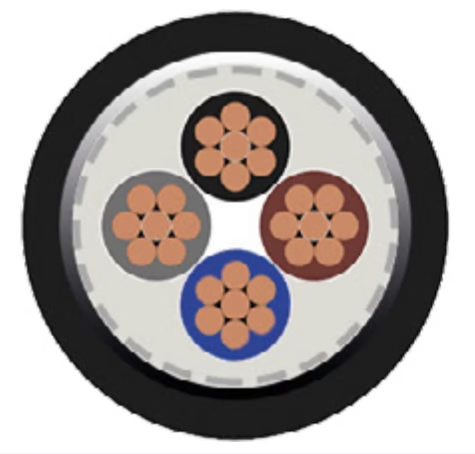
EPR insulation

AmerCable's Tiger Brand® mold-cured thermoset CPE (Chlorinated Polyethylene) jackets consistently outperform CV (Continuous Vulcanization) cured jackets in mechanical testing because the mold-cure process enables higher cross-link density, more uniform cure throughout the jacket thickness, and superior tensile and tear strength through controlled pressure and temperature conditions that CV processes cannot achieve. 美国AmerCable虎牌®模压硫化热固性CPE护套在机械测试中持续优于连续硫化(CV)护套,因为模压硫化工艺能够实现更高的交联密度、整个护套厚度更均匀的硫化,以及通过CV工艺无法达到的受控压力和温度条件获得卓越的拉伸和撕裂强度。

Mold-Cured Jacket: AmerCable Tiger Brand vs. Continuous Vulcanization

AmerCable’s Tiger Brand® mold-cured thermoset CPE (Chlorinated Polyethylene) jackets consistently outperform CV (Continuous Vulcanization) cured jackets in mechanical testing because the mold-cure process enables higher cross-link density, more uniform cure throughout the jacket thickness, and superior tensile and tear strength through controlled pressure and temperature conditions that CV processes cannot achieve. 美国AmerCable虎牌®模压硫化热固性CPE护套在机械测试中持续优于连续硫化(CV)护套,因为模压硫化工艺能够实现更高的交联密度、整个护套厚度更均匀的硫化,以及通过CV工艺无法达到的受控压力和温度条件获得卓越的拉伸和撕裂强度。
In the Nexans handling cable catalog, yellow outer sheaths are predominantly used for low-voltage (0.6/1 kV) RHEYCORD® series cables, while red outer sheaths identify medium-voltage (3–30 kV) RHEYFIRM® series cables. This color differentiation serves as a critical visual safety indicator for voltage level identification in industrial environments. 在耐克森搬运电缆目录中,黄色外护套主要用于低压(0.6/1 kV) RHEYCORD®系列电缆,而红色外护套用于标识中压(3–30 kV) RHEYFIRM®系列电缆。这种颜色区分是工业环境中电压等级识别的重要视觉安全指标。

Yellow vs. Red Sheath: Decoding Nexans RHEYFIRM® Color Codes

In the Nexans handling cable catalog, yellow outer sheaths are predominantly used for low-voltage (0.6/1 kV) RHEYCORD® series cables, while red outer sheaths identify medium-voltage (3–30 kV) RHEYFIRM® series cables. This color differentiation serves as a critical visual safety indicator for voltage level identification in industrial environments. 在耐克森搬运电缆目录中,黄色外护套主要用于低压(0.6/1 kV) RHEYCORD®系列电缆,而红色外护套用于标识中压(3–30 kV) RHEYFIRM®系列电缆。这种颜色区分是工业环境中电压等级识别的重要视觉安全指标。
Underground room-and-pillar mining operations present unique challenges for trailing cables. The Komatsu Joy 12HM series continuous miners must navigate through tight corners and confined spaces while maintaining continuous power supply. The trailing cable—connecting the miner to the power distribution system—must bend around right-angle turns, withstand crushing forces from equipment run-over, and maintain electrical integrity through thousands of flexing cycles without failure. 地下房柱式采矿作业对拖缆提出了独特的挑战。小松Joy 12HM系列连续采煤机必须在保持连续供电的同时穿越紧凑的转角和狭窄空间。连接采煤机与配电系统的拖缆必须能够绑过直角弯道,承受设备碾压的压力,并在数千次弯曲循环中保持电气完整性而不发生故障。

Komatsu Joy 12HM31 Continuous Miner: High-Flexibility Trailing Cables for Tight Corners

Underground room-and-pillar mining operations present unique challenges for trailing cables. The Komatsu Joy 12HM series continuous miners must navigate through tight corners and confined spaces while maintaining continuous power supply. The trailing cable—connecting the miner to the power distribution system—must bend around right-angle turns, withstand crushing forces from equipment run-over, and maintain electrical integrity through thousands of flexing cycles without failure. 地下房柱式采矿作业对拖缆提出了独特的挑战。小松Joy 12HM系列连续采煤机必须在保持连续供电的同时穿越紧凑的转角和狭窄空间。连接采煤机与配电系统的拖缆必须能够绑过直角弯道,承受设备碾压的压力,并在数千次弯曲循环中保持电气完整性而不发生故障。
Type W and Type G-GC cables represent two of the most critical portable power cable designs for mining and heavy industrial applications. Both cable types are engineered to withstand extreme mechanical stress, chemical exposure, and demanding electrical requirements while maintaining safety compliance with the Mine Safety and Health Administration (MSHA) regulations under 30 CFR Part 75 and Part 77. Type W和Type G-GC电缆是矿业和重工业应用中最关键的两种便携式电力电缆设计。这两种电缆均经过工程设计,能够承受极端的机械应力、化学暴露和苛刻的电气要求,同时保持符合美国矿山安全与健康管理局(MSHA)根据30 CFR第75和77部分制定的安全合规要求。

Type W vs. Type G-GC: The Definitive Guide to Ground Check Conductors for MSHA Compliance

Type W and Type G-GC cables represent two of the most critical portable power cable designs for mining and heavy industrial applications. Both cable types are engineered to withstand extreme mechanical stress, chemical exposure, and demanding electrical requirements while maintaining safety compliance with the Mine Safety and Health Administration (MSHA) regulations under 30 CFR Part 75 and Part 77. Type W和Type G-GC电缆是矿业和重工业应用中最关键的两种便携式电力电缆设计。这两种电缆均经过工程设计,能够承受极端的机械应力、化学暴露和苛刻的电气要求,同时保持符合美国矿山安全与健康管理局(MSHA)根据30 CFR第75和77部分制定的安全合规要求。
(N)TSFLCGEWÖU cable designation follows German DIN VDE standards and represents a specific type of flat flexible cable designed for festoon applications. Understanding the nomenclature and specifications is essential for selecting cables that will perform optimally within Conductix-Wampfler festoon systems.

Conductix-Wampfler Festoon Systems: Choosing the Right (N)TSFLCGEWÖU Flat Cable

(N)TSFLCGEWÖU cable designation follows German DIN VDE standards and represents a specific type of flat flexible cable designed for festoon applications. Understanding the nomenclature and specifications is essential for selecting cables that will perform optimally within Conductix-Wampfler festoon systems.
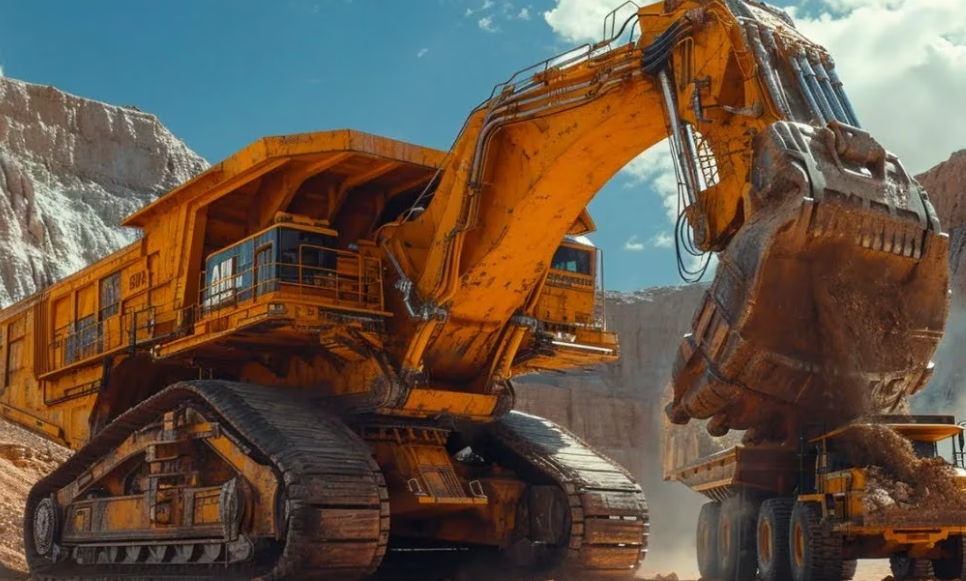
The Caterpillar 7495 Electric Rope Shovel represents one of the largest and most productive loading machines in modern surface mining operations. This massive machine combines a dipper payload capacity of up to 109 metric tonnes (120 US tons) with advanced AC IGBT (Insulated Gate Bipolar Transistor) electric drive technology to deliver exceptional productivity in overburden removal and ore loading applications. The 7495 is available in three primary configurations: the standard 7495 with Rope Crowd featuring traditional wire rope crowd mechanism, the 7495 with HydraCrowd utilizing hydraulic cylinder crowd technology for enhanced digging performance, and the 7495 HF (High Flotation) variant specifically designed for oil sands operations with specialized undercarriage systems that distribute weight across larger track surfaces to prevent sinking in soft ground conditions. 卡特彼勒7495电铲是现代露天采矿作业中最大、最高效的装载机械之一。这台巨型机器将高达109公吨(120美吨)的铲斗有效载荷容量与先进的AC IGBT(绝缘栅双极晶体管)电驱动技术相结合,在覆盖层剥离和矿石装载应用中提供卓越的生产率。

Caterpillar 7495 Electric Rope Shovel: Type SHD-GC Trailing Cable Voltage Selection

The Caterpillar 7495 Electric Rope Shovel represents one of the largest and most productive loading machines in modern surface mining operations. This massive machine combines a dipper payload capacity of up to 109 metric tonnes (120 US tons) with advanced AC IGBT (Insulated Gate Bipolar Transistor) electric drive technology to deliver exceptional productivity in overburden removal and ore loading applications. The 7495 is available in three primary configurations: the standard 7495 with Rope Crowd featuring traditional wire rope crowd mechanism, the 7495 with HydraCrowd utilizing hydraulic cylinder crowd technology for enhanced digging performance, and the 7495 HF (High Flotation) variant specifically designed for oil sands operations with specialized undercarriage systems that distribute weight across larger track surfaces to prevent sinking in soft ground conditions. 卡特彼勒7495电铲是现代露天采矿作业中最大、最高效的装载机械之一。这台巨型机器将高达109公吨(120美吨)的铲斗有效载荷容量与先进的AC IGBT(绝缘栅双极晶体管)电驱动技术相结合,在覆盖层剥离和矿石装载应用中提供卓越的生产率。
Understanding the thermal short-circuit current limits of cable earth screens represents a critical aspect of mining cable design and electrical system safety. When a fault occurs in a mining electrical system, massive currents can flow through the cable's protective earth screen, generating intense heat that must be contained without damaging the cable's insulation or compromising its structural integrity. For Type 209 mining cables, which serve as flexible feeders to machinery in demanding underground coal mining environments, accurately calculating these thermal limits ensures that the composite earth screen can safely carry fault currents until protective devices clear the fault. 了解电缆地线屏蔽的热短路电流限制是矿用电缆设计和电气系统安全的关键方面。当矿山电气系统发生故障时,巨大的电流可能通过电缆的保护性地线屏蔽流动,产生必须在不损坏电缆绝缘或损害其结构完整性的情况下控制的强热。对于作为苛刻地下煤矿环境中机械柔性馈线的Type 209矿用电缆,准确计算这些热限制确保复合地线屏蔽能够安全承载故障电流,直到保护装置清除故障。

Short Circuit Rating: How to Calculate the Thermal Short-Circuit Limit for the Earth Screen of a Type 209 Cable

Understanding the thermal short-circuit current limits of cable earth screens represents a critical aspect of mining cable design and electrical system safety. When a fault occurs in a mining electrical system, massive currents can flow through the cable’s protective earth screen, generating intense heat that must be contained without damaging the cable’s insulation or compromising its structural integrity. For Type 209 mining cables, which serve as flexible feeders to machinery in demanding underground coal mining environments, accurately calculating these thermal limits ensures that the composite earth screen can safely carry fault currents until protective devices clear the fault. 了解电缆地线屏蔽的热短路电流限制是矿用电缆设计和电气系统安全的关键方面。当矿山电气系统发生故障时,巨大的电流可能通过电缆的保护性地线屏蔽流动,产生必须在不损坏电缆绝缘或损害其结构完整性的情况下控制的强热。对于作为苛刻地下煤矿环境中机械柔性馈线的Type 209矿用电缆,准确计算这些热限制确保复合地线屏蔽能够安全承载故障电流,直到保护装置清除故障。
Cable ampacity derating represents a fundamental consideration in electrical system design, particularly for mobile equipment and crane applications where environmental conditions deviate significantly from standard reference values. The ampacity, or current-carrying capacity, of a conductor must be adjusted based on actual installation conditions to prevent insulation degradation, ensure safety compliance, and maintain system reliability over the operational lifetime of the installation. 电缆载流量降额是电气系统设计中的一个基本考虑因素,特别是对于移动设备和起重机应用,其中环境条件显著偏离标准参考值。导体的载流量或电流承载能力必须根据实际安装条件进行调整,以防止绝缘退化,确保安全合规性,并在安装的整个使用寿命期间保持系统可靠性。

Ampacity Derating: What Causes “Z-kinking” in (N)TSFLCGEWÖU Flat Cables, and How to Adjust Festoon Trolleys?

Cable ampacity derating represents a fundamental consideration in electrical system design, particularly for mobile equipment and crane applications where environmental conditions deviate significantly from standard reference values. The ampacity, or current-carrying capacity, of a conductor must be adjusted based on actual installation conditions to prevent insulation degradation, ensure safety compliance, and maintain system reliability over the operational lifetime of the installation. 电缆载流量降额是电气系统设计中的一个基本考虑因素,特别是对于移动设备和起重机应用,其中环境条件显著偏离标准参考值。导体的载流量或电流承载能力必须根据实际安装条件进行调整,以防止绝缘退化,确保安全合规性,并在安装的整个使用寿命期间保持系统可靠性。
N3GHSSYCY — это экранированный высоковольтный гибкий кабель промышленного класса, специально разработанный для подключения мобильного оборудования в шахтах и подземных выработках со взрывоопасной средой. Кабель соответствует международному стандарту DIN VDE 0250, часть 605 и выпускается в двух номинальных напряжениях: 3.6/6 кВ и 6/10 кВ. Особенностью конструкции является наличие фазоконцентрического заземляющего проводника и общего концентрического экрана мониторинга, которые в сочетании со схемой высоковольтной защиты позволяют контролировать кабель на наличие дефектов изоляции и повреждений от внешних воздействий.

Tinned Copper Conductors in Rubber Cables vs. Bare Copper in PVC Cables: A Technical Analysis of VDE Standards and Material Chemistry

In the specialized world of industrial cable manufacturing, the choice between tinned copper and bare copper conductors represents a critical engineering decision driven by material chemistry, environmental conditions, and international standards. The German VDE (Verband der Elektrotechnik, Elektronik und Informationstechnik) standards provide particularly stringent requirements for cable construction, and understanding why these standards mandate tinned copper conductors for rubber-insulated cables while permitting bare copper for PVC-insulated cables reveals fundamental principles of cable engineering and materials science.
The choice of conductor material in electrical cables represents a critical engineering decision that directly impacts cable longevity, performance, and safety. German VDE standards, particularly DIN VDE 0250, specify tinned copper conductors for rubber-insulated cables such as NSSHÖU, while PVC-insulated cables commonly utilize bare (plain) copper conductors. This technical distinction arises from fundamental differences in material chemistry and vulcanization processes. 电缆导体材料的选择是一项关键的工程决策,直接影响电缆的寿命、性能和安全性。德国VDE标准,特别是DIN VDE 0250,规定橡胶绝缘电缆(如NSSHÖU)必须使用镀锡铜导体,而PVC绝缘电缆通常使用裸铜导体。这一技术区别源于材料化学和硫化工艺的根本差异。

Tinned Copper: Why Do VDE Standards Typically Require Tinned Copper Conductors for Rubber Cables Like NSSHÖU, Whereas PVC Cables Often Use Bare Copper?

The choice of conductor material in electrical cables represents a critical engineering decision that directly impacts cable longevity, performance, and safety. German VDE standards, particularly DIN VDE 0250, specify tinned copper conductors for rubber-insulated cables such as NSSHÖU, while PVC-insulated cables commonly utilize bare (plain) copper conductors. This technical distinction arises from fundamental differences in material chemistry and vulcanization processes. 电缆导体材料的选择是一项关键的工程决策,直接影响电缆的寿命、性能和安全性。德国VDE标准,特别是DIN VDE 0250,规定橡胶绝缘电缆(如NSSHÖU)必须使用镀锡铜导体,而PVC绝缘电缆通常使用裸铜导体。这一技术区别源于材料化学和硫化工艺的根本差异。
In the design of medium voltage mining and reeling cables such as the (N)TSCGECEWÖU, the short-circuit temperature rating of the insulation material fundamentally determines the cable's fault current withstand capability. The 3GI3 EPR (Ethylene Propylene Rubber) compound specified in DIN VDE 0207 Part 20 has a maximum permissible short-circuit temperature of 250°C, which directly influences how engineers must size the metallic screen to safely conduct earth fault currents without thermal damage. 在设计诸如(N)TSCGECEWÖU等中压矿用和卷筒电缆时,绝缘材料的短路温度额定值从根本上决定了电缆的故障电流承受能力。DIN VDE 0207第20部分规定的3GI3 EPR(乙丙橡胶)化合物的最大允许短路温度为250°C,这直接影响工程师必须如何确定金属屏蔽层的尺寸,以安全传导接地故障电流而不会造成热损坏。

Short-Circuit Rating: Why is the Short-Circuit Temperature for 3GI3 EPR-Insulated VDE Cables Set at 250°C, and How Does This Impact Screen Sizing for (N)TSCGECEWÖU?

In the design of medium voltage mining and reeling cables such as the (N)TSCGECEWÖU, the short-circuit temperature rating of the insulation material fundamentally determines the cable’s fault current withstand capability. The 3GI3 EPR (Ethylene Propylene Rubber) compound specified in DIN VDE 0207 Part 20 has a maximum permissible short-circuit temperature of 250°C, which directly influences how engineers must size the metallic screen to safely conduct earth fault currents without thermal damage. 在设计诸如(N)TSCGECEWÖU等中压矿用和卷筒电缆时,绝缘材料的短路温度额定值从根本上决定了电缆的故障电流承受能力。DIN VDE 0207第20部分规定的3GI3 EPR(乙丙橡胶)化合物的最大允许短路温度为250°C,这直接影响工程师必须如何确定金属屏蔽层的尺寸,以安全传导接地故障电流而不会造成热损坏。
Overheating and insulation damage are among the most dangerous problems facing underground mining cables, potentially leading to catastrophic fires, costly production interruptions, and serious worker injuries. According to U.S. Mine Safety and Health Administration (MSHA) statistics, electrical cable failures are a leading cause of fires in underground mines, with over 200 incidents annually related to cable overheating. Mining cables face harsh operating conditions including high ambient temperatures (40-50°C), high humidity (>90% RH), continuously varying loads, and mechanical stress from pulling and bending. Maintaining cable integrity requires an integrated system of monitoring and preventive maintenance according to IEC 60502, IEEE 400.2, and NETA MTS standards. The thermal degradation of EPR and XLPE insulation follows the Arrhenius equation, where every 10°C increase above rated temperature approximately halves the insulation's service life. Understanding the root causes of overheating and implementing systematic diagnostic procedures is essential for preventing failures and ensuring safe, reliable power distribution in underground mining operations.

كيف يمكنك استكشاف أعطال السخونة الزائدة وتلف العزل في كابلات التعدين تحت الأرض؟

mining cable overheating, insulation damage, cable troubleshooting, partial discharge test, insulation resistance, thermal imaging, VLF testing, IEEE 400.2, IEC 60270, MSHA cable, underground mining, fault diagnosis, preventive maintenance, hot spot detection, electrical treeing, كابلات التعدين, 礦用電纜故障, infrared thermography, megger test, polarization index
Shielding is one of the most critical structural elements in medium and high voltage mining cables, performing multiple vital functions that extend far beyond electromagnetic interference (EMI) protection. According to the U.S. Mine Safety and Health Administration (MSHA) regulations and IEC 60502 standards, shielding forms the first line of defense against ground faults, current leakage, and electromagnetic interference in harsh industrial environments. The letter "C" in German cable designations (such as NTSCGEWÖU) indicates the presence of a copper wire braided screen, while "CY" refers to compact copper shielding that provides 85% to 95% surface coverage, ensuring maximum protection in critical applications. In mining environments where equipment operates with variable frequency drives (VFDs), high-power motors, and sensitive monitoring systems, proper shielding is essential for both electrical safety and operational reliability. The IEEE 1580 standard for marine cables and ICEA S-75-381 for mining cables both specify detailed requirements for shielding construction and performance.

ما وظيفة التدريع في كابلات التعدين ومتى يكون تدريع CY ضرورياً؟

mining cable shielding, CY shielding, copper wire braid screen, EMI protection, MSHA cable, IEC 60502, DIN VDE 0250, ground fault protection, semiconductive layer, partial discharge, underground mining cable, trailing cable, VFD cable shielded, كابلات التعدين المدرعة, 礦用電纜屏蔽, electromagnetic interference, NTSCGEWÖU, NTMCGEWÖU, shield grounding
NTSCGEWÖU and NTMCGEWÖU cables represent critical technical solutions for powering mobile machinery in mining, heavy industry, and material handling environments. Both cable types are manufactured according to the German DIN VDE 0250 standard, which is globally recognized as the definitive benchmark for tough rubber-sheathed flexible cables designed for cranes and material handling equipment. The fundamental distinction lies in their sheath construction: the "S" in NTSCGEWÖU indicates a double rubber sheath (Schwer = heavy-duty) providing enhanced mechanical protection for reeling applications, while "M" in NTMCGEWÖU denotes a single sheath with single-core design optimized for short-length medium voltage connections. According to industry specifications, Germany remains the only country to have issued special design regulations for flexible electrical cables covering cranes and material handling equipment, making DIN VDE 0250 the ultimate international standard for these demanding applications.

كيف تختار بين NTSCGEWÖU و NTMCGEWÖU للآلات المتحركة؟

NTSCGEWÖU and NTMCGEWÖU cables represent critical technical solutions for powering mobile machinery in mining, heavy industry, and material handling environments. Both cable types are manufactured according to the German DIN VDE 0250 standard, which is globally recognized as the definitive benchmark for tough rubber-sheathed flexible cables designed for cranes and material handling equipment. The fundamental distinction lies in their sheath construction: the “S” in NTSCGEWÖU indicates a double rubber sheath (Schwer = heavy-duty) providing enhanced mechanical protection for reeling applications, while “M” in NTMCGEWÖU denotes a single sheath with single-core design optimized for short-length medium voltage connections. According to industry specifications, Germany remains the only country to have issued special design regulations for flexible electrical cables covering cranes and material handling equipment, making DIN VDE 0250 the ultimate international standard for these demanding applications.
N3GHSSYCY — это экранированный высоковольтный гибкий кабель промышленного класса, специально разработанный для подключения мобильного оборудования в шахтах и подземных выработках со взрывоопасной средой. Кабель соответствует международному стандарту DIN VDE 0250, часть 605 и выпускается в двух номинальных напряжениях: 3.6/6 кВ и 6/10 кВ. Особенностью конструкции является наличие фазоконцентрического заземляющего проводника и общего концентрического экрана мониторинга, которые в сочетании со схемой высоковольтной защиты позволяют контролировать кабель на наличие дефектов изоляции и повреждений от внешних воздействий.

Что такое тяговый кабель среднего напряжения (N)TS…WOEU?

(N)TSCGEWOEU — это высокопроизводительный гибкий тяговый кабель среднего напряжения, разработанный в соответствии со стандартом DIN VDE 0250, часть 813 для подключения крупного передвижного оборудования, работающего в условиях экстремальных механических нагрузок. Данный кабель представляет собой стандартную конструкцию серии TENAX-T, оптимизированную для применения в открытых горных разработках, на экскаваторах, самосвалах и дробилках.
тяжелонагруженный кабель, гибкий кабель с резиновой изоляцией, резиновый гибкий кабель, горный кабель, шахтный кабель, кабель для горнодобычи, кабель для карьера, промышленный силовой кабель, кабель 0.6/1кВ, кабель 1кВ резиновый

Что такое тяжелонагруженный гибкий кабель с резиновой изоляцией NSSHOEU-O (NSSHÖU-O) и NSSHOEU-J (NSSHÖU-J)?

NSSHOEU, NSSHÖU, NSSHOEU-O, NSSHOEU-J, NSSHÖU-O, NSSHÖU-J, кабель NSSHOEU, кабель NSSHÖU, NSSHOEU 4×25, NSSHOEU 4×35, NSSHOEU 4×50, NSSHOEU 4×70, NSSHOEU 3×70/35, NSSHOEU 3×95/50, NSSHOEU 3×120/70, NSSHOEU 1×50, NSSHOEU 1×70, NSSHOEU 1×95, NSSHOEU 1×120, NSSHOEU 5×6, NSSHOEU 5×10, NSSHOEU 5×16
The RHEYFIRM(RTS) R-(N)TSCGEWTOEUS represents the pinnacle of medium-voltage reeling cable technology, engineered specifically for demanding industrial applications where power transmission, control signals, and fiber optic communication must be integrated into a single, highly flexible cable assembly. Manufactured in strict compliance with DIN VDE 0250 Part 813, this cable series delivers reliable performance at voltage ratings from 8.7/15 kV up to 18/30 kV, with travel speeds reaching 180 m/min on modern cable reeling systems. The designation follows the German VDE nomenclature where "RHEYFIRM" indicates the manufacturer's product line, "(RTS)" denotes the reinforced tensile system, and the alphanumeric string describes the complete cable construction including screening, insulation type, and special features.

What is RHEYFIRM(RTS) R-(N)TSCGEWTOEUS Cable?

The RHEYFIRM(RTS) R-(N)TSCGEWTOEUS represents the pinnacle of medium-voltage reeling cable technology, engineered specifically for demanding industrial applications where power transmission, control signals, and fiber optic communication must be integrated into a single, highly flexible cable assembly. Manufactured in strict compliance with DIN VDE 0250 Part 813, this cable series delivers reliable performance at voltage ratings from 8.7/15 kV up to 18/30 kV, with travel speeds reaching 180 m/min on modern cable reeling systems. The designation follows the German VDE nomenclature where “RHEYFIRM” indicates the manufacturer’s product line, “(RTS)” denotes the reinforced tensile system, and the alphanumeric string describes the complete cable construction including screening, insulation type, and special features.
Mining, drilling, and tunnelling cables represent a specialized category of electrical cables engineered to withstand the extreme conditions found in extractive industry operations. Unlike standard industrial cables, these cables must endure continuous mechanical stress from reeling and unreeling operations, exposure to ultraviolet radiation in surface mining, salt-water submersion in offshore drilling, contact with oils and greases from machinery, and the abrasive conditions of underground environments. The demanding nature of these applications requires cables with exceptional durability, flexibility, and resistance to environmental factors that would rapidly degrade conventional cables.

What is Mining, Drilling & Tunnelling Cable? Solutions for Surface, Sub-Surface & Underground Operations

(N)3GHSSHCH – 3.6/6kV, 6/10kV, 8.7/15kV, 12/20kV (N)3GHSSYCY – 3.6/6kV, 6/10kV, 8.7/15kV, 12/20kV (N)SSCHÖU-J – 0.6/1kV (N)SHÖU O/J – 0.6/1kV NSSHÖU O/J – 0.6/1kV NSSHÖU 3E – 0.6/1kV NSSHÖU 3E + ST – 0.6/1kV (N)TMCGEWÖU – 3.6/6kV to 18/30kV (N)TSCGEWÖU – 3.6/6kV to 18/30kV (N)TSCGEWÖU ZH – 3.6/6kV to 12/20kV (N)TSCGEWÖU ATB – 3.6/6kV to 12/20kV (N)TSCGEWÖU FO – 3.6/6kV to 12/20kV (N)TSCGEWÖU Submersible – 3.6/6kV to 12/20kV (N)TSKCGEWÖU – 3.6/6kV to 18/30kV (N)TSCGECEWÖU – 3.6/6kV to 12/20kV (N)TSCGECEWÖU ATB – 3.6/6kV to 12/20kV (N)TSCGECEWÖU ATB GCC – 1.8/3kV to 12/20kV (N)TSCGECEWÖU Submersible – 3.6/6kV to 12/20kV (N)TSCGECECWÖU – 3.6/6kV to 12/20kV (N)TSCGECECWÖU ZH – 3.6/6kV to 12/20kV R-(N)TSCGEWÖU + FO – 3.6/6kV to 12/20kV
Wind turbines stand tall on the landscape both onshore and offshore, harnessing natural resources to generate renewable energy. The cables used in these installations must be specifically engineered to handle unique mechanical and environmental challenges. Unlike standard industrial cables, wind turbine cables must withstand continuous torsional stress caused by the rotation of the nacelle and rotor blades, which can apply twisting forces up to ±180° per meter over millions of cycles during the turbine's 20-25 year operational lifespan. Our comprehensive range includes power cables rated from 600V to 6kV for tower, nacelle, and rotor applications, as well as control and automation cables essential for safe operation and real-time monitoring of energy production systems.

What is Wind Farm and Wind Turbine Cables?

NTSCGEWÖW 6kV cable, NTSCGEWOW 6kV torsion cable, torsion LSZH 3kV cable, torsion loop screened 1kV cable, torsion resistant LSZH cable, torsion PVC 600V cable, NA2XH 0.6/1kV cable, NA2XH 1.8/3kV cable, aluminum EPR XLEVA cable, aluminum HEPR PO cable, LiYY cable, LiHH cable, LiHCH cable, Veriflex SY cable, Veriflex CY cable, Veriflex YY cable, YSLYSY control cable, YSLCY control cable, YSLY control cable, HSLH cable, HSLCH cable, HSLHCH cable
Submersible and pump cables are specialized electrical cables designed for permanent operation underwater, connecting electrical motor equipment in both process and potable water applications. According to IEC standards and VDE specifications, these cables must demonstrate exceptional water resistance, flexibility under pressure, and chemical compatibility with their operating environment. The cables support diverse industries from food processing to water treatment, mining, and aquatic installations.

What are Submersible & Pump Cables?

(N)SHÖU O/J 0.6/1kV, NSSHÖU O/J 0.6/1kV, NSSHÖU 3E 0.6/1kV, NSSHÖU 3E + ST 0.6/1kV, (N)SSCHÖU-J 0.6/1kV, (N)TSCGECEWÖU 3.6/6kV, (N)TSCGECEWÖU 6/10kV, (N)TSCGECEWÖU 8.7/15kV, (N)TSCGECEWÖU 12/20kV (N)TSCGEWÖU 3.6/6kV, (N)TSCGEWÖU 6/10kV, (N)TSCGEWÖU 8.7/15kV, (N)TSCGEWÖU 12/20kV, H07RN-8-F (10m), Pump Cable 300 (300m), Drincable 600 (600m), Drincable 600 Flat (600m), Drincable 800 (800m)
Mining, drilling, and tunnelling cables represent the most demanding category of industrial cables, designed to operate in some of the harshest environments on earth. These heavy-duty power, control, and instrumentation cables serve mine operators worldwide for both static infrastructure and dynamic equipment applications. Manufactured in accordance with international standards including IEC 60502, BS EN 60332, BS EN 60811, BS EN 60754, and VDE 0295, mining cables must withstand mechanical stress, oil and grease exposure, water immersion, and in underground applications, provide critical fire safety through reduced smoke and fume emissions.

What are Mining, Drilling & Tunnelling Cables?

NSSHÖU cable, NSSHOU cable, NSHÖU cable, NSHOU cable, NSSCHOU cable, NSHTÖU cable, NTSCGEWÖU cable, NTSCGEWOU cable, NTMCGEWÖU cable, N3GHSSYCY cable, N3GHSSHCH cable,Type 61 cable, Type 63 cable, Type 611 cable, Type 622 cable, Type 633 cable, Type 66 cable,Type 240 cable, Type 241 cable, Type 245 cable, Type 450 cable, Type 455 cable, Type 260 cable, Type 275 cable, Type 409 cable, Type 440 cable, Type 441 cable,
UNE 21123 standard refers to the design and cross-sectional area specifications for cables used by utilities on power distribution circuits with voltage ratings up to and including 600/1000V (0.6/1kV). UNE standards are released by AENOR (Asociación Española de Normalización y Certificación), the Spanish Association for Standardisation and Certification. As AENOR is a member of ISO, IEC, and CENELEC, many of its standards are harmonized with European and international conventions.

What is UNE 21123 Cable?

UNE 21123 standard refers to the design and cross-sectional area specifications for cables used by utilities on power distribution circuits with voltage ratings up to and including 600/1000V (0.6/1kV). UNE standards are released by AENOR (Asociación Española de Normalización y Certificación), the Spanish Association for Standardisation and Certification. As AENOR is a member of ISO, IEC, and CENELEC, many of its standards are harmonized with European and international conventions.
IEC 60840 is an internationally recognized standard developed by the International Electrotechnical Commission (IEC) that defines the test methods and performance requirements for high-voltage power cable systems with extruded insulation. The standard applies to systems designed for rated voltages above 30 kV (Um = 36 kV) up to and including 150 kV (Um = 170 kV), making it the essential reference for cables used in power transmission infrastructure, grid interconnections, and large-scale industrial energy networks.

What is IEC 60840 Cable?

IEC 60840 is an internationally recognized standard developed by the International Electrotechnical Commission (IEC) that defines the test methods and performance requirements for high-voltage power cable systems with extruded insulation. The standard applies to systems designed for rated voltages above 30 kV (Um = 36 kV) up to and including 150 kV (Um = 170 kV), making it the essential reference for cables used in power transmission infrastructure, grid interconnections, and large-scale industrial energy networks.
IEC 60502 is an international standard published by the International Electrotechnical Commission (IEC) that sets out the specification for power cables with extruded insulation. The standard covers cables with voltage ratings from 1 kV (Um = 1.2 kV) up to 30 kV (Um = 36 kV), designed for fixed installations such as distribution networks and industrial installations. This widely recognized standard serves as a primary reference for cable manufacturers worldwide and forms the basis for numerous national and regional cable standards.

What is IEC 60502 Cable?

IEC 60502 對導體類型、絕緣材料和護套化合物提供了詳細規格。絕緣材料包括 PVC(最高溫度 70°C)、XLPE、EPR 和 HEPR(均為最高 90°C)。導體類別包括第 1 類(實心)、第 2 類(絞合)和第 5 類(柔性),尺寸範圍從 1.5 mm² 到 1600 mm²。護套化合物包括 PVC、PE 和用於防火敏感區域的無鹵素材料。XLPE 絕緣的標稱厚度從 0.6/1 kV 的 1.0 mm 到 18/30 kV 的 8.0 mm 不等。
HD 620 is commonly linked to the German national standard DIN VDE 0276 Part 620 and is harmonized with international standard IEC 60502-2. The standard establishes comprehensive construction requirements, dimensional specifications, and test methods that exceed the baseline requirements of IEC 60502-2. Both HD 620 and IEC 60502-2 require compulsory conductor and insulation screening, typically applied through a triple extrusion process with the insulation layer. The test methodology for compliance is set out in HD 605 subclause 2.1.1 for insulation material and HD 605 subclause 2.1.2 for sheath material.

What is HD620 Standard Cable?

HD 620 cables are designed for power distribution networks, industrial installations, and infrastructure applications. These medium voltage cables are suitable for permanent installation in various environments including underground, outdoor, and cable ducting installations.