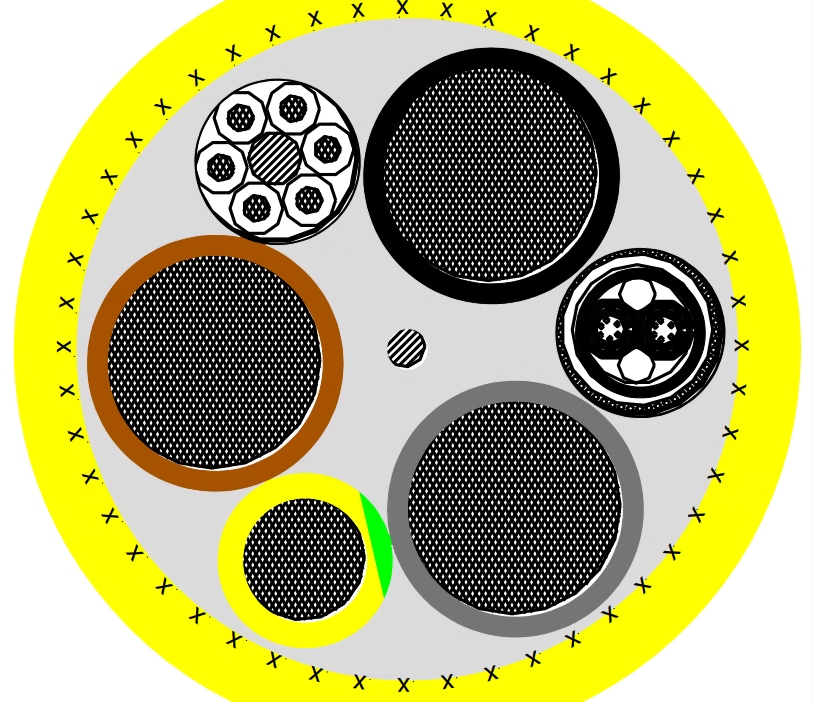
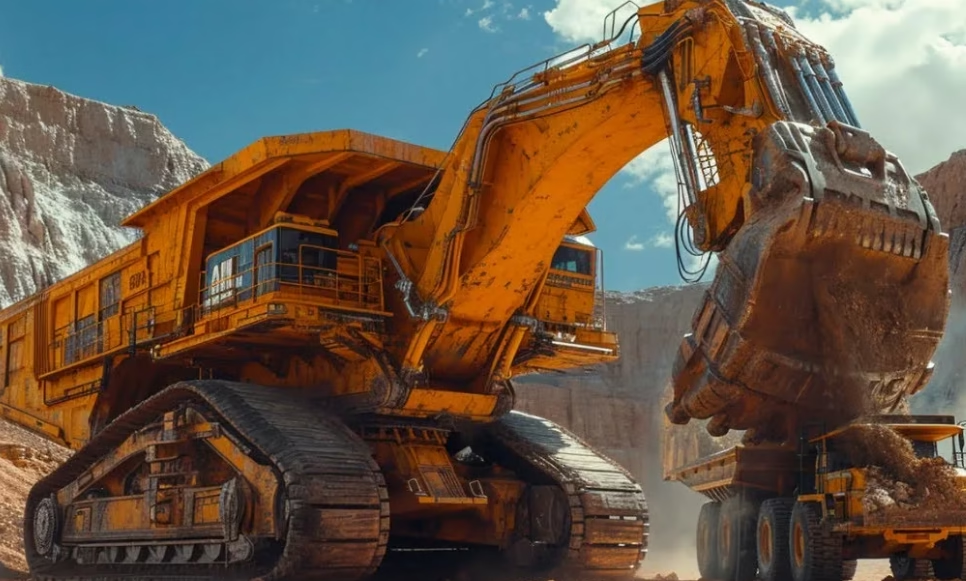
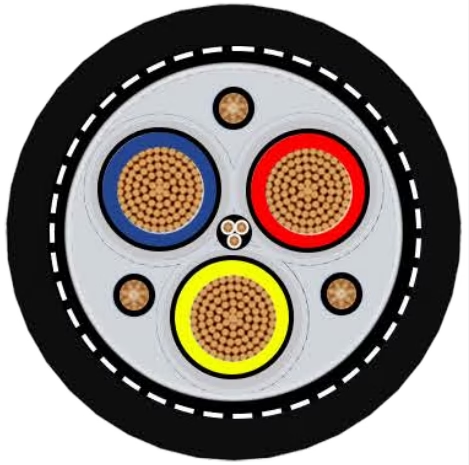
dragline cable

The short answer is yes, damaged Type 441 reeling cables can be spliced underground using resin joint kits that comply with AS/NZS 1747 standards, provided specific conditions are met and proper procedures are followed. However, understanding when, why, and how such repairs should be performed requires examining the cable construction, applicable standards, and field repair methodologies that govern mining cable maintenance practices across Australia, New Zealand, and similar international mining operations.

Can you splice a damaged Type 441 reeling cable underground using a Resin Joint Kit (AS/NZS 1747)?

The short answer is yes, damaged Type 441 reeling cables can be spliced underground using resin joint kits that comply with AS/NZS 1747 standards, provided specific conditions are met and proper procedures are followed. However, understanding when, why, and how such repairs should be performed requires examining the cable construction, applicable standards, and field repair methodologies that govern mining cable maintenance practices across Australia, New Zealand, and similar international mining operations.
When you look at a modern mining cable cross-section, you'll notice it contains more than just the power conductors that deliver electricity to mining equipment. Among these additional elements are one or more pilot cores—specialized conductors that serve critical safety and monitoring functions. While these pilot cores might seem like simple extra wires at first glance, they represent sophisticated monitoring infrastructure that enables mining operations to detect dangerous conditions before they cause injuries, equipment damage, or production interruptions.1 当您查看现代矿用电缆横截面时,您会注意到它包含的不仅仅是向采矿设备输送电力的电力导体。在这些附加元件中有一个或多个引导芯——服务于关键安全和监控功能的专用导体。

Digital Monitoring: Using Pilot Cores for Real-Time Temperature and Damage Detection

When you look at a modern mining cable cross-section, you’ll notice it contains more than just the power conductors that deliver electricity to mining equipment. Among these additional elements are one or more pilot cores—specialized conductors that serve critical safety and monitoring functions. While these pilot cores might seem like simple extra wires at first glance, they represent sophisticated monitoring infrastructure that enables mining operations to detect dangerous conditions before they cause injuries, equipment damage, or production interruptions.1 当您查看现代矿用电缆横截面时,您会注意到它包含的不仅仅是向采矿设备输送电力的电力导体。在这些附加元件中有一个或多个引导芯——服务于关键安全和监控功能的专用导体。
Hard-rock mining operations present some of the most severe mechanical challenges for cable materials in any industrial environment. Unlike coal mining where the surrounding geology consists of relatively softer sedimentary rock formations, hard-rock mining for metals such as gold, copper, platinum, iron ore, and other valuable minerals involves working with extremely abrasive geological materials. Granite, basalt, quartzite, and metamorphic rocks create an environment where cables are constantly subjected to cutting, gouging, and grinding forces that can rapidly destroy inadequately protected cable sheaths.1 硬岩采矿作业对电缆材料在任何工业环境中都提出了一些最严峻的机械挑战。与煤矿开采周围地质由相对较软的沉积岩层组成不同,开采金、铜、铂、铁矿石和其他贵重矿物的硬岩采矿涉及与极具磨蚀性的地质材料一起工作。

PUR/Polyurethane Sheath vs 5GM3 Rubber: Material Comparison for Abrasive Hard-Rock Mining

Hard-rock mining operations present some of the most severe mechanical challenges for cable materials in any industrial environment. Unlike coal mining where the surrounding geology consists of relatively softer sedimentary rock formations, hard-rock mining for metals such as gold, copper, platinum, iron ore, and other valuable minerals involves working with extremely abrasive geological materials. Granite, basalt, quartzite, and metamorphic rocks create an environment where cables are constantly subjected to cutting, gouging, and grinding forces that can rapidly destroy inadequately protected cable sheaths.1 硬岩采矿作业对电缆材料在任何工业环境中都提出了一些最严峻的机械挑战。与煤矿开采周围地质由相对较软的沉积岩层组成不同,开采金、铜、铂、铁矿石和其他贵重矿物的硬岩采矿涉及与极具磨蚀性的地质材料一起工作。
Cable ampacity derating represents a fundamental consideration in electrical system design, particularly for mobile equipment and crane applications where environmental conditions deviate significantly from standard reference values. The ampacity, or current-carrying capacity, of a conductor must be adjusted based on actual installation conditions to prevent insulation degradation, ensure safety compliance, and maintain system reliability over the operational lifetime of the installation. 电缆载流量降额是电气系统设计中的一个基本考虑因素,特别是对于移动设备和起重机应用,其中环境条件显著偏离标准参考值。导体的载流量或电流承载能力必须根据实际安装条件进行调整,以防止绝缘退化,确保安全合规性,并在安装的整个使用寿命期间保持系统可靠性。

Ampacity Derating: What Causes “Z-kinking” in (N)TSFLCGEWÖU Flat Cables, and How to Adjust Festoon Trolleys?

Cable ampacity derating represents a fundamental consideration in electrical system design, particularly for mobile equipment and crane applications where environmental conditions deviate significantly from standard reference values. The ampacity, or current-carrying capacity, of a conductor must be adjusted based on actual installation conditions to prevent insulation degradation, ensure safety compliance, and maintain system reliability over the operational lifetime of the installation. 电缆载流量降额是电气系统设计中的一个基本考虑因素,特别是对于移动设备和起重机应用,其中环境条件显著偏离标准参考值。导体的载流量或电流承载能力必须根据实际安装条件进行调整,以防止绝缘退化,确保安全合规性,并在安装的整个使用寿命期间保持系统可靠性。
(N)TSCGEWÖU medium voltage reeling cable represents a specialized engineering solution designed for extreme mechanical stress applications in mining, material handling, and heavy industrial operations. When evaluating performance in Arctic environments with sustained temperatures of negative forty degrees Celsius, the cable's construction and material specifications demonstrate compliance with international cold performance standards, making it technically suitable for continuous operation in such demanding conditions.

Can (N)TSCGEWÖU Cables Handle Continuous Operation in -40°C Arctic Environments (Cold Impact Test)?

(N)TSCGEWÖU medium voltage reeling cable represents a specialized engineering solution designed for extreme mechanical stress applications in mining, material handling, and heavy industrial operations. When evaluating performance in Arctic environments with sustained temperatures of negative forty degrees Celsius, the cable’s construction and material specifications demonstrate compliance with international cold performance standards, making it technically suitable for continuous operation in such demanding conditions.
Type 440 reeling cables represent a critical component in mining and industrial power distribution systems, specifically designed for flexible trailing applications according to AS/NZS 2802:2000 standards. These metal-screened power cables feature three pilot cores and operate across voltage ratings from 1.1 kilovolts to 11 kilovolts, supplying reliable electrical power to mobile mining equipment such as draglines, excavators, and materials handling machinery. Despite their robust construction with EPR insulation and high abrasion resistance, these cables remain vulnerable to a particularly destructive failure mode known as corkscrewing, which can compromise both electrical performance and mechanical integrity during operation.

How does “Corkscrewing” destroy Type 440 reeling cables, and how to prevent it during installation?

Type 440 reeling cables represent a critical component in mining and industrial power distribution systems, specifically designed for flexible trailing applications according to AS/NZS 2802:2000 standards. These metal-screened power cables feature three pilot cores and operate across voltage ratings from 1.1 kilovolts to 11 kilovolts, supplying reliable electrical power to mobile mining equipment such as draglines, excavators, and materials handling machinery. Despite their robust construction with EPR insulation and high abrasion resistance, these cables remain vulnerable to a particularly destructive failure mode known as corkscrewing, which can compromise both electrical performance and mechanical integrity during operation.
cable selection directly impacts equipment reliability, operational safety, and cost efficiency. While Diesel Locomotive Cable (DLO) and Type W cables share similar voltage ratings and environmental resistance, their fundamental design philosophies serve distinctly different operational requirements. This technical analysis examines why DLO cable, despite its robust construction and premium materials, is frequently rejected for dynamic mining applications involving continuous movement equipment such as shuttle cars, draglines, and continuous miners.

DLO Cable vs. Type W: Why is Diesel Locomotive Cable often rejected for dynamic mining applications?

cable selection directly impacts equipment reliability, operational safety, and cost efficiency. While Diesel Locomotive Cable (DLO) and Type W cables share similar voltage ratings and environmental resistance, their fundamental design philosophies serve distinctly different operational requirements. This technical analysis examines why DLO cable, despite its robust construction and premium materials, is frequently rejected for dynamic mining applications involving continuous movement equipment such as shuttle cars, draglines, and continuous miners.
(N)TMCGEWÖU and reeling cables designated (N)TSCGEWÖU represents more than nomenclature. These cable types embody fundamentally different engineering approaches to managing mechanical stress, electrical performance, and operational reliability. While both cables conform to DIN VDE 0250 Part 813 standards and share similar voltage ratings from 3.6/6 kV to 18/30 kV, their construction reflects distinct design philosophies optimized for specific movement patterns and stress profiles. 在中压矿用电缆应用中,(N)TMCGEWÖU拖曳电缆和(N)TSCGEWÖU卷筒电缆之间的区别不仅仅是命名差异。这些电缆类型体现了管理机械应力、电气性能和运行可靠性的根本不同的工程方法。

(N)TMCGEWÖU vs. (N)TSCGEWÖU: Can I use a Medium Voltage Trailing cable for a Reeling application?

(N)TMCGEWÖU and reeling cables designated (N)TSCGEWÖU represents more than nomenclature. These cable types embody fundamentally different engineering approaches to managing mechanical stress, electrical performance, and operational reliability. While both cables conform to DIN VDE 0250 Part 813 standards and share similar voltage ratings from 3.6/6 kV to 18/30 kV, their construction reflects distinct design philosophies optimized for specific movement patterns and stress profiles. 在中压矿用电缆应用中,(N)TMCGEWÖU拖曳电缆和(N)TSCGEWÖU卷筒电缆之间的区别不仅仅是命名差异。这些电缆类型体现了管理机械应力、电气性能和运行可靠性的根本不同的工程方法。
Ozone resistance represents one of the most critical yet frequently overlooked material performance requirements for elastomeric power cables operating in demanding outdoor environments. This characteristic becomes particularly important for mining cables manufactured with rubber insulation and sheathing compounds, where exposure to atmospheric ozone can initiate premature degradation mechanisms that compromise both electrical performance and mechanical integrity. The DIN VDE 0472-805 standard, titled "Testing of cables, wires and flexible cords; Ozone resistance," establishes comprehensive test procedures for evaluating whether cable materials can withstand ozone exposure without developing the characteristic surface cracking that signals material breakdown.

What is the “Ozone Resistance” test procedure defined in VDE 0472, and why is it critical for (N)TSCGEWÖU cables in open-pit mines?

Ozone resistance represents one of the most critical yet frequently overlooked material performance requirements for elastomeric power cables operating in demanding outdoor environments. This characteristic becomes particularly important for mining cables manufactured with rubber insulation and sheathing compounds, where exposure to atmospheric ozone can initiate premature degradation mechanisms that compromise both electrical performance and mechanical integrity. The DIN VDE 0472-805 standard, titled “Testing of cables, wires and flexible cords; Ozone resistance,” establishes comprehensive test procedures for evaluating whether cable materials can withstand ozone exposure without developing the characteristic surface cracking that signals material breakdown.
The choice of conductor material in electrical cables represents a critical engineering decision that directly impacts cable longevity, performance, and safety. German VDE standards, particularly DIN VDE 0250, specify tinned copper conductors for rubber-insulated cables such as NSSHÖU, while PVC-insulated cables commonly utilize bare (plain) copper conductors. This technical distinction arises from fundamental differences in material chemistry and vulcanization processes. 电缆导体材料的选择是一项关键的工程决策,直接影响电缆的寿命、性能和安全性。德国VDE标准,特别是DIN VDE 0250,规定橡胶绝缘电缆(如NSSHÖU)必须使用镀锡铜导体,而PVC绝缘电缆通常使用裸铜导体。这一技术区别源于材料化学和硫化工艺的根本差异。

Tinned Copper: Why Do VDE Standards Typically Require Tinned Copper Conductors for Rubber Cables Like NSSHÖU, Whereas PVC Cables Often Use Bare Copper?

The choice of conductor material in electrical cables represents a critical engineering decision that directly impacts cable longevity, performance, and safety. German VDE standards, particularly DIN VDE 0250, specify tinned copper conductors for rubber-insulated cables such as NSSHÖU, while PVC-insulated cables commonly utilize bare (plain) copper conductors. This technical distinction arises from fundamental differences in material chemistry and vulcanization processes. 电缆导体材料的选择是一项关键的工程决策,直接影响电缆的寿命、性能和安全性。德国VDE标准,特别是DIN VDE 0250,规定橡胶绝缘电缆(如NSSHÖU)必须使用镀锡铜导体,而PVC绝缘电缆通常使用裸铜导体。这一技术区别源于材料化学和硫化工艺的根本差异。
When specifying medium-voltage mining cables for international projects, engineers frequently encounter seemingly incompatible voltage ratings between European VDE standards and Commonwealth AS/NZS standards. A common point of confusion arises when comparing the 3.6/6kV rating found in DIN VDE 0250-813 flexible mining cables with the 3.3/3.3kV rating specified for AS/NZS 2802 Type 441 cables used extensively in Australian, New Zealand, and South African mining operations. 在为国际项目指定中压矿用电缆时,工程师经常遇到欧洲VDE标准与英联邦AS/NZS标准之间看似不兼容的电压等级。一个常见的困惑点是比较DIN VDE 0250-813柔性矿用电缆中的3.6/6kV额定电压与澳大利亚、新西兰和南非采矿作业广泛使用的AS/NZS 2802 Type 441电缆规定的3.3/3.3kV额定电压。
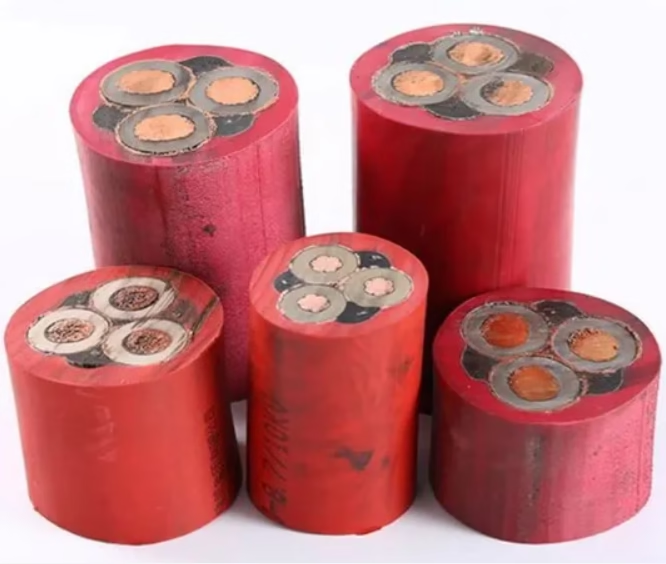
Voltage Rating Comparison: How Does the 3.6/6kV Rating in VDE 0250 Standards Compare to the 3.3/3.3kV Rating Used for Type 441 Cables in Commonwealth Mining?

When specifying medium-voltage mining cables for international projects, engineers frequently encounter seemingly incompatible voltage ratings between European VDE standards and Commonwealth AS/NZS standards. A common point of confusion arises when comparing the 3.6/6kV rating found in DIN VDE 0250-813 flexible mining cables with the 3.3/3.3kV rating specified for AS/NZS 2802 Type 441 cables used extensively in Australian, New Zealand, and South African mining operations. 在为国际项目指定中压矿用电缆时,工程师经常遇到欧洲VDE标准与英联邦AS/NZS标准之间看似不兼容的电压等级。一个常见的困惑点是比较DIN VDE 0250-813柔性矿用电缆中的3.6/6kV额定电压与澳大利亚、新西兰和南非采矿作业广泛使用的AS/NZS 2802 Type 441电缆规定的3.3/3.3kV额定电压。
In the design of medium voltage mining and reeling cables such as the (N)TSCGECEWÖU, the short-circuit temperature rating of the insulation material fundamentally determines the cable's fault current withstand capability. The 3GI3 EPR (Ethylene Propylene Rubber) compound specified in DIN VDE 0207 Part 20 has a maximum permissible short-circuit temperature of 250°C, which directly influences how engineers must size the metallic screen to safely conduct earth fault currents without thermal damage. 在设计诸如(N)TSCGECEWÖU等中压矿用和卷筒电缆时,绝缘材料的短路温度额定值从根本上决定了电缆的故障电流承受能力。DIN VDE 0207第20部分规定的3GI3 EPR(乙丙橡胶)化合物的最大允许短路温度为250°C,这直接影响工程师必须如何确定金属屏蔽层的尺寸,以安全传导接地故障电流而不会造成热损坏。

Short-Circuit Rating: Why is the Short-Circuit Temperature for 3GI3 EPR-Insulated VDE Cables Set at 250°C, and How Does This Impact Screen Sizing for (N)TSCGECEWÖU?

In the design of medium voltage mining and reeling cables such as the (N)TSCGECEWÖU, the short-circuit temperature rating of the insulation material fundamentally determines the cable’s fault current withstand capability. The 3GI3 EPR (Ethylene Propylene Rubber) compound specified in DIN VDE 0207 Part 20 has a maximum permissible short-circuit temperature of 250°C, which directly influences how engineers must size the metallic screen to safely conduct earth fault currents without thermal damage. 在设计诸如(N)TSCGECEWÖU等中压矿用和卷筒电缆时,绝缘材料的短路温度额定值从根本上决定了电缆的故障电流承受能力。DIN VDE 0207第20部分规定的3GI3 EPR(乙丙橡胶)化合物的最大允许短路温度为250°C,这直接影响工程师必须如何确定金属屏蔽层的尺寸,以安全传导接地故障电流而不会造成热损坏。
The (N)TSCGEWÖU cable manufactured to DIN VDE 0250-813 and the standard power cable manufactured to IEC 60502-2 serve fundamentally different purposes despite both being medium voltage cables. The most critical distinction lies in their mechanical durability design philosophy: VDE 0250 mining cables are engineered for continuous dynamic stress in mobile applications, while IEC 60502-2 cables are optimized for static fixed installations. 按照DIN VDE 0250-813标准生产的(N)TSCGEWÖU电缆与按照IEC 60502-2标准生产的标准电力电缆,尽管都是中压电缆,但其根本用途完全不同。最关键的区别在于它们的机械耐久性设计理念:VDE 0250矿用电缆是为移动应用中的持续动态应力而设计的,而IEC 60502-2电缆则针对静态固定安装进行了优化。

(N)TSCGEWÖU vs. IEC 60502-2: What is the Fundamental Difference in Mechanical Durability?

The (N)TSCGEWÖU cable manufactured to DIN VDE 0250-813 and the standard power cable manufactured to IEC 60502-2 serve fundamentally different purposes despite both being medium voltage cables. The most critical distinction lies in their mechanical durability design philosophy: VDE 0250 mining cables are engineered for continuous dynamic stress in mobile applications, while IEC 60502-2 cables are optimized for static fixed installations. 按照DIN VDE 0250-813标准生产的(N)TSCGEWÖU电缆与按照IEC 60502-2标准生产的标准电力电缆,尽管都是中压电缆,但其根本用途完全不同。最关键的区别在于它们的机械耐久性设计理念:VDE 0250矿用电缆是为移动应用中的持续动态应力而设计的,而IEC 60502-2电缆则针对静态固定安装进行了优化。
The tunnelling and underground mining industries have traditionally relied on heavy-duty rubber-sheathed cables manufactured according to DIN VDE 0250 standards. However, a significant shift is occurring as polyurethane (PUR) sheathed cables, designated with the VDE code "11Y" and "12Y" (for TPE-E variants), are increasingly specified for demanding tunnel boring machine (TBM) applications and underground operations. 隧道和地下采矿行业传统上依赖于按照DIN VDE 0250标准生产的重型橡胶护套电缆。然而,随着聚氨酯(PUR)护套电缆(VDE代码为"11Y",TPE-E变体为"12Y")在隧道掘进机(TBM)和地下作业等高要求应用中越来越多被指定使用,一个重大转变正在发生。

Why Are Polyurethane (PUR) Sheathed Cables Becoming Popular Alternatives to Standard VDE Rubber Cables in Tunnelling?

The tunnelling and underground mining industries have traditionally relied on heavy-duty rubber-sheathed cables manufactured according to DIN VDE 0250 standards. However, a significant shift is occurring as polyurethane (PUR) sheathed cables, designated with the VDE code “11Y” and “12Y” (for TPE-E variants), are increasingly specified for demanding tunnel boring machine (TBM) applications and underground operations. 隧道和地下采矿行业传统上依赖于按照DIN VDE 0250标准生产的重型橡胶护套电缆。然而,随着聚氨酯(PUR)护套电缆(VDE代码为”11Y”,TPE-E变体为”12Y”)在隧道掘进机(TBM)和地下作业等高要求应用中越来越多被指定使用,一个重大转变正在发生。
Medium voltage reeling cables conforming to DIN VDE 0250-813 employ a systematic letter coding system that communicates precise information about cable construction, materials, and performance characteristics. Within this nomenclature, each letter position corresponds to a specific structural element or material property, enabling engineers to identify critical design features at a glance.[1][2] 符合DIN VDE 0250-813标准的中压卷筒电缆采用系统性的字母编码系统,传达电缆结构、材料和性能特性的精确信息。在该命名法中,每个字母位置对应特定的结构元素或材料属性,使工程师能够一目了然地识别关键设计特征。

What Does the Letter “C” Indicate in (N)TSCGEWÖU Versus “K” in (N)TSKCGEWÖU?

Medium voltage reeling cables conforming to DIN VDE 0250-813 employ a systematic letter coding system that communicates precise information about cable construction, materials, and performance characteristics. Within this nomenclature, each letter position corresponds to a specific structural element or material property, enabling engineers to identify critical design features at a glance.[1][2] 符合DIN VDE 0250-813标准的中压卷筒电缆采用系统性的字母编码系统,传达电缆结构、材料和性能特性的精确信息。在该命名法中,每个字母位置对应特定的结构元素或材料属性,使工程师能够一目了然地识别关键设计特征。
The German national standard DIN VDE 0250 covers cables, wires, and flexible cords for power installations. This standard has achieved global recognition as the definitive benchmark for tough rubber-sheathed flexible cables. Germany remains the only country to have issued specialized design regulations for flexible electrical cables covering cranes, material handling equipment, and mining machinery, which explains why DIN VDE 0250 is widely accepted internationally for demanding industrial applications. (德国国家标准DIN VDE 0250涵盖电力设施用电缆、电线和软线。该标准已成为坚固橡胶护套柔性电缆的全球公认基准。德国是唯一一个为起重机、物料搬运设备和采矿机械的柔性电缆发布专门设计规范的国家,这解释了为什么DIN VDE 0250在要求苛刻的工业应用中被国际广泛接受。)

DIN VDE 0250: Part 812 (Mobile Equipment) vs Part 813 (Mining & Industry)

The German national standard DIN VDE 0250 covers cables, wires, and flexible cords for power installations. This standard has achieved global recognition as the definitive benchmark for tough rubber-sheathed flexible cables. Germany remains the only country to have issued specialized design regulations for flexible electrical cables covering cranes, material handling equipment, and mining machinery, which explains why DIN VDE 0250 is widely accepted internationally for demanding industrial applications. (德国国家标准DIN VDE 0250涵盖电力设施用电缆、电线和软线。该标准已成为坚固橡胶护套柔性电缆的全球公认基准。德国是唯一一个为起重机、物料搬运设备和采矿机械的柔性电缆发布专门设计规范的国家,这解释了为什么DIN VDE 0250在要求苛刻的工业应用中被国际广泛接受。)
NTSCGEWÖU and NTMCGEWÖU cables represent critical technical solutions for powering mobile machinery in mining, heavy industry, and material handling environments. Both cable types are manufactured according to the German DIN VDE 0250 standard, which is globally recognized as the definitive benchmark for tough rubber-sheathed flexible cables designed for cranes and material handling equipment. The fundamental distinction lies in their sheath construction: the "S" in NTSCGEWÖU indicates a double rubber sheath (Schwer = heavy-duty) providing enhanced mechanical protection for reeling applications, while "M" in NTMCGEWÖU denotes a single sheath with single-core design optimized for short-length medium voltage connections. According to industry specifications, Germany remains the only country to have issued special design regulations for flexible electrical cables covering cranes and material handling equipment, making DIN VDE 0250 the ultimate international standard for these demanding applications.

كيف تختار بين NTSCGEWÖU و NTMCGEWÖU للآلات المتحركة؟

NTSCGEWÖU and NTMCGEWÖU cables represent critical technical solutions for powering mobile machinery in mining, heavy industry, and material handling environments. Both cable types are manufactured according to the German DIN VDE 0250 standard, which is globally recognized as the definitive benchmark for tough rubber-sheathed flexible cables designed for cranes and material handling equipment. The fundamental distinction lies in their sheath construction: the “S” in NTSCGEWÖU indicates a double rubber sheath (Schwer = heavy-duty) providing enhanced mechanical protection for reeling applications, while “M” in NTMCGEWÖU denotes a single sheath with single-core design optimized for short-length medium voltage connections. According to industry specifications, Germany remains the only country to have issued special design regulations for flexible electrical cables covering cranes and material handling equipment, making DIN VDE 0250 the ultimate international standard for these demanding applications.
Mining, drilling, and tunnelling cables are specialized heavy-duty electrical cables engineered specifically for the harsh conditions found in underground mining operations, drilling sites, and tunnel construction facilities. These industrial-grade cables are designed to withstand extreme mechanical stress, chemical exposure, moisture, and temperature variations while maintaining reliable power transmission and ensuring safety in demanding underground environments. According to international standards including IEC 60502 and MSHA regulations, these cables form the electrical backbone of modern mining and underground construction operations.

ما هي كابلات التعدين والحفر والأنفاق؟ وأين تُستخدم تحت الأرض؟

Mining, drilling, and tunnelling cables are specialized heavy-duty electrical cables engineered specifically for the harsh conditions found in underground mining operations, drilling sites, and tunnel construction facilities. These industrial-grade cables are designed to withstand extreme mechanical stress, chemical exposure, moisture, and temperature variations while maintaining reliable power transmission and ensuring safety in demanding underground environments. According to international standards including IEC 60502 and MSHA regulations, these cables form the electrical backbone of modern mining and underground construction operations.
Серия TENAX® представляет собой семейство высокопроизводительных тяговых кабелей среднего напряжения, разработанных в соответствии со стандартом DIN VDE 0250, часть 813 для подключения крупного мобильного оборудования в условиях экстремальных механических нагрузок. Базовая конструкция TENAX-T является стандартным решением для барабанной намотки, на основе которой разработаны специализированные модификации для конкретных условий эксплуатации.

Что такое тяговые кабели серии TENAX® — T, TT, TZ, N (NTS…WOEU)?

Серия TENAX® представляет собой семейство высокопроизводительных тяговых кабелей среднего напряжения, разработанных в соответствии со стандартом DIN VDE 0250, часть 813 для подключения крупного мобильного оборудования в условиях экстремальных механических нагрузок. Базовая конструкция TENAX-T является стандартным решением для барабанной намотки, на основе которой разработаны специализированные модификации для конкретных условий эксплуатации.
N3GHSSYCY — это экранированный высоковольтный гибкий кабель промышленного класса, специально разработанный для подключения мобильного оборудования в шахтах и подземных выработках со взрывоопасной средой. Кабель соответствует международному стандарту DIN VDE 0250, часть 605 и выпускается в двух номинальных напряжениях: 3.6/6 кВ и 6/10 кВ. Особенностью конструкции является наличие фазоконцентрического заземляющего проводника и общего концентрического экрана мониторинга, которые в сочетании со схемой высоковольтной защиты позволяют контролировать кабель на наличие дефектов изоляции и повреждений от внешних воздействий.

Что такое тяговый кабель среднего напряжения (N)TS…WOEU?

(N)TSCGEWOEU — это высокопроизводительный гибкий тяговый кабель среднего напряжения, разработанный в соответствии со стандартом DIN VDE 0250, часть 813 для подключения крупного передвижного оборудования, работающего в условиях экстремальных механических нагрузок. Данный кабель представляет собой стандартную конструкцию серии TENAX-T, оптимизированную для применения в открытых горных разработках, на экскаваторах, самосвалах и дробилках.
Кабель силовой шахтный и экскаваторный необходим для подключения горнодобывающего оборудования, экскаваторов и другого землеройного оборудования, электроинструментов, а также для проведения горных взрывных работ. Шахтные кабели используют для всех типов шахт: угольные, соляные, сланцевые, а также подходят для открытых карьерных разработок. Кабели эксплуатируются на напряжении переменного тока 660, 1140, 6000 В.

What is Кабель для шахт?

КГЭШ, КГЭШ-1140, КГЭ, КГЭ-6, КГЭ-Т, КГЭ-ХЛ, КГЭ-ХЛ-6, КГЭС, КГЭТ, КГВШ, КГРШ, КШВГТ, ЭВБВ, ЭВБВ-6, ЭВТ-1140, ЭВТ-6000, кабель КГЭШ, кабель КГЭ, кабель ЭВБВ, шахтный кабель КГЭШ, экскаваторный кабель, mining cable KGESH, excavator cable KGE, KGESH cable, KGE cable, EVBV cable
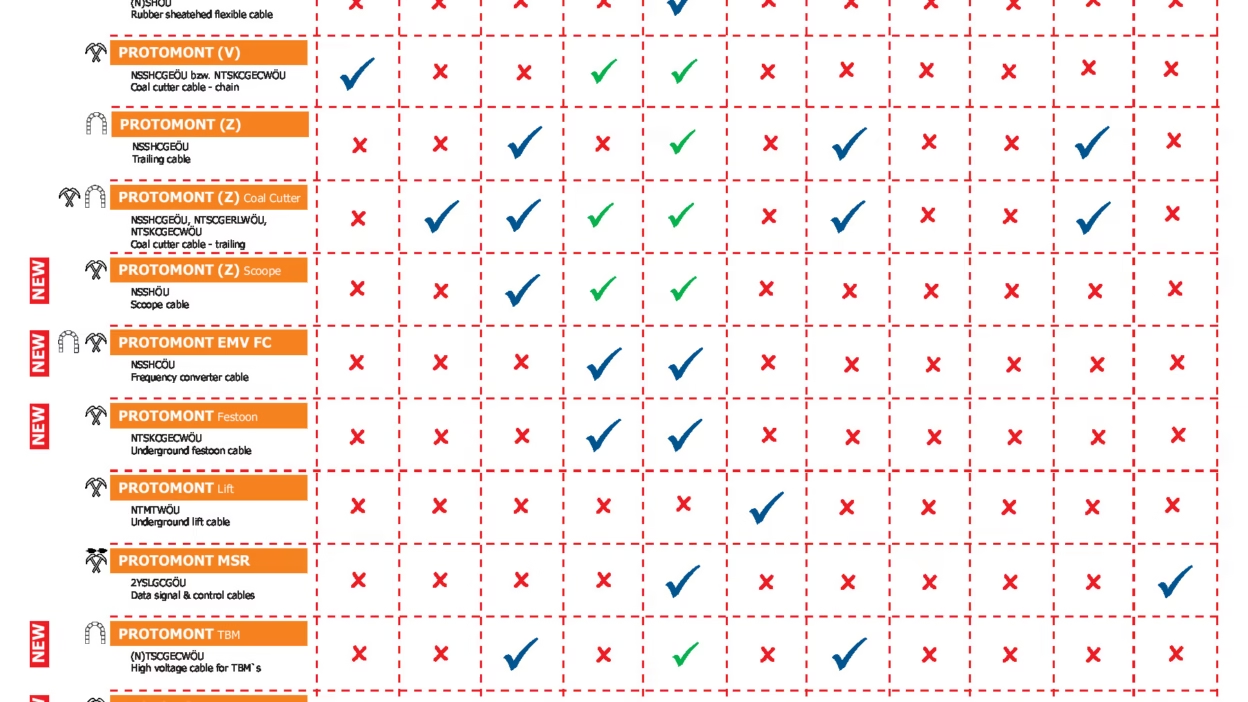
Prysmian Mining Application Systems represent a comprehensive portfolio of specialized cables engineered for the demanding environments of underground mining, tunneling operations, and opencast mining facilities. Developed by Prysmian Group, the world's largest cable manufacturer with over 140 years of expertise, these systems encompass multiple product families including PROTOLON (medium voltage flexible cables), PROTOMONT (rubber-sheathed flexible cables), OPTOFLEX (fiber optic cables), and CORDAFLEX (scraper cables).

What is Prysmian Mining Application systems ?

矿用电缆, 采煤机电缆, 拖曳电缆, 橡套电缆, 中压柔性电缆, 煤矿电缆, 隧道掘进机电缆, горнодобывающий кабель, шахтный кабель, гибкий кабель для шахт, кабель для угольных комбайнов, тянущийся кабель PROTOLON cable, PROTOMONT cable, OPTOFLEX mining cable, CORDAFLEX scraper cable, SUPROMONT power feeder cable, NTMCGCWÖU cable, NTSCGEWÖU cable, NTSCGCEWÖU cable, NSSHÖU cable, NSHÖU mining cable, NSSHCGEÖU coal cutter cable, NSHTÖU scraper cable, NYHSSYCY feeder cable, N3GHSSYCY rubber cable, NTSKGCFCWÖU festoon cable, NTMHWÖU lift cable, ZYSLGCGÖU MSR cable
The RHEYFIRM(RTS) R-(N)TSCGEWTOEUS represents the pinnacle of medium-voltage reeling cable technology, engineered specifically for demanding industrial applications where power transmission, control signals, and fiber optic communication must be integrated into a single, highly flexible cable assembly. Manufactured in strict compliance with DIN VDE 0250 Part 813, this cable series delivers reliable performance at voltage ratings from 8.7/15 kV up to 18/30 kV, with travel speeds reaching 180 m/min on modern cable reeling systems. The designation follows the German VDE nomenclature where "RHEYFIRM" indicates the manufacturer's product line, "(RTS)" denotes the reinforced tensile system, and the alphanumeric string describes the complete cable construction including screening, insulation type, and special features.

What is RHEYFIRM(RTS) R-(N)TSCGEWTOEUS Cable?

The RHEYFIRM(RTS) R-(N)TSCGEWTOEUS represents the pinnacle of medium-voltage reeling cable technology, engineered specifically for demanding industrial applications where power transmission, control signals, and fiber optic communication must be integrated into a single, highly flexible cable assembly. Manufactured in strict compliance with DIN VDE 0250 Part 813, this cable series delivers reliable performance at voltage ratings from 8.7/15 kV up to 18/30 kV, with travel speeds reaching 180 m/min on modern cable reeling systems. The designation follows the German VDE nomenclature where “RHEYFIRM” indicates the manufacturer’s product line, “(RTS)” denotes the reinforced tensile system, and the alphanumeric string describes the complete cable construction including screening, insulation type, and special features.
N2XCEYRRGY cable, N2XCEHRRGH mining cable, N2XCEYFFGY shaft cable, N2XCEHFFGH 35kV cable, N3GSEYRRGY EPR cable, N3GSEHRRGH rubber sheath cable, N3GSEYFFGY mine cable, N3GSEHFFGH underground cable, N3GHSSHCH gallery cable, DM2N mining cable, NSHOEU trailing cable, SSHOEU flexible cable, POWERMINE XP cable, NSSHCGEOEU-Z reeling cable, BUFLEX-M mining cable, TSKCGECWOEUSS cable, SHT trailing cable

What is Mining Shaft, Gallery, Trailing and Reeling Cable?

N2XCEYRRGY cable, N2XCEHRRGH mining cable, N2XCEYFFGY shaft cable, N2XCEHFFGH 35kV cable, N3GSEYRRGY EPR cable, N3GSEHRRGH rubber sheath cable, N3GSEYFFGY mine cable, N3GSEHFFGH underground cable, N3GHSSHCH gallery cable, DM2N mining cable, NSHOEU trailing cable, SSHOEU flexible cable, POWERMINE XP cable, NSSHCGEOEU-Z reeling cable, BUFLEX-M mining cable, TSKCGECWOEUSS cable, SHT trailing cable
Mining, drilling, and tunnelling cables represent a specialized category of electrical cables engineered to withstand the extreme conditions found in extractive industry operations. Unlike standard industrial cables, these cables must endure continuous mechanical stress from reeling and unreeling operations, exposure to ultraviolet radiation in surface mining, salt-water submersion in offshore drilling, contact with oils and greases from machinery, and the abrasive conditions of underground environments. The demanding nature of these applications requires cables with exceptional durability, flexibility, and resistance to environmental factors that would rapidly degrade conventional cables.

What is Mining, Drilling & Tunnelling Cable? Solutions for Surface, Sub-Surface & Underground Operations

(N)3GHSSHCH – 3.6/6kV, 6/10kV, 8.7/15kV, 12/20kV (N)3GHSSYCY – 3.6/6kV, 6/10kV, 8.7/15kV, 12/20kV (N)SSCHÖU-J – 0.6/1kV (N)SHÖU O/J – 0.6/1kV NSSHÖU O/J – 0.6/1kV NSSHÖU 3E – 0.6/1kV NSSHÖU 3E + ST – 0.6/1kV (N)TMCGEWÖU – 3.6/6kV to 18/30kV (N)TSCGEWÖU – 3.6/6kV to 18/30kV (N)TSCGEWÖU ZH – 3.6/6kV to 12/20kV (N)TSCGEWÖU ATB – 3.6/6kV to 12/20kV (N)TSCGEWÖU FO – 3.6/6kV to 12/20kV (N)TSCGEWÖU Submersible – 3.6/6kV to 12/20kV (N)TSKCGEWÖU – 3.6/6kV to 18/30kV (N)TSCGECEWÖU – 3.6/6kV to 12/20kV (N)TSCGECEWÖU ATB – 3.6/6kV to 12/20kV (N)TSCGECEWÖU ATB GCC – 1.8/3kV to 12/20kV (N)TSCGECEWÖU Submersible – 3.6/6kV to 12/20kV (N)TSCGECECWÖU – 3.6/6kV to 12/20kV (N)TSCGECECWÖU ZH – 3.6/6kV to 12/20kV R-(N)TSCGEWÖU + FO – 3.6/6kV to 12/20kV
Mining, drilling, and tunnelling cables represent the most demanding category of industrial cables, designed to operate in some of the harshest environments on earth. These heavy-duty power, control, and instrumentation cables serve mine operators worldwide for both static infrastructure and dynamic equipment applications. Manufactured in accordance with international standards including IEC 60502, BS EN 60332, BS EN 60811, BS EN 60754, and VDE 0295, mining cables must withstand mechanical stress, oil and grease exposure, water immersion, and in underground applications, provide critical fire safety through reduced smoke and fume emissions.

What are Mining, Drilling & Tunnelling Cables?

NSSHÖU cable, NSSHOU cable, NSHÖU cable, NSHOU cable, NSSCHOU cable, NSHTÖU cable, NTSCGEWÖU cable, NTSCGEWOU cable, NTMCGEWÖU cable, N3GHSSYCY cable, N3GHSSHCH cable,Type 61 cable, Type 63 cable, Type 611 cable, Type 622 cable, Type 633 cable, Type 66 cable,Type 240 cable, Type 241 cable, Type 245 cable, Type 450 cable, Type 455 cable, Type 260 cable, Type 275 cable, Type 409 cable, Type 440 cable, Type 441 cable,
Whilst low voltage generally refers to cables under 1kV voltage, the 1.9/3.3kV cables are often classified within this banding too. These cables represent the upper boundary of the "extended low voltage" classification and are primarily manufactured in accordance with British Standards BS5467 and BS6724. The 1.9/3.3kV rating indicates cables designed for systems where the phase-to-earth voltage is 1.9kV and phase-to-phase voltage is 3.3kV, with a maximum system voltage (Um) of 3.6kV.

What is 1.9/3.3kV Cable?

1.9/3.3kV cable, 3.3kV cable, BS5467, BS6724, LSZH cable, SWA cable, armoured cable, XLPE cable, low voltage cable, SANS Type 63, mining trailing cable, steel wire armour, aluminium wire armour, copper conductor, PVC sheath, low smoke zero halogen, flame retardant, direct burial cable, industrial wiring, mains distribution, current rating, IEE Wiring Regulations, thermosetting insulated, BASEC approved, CPR compliant, 3.6/6kV comparison, IEC 60502-1, 1.9/3.3kV cable, 3.3kV cable, 3300V cable, BS5467 cable, BS6724 cable, LSZH cable, SWA cable, armoured cable, XLPE cable, low voltage armoured cable, 3.3kV power cable
PANZERFLEX-ELX MV is a premium medium voltage flexible reeling power cable series available in four voltage ratings from 3.6/6 kV to 12/20 kV. These cables represent the state-of-the-art in high-voltage flexible cable technology, specifically designed for mining operations and bulk material handling applications where equipment requires reliable power supply during continuous movement. The symmetrical design combined with narrow production tolerances ensures very low electromagnetic interference, making these cables ideal for sensitive industrial environments.

What is PANZERFLEX-ELX MV 3.6/6 to 12/20 kV Cable?

PANZERFLEX-ELX MV cable, PANZERFLEX-ELX MV 3.6/6kV, PANZERFLEX-ELX MV 6/10kV, PANZERFLEX-ELX MV 8.7/15kV, PANZERFLEX-ELX MV 12/20kV, reeling cable, medium voltage reeling cable, stacker reclaimer cable, ship to shore crane cable, STS crane cable, container crane cable, RTG crane cable, excavator cable, festoon system cable, cable reel system, mining reeling cable, bulk material handling cable, IEC 60228 Class 5, VDE 0250 part 813, DIN VDE 0298, HEPR insulation, micro-filtered HEPR, 3GI3 classification, 5GM3 compound, tinned copper conductor, polychloroprene sheath, PCP sheath, textile braid, anti-twisting cable, red sheath cable, 180 m/min reeling, 120 m/min festoon, high speed reeling, 90°C conductor, -40°C fixed installation, -30°C flexible, 250°C short circuit, low EMI cable, symmetrical design, 3×25+3×25/3, 3×50+3×25/3, 3×95+3×50/3, 3×120+3×70/3, 3×185+3×95/3, 3×240+3×120/3, PANZERFLEX-ELX MV電纜, 中壓卷筒電纜, 卷筒電纜, 堆料機電纜, 取料機電纜, 岸橋電纜, 集裝箱起重機電纜, 挖掘機電纜, 滑觸線電纜, 採礦電纜, 物料處理電纜, 鍍錫銅導體電纜, 防扭電纜, 高速卷繞電纜, 港口起重機電纜, Anhui Feichun cable, Feichun Special Cable, 安徽飛純電纜