Mining Trailing Cable

(N)TSCGEWÖU medium voltage reeling cable represents a specialized engineering solution designed for extreme mechanical stress applications in mining, material handling, and heavy industrial operations. When evaluating performance in Arctic environments with sustained temperatures of negative forty degrees Celsius, the cable's construction and material specifications demonstrate compliance with international cold performance standards, making it technically suitable for continuous operation in such demanding conditions.

Can (N)TSCGEWÖU Cables Handle Continuous Operation in -40°C Arctic Environments (Cold Impact Test)?

(N)TSCGEWÖU medium voltage reeling cable represents a specialized engineering solution designed for extreme mechanical stress applications in mining, material handling, and heavy industrial operations. When evaluating performance in Arctic environments with sustained temperatures of negative forty degrees Celsius, the cable’s construction and material specifications demonstrate compliance with international cold performance standards, making it technically suitable for continuous operation in such demanding conditions.
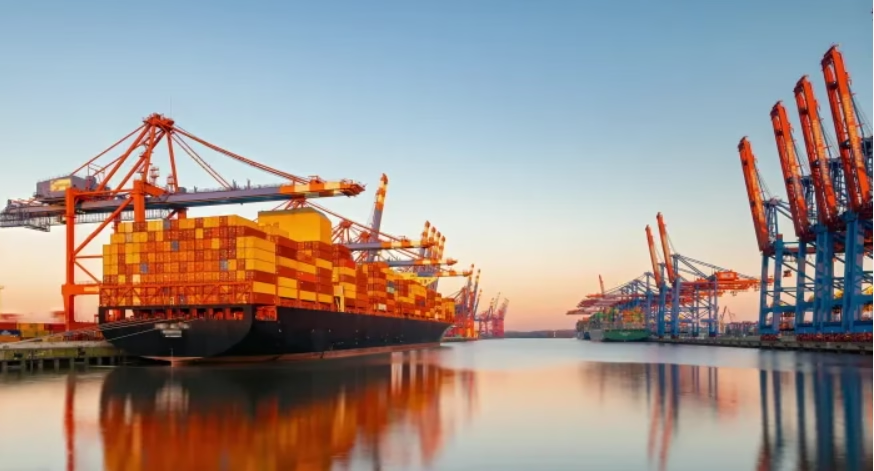
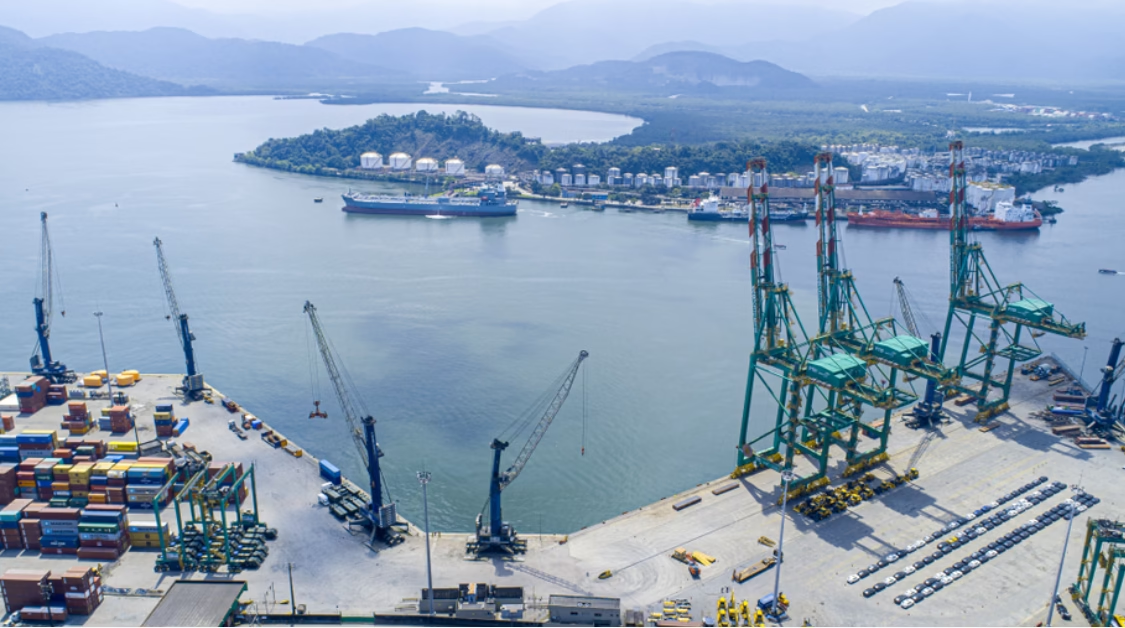
Gantry cranes represent essential material handling equipment in ports, shipyards, industrial facilities, and construction sites worldwide. These towering structures facilitate the movement of heavy containers, steel components, machinery, and bulk materials with remarkable efficiency. The electrical cables that power these massive machines must endure some of the most demanding operating conditions in industrial applications, including continuous flexing, high tensile loads, environmental exposure, and millions of bending cycles over their operational lifetime.

What is the Expected Service Life of (N)TSCGEWÖU Cables on a High-Tension Gantry Crane Reel?

Gantry cranes represent essential material handling equipment in ports, shipyards, industrial facilities, and construction sites worldwide. These towering structures facilitate the movement of heavy containers, steel components, machinery, and bulk materials with remarkable efficiency. The electrical cables that power these massive machines must endure some of the most demanding operating conditions in industrial applications, including continuous flexing, high tensile loads, environmental exposure, and millions of bending cycles over their operational lifetime.
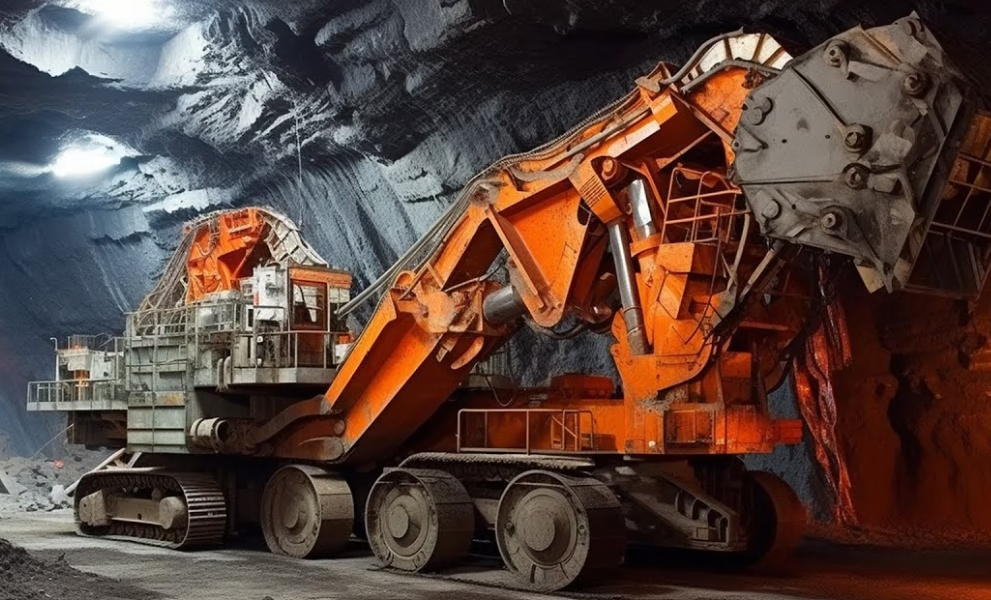
Type 440 reeling cables represent a critical component in mining and industrial power distribution systems, specifically designed for flexible trailing applications according to AS/NZS 2802:2000 standards. These metal-screened power cables feature three pilot cores and operate across voltage ratings from 1.1 kilovolts to 11 kilovolts, supplying reliable electrical power to mobile mining equipment such as draglines, excavators, and materials handling machinery. Despite their robust construction with EPR insulation and high abrasion resistance, these cables remain vulnerable to a particularly destructive failure mode known as corkscrewing, which can compromise both electrical performance and mechanical integrity during operation.

How does “Corkscrewing” destroy Type 440 reeling cables, and how to prevent it during installation?

Type 440 reeling cables represent a critical component in mining and industrial power distribution systems, specifically designed for flexible trailing applications according to AS/NZS 2802:2000 standards. These metal-screened power cables feature three pilot cores and operate across voltage ratings from 1.1 kilovolts to 11 kilovolts, supplying reliable electrical power to mobile mining equipment such as draglines, excavators, and materials handling machinery. Despite their robust construction with EPR insulation and high abrasion resistance, these cables remain vulnerable to a particularly destructive failure mode known as corkscrewing, which can compromise both electrical performance and mechanical integrity during operation.
(N)TMCGEWÖU and reeling cables designated (N)TSCGEWÖU represents more than nomenclature. These cable types embody fundamentally different engineering approaches to managing mechanical stress, electrical performance, and operational reliability. While both cables conform to DIN VDE 0250 Part 813 standards and share similar voltage ratings from 3.6/6 kV to 18/30 kV, their construction reflects distinct design philosophies optimized for specific movement patterns and stress profiles. 在中压矿用电缆应用中,(N)TMCGEWÖU拖曳电缆和(N)TSCGEWÖU卷筒电缆之间的区别不仅仅是命名差异。这些电缆类型体现了管理机械应力、电气性能和运行可靠性的根本不同的工程方法。

(N)TMCGEWÖU vs. (N)TSCGEWÖU: Can I use a Medium Voltage Trailing cable for a Reeling application?

(N)TMCGEWÖU and reeling cables designated (N)TSCGEWÖU represents more than nomenclature. These cable types embody fundamentally different engineering approaches to managing mechanical stress, electrical performance, and operational reliability. While both cables conform to DIN VDE 0250 Part 813 standards and share similar voltage ratings from 3.6/6 kV to 18/30 kV, their construction reflects distinct design philosophies optimized for specific movement patterns and stress profiles. 在中压矿用电缆应用中,(N)TMCGEWÖU拖曳电缆和(N)TSCGEWÖU卷筒电缆之间的区别不仅仅是命名差异。这些电缆类型体现了管理机械应力、电气性能和运行可靠性的根本不同的工程方法。
Type 441 cables occupy a unique position in the Australian mining cable landscape, providing voltage flexibility spanning from low-voltage 1.1 kilovolt systems through medium-voltage applications reaching 22 kilovolts. This voltage range versatility enables Type 441 cables to serve both underground metalliferous mining operations requiring robust trailing cable solutions and surface mining applications demanding reliable power transmission to mobile equipment. The cable's distinguishing feature lies in its semiconductive screened construction incorporating three earth cores and one central pilot core, engineered specifically to withstand the mechanical stresses of slow reeling and trailing applications common in continuous mining operations.

Type 441 vs. Type 450: Understanding the Voltage Rating Differences (1.1kV vs 3.3kV) for Australian Mines

Type 441 cables occupy a unique position in the Australian mining cable landscape, providing voltage flexibility spanning from low-voltage 1.1 kilovolt systems through medium-voltage applications reaching 22 kilovolts. This voltage range versatility enables Type 441 cables to serve both underground metalliferous mining operations requiring robust trailing cable solutions and surface mining applications demanding reliable power transmission to mobile equipment. The cable’s distinguishing feature lies in its semiconductive screened construction incorporating three earth cores and one central pilot core, engineered specifically to withstand the mechanical stresses of slow reeling and trailing applications common in continuous mining operations.
H07RN-F to NSSHÖU represents not just a viable replacement but potentially a significant improvement in pump system reliability. This technical analysis will guide you through each aspect of this decision-making process, providing the engineering knowledge needed to make an informed choice for your specific dewatering application.

Can I Replace Standard H07RN-F Cable with NSSHÖU for Heavy-Duty Mining Dewatering Pumps?

H07RN-F to NSSHÖU represents not just a viable replacement but potentially a significant improvement in pump system reliability. This technical analysis will guide you through each aspect of this decision-making process, providing the engineering knowledge needed to make an informed choice for your specific dewatering application.
In the demanding world of port cranes, mining hoists, and heavy industrial material handling systems, the selection of reeling cables represents far more than a simple procurement decision. These specialized cables must survive hundreds of thousands of winding and unwinding cycles while suspended under their own considerable weight, sometimes extending hundreds of meters into vertical shafts or across vast horizontal spans. The difference between a standard reeling cable and one optimized for monospiral drum applications can determine whether equipment operates reliably for a decade or experiences premature failure requiring costly downtime and replacement.

(N)TSCGEWÖU vs. (N)TSKCGEWÖU: Why is the (N)TSKCGEWÖU Design Better for Monospiral Reeling Drums?

In the demanding world of port cranes, mining hoists, and heavy industrial material handling systems, the selection of reeling cables represents far more than a simple procurement decision. These specialized cables must survive hundreds of thousands of winding and unwinding cycles while suspended under their own considerable weight, sometimes extending hundreds of meters into vertical shafts or across vast horizontal spans. The difference between a standard reeling cable and one optimized for monospiral drum applications can determine whether equipment operates reliably for a decade or experiences premature failure requiring costly downtime and replacement.
In fire emergencies, the performance characteristics of electrical cables can mean the difference between safe evacuation and catastrophic loss of life. While both halogen-free cables like NSHXAFÖ and conventional rubber-insulated cables serve essential power distribution functions, their behavior during fire exposure differs dramatically. This technical analysis examines the fundamental chemical and physical differences between these cable types, focusing on smoke generation, toxic gas emissions, and overall fire safety performance according to international testing standards. 在火灾紧急情况下,电缆的性能特征可能意味着安全疏散与灾难性生命损失之间的差异。虽然NSHXAFÖ等无卤电缆和传统橡胶绝缘电缆都具有重要的配电功能,但它们在火灾暴露期间的行为却截然不同。本技术分析根据国际测试标准,研究了这些电缆类型之间的基本化学和物理差异,重点关注烟雾产生、有毒气体排放和整体消防安全性能。

The Halogen-Free Difference: What Distinguishes NSHXAFÖ VDE Cables from Standard Rubber Cables in Fire Scenarios?

In fire emergencies, the performance characteristics of electrical cables can mean the difference between safe evacuation and catastrophic loss of life. While both halogen-free cables like NSHXAFÖ and conventional rubber-insulated cables serve essential power distribution functions, their behavior during fire exposure differs dramatically. This technical analysis examines the fundamental chemical and physical differences between these cable types, focusing on smoke generation, toxic gas emissions, and overall fire safety performance according to international testing standards. 在火灾紧急情况下,电缆的性能特征可能意味着安全疏散与灾难性生命损失之间的差异。虽然NSHXAFÖ等无卤电缆和传统橡胶绝缘电缆都具有重要的配电功能,但它们在火灾暴露期间的行为却截然不同。本技术分析根据国际测试标准,研究了这些电缆类型之间的基本化学和物理差异,重点关注烟雾产生、有毒气体排放和整体消防安全性能。
(N)TSCGEWÖU cables used in demanding applications such as wind turbines, cranes, and mobile equipment, quality assurance represents far more than a final inspection step. 在中压电力电缆的制造中,特别是像(N)TSCGEWÖU这样用于风力涡轮机、起重机和移动设备等苛刻应用的专用设计,质量保证远不止是最后的检查步骤。 The five-minute proof voltage test, performed on every single cable length produced, stands as one of the most important verification procedures that separates professional cable manufacturing from mere wire assembly.

Proof Voltage: Why (N)TSCGEWÖU Cables Are Specifically Designed With 5-Minute Proof Voltage Testing During Routine Production

(N)TSCGEWÖU cables used in demanding applications such as wind turbines, cranes, and mobile equipment, quality assurance represents far more than a final inspection step. 在中压电力电缆的制造中,特别是像(N)TSCGEWÖU这样用于风力涡轮机、起重机和移动设备等苛刻应用的专用设计,质量保证远不止是最后的检查步骤。 The five-minute proof voltage test, performed on every single cable length produced, stands as one of the most important verification procedures that separates professional cable manufacturing from mere wire assembly.
(N)TSCGEWÖU cables designed for demanding reeling applications in mining and heavy industry, the cross-linked ethylene propylene rubber (EPR) insulation compound designated as 3GI3 according to DIN VDE 0207 Part 20 provides essential electrical and mechanical properties. The Hot Set Test, standardized in IEC 60811-507, serves as a critical quality verification procedure that confirms complete vulcanization and proper cross-linking of these thermoset insulation materials during the manufacturing process. This technical document explains the Hot Set Test methodology, its significance in validating curing quality, and its application to ensuring the performance integrity of (N)TSCGEWÖU cable insulation systems. 中压采矿电缆的可靠性和使用寿命从根本上取决于其绝缘材料的质量。对于为采矿和重工业中要求严格的卷筒应用而设计的(N)TSCGEWÖU电缆,根据DIN VDE 0207第20部分指定为3GI3的交联乙丙橡胶(EPR)绝缘化合物提供了必需的电气和机械性能。热定型测试在IEC 60811-507中标准化,作为一个关键的质量验证程序,确认这些热固性绝缘材料在制造过程中的完全硫化和适当的交联。本技术文件解释了热定型测试方法、其在验证固化质量方面的重要性以及其在确保(N)TSCGEWÖU电缆绝缘系统性能完整性方面的应用。

Hot Set Test: Verifying the Curing Process of 3GI3 EPR Insulation in (N)TSCGEWÖU Cables

(N)TSCGEWÖU cables designed for demanding reeling applications in mining and heavy industry, the cross-linked ethylene propylene rubber (EPR) insulation compound designated as 3GI3 according to DIN VDE 0207 Part 20 provides essential electrical and mechanical properties. The Hot Set Test, standardized in IEC 60811-507, serves as a critical quality verification procedure that confirms complete vulcanization and proper cross-linking of these thermoset insulation materials during the manufacturing process. This technical document explains the Hot Set Test methodology, its significance in validating curing quality, and its application to ensuring the performance integrity of (N)TSCGEWÖU cable insulation systems. 中压采矿电缆的可靠性和使用寿命从根本上取决于其绝缘材料的质量。对于为采矿和重工业中要求严格的卷筒应用而设计的(N)TSCGEWÖU电缆,根据DIN VDE 0207第20部分指定为3GI3的交联乙丙橡胶(EPR)绝缘化合物提供了必需的电气和机械性能。热定型测试在IEC 60811-507中标准化,作为一个关键的质量验证程序,确认这些热固性绝缘材料在制造过程中的完全硫化和适当的交联。本技术文件解释了热定型测试方法、其在验证固化质量方面的重要性以及其在确保(N)TSCGEWÖU电缆绝缘系统性能完整性方面的应用。
(N)TSCGEWÖU cable designation follows VDE naming conventions, where each letter represents specific cable characteristics. These medium-voltage cables are specifically engineered for power distribution to heavy-duty equipment in mining and industrial applications, available in voltage ratings of 3.6/6kV, 6/10kV, 8.7/15kV, and 12/20kV. The cable features tinned copper conductors (Class 5 according to DIN VDE 0295), rubber insulation (3GI3 compound per DIN VDE 0207 Part 20), and a heavy-duty elastomer outer sheath (5GM5 compound per DIN VDE 0207 Part 21).

Cold Impact Test: How (N)TSCGEWÖU Cables Are Certified as “Cold Resistant” at -40°C Under VDE Guidelines

(N)TSCGEWÖU cable designation follows VDE naming conventions, where each letter represents specific cable characteristics. These medium-voltage cables are specifically engineered for power distribution to heavy-duty equipment in mining and industrial applications, available in voltage ratings of 3.6/6kV, 6/10kV, 8.7/15kV, and 12/20kV. The cable features tinned copper conductors (Class 5 according to DIN VDE 0295), rubber insulation (3GI3 compound per DIN VDE 0207 Part 20), and a heavy-duty elastomer outer sheath (5GM5 compound per DIN VDE 0207 Part 21).
Ozone resistance represents one of the most critical yet frequently overlooked material performance requirements for elastomeric power cables operating in demanding outdoor environments. This characteristic becomes particularly important for mining cables manufactured with rubber insulation and sheathing compounds, where exposure to atmospheric ozone can initiate premature degradation mechanisms that compromise both electrical performance and mechanical integrity. The DIN VDE 0472-805 standard, titled "Testing of cables, wires and flexible cords; Ozone resistance," establishes comprehensive test procedures for evaluating whether cable materials can withstand ozone exposure without developing the characteristic surface cracking that signals material breakdown.

What is the “Ozone Resistance” test procedure defined in VDE 0472, and why is it critical for (N)TSCGEWÖU cables in open-pit mines?

Ozone resistance represents one of the most critical yet frequently overlooked material performance requirements for elastomeric power cables operating in demanding outdoor environments. This characteristic becomes particularly important for mining cables manufactured with rubber insulation and sheathing compounds, where exposure to atmospheric ozone can initiate premature degradation mechanisms that compromise both electrical performance and mechanical integrity. The DIN VDE 0472-805 standard, titled “Testing of cables, wires and flexible cords; Ozone resistance,” establishes comprehensive test procedures for evaluating whether cable materials can withstand ozone exposure without developing the characteristic surface cracking that signals material breakdown.
NSSHKCGEOEU (Schräm-TENAX®-VE) — это специализированный кабель для угольных комбайнов с уникальной системой обнаружения повреждений от раздавливания. Кабель соответствует стандартам DIN VDE 0250, часть 812 и DIN VDE 0472, часть 818 («Поведение при сжимающей нагрузке»), что гарантирует обнаружение повреждений от раздавливания как замыканий на землю с максимальной надёжностью. Инновационная конструкция с центральным разделителем-корзиной из проводящей резины и распределённым заземляющим проводником обеспечивает превосходную защиту при экстремальных механических нагрузках, характерных для работы угольных комбайнов.

How do EMC-compliant VDE cables like (N)2XCCY differ structurally from standard screened mining cables like (N)TSCGEWÖU?

The distinction between EMC-compliant distribution cables such as the N2XCCY series manufactured according to DIN VDE 0276-620 standards and heavy-duty mining cables like the NTSCGEWÖU series designed per DIN VDE 0250-813 specifications reveals how cable construction must adapt to specific electromagnetic environments and mechanical demands. Understanding these structural differences provides essential insight for engineers specifying cables in installations where electromagnetic interference control is paramount alongside mechanical reliability.
(N)TSCGEWÖU cable type represents a specialized category of medium-voltage power cables designed for demanding applications in mining, tunneling, harbor cranes, and heavy-duty industrial environments. These cables feature 3GI3 grade Ethylene-Propylene Rubber (EPR) insulation, which must maintain dielectric integrity under extreme mechanical stress, moisture exposure, and electrical field conditions. Understanding the aging behavior of the dielectric loss factor (tan delta, tan δ) is critical for predictive maintenance and ensuring operational safety in these mission-critical applications.

Tan Delta Aging: How does the dielectric loss factor (Tan Delta) of 3GI3 insulation in (N)TSCGEWÖU cables change with long-term aging?

(N)TSCGEWÖU cable type represents a specialized category of medium-voltage power cables designed for demanding applications in mining, tunneling, harbor cranes, and heavy-duty industrial environments. These cables feature 3GI3 grade Ethylene-Propylene Rubber (EPR) insulation, which must maintain dielectric integrity under extreme mechanical stress, moisture exposure, and electrical field conditions. Understanding the aging behavior of the dielectric loss factor (tan delta, tan δ) is critical for predictive maintenance and ensuring operational safety in these mission-critical applications.
The choice of conductor material in electrical cables represents a critical engineering decision that directly impacts cable longevity, performance, and safety. German VDE standards, particularly DIN VDE 0250, specify tinned copper conductors for rubber-insulated cables such as NSSHÖU, while PVC-insulated cables commonly utilize bare (plain) copper conductors. This technical distinction arises from fundamental differences in material chemistry and vulcanization processes. 电缆导体材料的选择是一项关键的工程决策,直接影响电缆的寿命、性能和安全性。德国VDE标准,特别是DIN VDE 0250,规定橡胶绝缘电缆(如NSSHÖU)必须使用镀锡铜导体,而PVC绝缘电缆通常使用裸铜导体。这一技术区别源于材料化学和硫化工艺的根本差异。

Tinned Copper: Why Do VDE Standards Typically Require Tinned Copper Conductors for Rubber Cables Like NSSHÖU, Whereas PVC Cables Often Use Bare Copper?

The choice of conductor material in electrical cables represents a critical engineering decision that directly impacts cable longevity, performance, and safety. German VDE standards, particularly DIN VDE 0250, specify tinned copper conductors for rubber-insulated cables such as NSSHÖU, while PVC-insulated cables commonly utilize bare (plain) copper conductors. This technical distinction arises from fundamental differences in material chemistry and vulcanization processes. 电缆导体材料的选择是一项关键的工程决策,直接影响电缆的寿命、性能和安全性。德国VDE标准,特别是DIN VDE 0250,规定橡胶绝缘电缆(如NSSHÖU)必须使用镀锡铜导体,而PVC绝缘电缆通常使用裸铜导体。这一技术区别源于材料化学和硫化工艺的根本差异。
The DIN VDE 0250 standard series defines the technical requirements for rubber-insulated flexible cables used in demanding industrial environments. Within this framework, Part 812 and Part 813 address distinctly different application domains with correspondingly different insulation thickness requirements for the 3GI3 EPR (Ethylene Propylene Rubber) compound specified in DIN VDE 0207 Part 20. DIN VDE 0250标准系列定义了用于苛刻工业环境的橡胶绝缘柔性电缆的技术要求。在此框架内,第812部分和第813部分针对截然不同的应用领域,对DIN VDE 0207第20部分规定的3GI3 EPR(乙丙橡胶)化合物具有相应不同的绝缘厚度要求。

Insulation Thickness: What is the Difference in Wall Thickness Requirements for 3GI3 Insulation Between VDE 0250 Part 812 (Mobile) and Part 813 (Mining) Cables?

The DIN VDE 0250 standard series defines the technical requirements for rubber-insulated flexible cables used in demanding industrial environments. Within this framework, Part 812 and Part 813 address distinctly different application domains with correspondingly different insulation thickness requirements for the 3GI3 EPR (Ethylene Propylene Rubber) compound specified in DIN VDE 0207 Part 20. DIN VDE 0250标准系列定义了用于苛刻工业环境的橡胶绝缘柔性电缆的技术要求。在此框架内,第812部分和第813部分针对截然不同的应用领域,对DIN VDE 0207第20部分规定的3GI3 EPR(乙丙橡胶)化合物具有相应不同的绝缘厚度要求。
5GM3 vs 5GM5 sheath difference, DIN VDE 0207 Part 21 standard, polychloroprene rubber properties, heavy duty cable sheath, 5GM5 abrasion resistance, oil resistant rubber cable, Anhui Feichun Special Cable, (N)TSCGEWÖU sheath material, NSSHÖU cable specs, mining cable mechanical strength, EN 60811-404 oil test, tear propagation resistance rubber, chloroprene elastomer, industrial cable outer jacket, reeling cable durability, port machinery cable protection, PCP sheath characteristics, VDE 0298-3 application guide

How does the outer sheath compound 5GM3 differ from 5GM5 in terms of oil resistance and mechanical strength?

5GM3 vs 5GM5 sheath difference, DIN VDE 0207 Part 21 standard, polychloroprene rubber properties, heavy duty cable sheath, 5GM5 abrasion resistance, oil resistant rubber cable, Anhui Feichun Special Cable, (N)TSCGEWÖU sheath material, NSSHÖU cable specs, mining cable mechanical strength, EN 60811-404 oil test, tear propagation resistance rubber, chloroprene elastomer, industrial cable outer jacket, reeling cable durability, port machinery cable protection, PCP sheath characteristics, VDE 0298-3 application guide
Festoon vs Reeling cable difference, VDE 0298-3 selection guide, cable trolley system design, motorized cable reel specification, flat cable vs round cable application, Anhui Feichun Special Cable, (N)GRDGÖU festoon cable, (N)TSCGEWÖU reeling cable, tensile load calculation for cranes, anti-torsion braid function, port machinery electrification, overhead crane power supply, cable bending radius calculation, dynamic stress in mining cables, festoon system speed limits, drum reeling thermal derating, heavy duty rubber cable, gantry crane cable management, IEC 60204-1 crane safety, flexible cable mechanical life

What is the difference between a “Festoon” cable application and a “Reeling” application under VDE selection guidelines?

Festoon vs Reeling cable difference, VDE 0298-3 selection guide, cable trolley system design, motorized cable reel specification, flat cable vs round cable application, Anhui Feichun Special Cable, (N)GRDGÖU festoon cable, (N)TSCGEWÖU reeling cable, tensile load calculation for cranes, anti-torsion braid function, port machinery electrification, overhead crane power supply, cable bending radius calculation, dynamic stress in mining cables, festoon system speed limits, drum reeling thermal derating, heavy duty rubber cable, gantry crane cable management, IEC 60204-1 crane safety, flexible cable mechanical life
In the hierarchy of German VDE standards, while high-voltage reeling cables like (N)TSCGEWÖU handle the massive power distribution, the NSSHÖU series (defined by DIN VDE 0250 Part 812) performs the grueling, daily operational tasks. It is termed the "workhorse" because it bridges the gap between standard rubber cables (like H07RN-F) and specialized mining cables. It offers superior mechanical strength, robust abrasion resistance, and chemical stability for dynamic applications in mines, drilling rigs, and heavy industry. 在德国 VDE 标准的体系中,虽然像 (N)TSCGEWÖU 这样的高压卷盘电缆负责大规模的配电,但 NSSHÖU 系列(由 DIN VDE 0250 第 812 部分定义)承担着繁重、日常的操作任务。它被称为“主力军(workhorse)”,因为它填补了普通橡胶电缆(如 H07RN-F)与专用矿用电缆之间的空白。它为矿山、钻井平台和重工业中的动态应用提供了卓越的机械强度、强大的耐磨性和化学稳定性。

Why is NSSHÖU considered the “workhorse” of VDE 0250 cables for low-voltage heavy-duty connections?

In the hierarchy of German VDE standards, while high-voltage reeling cables like (N)TSCGEWÖU handle the massive power distribution, the NSSHÖU series (defined by DIN VDE 0250 Part 812) performs the grueling, daily operational tasks. It is termed the “workhorse” because it bridges the gap between standard rubber cables (like H07RN-F) and specialized mining cables. It offers superior mechanical strength, robust abrasion resistance, and chemical stability for dynamic applications in mines, drilling rigs, and heavy industry. 在德国 VDE 标准的体系中,虽然像 (N)TSCGEWÖU 这样的高压卷盘电缆负责大规模的配电,但 NSSHÖU 系列(由 DIN VDE 0250 第 812 部分定义)承担着繁重、日常的操作任务。它被称为“主力军(workhorse)”,因为它填补了普通橡胶电缆(如 H07RN-F)与专用矿用电缆之间的空白。它为矿山、钻井平台和重工业中的动态应用提供了卓越的机械强度、强大的耐磨性和化学稳定性。
In international and German VDE standards (specifically VDE 0250), the voltage rating of a cable is not a single value but a set of three parameters. For example, a 6/10 (12) kV rating defines the electrical limits under different operating conditions. 在国际和德国 VDE 标准(特别是 VDE 0250)中,电缆的额定电压不是单一数值,而是一组三个参数。例如,6/10 (12) kV 额定值定义了不同运行条件下的电气极限。

What is the significance of the voltage rating notation Uo/U (Um) (e.g., 6/10 (12) kV) in VDE 0250 specifications?

In international and German VDE standards (specifically VDE 0250), the voltage rating of a cable is not a single value but a set of three parameters. For example, a 6/10 (12) kV rating defines the electrical limits under different operating conditions. 在国际和德国 VDE 标准(特别是 VDE 0250)中,电缆的额定电压不是单一数值,而是一组三个参数。例如,6/10 (12) kV 额定值定义了不同运行条件下的电气极限。
The German national standard DIN VDE 0250 covers cables, wires, and flexible cords for power installations. This standard has achieved global recognition as the definitive benchmark for tough rubber-sheathed flexible cables. Germany remains the only country to have issued specialized design regulations for flexible electrical cables covering cranes, material handling equipment, and mining machinery, which explains why DIN VDE 0250 is widely accepted internationally for demanding industrial applications. (德国国家标准DIN VDE 0250涵盖电力设施用电缆、电线和软线。该标准已成为坚固橡胶护套柔性电缆的全球公认基准。德国是唯一一个为起重机、物料搬运设备和采矿机械的柔性电缆发布专门设计规范的国家,这解释了为什么DIN VDE 0250在要求苛刻的工业应用中被国际广泛接受。)

DIN VDE 0250: Part 812 (Mobile Equipment) vs Part 813 (Mining & Industry)

The German national standard DIN VDE 0250 covers cables, wires, and flexible cords for power installations. This standard has achieved global recognition as the definitive benchmark for tough rubber-sheathed flexible cables. Germany remains the only country to have issued specialized design regulations for flexible electrical cables covering cranes, material handling equipment, and mining machinery, which explains why DIN VDE 0250 is widely accepted internationally for demanding industrial applications. (德国国家标准DIN VDE 0250涵盖电力设施用电缆、电线和软线。该标准已成为坚固橡胶护套柔性电缆的全球公认基准。德国是唯一一个为起重机、物料搬运设备和采矿机械的柔性电缆发布专门设计规范的国家,这解释了为什么DIN VDE 0250在要求苛刻的工业应用中被国际广泛接受。)
NTSCGEWÖU and NTMCGEWÖU cables represent critical technical solutions for powering mobile machinery in mining, heavy industry, and material handling environments. Both cable types are manufactured according to the German DIN VDE 0250 standard, which is globally recognized as the definitive benchmark for tough rubber-sheathed flexible cables designed for cranes and material handling equipment. The fundamental distinction lies in their sheath construction: the "S" in NTSCGEWÖU indicates a double rubber sheath (Schwer = heavy-duty) providing enhanced mechanical protection for reeling applications, while "M" in NTMCGEWÖU denotes a single sheath with single-core design optimized for short-length medium voltage connections. According to industry specifications, Germany remains the only country to have issued special design regulations for flexible electrical cables covering cranes and material handling equipment, making DIN VDE 0250 the ultimate international standard for these demanding applications.

كيف تختار بين NTSCGEWÖU و NTMCGEWÖU للآلات المتحركة؟

NTSCGEWÖU and NTMCGEWÖU cables represent critical technical solutions for powering mobile machinery in mining, heavy industry, and material handling environments. Both cable types are manufactured according to the German DIN VDE 0250 standard, which is globally recognized as the definitive benchmark for tough rubber-sheathed flexible cables designed for cranes and material handling equipment. The fundamental distinction lies in their sheath construction: the “S” in NTSCGEWÖU indicates a double rubber sheath (Schwer = heavy-duty) providing enhanced mechanical protection for reeling applications, while “M” in NTMCGEWÖU denotes a single sheath with single-core design optimized for short-length medium voltage connections. According to industry specifications, Germany remains the only country to have issued special design regulations for flexible electrical cables covering cranes and material handling equipment, making DIN VDE 0250 the ultimate international standard for these demanding applications.
N3GHSSYCY — это экранированный высоковольтный гибкий кабель промышленного класса, специально разработанный для подключения мобильного оборудования в шахтах и подземных выработках со взрывоопасной средой. Кабель соответствует международному стандарту DIN VDE 0250, часть 605 и выпускается в двух номинальных напряжениях: 3.6/6 кВ и 6/10 кВ. Особенностью конструкции является наличие фазоконцентрического заземляющего проводника и общего концентрического экрана мониторинга, которые в сочетании со схемой высоковольтной защиты позволяют контролировать кабель на наличие дефектов изоляции и повреждений от внешних воздействий.

Что такое тяговый кабель среднего напряжения (N)TS…WOEU?

(N)TSCGEWOEU — это высокопроизводительный гибкий тяговый кабель среднего напряжения, разработанный в соответствии со стандартом DIN VDE 0250, часть 813 для подключения крупного передвижного оборудования, работающего в условиях экстремальных механических нагрузок. Данный кабель представляет собой стандартную конструкцию серии TENAX-T, оптимизированную для применения в открытых горных разработках, на экскаваторах, самосвалах и дробилках.
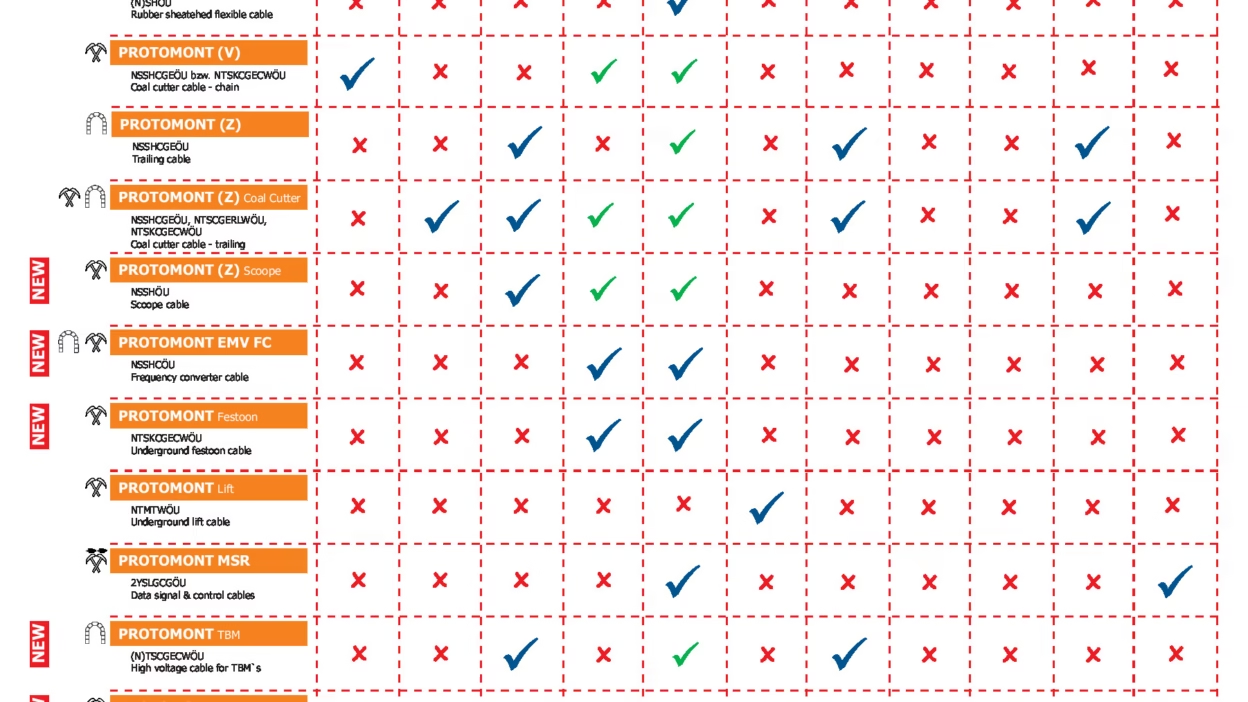
Prysmian Mining Application Systems represent a comprehensive portfolio of specialized cables engineered for the demanding environments of underground mining, tunneling operations, and opencast mining facilities. Developed by Prysmian Group, the world's largest cable manufacturer with over 140 years of expertise, these systems encompass multiple product families including PROTOLON (medium voltage flexible cables), PROTOMONT (rubber-sheathed flexible cables), OPTOFLEX (fiber optic cables), and CORDAFLEX (scraper cables).

What is Prysmian Mining Application systems ?

矿用电缆, 采煤机电缆, 拖曳电缆, 橡套电缆, 中压柔性电缆, 煤矿电缆, 隧道掘进机电缆, горнодобывающий кабель, шахтный кабель, гибкий кабель для шахт, кабель для угольных комбайнов, тянущийся кабель PROTOLON cable, PROTOMONT cable, OPTOFLEX mining cable, CORDAFLEX scraper cable, SUPROMONT power feeder cable, NTMCGCWÖU cable, NTSCGEWÖU cable, NTSCGCEWÖU cable, NSSHÖU cable, NSHÖU mining cable, NSSHCGEÖU coal cutter cable, NSHTÖU scraper cable, NYHSSYCY feeder cable, N3GHSSYCY rubber cable, NTSKGCFCWÖU festoon cable, NTMHWÖU lift cable, ZYSLGCGÖU MSR cable
Mining, drilling, and tunnelling cables represent a specialized category of electrical cables engineered to withstand the extreme conditions found in extractive industry operations. Unlike standard industrial cables, these cables must endure continuous mechanical stress from reeling and unreeling operations, exposure to ultraviolet radiation in surface mining, salt-water submersion in offshore drilling, contact with oils and greases from machinery, and the abrasive conditions of underground environments. The demanding nature of these applications requires cables with exceptional durability, flexibility, and resistance to environmental factors that would rapidly degrade conventional cables.

What is Mining, Drilling & Tunnelling Cable? Solutions for Surface, Sub-Surface & Underground Operations

(N)3GHSSHCH – 3.6/6kV, 6/10kV, 8.7/15kV, 12/20kV (N)3GHSSYCY – 3.6/6kV, 6/10kV, 8.7/15kV, 12/20kV (N)SSCHÖU-J – 0.6/1kV (N)SHÖU O/J – 0.6/1kV NSSHÖU O/J – 0.6/1kV NSSHÖU 3E – 0.6/1kV NSSHÖU 3E + ST – 0.6/1kV (N)TMCGEWÖU – 3.6/6kV to 18/30kV (N)TSCGEWÖU – 3.6/6kV to 18/30kV (N)TSCGEWÖU ZH – 3.6/6kV to 12/20kV (N)TSCGEWÖU ATB – 3.6/6kV to 12/20kV (N)TSCGEWÖU FO – 3.6/6kV to 12/20kV (N)TSCGEWÖU Submersible – 3.6/6kV to 12/20kV (N)TSKCGEWÖU – 3.6/6kV to 18/30kV (N)TSCGECEWÖU – 3.6/6kV to 12/20kV (N)TSCGECEWÖU ATB – 3.6/6kV to 12/20kV (N)TSCGECEWÖU ATB GCC – 1.8/3kV to 12/20kV (N)TSCGECEWÖU Submersible – 3.6/6kV to 12/20kV (N)TSCGECECWÖU – 3.6/6kV to 12/20kV (N)TSCGECECWÖU ZH – 3.6/6kV to 12/20kV R-(N)TSCGEWÖU + FO – 3.6/6kV to 12/20kV
Whilst low voltage generally refers to cables under 1kV voltage, the 1.9/3.3kV cables are often classified within this banding too. These cables represent the upper boundary of the "extended low voltage" classification and are primarily manufactured in accordance with British Standards BS5467 and BS6724. The 1.9/3.3kV rating indicates cables designed for systems where the phase-to-earth voltage is 1.9kV and phase-to-phase voltage is 3.3kV, with a maximum system voltage (Um) of 3.6kV.

What is 1.9/3.3kV Cable?

1.9/3.3kV cable, 3.3kV cable, BS5467, BS6724, LSZH cable, SWA cable, armoured cable, XLPE cable, low voltage cable, SANS Type 63, mining trailing cable, steel wire armour, aluminium wire armour, copper conductor, PVC sheath, low smoke zero halogen, flame retardant, direct burial cable, industrial wiring, mains distribution, current rating, IEE Wiring Regulations, thermosetting insulated, BASEC approved, CPR compliant, 3.6/6kV comparison, IEC 60502-1, 1.9/3.3kV cable, 3.3kV cable, 3300V cable, BS5467 cable, BS6724 cable, LSZH cable, SWA cable, armoured cable, XLPE cable, low voltage armoured cable, 3.3kV power cable
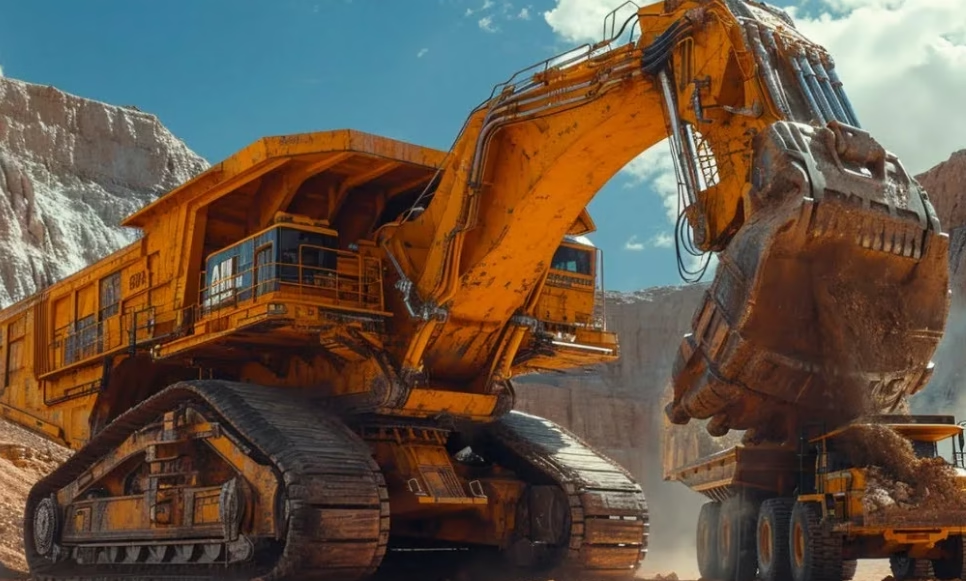
PROTOLON (SB-SAM) (N)TSCGEWOEU 6/10KV represents advanced medium voltage trailing cable technology with optimized wall-thickness design. This specialized cable serves as the primary power supply and connection solution for large material handling machines operating in demanding open-cast mining environments.

PROTOLON (SB-SAM) (N)TSCGEWOEU 6/10KV

PROTOLON (SB-SAM) (N)TSCGEWOEU 6/10KV represents advanced medium voltage trailing cable technology with optimized wall-thickness design. This specialized cable serves as the primary power supply and connection solution for large material handling machines operating in demanding open-cast mining environments.