Mining Trailing Cable

The Pilbara region of Western Australia represents one of the world's most thermally challenging environments for electrical infrastructure. With ambient temperatures regularly exceeding 50°C during summer months and recorded extremes reaching 50.7°C, proper cable ampacity derating is critical for safe and reliable mining operations. This technical guide provides comprehensive methods for calculating current-carrying capacity adjustments for Type 440 cables operating under these extreme conditions, following Australian Standards AS/NZS 3008 and international standard IEC 60287.

Pilbara Heat: Calculating Ampacity Derating for Type 440 Cables in 50°C+ Ambient Temperatures

The Pilbara region of Western Australia represents one of the world’s most thermally challenging environments for electrical infrastructure. With ambient temperatures regularly exceeding 50°C during summer months and recorded extremes reaching 50.7°C, proper cable ampacity derating is critical for safe and reliable mining operations. This technical guide provides comprehensive methods for calculating current-carrying capacity adjustments for Type 440 cables operating under these extreme conditions, following Australian Standards AS/NZS 3008 and international standard IEC 60287.
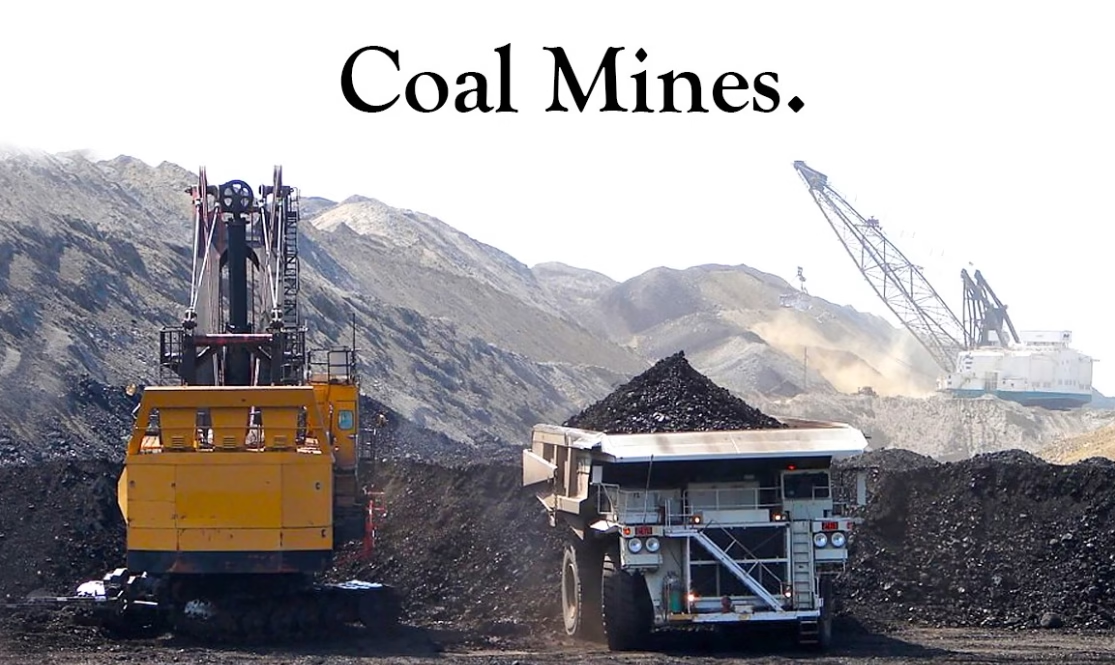
In the demanding world of surface mining operations, dragline excavators and mobile material handling equipment rely on high-voltage flexible cables to deliver continuous electrical power as these massive machines traverse mining sites. The choice between Type 450 and Type 455 cables manufactured to AS/NZS 2802:2000 standards represents a critical engineering decision that directly impacts equipment reliability, operational costs, and cable service life. Both cable types are designed for voltage ratings from 3.3 kilovolts to 33 kilovolts, with operational temperatures spanning from negative 25 degrees Celsius to positive 90 degrees Celsius, making them suitable for the diverse environmental conditions encountered in Australian mining operations

Dragline Cables 22kV/33kV: Type 450 vs Type 455 — Which Design Delivers Superior Longevity for Reeling and Trailing Applications?

In the demanding world of surface mining operations, dragline excavators and mobile material handling equipment rely on high-voltage flexible cables to deliver continuous electrical power as these massive machines traverse mining sites. The choice between Type 450 and Type 455 cables manufactured to AS/NZS 2802:2000 standards represents a critical engineering decision that directly impacts equipment reliability, operational costs, and cable service life. Both cable types are designed for voltage ratings from 3.3 kilovolts to 33 kilovolts, with operational temperatures spanning from negative 25 degrees Celsius to positive 90 degrees Celsius, making them suitable for the diverse environmental conditions encountered in Australian mining operations
Type 409 cables represent a specialized category of flexible mining cables designed specifically for demanding applications in material handling equipment, surface mining operations, and industrial environments. These cables are manufactured according to the Australian and New Zealand Standard AS/NZS 2802:2000, which establishes rigorous requirements for reeling and trailing cables used in mining and general industrial applications outside underground coal mining environments. (409型电缆是专为物料搬运设备、露天采矿作业和工业环境中的高要求应用而设计的一类特种柔性矿用电缆。这些电缆按照澳大利亚和新西兰标准AS/NZS 2802:2000制造,该标准对用于煤矿井下以外的采矿和一般工业应用的卷筒电缆和拖曳电缆制定了严格要求。)

Stacker Reclaimers: What is the Minimum Bending Radius for Type 409 Cables Used on High-Speed Stacker-Reclaimer Drums?

Type 409 cables represent a specialized category of flexible mining cables designed specifically for demanding applications in material handling equipment, surface mining operations, and industrial environments. These cables are manufactured according to the Australian and New Zealand Standard AS/NZS 2802:2000, which establishes rigorous requirements for reeling and trailing cables used in mining and general industrial applications outside underground coal mining environments. (409型电缆是专为物料搬运设备、露天采矿作业和工业环境中的高要求应用而设计的一类特种柔性矿用电缆。这些电缆按照澳大利亚和新西兰标准AS/NZS 2802:2000制造,该标准对用于煤矿井下以外的采矿和一般工业应用的卷筒电缆和拖曳电缆制定了严格要求。)
In surface mining and general underground mining operations excluding coal, heavy mobile equipment such as draglines, electric shovels, and drilling rigs rely on reeling cable systems to maintain continuous power delivery during movement and repositioning. These reeling drum applications subject cables to severe mechanical stresses including crushing forces as cable layers compress against each other during winding operations. The selection between Type 440 and Type 441 cables manufactured to AS/NZS 2802 standards represents a critical engineering decision that directly impacts equipment reliability, operational safety, and maintenance costs. 在不包括煤炭的露天采矿和一般地下采矿作业中,挖掘机、电铲和钻机等重型移动设备依赖卷取电缆系统在移动和重新定位期间保持连续供电。

Mining Reeling Cables: Why Type 441 with Interstitial Earth Outperforms Type 440 Under High Crushing Forces

In surface mining and general underground mining operations excluding coal, heavy mobile equipment such as draglines, electric shovels, and drilling rigs rely on reeling cable systems to maintain continuous power delivery during movement and repositioning. These reeling drum applications subject cables to severe mechanical stresses including crushing forces as cable layers compress against each other during winding operations. The selection between Type 440 and Type 441 cables manufactured to AS/NZS 2802 standards represents a critical engineering decision that directly impacts equipment reliability, operational safety, and maintenance costs. 在不包括煤炭的露天采矿和一般地下采矿作业中,挖掘机、电铲和钻机等重型移动设备依赖卷取电缆系统在移动和重新定位期间保持连续供电。
Longwall mining represents the most productive underground coal extraction method available to modern mining operations, with a single longwall face capable of producing over 5,000 tonnes of coal per hour in optimized installations. At the heart of this productivity lies the longwall shearer, a massive mobile machine that travels back and forth along the coal face, cutting coal with rotating drums while advancing through seam heights ranging from 1.6 to 7 meters. The power cables supplying electricity to these shearers operate in one of the most mechanically demanding cable applications in industrial engineering, subjected to continuous motion within cable chain systems (often referred to as "Bretby chains"), constant vibration from cutting operations, tight bending radii as the shearer traverses the face, and the harsh environmental conditions characteristic of underground coal mining.[1] (长壁开采代表了现代采矿作业可用的最具生产力的地下煤炭开采方法,单个长壁工作面在优化安装中每小时可生产超过5000吨煤炭)

Longwall Shearer: What are the advantages of using Type 241 over Type 275 for high-vibration longwall shearer power supplies?

Longwall mining represents the most productive underground coal extraction method available to modern mining operations, with a single longwall face capable of producing over 5,000 tonnes of coal per hour in optimized installations. At the heart of this productivity lies the longwall shearer, a massive mobile machine that travels back and forth along the coal face, cutting coal with rotating drums while advancing through seam heights ranging from 1.6 to 7 meters. The power cables supplying electricity to these shearers operate in one of the most mechanically demanding cable applications in industrial engineering, subjected to continuous motion within cable chain systems (often referred to as “Bretby chains”), constant vibration from cutting operations, tight bending radii as the shearer traverses the face, and the harsh environmental conditions characteristic of underground coal mining.[1] (长壁开采代表了现代采矿作业可用的最具生产力的地下煤炭开采方法,单个长壁工作面在优化安装中每小时可生产超过5000吨煤炭)
To understand why cable sheaths in underground coal mines must be electrically conductive, we need to first explore the fundamental physics of static electricity and why it poses such an extraordinary danger in mining environments. This requirement, mandated by AS/NZS 1802:2018, is not merely a technical specification but rather a critical safety measure that has evolved from decades of mining experience and, unfortunately, from lessons learned through tragic accidents. 要理解为什么地下煤矿中的电缆护套必须具有导电性,我们首先需要探讨静电的基本物理原理,以及为什么它在采矿环境中构成如此巨大的危险。AS/NZS 1802:2018要求的这一规定不仅仅是一个技术规范,而是一项从数十年的采矿经验以及不幸的事故教训中演变而来的关键安全措施。

Explosion Risk Prevention: Why AS/NZS 1802 Cable Sheaths Must Be Electrically Conductive

To understand why cable sheaths in underground coal mines must be electrically conductive, we need to first explore the fundamental physics of static electricity and why it poses such an extraordinary danger in mining environments. This requirement, mandated by AS/NZS 1802:2018, is not merely a technical specification but rather a critical safety measure that has evolved from decades of mining experience and, unfortunately, from lessons learned through tragic accidents. 要理解为什么地下煤矿中的电缆护套必须具有导电性,我们首先需要探讨静电的基本物理原理,以及为什么它在采矿环境中构成如此巨大的危险。AS/NZS 1802:2018要求的这一规定不仅仅是一个技术规范,而是一项从数十年的采矿经验以及不幸的事故教训中演变而来的关键安全措施。
Type 241 mining cables represent a specialized category of flexible power cables designed for demanding underground mining applications, continuous miner feeders, and pump supply systems operating at voltages from 1.1kV to 11kV. These cables are manufactured to comply with AS/NZS 1802:2003 standards and incorporate sophisticated screening systems that balance electrical performance, mechanical flexibility, and safety requirements.[1] (241型矿用电缆是专为严苛的地下采矿应用、连续采矿机馈线和泵供电系统设计的柔性电力电缆,工作电压为1.1kV至11kV)

Composite Screen: How does the copper/nylon braid screen in Type 241 cables handle fault currents compared to a full metallic screen?

Type 241 mining cables represent a specialized category of flexible power cables designed for demanding underground mining applications, continuous miner feeders, and pump supply systems operating at voltages from 1.1kV to 11kV. These cables are manufactured to comply with AS/NZS 1802:2003 standards and incorporate sophisticated screening systems that balance electrical performance, mechanical flexibility, and safety requirements.[1] (241型矿用电缆是专为严苛的地下采矿应用、连续采矿机馈线和泵供电系统设计的柔性电力电缆,工作电压为1.1kV至11kV)
The question of whether cold pour resin can be used to repair the sheath of Type 241 cables in hazardous zones under AS/NZS 1747 is a critical concern for mining operations, particularly in underground coal mines where explosion-protected equipment is mandatory. This technical analysis examines the regulatory framework, repair methodologies, and safety considerations governing cable sheath repair in potentially explosive atmospheres. 在AS/NZS 1747标准下,是否可以使用冷浇注树脂修复危险区域中241型电缆的护套,这是采矿作业的关键问题,特别是在要求防爆设备的地下煤矿中。本技术分析探讨了在潜在爆炸性环境中管理电缆护套修复的监管框架、修复方法和安全考虑。

Sheath Repair Under AS/NZS 1747: Cold Pour Resin Application for Type 241 Cables in Hazardous Zones

The question of whether cold pour resin can be used to repair the sheath of Type 241 cables in hazardous zones under AS/NZS 1747 is a critical concern for mining operations, particularly in underground coal mines where explosion-protected equipment is mandatory. This technical analysis examines the regulatory framework, repair methodologies, and safety considerations governing cable sheath repair in potentially explosive atmospheres. 在AS/NZS 1747标准下,是否可以使用冷浇注树脂修复危险区域中241型电缆的护套,这是采矿作业的关键问题,特别是在要求防爆设备的地下煤矿中。本技术分析探讨了在潜在爆炸性环境中管理电缆护套修复的监管框架、修复方法和安全考虑。
Before we dive into the technical differences between Type 241 and Type 260 cables, let's take a moment to understand shuttle cars themselves and why cable selection matters so much for these critical mining vehicles. Think of shuttle cars as the workhorses of underground coal mining operations. These are large, heavy-duty battery-electric or trailing-cable powered vehicles designed to transport coal from the continuous miner working at the coal face to either feeder breakers, mine cars, or belt conveyor systems located some distance away. The shuttle car essentially acts as a mobile bridge between the mining equipment that's actively cutting coal and the permanent conveying infrastructure that will carry that coal to the surface. 在深入了解241型和260型电缆之间的技术差异之前,让我们花点时间了解穿梭车本身,以及为什么电缆选择对这些关键采矿车辆如此重要。可以将穿梭车视为地下煤矿作业的主力。这些是大型重型电池电动或拖缆供电车辆,设计用于将煤炭从在煤层工作面工作的连续采煤机运输到位于一定距离外的给料破碎机、矿车或带式输送机系统。穿梭车本质上充当正在切割煤炭的采矿设备与将煤炭运送到地面的永久输送基础设施之间的移动桥梁。

Type 241 vs. Type 260 Mining Cables: Understanding Construction Differences and Application Selection for Shuttle Car Operations

Before we dive into the technical differences between Type 241 and Type 260 cables, let’s take a moment to understand shuttle cars themselves and why cable selection matters so much for these critical mining vehicles. Think of shuttle cars as the workhorses of underground coal mining operations. These are large, heavy-duty battery-electric or trailing-cable powered vehicles designed to transport coal from the continuous miner working at the coal face to either feeder breakers, mine cars, or belt conveyor systems located some distance away. The shuttle car essentially acts as a mobile bridge between the mining equipment that’s actively cutting coal and the permanent conveying infrastructure that will carry that coal to the surface. 在深入了解241型和260型电缆之间的技术差异之前,让我们花点时间了解穿梭车本身,以及为什么电缆选择对这些关键采矿车辆如此重要。可以将穿梭车视为地下煤矿作业的主力。这些是大型重型电池电动或拖缆供电车辆,设计用于将煤炭从在煤层工作面工作的连续采煤机运输到位于一定距离外的给料破碎机、矿车或带式输送机系统。穿梭车本质上充当正在切割煤炭的采矿设备与将煤炭运送到地面的永久输送基础设施之间的移动桥梁。
The question of whether (N)SHTÖU control cables comply with RoHS 3 lead-free and phthalate-free directives is critically important for manufacturers, importers, and end-users operating within the European Union and increasingly global markets. (N)SHTÖU cables represent specialized heavy-duty flexible control and power cables manufactured according to German standard VDE 0250 Part 814, designed specifically for demanding applications involving cable reeling systems, cranes, material handling equipment, and industrial automation where simultaneous tensile and torsional stresses occur during operation. 关于(N)SHTÖU控制电缆是否符合RoHS 3无铅和无邻苯二甲酸盐指令的问题,对于在欧盟和日益全球化市场中运营的制造商、进口商和最终用户至关重要。(N)SHTÖU电缆代表根据德国标准VDE 0250第814部分制造的专业重型柔性控制和电力电缆,专门设计用于涉及电缆卷绕系统、起重机、物料搬运设备和工业自动化的苛刻应用,在操作过程中会发生同时的拉伸和扭转应力。

RoHS 3 Compliance: Are (N)SHTÖU Control Cables Lead-Free and Phthalate-Free?

The question of whether (N)SHTÖU control cables comply with RoHS 3 lead-free and phthalate-free directives is critically important for manufacturers, importers, and end-users operating within the European Union and increasingly global markets. (N)SHTÖU cables represent specialized heavy-duty flexible control and power cables manufactured according to German standard VDE 0250 Part 814, designed specifically for demanding applications involving cable reeling systems, cranes, material handling equipment, and industrial automation where simultaneous tensile and torsional stresses occur during operation. 关于(N)SHTÖU控制电缆是否符合RoHS 3无铅和无邻苯二甲酸盐指令的问题,对于在欧盟和日益全球化市场中运营的制造商、进口商和最终用户至关重要。(N)SHTÖU电缆代表根据德国标准VDE 0250第814部分制造的专业重型柔性控制和电力电缆,专门设计用于涉及电缆卷绕系统、起重机、物料搬运设备和工业自动化的苛刻应用,在操作过程中会发生同时的拉伸和扭转应力。
The question of whether NSSHÖU cables require CE marking for European surface mining operations involves a nuanced understanding of European Union electrical equipment regulations. NSSHÖU cables, manufactured according to the German standard DIN VDE 0250 Part 812, are heavy-duty rubber-sheathed flexible cables specifically designed for mining and industrial applications where extreme mechanical stress, abrasion resistance, and environmental durability are essential operational requirements. NSSHÖU电缆在欧洲露天采矿作业中是否需要CE标志的问题涉及对欧盟电气设备法规的细致理解。NSSHÖU电缆根据德国标准DIN VDE 0250第812部分制造,是专门为采矿和工业应用设计的重型橡胶护套柔性电缆,在这些应用中,极端的机械应力、耐磨性和环境耐久性是基本的操作要求。

CE Marking: Do NSSHÖU Cables Require a CE Mark for Use in European Surface Mining Operations?

The question of whether NSSHÖU cables require CE marking for European surface mining operations involves a nuanced understanding of European Union electrical equipment regulations. NSSHÖU cables, manufactured according to the German standard DIN VDE 0250 Part 812, are heavy-duty rubber-sheathed flexible cables specifically designed for mining and industrial applications where extreme mechanical stress, abrasion resistance, and environmental durability are essential operational requirements. NSSHÖU电缆在欧洲露天采矿作业中是否需要CE标志的问题涉及对欧盟电气设备法规的细致理解。NSSHÖU电缆根据德国标准DIN VDE 0250第812部分制造,是专门为采矿和工业应用设计的重型橡胶护套柔性电缆,在这些应用中,极端的机械应力、耐磨性和环境耐久性是基本的操作要求。
IEC 60228 Class 5 conductors are acceptable and appropriate for Australian Type 441 mining cables because AS/NZS 1125 (the Australian/New Zealand conductor standard) is harmonized with IEC 60228 and explicitly recognizes its conductor classifications. Type 441 cables specify flexible stranded tinned annealed copper conductors complying with AS/NZS 1125, and since AS/NZS 1125 is based on IEC 60228, Class 5 conductors meet the flexibility and electrical performance requirements for these demanding mining applications. This compatibility reflects the deliberate harmonization between international and regional standards to facilitate global cable trade while maintaining stringent safety requirements.[1][2][3] 是的,IEC 60228 Class 5导体适用于澳大利亚Type 441矿用电缆,因为AS/NZS 1125(澳大利亚/新西兰导体标准)与IEC 60228协调一致,并明确认可其导体分类。Type 441电缆规定使用符合AS/NZS 1125的柔性绞合镀锡退火铜导体,由于AS/NZS 1125基于IEC 60228,Class 5导体满足这些苛刻矿用应用的柔软性和电气性能要求。这种兼容性反映了国际标准与区域标准之间的刻意协调,以促进全球电缆贸易,同时保持严格的安全要求。

IEC vs. AS/NZS: IEC 60228 Class 5 Conductors for Type 441 Cables

IEC 60228 Class 5 conductors are acceptable and appropriate for Australian Type 441 mining cables because AS/NZS 1125 (the Australian/New Zealand conductor standard) is harmonized with IEC 60228 and explicitly recognizes its conductor classifications. Type 441 cables specify flexible stranded tinned annealed copper conductors complying with AS/NZS 1125, and since AS/NZS 1125 is based on IEC 60228, Class 5 conductors meet the flexibility and electrical performance requirements for these demanding mining applications. This compatibility reflects the deliberate harmonization between international and regional standards to facilitate global cable trade while maintaining stringent safety requirements.[1][2][3] 是的,IEC 60228 Class 5导体适用于澳大利亚Type 441矿用电缆,因为AS/NZS 1125(澳大利亚/新西兰导体标准)与IEC 60228协调一致,并明确认可其导体分类。Type 441电缆规定使用符合AS/NZS 1125的柔性绞合镀锡退火铜导体,由于AS/NZS 1125基于IEC 60228,Class 5导体满足这些苛刻矿用应用的柔软性和电气性能要求。这种兼容性反映了国际标准与区域标准之间的刻意协调,以促进全球电缆贸易,同时保持严格的安全要求。
(N)TSCGEWÖU cable series represents a category of medium voltage flexible mining, drilling and tunneling cables primarily designed to meet DIN VDE 0250-813 specifications. (N)TSCGEWÖU电缆系列代表一类中压柔性采矿、钻井和隧道电缆,主要设计满足DIN VDE 0250-813规范 These cables are widely used internationally for power distribution to heavy-duty mining equipment in surface and underground installations. However, exporting these cables to the Russian Federation and other CIS countries requires compliance with GOST-R certification standards, which operate under a distinct regulatory framework from European DIN VDE standards.

GOST-R: Do (N)TSCGEWÖU Cables Meet the GOST-R Certification Requirements for the Russian/CIS Mining Market?

(N)TSCGEWÖU cable series represents a category of medium voltage flexible mining, drilling and tunneling cables primarily designed to meet DIN VDE 0250-813 specifications. (N)TSCGEWÖU电缆系列代表一类中压柔性采矿、钻井和隧道电缆,主要设计满足DIN VDE 0250-813规范 These cables are widely used internationally for power distribution to heavy-duty mining equipment in surface and underground installations. However, exporting these cables to the Russian Federation and other CIS countries requires compliance with GOST-R certification standards, which operate under a distinct regulatory framework from European DIN VDE standards.
MYP cables must obtain MA (煤安) certification before they can be legally used in Chinese coal mines. The MA mark, administered by the National Coal Mine Safety Mark Office (煤矿安全标志办公室), represents mandatory safety certification for all underground coal mining equipment and materials. MYP cables, as mobile power supply cables for coal mining machinery, fall under the strictly regulated product categories defined in the Mining Product Safety Sign Management Catalog and must comply with Chinese national standards MT 818 series and GB 12972.[1][2] 是的,MYP电缆在中国煤矿使用前必须获得MA(煤安)认证。由国家煤矿安全标志办公室管理的MA标志,代表了所有井下煤矿设备和材料的强制性安全认证。MYP电缆作为煤矿机械的移动电源电缆,属于《矿用产品安全标志管理目录》中严格管制的产品类别,必须符合中国国家标准MT 818系列和GB 12972。

MA Certificate: MYP Cable Certification for Chinese Coal Mines

MYP cables must obtain MA (煤安) certification before they can be legally used in Chinese coal mines. The MA mark, administered by the National Coal Mine Safety Mark Office (煤矿安全标志办公室), represents mandatory safety certification for all underground coal mining equipment and materials. MYP cables, as mobile power supply cables for coal mining machinery, fall under the strictly regulated product categories defined in the Mining Product Safety Sign Management Catalog and must comply with Chinese national standards MT 818 series and GB 12972.[1][2] 是的,MYP电缆在中国煤矿使用前必须获得MA(煤安)认证。由国家煤矿安全标志办公室管理的MA标志,代表了所有井下煤矿设备和材料的强制性安全认证。MYP电缆作为煤矿机械的移动电源电缆,属于《矿用产品安全标志管理目录》中严格管制的产品类别,必须符合中国国家标准MT 818系列和GB 12972。
NSSHÖU cables are designed for power supply applications in mining, quarrying, tunneling, and heavy industrial equipment where extreme mechanical stress and abrasion are expected. These cables can be installed in dry, damp, wet, and hazardous environments but are NOT suitable for drumming applications under tensile loads or for continuous robotic movement in energy chains where highly flexible cables with specific bend cycle ratings are required. NSSHÖU电缆设计用于采矿、采石、隧道和重型工业设备中的供电应用,其中预期会有极端的机械应力和磨损。这些电缆可以安装在干燥、潮湿、湿润和危险环境中,但不适合在拉力负载下的卷筒应用或需要具有特定弯曲周期额定值的高度柔性电缆的连续机器人运动的能量链中。

NSSHÖU Cable Ampacity Table: Current Rating & Correction Factors at 50°C Ambient Temperature

NSSHÖU cables are designed for power supply applications in mining, quarrying, tunneling, and heavy industrial equipment where extreme mechanical stress and abrasion are expected. These cables can be installed in dry, damp, wet, and hazardous environments but are NOT suitable for drumming applications under tensile loads or for continuous robotic movement in energy chains where highly flexible cables with specific bend cycle ratings are required. NSSHÖU电缆设计用于采矿、采石、隧道和重型工业设备中的供电应用,其中预期会有极端的机械应力和磨损。这些电缆可以安装在干燥、潮湿、湿润和危险环境中,但不适合在拉力负载下的卷筒应用或需要具有特定弯曲周期额定值的高度柔性电缆的连续机器人运动的能量链中。
Primary HS Code for Rubber Mining Cables | 主要海关编码 HS Code: 8544.49 / 8544.60 Rubber-insulated mining cables typically fall under Chapter 85 of the Harmonized System, specifically within heading 8544, which covers insulated wire, cable, and other insulated electric conductors. The exact subheading depends on voltage specifications and whether connectors are fitted. 橡胶绝缘矿用电缆通常属于协调制度第85章,特别是8544项下,涵盖绝缘线、电缆和其他绝缘电导体。具体的子目取决于额定电压和是否配有连接器。

HS Code Classification Guide: Exporting Rubber Mining Cables to Peru & Chile

Primary HS Code for Rubber Mining Cables | 主要海关编码 HS Code: 8544.49 / 8544.60 Rubber-insulated mining cables typically fall under Chapter 85 of the Harmonized System, specifically within heading 8544, which covers insulated wire, cable, and other insulated electric conductors. The exact subheading depends on voltage specifications and whether connectors are fitted. 橡胶绝缘矿用电缆通常属于协调制度第85章,特别是8544项下,涵盖绝缘线、电缆和其他绝缘电导体。具体的子目取决于额定电压和是否配有连接器。
For a 500-meter length of Type 440 11kV mining cable, the required shipping drum dimensions are fundamentally determined by the cable's minimum bend radius and physical dimensions. Based on industry standards from AS/NZS 2802:2000 and IEC 60502-2, proper drum sizing ensures cable integrity during transportation and prevents damage to the cable's internal structure, particularly the semiconductive screens and EPR insulation critical for medium voltage applications. 对于500米长的Type 440 11kV矿用电缆,所需的运输卷筒尺寸主要由电缆的最小弯曲半径和物理尺寸决定。根据AS/NZS 2802:2000和IEC 60502-2的行业标准,正确的卷筒尺寸可确保运输过程中的电缆完整性,并防止损坏电缆的内部结构,特别是对中压应用至关重要的半导体屏蔽层和EPR绝缘层。

Drum Dimensions for Type 440 11kV Cable: Engineering Specification Guide

For a 500-meter length of Type 440 11kV mining cable, the required shipping drum dimensions are fundamentally determined by the cable’s minimum bend radius and physical dimensions. Based on industry standards from AS/NZS 2802:2000 and IEC 60502-2, proper drum sizing ensures cable integrity during transportation and prevents damage to the cable’s internal structure, particularly the semiconductive screens and EPR insulation critical for medium voltage applications. 对于500米长的Type 440 11kV矿用电缆,所需的运输卷筒尺寸主要由电缆的最小弯曲半径和物理尺寸决定。根据AS/NZS 2802:2000和IEC 60502-2的行业标准,正确的卷筒尺寸可确保运输过程中的电缆完整性,并防止损坏电缆的内部结构,特别是对中压应用至关重要的半导体屏蔽层和EPR绝缘层。
(N)TSCGEWÖU 3x185+3x35/3 medium voltage flexible mining cable typically weighs between 8,500 and 10,200 kilograms per kilometer, depending on the specific construction variant, insulation thickness, sheathing materials, and whether additional features such as anti-torsion braiding or fiber optic cores are incorporated. This weight range represents the complete cable assembly including all conductors, insulation layers, screening, inner and outer sheaths, and structural elements required for demanding mining and industrial applications. (N)TSCGEWÖU 3x185+3x35/3中压柔性采矿电缆的重量通常在每公里8,500至10,200千克之间,具体取决于特定的结构变型、绝缘厚度、护套材料,以及是否包含防扭转编织或光纤芯等附加功能。

Weight Calculator: What is the Approximate Weight per Meter (kg/km) of (N)TSCGEWÖU 3×185+3×35/3?

(N)TSCGEWÖU 3×185+3×35/3 medium voltage flexible mining cable typically weighs between 8,500 and 10,200 kilograms per kilometer, depending on the specific construction variant, insulation thickness, sheathing materials, and whether additional features such as anti-torsion braiding or fiber optic cores are incorporated. This weight range represents the complete cable assembly including all conductors, insulation layers, screening, inner and outer sheaths, and structural elements required for demanding mining and industrial applications. (N)TSCGEWÖU 3×185+3×35/3中压柔性采矿电缆的重量通常在每公里8,500至10,200千克之间,具体取决于特定的结构变型、绝缘厚度、护套材料,以及是否包含防扭转编织或光纤芯等附加功能。
Before we dive deeply into techniques for removing the bonded semiconductive layer from (N)TSCGEWÖU cables, I need to address something important about the question itself. The title asks about comparing shaving tool methods versus heat methods. This comparison suggests that both approaches might be viable alternatives that professionals choose between based on preference or circumstances. However, after extensive review of industry practices, manufacturer guidelines, and professional standards from organizations including utility companies, cable accessory manufacturers, and electrical standards bodies, I must be clear: heat is not a standard or recommended method for removing bonded semiconductive screens from medium voltage cables.

How to strip the bonded semi-con layer on (N)TSCGEWÖU cables without damaging the insulation (Shaving Tool vs. Heat)?

Before we dive deeply into techniques for removing the bonded semiconductive layer from (N)TSCGEWÖU cables, I need to address something important about the question itself. The title asks about comparing shaving tool methods versus heat methods. This comparison suggests that both approaches might be viable alternatives that professionals choose between based on preference or circumstances. However, after extensive review of industry practices, manufacturer guidelines, and professional standards from organizations including utility companies, cable accessory manufacturers, and electrical standards bodies, I must be clear: heat is not a standard or recommended method for removing bonded semiconductive screens from medium voltage cables.
When working with Type G-GC portable power cables, one of the most frequently asked questions by installers and maintenance technicians concerns the proper connection of the ground check conductor, often called the pilot wire. This seemingly simple question touches on one of the most critical safety systems in mining and heavy industrial electrical installations. Understanding not just where this wire connects, but why it exists and how it functions as part of a comprehensive ground fault protection system, is essential for anyone working with mining equipment electrical systems. 在使用Type G-GC便携式电源电缆时,安装人员和维护技术人员最常问的问题之一是关于接地检查导体(通常称为导线)的正确连接。这个看似简单的问题涉及到采矿和重工业电气安装中最关键的安全系统之一。

Connection Guide: Wiring a Type G-GC Plug – Where Does the Ground Check Wire Go?

When working with Type G-GC portable power cables, one of the most frequently asked questions by installers and maintenance technicians concerns the proper connection of the ground check conductor, often called the pilot wire. This seemingly simple question touches on one of the most critical safety systems in mining and heavy industrial electrical installations. Understanding not just where this wire connects, but why it exists and how it functions as part of a comprehensive ground fault protection system, is essential for anyone working with mining equipment electrical systems. 在使用Type G-GC便携式电源电缆时,安装人员和维护技术人员最常问的问题之一是关于接地检查导体(通常称为导线)的正确连接。这个看似简单的问题涉及到采矿和重工业电气安装中最关键的安全系统之一。
Before we can properly discuss earthing techniques, we need to build a solid understanding of what (N)TSCGECEWÖU cables are and why their semiconductive screens require such careful attention. These cables represent one of the most sophisticated designs in medium voltage flexible power transmission, and understanding their construction will help you see why proper earthing is not just important but absolutely critical for safe operation.

How to properly earth the semiconductive screen of an (N)TSCGECEWÖU cable to prevent arcing?

Before we can properly discuss earthing techniques, we need to build a solid understanding of what (N)TSCGECEWÖU cables are and why their semiconductive screens require such careful attention. These cables represent one of the most sophisticated designs in medium voltage flexible power transmission, and understanding their construction will help you see why proper earthing is not just important but absolutely critical for safe operation.
The short answer is yes, damaged Type 441 reeling cables can be spliced underground using resin joint kits that comply with AS/NZS 1747 standards, provided specific conditions are met and proper procedures are followed. However, understanding when, why, and how such repairs should be performed requires examining the cable construction, applicable standards, and field repair methodologies that govern mining cable maintenance practices across Australia, New Zealand, and similar international mining operations.

Can you splice a damaged Type 441 reeling cable underground using a Resin Joint Kit (AS/NZS 1747)?

The short answer is yes, damaged Type 441 reeling cables can be spliced underground using resin joint kits that comply with AS/NZS 1747 standards, provided specific conditions are met and proper procedures are followed. However, understanding when, why, and how such repairs should be performed requires examining the cable construction, applicable standards, and field repair methodologies that govern mining cable maintenance practices across Australia, New Zealand, and similar international mining operations.
Cold shrink technology represents a revolutionary advancement in medium voltage cable termination methods, offering significant advantages over traditional heat shrink applications. Developed over 40 years ago by 3M, this technology has become the industry standard for reliable and efficient cable terminations ranging from 5 kV to 145 kV applications. The cold shrink method eliminates the need for heat guns, torches, or special installation equipment, thereby reducing installation time and improving safety on site. 冷缩技术是中压电缆终端连接方法的革命性进步,与传统热缩应用相比具有显著优势。该技术由3M公司在40多年前开发,现已成为5kV至145kV应用中可靠高效电缆终端的行业标准。冷缩方法无需热风枪、火炬或特殊安装设备,从而减少了安装时间并提高了现场安全性。

Step-by-Step Guide: How to Terminate (N)TSCGEWÖU 10kV Cable using a Cold Shrink Termination Kit

Cold shrink technology represents a revolutionary advancement in medium voltage cable termination methods, offering significant advantages over traditional heat shrink applications. Developed over 40 years ago by 3M, this technology has become the industry standard for reliable and efficient cable terminations ranging from 5 kV to 145 kV applications. The cold shrink method eliminates the need for heat guns, torches, or special installation equipment, thereby reducing installation time and improving safety on site. 冷缩技术是中压电缆终端连接方法的革命性进步,与传统热缩应用相比具有显著优势。该技术由3M公司在40多年前开发,现已成为5kV至145kV应用中可靠高效电缆终端的行业标准。冷缩方法无需热风枪、火炬或特殊安装设备,从而减少了安装时间并提高了现场安全性。
When you look at a modern mining cable cross-section, you'll notice it contains more than just the power conductors that deliver electricity to mining equipment. Among these additional elements are one or more pilot cores—specialized conductors that serve critical safety and monitoring functions. While these pilot cores might seem like simple extra wires at first glance, they represent sophisticated monitoring infrastructure that enables mining operations to detect dangerous conditions before they cause injuries, equipment damage, or production interruptions.1 当您查看现代矿用电缆横截面时,您会注意到它包含的不仅仅是向采矿设备输送电力的电力导体。在这些附加元件中有一个或多个引导芯——服务于关键安全和监控功能的专用导体。

Digital Monitoring: Using Pilot Cores for Real-Time Temperature and Damage Detection

When you look at a modern mining cable cross-section, you’ll notice it contains more than just the power conductors that deliver electricity to mining equipment. Among these additional elements are one or more pilot cores—specialized conductors that serve critical safety and monitoring functions. While these pilot cores might seem like simple extra wires at first glance, they represent sophisticated monitoring infrastructure that enables mining operations to detect dangerous conditions before they cause injuries, equipment damage, or production interruptions.1 当您查看现代矿用电缆横截面时,您会注意到它包含的不仅仅是向采矿设备输送电力的电力导体。在这些附加元件中有一个或多个引导芯——服务于关键安全和监控功能的专用导体。
To understand why Type 450-FO composite cables represent such a significant advancement for stacker-reclaimer applications, we first need to appreciate what makes these cables different from traditional power or communication cables. Think of a Type 450-FO composite cable as a sophisticated integration of two fundamentally different technologies working together in harmony within a single protective structure. The designation "450-FO" tells us important information about this cable's design: the "450" typically indicates the voltage rating in volts for the power conductors, while "FO" stands for Fiber Optic, signaling that optical fibers are integrated within the same cable assembly alongside the copper power conductors. 要理解为什么Type 450-FO复合电缆代表了堆取料机应用的重大进步,我们首先需要了解是什么使这些电缆与传统的电力或通信电缆不同。将Type 450-FO复合电缆想象为两种根本不同技术的复杂集成,在单个保护结构内和谐地协同工作。"450-FO"名称告诉我们有关这种电缆设计的重要信息:"450"通常表示电力导体的额定电压(以伏特为单位),而"FO"代表光纤,表示光纤与铜电力导体一起集成在同一电缆组件中。

Integrated Fiber Optics: Advantages of Type 450-FO Composite Cables for Remote-Controlled Stacker-Reclaimers

To understand why Type 450-FO composite cables represent such a significant advancement for stacker-reclaimer applications, we first need to appreciate what makes these cables different from traditional power or communication cables. Think of a Type 450-FO composite cable as a sophisticated integration of two fundamentally different technologies working together in harmony within a single protective structure. The designation “450-FO” tells us important information about this cable’s design: the “450” typically indicates the voltage rating in volts for the power conductors, while “FO” stands for Fiber Optic, signaling that optical fibers are integrated within the same cable assembly alongside the copper power conductors. 要理解为什么Type 450-FO复合电缆代表了堆取料机应用的重大进步,我们首先需要了解是什么使这些电缆与传统的电力或通信电缆不同。将Type 450-FO复合电缆想象为两种根本不同技术的复杂集成,在单个保护结构内和谐地协同工作。”450-FO”名称告诉我们有关这种电缆设计的重要信息:”450″通常表示电力导体的额定电压(以伏特为单位),而”FO”代表光纤,表示光纤与铜电力导体一起集成在同一电缆组件中。
Over the past two decades, the cable industry has witnessed a fundamental transformation in safety requirements for confined space installations, particularly in tunnels, underground transit systems, and mining operations. At the center of this evolution lies the shift from traditional halogenated flame retardant cables to halogen-free, low-smoke alternatives. This technological transition represents more than just a materials change—it reflects a deeper understanding of fire safety dynamics and the true risks that cable fires pose to human life, critical infrastructure, and emergency response operations.1 在过去的二十年中,电缆行业在密闭空间安装(特别是隧道、地下交通系统和采矿作业)的安全要求方面发生了根本性的转变。这一演变的核心是从传统的卤化阻燃电缆向无卤、低烟替代品的转变。

Halogen-Free Mining: Why (N)TSCGEWÖU-FR Cables are Becoming Mandatory in Tunnel Projects

Over the past two decades, the cable industry has witnessed a fundamental transformation in safety requirements for confined space installations, particularly in tunnels, underground transit systems, and mining operations. At the center of this evolution lies the shift from traditional halogenated flame retardant cables to halogen-free, low-smoke alternatives. This technological transition represents more than just a materials change—it reflects a deeper understanding of fire safety dynamics and the true risks that cable fires pose to human life, critical infrastructure, and emergency response operations.1 在过去的二十年中,电缆行业在密闭空间安装(特别是隧道、地下交通系统和采矿作业)的安全要求方面发生了根本性的转变。这一演变的核心是从传统的卤化阻燃电缆向无卤、低烟替代品的转变。
Type SHD-PCG cable represents a sophisticated evolution in mining cable design, specifically engineered to meet the demanding safety and operational requirements of longwall shearer applications in underground coal mining. The designation "SHD-PCG" encodes critical information about the cable's construction and capabilities. The "SHD" portion indicates Shielded Heavy Duty construction, signifying that each power conductor is individually surrounded by a metallic shield that provides both electrical protection and mechanical reinforcement. The "PCG" suffix reveals the cable's most distinctive characteristic as it denotes the integrated Pilot-Control-Ground configuration, which combines power transmission conductors with dedicated control signal conductors and an advanced grounding system within a single composite cable assembly. Type SHD-PCG电缆代表了矿用电缆设计的复杂演进,专门设计用于满足地下煤矿长壁采煤机应用的苛刻安全和操作要求。"SHD-PCG"名称编码了有关电缆结构和功能的关键信息。"SHD"部分表示屏蔽重型结构,表明每根电力导体都被单独包围在提供电气保护和机械加固的金属屏蔽层中。"PCG"后缀揭示了电缆最独特的特征,因为它表示集成的导向-控制-接地配置,该配置将电力传输导体与专用控制信号导体和先进的接地系统组合在单个复合电缆组件中。

Type SHD-PCG: How does the Pilot-Control-Ground Configuration Enhance Safety in Longwall Shearers?

Type SHD-PCG cable represents a sophisticated evolution in mining cable design, specifically engineered to meet the demanding safety and operational requirements of longwall shearer applications in underground coal mining. The designation “SHD-PCG” encodes critical information about the cable’s construction and capabilities. The “SHD” portion indicates Shielded Heavy Duty construction, signifying that each power conductor is individually surrounded by a metallic shield that provides both electrical protection and mechanical reinforcement. The “PCG” suffix reveals the cable’s most distinctive characteristic as it denotes the integrated Pilot-Control-Ground configuration, which combines power transmission conductors with dedicated control signal conductors and an advanced grounding system within a single composite cable assembly. Type SHD-PCG电缆代表了矿用电缆设计的复杂演进,专门设计用于满足地下煤矿长壁采煤机应用的苛刻安全和操作要求。”SHD-PCG”名称编码了有关电缆结构和功能的关键信息。”SHD”部分表示屏蔽重型结构,表明每根电力导体都被单独包围在提供电气保护和机械加固的金属屏蔽层中。”PCG”后缀揭示了电缆最独特的特征,因为它表示集成的导向-控制-接地配置,该配置将电力传输导体与专用控制信号导体和先进的接地系统组合在单个复合电缆组件中。
Cable ampacity derating represents a fundamental consideration in electrical system design, particularly for mobile equipment and crane applications where environmental conditions deviate significantly from standard reference values. The ampacity, or current-carrying capacity, of a conductor must be adjusted based on actual installation conditions to prevent insulation degradation, ensure safety compliance, and maintain system reliability over the operational lifetime of the installation. 电缆载流量降额是电气系统设计中的一个基本考虑因素,特别是对于移动设备和起重机应用,其中环境条件显著偏离标准参考值。导体的载流量或电流承载能力必须根据实际安装条件进行调整,以防止绝缘退化,确保安全合规性,并在安装的整个使用寿命期间保持系统可靠性。

Ampacity Derating: What Causes “Z-kinking” in (N)TSFLCGEWÖU Flat Cables, and How to Adjust Festoon Trolleys?

Cable ampacity derating represents a fundamental consideration in electrical system design, particularly for mobile equipment and crane applications where environmental conditions deviate significantly from standard reference values. The ampacity, or current-carrying capacity, of a conductor must be adjusted based on actual installation conditions to prevent insulation degradation, ensure safety compliance, and maintain system reliability over the operational lifetime of the installation. 电缆载流量降额是电气系统设计中的一个基本考虑因素,特别是对于移动设备和起重机应用,其中环境条件显著偏离标准参考值。导体的载流量或电流承载能力必须根据实际安装条件进行调整,以防止绝缘退化,确保安全合规性,并在安装的整个使用寿命期间保持系统可靠性。
Variable Frequency Drive systems have revolutionized industrial motor control by offering precise speed regulation and significant energy savings. However, the high-frequency switching characteristics inherent to VFD operation introduce complex electrical phenomena that demand specialized cable designs and installation practices. The (N)3GHSSYCY cable, manufactured according to DIN VDE 0250 Part 605 standard, represents a specialized medium-voltage flexible cable designed for mobile operating equipment in mining and tunneling applications with voltage ratings from 3.6/6 kV to 12/20 kV.

Ampacity Derating: Why do (N)3GHSSYCY VFD Cables Fail Prematurely if the EMC Grounding is Not Installed Correctly?

Variable Frequency Drive systems have revolutionized industrial motor control by offering precise speed regulation and significant energy savings. However, the high-frequency switching characteristics inherent to VFD operation introduce complex electrical phenomena that demand specialized cable designs and installation practices. The (N)3GHSSYCY cable, manufactured according to DIN VDE 0250 Part 605 standard, represents a specialized medium-voltage flexible cable designed for mobile operating equipment in mining and tunneling applications with voltage ratings from 3.6/6 kV to 12/20 kV.
NSSHÖU cables represent a specialized category of heavy-duty rubber mining cables designed to operate in the most demanding industrial environments. These cables conform to VDE 0250 part 812 specifications, which establish rigorous requirements for cables subjected to high mechanical stress during mining operations, construction equipment applications, and mobile machinery installations. The outer sheath of NSSHÖU cables provides critical protection against abrasion, cutting, tearing, oil penetration, and water ingress, making its integrity essential for maintaining safe electrical performance and achieving IP67 water resistance ratings.

How to Repair a Torn Outer Sheath on NSSHÖU Cable to Maintain IP67 Water Resistance

NSSHÖU cables represent a specialized category of heavy-duty rubber mining cables designed to operate in the most demanding industrial environments. These cables conform to VDE 0250 part 812 specifications, which establish rigorous requirements for cables subjected to high mechanical stress during mining operations, construction equipment applications, and mobile machinery installations. The outer sheath of NSSHÖU cables provides critical protection against abrasion, cutting, tearing, oil penetration, and water ingress, making its integrity essential for maintaining safe electrical performance and achieving IP67 water resistance ratings.
(N)TSCGEWÖU cable designation represents a specialized category of medium-voltage flexible power cables manufactured according to the stringent requirements of German standard DIN VDE 0250-813. These cables are specifically engineered for demanding applications in underground mining operations, tunnelling projects, and heavy industrial installations where conventional power cables would fail under the combined stresses of mechanical loading, chemical exposure, and harsh environmental conditions. The nomenclature follows German cable designation conventions where "T" indicates fine-stranded conductors for maximum flexibility, "SC" denotes semiconductive screening layers, "G" represents flexible insulation compound, "E" signifies earth conductors, "W" indicates oil-resistant properties, and "Ö" confirms oil and chemical resistance of the outer sheath.

Ampacity Derating: How Much Current Can (N)TSCGEWÖU Carry When Wound in 3 Layers on a Drum?

(N)TSCGEWÖU cable designation represents a specialized category of medium-voltage flexible power cables manufactured according to the stringent requirements of German standard DIN VDE 0250-813. These cables are specifically engineered for demanding applications in underground mining operations, tunnelling projects, and heavy industrial installations where conventional power cables would fail under the combined stresses of mechanical loading, chemical exposure, and harsh environmental conditions. The nomenclature follows German cable designation conventions where “T” indicates fine-stranded conductors for maximum flexibility, “SC” denotes semiconductive screening layers, “G” represents flexible insulation compound, “E” signifies earth conductors, “W” indicates oil-resistant properties, and “Ö” confirms oil and chemical resistance of the outer sheath.
Mining operations in coastal environments and sub-sea applications face unique challenges when it comes to electrical infrastructure reliability. Type 241 cables, designed to AS/NZS 1802 standards for mining applications, represent a critical component in power distribution systems for continuous miners, pump installations, and mobile mining equipment. These cables must operate in some of the harshest conditions imaginable, where saltwater exposure creates an aggressive corrosive environment that can compromise the integrity of protective screening systems.

How Does Saltwater Corrosion Affect the Screen Continuity of Type 241 Cables in Sub-Sea or Coastal Mining?

Mining operations in coastal environments and sub-sea applications face unique challenges when it comes to electrical infrastructure reliability. Type 241 cables, designed to AS/NZS 1802 standards for mining applications, represent a critical component in power distribution systems for continuous miners, pump installations, and mobile mining equipment. These cables must operate in some of the harshest conditions imaginable, where saltwater exposure creates an aggressive corrosive environment that can compromise the integrity of protective screening systems.
(N)SHTÖU cable designation represents a specific family of German-engineered flexible power cables manufactured according to the rigorous requirements established in DIN VDE 0250-814 standard. The nomenclature itself conveys critical information about the cable's construction and intended application environment. The letter designation "SHTÖU" is derived from the German technical specifications where "SH" indicates heavy-duty rubber insulation (Schwergummi), "T" denotes textile reinforcement embedded within the cable structure, "Ö" signifies oil resistance of the outer sheath material, and "U" represents the rugged outer jacket suitable for demanding industrial environments.

What is the Maximum Permissible Tensile Load (N/mm²) for (N)SHTÖU Vertical Suspension Cables?

(N)SHTÖU cable designation represents a specific family of German-engineered flexible power cables manufactured according to the rigorous requirements established in DIN VDE 0250-814 standard. The nomenclature itself conveys critical information about the cable’s construction and intended application environment. The letter designation “SHTÖU” is derived from the German technical specifications where “SH” indicates heavy-duty rubber insulation (Schwergummi), “T” denotes textile reinforcement embedded within the cable structure, “Ö” signifies oil resistance of the outer sheath material, and “U” represents the rugged outer jacket suitable for demanding industrial environments.