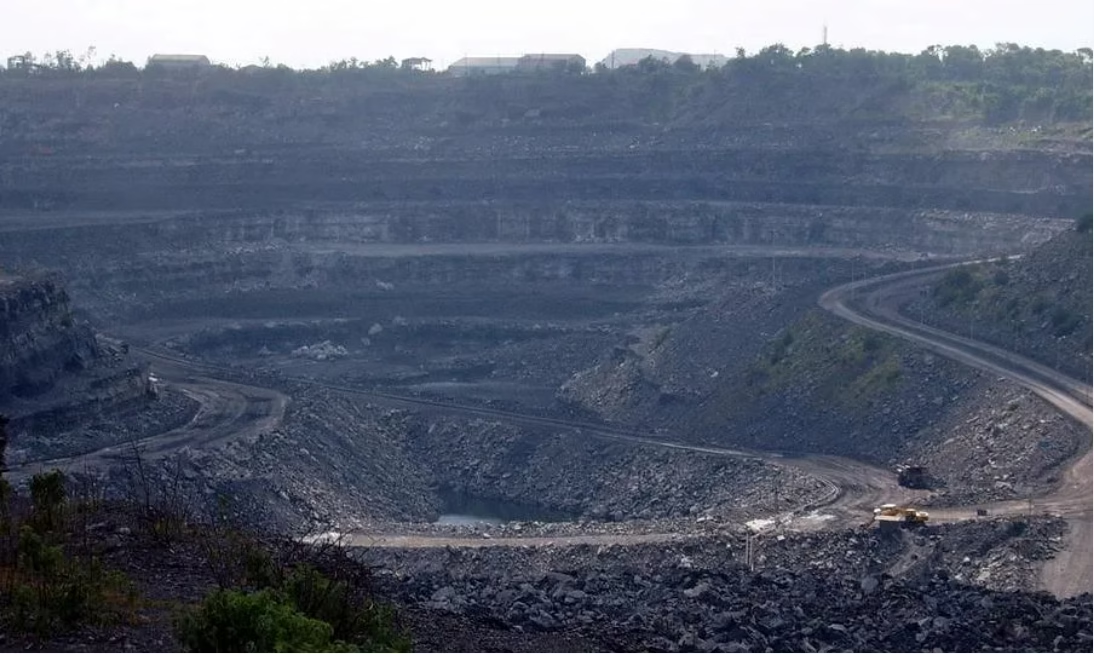
underground coal mine cable

If you are an electrical engineer reviewing a Bill of Materials for a Kalimantan mining project and the BOM line reads "AS/NZS 1972 Type 2S 6.6kV 3×185mm² Armoured Cable," the cable you actually need is an AS/NZS 1972 Mine Feeder Cable rated 6.35/11kV, with 3×185mm² copper conductors, XLPE or EPR insulation, copper tape screen, and galvanised steel wire armour (SWA). The "Type 2S" designation on your BOM is technically incorrect for this voltage class—a point we will clarify in detail below—but the intent behind the specification is clear: a heavy-duty, armoured, medium-voltage power cable for primary distribution in an underground or open-pit mine. 如果您是一名审查加里曼丹矿区物料清单(BOM)的电气工程师,BOM 上写着"AS/NZS 1972 Type 2S 6.6kV 3×185mm² 铠装电缆",您实际需要的是 AS/NZS 1972 矿用馈线电缆,额定 6.35/11kV,3×185mm² 铜导体,XLPE 或 EPR 绝缘,铜带屏蔽,镀锌钢丝铠装(SWA)。BOM 上的"Type 2S"标识在此电压等级下技术上不正确——我们将在下文详细说明——但规格的意图是明确的:用于矿井主干配电的重型铠装中压电力电缆。 The ampacity you should design around at 40°C ambient air temperature in Kalimantan is approximately 420 amperes for cable tray or free-air installation, and approximately 370 amperes for direct burial in tropical soil at 30°C ground temperature. These figures are derated from the standard 30°C base-case ampacity of approximately 460 A (air) and the 20°C base-case of approximately 400 A (ground), using the thermal derating methodology prescribed in AS/NZS 3008.1.1 and IEC 60502-2. The full derivation, including the governing equations and correction factors for Kalimantan's specific environmental conditions, follows in Sections 6 and 7.

AS/NZS 1972 Mine Feeder Cable 6.35/11kV 3×185mm² SWA: Ampacity Derating at 40°C for Kalimantan Coal and Nickel Mines

If you are an electrical engineer reviewing a Bill of Materials for a Kalimantan mining project and the BOM line reads “AS/NZS 1972 Type 2S 6.6kV 3×185mm² Armoured Cable,” the cable you actually need is an AS/NZS 1972 Mine Feeder Cable rated 6.35/11kV, with 3×185mm² copper conductors, XLPE or EPR insulation, copper tape screen, and galvanised steel wire armour (SWA). The “Type 2S” designation on your BOM is technically incorrect for this voltage class—a point we will clarify in detail below—but the intent behind the specification is clear: a heavy-duty, armoured, medium-voltage power cable for primary distribution in an underground or open-pit mine. 如果您是一名审查加里曼丹矿区物料清单(BOM)的电气工程师,BOM 上写着”AS/NZS 1972 Type 2S 6.6kV 3×185mm² 铠装电缆”,您实际需要的是 AS/NZS 1972 矿用馈线电缆,额定 6.35/11kV,3×185mm² 铜导体,XLPE 或 EPR 绝缘,铜带屏蔽,镀锌钢丝铠装(SWA)。BOM 上的”Type 2S”标识在此电压等级下技术上不正确——我们将在下文详细说明——但规格的意图是明确的:用于矿井主干配电的重型铠装中压电力电缆。 The ampacity you should design around at 40°C ambient air temperature in Kalimantan is approximately 420 amperes for cable tray or free-air installation, and approximately 370 amperes for direct burial in tropical soil at 30°C ground temperature. These figures are derated from the standard 30°C base-case ampacity of approximately 460 A (air) and the 20°C base-case of approximately 400 A (ground), using the thermal derating methodology prescribed in AS/NZS 3008.1.1 and IEC 60502-2. The full derivation, including the governing equations and correction factors for Kalimantan’s specific environmental conditions, follows in Sections 6 and 7.
The surface of the Oyu Tolgoi site in southern Mongolia regularly experiences winter temperatures dropping to -35°C to -45°C. Underground development workings in ventilation shafts and transition zones between the deep underground operations (where temperatures warm to 15–20°C due to geothermal gradient) and surface facilities experience the worst of both worlds: temperatures fluctuating between -40°C and +10°C within hours as equipment movements create temporary temperature swings. 奥尤陶勒盖位于蒙古南部,地表冬季温度经常降至-35°C至-45°C。通风竖井和地下作业(深部地温升至15-20°C)与地面设施之间过渡区域的地下开发工作经历最坏的情况:数小时内温度在-40°C和+10°C之间波动,因为设备移动产生临时温度波动。 Cable Deployment Locations: Arctic Grade Type 241 11/11kV 3x50mm² cables are deployed in four primary locations: (1) Surface cable runs feeding portable substations in the open pit winter environment (-40°C sustained), (2) Ventilation shaft risers where cables experience extreme temperature gradients, (3) Underground main feeder connections to load-haul-dump (LHD) equipment in transition zones (fluctuating -20°C to +15°C), (4) Mobile substation interconnects requiring frequent reeling and repositioning in arctic conditions.

Oyu Tolgoi Extreme Conditions: Arctic Grade Type 241 11/11kV 3x50mm² Field Operations, Failure Prevention, and Emergency Protocols

The surface of the Oyu Tolgoi site in southern Mongolia regularly experiences winter temperatures dropping to -35°C to -45°C. Underground development workings in ventilation shafts and transition zones between the deep underground operations (where temperatures warm to 15–20°C due to geothermal gradient) and surface facilities experience the worst of both worlds: temperatures fluctuating between -40°C and +10°C within hours as equipment movements create temporary temperature swings. 奥尤陶勒盖位于蒙古南部,地表冬季温度经常降至-35°C至-45°C。通风竖井和地下作业(深部地温升至15-20°C)与地面设施之间过渡区域的地下开发工作经历最坏的情况:数小时内温度在-40°C和+10°C之间波动,因为设备移动产生临时温度波动。 Cable Deployment Locations: Arctic Grade Type 241 11/11kV 3x50mm² cables are deployed in four primary locations: (1) Surface cable runs feeding portable substations in the open pit winter environment (-40°C sustained), (2) Ventilation shaft risers where cables experience extreme temperature gradients, (3) Underground main feeder connections to load-haul-dump (LHD) equipment in transition zones (fluctuating -20°C to +15°C), (4) Mobile substation interconnects requiring frequent reeling and repositioning in arctic conditions.
If your Central Asian underground coal mining project operates within an engineering and procurement ecosystem dominated by Australian consulting firms, English-language design specifications, AS/NZS standards documentation, and requires compatibility with continuous mining equipment protected by pilot-core-dependent relays, then Type 241 (AS/NZS 1802) is your correct choice. Type 241 provides the electrical architecture, pilot conductor continuity, and protective logic integration that Australian mining engineers expect. If your project operates in Kazakhstan, Mongolia, Uzbekistan, or Kyrgyzstan with Russian or Russian-influenced technical standards, local certification bodies that recognize GOST compliance, local maintenance teams trained on GOST equipment, Russian-language technical documentation, and primary focus on cost-effective 6kV power delivery in extreme cold environments, then КГЭ-ХЛ (GOST 31945-2012) is likely the more practical choice. КГЭ-ХЛ integrates seamlessly into Russian-standard electrical systems and is purpose-engineered for the minus forty to minus sixty degree Celsius temperatures endemic to Central Asian winters. 如果您的中亚地下煤矿项目由澳洲咨询公司主导、英文设计规范、AS/NZS标准文件和对连续采煤机保护逻辑兼容性有特殊要求,那么 Type 241(AS/NZS 1802)是正确选择。如果您的项目在哈萨克斯坦、蒙古、乌兹别克斯坦或吉尔吉斯斯坦,采用俄标或俄标影响的技术体系,本地认证机构认可GOST合规,本地维护团队熟悉GOST设备,主要关注极寒下的成本有效6kV供电,那么КГЭ-ХЛ(ГОСТ 31945-2012)是更实用的选择。

AS/NZS Type 241 vs. GOST КГЭ-ХЛ: Choosing the Right Standard for Underground Coal Mines in Central Asia

If your Central Asian underground coal mining project operates within an engineering and procurement ecosystem dominated by Australian consulting firms, English-language design specifications, AS/NZS standards documentation, and requires compatibility with continuous mining equipment protected by pilot-core-dependent relays, then Type 241 (AS/NZS 1802) is your correct choice. Type 241 provides the electrical architecture, pilot conductor continuity, and protective logic integration that Australian mining engineers expect. If your project operates in Kazakhstan, Mongolia, Uzbekistan, or Kyrgyzstan with Russian or Russian-influenced technical standards, local certification bodies that recognize GOST compliance, local maintenance teams trained on GOST equipment, Russian-language technical documentation, and primary focus on cost-effective 6kV power delivery in extreme cold environments, then КГЭ-ХЛ (GOST 31945-2012) is likely the more practical choice. КГЭ-ХЛ integrates seamlessly into Russian-standard electrical systems and is purpose-engineered for the minus forty to minus sixty degree Celsius temperatures endemic to Central Asian winters. 如果您的中亚地下煤矿项目由澳洲咨询公司主导、英文设计规范、AS/NZS标准文件和对连续采煤机保护逻辑兼容性有特殊要求,那么 Type 241(AS/NZS 1802)是正确选择。如果您的项目在哈萨克斯坦、蒙古、乌兹别克斯坦或吉尔吉斯斯坦,采用俄标或俄标影响的技术体系,本地认证机构认可GOST合规,本地维护团队熟悉GOST设备,主要关注极寒下的成本有效6kV供电,那么КГЭ-ХЛ(ГОСТ 31945-2012)是更实用的选择。
To understand why extruded bedding is not merely a preference but an absolute requirement for flameproof (Ex d) cable systems, you must first grasp a counterintuitive physical reality: in an explosive atmosphere, a cable's internal structure is as critical to safety as its external armor. The voids, gaps, and air spaces that exist naturally between conductors during manufacturing are not benign features—they are potential pathways for flame propagation and explosive gas migration that can transform a localized fault into a catastrophic detonation. 要理解为什么挤包垫层不仅仅是一个偏好,而是防爆(Ex d)电缆系统的绝对要求,您必须首先掌握一个违反直觉的物理现实:在爆炸性气体环境中,电缆的内部结构与其外部铠装对安全的重要性一样关键。制造过程中自然存在于导体之间的间隙、缝隙和空气空间不是良性的特征——它们是火焰蔓延和爆炸性气体迁移的潜在通道,可能将局部故障转变为灾难性爆炸。 Picture an underground coal mine where methane-air mixture hovers at a concentration just below the Lower Explosive Limit (LEL) in certain drifts. The mine is equipped with continuous monitoring and ventilation to prevent accumulation, but a temporary variance in airflow creates a transient hazardous zone. Simultaneously, an electrical fault occurs inside a cable—perhaps insulation breakdown or a conductor-to-armor short circuit. The fault generates an arc and localized heat inside the cable, potentially igniting the explosive atmosphere within the machine it powers. The question is not whether the hazardous atmosphere will contact the arc; the question is how quickly it will propagate and whether it can escape confinement to detonate larger volumes of gas elsewhere in the mine.

Flameproof (Ex d) Systems: Why AS/NZS 1972 Type 3S Requires Extruded Bedding for Hazardous Glands

To understand why extruded bedding is not merely a preference but an absolute requirement for flameproof (Ex d) cable systems, you must first grasp a counterintuitive physical reality: in an explosive atmosphere, a cable’s internal structure is as critical to safety as its external armor. The voids, gaps, and air spaces that exist naturally between conductors during manufacturing are not benign features—they are potential pathways for flame propagation and explosive gas migration that can transform a localized fault into a catastrophic detonation. 要理解为什么挤包垫层不仅仅是一个偏好,而是防爆(Ex d)电缆系统的绝对要求,您必须首先掌握一个违反直觉的物理现实:在爆炸性气体环境中,电缆的内部结构与其外部铠装对安全的重要性一样关键。制造过程中自然存在于导体之间的间隙、缝隙和空气空间不是良性的特征——它们是火焰蔓延和爆炸性气体迁移的潜在通道,可能将局部故障转变为灾难性爆炸。 Picture an underground coal mine where methane-air mixture hovers at a concentration just below the Lower Explosive Limit (LEL) in certain drifts. The mine is equipped with continuous monitoring and ventilation to prevent accumulation, but a temporary variance in airflow creates a transient hazardous zone. Simultaneously, an electrical fault occurs inside a cable—perhaps insulation breakdown or a conductor-to-armor short circuit. The fault generates an arc and localized heat inside the cable, potentially igniting the explosive atmosphere within the machine it powers. The question is not whether the hazardous atmosphere will contact the arc; the question is how quickly it will propagate and whether it can escape confinement to detonate larger volumes of gas elsewhere in the mine.
Standards Clarification: AS/NZS 1972 defines Type 9 explicitly as a gas non-transmission cable, specifically engineered for flameproof (Ex d) electrical equipment enclosures. Type 9 cables are typically small-diameter, multi-core control or monitoring cables (0.5 mm², 1.5 mm², etc.)—never large power conductors like 3×95 mm². 标准澄清:AS/NZS 1972明确定义Type 9为防气体传输电缆,特别是为了防爆(Ex d)电气设备外壳而设计。Type 9电缆通常是小径、多芯的控制或监测电缆(0.5 mm²、1.5 mm²等)——绝对不是大功率导体如3×95 mm²。 Why the Confusion? The numbering system in AS/NZS 1972 progresses from Type 1 (fixed installation) through Type 8 (vertical shaft DWA cables). Type 9's designation comes last but reflects a specialized application (flameproof enclosures) rather than advancement in power capacity. Engineers sometimes assume higher type numbers equal higher voltage/current capacity—this assumption is incorrect for Type 9.

Tensile Load Limits: Calculating Maximum Suspension Depth for AS/NZS 1972 Mining Cables

Standards Clarification: AS/NZS 1972 defines Type 9 explicitly as a gas non-transmission cable, specifically engineered for flameproof (Ex d) electrical equipment enclosures. Type 9 cables are typically small-diameter, multi-core control or monitoring cables (0.5 mm², 1.5 mm², etc.)—never large power conductors like 3×95 mm². 标准澄清:AS/NZS 1972明确定义Type 9为防气体传输电缆,特别是为了防爆(Ex d)电气设备外壳而设计。Type 9电缆通常是小径、多芯的控制或监测电缆(0.5 mm²、1.5 mm²等)——绝对不是大功率导体如3×95 mm²。 Why the Confusion? The numbering system in AS/NZS 1972 progresses from Type 1 (fixed installation) through Type 8 (vertical shaft DWA cables). Type 9’s designation comes last but reflects a specialized application (flameproof enclosures) rather than advancement in power capacity. Engineers sometimes assume higher type numbers equal higher voltage/current capacity—this assumption is incorrect for Type 9.Standards Clarification: AS/NZS 1972 defines Type 9 explicitly as a gas non-transmission cable, specifically engineered for flameproof (Ex d) electrical equipment enclosures. Type 9 cables are typically small-diameter, multi-core control or monitoring cables (0.5 mm², 1.5 mm², etc.)—never large power conductors like 3×95 mm². 标准澄清:AS/NZS 1972明确定义Type 9为防气体传输电缆,特别是为了防爆(Ex d)电气设备外壳而设计。Type 9电缆通常是小径、多芯的控制或监测电缆(0.5 mm²、1.5 mm²等)——绝对不是大功率导体如3×95 mm²。 Why the Confusion? The numbering system in AS/NZS 1972 progresses from Type 1 (fixed installation) through Type 8 (vertical shaft DWA cables). Type 9’s designation comes last but reflects a specialized application (flameproof enclosures) rather than advancement in power capacity. Engineers sometimes assume higher type numbers equal higher voltage/current capacity—this assumption is incorrect for Type 9.
Type 7S cables are specifically engineered for mining applications where equipment must operate in wet, chemically hostile, and mechanically demanding underground environments. The designation "7S" indicates a cable designed for high mechanical stress combined with submersion protection—the perfect specification for permanent dewatering pump installations in deep mine shafts. Type 7S电缆专门为必须在潮湿、化学腐蚀性和机械要求苛刻的地下环境中运行的采矿应用而设计。术语"7S"表示一种为高机械应力结合浸没保护而设计的电缆——是深矿井永久降水泵安装的完美规范。

Dewatering Pumps: Is Type 7S 1.1kV 3x50mm² Suitable for Permanent Submerged Connections?

Type 7S cables are specifically engineered for mining applications where equipment must operate in wet, chemically hostile, and mechanically demanding underground environments. The designation “7S” indicates a cable designed for high mechanical stress combined with submersion protection—the perfect specification for permanent dewatering pump installations in deep mine shafts. Type 7S电缆专门为必须在潮湿、化学腐蚀性和机械要求苛刻的地下环境中运行的采矿应用而设计。术语”7S”表示一种为高机械应力结合浸没保护而设计的电缆——是深矿井永久降水泵安装的完美规范。
A pilot core is a small-diameter, individually insulated conductor that runs the full length of a Type 3S mining cable alongside the power conductors and earth cores. Its purpose is to carry a low-voltage supervisory signal from the substation to the remote equipment and back, allowing a monitoring relay at the substation to continuously verify that the cable's earth return path (the path through which fault currents flow to ground) remains intact and unbroken. In a Type 3S 6.6kV 3x150mm² cable, the pilot core is typically 10–25 mm² in cross-sectional area (much smaller than the 150 mm² power conductors), has its own color-coded insulation to distinguish it from the two earth cores, and is the critical difference that transforms a cable from simple power delivery (Type 2S) into a safety-monitored system (Type 3S). For equipment like continuous miners, pump stations, or large longwall systems that operate far from direct visual supervision, the pilot core provides the electrical equivalent of a "safety tether"—if that tether breaks, the system knows immediately and can shut down before a dangerous fault condition develops.

Earth Fault Monitoring: Identifying Pilot Cores in Type 3S 6.6kV 3x150mm² Feeder Cables

AS/NZS 1972, AS/NZS 1972 Type 3S, Type 3S cable, Type 3S 6.6kV, 6.6kV mining cable, earth fault monitoring mining, earth continuity monitoring, pilot core identification, 3x150mm2 mining cable, 150mm2 6.6kV cable, AS/NZS 2081, AS/NZS mining standards, underground coal mine cable, SWA mining cable, individual screen cable, XLPE insulated mining cable, medium voltage mining cable, mine power feeder, electrical safety mining, earth return path, interstitial pilot core, 300 MCM mining cable, AWG equivalent mining cable, cable outer diameter, mining cable copper weight, 6.6kV ampacity, cable selection mining, mine substation feeder, electrical engineering mining, Prysmian mining cable, Olex Type 3S, earth fault relay, mining cable specifications, semi-fixed mining cable, flame retardant PVC sheath, heavy duty mine cable, AS/NZS 1972 vs Type 2S, cable cross section 150mm2, pilot circuit monitoring, high voltage cable splicing, mining cable termination, earth core sizing, short circuit rating mining, mining infrastructure electrical, AS/NZS 3008 ampacity, underground equipment power supply, machine cable underground, mining cable technical data, fault protection mining, pilot wire relay
For a Type 3S 11kV feeder cable with 82–88 mm outer diameter (typically a 3x95mm² to 3x240mm² conductor), the appropriate Ex d cable gland must be sized to accommodate the cable's full outer diameter while maintaining the flange-threaded sealing design required by ATEX EN 60079-1 for Zone 1 explosive atmospheres. A typical selection for a 3x95mm² Type 3S cable would be an M100 or M105 flange-threaded gland rated for ATEX II 2G Ex d IIB T4, with a compressive sealing ring (typically 2 mm thick polyurethane or equivalent elastomer) that creates a pressure-tight barrier against explosive gas ingress, and a separate earthing screw or braided conductor that bonds the cable's steel wire armor directly to the enclosure's earth continuity. This is not simply a matter of finding any cable gland that fits the cable diameter—it is a critical safety component that must be certified, specified, and installed with precision.

Ex d Gland Matching: Terminating Type 3S 11kV SWA Armor in Hazardous Zone 1

For a Type 3S 11kV feeder cable with 82–88 mm outer diameter (typically a 3x95mm² to 3x240mm² conductor), the appropriate Ex d cable gland must be sized to accommodate the cable’s full outer diameter while maintaining the flange-threaded sealing design required by ATEX EN 60079-1 for Zone 1 explosive atmospheres. A typical selection for a 3x95mm² Type 3S cable would be an M100 or M105 flange-threaded gland rated for ATEX II 2G Ex d IIB T4, with a compressive sealing ring (typically 2 mm thick polyurethane or equivalent elastomer) that creates a pressure-tight barrier against explosive gas ingress, and a separate earthing screw or braided conductor that bonds the cable’s steel wire armor directly to the enclosure’s earth continuity. This is not simply a matter of finding any cable gland that fits the cable diameter—it is a critical safety component that must be certified, specified, and installed with precision.
The nominal outer diameter (OD) of an AS/NZS 1802 Type 241 3.3/3.3kV 3x50mm² mining cable is 57.6 millimeters, with an acceptable manufacturing tolerance range of 55.5 millimeters (minimum) to 59.5 millimeters (maximum). This specification represents approximately 2.27 inches nominal diameter, translating to a tolerance band of ±1.5 millimeters around the nominal value. The cable includes three 50mm² power-carrying cores, three 10mm² (or optionally 16mm²) interstitial grounding conductors, and one 16mm² central extensible pilot conductor, all protected by an outer sheath of heavy-duty polychloroprene (HD-85-PCP) elastomer. At this nominal diameter, the complete cable assembly weighs approximately 5,250 kilograms per kilometer, with the copper mass contributing roughly 1,850 kilograms per kilometer of that total weight.

AS/NZS 1802 Type 241 3.3/3.3kV 3x50mm² Mining Cable Outer Diameter: Complete OD Specifications & Dimensional Design Guide

The nominal outer diameter (OD) of an AS/NZS 1802 Type 241 3.3/3.3kV 3x50mm² mining cable is 57.6 millimeters, with an acceptable manufacturing tolerance range of 55.5 millimeters (minimum) to 59.5 millimeters (maximum). This specification represents approximately 2.27 inches nominal diameter, translating to a tolerance band of ±1.5 millimeters around the nominal value. The cable includes three 50mm² power-carrying cores, three 10mm² (or optionally 16mm²) interstitial grounding conductors, and one 16mm² central extensible pilot conductor, all protected by an outer sheath of heavy-duty polychloroprene (HD-85-PCP) elastomer. At this nominal diameter, the complete cable assembly weighs approximately 5,250 kilograms per kilometer, with the copper mass contributing roughly 1,850 kilograms per kilometer of that total weight.
Cable visibility in mining operations represents a critical safety factor that directly impacts operational efficiency and worker protection. Underground and surface mining environments present unique challenges including low-light conditions, dust, and the presence of heavy mobile equipment. (电缆可视性是矿山作业中直接影响运营效率和工人安全的关键因素。) Two primary technologies have emerged to address cable visibility challenges: passive reflective coatings and active illumination systems. This technical comparison examines both approaches to assist mining engineers in selecting appropriate solutions for their operational requirements.

FeiChun Reflective vs. Luminous Mining CableTF Kable Reflective Technology vs. TENAX-LUMEN Active Illumination

Cable visibility in mining operations represents a critical safety factor that directly impacts operational efficiency and worker protection. Underground and surface mining environments present unique challenges including low-light conditions, dust, and the presence of heavy mobile equipment. (电缆可视性是矿山作业中直接影响运营效率和工人安全的关键因素。) Two primary technologies have emerged to address cable visibility challenges: passive reflective coatings and active illumination systems. This technical comparison examines both approaches to assist mining engineers in selecting appropriate solutions for their operational requirements.
Australia's mining industry operates under some of the world's most demanding conditions, requiring specialised electrical infrastructure that meets rigorous safety and performance standards. As the largest supplier of medium voltage cables in Australia, Nexans Olex has an extensive range of cables from 3.8/6.6kV to 19/33kV manufactured in Victoria to Australian Standard AS/NZS 1429.1. This technical guide examines both fixed installation XLPE cables and flexible Type 275 mining cables for applications in underground and surface mining operations. 澳大利亚采矿业在全球最严苛的条件下运营,需要符合严格安全和性能标准的专业电气基础设施。本技术指南对比分析固定安装XLPE电缆与柔性Type 275矿用电缆在地下及露天采矿中的应用。

Single Core Cables: Nexans Olex Instalex vs Alternative Type 275 Cables

Australia’s mining industry operates under some of the world’s most demanding conditions, requiring specialised electrical infrastructure that meets rigorous safety and performance standards. As the largest supplier of medium voltage cables in Australia, Nexans Olex has an extensive range of cables from 3.8/6.6kV to 19/33kV manufactured in Victoria to Australian Standard AS/NZS 1429.1. This technical guide examines both fixed installation XLPE cables and flexible Type 275 mining cables for applications in underground and surface mining operations. 澳大利亚采矿业在全球最严苛的条件下运营,需要符合严格安全和性能标准的专业电气基础设施。本技术指南对比分析固定安装XLPE电缆与柔性Type 275矿用电缆在地下及露天采矿中的应用。
Underground Load-Haul-Dump (LHD) loaders represent the backbone of modern underground mining operations, performing the critical function of excavating, transporting, and depositing ore within confined tunnel environments. These machines operate under extreme conditions including continuous mechanical stress from reeling and unreeling operations, exposure to abrasive rock surfaces, high humidity levels often exceeding 90% relative humidity, and temperatures ranging from -25°C to +90°C in various mining environments worldwide. 地下铲运机(LHD)装载机代表了现代地下采矿作业的核心,执行在狭窄隧道环境中挖掘、运输和卸载矿石的关键功能。这些机器在极端条件下运行,包括卷绕和展开作业产生的持续机械应力、暴露于磨蚀性岩石表面、通常超过90%相对湿度的高湿环境,以及全球各种采矿环境中从-25°C到+90°C的温度范围。

Sandvik LH517 & LH621 Loaders: Why Type 241 Cables Last Longer in Shuttle Operations

Underground Load-Haul-Dump (LHD) loaders represent the backbone of modern underground mining operations, performing the critical function of excavating, transporting, and depositing ore within confined tunnel environments. These machines operate under extreme conditions including continuous mechanical stress from reeling and unreeling operations, exposure to abrasive rock surfaces, high humidity levels often exceeding 90% relative humidity, and temperatures ranging from -25°C to +90°C in various mining environments worldwide. 地下铲运机(LHD)装载机代表了现代地下采矿作业的核心,执行在狭窄隧道环境中挖掘、运输和卸载矿石的关键功能。这些机器在极端条件下运行,包括卷绕和展开作业产生的持续机械应力、暴露于磨蚀性岩石表面、通常超过90%相对湿度的高湿环境,以及全球各种采矿环境中从-25°C到+90°C的温度范围。
Type W and Type G-GC cables represent two of the most critical portable power cable designs for mining and heavy industrial applications. Both cable types are engineered to withstand extreme mechanical stress, chemical exposure, and demanding electrical requirements while maintaining safety compliance with the Mine Safety and Health Administration (MSHA) regulations under 30 CFR Part 75 and Part 77. Type W和Type G-GC电缆是矿业和重工业应用中最关键的两种便携式电力电缆设计。这两种电缆均经过工程设计,能够承受极端的机械应力、化学暴露和苛刻的电气要求,同时保持符合美国矿山安全与健康管理局(MSHA)根据30 CFR第75和77部分制定的安全合规要求。

Type W vs. Type G-GC: The Definitive Guide to Ground Check Conductors for MSHA Compliance

Type W and Type G-GC cables represent two of the most critical portable power cable designs for mining and heavy industrial applications. Both cable types are engineered to withstand extreme mechanical stress, chemical exposure, and demanding electrical requirements while maintaining safety compliance with the Mine Safety and Health Administration (MSHA) regulations under 30 CFR Part 75 and Part 77. Type W和Type G-GC电缆是矿业和重工业应用中最关键的两种便携式电力电缆设计。这两种电缆均经过工程设计,能够承受极端的机械应力、化学暴露和苛刻的电气要求,同时保持符合美国矿山安全与健康管理局(MSHA)根据30 CFR第75和77部分制定的安全合规要求。
Understanding the thermal short-circuit current limits of cable earth screens represents a critical aspect of mining cable design and electrical system safety. When a fault occurs in a mining electrical system, massive currents can flow through the cable's protective earth screen, generating intense heat that must be contained without damaging the cable's insulation or compromising its structural integrity. For Type 209 mining cables, which serve as flexible feeders to machinery in demanding underground coal mining environments, accurately calculating these thermal limits ensures that the composite earth screen can safely carry fault currents until protective devices clear the fault. 了解电缆地线屏蔽的热短路电流限制是矿用电缆设计和电气系统安全的关键方面。当矿山电气系统发生故障时,巨大的电流可能通过电缆的保护性地线屏蔽流动,产生必须在不损坏电缆绝缘或损害其结构完整性的情况下控制的强热。对于作为苛刻地下煤矿环境中机械柔性馈线的Type 209矿用电缆,准确计算这些热限制确保复合地线屏蔽能够安全承载故障电流,直到保护装置清除故障。

Short Circuit Rating: How to Calculate the Thermal Short-Circuit Limit for the Earth Screen of a Type 209 Cable

Understanding the thermal short-circuit current limits of cable earth screens represents a critical aspect of mining cable design and electrical system safety. When a fault occurs in a mining electrical system, massive currents can flow through the cable’s protective earth screen, generating intense heat that must be contained without damaging the cable’s insulation or compromising its structural integrity. For Type 209 mining cables, which serve as flexible feeders to machinery in demanding underground coal mining environments, accurately calculating these thermal limits ensures that the composite earth screen can safely carry fault currents until protective devices clear the fault. 了解电缆地线屏蔽的热短路电流限制是矿用电缆设计和电气系统安全的关键方面。当矿山电气系统发生故障时,巨大的电流可能通过电缆的保护性地线屏蔽流动,产生必须在不损坏电缆绝缘或损害其结构完整性的情况下控制的强热。对于作为苛刻地下煤矿环境中机械柔性馈线的Type 209矿用电缆,准确计算这些热限制确保复合地线屏蔽能够安全承载故障电流,直到保护装置清除故障。
Understanding Mine Safety and Health Administration approval markings on Type W portable power cables is essential for compliance with United States underground mining regulations. The P-136-MSHA designation represents a specific manufacturer approval code combined with MSHA certification, indicating that a cable has successfully passed rigorous flame resistance testing and meets federal safety standards for underground mining applications. This comprehensive guide examines MSHA approval requirements, explains the significance of manufacturer-specific approval numbers, and clarifies when Type W cables require MSHA certification for legal underground deployment. 了解W型便携式电力电缆上的矿山安全与健康管理局(MSHA)认证标识对于符合美国地下采矿法规至关重要。P-136-MSHA标识代表特定制造商批准代码与MSHA认证的组合,表明电缆已成功通过严格的阻燃测试并符合地下采矿应用的联邦安全标准。本指南详细介绍了MSHA批准要求,解释了制造商特定批准编号的意义,并阐明了W型电缆何时需要MSHA认证才能合法地下部署。

MSHA Approval: Does Your Type W Cable Carry the P-136-MSHA Marking?

Understanding Mine Safety and Health Administration approval markings on Type W portable power cables is essential for compliance with United States underground mining regulations. The P-136-MSHA designation represents a specific manufacturer approval code combined with MSHA certification, indicating that a cable has successfully passed rigorous flame resistance testing and meets federal safety standards for underground mining applications. This comprehensive guide examines MSHA approval requirements, explains the significance of manufacturer-specific approval numbers, and clarifies when Type W cables require MSHA certification for legal underground deployment. 了解W型便携式电力电缆上的矿山安全与健康管理局(MSHA)认证标识对于符合美国地下采矿法规至关重要。P-136-MSHA标识代表特定制造商批准代码与MSHA认证的组合,表明电缆已成功通过严格的阻燃测试并符合地下采矿应用的联邦安全标准。本指南详细介绍了MSHA批准要求,解释了制造商特定批准编号的意义,并阐明了W型电缆何时需要MSHA认证才能合法地下部署。
NTSCGEWÖU mining cables manufactured according to DIN VDE 0250-813 specifications, compliance with both testing standards proves essential. These flexible medium voltage trailing cables operate in mining environments where they may be installed individually in some areas while grouped together with other power and control cables in vertical shafts, along drift walls, or within cable trays in other locations. Understanding the distinct test procedures, pass criteria, and fire behavior mechanisms addressed by each standard enables proper cable specification and installation practices that minimize fire risk throughout mining facilities.

Flame Test Comparison: What is the difference between VDE 0482-332-1-2 (Single Wire) and VDE 0482-266-2-4 (Bunched Cable) flame tests for (N)TSCGEWÖU?

NTSCGEWÖU mining cables manufactured according to DIN VDE 0250-813 specifications, compliance with both testing standards proves essential. These flexible medium voltage trailing cables operate in mining environments where they may be installed individually in some areas while grouped together with other power and control cables in vertical shafts, along drift walls, or within cable trays in other locations. Understanding the distinct test procedures, pass criteria, and fire behavior mechanisms addressed by each standard enables proper cable specification and installation practices that minimize fire risk throughout mining facilities.
In VDE mining cable standards, particularly DIN VDE 0250-813 and DIN VDE 0250-814, the outer sheath color serves as a critical visual identifier that indicates the cable's intended application environment and specific performance characteristics. The red sheath is the standard color for open-pit (surface) mining cables manufactured with PCP (Polychloroprene) compound type 5GM5, providing maximum UV resistance and high visibility in outdoor environments. Black sheaths are typically used for underground mining and general industrial applications where UV protection is less critical. Yellow sheaths indicate either high-visibility safety cables or specialized trailing cables for coal cutting machines, also commonly manufactured with premium TPU (Thermoplastic Polyurethane) compounds for extreme abrasion resistance.[1][2][3] 在VDE矿用电缆标准中,特别是DIN VDE 0250-813和DIN VDE 0250-814,外护套颜色是关键的视觉标识符,指示电缆的预期应用环境和特定性能特性。红色护套是使用PCP(氯丁橡胶)5GM5型化合物制造的露天(地面)矿用电缆的标准颜色,提供最大的抗紫外线能力和户外环境的高可见性。黑色护套通常用于井下矿业和对紫外线防护要求较低的一般工业应用。黄色护套表示高可见性安全电缆或用于采煤机的专用拖曳电缆,通常也采用优质TPU(热塑性聚氨酯)化合物制造以获得极高的耐磨性。

What Does the “Red” Sheath Typically Indicate for VDE Mining Cables Versus a “Black” or “Yellow” Sheath?

In VDE mining cable standards, particularly DIN VDE 0250-813 and DIN VDE 0250-814, the outer sheath color serves as a critical visual identifier that indicates the cable’s intended application environment and specific performance characteristics. The red sheath is the standard color for open-pit (surface) mining cables manufactured with PCP (Polychloroprene) compound type 5GM5, providing maximum UV resistance and high visibility in outdoor environments. Black sheaths are typically used for underground mining and general industrial applications where UV protection is less critical. Yellow sheaths indicate either high-visibility safety cables or specialized trailing cables for coal cutting machines, also commonly manufactured with premium TPU (Thermoplastic Polyurethane) compounds for extreme abrasion resistance.[1][2][3] 在VDE矿用电缆标准中,特别是DIN VDE 0250-813和DIN VDE 0250-814,外护套颜色是关键的视觉标识符,指示电缆的预期应用环境和特定性能特性。红色护套是使用PCP(氯丁橡胶)5GM5型化合物制造的露天(地面)矿用电缆的标准颜色,提供最大的抗紫外线能力和户外环境的高可见性。黑色护套通常用于井下矿业和对紫外线防护要求较低的一般工业应用。黄色护套表示高可见性安全电缆或用于采煤机的专用拖曳电缆,通常也采用优质TPU(热塑性聚氨酯)化合物制造以获得极高的耐磨性。
PROTOMONT(VO) (N)TSKCGEWOEU 1.8/3KV is a medium-voltage coal cutter cable designed for power supply connection to mobile equipment and machines in underground mining applications. The (VO) Coal cutter cables are specifically engineered for use in cable protection chains (cable handler), which are trailed behind the machine and absorb the occurring tensile forces. Featuring finely stranded tinned copper conductors (Class FS), EPR rubber insulation (PROTOLON 3GI3), semi-conductive NBR easy-strip layer, and chlorinated polyethylene (CM/CPE) outer sheath (PROTOFIRM >5GM5), with double-concentric control/PE conductor elements in the outer interstices. Certified by GOST-R/-K/-B (Russia) and MA China.

كابل PROTOMONT(VO) (N)TSKCGEWOEU 1,8/3KVكابلات قاطعات الفحم للتشغيل بسلاسل الحماية – التعدين تحت الأرض

Used as power supply connection cable for mobile equipment and machines in underground mining applications, such as coal cutting machines, etc. (VO) Coal cutter cables are designed for use in cable protection chains (cable handler), which are trailed behind the machine and which absorb the thereby occurring tensile forces. Suitable for shearer loaders, continuous miners, loading machines, shuttle cars, and other underground coal mining mobile equipment.
PROTOMONT (V) NTSKCGECWOEU series represents advanced rubber-sheathed flexible cables specifically engineered for power supply connections in mobile mining equipment. These cables are primarily deployed in underground mining applications where coal cutting machines operate in conjunction with cable protection chains (cable handlers) that trail behind the machinery. The cable handler system is designed to absorb the substantial tensile forces generated during machine movement, ensuring operational continuity and cable longevity.

PROTOMONT (V) NTSKCGECWOEU 1.8/3KV Coal Cutter Cables for Chain Operation

PROTOMONT (V) NTSKCGECWOEU series represents advanced rubber-sheathed flexible cables specifically engineered for power supply connections in mobile mining equipment. These cables are primarily deployed in underground mining applications where coal cutting machines operate in conjunction with cable protection chains (cable handlers) that trail behind the machinery. The cable handler system is designed to absorb the substantial tensile forces generated during machine movement, ensuring operational continuity and cable longevity.
MEDIUM VOLTAGE TRAILING CABLES

Medium Voltage Cable Solutions: Complete Guide to PROTOLON, TENAX & PROTOMONT Series

MEDIUM VOLTAGE REELING CABLES, PROTOLON(M)-R, PROTOLON(M)-R FO, MEDIUM VOLTAGE TRAILING CABLES, TENAX-SAS, PROTOLON(SB), PROTOLON(SB-SAM), TENAX-LUMEN, MEDIUM VOLTAGE DREDGING CABLES, PROTOLON(ST)…/3E, PROTOLON(ST), PROTOLON(M)-F, CABLES FOR SEMI-FLEXIBLE INSTALLATION, PROTOLON(M)-F, PROTOMONT NSSHOEU, PROTOMONT NSHXOEU, PROTOMONT(MT), PROTOMONT EMV-FC, MEDIUM VOLTAGE SINGLE CORE CABLES, FELTOFLEX, NTMCWOEU, PROTOLON NTMCGCWOEU, PROTOLON(M) (N)TM.., CONTROL AND SIGNALING CABLES, OPTOFLEX(M), PROTOMONT(MSR), SHEARER CABLES FOR CHAIN APPLICATION, PROTOMONT(V) NSS…, PROTOMONT(V) NTS…, PROTOMONT(VO), TENAX-CTE, SHEARER CABLES FOR FREE TRAILING, PROTOMONT(Z), UNDERGROUND REELING CABLES, TENAX-LK, PROTOMONT(S), CORDAFLEX(S), PROTOMONT(M+), CABLES FOR SEMI-FIXED INSTALLATION, PROTOMONT Festoon, SUPROMONT (N)3GHSSYCY, SUPROMONT (N)3GHSSHCH, PROTOMONT(MT), PROTOMONT NSSH../3E, PROTOMONT EMV-FCTBM, REELING, PROTOMONT TBM (N)TSCGECWOEU, PROTOMONT TBM (N)TSCGECWHXOEU, TENAX-HTT, CABLES FOR SEMI-FIXED INSTALLATION, PROTOMONT Festoon, SUPROMONT (N)3GHSSYCY, SUPROMONT (N)3GHSSHCH, PROTOMONT(MT), PROTOMONT NSSH../3E, PROTOMONT EMV-FC
ANSI/NEMA WC 58 / ICEA S-75-381: Portable and Power Feeder Cables for Mining Applications

ANSI/NEMA WC 58 / ICEA S-75-381: Portable and Power Feeder Cables for Mining Applications

ANSI/NEMA WC 58 / ICEA S-75-381 standard represents one of the most comprehensive specifications for portable and power feeder cables used in mining environments. According to industry analysis, this standard represents one of the most rigorous cable specifications ever developed, specifically addressing the unique challenges encountered in both surface and underground mining operations where equipment reliability directly impacts production efficiency and worker safety.
TYPE 275 mining cable

TYPE 275 1.1kV AS/NZS 1802:2003, AS/NZS 2802:2000 Australian Mining Cable

TYPE 275 mining cable represents a specialized category of flexible reeling cables engineered specifically for the demanding requirements of underground coal mining operations and surface mining applications. Manufactured in strict accordance with AS/NZS 1802:2003 and AS/NZS 2802:2000 standards, this cable is designed to deliver reliable power transmission to shuttle cars, mobile pumping equipment, and other heavy-duty mining machinery subjected to continuous mechanical stress and harsh environmental conditions.