crane cable

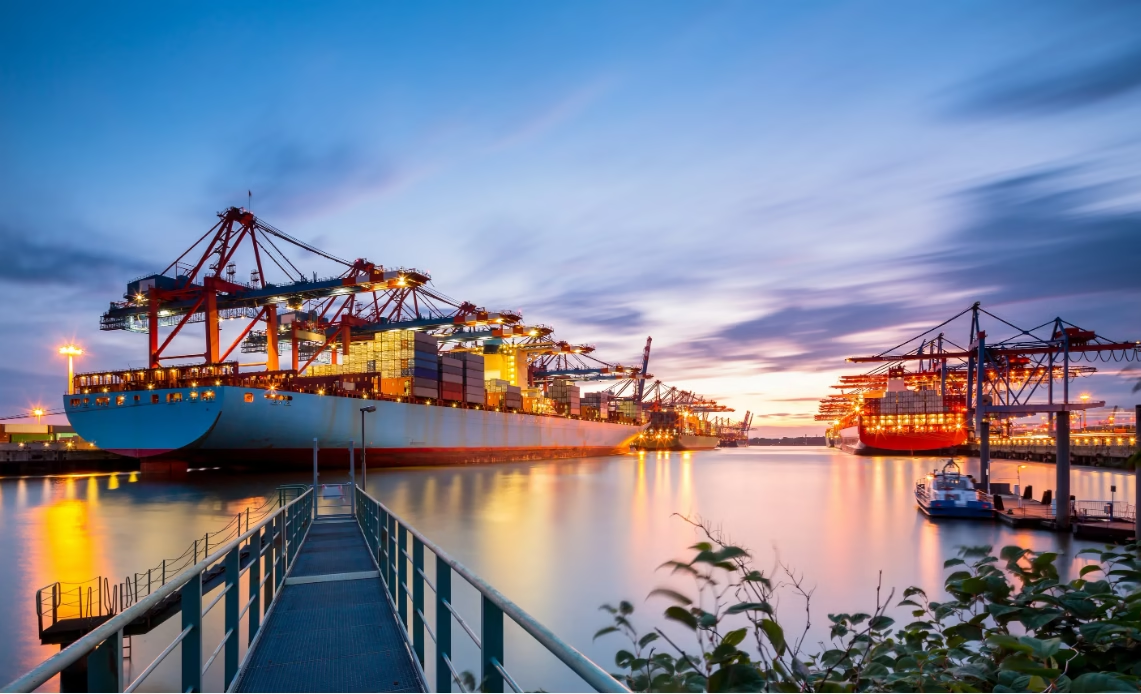
In port machinery, material handling equipment, stacker-reclaimers, festoon systems, and industrial cranes operating at speeds up to 240 meters per minute, trailing cables experience a distinctive and punishing stress pattern called reverse S-bending. The cable is not simply bent in one direction — it repeatedly curves left, then right, then left again, following the path of the equipment as it traverses an S-shaped trajectory or as cable spools alternately bend the cable in opposite directions during reeling and unreeling cycles. This reverse bending motion is fundamentally different from the static or single-direction bending challenges faced by underground mining cables or fixed installations. The cable experiences rapid alternation between tensile and compressive stress on its individual conductors, combined with torsional (twisting) forces that attempt to unwind the cable's spiral structure. For a standard cable, this combination of stresses creates a perfect recipe for premature fatigue failure, conductor breakage, and insulation degradation.

S-Bend Fatigue: Why (N)TSKCGEWÖU Lasts Longer in High-Speed Applications

In port machinery, material handling equipment, stacker-reclaimers, festoon systems, and industrial cranes operating at speeds up to 240 meters per minute, trailing cables experience a distinctive and punishing stress pattern called reverse S-bending. The cable is not simply bent in one direction — it repeatedly curves left, then right, then left again, following the path of the equipment as it traverses an S-shaped trajectory or as cable spools alternately bend the cable in opposite directions during reeling and unreeling cycles. This reverse bending motion is fundamentally different from the static or single-direction bending challenges faced by underground mining cables or fixed installations. The cable experiences rapid alternation between tensile and compressive stress on its individual conductors, combined with torsional (twisting) forces that attempt to unwind the cable’s spiral structure. For a standard cable, this combination of stresses creates a perfect recipe for premature fatigue failure, conductor breakage, and insulation degradation.
When a reeling cable passes over a sheave, pulley, or diverter roller during normal operation, it undergoes mechanical bending that imposes significant stress on its internal conductors and insulation layers. Unlike a cable running in a straight line, where tension is distributed relatively evenly, a cable wrapped around a curved surface experiences localized compression and tension that can cause permanent deformation, insulation cracking, and conductor fatigue within surprisingly short timeframes if the geometry is not carefully controlled.

Change of Direction: Managing Bending Stress in Reeling Cables

When a reeling cable passes over a sheave, pulley, or diverter roller during normal operation, it undergoes mechanical bending that imposes significant stress on its internal conductors and insulation layers. Unlike a cable running in a straight line, where tension is distributed relatively evenly, a cable wrapped around a curved surface experiences localized compression and tension that can cause permanent deformation, insulation cracking, and conductor fatigue within surprisingly short timeframes if the geometry is not carefully controlled.
Derating is one of the most important — and most frequently misunderstood — concepts in electrical cable engineering. Many engineers view derating as an administrative requirement imposed by standards, something to be looked up in a table and applied mechanically. In reality, derating exists because of a fundamental physical law: the rate at which a cable can dissipate heat is directly proportional to the surface area exposed to the surrounding air or cooling medium, and inversely proportional to the thermal resistance of the insulating materials surrounding the conductors.

Derating Factors: Calculating Ampacity for Multi-Layer Type 441 Cables

Derating is one of the most important — and most frequently misunderstood — concepts in electrical cable engineering. Many engineers view derating as an administrative requirement imposed by standards, something to be looked up in a table and applied mechanically. In reality, derating exists because of a fundamental physical law: the rate at which a cable can dissipate heat is directly proportional to the surface area exposed to the surrounding air or cooling medium, and inversely proportional to the thermal resistance of the insulating materials surrounding the conductors.
The corkscrew effect, also known as birdcaging or helical twist deformation, represents one of the most catastrophic failure modes in medium-voltage reeling cables. It occurs when a cable develops a permanent spiral distortion that resembles the twisted form of a corkscrew or the expanded form of a wire cage — hence the colorful industrial terminology. Unlike simple insulation cracking or conductor breakage, which may occur at a localized point, corkscrew deformation is a systemic problem that compromises the cable's structural integrity across its entire length or in extended sections. To understand what causes this failure, we must first recognize that a cable is not a monolithic object but rather a carefully engineered composite structure with multiple layers of conductors, insulation, and sheathing, all held in precise geometric alignment through precise manufacturing. When the cable is wound onto a reel and subjected to mechanical stress, that geometric alignment can be disrupted. The conductor strands, which are wound in a helical pattern, can slip out of position. The insulation layer, which must flex repeatedly without tearing, can separate from the conductors it insulates. The outer sheath, which protects everything inside, can develop stress cracks that accelerate moisture ingress and corrosion. The corkscrew effect amplifies all of these problems simultaneously.

Corkscrew Effect: Top 3 Installation Mistakes Causing (N)TSCGEWÖU Cable Failure

The corkscrew effect, also known as birdcaging or helical twist deformation, represents one of the most catastrophic failure modes in medium-voltage reeling cables. It occurs when a cable develops a permanent spiral distortion that resembles the twisted form of a corkscrew or the expanded form of a wire cage — hence the colorful industrial terminology. Unlike simple insulation cracking or conductor breakage, which may occur at a localized point, corkscrew deformation is a systemic problem that compromises the cable’s structural integrity across its entire length or in extended sections. To understand what causes this failure, we must first recognize that a cable is not a monolithic object but rather a carefully engineered composite structure with multiple layers of conductors, insulation, and sheathing, all held in precise geometric alignment through precise manufacturing. When the cable is wound onto a reel and subjected to mechanical stress, that geometric alignment can be disrupted. The conductor strands, which are wound in a helical pattern, can slip out of position. The insulation layer, which must flex repeatedly without tearing, can separate from the conductors it insulates. The outer sheath, which protects everything inside, can develop stress cracks that accelerate moisture ingress and corrosion. The corkscrew effect amplifies all of these problems simultaneously.
Spring-driven reels represent a mechanical cable management system where a large coiled spring provides the retracting force that automatically winds electrical cable back onto a drum after equipment has been operated or material handlers have moved. Unlike powered motor-driven reels (which can maintain consistent tension), spring reels operate under variable mechanical stress — the tension changes as the spring unwinds during deployment and rewinds during retraction. This mechanical reality creates a unique set of demands on the power cable itself, demands that generic multipurpose cables may not fully satisfy. The question of whether to use standard H07RN-F cable (a versatile, general-purpose heavy-duty rubber cable rated for 450/750 V applications) or to invest in NSHTÖU (a specialized reel drum cable engineered specifically for winding and unwinding cycles) is one that electrical engineers and procurement teams encounter regularly. The answer depends on understanding not just the electrical characteristics of each cable type, but also their mechanical behavior during coiling, their resistance to torsional stress, and their long-term fatigue durability under the specific application's duty cycle.

Spring-Driven Reels: Sizing Generic H07RN-F vs. NSHTÖU for Low-Tension Applications

Spring-driven reels represent a mechanical cable management system where a large coiled spring provides the retracting force that automatically winds electrical cable back onto a drum after equipment has been operated or material handlers have moved. Unlike powered motor-driven reels (which can maintain consistent tension), spring reels operate under variable mechanical stress — the tension changes as the spring unwinds during deployment and rewinds during retraction. This mechanical reality creates a unique set of demands on the power cable itself, demands that generic multipurpose cables may not fully satisfy. The question of whether to use standard H07RN-F cable (a versatile, general-purpose heavy-duty rubber cable rated for 450/750 V applications) or to invest in NSHTÖU (a specialized reel drum cable engineered specifically for winding and unwinding cycles) is one that electrical engineers and procurement teams encounter regularly. The answer depends on understanding not just the electrical characteristics of each cable type, but also their mechanical behavior during coiling, their resistance to torsional stress, and their long-term fatigue durability under the specific application’s duty cycle.
Modern industrial lifting and material handling equipment operates under increasingly stringent design constraints. Gantry cranes in container yards must span wider distances with reduced structural weight. Ship-to-shore (STS) cranes must achieve higher transfer speeds without exceeding motor power budgets. Mining draglines must extend to greater heights while maintaining cable reeling capacity within physically constrained drum widths. In each of these scenarios, the reeling cable becomes a critical design bottleneck. The cable must simultaneously deliver high electrical current (high ampacity), fit within limited spatial envelopes (constrained outer diameter), maintain mechanical strength for decades of cyclic loading, and remain cost-competitive against alternative designs. These competing requirements have historically forced engineers into uncomfortable compromises: oversizing conductors to achieve required ampacity while accepting larger outer diameters and additional weight, or accepting reduced ampacity and undersizing equipment performance. XLPE (cross-linked polyethylene) insulated cable technology breaks this compromise by fundamentally altering the physics of electrical insulation, enabling smaller outer diameters and higher ampacity at equivalent mechanical performance levels. Understanding when this technology delivers genuine advantage versus when traditional elastomeric designs remain optimal requires careful analysis of the underlying physics and realistic comparison of total system performance.

(N)GRXGöu vs. NSHTÖU: When to Use XLPE-Insulated Reeling Cables Over Standard EPR Insulation for Higher Ampacity

Modern industrial lifting and material handling equipment operates under increasingly stringent design constraints. Gantry cranes in container yards must span wider distances with reduced structural weight. Ship-to-shore (STS) cranes must achieve higher transfer speeds without exceeding motor power budgets. Mining draglines must extend to greater heights while maintaining cable reeling capacity within physically constrained drum widths. In each of these scenarios, the reeling cable becomes a critical design bottleneck. The cable must simultaneously deliver high electrical current (high ampacity), fit within limited spatial envelopes (constrained outer diameter), maintain mechanical strength for decades of cyclic loading, and remain cost-competitive against alternative designs. These competing requirements have historically forced engineers into uncomfortable compromises: oversizing conductors to achieve required ampacity while accepting larger outer diameters and additional weight, or accepting reduced ampacity and undersizing equipment performance. XLPE (cross-linked polyethylene) insulated cable technology breaks this compromise by fundamentally altering the physics of electrical insulation, enabling smaller outer diameters and higher ampacity at equivalent mechanical performance levels. Understanding when this technology delivers genuine advantage versus when traditional elastomeric designs remain optimal requires careful analysis of the underlying physics and realistic comparison of total system performance.
Slag transfer cars represent one of the most thermally demanding applications in modern industrial operations. In an integrated steel mill, molten slag—a byproduct of iron ore reduction and steel refining processes—emerges from the blast furnace or electric arc furnace at temperatures approaching 1,400 to 1,600°C. This extremely hot slag must be transported from the furnace area to cooling and processing areas, sometimes over distances of 50 to 200 meters. The slag pots or ladles are suspended from overhead cranes and transferred between station points via specialized transfer cars, which are essentially motorized flatbed vehicles that roll on rails beneath the suspended load. The reeling cable that powers the electromagnetic magnet holding the slag pot, or that supplies power to the transfer car's motor and control systems, is exposed to radiant heat from the slag pot itself, heated air rising from the slag, and ambient air that may be heated to 80 to 100°C by the nearby furnace operations. The cable must operate continuously—sometimes 18 to 24 hours per day—in this thermal environment without failure, while simultaneously handling the mechanical stresses of starting and stopping a 100+ ton load, acceleration forces, and repeated coiling and uncoiling on the transfer car's reel system. 渣罐转运设备代表现代工业运营中最具热挑战性的应用之一。在综合钢厂中,熔融渣(铁矿石还原和钢精炼工艺的副产品)从高炉或电弧炉产生的温度接近1,400至1,600°C。

Slag Transfer Cars: Heat-Resistant Reeling Cables (Up to 120°C) for Steel Mill Transfer Operations

Slag transfer cars represent one of the most thermally demanding applications in modern industrial operations. In an integrated steel mill, molten slag—a byproduct of iron ore reduction and steel refining processes—emerges from the blast furnace or electric arc furnace at temperatures approaching 1,400 to 1,600°C. This extremely hot slag must be transported from the furnace area to cooling and processing areas, sometimes over distances of 50 to 200 meters. The slag pots or ladles are suspended from overhead cranes and transferred between station points via specialized transfer cars, which are essentially motorized flatbed vehicles that roll on rails beneath the suspended load. The reeling cable that powers the electromagnetic magnet holding the slag pot, or that supplies power to the transfer car’s motor and control systems, is exposed to radiant heat from the slag pot itself, heated air rising from the slag, and ambient air that may be heated to 80 to 100°C by the nearby furnace operations. The cable must operate continuously—sometimes 18 to 24 hours per day—in this thermal environment without failure, while simultaneously handling the mechanical stresses of starting and stopping a 100+ ton load, acceleration forces, and repeated coiling and uncoiling on the transfer car’s reel system. 渣罐转运设备代表现代工业运营中最具热挑战性的应用之一。在综合钢厂中,熔融渣(铁矿石还原和钢精炼工艺的副产品)从高炉或电弧炉产生的温度接近1,400至1,600°C。
The critical difference between NSHTÖU-J and NSHTÖU-O is whether this safety pathway is provided within the cable itself. Understanding this distinction is not merely an academic exercise in cable naming conventions — it is a matter of worker safety that requires proper engineering knowledge to implement correctly.

NSHTÖU-O vs. NSHTÖU-J: The Green/Yellow Earth Conductor in Mining Hoists

The critical difference between NSHTÖU-J and NSHTÖU-O is whether this safety pathway is provided within the cable itself. Understanding this distinction is not merely an academic exercise in cable naming conventions — it is a matter of worker safety that requires proper engineering knowledge to implement correctly.
Australia's iron ore ports operate under some of the world's most challenging environmental conditions for electrical equipment. Along the western coast where iron ore handling facilities concentrate — particularly in the Pilbara region and ports such as Port Hedland and Port Dampier — outdoor equipment is exposed to intense ultraviolet (UV) radiation, salt spray, high humidity, and atmospheric ozone generated by photochemical reactions in the air. Unlike mechanical damage, which operators can see and immediately respond to, UV and ozone degradation of cable outer sheaths occurs invisibly and progressively, weakening the insulation and mechanical integrity of trailing and reeling cables over months or years until catastrophic failure occurs. A 22 kV reeling cable serving a quayside crane, electric rope shovel, or dragline in an Australian iron ore port may spend 80 to 100 percent of its operational life outdoors, unshaded, with only brief periods of protection during maintenance shutdowns or storage. Prysmian Group and other leading cable manufacturers have documented that in tropical and subtropical coastal environments, conventional black polychloroprene (PCP) or chlorinated polyethylene (CPE) sheaths can lose 30 to 50 percent of their original tensile strength within 12 to 24 months of continuous outdoor exposure, while tearing energy and elongation-at-break characteristics degrade even more rapidly. This degradation directly translates to increased risk of cable cracking, puncture, and sheath failure during flexing, dragging, or impact — precisely the stresses experienced by reeling cables on active port machinery. 在澳洲铁矿港口,传统PCP或CPE护套的抗拉强度可在12至24个月内下降30至50%。

Protolon® (SM) vs. Type 450: Which 22kV Reeling Cable Offers Superior UV and Ozone Resistance for Australian Iron Ore Ports?

Australia’s iron ore ports operate under some of the world’s most challenging environmental conditions for electrical equipment. Along the western coast where iron ore handling facilities concentrate — particularly in the Pilbara region and ports such as Port Hedland and Port Dampier — outdoor equipment is exposed to intense ultraviolet (UV) radiation, salt spray, high humidity, and atmospheric ozone generated by photochemical reactions in the air. Unlike mechanical damage, which operators can see and immediately respond to, UV and ozone degradation of cable outer sheaths occurs invisibly and progressively, weakening the insulation and mechanical integrity of trailing and reeling cables over months or years until catastrophic failure occurs. A 22 kV reeling cable serving a quayside crane, electric rope shovel, or dragline in an Australian iron ore port may spend 80 to 100 percent of its operational life outdoors, unshaded, with only brief periods of protection during maintenance shutdowns or storage. Prysmian Group and other leading cable manufacturers have documented that in tropical and subtropical coastal environments, conventional black polychloroprene (PCP) or chlorinated polyethylene (CPE) sheaths can lose 30 to 50 percent of their original tensile strength within 12 to 24 months of continuous outdoor exposure, while tearing energy and elongation-at-break characteristics degrade even more rapidly. This degradation directly translates to increased risk of cable cracking, puncture, and sheath failure during flexing, dragging, or impact — precisely the stresses experienced by reeling cables on active port machinery. 在澳洲铁矿港口,传统PCP或CPE护套的抗拉强度可在12至24个月内下降30至50%。
For the past several decades, industrial equipment operators have maintained strict separation between two completely different cable systems: power cables to deliver electrical energy, and data/communication cables to transmit control signals, telemetry, and monitoring information. A large mining excavator, for example, might require a 50 mm² power trailing cable and a separate, smaller-diameter communication cable running in parallel through the same cable tray. This separation imposed logistical inefficiencies, redundancy in installation labor, and increased complexity when coordinating maintenance or upgrades. Modern industrial automation, predictive maintenance systems, and real-time equipment monitoring have created a compelling case for convergence: combining power and high-speed data transmission within a single cable. This is precisely what (N)TSCGEWÖU-FO cables accomplish. The designation "-FO" (Fiber Optic) indicates that this cable carries not only the three-phase medium-voltage power (typically 6/10 kV or 12/20 kV) that the equipment needs to operate, but also 6, 12, or even 18 channels of high-speed optical fiber that can transmit control signals, sensor data, and video feeds from the excavator, stacker-reclaimer, or other equipment back to a central control station at the shore or mining office. 现代工业自动化推动了电力与数据传输的融合,(N)TSCGEWÖU-FO电缆在单一电缆中结合了中压电力和高速光纤通信。

(N)TSCGEWÖU-FO: Preventing Fiber Optic Breakage in High-Stress Reeling Environments

For the past several decades, industrial equipment operators have maintained strict separation between two completely different cable systems: power cables to deliver electrical energy, and data/communication cables to transmit control signals, telemetry, and monitoring information. A large mining excavator, for example, might require a 50 mm² power trailing cable and a separate, smaller-diameter communication cable running in parallel through the same cable tray. This separation imposed logistical inefficiencies, redundancy in installation labor, and increased complexity when coordinating maintenance or upgrades. Modern industrial automation, predictive maintenance systems, and real-time equipment monitoring have created a compelling case for convergence: combining power and high-speed data transmission within a single cable. This is precisely what (N)TSCGEWÖU-FO cables accomplish. The designation “-FO” (Fiber Optic) indicates that this cable carries not only the three-phase medium-voltage power (typically 6/10 kV or 12/20 kV) that the equipment needs to operate, but also 6, 12, or even 18 channels of high-speed optical fiber that can transmit control signals, sensor data, and video feeds from the excavator, stacker-reclaimer, or other equipment back to a central control station at the shore or mining office. 现代工业自动化推动了电力与数据传输的融合,(N)TSCGEWÖU-FO电缆在单一电缆中结合了中压电力和高速光纤通信。
Rail-mounted gantry (RMG) cranes are the largest and most powerful material handling systems in modern container ports and intermodal yards. Unlike traditional spreader cranes that hang from a fixed trolley, RMG cranes are completely self-contained electromechanical systems mounted on wheels that roll along parallel steel rails, spanning the entire width of a container yard. The electrical architecture of an RMG is fundamentally different from other port equipment, and this difference cascades into specific requirements for power transmission cables. RMG是现代集装箱港口最大最强的物料搬运系统。其完全自推进的电气架构对电缆提出了特殊要求。

Rheyfirm® (RS) 20kV: Migration Strategy for RMG Crane Cable Replacement

Rail-mounted gantry (RMG) cranes are the largest and most powerful material handling systems in modern container ports and intermodal yards. Unlike traditional spreader cranes that hang from a fixed trolley, RMG cranes are completely self-contained electromechanical systems mounted on wheels that roll along parallel steel rails, spanning the entire width of a container yard. The electrical architecture of an RMG is fundamentally different from other port equipment, and this difference cascades into specific requirements for power transmission cables. RMG是现代集装箱港口最大最强的物料搬运系统。其完全自推进的电气架构对电缆提出了特殊要求。
In the standardized designation system for medium-voltage reeling cables, the letter "K" in (N)TSKCGEWÖU stands for the German word "Kombination," which in this context means that the cable's earth (grounding) conductors are intentionally split and symmetrically distributed throughout the cable's cross-section, rather than being concentrated in a single conductor or asymmetrically placed. This small designation change — from (N)TSCGEWÖU to (N)TSKCGEWÖU — signals a fundamental rethinking of how the cable responds to mechanical stress, how it manages electrical currents, and critically, how it performs over thousands of duty cycles on monospiral (single-spiral) reeling drums. "K"代表Kombination,意指地线被分裂并对称分布在电缆横截面各处,而非集中在单个导体中。

(N)TSKCGEWÖU vs. (N)TSCGEWÖU: Why Splittable Earth Design Is Mandatory for Monospiral Reeling Drums

In the standardized designation system for medium-voltage reeling cables, the letter “K” in (N)TSKCGEWÖU stands for the German word “Kombination,” which in this context means that the cable’s earth (grounding) conductors are intentionally split and symmetrically distributed throughout the cable’s cross-section, rather than being concentrated in a single conductor or asymmetrically placed. This small designation change — from (N)TSCGEWÖU to (N)TSKCGEWÖU — signals a fundamental rethinking of how the cable responds to mechanical stress, how it manages electrical currents, and critically, how it performs over thousands of duty cycles on monospiral (single-spiral) reeling drums. “K”代表Kombination,意指地线被分裂并对称分布在电缆横截面各处,而非集中在单个导体中。
In the design of lifting equipment — gantry cranes, hoists, spreaders, and material handlers — the cable reel drum is one of the largest, heaviest, and most expensive mechanical components. A crane's reel drum must be large enough to safely bend and unbend the cable thousands of times per day without introducing permanent damage, metal fatigue in the cable's conductors, or accelerated insulation degradation. Equipment engineers would naturally prefer smaller reel drums because they save weight, cost, and manufacturing complexity. However, the cable must bend to a minimum radius that the conductor and insulation materials can withstand without failure. That constraint — the cable's minimum bending radius specification — directly determines the smallest economically feasible reel drum diameter. 电缆的最小弯曲半径规范直接决定了可行的卷筒最小直径,这会影响整个设备的成本、重量和尺寸。

Trommelflex (K) NSHTÖU-J: Minimum Bending Radius Advantages Over Generic NSHTÖU Cables

In the design of lifting equipment — gantry cranes, hoists, spreaders, and material handlers — the cable reel drum is one of the largest, heaviest, and most expensive mechanical components. A crane’s reel drum must be large enough to safely bend and unbend the cable thousands of times per day without introducing permanent damage, metal fatigue in the cable’s conductors, or accelerated insulation degradation. Equipment engineers would naturally prefer smaller reel drums because they save weight, cost, and manufacturing complexity. However, the cable must bend to a minimum radius that the conductor and insulation materials can withstand without failure. That constraint — the cable’s minimum bending radius specification — directly determines the smallest economically feasible reel drum diameter. 电缆的最小弯曲半径规范直接决定了可行的卷筒最小直径,这会影响整个设备的成本、重量和尺寸。
A pervasive misconception exists among electrical engineers and procurement specialists working with reeling cables for port machinery and heavy mining equipment: the belief that Panzerflex and (N)TSCGEWÖU represent two fundamentally different technical approaches or competing product lines. In reality, this confusion stems from a misunderstanding of how industrial cable standards and branding intersect. To clarify this relationship requires understanding what each term actually represents. 在与港口机械和重型采矿设备卷筒电缆合作的电气工程师和采购专家中存在一个普遍的误解:认为 Panzerflex 和 (N)TSCGEWÖU 代表两种根本不同的技术路线或竞争产品线。事实上,这种混淆源于对工业电缆标准和品牌如何相交的误解。澄清这种关系需要理解每个术语实际代表什么。

Prysmian Panzerflex vs. (N)TSCGEWÖU: Which Reeling Cable Should You Choose for Port and Mining Equipment?

A pervasive misconception exists among electrical engineers and procurement specialists working with reeling cables for port machinery and heavy mining equipment: the belief that Panzerflex and (N)TSCGEWÖU represent two fundamentally different technical approaches or competing product lines. In reality, this confusion stems from a misunderstanding of how industrial cable standards and branding intersect. To clarify this relationship requires understanding what each term actually represents. 在与港口机械和重型采矿设备卷筒电缆合作的电气工程师和采购专家中存在一个普遍的误解:认为 Panzerflex 和 (N)TSCGEWÖU 代表两种根本不同的技术路线或竞争产品线。事实上,这种混淆源于对工业电缆标准和品牌如何相交的误解。澄清这种关系需要理解每个术语实际代表什么。
Single core cables are engineered for distribution of electrical power with nominal voltages ranging from 1.8/3kV to 36kV and beyond. From a design point of view, medium-voltage cables are of three types: single-core cable, three single-core cables laid-up, and three-core cable. This technical guide examines two prominent cable solutions for demanding industrial applications requiring high flexibility and electrical performance. 单芯电缆专为输配电系统设计,额定电压从1.8/3kV至36kV及以上。本技术指南对比分析两种适用于高柔性工业应用的电缆方案。

Single Core Cables: Nexans RHEYCLEAN® (MV) vs. (N)TSCGEWÖU Single Core

Single core cables are engineered for distribution of electrical power with nominal voltages ranging from 1.8/3kV to 36kV and beyond. From a design point of view, medium-voltage cables are of three types: single-core cable, three single-core cables laid-up, and three-core cable. This technical guide examines two prominent cable solutions for demanding industrial applications requiring high flexibility and electrical performance. 单芯电缆专为输配电系统设计,额定电压从1.8/3kV至36kV及以上。本技术指南对比分析两种适用于高柔性工业应用的电缆方案。
Festoon systems are critical components in industrial applications where power, control, and data cables must travel with moving equipment such as overhead cranes, gantry cranes, automated storage and retrieval systems (AS/RS), and material handling equipment. The selection of appropriate flat cables for these systems directly impacts operational reliability, maintenance costs, and system longevity.

Draka Buflex vs. (N)TSFLCGEWÖU: Which Flat Cable is Best for Festoon Systems?

Festoon systems are critical components in industrial applications where power, control, and data cables must travel with moving equipment such as overhead cranes, gantry cranes, automated storage and retrieval systems (AS/RS), and material handling equipment. The selection of appropriate flat cables for these systems directly impacts operational reliability, maintenance costs, and system longevity.
The maximum allowable pilot loop resistance for Type 450 mining cables operating with Ampcontrol earth continuity relays represents a critical electrical parameter that directly impacts mine safety and operational reliability. This comprehensive technical analysis examines the interaction between AS/NZS 2802:2000 Type 450 cable specifications and Ampcontrol relay requirements, providing mining engineers and electrical designers with authoritative guidance for proper system design and selection. 与Ampcontrol地电连续继电器配合使用的Type 450矿用电缆的最大允许导向回路电阻是一个直接影响矿山安全和运行可靠性的关键电气参数。本全面技术分析检查了AS/NZS 2802:2000 Type 450电缆规格与Ampcontrol继电器要求之间的相互作用,为矿业工程师和电气设计师提供了正确系统设计和选择的权威指导。

Pilot Core Resistance: What is the Maximum Allowable Pilot Loop Resistance (Ohms) for a Type 450 Cable to Function with Ampcontrol Relays?

The maximum allowable pilot loop resistance for Type 450 mining cables operating with Ampcontrol earth continuity relays represents a critical electrical parameter that directly impacts mine safety and operational reliability. This comprehensive technical analysis examines the interaction between AS/NZS 2802:2000 Type 450 cable specifications and Ampcontrol relay requirements, providing mining engineers and electrical designers with authoritative guidance for proper system design and selection. 与Ampcontrol地电连续继电器配合使用的Type 450矿用电缆的最大允许导向回路电阻是一个直接影响矿山安全和运行可靠性的关键电气参数。本全面技术分析检查了AS/NZS 2802:2000 Type 450电缆规格与Ampcontrol继电器要求之间的相互作用,为矿业工程师和电气设计师提供了正确系统设计和选择的权威指导。
Cable crushing represents one of the most insidious and costly failure modes in reeling cable systems for container handling cranes, mobile equipment, and industrial material handling applications. When we speak of cable crushing in the context of drum winding systems, we are describing a progressive mechanical failure that occurs when cables wound onto a drum at high tension are later compressed by additional cable layers wound at even higher tension. This creates a compound crushing effect where the inner layers experience compressive forces far exceeding what the cable construction was designed to withstand. Understanding how to prevent this failure mode through proper tension management is essential for ensuring reliable, long-term operation of (N)TSKCGEWÖU cables in demanding crane applications. 电缆挤压代表了集装箱处理起重机、移动设备和工业物料搬运应用中卷筒电缆系统最隐蔽且代价最高的故障模式之一。

What is the Correct Tension Formulation to Prevent “Cable Crushing” on a Monospiral Drum for (N)TSKCGEWÖU?

Cable crushing represents one of the most insidious and costly failure modes in reeling cable systems for container handling cranes, mobile equipment, and industrial material handling applications. When we speak of cable crushing in the context of drum winding systems, we are describing a progressive mechanical failure that occurs when cables wound onto a drum at high tension are later compressed by additional cable layers wound at even higher tension. This creates a compound crushing effect where the inner layers experience compressive forces far exceeding what the cable construction was designed to withstand. Understanding how to prevent this failure mode through proper tension management is essential for ensuring reliable, long-term operation of (N)TSKCGEWÖU cables in demanding crane applications. 电缆挤压代表了集装箱处理起重机、移动设备和工业物料搬运应用中卷筒电缆系统最隐蔽且代价最高的故障模式之一。
The proper application of tightening torque to phase connectors in high-voltage cable terminations is one of the most critical yet frequently overlooked aspects of electrical installation work. When terminating Type 450 cables at 33kV, the connector torque directly determines the quality and reliability of the electrical connection, affecting both the immediate performance and long-term service life of the installation. Understanding the correct torque specifications and their underlying principles is essential for ensuring safe, code-compliant, and maintenance-free operation in demanding mining and industrial environments. 在高压电缆终端中对相连接器施加正确的紧固扭矩是电气安装工作中最关键但经常被忽视的方面之一。在33kV终接Type 450电缆时,连接器扭矩直接决定电气连接的质量和可靠性。

Torque Settings: What is the Recommended Tightening Torque for Phase Connectors in a Type 450 33kV Termination?

The proper application of tightening torque to phase connectors in high-voltage cable terminations is one of the most critical yet frequently overlooked aspects of electrical installation work. When terminating Type 450 cables at 33kV, the connector torque directly determines the quality and reliability of the electrical connection, affecting both the immediate performance and long-term service life of the installation. Understanding the correct torque specifications and their underlying principles is essential for ensuring safe, code-compliant, and maintenance-free operation in demanding mining and industrial environments. 在高压电缆终端中对相连接器施加正确的紧固扭矩是电气安装工作中最关键但经常被忽视的方面之一。在33kV终接Type 450电缆时,连接器扭矩直接决定电气连接的质量和可靠性。
The proper selection and installation of cable grips, particularly Kellem grips (also known as mesh grips or wire mesh grips), is critical for ensuring safe vertical suspension of heavy-duty cables in industrial environments. This is especially important for (N)SHTÖU cables, which are specifically designed for reeling applications in demanding conditions such as mining operations, port container handling equipment, and mobile industrial machinery. 正确选择和安装电缆夹具,特别是Kellem网套(也称为网状夹具或金属丝网夹具),对于确保工业环境中重型电缆的安全垂直悬挂至关重要。这对于(N)SHTÖU电缆尤其重要,这些电缆专为采矿作业、港口集装箱处理设备和移动工业机械等苛刻条件下的卷筒应用而设计。

Cable Grips: How to Select the Right Kellem Grip (Mesh Grip) for Vertical Suspension of (N)SHTÖU Cables

The proper selection and installation of cable grips, particularly Kellem grips (also known as mesh grips or wire mesh grips), is critical for ensuring safe vertical suspension of heavy-duty cables in industrial environments. This is especially important for (N)SHTÖU cables, which are specifically designed for reeling applications in demanding conditions such as mining operations, port container handling equipment, and mobile industrial machinery. 正确选择和安装电缆夹具,特别是Kellem网套(也称为网状夹具或金属丝网夹具),对于确保工业环境中重型电缆的安全垂直悬挂至关重要。这对于(N)SHTÖU电缆尤其重要,这些电缆专为采矿作业、港口集装箱处理设备和移动工业机械等苛刻条件下的卷筒应用而设计。
To understand why Type 450-FO composite cables represent such a significant advancement for stacker-reclaimer applications, we first need to appreciate what makes these cables different from traditional power or communication cables. Think of a Type 450-FO composite cable as a sophisticated integration of two fundamentally different technologies working together in harmony within a single protective structure. The designation "450-FO" tells us important information about this cable's design: the "450" typically indicates the voltage rating in volts for the power conductors, while "FO" stands for Fiber Optic, signaling that optical fibers are integrated within the same cable assembly alongside the copper power conductors. 要理解为什么Type 450-FO复合电缆代表了堆取料机应用的重大进步,我们首先需要了解是什么使这些电缆与传统的电力或通信电缆不同。将Type 450-FO复合电缆想象为两种根本不同技术的复杂集成,在单个保护结构内和谐地协同工作。"450-FO"名称告诉我们有关这种电缆设计的重要信息:"450"通常表示电力导体的额定电压(以伏特为单位),而"FO"代表光纤,表示光纤与铜电力导体一起集成在同一电缆组件中。

Integrated Fiber Optics: Advantages of Type 450-FO Composite Cables for Remote-Controlled Stacker-Reclaimers

To understand why Type 450-FO composite cables represent such a significant advancement for stacker-reclaimer applications, we first need to appreciate what makes these cables different from traditional power or communication cables. Think of a Type 450-FO composite cable as a sophisticated integration of two fundamentally different technologies working together in harmony within a single protective structure. The designation “450-FO” tells us important information about this cable’s design: the “450” typically indicates the voltage rating in volts for the power conductors, while “FO” stands for Fiber Optic, signaling that optical fibers are integrated within the same cable assembly alongside the copper power conductors. 要理解为什么Type 450-FO复合电缆代表了堆取料机应用的重大进步,我们首先需要了解是什么使这些电缆与传统的电力或通信电缆不同。将Type 450-FO复合电缆想象为两种根本不同技术的复杂集成,在单个保护结构内和谐地协同工作。”450-FO”名称告诉我们有关这种电缆设计的重要信息:”450″通常表示电力导体的额定电压(以伏特为单位),而”FO”代表光纤,表示光纤与铜电力导体一起集成在同一电缆组件中。
The choice of conductor material in electrical cables represents a critical engineering decision that directly impacts cable longevity, performance, and safety. German VDE standards, particularly DIN VDE 0250, specify tinned copper conductors for rubber-insulated cables such as NSSHÖU, while PVC-insulated cables commonly utilize bare (plain) copper conductors. This technical distinction arises from fundamental differences in material chemistry and vulcanization processes. 电缆导体材料的选择是一项关键的工程决策,直接影响电缆的寿命、性能和安全性。德国VDE标准,特别是DIN VDE 0250,规定橡胶绝缘电缆(如NSSHÖU)必须使用镀锡铜导体,而PVC绝缘电缆通常使用裸铜导体。这一技术区别源于材料化学和硫化工艺的根本差异。

Tinned Copper: Why Do VDE Standards Typically Require Tinned Copper Conductors for Rubber Cables Like NSSHÖU, Whereas PVC Cables Often Use Bare Copper?

The choice of conductor material in electrical cables represents a critical engineering decision that directly impacts cable longevity, performance, and safety. German VDE standards, particularly DIN VDE 0250, specify tinned copper conductors for rubber-insulated cables such as NSSHÖU, while PVC-insulated cables commonly utilize bare (plain) copper conductors. This technical distinction arises from fundamental differences in material chemistry and vulcanization processes. 电缆导体材料的选择是一项关键的工程决策,直接影响电缆的寿命、性能和安全性。德国VDE标准,特别是DIN VDE 0250,规定橡胶绝缘电缆(如NSSHÖU)必须使用镀锡铜导体,而PVC绝缘电缆通常使用裸铜导体。这一技术区别源于材料化学和硫化工艺的根本差异。
The (N)TSCGEWÖU cable manufactured to DIN VDE 0250-813 and the standard power cable manufactured to IEC 60502-2 serve fundamentally different purposes despite both being medium voltage cables. The most critical distinction lies in their mechanical durability design philosophy: VDE 0250 mining cables are engineered for continuous dynamic stress in mobile applications, while IEC 60502-2 cables are optimized for static fixed installations. 按照DIN VDE 0250-813标准生产的(N)TSCGEWÖU电缆与按照IEC 60502-2标准生产的标准电力电缆,尽管都是中压电缆,但其根本用途完全不同。最关键的区别在于它们的机械耐久性设计理念:VDE 0250矿用电缆是为移动应用中的持续动态应力而设计的,而IEC 60502-2电缆则针对静态固定安装进行了优化。

(N)TSCGEWÖU vs. IEC 60502-2: What is the Fundamental Difference in Mechanical Durability?

The (N)TSCGEWÖU cable manufactured to DIN VDE 0250-813 and the standard power cable manufactured to IEC 60502-2 serve fundamentally different purposes despite both being medium voltage cables. The most critical distinction lies in their mechanical durability design philosophy: VDE 0250 mining cables are engineered for continuous dynamic stress in mobile applications, while IEC 60502-2 cables are optimized for static fixed installations. 按照DIN VDE 0250-813标准生产的(N)TSCGEWÖU电缆与按照IEC 60502-2标准生产的标准电力电缆,尽管都是中压电缆,但其根本用途完全不同。最关键的区别在于它们的机械耐久性设计理念:VDE 0250矿用电缆是为移动应用中的持续动态应力而设计的,而IEC 60502-2电缆则针对静态固定安装进行了优化。
The tunnelling and underground mining industries have traditionally relied on heavy-duty rubber-sheathed cables manufactured according to DIN VDE 0250 standards. However, a significant shift is occurring as polyurethane (PUR) sheathed cables, designated with the VDE code "11Y" and "12Y" (for TPE-E variants), are increasingly specified for demanding tunnel boring machine (TBM) applications and underground operations. 隧道和地下采矿行业传统上依赖于按照DIN VDE 0250标准生产的重型橡胶护套电缆。然而,随着聚氨酯(PUR)护套电缆(VDE代码为"11Y",TPE-E变体为"12Y")在隧道掘进机(TBM)和地下作业等高要求应用中越来越多被指定使用,一个重大转变正在发生。

Why Are Polyurethane (PUR) Sheathed Cables Becoming Popular Alternatives to Standard VDE Rubber Cables in Tunnelling?

The tunnelling and underground mining industries have traditionally relied on heavy-duty rubber-sheathed cables manufactured according to DIN VDE 0250 standards. However, a significant shift is occurring as polyurethane (PUR) sheathed cables, designated with the VDE code “11Y” and “12Y” (for TPE-E variants), are increasingly specified for demanding tunnel boring machine (TBM) applications and underground operations. 隧道和地下采矿行业传统上依赖于按照DIN VDE 0250标准生产的重型橡胶护套电缆。然而,随着聚氨酯(PUR)护套电缆(VDE代码为”11Y”,TPE-E变体为”12Y”)在隧道掘进机(TBM)和地下作业等高要求应用中越来越多被指定使用,一个重大转变正在发生。
In industrial cable applications involving continuous reeling and unreeling operations, cable integrity under mechanical stress is paramount. One critical structural element that ensures operational reliability is the anti-torsion braid, also known as an embedded textile mesh, positioned within the cable sheath. This technical component plays a vital role in maintaining cable performance in demanding environments such as crane systems, hoists, conveyor belts, and mobile machinery. 在涉及连续收卷和放卷操作的工业电缆应用中,机械应力下的电缆完整性至关重要。确保操作可靠性的一个关键结构元件是反扭转编织层,也称为嵌入式纺织网,位于电缆护套内。该技术组件在起重机系统、提升机、传送带和移动机械等苛刻环境中维护电缆性能方面起着至关重要的作用。

How Does the Anti-Torsion Braid Prevent Cable Twisting During Reeling?

In industrial cable applications involving continuous reeling and unreeling operations, cable integrity under mechanical stress is paramount. One critical structural element that ensures operational reliability is the anti-torsion braid, also known as an embedded textile mesh, positioned within the cable sheath. This technical component plays a vital role in maintaining cable performance in demanding environments such as crane systems, hoists, conveyor belts, and mobile machinery. 在涉及连续收卷和放卷操作的工业电缆应用中,机械应力下的电缆完整性至关重要。确保操作可靠性的一个关键结构元件是反扭转编织层,也称为嵌入式纺织网,位于电缆护套内。该技术组件在起重机系统、提升机、传送带和移动机械等苛刻环境中维护电缆性能方面起着至关重要的作用。
In the international cable industry, the letter "N" at the beginning of a cable designation carries significant technical and regulatory meaning. However, many engineers encounter confusion when comparing cables marked with N (without brackets) versus (N) (with brackets). This distinction is fundamental to understanding whether a cable is manufactured to German national standards or European harmonised standards. 在国际电缆行业中,电缆型号开头的字母"N"具有重要的技术和法规含义。然而,许多工程师在比较标有N(不带括号)和(N)(带括号)的电缆时会感到困惑。这种区别对于理解电缆是按照德国国家标准还是欧洲协调标准制造的至关重要。

What Does the Letter “(N)” in Brackets Signify in Cables Like (N)TSCGEWÖU Compared to Cables Without Brackets “N”?

In the international cable industry, the letter “N” at the beginning of a cable designation carries significant technical and regulatory meaning. However, many engineers encounter confusion when comparing cables marked with N (without brackets) versus (N) (with brackets). This distinction is fundamental to understanding whether a cable is manufactured to German national standards or European harmonised standards. 在国际电缆行业中,电缆型号开头的字母”N”具有重要的技术和法规含义。然而,许多工程师在比较标有N(不带括号)和(N)(带括号)的电缆时会感到困惑。这种区别对于理解电缆是按照德国国家标准还是欧洲协调标准制造的至关重要。
H07VVH6-F 450/750V 是一種符合歐洲協調標準 EN 50214 的扁平柔性電纜,專為行車起重機、電梯、葫蘆吊和輸送系統設計。該電纜採用柔性銅導體(IEC 60228 第5類)和PVC絕緣護套,最大自由懸掛長度可達35米,移動速度高達1.6米/秒。扁平設計允許電纜在空間有限的應用中堆疊使用,彎曲半徑小於圓形電纜。

كابل H07VVH6-F 450/750 Vكابل PVC مسطح مرن للرافعات المتنقلة والرافعات الشوكية

H07VVH6-F 450/750V 是一種符合歐洲協調標準 EN 50214 的扁平柔性電纜,專為行車起重機、電梯、葫蘆吊和輸送系統設計。該電纜採用柔性銅導體(IEC 60228 第5類)和PVC絕緣護套,最大自由懸掛長度可達35米,移動速度高達1.6米/秒。扁平設計允許電纜在空間有限的應用中堆疊使用,彎曲半徑小於圓形電纜。
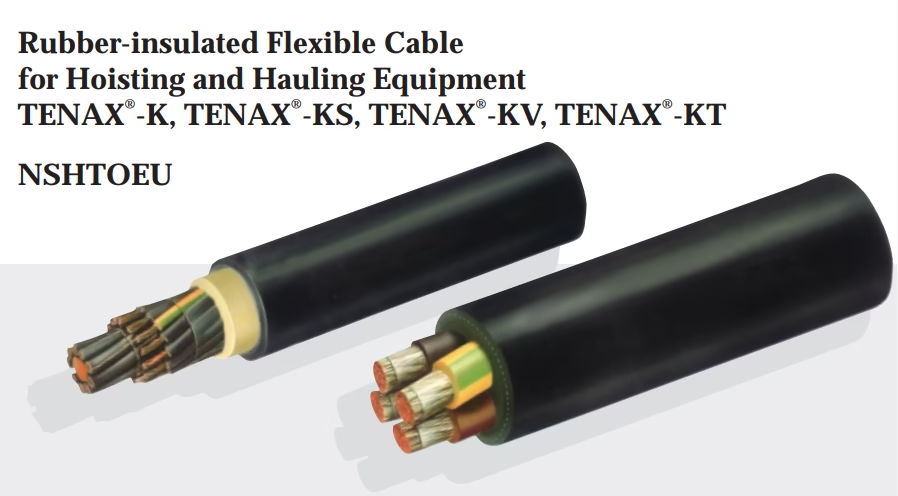
NSHTOEU (серия TENAX-K/KS/KV/KT) — это специализированные гибкие кабели с резиновой изоляцией, предназначенные для подключения подъемно-транспортных систем и аналогичного оборудования с принудительным направлением кабеля при высоких механических нагрузках. Кабели разработаны в соответствии с международным стандартом DIN VDE 0250, часть 814, который устанавливает требования к кабелям для подъемных механизмов.

Гибкий кабель с резиновой изоляцией для подъемно-транспортного оборудования

NSHTOEU (серия TENAX-K/KS/KV/KT) — это специализированные гибкие кабели с резиновой изоляцией, предназначенные для подключения подъемно-транспортных систем и аналогичного оборудования с принудительным направлением кабеля при высоких механических нагрузках. Кабели разработаны в соответствии с международным стандартом DIN VDE 0250, часть 814, который устанавливает требования к кабелям для подъемных механизмов.
Polyurethane cables, commonly abbreviated as PUR cables, represent a specialized category of industrial wiring solutions engineered with thermoplastic polyurethane sheathing materials. These cables are characterized by their halogen-free composition, exceptional flame resistance properties, and superior mechanical and chemical resistance capabilities, which collectively render them optimal for deployment in demanding industrial environments where conventional PVC or rubber-sheathed cables would experience premature degradation.
What is PUR Cable?

H05BQ-F cable, H07BQ-F cable, H05BZ5-F cable, H07BZ5-F cable, PUR-JZ cable, PUR-HF cable, Veriflex PUR cable, Powerchain PUR cable, PUR Ethernet cable, screened PUR cable, PUR trommel cable, PUR festoon cable, Mode 4 EV cable, DC EV charging cable
Mining, drilling, and tunnelling cables represent the most demanding category of industrial cables, designed to operate in some of the harshest environments on earth. These heavy-duty power, control, and instrumentation cables serve mine operators worldwide for both static infrastructure and dynamic equipment applications. Manufactured in accordance with international standards including IEC 60502, BS EN 60332, BS EN 60811, BS EN 60754, and VDE 0295, mining cables must withstand mechanical stress, oil and grease exposure, water immersion, and in underground applications, provide critical fire safety through reduced smoke and fume emissions.

What are Mining, Drilling & Tunnelling Cables?

NSSHÖU cable, NSSHOU cable, NSHÖU cable, NSHOU cable, NSSCHOU cable, NSHTÖU cable, NTSCGEWÖU cable, NTSCGEWOU cable, NTMCGEWÖU cable, N3GHSSYCY cable, N3GHSSHCH cable,Type 61 cable, Type 63 cable, Type 611 cable, Type 622 cable, Type 633 cable, Type 66 cable,Type 240 cable, Type 241 cable, Type 245 cable, Type 450 cable, Type 455 cable, Type 260 cable, Type 275 cable, Type 409 cable, Type 440 cable, Type 441 cable,