Reeling Cable

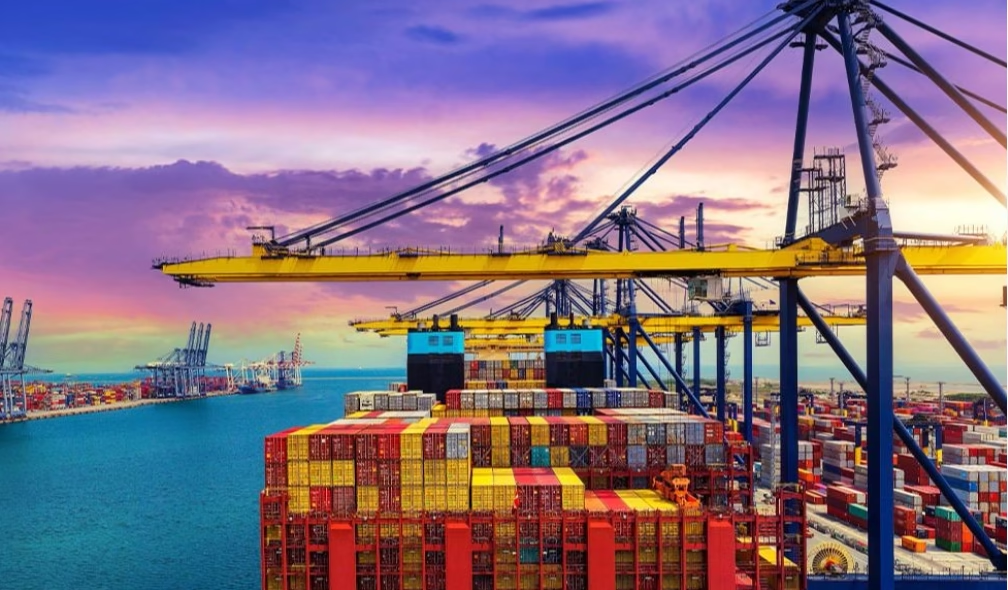
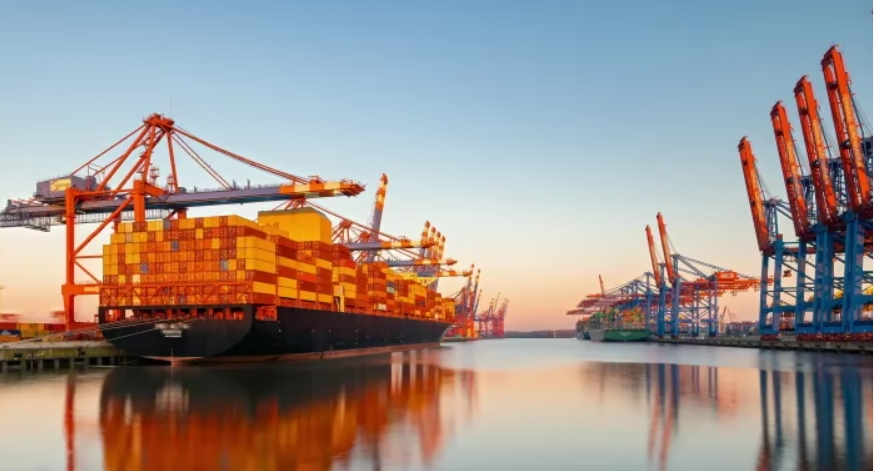
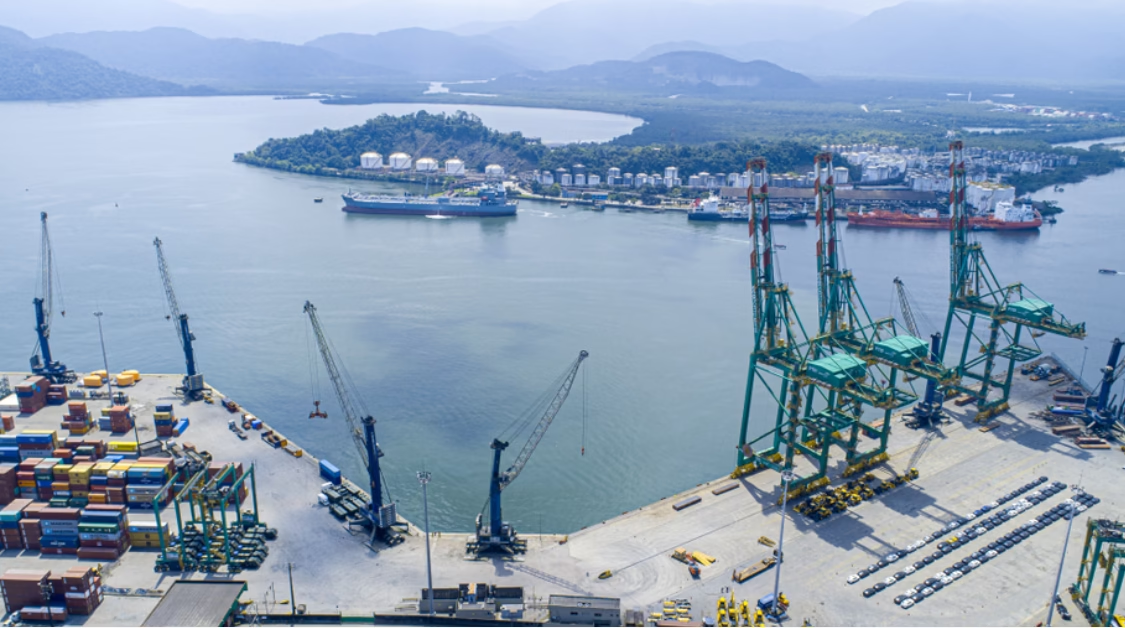
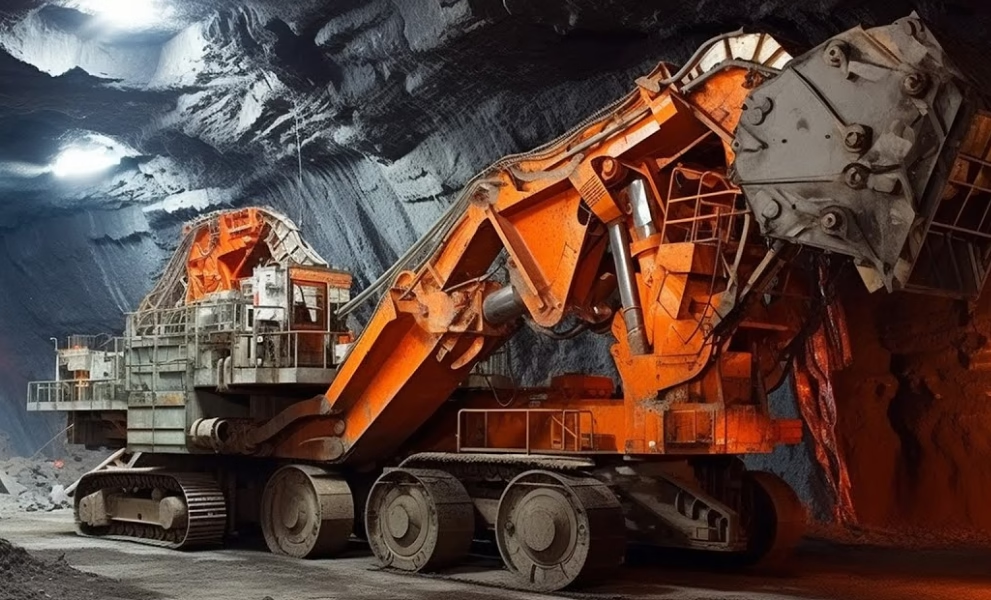
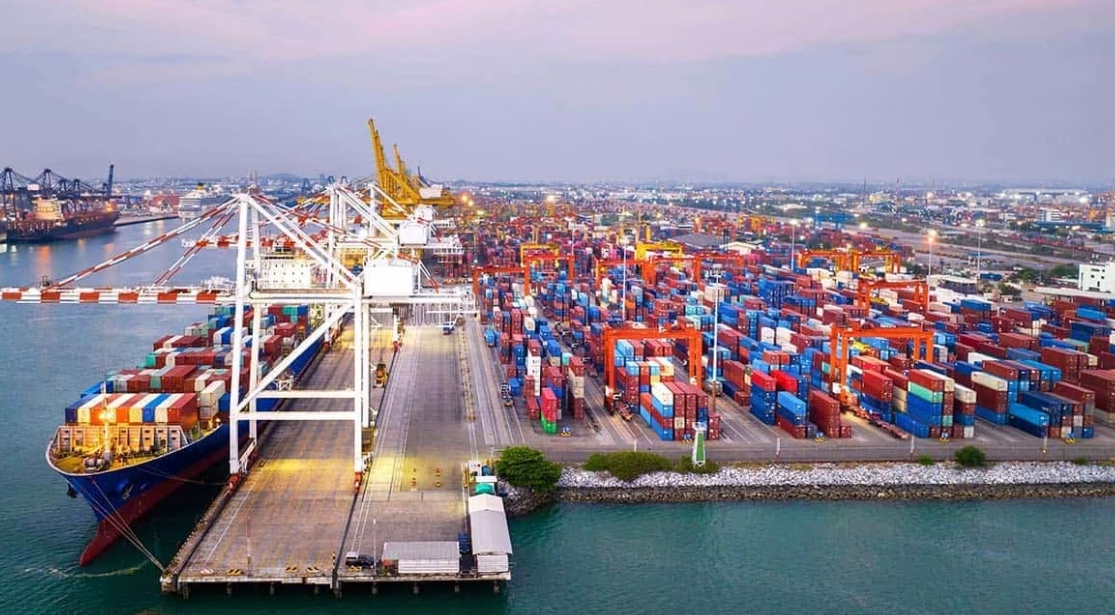
In the demanding world of port cranes, mining hoists, and heavy industrial material handling systems, the selection of reeling cables represents far more than a simple procurement decision. These specialized cables must survive hundreds of thousands of winding and unwinding cycles while suspended under their own considerable weight, sometimes extending hundreds of meters into vertical shafts or across vast horizontal spans. The difference between a standard reeling cable and one optimized for monospiral drum applications can determine whether equipment operates reliably for a decade or experiences premature failure requiring costly downtime and replacement.
(N)TSCGEWÖU vs. (N)TSKCGEWÖU: Why is the (N)TSKCGEWÖU Design Better for Monospiral Reeling Drums?

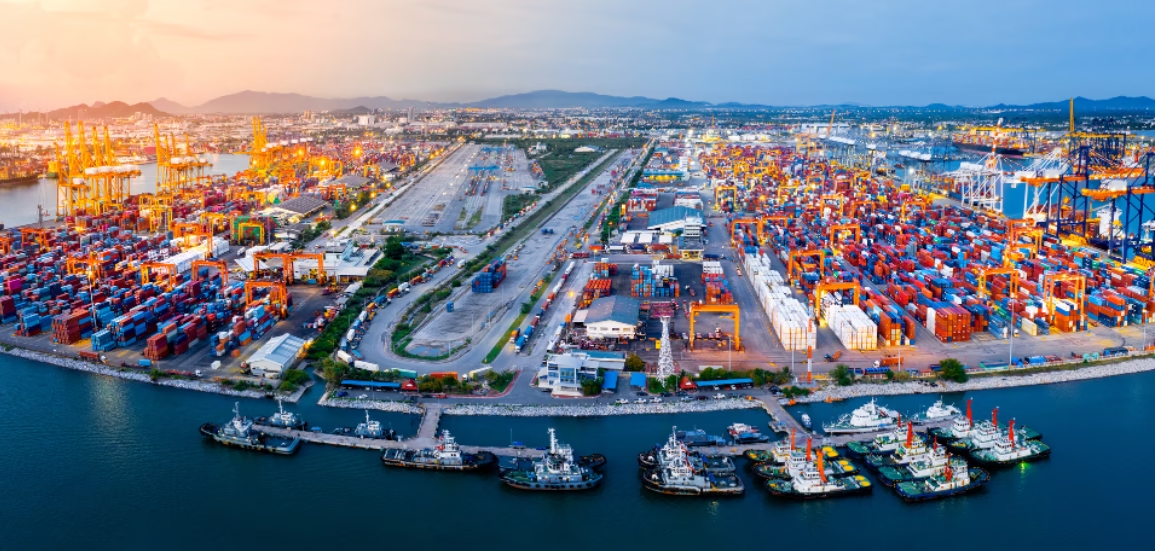
In the demanding world of port cranes, mining hoists, and heavy industrial material handling systems, the selection of reeling cables represents far more than a simple procurement decision. These specialized cables must survive hundreds of thousands of winding and unwinding cycles while suspended under their own considerable weight, sometimes extending hundreds of meters into vertical shafts or across vast horizontal spans. The difference between a standard reeling cable and one optimized for monospiral drum applications can determine whether equipment operates reliably for a decade or experiences premature failure requiring costly downtime and replacement.
The thermal time constant represents one of the most critical parameters in determining the overload capability and dynamic rating of medium voltage power cables. For (N)TSCGEWÖU cables used in demanding mining, tunneling, and crane applications, accurate calculation of this parameter enables operators to safely maximize cable utilization during peak demand periods while avoiding thermal degradation of insulation materials. Understanding the thermal time constant provides essential insight into how quickly a cable responds to changes in electrical load and how long it can sustain temporary overload conditions without exceeding maximum permissible conductor temperatures. 热时间常数代表了确定中压电力电缆过载能力和动态额定值的最关键参数之一。对于用于要求苛刻的采矿、隧道和起重机应用的(N)TSCGEWÖU电缆,准确计算此参数使操作员能够在高峰需求期间安全地最大化电缆利用率,同时避免绝缘材料的热降解。理解热时间常数为电缆如何快速响应电负载变化以及它可以维持临时过载条件多长时间而不超过最大允许导体温度提供了重要见解。

Thermal Time Constant: Calculating Overload Capability of (N)TSCGEWÖU Cables

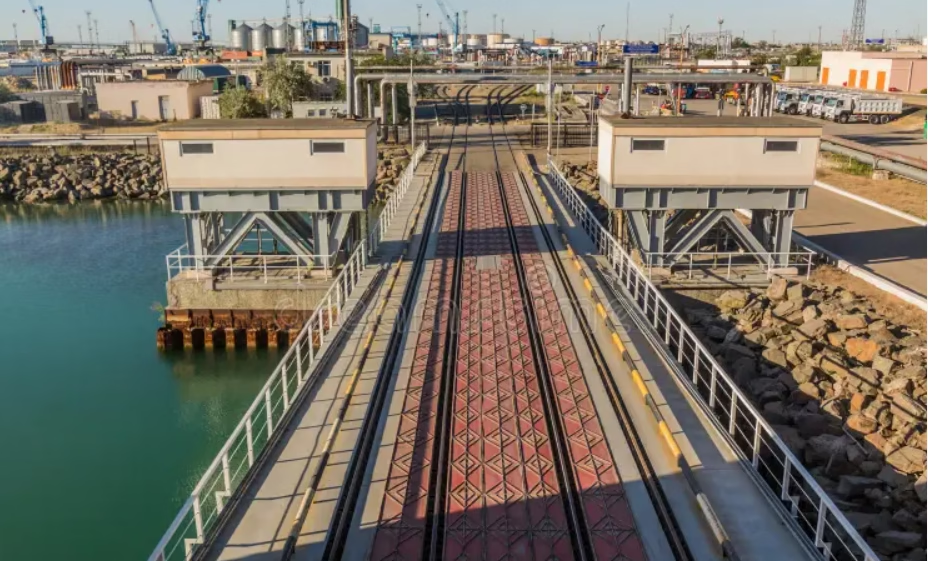
The thermal time constant represents one of the most critical parameters in determining the overload capability and dynamic rating of medium voltage power cables. For (N)TSCGEWÖU cables used in demanding mining, tunneling, and crane applications, accurate calculation of this parameter enables operators to safely maximize cable utilization during peak demand periods while avoiding thermal degradation of insulation materials. Understanding the thermal time constant provides essential insight into how quickly a cable responds to changes in electrical load and how long it can sustain temporary overload conditions without exceeding maximum permissible conductor temperatures. 热时间常数代表了确定中压电力电缆过载能力和动态额定值的最关键参数之一。对于用于要求苛刻的采矿、隧道和起重机应用的(N)TSCGEWÖU电缆,准确计算此参数使操作员能够在高峰需求期间安全地最大化电缆利用率,同时避免绝缘材料的热降解。理解热时间常数为电缆如何快速响应电负载变化以及它可以维持临时过载条件多长时间而不超过最大允许导体温度提供了重要见解。
In fire emergencies, the performance characteristics of electrical cables can mean the difference between safe evacuation and catastrophic loss of life. While both halogen-free cables like NSHXAFÖ and conventional rubber-insulated cables serve essential power distribution functions, their behavior during fire exposure differs dramatically. This technical analysis examines the fundamental chemical and physical differences between these cable types, focusing on smoke generation, toxic gas emissions, and overall fire safety performance according to international testing standards. 在火灾紧急情况下,电缆的性能特征可能意味着安全疏散与灾难性生命损失之间的差异。虽然NSHXAFÖ等无卤电缆和传统橡胶绝缘电缆都具有重要的配电功能,但它们在火灾暴露期间的行为却截然不同。本技术分析根据国际测试标准,研究了这些电缆类型之间的基本化学和物理差异,重点关注烟雾产生、有毒气体排放和整体消防安全性能。

The Halogen-Free Difference: What Distinguishes NSHXAFÖ VDE Cables from Standard Rubber Cables in Fire Scenarios?

In fire emergencies, the performance characteristics of electrical cables can mean the difference between safe evacuation and catastrophic loss of life. While both halogen-free cables like NSHXAFÖ and conventional rubber-insulated cables serve essential power distribution functions, their behavior during fire exposure differs dramatically. This technical analysis examines the fundamental chemical and physical differences between these cable types, focusing on smoke generation, toxic gas emissions, and overall fire safety performance according to international testing standards. 在火灾紧急情况下,电缆的性能特征可能意味着安全疏散与灾难性生命损失之间的差异。虽然NSHXAFÖ等无卤电缆和传统橡胶绝缘电缆都具有重要的配电功能,但它们在火灾暴露期间的行为却截然不同。本技术分析根据国际测试标准,研究了这些电缆类型之间的基本化学和物理差异,重点关注烟雾产生、有毒气体排放和整体消防安全性能。
In demanding industrial applications such as mining operations, crane systems, and material handling equipment, the selection of appropriate cable sheath materials directly influences operational reliability and safety. The sheath represents the cable's first line of defense against mechanical stress, environmental degradation, and electrical hazards. This technical analysis examines how Ethylene Vinyl Acetate (EVA) sheath compounds improve the performance characteristics of NTSCGEWÖU-type trailing and reeling cables compared to standard Chlorinated Polyethylene (CPE) constructions, particularly regarding voltage withstand capabilities and vertical installation requirements.

Proof Voltage and Vertical Clamping Performance: EVA vs. CPE Cable Sheaths

In demanding industrial applications such as mining operations, crane systems, and material handling equipment, the selection of appropriate cable sheath materials directly influences operational reliability and safety. The sheath represents the cable’s first line of defense against mechanical stress, environmental degradation, and electrical hazards. This technical analysis examines how Ethylene Vinyl Acetate (EVA) sheath compounds improve the performance characteristics of NTSCGEWÖU-type trailing and reeling cables compared to standard Chlorinated Polyethylene (CPE) constructions, particularly regarding voltage withstand capabilities and vertical installation requirements.
VDE vertical cable installation, NTSCGEWÖU cable specifications, DIN VDE 0250 mining cable, sheath creepage prevention, vertical shaft cable support, cable clamping distance standards, NEC 300.19 vertical conductor support, polychloprene rubber cable, heavy duty mining cable, submersible cable installation, vertical cable support spacing, cable support clamp design, mining cable installation guide, flexible reeling cable, DIN VDE 0298 cable application, rubber insulated mining cable, steel wire armored cable support, vertical raceway cable installation, creepage distance electrical safety, IEC 60664-1 clearance standards, cable sheath migration, gravitational cable stress, elevator shaft cable installation, power cable vertical mounting, cable support intervals, mining cable standards, armored cable vertical installation, cable pulling techniques vertical, flexible cable vertical support, industrial cable installation best practices, heavy cable weight distribution, cable thermal expansion vertical, mining cable VDE compliance, vertical cable strain relief, cable installation torque specifications, rubber sheath cable properties, chloroprene cable sheath, EPR insulated cable, vertical cable inspection procedures, cable support safety devices, mining cable manufacturer China, special cable Anhui, custom mining cables, vertical cable engineering, cable installation planning, high voltage vertical cable, medium voltage mining cable, cable mechanical support design, cable snaking vertical installation, anti-creepage cable support

VDE Recommendations for Vertical Shaft Cable Installation: Preventing Sheath Creepage in (N)TSCGEWÖU Cables

VDE vertical cable installation, NTSCGEWÖU cable specifications, DIN VDE 0250 mining cable, sheath creepage prevention, vertical shaft cable support, cable clamping distance standards, NEC 300.19 vertical conductor support, polychloprene rubber cable, heavy duty mining cable, submersible cable installation, vertical cable support spacing, cable support clamp design, mining cable installation guide, flexible reeling cable, DIN VDE 0298 cable application, rubber insulated mining cable, steel wire armored cable support, vertical raceway cable installation, creepage distance electrical safety, IEC 60664-1 clearance standards, cable sheath migration, gravitational cable stress, elevator shaft cable installation, power cable vertical mounting, cable support intervals, mining cable standards, armored cable vertical installation, cable pulling techniques vertical, flexible cable vertical support, industrial cable installation best practices, heavy cable weight distribution, cable thermal expansion vertical, mining cable VDE compliance, vertical cable strain relief, cable installation torque specifications, rubber sheath cable properties, chloroprene cable sheath, EPR insulated cable, vertical cable inspection procedures, cable support safety devices, mining cable manufacturer China, special cable Anhui, custom mining cables, vertical cable engineering, cable installation planning, high voltage vertical cable, medium voltage mining cable, cable mechanical support design, cable snaking vertical installation, anti-creepage cable support
(N)TSCGEWÖU cables used in demanding applications such as wind turbines, cranes, and mobile equipment, quality assurance represents far more than a final inspection step. 在中压电力电缆的制造中,特别是像(N)TSCGEWÖU这样用于风力涡轮机、起重机和移动设备等苛刻应用的专用设计,质量保证远不止是最后的检查步骤。 The five-minute proof voltage test, performed on every single cable length produced, stands as one of the most important verification procedures that separates professional cable manufacturing from mere wire assembly.

Proof Voltage: Why (N)TSCGEWÖU Cables Are Specifically Designed With 5-Minute Proof Voltage Testing During Routine Production

(N)TSCGEWÖU cables used in demanding applications such as wind turbines, cranes, and mobile equipment, quality assurance represents far more than a final inspection step. 在中压电力电缆的制造中,特别是像(N)TSCGEWÖU这样用于风力涡轮机、起重机和移动设备等苛刻应用的专用设计,质量保证远不止是最后的检查步骤。 The five-minute proof voltage test, performed on every single cable length produced, stands as one of the most important verification procedures that separates professional cable manufacturing from mere wire assembly.
在电缆经历持续机械应力、油、溶剂和磨损条件的工业环境中,电缆外护套上的印刷识别标记会随着时间的推移而退化。 For specialized medium-voltage cables like (N)TSCGEWÖU used in cranes, wind turbines, and other dynamic applications, maintaining accurate identification becomes critical for safety, maintenance planning, warranty claims, and regulatory compliance.

Manufacturer Identification: How to Identify Year of Manufacture and Manufacturer Code on (N)TSCGEWÖU Cables When Print is Worn Off

在电缆经历持续机械应力、油、溶剂和磨损条件的工业环境中,电缆外护套上的印刷识别标记会随着时间的推移而退化。 For specialized medium-voltage cables like (N)TSCGEWÖU used in cranes, wind turbines, and other dynamic applications, maintaining accurate identification becomes critical for safety, maintenance planning, warranty claims, and regulatory compliance.
(N)TSKCGEWÖU specifications. This protective layer serves multiple critical functions within the cable assembly, with mechanical stress redistribution being among its most important roles. According to research published by Sibelco, the bedding compound is defined as the material applied around insulated conductors to maintain their position and provide bedding for protective armoring.[1] This layer functions as an intermediary component positioned between the laid-up cores and the metallic armor, creating what cable engineers describe as a separation sheath that fundamentally alters how mechanical forces are distributed throughout the cable structure.

Inner Sheath Function: Mechanical Stress Redistribution in (N)TSKCGEWÖU Cables

(N)TSKCGEWÖU specifications. This protective layer serves multiple critical functions within the cable assembly, with mechanical stress redistribution being among its most important roles. According to research published by Sibelco, the bedding compound is defined as the material applied around insulated conductors to maintain their position and provide bedding for protective armoring.[1] This layer functions as an intermediary component positioned between the laid-up cores and the metallic armor, creating what cable engineers describe as a separation sheath that fundamentally alters how mechanical forces are distributed throughout the cable structure.
The (N)TSCGEWÖU cable, designed specifically for demanding reeling and unreeling operations in mining and heavy industry, must demonstrate exceptional flex endurance to ensure reliable power transmission throughout its service life. This technical document examines how the standardized two-pulley flexing test according to BS EN 50396 and IEC 60245 standards accurately simulates real-world cable life cycles and validates the mechanical durability of these critical power transmission components.

Flexing Test: How the “Two-Pulley Flexing Test” Simulates the Life Cycle of a (N)TSCGEWÖU Reeling Cable

The (N)TSCGEWÖU cable, designed specifically for demanding reeling and unreeling operations in mining and heavy industry, must demonstrate exceptional flex endurance to ensure reliable power transmission throughout its service life. This technical document examines how the standardized two-pulley flexing test according to BS EN 50396 and IEC 60245 standards accurately simulates real-world cable life cycles and validates the mechanical durability of these critical power transmission components.
(N)TSCGEWÖU cable designation follows VDE naming conventions, where each letter represents specific cable characteristics. These medium-voltage cables are specifically engineered for power distribution to heavy-duty equipment in mining and industrial applications, available in voltage ratings of 3.6/6kV, 6/10kV, 8.7/15kV, and 12/20kV. The cable features tinned copper conductors (Class 5 according to DIN VDE 0295), rubber insulation (3GI3 compound per DIN VDE 0207 Part 20), and a heavy-duty elastomer outer sheath (5GM5 compound per DIN VDE 0207 Part 21).

Cold Impact Test: How (N)TSCGEWÖU Cables Are Certified as “Cold Resistant” at -40°C Under VDE Guidelines

(N)TSCGEWÖU cable designation follows VDE naming conventions, where each letter represents specific cable characteristics. These medium-voltage cables are specifically engineered for power distribution to heavy-duty equipment in mining and industrial applications, available in voltage ratings of 3.6/6kV, 6/10kV, 8.7/15kV, and 12/20kV. The cable features tinned copper conductors (Class 5 according to DIN VDE 0295), rubber insulation (3GI3 compound per DIN VDE 0207 Part 20), and a heavy-duty elastomer outer sheath (5GM5 compound per DIN VDE 0207 Part 21).
(N)TSCGEWÖU cable type represents a specialized category of medium-voltage power cables designed for demanding applications in mining, tunneling, harbor cranes, and heavy-duty industrial environments. These cables feature 3GI3 grade Ethylene-Propylene Rubber (EPR) insulation, which must maintain dielectric integrity under extreme mechanical stress, moisture exposure, and electrical field conditions. Understanding the aging behavior of the dielectric loss factor (tan delta, tan δ) is critical for predictive maintenance and ensuring operational safety in these mission-critical applications.

Tan Delta Aging: How does the dielectric loss factor (Tan Delta) of 3GI3 insulation in (N)TSCGEWÖU cables change with long-term aging?

(N)TSCGEWÖU cable type represents a specialized category of medium-voltage power cables designed for demanding applications in mining, tunneling, harbor cranes, and heavy-duty industrial environments. These cables feature 3GI3 grade Ethylene-Propylene Rubber (EPR) insulation, which must maintain dielectric integrity under extreme mechanical stress, moisture exposure, and electrical field conditions. Understanding the aging behavior of the dielectric loss factor (tan delta, tan δ) is critical for predictive maintenance and ensuring operational safety in these mission-critical applications.
The choice of conductor material in electrical cables represents a critical engineering decision that directly impacts cable longevity, performance, and safety. German VDE standards, particularly DIN VDE 0250, specify tinned copper conductors for rubber-insulated cables such as NSSHÖU, while PVC-insulated cables commonly utilize bare (plain) copper conductors. This technical distinction arises from fundamental differences in material chemistry and vulcanization processes. 电缆导体材料的选择是一项关键的工程决策,直接影响电缆的寿命、性能和安全性。德国VDE标准,特别是DIN VDE 0250,规定橡胶绝缘电缆(如NSSHÖU)必须使用镀锡铜导体,而PVC绝缘电缆通常使用裸铜导体。这一技术区别源于材料化学和硫化工艺的根本差异。

Tinned Copper: Why Do VDE Standards Typically Require Tinned Copper Conductors for Rubber Cables Like NSSHÖU, Whereas PVC Cables Often Use Bare Copper?

The choice of conductor material in electrical cables represents a critical engineering decision that directly impacts cable longevity, performance, and safety. German VDE standards, particularly DIN VDE 0250, specify tinned copper conductors for rubber-insulated cables such as NSSHÖU, while PVC-insulated cables commonly utilize bare (plain) copper conductors. This technical distinction arises from fundamental differences in material chemistry and vulcanization processes. 电缆导体材料的选择是一项关键的工程决策,直接影响电缆的寿命、性能和安全性。德国VDE标准,特别是DIN VDE 0250,规定橡胶绝缘电缆(如NSSHÖU)必须使用镀锡铜导体,而PVC绝缘电缆通常使用裸铜导体。这一技术区别源于材料化学和硫化工艺的根本差异。
The DIN VDE 0250 standard series defines the technical requirements for rubber-insulated flexible cables used in demanding industrial environments. Within this framework, Part 812 and Part 813 address distinctly different application domains with correspondingly different insulation thickness requirements for the 3GI3 EPR (Ethylene Propylene Rubber) compound specified in DIN VDE 0207 Part 20. DIN VDE 0250标准系列定义了用于苛刻工业环境的橡胶绝缘柔性电缆的技术要求。在此框架内,第812部分和第813部分针对截然不同的应用领域,对DIN VDE 0207第20部分规定的3GI3 EPR(乙丙橡胶)化合物具有相应不同的绝缘厚度要求。

Insulation Thickness: What is the Difference in Wall Thickness Requirements for 3GI3 Insulation Between VDE 0250 Part 812 (Mobile) and Part 813 (Mining) Cables?

The DIN VDE 0250 standard series defines the technical requirements for rubber-insulated flexible cables used in demanding industrial environments. Within this framework, Part 812 and Part 813 address distinctly different application domains with correspondingly different insulation thickness requirements for the 3GI3 EPR (Ethylene Propylene Rubber) compound specified in DIN VDE 0207 Part 20. DIN VDE 0250标准系列定义了用于苛刻工业环境的橡胶绝缘柔性电缆的技术要求。在此框架内,第812部分和第813部分针对截然不同的应用领域,对DIN VDE 0207第20部分规定的3GI3 EPR(乙丙橡胶)化合物具有相应不同的绝缘厚度要求。
In the design of medium voltage mining and reeling cables such as the (N)TSCGECEWÖU, the short-circuit temperature rating of the insulation material fundamentally determines the cable's fault current withstand capability. The 3GI3 EPR (Ethylene Propylene Rubber) compound specified in DIN VDE 0207 Part 20 has a maximum permissible short-circuit temperature of 250°C, which directly influences how engineers must size the metallic screen to safely conduct earth fault currents without thermal damage. 在设计诸如(N)TSCGECEWÖU等中压矿用和卷筒电缆时,绝缘材料的短路温度额定值从根本上决定了电缆的故障电流承受能力。DIN VDE 0207第20部分规定的3GI3 EPR(乙丙橡胶)化合物的最大允许短路温度为250°C,这直接影响工程师必须如何确定金属屏蔽层的尺寸,以安全传导接地故障电流而不会造成热损坏。

Short-Circuit Rating: Why is the Short-Circuit Temperature for 3GI3 EPR-Insulated VDE Cables Set at 250°C, and How Does This Impact Screen Sizing for (N)TSCGECEWÖU?

In the design of medium voltage mining and reeling cables such as the (N)TSCGECEWÖU, the short-circuit temperature rating of the insulation material fundamentally determines the cable’s fault current withstand capability. The 3GI3 EPR (Ethylene Propylene Rubber) compound specified in DIN VDE 0207 Part 20 has a maximum permissible short-circuit temperature of 250°C, which directly influences how engineers must size the metallic screen to safely conduct earth fault currents without thermal damage. 在设计诸如(N)TSCGECEWÖU等中压矿用和卷筒电缆时,绝缘材料的短路温度额定值从根本上决定了电缆的故障电流承受能力。DIN VDE 0207第20部分规定的3GI3 EPR(乙丙橡胶)化合物的最大允许短路温度为250°C,这直接影响工程师必须如何确定金属屏蔽层的尺寸,以安全传导接地故障电流而不会造成热损坏。
(N)TSKCGEWÖU designation represents a sophisticated medium-voltage flexible mining cable engineered according to DIN VDE 0250 Part 813 standards, incorporating a distinctive feature that differentiates it from standard trailing cables: a central support element with integrated Kevlar (aramid fiber) reinforcement. The "K" in the designation specifically denotes the presence of this Kevlar-reinforced cradle separator, which serves as the structural backbone of the cable assembly. (N)TSKCGEWÖU命名代表按照DIN VDE 0250第813部分标准设计的精密中压柔性矿用电缆,其具有区别于标准拖曳电缆的独特特征:带有集成凯夫拉(芳纶纤维)加强的中心支撑元件。命名中的"K"特别表示存在这种凯夫拉加强的托架分离器,它作为电缆组件的结构骨干。

Support Element Function: The Specific Purpose of the Central “Support Element” (Dummy Core) in (N)TSKCGEWÖU Cable Designs for Mechanical Stability

(N)TSKCGEWÖU designation represents a sophisticated medium-voltage flexible mining cable engineered according to DIN VDE 0250 Part 813 standards, incorporating a distinctive feature that differentiates it from standard trailing cables: a central support element with integrated Kevlar (aramid fiber) reinforcement. The “K” in the designation specifically denotes the presence of this Kevlar-reinforced cradle separator, which serves as the structural backbone of the cable assembly. (N)TSKCGEWÖU命名代表按照DIN VDE 0250第813部分标准设计的精密中压柔性矿用电缆,其具有区别于标准拖曳电缆的独特特征:带有集成凯夫拉(芳纶纤维)加强的中心支撑元件。命名中的”K”特别表示存在这种凯夫拉加强的托架分离器,它作为电缆组件的结构骨干。
The (N)TSCGEWÖU cable manufactured to DIN VDE 0250-813 and the standard power cable manufactured to IEC 60502-2 serve fundamentally different purposes despite both being medium voltage cables. The most critical distinction lies in their mechanical durability design philosophy: VDE 0250 mining cables are engineered for continuous dynamic stress in mobile applications, while IEC 60502-2 cables are optimized for static fixed installations. 按照DIN VDE 0250-813标准生产的(N)TSCGEWÖU电缆与按照IEC 60502-2标准生产的标准电力电缆,尽管都是中压电缆,但其根本用途完全不同。最关键的区别在于它们的机械耐久性设计理念:VDE 0250矿用电缆是为移动应用中的持续动态应力而设计的,而IEC 60502-2电缆则针对静态固定安装进行了优化。

(N)TSCGEWÖU vs. IEC 60502-2: What is the Fundamental Difference in Mechanical Durability?

The (N)TSCGEWÖU cable manufactured to DIN VDE 0250-813 and the standard power cable manufactured to IEC 60502-2 serve fundamentally different purposes despite both being medium voltage cables. The most critical distinction lies in their mechanical durability design philosophy: VDE 0250 mining cables are engineered for continuous dynamic stress in mobile applications, while IEC 60502-2 cables are optimized for static fixed installations. 按照DIN VDE 0250-813标准生产的(N)TSCGEWÖU电缆与按照IEC 60502-2标准生产的标准电力电缆,尽管都是中压电缆,但其根本用途完全不同。最关键的区别在于它们的机械耐久性设计理念:VDE 0250矿用电缆是为移动应用中的持续动态应力而设计的,而IEC 60502-2电缆则针对静态固定安装进行了优化。
In VDE mining cable standards, particularly DIN VDE 0250-813 and DIN VDE 0250-814, the outer sheath color serves as a critical visual identifier that indicates the cable's intended application environment and specific performance characteristics. The red sheath is the standard color for open-pit (surface) mining cables manufactured with PCP (Polychloroprene) compound type 5GM5, providing maximum UV resistance and high visibility in outdoor environments. Black sheaths are typically used for underground mining and general industrial applications where UV protection is less critical. Yellow sheaths indicate either high-visibility safety cables or specialized trailing cables for coal cutting machines, also commonly manufactured with premium TPU (Thermoplastic Polyurethane) compounds for extreme abrasion resistance.[1][2][3] 在VDE矿用电缆标准中,特别是DIN VDE 0250-813和DIN VDE 0250-814,外护套颜色是关键的视觉标识符,指示电缆的预期应用环境和特定性能特性。红色护套是使用PCP(氯丁橡胶)5GM5型化合物制造的露天(地面)矿用电缆的标准颜色,提供最大的抗紫外线能力和户外环境的高可见性。黑色护套通常用于井下矿业和对紫外线防护要求较低的一般工业应用。黄色护套表示高可见性安全电缆或用于采煤机的专用拖曳电缆,通常也采用优质TPU(热塑性聚氨酯)化合物制造以获得极高的耐磨性。

What Does the “Red” Sheath Typically Indicate for VDE Mining Cables Versus a “Black” or “Yellow” Sheath?

In VDE mining cable standards, particularly DIN VDE 0250-813 and DIN VDE 0250-814, the outer sheath color serves as a critical visual identifier that indicates the cable’s intended application environment and specific performance characteristics. The red sheath is the standard color for open-pit (surface) mining cables manufactured with PCP (Polychloroprene) compound type 5GM5, providing maximum UV resistance and high visibility in outdoor environments. Black sheaths are typically used for underground mining and general industrial applications where UV protection is less critical. Yellow sheaths indicate either high-visibility safety cables or specialized trailing cables for coal cutting machines, also commonly manufactured with premium TPU (Thermoplastic Polyurethane) compounds for extreme abrasion resistance.[1][2][3] 在VDE矿用电缆标准中,特别是DIN VDE 0250-813和DIN VDE 0250-814,外护套颜色是关键的视觉标识符,指示电缆的预期应用环境和特定性能特性。红色护套是使用PCP(氯丁橡胶)5GM5型化合物制造的露天(地面)矿用电缆的标准颜色,提供最大的抗紫外线能力和户外环境的高可见性。黑色护套通常用于井下矿业和对紫外线防护要求较低的一般工业应用。黄色护套表示高可见性安全电缆或用于采煤机的专用拖曳电缆,通常也采用优质TPU(热塑性聚氨酯)化合物制造以获得极高的耐磨性。
The tunnelling and underground mining industries have traditionally relied on heavy-duty rubber-sheathed cables manufactured according to DIN VDE 0250 standards. However, a significant shift is occurring as polyurethane (PUR) sheathed cables, designated with the VDE code "11Y" and "12Y" (for TPE-E variants), are increasingly specified for demanding tunnel boring machine (TBM) applications and underground operations. 隧道和地下采矿行业传统上依赖于按照DIN VDE 0250标准生产的重型橡胶护套电缆。然而,随着聚氨酯(PUR)护套电缆(VDE代码为"11Y",TPE-E变体为"12Y")在隧道掘进机(TBM)和地下作业等高要求应用中越来越多被指定使用,一个重大转变正在发生。

Why Are Polyurethane (PUR) Sheathed Cables Becoming Popular Alternatives to Standard VDE Rubber Cables in Tunnelling?

The tunnelling and underground mining industries have traditionally relied on heavy-duty rubber-sheathed cables manufactured according to DIN VDE 0250 standards. However, a significant shift is occurring as polyurethane (PUR) sheathed cables, designated with the VDE code “11Y” and “12Y” (for TPE-E variants), are increasingly specified for demanding tunnel boring machine (TBM) applications and underground operations. 隧道和地下采矿行业传统上依赖于按照DIN VDE 0250标准生产的重型橡胶护套电缆。然而,随着聚氨酯(PUR)护套电缆(VDE代码为”11Y”,TPE-E变体为”12Y”)在隧道掘进机(TBM)和地下作业等高要求应用中越来越多被指定使用,一个重大转变正在发生。
VDE 0250 rubber cables are required to comply with IEC 60332-1 flame retardancy testing, which evaluates the vertical flame propagation characteristics of single insulated wires and cables under fire conditions. This standard establishes that the cable must self-extinguish after flame removal and the charred zone must not extend within 50mm of the upper mounting clamp. Most VDE 0250 rubber cables constructed with flame-retardant materials such as chloroprene rubber (CR/Neoprene) or compounds with flame-retardant additives are designed to pass this critical fire safety test.[1][2] VDE 0250橡胶电缆必须符合IEC 60332-1阻燃测试要求,该测试评估单根绝缘电线电缆在火灾条件下的垂直火焰蔓延特性。该标准规定电缆在移除火焰后必须自熄,且碳化区域不得延伸至上固定夹具50mm范围内。大多数采用阻燃材料(如氯丁橡胶或添加阻燃剂的化合物)制造的VDE 0250橡胶电缆均设计为通过此关键防火安全测试。

What is the Requirement for Flame Retardancy (IEC 60332-1) in Standard VDE 0250 Rubber Cables?

VDE 0250 rubber cables are required to comply with IEC 60332-1 flame retardancy testing, which evaluates the vertical flame propagation characteristics of single insulated wires and cables under fire conditions. This standard establishes that the cable must self-extinguish after flame removal and the charred zone must not extend within 50mm of the upper mounting clamp. Most VDE 0250 rubber cables constructed with flame-retardant materials such as chloroprene rubber (CR/Neoprene) or compounds with flame-retardant additives are designed to pass this critical fire safety test.[1][2] VDE 0250橡胶电缆必须符合IEC 60332-1阻燃测试要求,该测试评估单根绝缘电线电缆在火灾条件下的垂直火焰蔓延特性。该标准规定电缆在移除火焰后必须自熄,且碳化区域不得延伸至上固定夹具50mm范围内。大多数采用阻燃材料(如氯丁橡胶或添加阻燃剂的化合物)制造的VDE 0250橡胶电缆均设计为通过此关键防火安全测试。
In industrial cable applications involving continuous reeling and unreeling operations, cable integrity under mechanical stress is paramount. One critical structural element that ensures operational reliability is the anti-torsion braid, also known as an embedded textile mesh, positioned within the cable sheath. This technical component plays a vital role in maintaining cable performance in demanding environments such as crane systems, hoists, conveyor belts, and mobile machinery. 在涉及连续收卷和放卷操作的工业电缆应用中,机械应力下的电缆完整性至关重要。确保操作可靠性的一个关键结构元件是反扭转编织层,也称为嵌入式纺织网,位于电缆护套内。该技术组件在起重机系统、提升机、传送带和移动机械等苛刻环境中维护电缆性能方面起着至关重要的作用。

How Does the Anti-Torsion Braid Prevent Cable Twisting During Reeling?

In industrial cable applications involving continuous reeling and unreeling operations, cable integrity under mechanical stress is paramount. One critical structural element that ensures operational reliability is the anti-torsion braid, also known as an embedded textile mesh, positioned within the cable sheath. This technical component plays a vital role in maintaining cable performance in demanding environments such as crane systems, hoists, conveyor belts, and mobile machinery. 在涉及连续收卷和放卷操作的工业电缆应用中,机械应力下的电缆完整性至关重要。确保操作可靠性的一个关键结构元件是反扭转编织层,也称为嵌入式纺织网,位于电缆护套内。该技术组件在起重机系统、提升机、传送带和移动机械等苛刻环境中维护电缆性能方面起着至关重要的作用。
The maximum conductor operating temperature is a critical parameter that determines a cable's current-carrying capacity, service life, and application suitability. For VDE-certified cables, EPR (Ethylene Propylene Rubber) insulation permits a continuous conductor operating temperature of 90°C, representing a significant advancement over older rubber insulation technologies which were typically limited to 60°C–70°C.[1][2] 最高导体工作温度是决定电缆载流量、使用寿命和应用适用性的关键参数。对于VDE认证电缆,EPR(乙丙橡胶)绝缘允许90°C的连续导体工作温度,相比传统橡胶绝缘(60°C–70°C)有显著提升。

What is the Maximum Conductor Operating Temperature Allowed for VDE Cables Insulated with EPR (90°C) vs. Older Rubber Types?

The maximum conductor operating temperature is a critical parameter that determines a cable’s current-carrying capacity, service life, and application suitability. For VDE-certified cables, EPR (Ethylene Propylene Rubber) insulation permits a continuous conductor operating temperature of 90°C, representing a significant advancement over older rubber insulation technologies which were typically limited to 60°C–70°C.[1][2] 最高导体工作温度是决定电缆载流量、使用寿命和应用适用性的关键参数。对于VDE认证电缆,EPR(乙丙橡胶)绝缘允许90°C的连续导体工作温度,相比传统橡胶绝缘(60°C–70°C)有显著提升。
Inner semi-conductive layer purpose, VDE 0250 medium voltage cable, partial discharge prevention, corona discharge in cables, electrical field stress control, 6kV rubber cable construction, Anhui Feichun Special Cable, stranded conductor air voids, triple extrusion process, (N)TSCGEWÖU semi-con layer, IEC 60502-2 standard, semiconductor shielding, high voltage insulation breakdown, electrical treeing prevention, 3.6/6kV to 18/30kV cable design, rubber cable manufacturing, Faraday cage effect in cables, extruded semi-conducting screen

Why does VDE 0250 mandate an inner semi-conductive layer for all rubber cables rated 6kV and above?

Inner semi-conductive layer purpose, VDE 0250 medium voltage cable, partial discharge prevention, corona discharge in cables, electrical field stress control, 6kV rubber cable construction, Anhui Feichun Special Cable, stranded conductor air voids, triple extrusion process, (N)TSCGEWÖU semi-con layer, IEC 60502-2 standard, semiconductor shielding, high voltage insulation breakdown, electrical treeing prevention, 3.6/6kV to 18/30kV cable design, rubber cable manufacturing, Faraday cage effect in cables, extruded semi-conducting screen
5GM3 vs 5GM5 sheath difference, DIN VDE 0207 Part 21 standard, polychloroprene rubber properties, heavy duty cable sheath, 5GM5 abrasion resistance, oil resistant rubber cable, Anhui Feichun Special Cable, (N)TSCGEWÖU sheath material, NSSHÖU cable specs, mining cable mechanical strength, EN 60811-404 oil test, tear propagation resistance rubber, chloroprene elastomer, industrial cable outer jacket, reeling cable durability, port machinery cable protection, PCP sheath characteristics, VDE 0298-3 application guide

How does the outer sheath compound 5GM3 differ from 5GM5 in terms of oil resistance and mechanical strength?

5GM3 vs 5GM5 sheath difference, DIN VDE 0207 Part 21 standard, polychloroprene rubber properties, heavy duty cable sheath, 5GM5 abrasion resistance, oil resistant rubber cable, Anhui Feichun Special Cable, (N)TSCGEWÖU sheath material, NSSHÖU cable specs, mining cable mechanical strength, EN 60811-404 oil test, tear propagation resistance rubber, chloroprene elastomer, industrial cable outer jacket, reeling cable durability, port machinery cable protection, PCP sheath characteristics, VDE 0298-3 application guide
In the strict hierarchy of VDE standards, 3GI3 represents a specific high-performance grade of Ethylene Propylene Rubber (EPR) insulation. Defined under DIN VDE 0207 Part 20, this compound is engineered specifically for Medium Voltage (MV) and High Voltage (HV) applications. Unlike standard rubber (like 3GI1) or thermoplastics (like PVC), 3GI3 is a cross-linked elastomer designed to withstand high continuous operating temperatures (90°C), extreme short-circuit heat (250°C), and the damaging effects of ozone in high-field environments. 在严格的 VDE 标准体系中,3GI3 代表一种特定高性能等级的乙丙橡胶 (EPR) 绝缘材料。根据 DIN VDE 0207 第 20 部分 定义,该化合物专为中压 (MV) 和高压 (HV) 应用而设计。与标准橡胶(如 3GI1)或热塑性塑料(如 PVC)不同,3GI3 是一种交联弹性体,旨在承受高连续工作温度 (90°C)、极端短路热 (250°C) 以及高场环境中臭氧的破坏作用。

What are the thermal characteristics of the 3GI3 (EPR) insulation compound used in high-voltage VDE cables?

In the strict hierarchy of VDE standards, 3GI3 represents a specific high-performance grade of Ethylene Propylene Rubber (EPR) insulation. Defined under DIN VDE 0207 Part 20, this compound is engineered specifically for Medium Voltage (MV) and High Voltage (HV) applications. Unlike standard rubber (like 3GI1) or thermoplastics (like PVC), 3GI3 is a cross-linked elastomer designed to withstand high continuous operating temperatures (90°C), extreme short-circuit heat (250°C), and the damaging effects of ozone in high-field environments. 在严格的 VDE 标准体系中,3GI3 代表一种特定高性能等级的乙丙橡胶 (EPR) 绝缘材料。根据 DIN VDE 0207 第 20 部分 定义,该化合物专为中压 (MV) 和高压 (HV) 应用而设计。与标准橡胶(如 3GI1)或热塑性塑料(如 PVC)不同,3GI3 是一种交联弹性体,旨在承受高连续工作温度 (90°C)、极端短路热 (250°C) 以及高场环境中臭氧的破坏作用。
(N)TSCGEWÖU vertical reeling limits, VDE 0298-3 tensile load calculation, spreader cable vs reeling cable, vertical drum application cable, Anhui Feichun Special Cable, cable corkscrewing causes, central strain relief aramid, high tensile strength rubber cable, STS crane spreader cable, vertical lift power supply, medium voltage reeling cable specs, copper conductor yield strength, heavy duty port machinery cable, torsional stress in vertical cables, (N)TSCGEWÖU-V meaning, preventing cable elongation, gantry crane hoist cable, DIN VDE 0250-813 standard

Can (N)TSCGEWÖU cables be used for “Vertical Drum Reeling” (e.g., Spreader) without modification?

(N)TSCGEWÖU vertical reeling limits, VDE 0298-3 tensile load calculation, spreader cable vs reeling cable, vertical drum application cable, Anhui Feichun Special Cable, cable corkscrewing causes, central strain relief aramid, high tensile strength rubber cable, STS crane spreader cable, vertical lift power supply, medium voltage reeling cable specs, copper conductor yield strength, heavy duty port machinery cable, torsional stress in vertical cables, (N)TSCGEWÖU-V meaning, preventing cable elongation, gantry crane hoist cable, DIN VDE 0250-813 standard
Festoon vs Reeling cable difference, VDE 0298-3 selection guide, cable trolley system design, motorized cable reel specification, flat cable vs round cable application, Anhui Feichun Special Cable, (N)GRDGÖU festoon cable, (N)TSCGEWÖU reeling cable, tensile load calculation for cranes, anti-torsion braid function, port machinery electrification, overhead crane power supply, cable bending radius calculation, dynamic stress in mining cables, festoon system speed limits, drum reeling thermal derating, heavy duty rubber cable, gantry crane cable management, IEC 60204-1 crane safety, flexible cable mechanical life

What is the difference between a “Festoon” cable application and a “Reeling” application under VDE selection guidelines?

Festoon vs Reeling cable difference, VDE 0298-3 selection guide, cable trolley system design, motorized cable reel specification, flat cable vs round cable application, Anhui Feichun Special Cable, (N)GRDGÖU festoon cable, (N)TSCGEWÖU reeling cable, tensile load calculation for cranes, anti-torsion braid function, port machinery electrification, overhead crane power supply, cable bending radius calculation, dynamic stress in mining cables, festoon system speed limits, drum reeling thermal derating, heavy duty rubber cable, gantry crane cable management, IEC 60204-1 crane safety, flexible cable mechanical life
NSHXAFÖ is a specialized, halogen-free, single-core rubber cable manufactured according to DIN VDE 0250 Part 606. It is unique in the electrical industry because, although it is rated for 1.8/3 kV (or even 3.6/6 kV), it is primarily used in 1000V (1kV) Low Voltage circuits. This "over-engineering" of the insulation thickness allows it to be classified as "inherently short-circuit proof" (kurzschlusssicher) when installed in switchgear and railway vehicles. It acts as a fail-safe against catastrophic electrical faults where fusing protection is physically impossible or delayed. NSHXAFÖ 是一种根据 DIN VDE 0250 第 606 部分 制造的专用无卤单芯橡胶电缆。它在电气行业中独一无二,尽管其额定电压为 1.8/3 kV(甚至 3.6/6 kV),但主要用于 1000V (1kV) 低压电路。这种绝缘厚度的“过度设计”使其在安装于开关设备和铁路车辆中时,被归类为“本质短路保护”(kurzschlusssicher)。它充当了防止灾难性电气故障的故障安全装置,适用于物理上无法安装熔断保护或保护延迟的场合。

What is NSHXAFÖ, and why is this single-core rubber cable used for short-circuit-proof installation in trains and buses?

NSHXAFÖ is a specialized, halogen-free, single-core rubber cable manufactured according to DIN VDE 0250 Part 606. It is unique in the electrical industry because, although it is rated for 1.8/3 kV (or even 3.6/6 kV), it is primarily used in 1000V (1kV) Low Voltage circuits. This “over-engineering” of the insulation thickness allows it to be classified as “inherently short-circuit proof” (kurzschlusssicher) when installed in switchgear and railway vehicles. It acts as a fail-safe against catastrophic electrical faults where fusing protection is physically impossible or delayed. NSHXAFÖ 是一种根据 DIN VDE 0250 第 606 部分 制造的专用无卤单芯橡胶电缆。它在电气行业中独一无二,尽管其额定电压为 1.8/3 kV(甚至 3.6/6 kV),但主要用于 1000V (1kV) 低压电路。这种绝缘厚度的“过度设计”使其在安装于开关设备和铁路车辆中时,被归类为“本质短路保护”(kurzschlusssicher)。它充当了防止灾难性电气故障的故障安全装置,适用于物理上无法安装熔断保护或保护延迟的场合。
In the DIN VDE 0250-813 standard, the majority of reeling cables supplied are the standard (N)TSCGEWÖU, which utilizes 3 Earth Cores located in the interstices for grounding. However, for critical safety applications and high-fault-risk environments, the (N)TSCGECEWÖU variant is engineered with Individual Metallic Screens (Copper Braid) surrounding each phase core. You should select this cable when your safety protocols require individual phase earth-fault monitoring or when operating in environments where phase-to-phase short circuits must be mechanically prevented. 在 DIN VDE 0250-813 标准中,供应的大多数卷盘电缆是标准的 (N)TSCGEWÖU,它利用位于缝隙中的 3 根接地芯进行接地。然而,对于关键的安全应用和高故障风险环境,(N)TSCGECEWÖU 变体在设计上采用了环绕每个相芯的独立金属屏蔽(铜编织)。当您的安全协议要求进行独立分相接地故障监测,或者在必须机械防止相间短路的环境中操作时,您应该选择这种电缆。

When should you select (N)TSCGECEWÖU (with individual copper screens) instead of the standard common screen design?

(N)TSCGECEWÖU cable vs (N)TSCGEWÖU, individual copper screen reeling cable, VDE 0250-813 standard, medium voltage mining cable, Anhui Feichun Special Cable, phase-to-earth fault monitoring, metallic screen over insulation, 6/10kV to 12/20kV reeling cable, underground mining safety cable, electrical field stress control, monospiral drum cable, rubber sheathed flexible cable, high tension reeling cable, preventative maintenance mining cable, capacitive charging current, opencast mining electrification, heavy duty trailing cable, German standard mining cable, customized cable China
In heavy industrial applications like crane festoon systems, heat is the enemy of efficiency. The (N)GRDGÖU flat rubber cable is engineered specifically to combat this issue. Unlike round cables, which form heat-trapping bundles when grouped, the flat geometry of (N)GRDGÖU provides a significantly higher Surface-Area-to-Volume Ratio (SA:V). This allows for superior natural convection cooling, enabling the cable to carry higher currents without exceeding its thermal limits (typically 90°C for EPR insulation). 在起重机拖令系统等重工业应用中,热量是效率的敌人。(N)GRDGÖU 橡胶扁平电缆专为解决这一问题而设计。与成组时形成热量聚集的圆形电缆不同,(N)GRDGÖU 的扁平几何形状提供了显著更高的表面积与体积比 (SA:V)。这允许更优越的自然对流冷却,使电缆能够在不超过其热极限(EPR 绝缘通常为 90°C)的情况下承载更高的电流。

How does (N)GRDGÖU (Flat Rubber Cable) handle heat dissipation differently than round cables in festoon systems?

(N)GRDGÖU cable heat dissipation, flat rubber cable vs round cable, festoon system cable engineering, VDE 0298-4 current rating factors, thermal thermodynamics of flat cables, Anhui Feichun Special Cable, overhead crane power supply, cable ampacity correction factors, surface area to volume ratio in cables, industrial cable cooling, heavy duty rubber flat cable, (N)GFLGÖU alternative, stacked cable heat build-up, crane trolley electrification, neoprene sheathed flat cable, 0.6/1kV festoon cable, conductor temperature rise calculation, cable spacing in festoon systems, port machinery electrical design, flexible trailing cable thermal limits
(N)SHTÖU cable specifications, VDE 0250-814 standard, spreader cable definition, vertical reeling cable, STS crane basket cable, heavy duty rubber drum cable, Anhui Feichun Special Cable, central aramid strain relief, anti-torsion braid

What is the specific application of (N)SHTÖU cable, and why is it often called a “Spreader” or “Basket” cable?

(N)SHTÖU cable specifications, VDE 0250-814 standard, spreader cable definition, vertical reeling cable, STS crane basket cable, heavy duty rubber drum cable, Anhui Feichun Special Cable, central aramid strain relief, anti-torsion braid
In the hierarchy of German VDE standards, while high-voltage reeling cables like (N)TSCGEWÖU handle the massive power distribution, the NSSHÖU series (defined by DIN VDE 0250 Part 812) performs the grueling, daily operational tasks. It is termed the "workhorse" because it bridges the gap between standard rubber cables (like H07RN-F) and specialized mining cables. It offers superior mechanical strength, robust abrasion resistance, and chemical stability for dynamic applications in mines, drilling rigs, and heavy industry. 在德国 VDE 标准的体系中,虽然像 (N)TSCGEWÖU 这样的高压卷盘电缆负责大规模的配电,但 NSSHÖU 系列(由 DIN VDE 0250 第 812 部分定义)承担着繁重、日常的操作任务。它被称为“主力军(workhorse)”,因为它填补了普通橡胶电缆(如 H07RN-F)与专用矿用电缆之间的空白。它为矿山、钻井平台和重工业中的动态应用提供了卓越的机械强度、强大的耐磨性和化学稳定性。

Why is NSSHÖU considered the “workhorse” of VDE 0250 cables for low-voltage heavy-duty connections?

In the hierarchy of German VDE standards, while high-voltage reeling cables like (N)TSCGEWÖU handle the massive power distribution, the NSSHÖU series (defined by DIN VDE 0250 Part 812) performs the grueling, daily operational tasks. It is termed the “workhorse” because it bridges the gap between standard rubber cables (like H07RN-F) and specialized mining cables. It offers superior mechanical strength, robust abrasion resistance, and chemical stability for dynamic applications in mines, drilling rigs, and heavy industry. 在德国 VDE 标准的体系中,虽然像 (N)TSCGEWÖU 这样的高压卷盘电缆负责大规模的配电,但 NSSHÖU 系列(由 DIN VDE 0250 第 812 部分定义)承担着繁重、日常的操作任务。它被称为“主力军(workhorse)”,因为它填补了普通橡胶电缆(如 H07RN-F)与专用矿用电缆之间的空白。它为矿山、钻井平台和重工业中的动态应用提供了卓越的机械强度、强大的耐磨性和化学稳定性。
While both (N)TSCGEWÖU and (N)TMCGEWÖU are premium rubber-sheathed medium voltage cables designed for dynamic applications, they serve fundamentally different mechanical purposes. The core distinction lies in the letter "S" versus "M" in their VDE designation, which dictates their internal structural reinforcement. 虽然 (N)TSCGEWÖU 和 (N)TMCGEWÖU 都是专为动态应用设计的优质橡胶护套中压电缆,但它们在机械用途上有着本质的区别。核心区别在于其 VDE 型号中的字母“S”与“M”,这决定了它们内部的结构增强方式。

What are the key design differences between (N)TSCGEWÖU (High Voltage Reeling) and (N)TMCGEWÖU (Medium Voltage Trailing)?

While both (N)TSCGEWÖU and (N)TMCGEWÖU are premium rubber-sheathed medium voltage cables designed for dynamic applications, they serve fundamentally different mechanical purposes. The core distinction lies in the letter “S” versus “M” in their VDE designation, which dictates their internal structural reinforcement. 虽然 (N)TSCGEWÖU 和 (N)TMCGEWÖU 都是专为动态应用设计的优质橡胶护套中压电缆,但它们在机械用途上有着本质的区别。核心区别在于其 VDE 型号中的字母“S”与“M”,这决定了它们内部的结构增强方式。
In the German VDE cable designation system (DIN VDE 0250), the letter "Z" stands for the German word "Zugentlastung", which translates to "Strain Relief" or "Tensile Reinforcement." When you see "Z" in a code like (N)TSZCGEWÖU, it signifies that the cable is equipped with a dedicated central supporting element (often Aramid or Steel) designed to bear mechanical load, relieving stress from the copper conductors. 在德国VDE电缆型号系统(DIN VDE 0250)中,字母 "Z" 代表德语单词 "Zugentlastung",意为“应变消除”或“抗拉增强”。当您在如 (N)TSZCGEWÖU 的代码中看到“Z”时,它表示该电缆配备了专用的中央支撑元件(通常是芳纶或钢丝),旨在承受机械负载,从而减轻铜导体的应力。

Why do some VDE cables have a “Z” in their code (e.g., (N)TSZCGEWÖU), and what does it imply about tensile strength?

In the German VDE cable designation system (DIN VDE 0250), the letter “Z” stands for the German word “Zugentlastung”, which translates to “Strain Relief” or “Tensile Reinforcement.” When you see “Z” in a code like (N)TSZCGEWÖU, it signifies that the cable is equipped with a dedicated central supporting element (often Aramid or Steel) designed to bear mechanical load, relieving stress from the copper conductors. 在德国VDE电缆型号系统(DIN VDE 0250)中,字母 “Z” 代表德语单词 “Zugentlastung”,意为“应变消除”或“抗拉增强”。当您在如 (N)TSZCGEWÖU 的代码中看到“Z”时,它表示该电缆配备了专用的中央支撑元件(通常是芳纶或钢丝),旨在承受机械负载,从而减轻铜导体的应力。