(N)TSCGEWÖU

BASKET SPREADER 740 (YSLTOE) is engineered specifically for hoisting and control applications where mechanical flexibility and electrical reliability must coexist in marine environments. Unlike load-bearing structural cables (which prioritize tensile strength), control cables emphasize: Conductor flexibility – Repeated bending over pulleys without mechanical fatigue Insulation integrity – Voltage breakdown resistance under salt-fog corrosion Mechanical damping – Rope-like flexibility to drape naturally in spreader bar frames Environmental barrier – Outer sheath blocks salt, moisture, and UV penetration Core Design Elements: Component Material Specification Function Port Environment Benefit Conductor Flexible red copper Class 6 (IEC 60228) Carries 300/500V power; enables bending flexibility High purity copper resists galvanic corrosion Insulation PVC type YI2 (IEC 60811) Electrical isolation; voltage breakdown resistance (2 kV test) PVC with marine additives prevents salt-induced tracking Central Unit Aramide yarns (Kevlar™ equivalent) Mechanical load-bearing backup; structural integrity Aramide resists moisture & salt; absorbs vibration stress Outer Sheath PUR type 11YM1 (DIN 73377) Environmental barrier; UV/ozone/moisture protection Superior salt-fog resistance; 20+ year marine lifespan

PANZERFLEX-ELX + OF 3,6/6–12/20 kV — средневольтный H.V. reeling cable с интегрированными оптическими волокнами

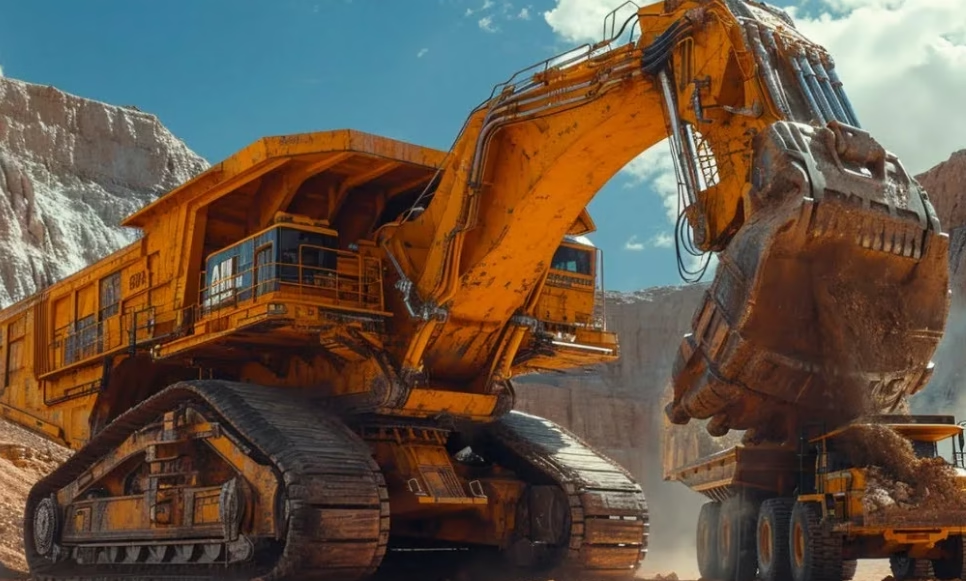
PANZERFLEX-ELX + OF — это гибкий средневольтный комбинированный кабель для кабельных барабанов и festoon-систем, объединяющий силовую передачу и оптическую передачу данных в одной динамической конструкции. Кабель предназначен для movable parts of machine tools и material handling equipment, включая stacker/reclaimer, ship-to-shore crane, container crane и excavators. Он рассчитан на cable reel systems с высокими и экстремальными механическими нагрузками, частыми изгибами, торсионной работой, быстрым движением и сильным ускорением.
FLEXIFESTOON® PV-FLAT UL: High-Flexibility Salt-Fog Resistant Flat Festoon Cable for Port Operations, Marine Equipment, and Harbor Automation Systems Feichun's FLEXIFESTOON® PV-FLAT UL establishes a new performance paradigm for port-duty electrical infrastructure by combining three critical engineering requirements into unified cable architecture: extreme mechanical flexibility enabling 5×D minimum bending radius and 120 m/min festoon deployment on container gantries and ship loaders; comprehensive salt-fog environmental resistance through specialized PVC compound formulation with enhanced corrosion inhibitors surviving ASTM B117 salt-spray testing protocols characteristic of extreme coastal and offshore environments; and verified 600V/2000V dual-voltage certification (UL 1581, CSA approved) supporting both power distribution and precision automation signal transmission across the world's most demanding port and maritime cargo-handling operations.

PANZERFLEX-ELX 3,6/6–12/20 kV (N)TSCGEWÖU — гибкий H.V. кабель для средневольтных систем reeling и festooning

PANZERFLEX-ELX — это средневольтный гибкий силовой кабель для кабельных барабанов и festoon-систем, рассчитанный на подключение подвижных частей тяжёлого оборудования. Кабель предназначен для stacker/reclaimer, ship-to-shore crane, container crane, excavators, machine tools и другого material handling equipment, где присутствуют высокие и экстремальные механические нагрузки, частые изгибы, торсионные воздействия, быстрое движение и сильное ускорение.
Prysmian PROTOLON is a dedicated reeling cable product family manufactured specifically for ship-to-shore (STS) container cranes, rubber-tyred gantry (RTG) equipment, and fixed portal gantry cranes operating in port environments. The PROTOLON designation encompasses multiple voltage ratings and sheath variants optimized for the unique demands of container port operations: extreme torsional loading from reel wind/unwind cycles, exposure to saline spray and salt-laden atmospheres, exposure to direct ultraviolet radiation in open-air port environments, and continuous mechanical flexing over thousands of reel cycles. The cable is manufactured to IEC 60502-1 standards (identical to mining reeling cables) but with additional performance requirements specified in ISO 3384 (compression set limits), ASTM B117 (1000-hour salt fog resistance), and IEC 60811-2-2 (UV aging resistance). These additional requirements reflect the marine environment's specific hazards: salt fog causes accelerated outer sheath degradation in non-marine-optimized cables, and UV radiation polymerizes and hardens outer sheath materials, reducing flexibility and increasing brittleness over 5–8 year service periods.

解决采矿卷筒系统断点痛点:带 EAC 证书的 (N)TSCGEWÖU с оптоволокном 柔性卷筒电缆

飛纯光電複合方案的解決方式 飛纯的 (N)TSCGEWÖU с оптоволокном 電纜採用光纖通信。光信號在石英纖維中傳輸,完全隔離於電磁場。結果: ✅ 光電複合解決方案 光纖傳輸 100+ 個參數(卷筒速度、負載、溫度、傾斜、振動頻率),信號清晰無干擾,允許 2000m+ 超長距離無衰減。控制室能以 100ms 週期實時監控,立即發現異常(如負載突變、溫度升高),提前 30~60 分鐘預警軸承故障。
FLEXIFESTOON® PV-FLAT UL: High-Flexibility Salt-Fog Resistant Flat Festoon Cable for Port Operations, Marine Equipment, and Harbor Automation Systems Feichun's FLEXIFESTOON® PV-FLAT UL establishes a new performance paradigm for port-duty electrical infrastructure by combining three critical engineering requirements into unified cable architecture: extreme mechanical flexibility enabling 5×D minimum bending radius and 120 m/min festoon deployment on container gantries and ship loaders; comprehensive salt-fog environmental resistance through specialized PVC compound formulation with enhanced corrosion inhibitors surviving ASTM B117 salt-spray testing protocols characteristic of extreme coastal and offshore environments; and verified 600V/2000V dual-voltage certification (UL 1581, CSA approved) supporting both power distribution and precision automation signal transmission across the world's most demanding port and maritime cargo-handling operations.

采矿设备卷筒系统防爆电缆:(N)TSCGEWÖU с оптоволокном 光电复合 (VDE 0250)

針對俄羅斯、白俄羅斯、全球採礦工程承包商的完整技術參考。本文解析飛纯電纜如何完美符合國際 (N)TSCGEWÖU FO(Fiber-Optic 光電複合)卷筒防爆電纜規範、DIN VDE 0250 標準,同時持有俄羅斯聯邦實驗室直接簽發的 EAC 防爆認証與 GOST 防火認証,為礦山提升機、深井卷筒、露天採礦設備提供光纖通信 + 高壓電源的一體化防爆解決方案。
What Are UNE 22560 and UNE 22561? Scope, Definitions, and Core Purpose The UNE 22560 and UNE 22561 standards represent the final and often most underestimated element of the Spanish and Latin American underground mining cable ecosystem. Where UNE 22511 and UNE 22512 govern the power distribution cables that energize mining equipment, the 22560 and 22561 standards govern the signal, control, and interlock cables that command and protect that equipment. These are the "nervous system" cables of a mine — the communication network that tells a continuous miner when to advance and when to halt, that triggers emergency stops, that monitors hoisting rope tension on shaft equipment, that controls conveyor sequencing, and that enables the protective interlocking that prevents a piece of equipment from operating unless all safety preconditions are met. UNE 22560 formally defines flexible multi-core cables for underground mining with voltage ratings up to 500 V or 0.6/1 kV, with no metallic armour protection — designed for installation within equipment enclosures, along protected cable trays in main gate roads, or in areas where mechanical damage risk is minimal. UNE 22561 is its armoured sister standard, incorporating steel wire braid or steel tape protection, specified for installation in rough terrain areas where mechanical damage from rock fall, equipment collision, or floor contact is a credible risk. Both standards mandate that the cable be designed as a multi-core concentric stranded bundle — not the parallel-laid three or four conductors common in power cables, but rather seven, twelve, nineteen, or more individually insulated cores twisted concentrically around a central axis, allowing compact packaging of numerous independent control circuits within a single cable jacket. The distinction between these standards is not merely mechanical armour presence or absence. Control cables are tested against an entirely different set of safety criteria than power cables because their failure mode is fundamentally different. A power cable failure results in loss of energy to equipment — dangerous but localized. A control cable failure can disable the interlock system that prevents a continuous miner from advancing into unsafe ground, or can disable the emergency stop circuit that should halt a conveyor if a worker falls into it. A control cable fire, burning in a tightly bundled cable tray with other control cables, must not spread flame between cables because control cables are typically routed in shared ducts and cable carriers where one cable's ignition could cascade to adjacent circuits. Therefore, control cables are tested for bundle flame propagation (EN 60332-3) rather than single-cable flame propagation tests — a more stringent requirement that demands careful attention to outer sheath formulation and cable spacing in bundle installation.

(N)TSCGEWÖU 矿用高压柔性电缆出口俄罗斯:俄罗斯实验室 EAC 防爆与 GOST 防火认证齐全

(N)TSCGEWÖU 是德國、奧地利、瑞士等中歐國家制定的礦用高壓柔性電纜規範,特別針對深井採礦、露天礦山與地下水電工程的高壓供電應用。與通用的 DIN VDE 0250 標準相比,(N)TSCGEWÖU 在以下方面進行了礦用特化: • 高壓耐受設計: 導體截面積更大(通常 50 mm² 至 400 mm²),絕緣厚度與抗拉強度針對 6~35 kV 操作進行優化 • 機械耐久性: 外皮厚度加強至 6.0~8.0 mm,防磨損編織層更堅固,應對採礦現場的石塊、礦機械設備的反覆接觸 • 防水與防化學: 絕緣與外皮具有卓越的防水滲透與油脂抵抗,應對地下水環境與礦區液氮、切割液污染 • 防火與安全: 要求達到 GOST 12.1.044-89 Group 2 或更高防火等級,確保地下採礦環境中的火災隔離與人員安全 對於計畫從事礦山設備出口到俄羅斯、白俄羅斯、中亞或全球採礦工程項目的中國製造商而言,(N)TSCGEWÖU + EAC 防爆 + GOST 防火的三重認証組合意味著「全球頂級礦用電纜的專業資格」。
FLEXIDRUM® MEDIUM FLAT: Advanced High-Flexibility Salt-Fog Resistant Port Cable System Specialized reeling-flat power cable engineered for extreme maritime environments combining flexible tinned copper conductors (IEC 60228 Class 5), proprietary EPR insulation chemistry, hydrophobic semi-conductive interfaces, and specialized red outer-sheath PCP compound with integrated volatile-corrosion-inhibitor (VCI) technology. Designed for rapid cable-reel deployment systems in dredging, submersible pump, and floating crane applications requiring superior electrochemical corrosion immunity and compact outer-diameter efficiency across 3.6/6 kV through 8.7/15 kV voltage platforms.

Альтернатива Prysmian PROTOLON: Шахтные (N)TSCGEWÖU из Китая с Сертификатом EAC

Полное техническое руководство по замене Prysmian PROTOLON на гибкие шахтные кабели (N)TSCGEWÖU производства Feichun с полным сертификатом EAC — техническая эквивалентность, устойчивость к морской соли и влаге, 30–45% экономия затрат, сроки поставки 4–8 недель, поддержка на русском языке для российского и евразийского рынков.
AS/NZS 1802 (Australian/New Zealand Standard 1802) establishes the technical requirements for flexible mining cables used in underground and open-pit mining operations across Australia, New Zealand, and the broader Pacific region. Type 241 within this standard designates unarmoured flexible power cables rated at 0.6/1 kV with a Class 5 copper conductor, suitable for mobile mining equipment and drag cable applications. The standard was initially published in 1993 and has been progressively updated (most recently 2019) to incorporate advances in materials science and safety requirements. AS/NZS 1802 Type 241 employs a single-core earth architecture: the cable contains one dedicated protective earth conductor of specified cross-section, positioned at a fixed location within the cable cross-section (typically at the "6 o'clock" position relative to the three phase conductors at 12, 4, and 8 o'clock). This single-core design reflects a pragmatic engineering philosophy: the earth conductor is sized to carry fault currents, provide equipotential grounding for equipment frames, and enable protective relay operation in the event of phase-to-frame faults.

AS/NZS 1802 Type 241 vs. VDE 0250: Complete Earthing Differences Guide

AS/NZS 1802 (Australian/New Zealand Standard 1802) establishes the technical requirements for flexible mining cables used in underground and open-pit mining operations across Australia, New Zealand, and the broader Pacific region. Type 241 within this standard designates unarmoured flexible power cables rated at 0.6/1 kV with a Class 5 copper conductor, suitable for mobile mining equipment and drag cable applications. The standard was initially published in 1993 and has been progressively updated (most recently 2019) to incorporate advances in materials science and safety requirements. AS/NZS 1802 Type 241 employs a single-core earth architecture: the cable contains one dedicated protective earth conductor of specified cross-section, positioned at a fixed location within the cable cross-section (typically at the “6 o’clock” position relative to the three phase conductors at 12, 4, and 8 o’clock). This single-core design reflects a pragmatic engineering philosophy: the earth conductor is sized to carry fault currents, provide equipotential grounding for equipment frames, and enable protective relay operation in the event of phase-to-frame faults.
Nexans PANZERFLEX is the commercial product designation for high-flexibility mining reeling cables manufactured to German (VDE 0250-813) and international (IEC 60502-1) specifications. The product line is aimed specifically at European and Latin American underground mining operations, where it commands the market leadership position for continuous miner, shearer, and shuttle car drag cables. PANZERFLEX is not a single cable specification but rather a family of products: PANZERFLEX-R for rubber-insulated designs, PANZERFLEX-P for PUR-sheathed designs, and variants distinguished by voltage rating (0.6/1 kV, 1.8/3 kV) and core configuration. (N)TSCGEWÖU is the German VDE cable designation that describes the same functional class: a 0.6/1 kV, Class 5 flexible copper conductor, EPR insulation, unarmoured cable suitable for mobile mining equipment. The "(N)" prefix indicates "new" or "current" specification, distinguishing it from obsolete predecessors. This designation is widely used in German, Austrian, and Central European mining specifications, particularly in coal mining where German equipment vendors historically dominated the market. Technically, PANZERFLEX and (N)TSCGEWÖU are designed to satisfy identical functional requirements and electrical performance levels. Both must pass IEC 60502-1 qualification testing, both are specified for 0.6/1 kV operation, both support Class 5 conductor architecture for maximum torsional flexibility, and both employ EPR insulation for mining durability. The designations differ only in nomenclature: one is a commercial product name from a multinational manufacturer, the other is a German standards designation used in technical specifications and procurement documents.

Nexans PANZERFLEX vs. (N)TSCGEWÖU: A Comprehensive Equivalent Guide

Nexans PANZERFLEX is the commercial product designation for high-flexibility mining reeling cables manufactured to German (VDE 0250-813) and international (IEC 60502-1) specifications. The product line is aimed specifically at European and Latin American underground mining operations, where it commands the market leadership position for continuous miner, shearer, and shuttle car drag cables. PANZERFLEX is not a single cable specification but rather a family of products: PANZERFLEX-R for rubber-insulated designs, PANZERFLEX-P for PUR-sheathed designs, and variants distinguished by voltage rating (0.6/1 kV, 1.8/3 kV) and core configuration. (N)TSCGEWÖU is the German VDE cable designation that describes the same functional class: a 0.6/1 kV, Class 5 flexible copper conductor, EPR insulation, unarmoured cable suitable for mobile mining equipment. The “(N)” prefix indicates “new” or “current” specification, distinguishing it from obsolete predecessors. This designation is widely used in German, Austrian, and Central European mining specifications, particularly in coal mining where German equipment vendors historically dominated the market. Technically, PANZERFLEX and (N)TSCGEWÖU are designed to satisfy identical functional requirements and electrical performance levels. Both must pass IEC 60502-1 qualification testing, both are specified for 0.6/1 kV operation, both support Class 5 conductor architecture for maximum torsional flexibility, and both employ EPR insulation for mining durability. The designations differ only in nomenclature: one is a commercial product name from a multinational manufacturer, the other is a German standards designation used in technical specifications and procurement documents.
FLEXIDRUM® MEDIUM PLUS (N)TSCGEWÖU: Revolutionary Ultra-High-Speed Extended-Voltage Hybrid Power-Signal-Optical Cable for Next-Generation Mega-Port Automation, Offshore Mobile Lifting, and Advanced Forced-Guidance Systems Breakthrough next-generation hybrid electrical-optical cable engineered for the extreme-speed, extended-voltage, and real-time-telemetry requirements of modern mega-port gantry cranes, offshore mobile lifting platforms, and next-generation automated container-handling infrastructure. FLEXIDRUM® MEDIUM PLUS combines Class 5 ultra-flexible red copper conductors, EPR type 3GI3 thermoplastic rubber insulation, integrated 12–24 fiber-optic elements, advanced anti-twisting synthetic yarn reinforcement, and specialized salt-fog-resistant PCP outer sheath to deliver unified electrical power-signal-optical distribution at unprecedented 300 m/min maximum deployment speed (highest industry capability) across extended voltage range 3.6 kV to 18/30 kV, with proven reliability across −35 to +80°C operational envelope and comprehensive DIN VDE / EN / IEC marine and port automation certification.

FLEXIDRUM® MEDIUM PLUS (N)TSCGEWÖU OPTICAL FIBER

FLEXIDRUM® MEDIUM PLUS (N)TSCGEWÖU: Revolutionary Ultra-High-Speed Extended-Voltage Hybrid Power-Signal-Optical Cable for Next-Generation Mega-Port Automation, Offshore Mobile Lifting, and Advanced Forced-Guidance Systems Breakthrough next-generation hybrid electrical-optical cable engineered for the extreme-speed, extended-voltage, and real-time-telemetry requirements of modern mega-port gantry cranes, offshore mobile lifting platforms, and next-generation automated container-handling infrastructure. FLEXIDRUM® MEDIUM PLUS combines Class 5 ultra-flexible red copper conductors, EPR type 3GI3 thermoplastic rubber insulation, integrated 12–24 fiber-optic elements, advanced anti-twisting synthetic yarn reinforcement, and specialized salt-fog-resistant PCP outer sheath to deliver unified electrical power-signal-optical distribution at unprecedented 300 m/min maximum deployment speed (highest industry capability) across extended voltage range 3.6 kV to 18/30 kV, with proven reliability across −35 to +80°C operational envelope and comprehensive DIN VDE / EN / IEC marine and port automation certification.
PANZERFLEX-S / ELX (N)TSCGEWÖU: Micro-Filtered HEPR Rubber Insulation Chemistry, Red Polychloroprene (PCP) 5GM5-Grade Salt-Fog Resistant Outer Sheath, Semiconductive Field-Control Architecture, High-Flexibility Design for Port Reeling & Festoon Systems, Split Protective Earth Cores, Anti-Torsion Textile Braid, 3.6/6 kV through 12/20 kV Voltage Classes (18/30 kV Available on Request), Thermal Stability (-30°C to +90°C Flexible Operation), Environmental Durability (Salt-Fog, UV, Oil, Moisture Resistance), STS Container Cranes, Ship-to-Shore Cranes, Ship Loaders, Stacker Reclaimers, Excavators, Cable Reel Systems, Festoon Systems, High-Speed Reeling, Comparative Analysis vs. TENAX TTS and PROTOLON(SMK) Designs, European Port Terminal Field Performance Validation, and Complete Technical Specification Guidance

PANZERFLEX-S / ELX (N)TSCGEWÖU

PANZERFLEX-S / ELX (N)TSCGEWÖU: Micro-Filtered HEPR Rubber Insulation Chemistry, Red Polychloroprene (PCP) 5GM5-Grade Salt-Fog Resistant Outer Sheath, Semiconductive Field-Control Architecture, High-Flexibility Design for Port Reeling & Festoon Systems, Split Protective Earth Cores, Anti-Torsion Textile Braid, 3.6/6 kV through 12/20 kV Voltage Classes (18/30 kV Available on Request), Thermal Stability (-30°C to +90°C Flexible Operation), Environmental Durability (Salt-Fog, UV, Oil, Moisture Resistance), STS Container Cranes, Ship-to-Shore Cranes, Ship Loaders, Stacker Reclaimers, Excavators, Cable Reel Systems, Festoon Systems, High-Speed Reeling, Comparative Analysis vs. TENAX TTS and PROTOLON(SMK) Designs, European Port Terminal Field Performance Validation, and Complete Technical Specification Guidance
Complete decoding of (N)TSCGEWÖU / (N)TSCGEWOEU per DIN VDE 0250: (N) VDE-compliant normtype, T Tagebau/trailing, S semiconductive screen, C concentric copper screen, G rubber, E EPR insulation, W weather/abrasion-resistant sheath, Ö oil-resistant, U flame-retardant. Layer-by-layer construction, notation variants, size table 3×16–3×185 mm² at 3.6/6–8.7/15 kV, comparison with PROTOLON (SB)/(SMK) and Russian КГЭШ-Т, applications in BWE excavators, STS/RTG cranes, TBM. 50-keyword procurement reference table.

Расшифровка маркировки кабеля (N)TSCGEWÖU: каждая буква — инженерный анализ по DIN VDE

Complete decoding of (N)TSCGEWÖU / (N)TSCGEWOEU per DIN VDE 0250: (N) VDE-compliant normtype, T Tagebau/trailing, S semiconductive screen, C concentric copper screen, G rubber, E EPR insulation, W weather/abrasion-resistant sheath, Ö oil-resistant, U flame-retardant. Layer-by-layer construction, notation variants, size table 3×16–3×185 mm² at 3.6/6–8.7/15 kV, comparison with PROTOLON (SB)/(SMK) and Russian КГЭШ-Т, applications in BWE excavators, STS/RTG cranes, TBM. 50-keyword procurement reference table.
A dragline excavator represents one of the largest continuous-duty electrical machines on Earth. Modern draglines (typical bucket capacity 100–150 cubic meters) routinely excavate 100,000+ tons of overburden daily from coal and metallic mines. A single large dragline requires continuous electrical power input of 5–10 megawatts to operate the bucket hoist mechanism, drag mechanism, swing drive, and positioning systems. This extraordinary power demand requires high-voltage transmission (typically 11kV or higher) to minimize resistive losses and keep conductor sizes manageable. 拉铲挖掘机代表地球上最大的连续负荷电机之一。现代拉铲(典型斗容量100-150立方米)经常从煤炭和金属矿山每天挖掘100,000多吨覆盖层。单个大型拉铲需要连续电力输入5-10兆瓦来操作斗提升机构、拖拽机构、摇摆驱动和定位系统。这种非凡的功率需求需要高压传输(通常11kV或更高)以最小化电阻损耗并保持导体大小可管理。

High-Voltage Draglines: Specifications for (N)TSCGEWÖU 3×185+3×35/3 11/11kV Australian Specs

A dragline excavator represents one of the largest continuous-duty electrical machines on Earth. Modern draglines (typical bucket capacity 100–150 cubic meters) routinely excavate 100,000+ tons of overburden daily from coal and metallic mines. A single large dragline requires continuous electrical power input of 5–10 megawatts to operate the bucket hoist mechanism, drag mechanism, swing drive, and positioning systems. This extraordinary power demand requires high-voltage transmission (typically 11kV or higher) to minimize resistive losses and keep conductor sizes manageable. 拉铲挖掘机代表地球上最大的连续负荷电机之一。现代拉铲(典型斗容量100-150立方米)经常从煤炭和金属矿山每天挖掘100,000多吨覆盖层。单个大型拉铲需要连续电力输入5-10兆瓦来操作斗提升机构、拖拽机构、摇摆驱动和定位系统。这种非凡的功率需求需要高压传输(通常11kV或更高)以最小化电阻损耗并保持导体大小可管理。
Yes, a highly capable cable manufacturer can absolutely engineer generic (N)TSCGEWÖU flexible reeling cables to match or even exceed the 20/35kV (36kV maximum equipment voltage) rating of Nexans' RHEYFIRM® brand premium products. However, the critical phrase here is "highly capable manufacturer"—not every cable producer has the technical depth, quality control infrastructure, and engineering expertise to successfully execute a 20/35kV design. The fundamental cable construction—Class 5 tinned copper conductors, semi-conductive rubber inner and outer layers, EPR (ethylene propylene rubber) insulation, and a heavy-duty CPE or chloroprene outer sheath—is well understood and exists within the established scope of DIN VDE 0250-813 mining cable standards. While the traditional (N)TSCGEWÖU specification typically covers voltages up to 18/30kV, the engineering principles that govern the construction are equally applicable to 20/35kV ratings. The transition from 18/30kV to 20/35kV is not a revolutionary leap requiring entirely new materials or manufacturing processes—it is an evolutionary engineering optimization that competent manufacturers have been executing for decades. What distinguishes a genuinely compliant 20/35kV generic (N)TSCGEWÖU from a merely relabeled 18/30kV cable masquerading as 20/35kV is the application of three fundamental engineering disciplines. First, the insulation thickness must be increased according to rigorous electrical stress calculations based on IEC 60502-2 high-voltage standards, accounting for the higher electrical field strength that 20/35kV imposes on the dielectric material. Second, the semi-conductive layers must be engineered with exquisite precision to control the electric field distribution and prevent partial discharge (PD) inception, which is the primary failure mechanism for high-voltage cables subjected to continuous stress. Third, the outer sheath material must be selected and formulated from premium compounds with superior mechanical durability to withstand not only the normal environmental stresses of mining operations but also any electrical stress-related damage that might be induced by the higher voltage rating. The answer, therefore, is yes—but only when manufacturers invest in the engineering rigor and quality control discipline that the 20/35kV rating genuinely demands.

RHEYFIRM® 30kV vs. Generic (N)TSCGEWÖU: Can Standard Manufacturers Match Nexans’ 20/35kV Rating?

Yes, a highly capable cable manufacturer can absolutely engineer generic (N)TSCGEWÖU flexible reeling cables to match or even exceed the 20/35kV (36kV maximum equipment voltage) rating of Nexans’ RHEYFIRM® brand premium products. However, the critical phrase here is “highly capable manufacturer”—not every cable producer has the technical depth, quality control infrastructure, and engineering expertise to successfully execute a 20/35kV design. The fundamental cable construction—Class 5 tinned copper conductors, semi-conductive rubber inner and outer layers, EPR (ethylene propylene rubber) insulation, and a heavy-duty CPE or chloroprene outer sheath—is well understood and exists within the established scope of DIN VDE 0250-813 mining cable standards. While the traditional (N)TSCGEWÖU specification typically covers voltages up to 18/30kV, the engineering principles that govern the construction are equally applicable to 20/35kV ratings. The transition from 18/30kV to 20/35kV is not a revolutionary leap requiring entirely new materials or manufacturing processes—it is an evolutionary engineering optimization that competent manufacturers have been executing for decades. What distinguishes a genuinely compliant 20/35kV generic (N)TSCGEWÖU from a merely relabeled 18/30kV cable masquerading as 20/35kV is the application of three fundamental engineering disciplines. First, the insulation thickness must be increased according to rigorous electrical stress calculations based on IEC 60502-2 high-voltage standards, accounting for the higher electrical field strength that 20/35kV imposes on the dielectric material. Second, the semi-conductive layers must be engineered with exquisite precision to control the electric field distribution and prevent partial discharge (PD) inception, which is the primary failure mechanism for high-voltage cables subjected to continuous stress. Third, the outer sheath material must be selected and formulated from premium compounds with superior mechanical durability to withstand not only the normal environmental stresses of mining operations but also any electrical stress-related damage that might be induced by the higher voltage rating. The answer, therefore, is yes—but only when manufacturers invest in the engineering rigor and quality control discipline that the 20/35kV rating genuinely demands.
The (N)TSCGEWÖU 3x95+3x50/3 6/10kV reeling cable, which represents a three-conductor medium-voltage power cable with three equally-sized 50 mm² grounding conductors distributed around the cable circumference, achieves a maximum continuous operating conductor temperature of 90°C according to DIN VDE 0250-813 and VDE 0298-4 standards. This 90°C temperature rating represents the absolute upper limit at which the cable can be operated indefinitely without experiencing accelerated insulation degradation or mechanical property loss. The three-phase power conductors, each with 95 mm² copper cross-section (approximately AWG 3/0), are designed to operate continuously at this 90°C conductor temperature under normal load conditions without exceeding the safe design envelope established by European electrical standards. Regarding the theoretical 125°C overload temperature: high-quality EPR (ethylene propylene rubber, type 3GI3) insulation can theoretically tolerate brief exposure to temperatures of 125°C to 130°C during emergency overload conditions lasting no more than 100 hours per year or 5 seconds for short-circuit faults. However, DIN VDE 0250-813 and VDE 0298-4 do not officially recommend 125°C as a design basis for the (N)TSCGEWÖU cable, particularly because this cable is a flexible reeling cable subject to frequent mechanical stress, dynamic bending, and repeated thermal cycling. Operating routinely at elevated temperatures significantly accelerates the rubber jacketing's aging process, dramatically reducing the cable's mechanical flexibility and service life in the demanding coil-wound configurations typical of dragline and excavator equipment. The professional engineering recommendation is clear: design all (N)TSCGEWÖU installations for 90°C operation as the safe design maximum, treat any sustained operation above 90°C as an emergency condition requiring immediate investigation, and never use 125°C as a routine design basis without explicit written approval from both the cable manufacturer and the equipment operator.

Maximum Conductor Temperature: Is (N)TSCGEWÖU 3×95+3×50/3 Rated for 90°C or 125°C Overload?

The (N)TSCGEWÖU 3×95+3×50/3 6/10kV reeling cable, which represents a three-conductor medium-voltage power cable with three equally-sized 50 mm² grounding conductors distributed around the cable circumference, achieves a maximum continuous operating conductor temperature of 90°C according to DIN VDE 0250-813 and VDE 0298-4 standards. This 90°C temperature rating represents the absolute upper limit at which the cable can be operated indefinitely without experiencing accelerated insulation degradation or mechanical property loss. The three-phase power conductors, each with 95 mm² copper cross-section (approximately AWG 3/0), are designed to operate continuously at this 90°C conductor temperature under normal load conditions without exceeding the safe design envelope established by European electrical standards. Regarding the theoretical 125°C overload temperature: high-quality EPR (ethylene propylene rubber, type 3GI3) insulation can theoretically tolerate brief exposure to temperatures of 125°C to 130°C during emergency overload conditions lasting no more than 100 hours per year or 5 seconds for short-circuit faults. However, DIN VDE 0250-813 and VDE 0298-4 do not officially recommend 125°C as a design basis for the (N)TSCGEWÖU cable, particularly because this cable is a flexible reeling cable subject to frequent mechanical stress, dynamic bending, and repeated thermal cycling. Operating routinely at elevated temperatures significantly accelerates the rubber jacketing’s aging process, dramatically reducing the cable’s mechanical flexibility and service life in the demanding coil-wound configurations typical of dragline and excavator equipment. The professional engineering recommendation is clear: design all (N)TSCGEWÖU installations for 90°C operation as the safe design maximum, treat any sustained operation above 90°C as an emergency condition requiring immediate investigation, and never use 125°C as a routine design basis without explicit written approval from both the cable manufacturer and the equipment operator.
The continuous ampacity of (N)TSCGEWÖU 3x120+3x70/3 12/20kV flexible reeling cable is 360 amperes when operating as a single conductor run in free air at the reference condition of 30°C ambient temperature and 90°C conductor operating temperature according to VDE 0250-813 and DIN VDE 0298-4 standards. For tunnel boring machine cutterhead power supply applications where the cable is installed in the constrained environment of a TBM backup gantry system—bundled alongside control cables, communication lines, and other power feeders—and subjected to frequent mechanical stress from dragging and reeling operations, the practical safe ampacity derates to approximately 260–285 amperes depending on specific installation geometry, tunnel temperature profile, and frequency of mechanical cycling. These two ampacity values represent the boundary between theoretical maximum current capacity and the practical operating limit for reliable power delivery to a 2–3 megawatt main cutterhead drive motor in a hard-rock tunneling or soft-ground excavation system. Understanding where these values come from and how they apply to specific TBM configurations is essential for preventing unexpected power loss to the cutterhead, which could force a full machine shutdown and result in schedule delays of weeks or months in confined underground construction.

TBM Cutterhead Power Supply: How to correctly size (N)TSCGEWÖU 3×120+3×70/3 12/20kV flexible reeling cable for tunnel boring machine main drive systems 

The continuous ampacity of (N)TSCGEWÖU 3×120+3×70/3 12/20kV flexible reeling cable is 360 amperes when operating as a single conductor run in free air at the reference condition of 30°C ambient temperature and 90°C conductor operating temperature according to VDE 0250-813 and DIN VDE 0298-4 standards. For tunnel boring machine cutterhead power supply applications where the cable is installed in the constrained environment of a TBM backup gantry system—bundled alongside control cables, communication lines, and other power feeders—and subjected to frequent mechanical stress from dragging and reeling operations, the practical safe ampacity derates to approximately 260–285 amperes depending on specific installation geometry, tunnel temperature profile, and frequency of mechanical cycling. These two ampacity values represent the boundary between theoretical maximum current capacity and the practical operating limit for reliable power delivery to a 2–3 megawatt main cutterhead drive motor in a hard-rock tunneling or soft-ground excavation system. Understanding where these values come from and how they apply to specific TBM configurations is essential for preventing unexpected power loss to the cutterhead, which could force a full machine shutdown and result in schedule delays of weeks or months in confined underground construction.
The shield transfer impedance (STI) for (N)TSCGECEWÖU 12/20kV cables with individual concentric copper screens is approximately 0.005–0.012 Ω/m at 50/60 Hz power frequency, representing the electrical impedance that coupling currents encounter as they attempt to penetrate the copper screen and reach the main conductor. At higher frequencies relevant to VFD variable switching (around 10 kHz), the STI increases slightly to approximately 0.008–0.015 Ω/m due to skin-effect limitations in the copper conductors. At even higher frequencies extending into the megahertz range (1–10 MHz) where harmonic emissions and EMI are most problematic, the STI rises further to approximately 0.02–0.08 Ω/m depending on the copper screen material properties and frequency-dependent conductor resistance. The shielding effectiveness, measured as the attenuation in decibels (dB) of external electromagnetic fields trying to couple energy into the cable conductors, is typically 60–80 dB at 100 kHz and remains above 40 dB even at 1 MHz, demonstrating excellent EMI rejection across the industrial frequency range. These metrics establish that individual concentric copper screens provide substantially superior EMC performance compared to traditional overall braided screens, particularly in reducing conducted emissions in VFD-driven machinery where rapid voltage switching and harmonic currents create severe electromagnetic stress on nearby control cables and sensitive electronic systems.

Shield Transfer Impedance: What are the exact EMC performance parameters and screening effectiveness metrics for (N)TSCGECEWÖU 12/20kV individually screened medium-voltage flexible cables in industrial and VFD applications? 

The shield transfer impedance (STI) for (N)TSCGECEWÖU 12/20kV cables with individual concentric copper screens is approximately 0.005–0.012 Ω/m at 50/60 Hz power frequency, representing the electrical impedance that coupling currents encounter as they attempt to penetrate the copper screen and reach the main conductor. At higher frequencies relevant to VFD variable switching (around 10 kHz), the STI increases slightly to approximately 0.008–0.015 Ω/m due to skin-effect limitations in the copper conductors. At even higher frequencies extending into the megahertz range (1–10 MHz) where harmonic emissions and EMI are most problematic, the STI rises further to approximately 0.02–0.08 Ω/m depending on the copper screen material properties and frequency-dependent conductor resistance. The shielding effectiveness, measured as the attenuation in decibels (dB) of external electromagnetic fields trying to couple energy into the cable conductors, is typically 60–80 dB at 100 kHz and remains above 40 dB even at 1 MHz, demonstrating excellent EMI rejection across the industrial frequency range. These metrics establish that individual concentric copper screens provide substantially superior EMC performance compared to traditional overall braided screens, particularly in reducing conducted emissions in VFD-driven machinery where rapid voltage switching and harmonic currents create severe electromagnetic stress on nearby control cables and sensitive electronic systems.
The continuous current carrying capacity of an (N)TSCGEWÖU 3x50+3x25/3 12/20kV cable wound in three compacted layers on a standard industrial reel is approximately 85 to 110 amperes depending on ambient temperature, mechanical stress conditions, and reel cooling characteristics. This represents a significant reduction from the cable's reference rating of 202 amperes, which is established under ideal laboratory conditions (30°C ambient, single conductor run in free air, no mechanical tension or twisting). The dramatic derating from 202 A to 85–110 A reflects the thermal constraint imposed by the compact three-layer geometry, where the inner layers of wound cable are thermally insulated by outer layers, preventing efficient dissipation of I²R resistive losses to the surrounding environment. The cable features three 50 mm² Class 2 stranded tinned copper main power conductors and a symmetrical 3×25 mm² grounding conductor architecture (the "3+3" design), weighing approximately 1,850 kg/km of copper content and 3,550–3,650 kg/km total weight, with proven torsional twist resistance to ±100°/m and maximum tensile load capability of 3,000 newtons per phase conductor.

Derating Factors: Current carrying capacity of (N)TSCGEWÖU 3×50+3×25/3 12/20kV wound in 3 layers on a reel

The continuous current carrying capacity of an (N)TSCGEWÖU 3×50+3×25/3 12/20kV cable wound in three compacted layers on a standard industrial reel is approximately 85 to 110 amperes depending on ambient temperature, mechanical stress conditions, and reel cooling characteristics. This represents a significant reduction from the cable’s reference rating of 202 amperes, which is established under ideal laboratory conditions (30°C ambient, single conductor run in free air, no mechanical tension or twisting). The dramatic derating from 202 A to 85–110 A reflects the thermal constraint imposed by the compact three-layer geometry, where the inner layers of wound cable are thermally insulated by outer layers, preventing efficient dissipation of I²R resistive losses to the surrounding environment. The cable features three 50 mm² Class 2 stranded tinned copper main power conductors and a symmetrical 3×25 mm² grounding conductor architecture (the “3+3” design), weighing approximately 1,850 kg/km of copper content and 3,550–3,650 kg/km total weight, with proven torsional twist resistance to ±100°/m and maximum tensile load capability of 3,000 newtons per phase conductor.
(N)TSCGEWÖU 3x240+3x120/3 6/10kV ultra-large medium-voltage reeling cable weighs approximately 12,100 kg per kilometer (approximately 8,100 lbs per 1,000 feet), with the copper conductor content comprising approximately 8,064 kg/km of this total weight. The remaining approximately 4,036 kg/km (approximately 33.4% of total weight) consists of insulation materials (EPR), protective layers (bedding material, anti-torsion braid reinforcement), inner protective jacket, and the outer rubber sheath material. This extreme weight—roughly equivalent to a fully-loaded large truck per kilometer of cable—represents the cumulative consequence of the cable's enormous conductor cross-sections: three main phase conductors of 240 mm² each (totaling 720 mm² of copper for power carrying) plus three split earth conductors of 120 mm² each (totaling 360 mm² additional copper for grounding and load distribution). The 12,100 kg/km specification establishes the cable as one of the world's heaviest industrial power cables, comparable in weight only to cables serving ultra-massive applications such as deep-water offshore drilling umbilicals, gigantic bucket-wheel excavators, or electrified super-heavy mining draglines. Understanding this weight is not an academic exercise but rather a critical factor for project managers, procurement engineers, and logistics specialists, because the extreme weight directly determines shipping container capacity, handling equipment requirements at origin and destination ports, reel design specifications, and the total cost of ownership including transportation costs that can exceed 20–30% of the cable's material cost.

How Much Does (N)TSCGEWÖU 3×240+3×120/3 6/10kV Flexible Cable Weigh Per Kilometer?

(N)TSCGEWÖU 3×240+3×120/3 6/10kV ultra-large medium-voltage reeling cable weighs approximately 12,100 kg per kilometer (approximately 8,100 lbs per 1,000 feet), with the copper conductor content comprising approximately 8,064 kg/km of this total weight. The remaining approximately 4,036 kg/km (approximately 33.4% of total weight) consists of insulation materials (EPR), protective layers (bedding material, anti-torsion braid reinforcement), inner protective jacket, and the outer rubber sheath material. This extreme weight—roughly equivalent to a fully-loaded large truck per kilometer of cable—represents the cumulative consequence of the cable’s enormous conductor cross-sections: three main phase conductors of 240 mm² each (totaling 720 mm² of copper for power carrying) plus three split earth conductors of 120 mm² each (totaling 360 mm² additional copper for grounding and load distribution). The 12,100 kg/km specification establishes the cable as one of the world’s heaviest industrial power cables, comparable in weight only to cables serving ultra-massive applications such as deep-water offshore drilling umbilicals, gigantic bucket-wheel excavators, or electrified super-heavy mining draglines. Understanding this weight is not an academic exercise but rather a critical factor for project managers, procurement engineers, and logistics specialists, because the extreme weight directly determines shipping container capacity, handling equipment requirements at origin and destination ports, reel design specifications, and the total cost of ownership including transportation costs that can exceed 20–30% of the cable’s material cost.
The corkscrew effect, also known as birdcaging or helical twist deformation, represents one of the most catastrophic failure modes in medium-voltage reeling cables. It occurs when a cable develops a permanent spiral distortion that resembles the twisted form of a corkscrew or the expanded form of a wire cage — hence the colorful industrial terminology. Unlike simple insulation cracking or conductor breakage, which may occur at a localized point, corkscrew deformation is a systemic problem that compromises the cable's structural integrity across its entire length or in extended sections. To understand what causes this failure, we must first recognize that a cable is not a monolithic object but rather a carefully engineered composite structure with multiple layers of conductors, insulation, and sheathing, all held in precise geometric alignment through precise manufacturing. When the cable is wound onto a reel and subjected to mechanical stress, that geometric alignment can be disrupted. The conductor strands, which are wound in a helical pattern, can slip out of position. The insulation layer, which must flex repeatedly without tearing, can separate from the conductors it insulates. The outer sheath, which protects everything inside, can develop stress cracks that accelerate moisture ingress and corrosion. The corkscrew effect amplifies all of these problems simultaneously.

Corkscrew Effect: Top 3 Installation Mistakes Causing (N)TSCGEWÖU Cable Failure

The corkscrew effect, also known as birdcaging or helical twist deformation, represents one of the most catastrophic failure modes in medium-voltage reeling cables. It occurs when a cable develops a permanent spiral distortion that resembles the twisted form of a corkscrew or the expanded form of a wire cage — hence the colorful industrial terminology. Unlike simple insulation cracking or conductor breakage, which may occur at a localized point, corkscrew deformation is a systemic problem that compromises the cable’s structural integrity across its entire length or in extended sections. To understand what causes this failure, we must first recognize that a cable is not a monolithic object but rather a carefully engineered composite structure with multiple layers of conductors, insulation, and sheathing, all held in precise geometric alignment through precise manufacturing. When the cable is wound onto a reel and subjected to mechanical stress, that geometric alignment can be disrupted. The conductor strands, which are wound in a helical pattern, can slip out of position. The insulation layer, which must flex repeatedly without tearing, can separate from the conductors it insulates. The outer sheath, which protects everything inside, can develop stress cracks that accelerate moisture ingress and corrosion. The corkscrew effect amplifies all of these problems simultaneously.
Rail-mounted gantry (RMG) cranes are the largest and most powerful material handling systems in modern container ports and intermodal yards. Unlike traditional spreader cranes that hang from a fixed trolley, RMG cranes are completely self-contained electromechanical systems mounted on wheels that roll along parallel steel rails, spanning the entire width of a container yard. The electrical architecture of an RMG is fundamentally different from other port equipment, and this difference cascades into specific requirements for power transmission cables. RMG是现代集装箱港口最大最强的物料搬运系统。其完全自推进的电气架构对电缆提出了特殊要求。

Rheyfirm® (RS) 20kV: Migration Strategy for RMG Crane Cable Replacement

Rail-mounted gantry (RMG) cranes are the largest and most powerful material handling systems in modern container ports and intermodal yards. Unlike traditional spreader cranes that hang from a fixed trolley, RMG cranes are completely self-contained electromechanical systems mounted on wheels that roll along parallel steel rails, spanning the entire width of a container yard. The electrical architecture of an RMG is fundamentally different from other port equipment, and this difference cascades into specific requirements for power transmission cables. RMG是现代集装箱港口最大最强的物料搬运系统。其完全自推进的电气架构对电缆提出了特殊要求。
In the standardized designation system for medium-voltage reeling cables, the letter "K" in (N)TSKCGEWÖU stands for the German word "Kombination," which in this context means that the cable's earth (grounding) conductors are intentionally split and symmetrically distributed throughout the cable's cross-section, rather than being concentrated in a single conductor or asymmetrically placed. This small designation change — from (N)TSCGEWÖU to (N)TSKCGEWÖU — signals a fundamental rethinking of how the cable responds to mechanical stress, how it manages electrical currents, and critically, how it performs over thousands of duty cycles on monospiral (single-spiral) reeling drums. "K"代表Kombination,意指地线被分裂并对称分布在电缆横截面各处,而非集中在单个导体中。

(N)TSKCGEWÖU vs. (N)TSCGEWÖU: Why Splittable Earth Design Is Mandatory for Monospiral Reeling Drums

In the standardized designation system for medium-voltage reeling cables, the letter “K” in (N)TSKCGEWÖU stands for the German word “Kombination,” which in this context means that the cable’s earth (grounding) conductors are intentionally split and symmetrically distributed throughout the cable’s cross-section, rather than being concentrated in a single conductor or asymmetrically placed. This small designation change — from (N)TSCGEWÖU to (N)TSKCGEWÖU — signals a fundamental rethinking of how the cable responds to mechanical stress, how it manages electrical currents, and critically, how it performs over thousands of duty cycles on monospiral (single-spiral) reeling drums. “K”代表Kombination,意指地线被分裂并对称分布在电缆横截面各处,而非集中在单个导体中。
The RHEYFIRM® series represents Nexans' premium line of flexible high-voltage and medium-voltage reeling cables, engineered specifically for demanding industrial applications requiring exceptional mechanical stress resistance combined with reliable electrical performance. These cables are manufactured according to the stringent requirements of DIN VDE 0250 Part 813, which governs trailing cables with rated voltages from 0.6/1 kV up to 20/35 kV. RHEYFIRM®系列是耐克森公司的高端柔性高压和中压卷筒电缆产品线,专门针对需要卓越机械应力耐受性和可靠电气性能的苛刻工业应用而设计。这些电缆按照DIN VDE 0250第813部分的严格要求制造,该标准规定了额定电压从0.6/1 kV至20/35 kV的拖曳电缆技术规范。

Voltage Ratings: RHEYFIRM® 30kV — Can Generic (N)TSCGEWÖU Match Nexans’ 20/35kV Rating?

The RHEYFIRM® series represents Nexans’ premium line of flexible high-voltage and medium-voltage reeling cables, engineered specifically for demanding industrial applications requiring exceptional mechanical stress resistance combined with reliable electrical performance. These cables are manufactured according to the stringent requirements of DIN VDE 0250 Part 813, which governs trailing cables with rated voltages from 0.6/1 kV up to 20/35 kV. RHEYFIRM®系列是耐克森公司的高端柔性高压和中压卷筒电缆产品线,专门针对需要卓越机械应力耐受性和可靠电气性能的苛刻工业应用而设计。这些电缆按照DIN VDE 0250第813部分的严格要求制造,该标准规定了额定电压从0.6/1 kV至20/35 kV的拖曳电缆技术规范。
Single core cables are engineered for distribution of electrical power with nominal voltages ranging from 1.8/3kV to 36kV and beyond. From a design point of view, medium-voltage cables are of three types: single-core cable, three single-core cables laid-up, and three-core cable. This technical guide examines two prominent cable solutions for demanding industrial applications requiring high flexibility and electrical performance. 单芯电缆专为输配电系统设计,额定电压从1.8/3kV至36kV及以上。本技术指南对比分析两种适用于高柔性工业应用的电缆方案。

Single Core Cables: Nexans RHEYCLEAN® (MV) vs. (N)TSCGEWÖU Single Core

Single core cables are engineered for distribution of electrical power with nominal voltages ranging from 1.8/3kV to 36kV and beyond. From a design point of view, medium-voltage cables are of three types: single-core cable, three single-core cables laid-up, and three-core cable. This technical guide examines two prominent cable solutions for demanding industrial applications requiring high flexibility and electrical performance. 单芯电缆专为输配电系统设计,额定电压从1.8/3kV至36kV及以上。本技术指南对比分析两种适用于高柔性工业应用的电缆方案。
In modern port operations and heavy machinery applications, reeling cable performance at high speeds has become a critical factor for operational efficiency and equipment reliability. This technical analysis examines whether generic (N)TSCGEWÖU cables can achieve the same performance standards as Nexans RHEYFIRM® cables, particularly at the 240 meters per minute (m/min) reeling speed threshold. 在现代港口作业和重型机械应用中,高速卷取电缆性能已成为运行效率和设备可靠性的关键因素。本技术分析检验了通用(N)TSCGEWÖU电缆能否达到与Nexans RHEYFIRM®电缆相同的性能标准,特别是在240米/分钟(m/min)卷取速度阈值下。

Speed Rating: Can Generic (N)TSCGEWÖU Match the 240m/min Reeling Speed Capability of Nexans RHEYFIRM®?

In modern port operations and heavy machinery applications, reeling cable performance at high speeds has become a critical factor for operational efficiency and equipment reliability. This technical analysis examines whether generic (N)TSCGEWÖU cables can achieve the same performance standards as Nexans RHEYFIRM® cables, particularly at the 240 meters per minute (m/min) reeling speed threshold. 在现代港口作业和重型机械应用中,高速卷取电缆性能已成为运行效率和设备可靠性的关键因素。本技术分析检验了通用(N)TSCGEWÖU电缆能否达到与Nexans RHEYFIRM®电缆相同的性能标准,特别是在240米/分钟(m/min)卷取速度阈值下。
(N)TSCGEWÖU cable series represents a category of medium voltage flexible mining, drilling and tunneling cables primarily designed to meet DIN VDE 0250-813 specifications. (N)TSCGEWÖU电缆系列代表一类中压柔性采矿、钻井和隧道电缆,主要设计满足DIN VDE 0250-813规范 These cables are widely used internationally for power distribution to heavy-duty mining equipment in surface and underground installations. However, exporting these cables to the Russian Federation and other CIS countries requires compliance with GOST-R certification standards, which operate under a distinct regulatory framework from European DIN VDE standards.

GOST-R: Do (N)TSCGEWÖU Cables Meet the GOST-R Certification Requirements for the Russian/CIS Mining Market?

(N)TSCGEWÖU cable series represents a category of medium voltage flexible mining, drilling and tunneling cables primarily designed to meet DIN VDE 0250-813 specifications. (N)TSCGEWÖU电缆系列代表一类中压柔性采矿、钻井和隧道电缆,主要设计满足DIN VDE 0250-813规范 These cables are widely used internationally for power distribution to heavy-duty mining equipment in surface and underground installations. However, exporting these cables to the Russian Federation and other CIS countries requires compliance with GOST-R certification standards, which operate under a distinct regulatory framework from European DIN VDE standards.
When specifying medium-voltage mining cables for international projects, engineers frequently encounter seemingly incompatible voltage ratings between European VDE standards and Commonwealth AS/NZS standards. A common point of confusion arises when comparing the 3.6/6kV rating found in DIN VDE 0250-813 flexible mining cables with the 3.3/3.3kV rating specified for AS/NZS 2802 Type 441 cables used extensively in Australian, New Zealand, and South African mining operations. 在为国际项目指定中压矿用电缆时,工程师经常遇到欧洲VDE标准与英联邦AS/NZS标准之间看似不兼容的电压等级。一个常见的困惑点是比较DIN VDE 0250-813柔性矿用电缆中的3.6/6kV额定电压与澳大利亚、新西兰和南非采矿作业广泛使用的AS/NZS 2802 Type 441电缆规定的3.3/3.3kV额定电压。

Voltage Rating Comparison: How Does the 3.6/6kV Rating in VDE 0250 Standards Compare to the 3.3/3.3kV Rating Used for Type 441 Cables in Commonwealth Mining?

When specifying medium-voltage mining cables for international projects, engineers frequently encounter seemingly incompatible voltage ratings between European VDE standards and Commonwealth AS/NZS standards. A common point of confusion arises when comparing the 3.6/6kV rating found in DIN VDE 0250-813 flexible mining cables with the 3.3/3.3kV rating specified for AS/NZS 2802 Type 441 cables used extensively in Australian, New Zealand, and South African mining operations. 在为国际项目指定中压矿用电缆时,工程师经常遇到欧洲VDE标准与英联邦AS/NZS标准之间看似不兼容的电压等级。一个常见的困惑点是比较DIN VDE 0250-813柔性矿用电缆中的3.6/6kV额定电压与澳大利亚、新西兰和南非采矿作业广泛使用的AS/NZS 2802 Type 441电缆规定的3.3/3.3kV额定电压。
In the design of medium voltage mining and reeling cables such as the (N)TSCGECEWÖU, the short-circuit temperature rating of the insulation material fundamentally determines the cable's fault current withstand capability. The 3GI3 EPR (Ethylene Propylene Rubber) compound specified in DIN VDE 0207 Part 20 has a maximum permissible short-circuit temperature of 250°C, which directly influences how engineers must size the metallic screen to safely conduct earth fault currents without thermal damage. 在设计诸如(N)TSCGECEWÖU等中压矿用和卷筒电缆时,绝缘材料的短路温度额定值从根本上决定了电缆的故障电流承受能力。DIN VDE 0207第20部分规定的3GI3 EPR(乙丙橡胶)化合物的最大允许短路温度为250°C,这直接影响工程师必须如何确定金属屏蔽层的尺寸,以安全传导接地故障电流而不会造成热损坏。

Short-Circuit Rating: Why is the Short-Circuit Temperature for 3GI3 EPR-Insulated VDE Cables Set at 250°C, and How Does This Impact Screen Sizing for (N)TSCGECEWÖU?

In the design of medium voltage mining and reeling cables such as the (N)TSCGECEWÖU, the short-circuit temperature rating of the insulation material fundamentally determines the cable’s fault current withstand capability. The 3GI3 EPR (Ethylene Propylene Rubber) compound specified in DIN VDE 0207 Part 20 has a maximum permissible short-circuit temperature of 250°C, which directly influences how engineers must size the metallic screen to safely conduct earth fault currents without thermal damage. 在设计诸如(N)TSCGECEWÖU等中压矿用和卷筒电缆时,绝缘材料的短路温度额定值从根本上决定了电缆的故障电流承受能力。DIN VDE 0207第20部分规定的3GI3 EPR(乙丙橡胶)化合物的最大允许短路温度为250°C,这直接影响工程师必须如何确定金属屏蔽层的尺寸,以安全传导接地故障电流而不会造成热损坏。
The determination of current carrying capacity (ampacity) for mining and trailing cables represents a critical engineering consideration that directly impacts operational safety and equipment performance. Two dominant international approaches govern these calculations: the German VDE 0298-4 standard applied to (N)TSCGEWÖU-type cables, and the North American NEC methodology utilizing ICEA S-75-381 (ANSI/NEMA WC-58) for Type SHD-GC cables. 矿用及拖曳电缆的载流量确定是直接影响运行安全和设备性能的关键工程考量。两种主导的国际方法管理这些计算:适用于(N)TSCGEWÖU型电缆的德国VDE 0298-4标准,以及使用ICEA S-75-381 (ANSI/NEMA WC-58)标准的北美NEC方法用于Type SHD-GC电缆。

Ampacity Calculation: How Does the Current Carrying Capacity for (N)TSCGEWÖU in VDE 0298-4 Differ from the NEC Method Used for Type SHD-GC?

The determination of current carrying capacity (ampacity) for mining and trailing cables represents a critical engineering consideration that directly impacts operational safety and equipment performance. Two dominant international approaches govern these calculations: the German VDE 0298-4 standard applied to (N)TSCGEWÖU-type cables, and the North American NEC methodology utilizing ICEA S-75-381 (ANSI/NEMA WC-58) for Type SHD-GC cables. 矿用及拖曳电缆的载流量确定是直接影响运行安全和设备性能的关键工程考量。两种主导的国际方法管理这些计算:适用于(N)TSCGEWÖU型电缆的德国VDE 0298-4标准,以及使用ICEA S-75-381 (ANSI/NEMA WC-58)标准的北美NEC方法用于Type SHD-GC电缆。
The (N)TSCGEWÖU cable manufactured to DIN VDE 0250-813 and the standard power cable manufactured to IEC 60502-2 serve fundamentally different purposes despite both being medium voltage cables. The most critical distinction lies in their mechanical durability design philosophy: VDE 0250 mining cables are engineered for continuous dynamic stress in mobile applications, while IEC 60502-2 cables are optimized for static fixed installations. 按照DIN VDE 0250-813标准生产的(N)TSCGEWÖU电缆与按照IEC 60502-2标准生产的标准电力电缆,尽管都是中压电缆,但其根本用途完全不同。最关键的区别在于它们的机械耐久性设计理念:VDE 0250矿用电缆是为移动应用中的持续动态应力而设计的,而IEC 60502-2电缆则针对静态固定安装进行了优化。

(N)TSCGEWÖU vs. IEC 60502-2: What is the Fundamental Difference in Mechanical Durability?

The (N)TSCGEWÖU cable manufactured to DIN VDE 0250-813 and the standard power cable manufactured to IEC 60502-2 serve fundamentally different purposes despite both being medium voltage cables. The most critical distinction lies in their mechanical durability design philosophy: VDE 0250 mining cables are engineered for continuous dynamic stress in mobile applications, while IEC 60502-2 cables are optimized for static fixed installations. 按照DIN VDE 0250-813标准生产的(N)TSCGEWÖU电缆与按照IEC 60502-2标准生产的标准电力电缆,尽管都是中压电缆,但其根本用途完全不同。最关键的区别在于它们的机械耐久性设计理念:VDE 0250矿用电缆是为移动应用中的持续动态应力而设计的,而IEC 60502-2电缆则针对静态固定安装进行了优化。
In the international cable industry, the letter "N" at the beginning of a cable designation carries significant technical and regulatory meaning. However, many engineers encounter confusion when comparing cables marked with N (without brackets) versus (N) (with brackets). This distinction is fundamental to understanding whether a cable is manufactured to German national standards or European harmonised standards. 在国际电缆行业中,电缆型号开头的字母"N"具有重要的技术和法规含义。然而,许多工程师在比较标有N(不带括号)和(N)(带括号)的电缆时会感到困惑。这种区别对于理解电缆是按照德国国家标准还是欧洲协调标准制造的至关重要。

What Does the Letter “(N)” in Brackets Signify in Cables Like (N)TSCGEWÖU Compared to Cables Without Brackets “N”?

In the international cable industry, the letter “N” at the beginning of a cable designation carries significant technical and regulatory meaning. However, many engineers encounter confusion when comparing cables marked with N (without brackets) versus (N) (with brackets). This distinction is fundamental to understanding whether a cable is manufactured to German national standards or European harmonised standards. 在国际电缆行业中,电缆型号开头的字母”N”具有重要的技术和法规含义。然而,许多工程师在比较标有N(不带括号)和(N)(带括号)的电缆时会感到困惑。这种区别对于理解电缆是按照德国国家标准还是欧洲协调标准制造的至关重要。
Mining, drilling, and tunnelling cables represent a specialized category of electrical cables engineered to withstand the extreme conditions found in extractive industry operations. Unlike standard industrial cables, these cables must endure continuous mechanical stress from reeling and unreeling operations, exposure to ultraviolet radiation in surface mining, salt-water submersion in offshore drilling, contact with oils and greases from machinery, and the abrasive conditions of underground environments. The demanding nature of these applications requires cables with exceptional durability, flexibility, and resistance to environmental factors that would rapidly degrade conventional cables.

What is Mining, Drilling & Tunnelling Cable? Solutions for Surface, Sub-Surface & Underground Operations

(N)3GHSSHCH – 3.6/6kV, 6/10kV, 8.7/15kV, 12/20kV (N)3GHSSYCY – 3.6/6kV, 6/10kV, 8.7/15kV, 12/20kV (N)SSCHÖU-J – 0.6/1kV (N)SHÖU O/J – 0.6/1kV NSSHÖU O/J – 0.6/1kV NSSHÖU 3E – 0.6/1kV NSSHÖU 3E + ST – 0.6/1kV (N)TMCGEWÖU – 3.6/6kV to 18/30kV (N)TSCGEWÖU – 3.6/6kV to 18/30kV (N)TSCGEWÖU ZH – 3.6/6kV to 12/20kV (N)TSCGEWÖU ATB – 3.6/6kV to 12/20kV (N)TSCGEWÖU FO – 3.6/6kV to 12/20kV (N)TSCGEWÖU Submersible – 3.6/6kV to 12/20kV (N)TSKCGEWÖU – 3.6/6kV to 18/30kV (N)TSCGECEWÖU – 3.6/6kV to 12/20kV (N)TSCGECEWÖU ATB – 3.6/6kV to 12/20kV (N)TSCGECEWÖU ATB GCC – 1.8/3kV to 12/20kV (N)TSCGECEWÖU Submersible – 3.6/6kV to 12/20kV (N)TSCGECECWÖU – 3.6/6kV to 12/20kV (N)TSCGECECWÖU ZH – 3.6/6kV to 12/20kV R-(N)TSCGEWÖU + FO – 3.6/6kV to 12/20kV
Crane cables represent a specialized category of heavy-duty flexible cables designed to power and control cranes, hoists, festoons, conveyors, and gantries. Used extensively across heavy industry including mining, marine ports, steel mills, and container terminals, these cables must be exceptionally robust and capable of handling both torsional (twisting) and tensile (pulling) stresses simultaneously. Unlike standard industrial cables, crane cables experience constant reeling, unreeling, and multi-directional movement, requiring specialized constructions with reinforced components and premium materials.

What are Crane Cables?

NTSCGEWÖU cable, TSCGEWÖU cable, TSKCGEWÖU cable, medium voltage crane, MV reeling cable, 6kV crane cable, 10kV crane cable, 20kV crane cable, anti-torsion cable, ATB cable, crane cable, crane power cable, hoist cable, gantry cable, lifting cable, overhead crane cable, tower crane cable, port crane cable, material handling cable, heavy duty crane cable