DIN VDE 0295 Class 5

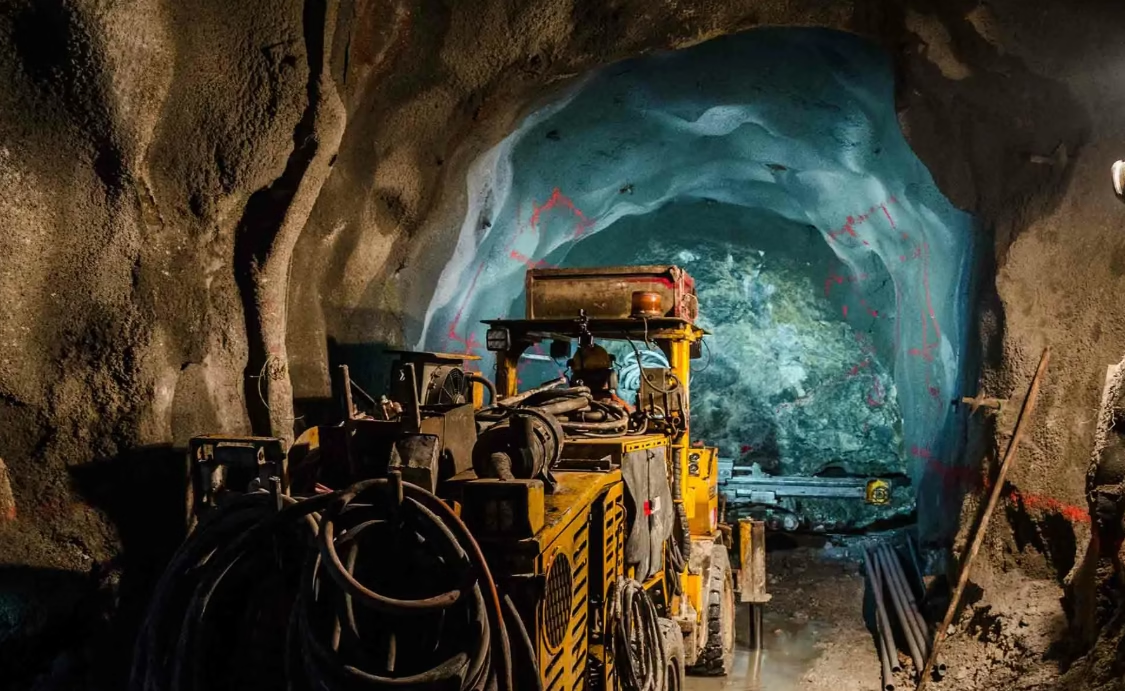
UNE 22511 — formally titled "Cables flexibles para minería subterránea con tensiones de 1,8/3 kV con aislamiento de caucho, sin armadura" (Flexible cables for underground mining, 1.8/3 kV, rubber-insulated, unarmoured) — is the definitive Spanish standard for heavy-duty power cables connecting underground mobile mining equipment to fixed electrical distribution networks. Published and maintained by AENOR (Asociación Española de Normalización y Certificación), it operates as a specialized overlay on IEC 60502-1, extending that base standard's electrical requirements with the stringent mechanical, safety, and flame-retardancy requirements specific to enclosed underground environments. Despite its Spanish origin, UNE 22511 enjoys a geographic reach far exceeding Iberia. The standard has been adopted — formally or by reference — across the major Spanish-speaking mining economies: Chile, Peru, Colombia, Bolivia, and Mexico, where AENOR-certified cables are accepted by national mining safety regulators as the primary qualification pathway for underground mobile equipment power supply cables. In Chile alone, UNE 22511 cables are installed across dozens of operations including major copper and coal mines. The standard's engineering DNA can be described in a single imperative: extreme dynamic flexibility combined with superior resistance to combined torsional and bending fatigue. This is not merely a performance aspiration — it is a structural requirement that shapes every material choice and geometric decision in the cable's construction. The logic proceeds as follows: Underground mobile equipment (continuous miners, shearers, shuttle cars) moves continuously and repeatedly during operation, dragging its power cable behind it or winding and unwinding it from a cable reel. This motion imposes cyclic bending, axial tension, and torsional loads on the cable simultaneously — a multi-axis fatigue regime of a severity not encountered in any other industrial cable application. Standard fixed-installation cables, even those classified as "flexible," are not designed for this loading regime and will fail in fatigue within weeks to months when installed in drag duty. Therefore, every structural element of a UNE 22511 cable — conductor wire diameter, insulation compound, earth core geometry, armour exclusion, sheath specification — is selected to maximize multi-axis fatigue endurance, not any single performance parameter. ⛏ The Founding Engineering Principle UNE 22511 is an unarmoured drag cable standard. The deliberate absence of any metallic armour — which might superficially seem to reduce robustness — is in fact the defining engineering choice that makes the standard viable. Steel wire or tape armour in a continuously torsionally-loaded cable acts as a progressive-failure torsional spring: each twist cycle accumulates irreversible plastic strain in the armour wires, leading to wire fractures within 10,000–30,000 cycles. For a shuttle car cable experiencing 80,000+ torsional cycles per year, armour represents not additional protection but a built-in scheduled failure mechanism. The UNE 22511 design eliminates this failure mode at source.

什么是 RS-(N)TSCGEWOEU-TUNNELFLEX-TTX from 3,6/6 to 12/20kV:带抗扭保护中压隧道移动设备电缆技术解析

RS-(N)TSCGEWOEU-TUNNELFLEX-TTX 是一种面向隧道移动设备供电的中压柔性动力电缆,覆盖 3,6/6kV、6/10kV、8,7/15kV 和 12/20kV 电压等级。它用于高机械损伤风险环境中的移动设备供电,结构中增加了 Open mesh of synthetic yarns 合成纱开放网状抗扭编织层,因此相比无抗扭保护结构,它更适合存在扭转控制需求、卷筒运动更复杂、移动路径更严苛的中压供电场景。
BASKET SPREADER 740 (YSLTOE) is engineered specifically for hoisting and control applications where mechanical flexibility and electrical reliability must coexist in marine environments. Unlike load-bearing structural cables (which prioritize tensile strength), control cables emphasize: Conductor flexibility – Repeated bending over pulleys without mechanical fatigue Insulation integrity – Voltage breakdown resistance under salt-fog corrosion Mechanical damping – Rope-like flexibility to drape naturally in spreader bar frames Environmental barrier – Outer sheath blocks salt, moisture, and UV penetration Core Design Elements: Component Material Specification Function Port Environment Benefit Conductor Flexible red copper Class 6 (IEC 60228) Carries 300/500V power; enables bending flexibility High purity copper resists galvanic corrosion Insulation PVC type YI2 (IEC 60811) Electrical isolation; voltage breakdown resistance (2 kV test) PVC with marine additives prevents salt-induced tracking Central Unit Aramide yarns (Kevlar™ equivalent) Mechanical load-bearing backup; structural integrity Aramide resists moisture & salt; absorbs vibration stress Outer Sheath PUR type 11YM1 (DIN 73377) Environmental barrier; UV/ozone/moisture protection Superior salt-fog resistance; 20+ year marine lifespan

(N)3GHSSHCH Flexible Power Cable: HFFR средневольтный кабель для mobile operating equipment, mines и hazardous underground environments

(N)3GHSSHCH — это гибкий средневольтный силовой кабель для подключения mobile operating equipments в шахтах и подземных выработках с hazardous environments. По предоставленным данным он также применяется в stationary operation, например для high-voltage transformers in mining and tunnelling. Главное отличие конструкции — использование special halogen free and flame retardant HFFR compound для внутренних и наружной оболочек, в сочетании с EPR-изоляцией 3GI3, pilot control cores, 3E protective conductors, ÜL monitoring conductor и galvanized steel wire braiding с покрытием минимум 75%.
BASKET SPREADER 740 (YSLTOE) is engineered specifically for hoisting and control applications where mechanical flexibility and electrical reliability must coexist in marine environments. Unlike load-bearing structural cables (which prioritize tensile strength), control cables emphasize: Conductor flexibility – Repeated bending over pulleys without mechanical fatigue Insulation integrity – Voltage breakdown resistance under salt-fog corrosion Mechanical damping – Rope-like flexibility to drape naturally in spreader bar frames Environmental barrier – Outer sheath blocks salt, moisture, and UV penetration Core Design Elements: Component Material Specification Function Port Environment Benefit Conductor Flexible red copper Class 6 (IEC 60228) Carries 300/500V power; enables bending flexibility High purity copper resists galvanic corrosion Insulation PVC type YI2 (IEC 60811) Electrical isolation; voltage breakdown resistance (2 kV test) PVC with marine additives prevents salt-induced tracking Central Unit Aramide yarns (Kevlar™ equivalent) Mechanical load-bearing backup; structural integrity Aramide resists moisture & salt; absorbs vibration stress Outer Sheath PUR type 11YM1 (DIN 73377) Environmental barrier; UV/ozone/moisture protection Superior salt-fog resistance; 20+ year marine lifespan

NTSKCGECWÖU: тяжёлый trailing cable для mobile electrical equipment, coal cutting machines и экстремальных изгибов в steel / plastic track chains

NTSKCGECWÖU — это средневольтный эластомерный кабель для подключения мобильного электрического оборудования в шахтах и тоннелях. По предоставленным данным он особенно подходит для coal cutting machines, прежде всего при extreme bending loads внутри steel or plastic track chains. Конструкция включает лужёные медные жилы DIN VDE 0295 Class 5, 3GI3 EPR и semiconductive rubber, cradle separator с контрольной проволокой, electrical field control, ST KON / ÜL KON элементы, GM1b inner sheath, гибкую броню из лужёной меди и оцинкованной стали, а также красную наружную оболочку 5GM5.
FLEXIDRUM® MEDIUM RS (N)TSCGEWÖU:高柔性盐雾防护港口电缆 专业级高柔性盐雾防护电源电缆,专为恶劣海洋环境设计。采用最小12×D鼓面弯曲半径、超强盐雾腐蚀防护、UV/臭氧/湿度防护,跨越3.6/6kV至12/20kV完整电压平台。专用于挖泥船、海洋泵站和港口设备,15年+服役期验证。 港口电缆技术革新:恶劣海洋环境的专业防腐蚀工程 传统电源电缆部署在盐雾海洋环境中会遭遇加速退化机制:卤化物诱导的铜导体电化学腐蚀、渗透水通过外护套微裂纹、光化学紫外线降解聚合物基质、臭氧氧化聚合物交链脆化。标准FLEXIDRUM®电缆(非专化聚合物护套)在持续港口运行的7-10年内经历~35-50%的机械抗张强度损失,导致提前更换周期和港口设备运行中的意外维护中断。 FLEXIDRUM® MEDIUM RS (N)TSCGEWÖU代表材料化学和护套架构的突破性进展,整合:(1)专化PCP外护套化合物,具有专有防盐雾化学物质(氯化钠渗透防护比标准PCP配方高2倍,符合IEC测试规程),(2)先进多层半导电屏障界面,具有疏水分子结构,防止锡铜导体上的电化学腐蚀途径,(3)集成UV/臭氧吸收添加剂,在15年以上服务周期内减少聚合物链断裂退化约60%,(4)优化柔性架构,支持12×D鼓面部署半径(相比常规专化电缆的15×D及更高),对需要跨地理分布港口设施频繁再部署的移动挖泥设备至关重要。

NTSWÖU-J Trailing Cable: тяжёлый кабель 0,6/1 kV для шахт, тоннелей, кранов и trolley systems

NTSWÖU-J — это trailing cable для сухих, влажных и мокрых мест, где присутствуют механические воздействия. По предоставленным данным он применяется в шахтах, trolley systems, кранах и тоннельных применениях как кабель питания. Конструкция включает лужёные медные жилы DIN VDE 0295 Class 5, изоляцию 3GI3, межжильные заземляющие жилы, внутреннюю оболочку GM1b и тяжёлую наружную оболочку 5GM5 жёлтого или чёрного цвета.
LIFT-2S (European) vs. LIFT-1S UL (North American): LIFT-2S characteristics: Voltage: 300/500V (European standard, lower voltage) Temperature: −40°C to +70°C (moderate range) Standards: VDE 0482 part 265-2-1, EN 50265-2-1, IEC 60332-1-2 Design philosophy: Safety by material redundancy (2 steel cores) Steel cores: 2× cores provide mechanical backup Conductor: Class 6 (European, ~150–200 wires per mm²) Cost: Lower (proven European manufacturing) Market: Europe, Asia-Pacific, most of world LIFT-1S UL characteristics: Voltage: 600V (North American standard, higher voltage) Temperature: −25°C to +105°C (extreme range, high-temp optimized) Standards: UL 2562, UL 62, CSA C22.2 No.210.2 Design philosophy: Safety by certification (single core + redundant control) Steel core: 1× core (sufficient with nylon covering) Conductor: Class M (UL, extra fine ~300+ wires per mm²) Cost: Higher (UL testing, certification documentation) Market: North America (USA, Canada), Mexico UL 2562 specialty certification: UL 2562 scope: Elevator and Dumbwaiter Cables Specific requirements: 1. Pendant cable design (cable hangs freely, no duct support) 2. Vertical orientation (designed for gravity-loaded suspension) 3. Repeated flex cycles (cable moves up/down frequently) 4. Safety-critical function (failure = personnel risk) Consequence: More stringent than general-purpose cables Testing includes: Bend cycle fatigue, heat aging, compression resistance Test procedures (unique to UL 2562): Bend cycle test: 1,000+ cycles at minimum bending radius Cable must pass insulation resistance after cycling Heat aging: 500+ hours at 105°C continuous Tensile strength retention minimum 70% Compression: 1,000+ hours under sustained compression Cable cross-section must not exceed 5% permanent deformation LIFT-2S (no UL 2562): Tests per VDE are less stringent on fatigue/cycling Assumes cable mostly static, not repeated flex Adequate for European elevator duty (lower speed, fewer cycles) LIFT-1S UL: All UL 2562 tests passed (proven for North American elevators) Faster cycle times, more frequent motion → more fatigue stress Extra testing ensures reliability under North American elevator duty Market requirement (regulatory): Europe/International: CE mark required (European conformity) VDE/EN/IEC standards sufficient No UL certification needed (not recognized in EU) LIFT-2S is sufficient North America (USA, Canada): UL certification mandatory for elevators UL 2562 specifically for elevator cables CSA dual certification required in Canada LIFT-2S NOT acceptable (lacks UL 2562) LIFT-1S UL mandatory Cost implication: UL certification: ~$5,000–15,000 per product per region Testing duration: 3–6 months per model Documentation: Comprehensive test reports, technical files Result: LIFT-1S UL 20–30% higher cost than equivalent European cable

NSHCGEÖU KON+ST+ÜL для общего применения: тяжёлый кабель 0,6/1 kV для мобильных шахтных машин, контроля повреждений и вспомогательных цепей

NSHCGEÖU KON+ST+ÜL — это тяжёлый эластомерный кабель для подключения мобильных машин с очень высокой механической нагрузкой. По предоставленным данным он особенно применяется в шахтах для coal cutting and loading machines, а также для питания аппаратов, устройств и auxiliary electrical circuits. Конструкция объединяет три силовые жилы, двойные концентрические контрольные жилы, monitoring core, GM1b внутреннюю оболочку, гибкую броню из лужёных медных и оцинкованных стальных проволок, а также тяжёлую наружную оболочку 5GM5 жёлтого или красного цвета.
Marine & Port Drag Cable — High-Flexibility Saltwater-Resistant System A comprehensive engineering dissection of heavy-duty marine drag cables for port equipment, container terminals, and offshore platforms — from conductor architecture and EPR insulation to steel wire armour (M2) design rationale, galvanic corrosion protection mechanisms, environmental compliance, and validated performance benchmarking against Nexans Eproneo Port and Prysmian marine systems.

(N)SSHCÖU для общего применения: экранированный кабель 0,6/1 kV для двигателей с частотным преобразователем в горной добыче и тоннелях

(N)SSHCÖU — это тяжёлый эластомерный кабель с лужёными медными жилами класса 5, изоляцией 3GI3, защитными PE-проводниками, разделёнными на три части, концентрической оплёткой из лужёной меди, внутренней оболочкой GM1b и наружной оболочкой 5GM5. По предоставленным техническим данным кабель подходит для стационарной прокладки и гибкой эксплуатации в качестве motor power supply cable для приводов, управляемых частотными преобразователями, в mining and tunneling applications.
What Are UNE 22560 and UNE 22561? Scope, Definitions, and Core Purpose The UNE 22560 and UNE 22561 standards represent the final and often most underestimated element of the Spanish and Latin American underground mining cable ecosystem. Where UNE 22511 and UNE 22512 govern the power distribution cables that energize mining equipment, the 22560 and 22561 standards govern the signal, control, and interlock cables that command and protect that equipment. These are the "nervous system" cables of a mine — the communication network that tells a continuous miner when to advance and when to halt, that triggers emergency stops, that monitors hoisting rope tension on shaft equipment, that controls conveyor sequencing, and that enables the protective interlocking that prevents a piece of equipment from operating unless all safety preconditions are met. UNE 22560 formally defines flexible multi-core cables for underground mining with voltage ratings up to 500 V or 0.6/1 kV, with no metallic armour protection — designed for installation within equipment enclosures, along protected cable trays in main gate roads, or in areas where mechanical damage risk is minimal. UNE 22561 is its armoured sister standard, incorporating steel wire braid or steel tape protection, specified for installation in rough terrain areas where mechanical damage from rock fall, equipment collision, or floor contact is a credible risk. Both standards mandate that the cable be designed as a multi-core concentric stranded bundle — not the parallel-laid three or four conductors common in power cables, but rather seven, twelve, nineteen, or more individually insulated cores twisted concentrically around a central axis, allowing compact packaging of numerous independent control circuits within a single cable jacket. The distinction between these standards is not merely mechanical armour presence or absence. Control cables are tested against an entirely different set of safety criteria than power cables because their failure mode is fundamentally different. A power cable failure results in loss of energy to equipment — dangerous but localized. A control cable failure can disable the interlock system that prevents a continuous miner from advancing into unsafe ground, or can disable the emergency stop circuit that should halt a conveyor if a worker falls into it. A control cable fire, burning in a tightly bundled cable tray with other control cables, must not spread flame between cables because control cables are typically routed in shared ducts and cable carriers where one cable's ignition could cascade to adjacent circuits. Therefore, control cables are tested for bundle flame propagation (EN 60332-3) rather than single-cable flame propagation tests — a more stringent requirement that demands careful attention to outer sheath formulation and cable spacing in bundle installation.

NSSHÖU для общего применения: тяжёлый эластомерный кабель 0,6/1 kV для шахт, карьеров, тоннелей и промышленности

NSSHÖU — это гибкий силовой кабель тяжёлого исполнения для общего применения в горной добыче, карьерах, промышленных зонах, строительных площадках, сельскохозяйственных операциях и в качестве trailing cable. По предоставленным техническим данным он имеет лужёные медные жилы DIN VDE 0295 Class 5, изоляцию 3GI3, внутреннюю оболочку GM1b, наружную тяжёлую эластомерную оболочку 5GM5, а также специальные исполнения с индивидуальными экранами …3/E и концентрическим общим экраном …kon.
FLEXIFESTOON® SEOOW YELLOW represents FeiChun's entry into the low-voltage festoon and temporary power market. The nomenclature requires careful explanation to distinguish this product from the high-voltage FLEXIDRUM series: FLEXIFESTOON Product Nomenclature: FLEXIFESTOON® = Product family name Flex = Flexible (emphasis on bending & handling) Festoon = Strung overhead in continuous runs (typical festoon lighting application) SEOOW = Industry-standard designation S = Service cord (temporary, not permanent installation) E = Elastomer jacket (flexible sheath) OO = Oil-resistant conductor insulation (TPE qualifies as oil-resistant) W = Weather-resistant sheath (water, ozone, UV resistant) SEOOW is defined in: UL 62 (Standard for Flexible Cords and Cables) CSA 22.2 No. 49 (Canadian equivalent) NFPA 70 National Electrical Code (NEC) Article 400 YELLOW designation: Color: RAL 1021 (traffic yellow, high visibility) Safety significance: Yellow cords attract attention in job sites Practical purpose: Easy to identify, prevent trips/entanglement Contrast with FLEXIDRUM series: FLEXIDRUM (High-Voltage MV Cable): Voltage: 3.6 kV to 20/35 kV (power distribution) Temperature: −40 to +80°C (standard industrial) Application: Mobile mining/tunneling equipment (capital-intensive) Size: Large diameter, heavy (3–12 kg/km) FLEXIFESTOON (Low-Voltage Service Cord): Voltage: 600V (light/power temporary use) Temperature: −60 to +105°C (extreme environmental range) Application: Festoon lighting, temporary site power, outdoor events Size: Small diameter, lightweight (0.05–0.3 kg/m) Cost: Consumer/contractor-grade (not specialty industrial)

(N)SHÖU для общего применения: силовой кабель 0,6/1 kV для карьеров, конвейеров, горных и тоннельных площадок

Кабель (N)SHÖU предназначен для тяжёлых условий эксплуатации: открытые горные работы, карьеры, линии рядом с конвейерными лентами, оборудование для обработки материалов, тоннельные площадки и сходные промышленные установки. Его инженерная ценность заключается в сочетании гибкой медной жилы класса 5, эластомерной изоляции 3GI3, внутренней эластомерной оболочки и тяжёлой наружной оболочки 5GM5 жёлтого или чёрного цвета.
EMC Performance Classification: EMC rating scale (VDE/EN standards): Basic: No shielding (part 813 unscreened) Fair: Partial coverage, 30–40 mm spacing in braid Good: 80–90% coverage, 95% coverage, all gaps 30 dB attenuation @ 500 kHz: >40 dB attenuation @ 5 MHz: >35 dB attenuation (typical peak range) Expected: Tinned copper braid achieves 35–50 dB across frequency range Immunity to external interference: Motor variable frequency drive (VFD) nearby: VFD RF emission: Typically 50–200 mV/m at cable distance Unshielded cable susceptibility: 100–500 mV induced noise Shielded cable (good EMC): 1–10 mV induced noise (50–100× reduction) Consequence: VFD-driven crane motor doesn't interfere with control signals No false triggering of safety systems Data integrity in digital control systems maintained Radiated immunity testing (per EN 61000-4-3): Test standard: Cable exposed to RF field 50 MHz–1 GHz Test field strength: 10 V/m typical Acceptance: No malfunction, signal corruption

RS-(N)TSCGEWOEU-TUNNELFLEX-TTX — средневольтный тоннельный кабель с защитой от скручивания

RS-(N)TSCGEWOEU-TUNNELFLEX-TTX — средневольтный силовой кабель от 3,6/6 kV до 12/20 kV для питания мобильного оборудования в тоннельных применениях. Кабель предназначен для условий с высоким риском механического повреждения и оснащён anti-twisting braid — открытой сеткой из синтетических нитей.
Advanced High-Flexibility Salt-Fog Resistant Port Cable: Engineering Excellence for Extreme Maritime Environments A comprehensive technical deep-dive into Feichun's purpose-engineered high-flexibility port cable platform combining advanced electrochemical conductor protection, specialized EPR insulation, proprietary hydrophobic semi-conductive interfaces, and innovative outer-sheath chemistry—delivering extended service-life durability (12–15+ years field-validated) for demanding dredging, pumping, and floating-crane applications operating in harsh tropical and subtropical saltwater port facilities worldwide.

RS-(N)TSCGEWOEU-TUNNELFLEX-TX — средневольтный кабель для тоннельного мобильного оборудования

RS-(N)TSCGEWOEU-TUNNELFLEX-TX — средневольтный силовой кабель от 3,6/6 kV до 12/20 kV для питания мобильного оборудования в тоннельных применениях. Кабель предназначен для условий с высоким риском механического повреждения и поставляется в исполнении without antitwisting protection.
Complete specifications and comparative pricing analysis JZ-600 7G16 mm² (also searched as JZ600 7x16 or OZ-600 7G16) 0.6/1 kV: OD 24.5–26.5 mm, weight ~1,630 kg/km, copper index ~1,075 kg/km, current 76 A base @ 30°C (actual ~43 A with 7-core derating 0.57), copper class 5, PVC TI2 insulation, PVC TM2 outer (black, UV resistant), bending 7.5–10×OD flexing, temp -5/+80°C flexing. Designation decoding: letter-by-letter German marking breakdown. Pricing: Helukabel/Lapp original €180–280/km, Feichun FC-JZ600 €85–140/km (50–60% savings). DIN VDE 0285-525-2-51. EAC, GOST-R, CE certified. TCO calculator for overhead cranes, CNC machines, and control cabinets.

Характеристики и цена: JZ-600 7G16 mm² 0.6/1 kV — гибкий контрольно-силовой кабель для европейских станков и кранов

Complete specifications and comparative pricing analysis JZ-600 7G16 mm² (also searched as JZ600 7×16 or OZ-600 7G16) 0.6/1 kV: OD 24.5–26.5 mm, weight ~1,630 kg/km, copper index ~1,075 kg/km, current 76 A base @ 30°C (actual ~43 A with 7-core derating 0.57), copper class 5, PVC TI2 insulation, PVC TM2 outer (black, UV resistant), bending 7.5–10×OD flexing, temp -5/+80°C flexing. Designation decoding: letter-by-letter German marking breakdown. Pricing: Helukabel/Lapp original €180–280/km, Feichun FC-JZ600 €85–140/km (50–60% savings). DIN VDE 0285-525-2-51. EAC, GOST-R, CE certified. TCO calculator for overhead cranes, CNC machines, and control cabinets.
Complete Technical Analysis: Why Australian Port Terminals, Heavy Industrial Sites, and STS/RTG Crane Operations Require NSHTÖU Cables Rated at 1.1/1.1kV (Uo=U) Instead of Standard European 0.6/1kV Specifications. IT Earthing System Philosophy for Continuous Port Operations, Earth Fault Voltage Stress Analysis, VFD Drive Compatibility, Symmetrical Earth Conductor Configuration, Heavy-Duty PCP Sheath Materials, Tinned Copper Conductor Specifications, DIN VDE 0295 Class 5 Strand Flexibility, 5GM5 Rubber Compound Durability, AS/NZS Regulatory Compliance, Real-World Port Machinery Applications, Procurement Verification Protocols.

NSHTÖU 1.1/1.1kV vs 0.6/1kV: Why Australian Port Cranes Require Uo=U Voltage Rating

Complete Technical Analysis: Why Australian Port Terminals, Heavy Industrial Sites, and STS/RTG Crane Operations Require NSHTÖU Cables Rated at 1.1/1.1kV (Uo=U) Instead of Standard European 0.6/1kV Specifications. IT Earthing System Philosophy for Continuous Port Operations, Earth Fault Voltage Stress Analysis, VFD Drive Compatibility, Symmetrical Earth Conductor Configuration, Heavy-Duty PCP Sheath Materials, Tinned Copper Conductor Specifications, DIN VDE 0295 Class 5 Strand Flexibility, 5GM5 Rubber Compound Durability, AS/NZS Regulatory Compliance, Real-World Port Machinery Applications, Procurement Verification Protocols.
4G16 (3 power cores + 1 earth core, 16 mm²) AWG 6 equivalent Outer diameter: 25.5-32.3 mm (nominal 26.5 mm) Copper weight: 614.4 kg/km Total weight: 1200-1380 kg/km Current carrying capacity: 82A (30°C free air) Rated voltage: 0.6/1 kV Conductor: Bare copper or tinned copper, Class 5 (flexible) Temperature range: -25°C to +80°C (mobile/flexing), -40°C to +80°C (fixed) Min bending radius: 8 × OD (about 215 mm) Materials: EPR insulation, dual-layer Neoprene sheath with anti-torsion braid Heavy-duty reeling cable for ports, mining, mobile equipment

Flame Retardant Ratings: Does NSHTÖU-J 4G16 meet IEC 60332-1-2 single wire flame tests?

4G16 (3 power cores + 1 earth core, 16 mm²) AWG 6 equivalent Outer diameter: 25.5-32.3 mm (nominal 26.5 mm) Copper weight: 614.4 kg/km Total weight: 1200-1380 kg/km Current carrying capacity: 82A (30°C free air) Rated voltage: 0.6/1 kV Conductor: Bare copper or tinned copper, Class 5 (flexible) Temperature range: -25°C to +80°C (mobile/flexing), -40°C to +80°C (fixed) Min bending radius: 8 × OD (about 215 mm) Materials: EPR insulation, dual-layer Neoprene sheath with anti-torsion braid Heavy-duty reeling cable for ports, mining, mobile equipment
(N)TSCGEWÖU cable designation represents a specialized category of medium-voltage flexible power cables manufactured according to the stringent requirements of German standard DIN VDE 0250-813. These cables are specifically engineered for demanding applications in underground mining operations, tunnelling projects, and heavy industrial installations where conventional power cables would fail under the combined stresses of mechanical loading, chemical exposure, and harsh environmental conditions. The nomenclature follows German cable designation conventions where "T" indicates fine-stranded conductors for maximum flexibility, "SC" denotes semiconductive screening layers, "G" represents flexible insulation compound, "E" signifies earth conductors, "W" indicates oil-resistant properties, and "Ö" confirms oil and chemical resistance of the outer sheath.

Ampacity Derating: How Much Current Can (N)TSCGEWÖU Carry When Wound in 3 Layers on a Drum?

(N)TSCGEWÖU cable designation represents a specialized category of medium-voltage flexible power cables manufactured according to the stringent requirements of German standard DIN VDE 0250-813. These cables are specifically engineered for demanding applications in underground mining operations, tunnelling projects, and heavy industrial installations where conventional power cables would fail under the combined stresses of mechanical loading, chemical exposure, and harsh environmental conditions. The nomenclature follows German cable designation conventions where “T” indicates fine-stranded conductors for maximum flexibility, “SC” denotes semiconductive screening layers, “G” represents flexible insulation compound, “E” signifies earth conductors, “W” indicates oil-resistant properties, and “Ö” confirms oil and chemical resistance of the outer sheath.
(N)SHTÖU cable designation represents a specific family of German-engineered flexible power cables manufactured according to the rigorous requirements established in DIN VDE 0250-814 standard. The nomenclature itself conveys critical information about the cable's construction and intended application environment. The letter designation "SHTÖU" is derived from the German technical specifications where "SH" indicates heavy-duty rubber insulation (Schwergummi), "T" denotes textile reinforcement embedded within the cable structure, "Ö" signifies oil resistance of the outer sheath material, and "U" represents the rugged outer jacket suitable for demanding industrial environments.

What is the Maximum Permissible Tensile Load (N/mm²) for (N)SHTÖU Vertical Suspension Cables?

(N)SHTÖU cable designation represents a specific family of German-engineered flexible power cables manufactured according to the rigorous requirements established in DIN VDE 0250-814 standard. The nomenclature itself conveys critical information about the cable’s construction and intended application environment. The letter designation “SHTÖU” is derived from the German technical specifications where “SH” indicates heavy-duty rubber insulation (Schwergummi), “T” denotes textile reinforcement embedded within the cable structure, “Ö” signifies oil resistance of the outer sheath material, and “U” represents the rugged outer jacket suitable for demanding industrial environments.
(N)TSKCGEWÖU designation represents a sophisticated medium-voltage flexible mining cable engineered according to DIN VDE 0250 Part 813 standards, incorporating a distinctive feature that differentiates it from standard trailing cables: a central support element with integrated Kevlar (aramid fiber) reinforcement. The "K" in the designation specifically denotes the presence of this Kevlar-reinforced cradle separator, which serves as the structural backbone of the cable assembly. (N)TSKCGEWÖU命名代表按照DIN VDE 0250第813部分标准设计的精密中压柔性矿用电缆,其具有区别于标准拖曳电缆的独特特征:带有集成凯夫拉(芳纶纤维)加强的中心支撑元件。命名中的"K"特别表示存在这种凯夫拉加强的托架分离器,它作为电缆组件的结构骨干。

Support Element Function: The Specific Purpose of the Central “Support Element” (Dummy Core) in (N)TSKCGEWÖU Cable Designs for Mechanical Stability

(N)TSKCGEWÖU designation represents a sophisticated medium-voltage flexible mining cable engineered according to DIN VDE 0250 Part 813 standards, incorporating a distinctive feature that differentiates it from standard trailing cables: a central support element with integrated Kevlar (aramid fiber) reinforcement. The “K” in the designation specifically denotes the presence of this Kevlar-reinforced cradle separator, which serves as the structural backbone of the cable assembly. (N)TSKCGEWÖU命名代表按照DIN VDE 0250第813部分标准设计的精密中压柔性矿用电缆,其具有区别于标准拖曳电缆的独特特征:带有集成凯夫拉(芳纶纤维)加强的中心支撑元件。命名中的”K”特别表示存在这种凯夫拉加强的托架分离器,它作为电缆组件的结构骨干。
The determination of current carrying capacity (ampacity) for mining and trailing cables represents a critical engineering consideration that directly impacts operational safety and equipment performance. Two dominant international approaches govern these calculations: the German VDE 0298-4 standard applied to (N)TSCGEWÖU-type cables, and the North American NEC methodology utilizing ICEA S-75-381 (ANSI/NEMA WC-58) for Type SHD-GC cables. 矿用及拖曳电缆的载流量确定是直接影响运行安全和设备性能的关键工程考量。两种主导的国际方法管理这些计算:适用于(N)TSCGEWÖU型电缆的德国VDE 0298-4标准,以及使用ICEA S-75-381 (ANSI/NEMA WC-58)标准的北美NEC方法用于Type SHD-GC电缆。

Ampacity Calculation: How Does the Current Carrying Capacity for (N)TSCGEWÖU in VDE 0298-4 Differ from the NEC Method Used for Type SHD-GC?

The determination of current carrying capacity (ampacity) for mining and trailing cables represents a critical engineering consideration that directly impacts operational safety and equipment performance. Two dominant international approaches govern these calculations: the German VDE 0298-4 standard applied to (N)TSCGEWÖU-type cables, and the North American NEC methodology utilizing ICEA S-75-381 (ANSI/NEMA WC-58) for Type SHD-GC cables. 矿用及拖曳电缆的载流量确定是直接影响运行安全和设备性能的关键工程考量。两种主导的国际方法管理这些计算:适用于(N)TSCGEWÖU型电缆的德国VDE 0298-4标准,以及使用ICEA S-75-381 (ANSI/NEMA WC-58)标准的北美NEC方法用于Type SHD-GC电缆。
Серия TENAX® представляет собой семейство высокопроизводительных тяговых кабелей среднего напряжения, разработанных в соответствии со стандартом DIN VDE 0250, часть 813 для подключения крупного мобильного оборудования в условиях экстремальных механических нагрузок. Базовая конструкция TENAX-T является стандартным решением для барабанной намотки, на основе которой разработаны специализированные модификации для конкретных условий эксплуатации.

Что такое тяговые кабели серии TENAX® — T, TT, TZ, N (NTS…WOEU)?

Серия TENAX® представляет собой семейство высокопроизводительных тяговых кабелей среднего напряжения, разработанных в соответствии со стандартом DIN VDE 0250, часть 813 для подключения крупного мобильного оборудования в условиях экстремальных механических нагрузок. Базовая конструкция TENAX-T является стандартным решением для барабанной намотки, на основе которой разработаны специализированные модификации для конкретных условий эксплуатации.
N3GHSSYCY — это экранированный высоковольтный гибкий кабель промышленного класса, специально разработанный для подключения мобильного оборудования в шахтах и подземных выработках со взрывоопасной средой. Кабель соответствует международному стандарту DIN VDE 0250, часть 605 и выпускается в двух номинальных напряжениях: 3.6/6 кВ и 6/10 кВ. Особенностью конструкции является наличие фазоконцентрического заземляющего проводника и общего концентрического экрана мониторинга, которые в сочетании со схемой высоковольтной защиты позволяют контролировать кабель на наличие дефектов изоляции и повреждений от внешних воздействий.

Что такое тяговый кабель среднего напряжения (N)TS…WOEU?

(N)TSCGEWOEU — это высокопроизводительный гибкий тяговый кабель среднего напряжения, разработанный в соответствии со стандартом DIN VDE 0250, часть 813 для подключения крупного передвижного оборудования, работающего в условиях экстремальных механических нагрузок. Данный кабель представляет собой стандартную конструкцию серии TENAX-T, оптимизированную для применения в открытых горных разработках, на экскаваторах, самосвалах и дробилках.
RS-(N)TSCGEWOEU TUNNELFLEX-TTX is a specialized medium voltage flexible power cable series available in four voltage ratings from 3.6/6 kV to 12/20 kV. These cables are engineered specifically for tunneling applications, providing reliable power supply to mobile equipment operating in harsh underground environments where there is a high risk of mechanical damage. The cable designation follows German DIN VDE nomenclature, with (N) indicating compliance with German national standards.

What is RS-(N)TSCGEWOEU TUNNELFLEX-TTX 3.6/6 to 12/20 kV Cable?

RS-(N)TSCGEWOEU cable, TUNNELFLEX-TTX cable, TUNNELFLEX-TTX 3.6/6kV, TUNNELFLEX-TTX 6/10kV, TUNNELFLEX-TTX 8.7/15kV, TUNNELFLEX-TTX 12/20kV, medium voltage tunneling cable, MV tunnel cable, DIN VDE 0295 Class 5, HEPR-MV insulation, 3GI3 classification, semi-conducting screen, PCP sheath cable, polychloroprene cable, anti-twisting braid, synthetic mesh cable, red sheath cable, tunnel boring machine cable, TBM power cable, underground mining cable, metro tunneling cable, railway tunnel cable, hydropower tunnel cable, Class 5 flexible conductor, 90°C conductor, short circuit rating, current carrying capacity, extruded screen cable, double sheath cable, mobile equipment cable, 3×25+3×25/3, 3×50+3×25/3, 3×95+3×50/3, 3×120+3×70/3, 3×185+3×95/3, 3×240+3×120/3, IEC 60502-2 cable, HD 620 cable, EPR medium voltage, micro-filtered insulation, TUNNELFLEX-TTX電纜, 中壓隧道電纜, 中壓柔性電纜, 隧道掘進機電纜, TBM電纜, HEPR-MV絕緣, 半導體屏蔽電纜, PCP護套電纜, 防扭電纜, 紅色護套電纜, 5類導體電纜, 地下採礦電纜, DIN VDE標準電纜, Anhui Feichun cable, Feichun Special Cable, 安徽飛純電纜