DIN VDE 0250

When engineers first encounter the concept of a self-illuminating mining cable — such as the (N)TSCGEH3S / TENAX-LUMEN type — one of the most natural questions that arises is about the transparent outer sheath. Traditional mining trailing cables use opaque black polychloroprene (PCP, also known as neoprene or CR) or chlorinated polyethylene (CPE) outer jackets. These materials have decades of proven thermal performance data. Replacing them with a crystal-clear thermoplastic polyurethane (TPU) immediately raises the concern: does the change in sheath material and color affect how much current the cable can safely carry? This is not a trivial question. The ampacity (current-carrying capacity) of a power cable is fundamentally a thermal problem. Every ampere of current flowing through the conductor generates I²R heat losses. That heat must travel outward through every layer of the cable — insulation, screens, inner sheath, monitoring shield, and finally the outer sheath — before being dissipated to the surrounding environment by convection and radiation. If any layer in this thermal chain acts as a better or worse insulator, or if the cable surface radiates heat more or less efficiently, the maximum allowable current changes. 载流量本质上是一个热学问题:导体中的I²R热量必须穿过每一层传导到外部环境——如果任何层的热性能改变,最大允许电流就会变化。When engineers first encounter the concept of a self-illuminating mining cable — such as the (N)TSCGEH3S / TENAX-LUMEN type — one of the most natural questions that arises is about the transparent outer sheath. Traditional mining trailing cables use opaque black polychloroprene (PCP, also known as neoprene or CR) or chlorinated polyethylene (CPE) outer jackets. These materials have decades of proven thermal performance data. Replacing them with a crystal-clear thermoplastic polyurethane (TPU) immediately raises the concern: does the change in sheath material and color affect how much current the cable can safely carry? This is not a trivial question. The ampacity (current-carrying capacity) of a power cable is fundamentally a thermal problem. Every ampere of current flowing through the conductor generates I²R heat losses. That heat must travel outward through every layer of the cable — insulation, screens, inner sheath, monitoring shield, and finally the outer sheath — before being dissipated to the surrounding environment by convection and radiation. If any layer in this thermal chain acts as a better or worse insulator, or if the cable surface radiates heat more or less efficiently, the maximum allowable current changes. 载流量本质上是一个热学问题:导体中的I²R热量必须穿过每一层传导到外部环境——如果任何层的热性能改变,最大允许电流就会变化。
Heat Dissipation: Does the TPU Transparent Sheath Affect the Ampacity of the Cable Compared to Black Rubber?

When engineers first encounter the concept of a self-illuminating mining cable — such as the (N)TSCGEH3S / TENAX-LUMEN type — one of the most natural questions that arises is about the transparent outer sheath. Traditional mining trailing cables use opaque black polychloroprene (PCP, also known as neoprene or CR) or chlorinated polyethylene (CPE) outer jackets. These materials have decades of proven thermal performance data. Replacing them with a crystal-clear thermoplastic polyurethane (TPU) immediately raises the concern: does the change in sheath material and color affect how much current the cable can safely carry? This is not a trivial question. The ampacity (current-carrying capacity) of a power cable is fundamentally a thermal problem. Every ampere of current flowing through the conductor generates I²R heat losses. That heat must travel outward through every layer of the cable — insulation, screens, inner sheath, monitoring shield, and finally the outer sheath — before being dissipated to the surrounding environment by convection and radiation. If any layer in this thermal chain acts as a better or worse insulator, or if the cable surface radiates heat more or less efficiently, the maximum allowable current changes. 载流量本质上是一个热学问题:导体中的I²R热量必须穿过每一层传导到外部环境——如果任何层的热性能改变,最大允许电流就会变化。
Consider a medium-voltage mining trailing cable — for instance, an (N)TMCGEH3S rated 6/10 kV — carrying hundreds of amperes of alternating current through its three power cores to an electric rope shovel in an open-pit mine. Somewhere inside the same cable, a tiny LED glows steadily, making the cable visible to operators in darkness. Yet that LED has no wire, no contact, no physical electrical connection to the power cores. How is this possible? 设想一根中压矿用拖拽电缆——例如额定 6/10 kV 的 (N)TMCGEH3S——通过三根动力线芯向露天矿的电铲输送数百安培的交流电。在同一根电缆内部某处,一颗微小的 LED 稳定发光,使电缆在黑暗中对操作人员可见。但该 LED 与动力线芯之间没有导线、没有触点、没有任何物理电气连接。这是如何做到的?

Inductive Harvesting: How Does the Magnetic Field of the Power Cores Induce Current to Light Up LEDs Without Physical Electrical Connection?

Consider a medium-voltage mining trailing cable — for instance, an (N)TMCGEH3S rated 6/10 kV — carrying hundreds of amperes of alternating current through its three power cores to an electric rope shovel in an open-pit mine. Somewhere inside the same cable, a tiny LED glows steadily, making the cable visible to operators in darkness. Yet that LED has no wire, no contact, no physical electrical connection to the power cores. How is this possible? 设想一根中压矿用拖拽电缆——例如额定 6/10 kV 的 (N)TMCGEH3S——通过三根动力线芯向露天矿的电铲输送数百安培的交流电。在同一根电缆内部某处,一颗微小的 LED 稳定发光,使电缆在黑暗中对操作人员可见。但该 LED 与动力线芯之间没有导线、没有触点、没有任何物理电气连接。这是如何做到的?
Open-pit mining operations run around the clock, often in low-light conditions where trailing cables — the lifelines of mobile equipment — become nearly invisible on the ground. When heavy machinery such as draglines, shovels, or belt-wagon systems traverse active pit areas, undetected cables are at risk of being crushed or severed. The consequences extend beyond costly cable replacement: unplanned downtime, arc-flash hazards, and direct threats to personnel safety all stem from a single visibility failure. 露天矿山全天候运营,常在低光照条件下作业。此时拖拽电缆——移动设备的生命线——几乎不可见。重型机械(如拉铲、电铲或皮带车系统)经过作业区域时,未被发现的电缆面临被碾压或切断的风险。后果不仅是高昂的电缆更换费用,还包括计划外停机、电弧闪光危险以及对人员安全的直接威胁。

TENAX-LUMEN Alternative: High-Visibility (N)TMCGEH3S Cables for Safer Mines

Open-pit mining operations run around the clock, often in low-light conditions where trailing cables — the lifelines of mobile equipment — become nearly invisible on the ground. When heavy machinery such as draglines, shovels, or belt-wagon systems traverse active pit areas, undetected cables are at risk of being crushed or severed. The consequences extend beyond costly cable replacement: unplanned downtime, arc-flash hazards, and direct threats to personnel safety all stem from a single visibility failure. 露天矿山全天候运营,常在低光照条件下作业。此时拖拽电缆——移动设备的生命线——几乎不可见。重型机械(如拉铲、电铲或皮带车系统)经过作业区域时,未被发现的电缆面临被碾压或切断的风险。后果不仅是高昂的电缆更换费用,还包括计划外停机、电弧闪光危险以及对人员安全的直接威胁。
Modern mining operations increasingly rely on self-illuminating cables to improve safety visibility in underground environments. By embedding LED strip lights directly within the transparent or translucent thermoplastic polyurethane (TPU) outer jacket of a trailing or reeling cable, operators gain continuous visual confirmation of cable routing, reduce tripping hazards, and can detect cable damage more readily. Anhui Feichun Special Cable Co., Ltd. has pioneered this approach in its SHD-GC LED Mining Cable series, integrating constant-current LED strips into cables rated from 2 kV to 25 kV for both underground and open-pit operations. 现代矿山作业越来越依赖于自发光电缆来提高地下环境的安全可见度。通过将LED灯带直接嵌入拖曳或卷缆的透明/半透明热塑性聚氨酯(TPU)外护套中,操作人员可持续确认电缆走向路线、降低绊倒风险,并更容易检测电缆损坏。安徽飞纯特种电缆有限公司在其SHD-GC LED矿用电缆系列中率先采用了该技术。

Service Life: What Is the Expected Lifespan of Embedded LED Strips Inside a Mining Cable Under Constant Flexing?

Modern mining operations increasingly rely on self-illuminating cables to improve safety visibility in underground environments. By embedding LED strip lights directly within the transparent or translucent thermoplastic polyurethane (TPU) outer jacket of a trailing or reeling cable, operators gain continuous visual confirmation of cable routing, reduce tripping hazards, and can detect cable damage more readily. Anhui Feichun Special Cable Co., Ltd. has pioneered this approach in its SHD-GC LED Mining Cable series, integrating constant-current LED strips into cables rated from 2 kV to 25 kV for both underground and open-pit operations. 现代矿山作业越来越依赖于自发光电缆来提高地下环境的安全可见度。通过将LED灯带直接嵌入拖曳或卷缆的透明/半透明热塑性聚氨酯(TPU)外护套中,操作人员可持续确认电缆走向路线、降低绊倒风险,并更容易检测电缆损坏。安徽飞纯特种电缆有限公司在其SHD-GC LED矿用电缆系列中率先采用了该技术。
In heavy-duty industrial cables — the kind used in port container cranes, mining draglines, tunnel boring machines, and steel-mill transfer cars — visual identification of cable status is a serious safety concern. Operators need to know at a glance whether a cable is energized, which phase it carries, or simply where it runs in a dark, congested environment. Embedding small LED indicators directly into the cable sheath is one solution, but doing so raises an immediate engineering question: how do you power those LEDs? 在重型工业电缆(如港口集装箱起重机、矿山拖拽线、隧道掘进机和钢厂转运车使用的电缆)中,电缆状态的可视化识别是一个严肃的安全问题。将 LED 指示灯嵌入电缆护套是一种解决方案,但随之而来的工程难题是:如何为这些 LED 供电?

Inductive Harvesting: How Does the Magnetic Field of the Power Cores Induce Current to Light Up LEDs Without Physical Electrical Connection?

In heavy-duty industrial cables — the kind used in port container cranes, mining draglines, tunnel boring machines, and steel-mill transfer cars — visual identification of cable status is a serious safety concern. Operators need to know at a glance whether a cable is energized, which phase it carries, or simply where it runs in a dark, congested environment. Embedding small LED indicators directly into the cable sheath is one solution, but doing so raises an immediate engineering question: how do you power those LEDs? 在重型工业电缆(如港口集装箱起重机、矿山拖拽线、隧道掘进机和钢厂转运车使用的电缆)中,电缆状态的可视化识别是一个严肃的安全问题。将 LED 指示灯嵌入电缆护套是一种解决方案,但随之而来的工程难题是:如何为这些 LED 供电?
The type designation (N)TSCGEH3S follows the German DIN VDE cable nomenclature system, which uses sequential letters to encode every aspect of a cable's construction, insulation material, and intended service conditions. Under DIN VDE 0292, the leading N (in parentheses) indicates the cable is manufactured to a recognized VDE type standard with permissible manufacturer variations, while subsequent characters specify the conductor type, shielding, elastomeric insulation, and special functional elements embedded in the cable assembly. 型号标识 (N)TSCGEH3S 遵循德国 DIN VDE 电缆命名规范,每个字母依次编码了电缆的结构、绝缘材料及适用工况。括号中的"N"表示该型号依据 VDE 标准制造,允许制造商做出一定的变型设计。

Power Source: How Are the Electroluminescent (EL) Strings in (N)TSCGEH3S Powered?

The type designation (N)TSCGEH3S follows the German DIN VDE cable nomenclature system, which uses sequential letters to encode every aspect of a cable’s construction, insulation material, and intended service conditions. Under DIN VDE 0292, the leading N (in parentheses) indicates the cable is manufactured to a recognized VDE type standard with permissible manufacturer variations, while subsequent characters specify the conductor type, shielding, elastomeric insulation, and special functional elements embedded in the cable assembly. 型号标识 (N)TSCGEH3S 遵循德国 DIN VDE 电缆命名规范,每个字母依次编码了电缆的结构、绝缘材料及适用工况。括号中的”N”表示该型号依据 VDE 标准制造,允许制造商做出一定的变型设计。
Cable visibility in mining operations represents a critical safety factor that directly impacts operational efficiency and worker protection. Underground and surface mining environments present unique challenges including low-light conditions, dust, and the presence of heavy mobile equipment. (电缆可视性是矿山作业中直接影响运营效率和工人安全的关键因素。) Two primary technologies have emerged to address cable visibility challenges: passive reflective coatings and active illumination systems. This technical comparison examines both approaches to assist mining engineers in selecting appropriate solutions for their operational requirements.

FeiChun Reflective vs. Luminous Mining CableTF Kable Reflective Technology vs. TENAX-LUMEN Active Illumination

Cable visibility in mining operations represents a critical safety factor that directly impacts operational efficiency and worker protection. Underground and surface mining environments present unique challenges including low-light conditions, dust, and the presence of heavy mobile equipment. (电缆可视性是矿山作业中直接影响运营效率和工人安全的关键因素。) Two primary technologies have emerged to address cable visibility challenges: passive reflective coatings and active illumination systems. This technical comparison examines both approaches to assist mining engineers in selecting appropriate solutions for their operational requirements.
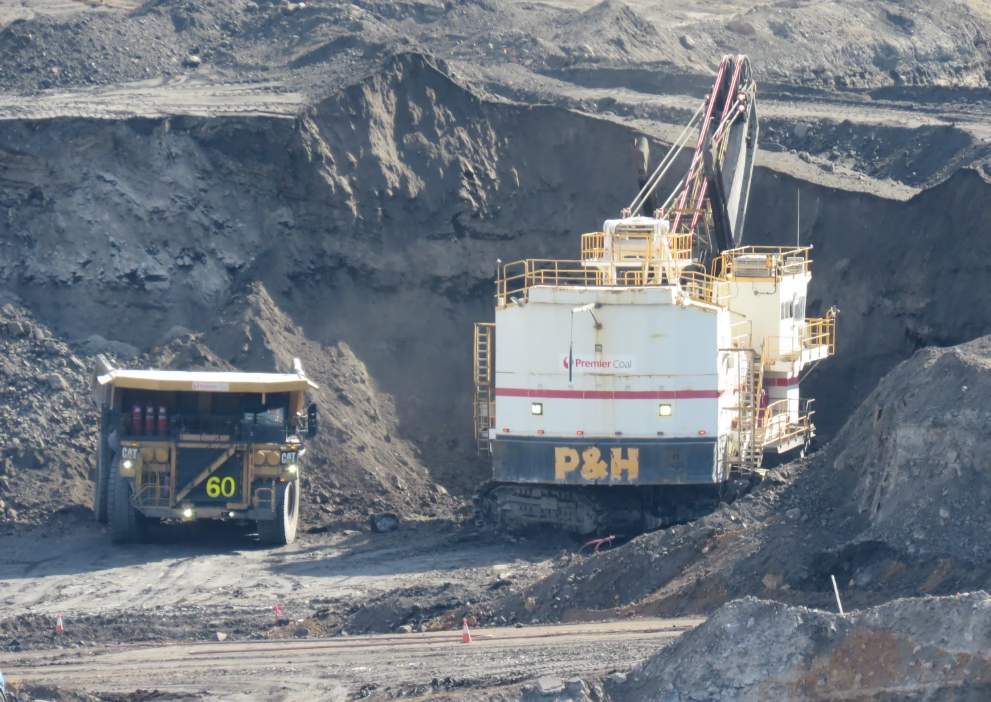
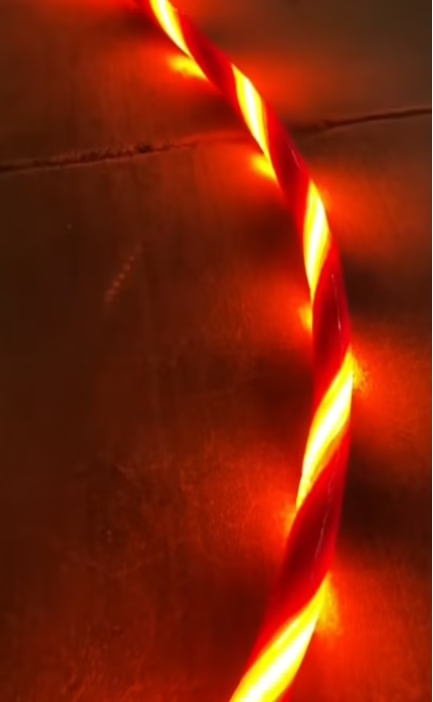
In large-scale open-pit mining, unplanned cable damage caused by low-visibility equipment movement is a leading source of operational downtime and safety incidents. The TENAX-LUMEN self-illuminating trailing cable—designated (N)TSCGEH3S—was developed by Prysmian Group precisely to address this problem. It embeds active electroluminescent (EL) lighting elements under a transparent polyurethane (TPU) outer sheath, making the cable visible in complete darkness even when it is not energized. But an essential question arises for mine electrical engineers: does adding self-illumination change the cable's core mechanical and electrical characteristics compared to the well-established (N)TSCGEWÖU standard rubber trailing cable?

TENAX-LUMEN vs. Standard (N)TSCGEWÖU: Is the (N)TSCGEH3S Self-Illuminating Cable Mechanically Identical to Standard Rubber Reeling Cables?

In large-scale open-pit mining, unplanned cable damage caused by low-visibility equipment movement is a leading source of operational downtime and safety incidents. The TENAX-LUMEN self-illuminating trailing cable—designated (N)TSCGEH3S—was developed by Prysmian Group precisely to address this problem. It embeds active electroluminescent (EL) lighting elements under a transparent polyurethane (TPU) outer sheath, making the cable visible in complete darkness even when it is not energized. But an essential question arises for mine electrical engineers: does adding self-illumination change the cable’s core mechanical and electrical characteristics compared to the well-established (N)TSCGEWÖU standard rubber trailing cable?
The distinctive bright orange color of high-voltage cables in electric vehicles is not merely aesthetic — it is a critical safety identification requirement mandated by international standards. SAE J1673 and related standards specify that all conductors and cable assemblies operating at voltages above 60 V DC (or 30 V AC) in electric and hybrid vehicles must be sheathed in orange insulation or jacketing. This high-visibility color serves as an immediate visual warning to technicians, emergency responders (firefighters, paramedics), and maintenance personnel that the cable carries lethal voltage levels. In the underground mining context, where cable damage from rock fall, equipment collision, or abrasion is a real hazard, the orange identification becomes doubly important for preventing accidental contact with live conductors. (电动车辆中高压电缆的显眼橙色不仅仅是美观——它是国际标准强制要求的关键安全标识。SAE J1673及相关标准规定,电动和混合动力车辆中所有工作电压超过60 V DC的导体和电缆组件必须使用橙色绝缘或护套。橙色在井下采矿环境中尤为重要,可防止人员意外接触带电导体。)

BEV Wiring: High-Voltage Orange Shielded Cables for Sandvik & Epiroc Electric Loaders

The distinctive bright orange color of high-voltage cables in electric vehicles is not merely aesthetic — it is a critical safety identification requirement mandated by international standards. SAE J1673 and related standards specify that all conductors and cable assemblies operating at voltages above 60 V DC (or 30 V AC) in electric and hybrid vehicles must be sheathed in orange insulation or jacketing. This high-visibility color serves as an immediate visual warning to technicians, emergency responders (firefighters, paramedics), and maintenance personnel that the cable carries lethal voltage levels. In the underground mining context, where cable damage from rock fall, equipment collision, or abrasion is a real hazard, the orange identification becomes doubly important for preventing accidental contact with live conductors. (电动车辆中高压电缆的显眼橙色不仅仅是美观——它是国际标准强制要求的关键安全标识。SAE J1673及相关标准规定,电动和混合动力车辆中所有工作电压超过60 V DC的导体和电缆组件必须使用橙色绝缘或护套。橙色在井下采矿环境中尤为重要,可防止人员意外接触带电导体。)
In mining pump and dewatering operations, cable selection directly impacts system reliability and operational safety. While H07RN-F Titanex (manufactured by Nexans) represents a high-quality general industrial rubber cable compliant with EN 50525-2-21/IEC 60245-4, the NSSHÖU cable manufactured per DIN VDE 0250 Part 812 offers critical advantages specifically engineered for mining environments. 在矿井泵和排水作业中,电缆选择直接影响系统可靠性和操作安全。虽然H07RN-F Titanex(Nexans生产)是符合EN 50525-2-21/IEC 60245-4标准的高品质通用工业橡胶电缆,但按DIN VDE 0250第812部分制造的NSSHÖU电缆专为矿业环境设计,具有关键优势。

H07RN-F Titanex vs. NSSHÖU: Why NSSHÖU is Superior for Mining Pump Applications

In mining pump and dewatering operations, cable selection directly impacts system reliability and operational safety. While H07RN-F Titanex (manufactured by Nexans) represents a high-quality general industrial rubber cable compliant with EN 50525-2-21/IEC 60245-4, the NSSHÖU cable manufactured per DIN VDE 0250 Part 812 offers critical advantages specifically engineered for mining environments. 在矿井泵和排水作业中,电缆选择直接影响系统可靠性和操作安全。虽然H07RN-F Titanex(Nexans生产)是符合EN 50525-2-21/IEC 60245-4标准的高品质通用工业橡胶电缆,但按DIN VDE 0250第812部分制造的NSSHÖU电缆专为矿业环境设计,具有关键优势。
The RHEYFIRM® family represents Nexans' flagship line of flexible medium-voltage reeling cables, engineered specifically for extreme mechanical stress applications including Ship-to-Shore (STS) cranes, Rail Mounted Gantry (RMG) cranes, stacker reclaimers, and heavy mobile mining equipment. The "(S)" designation indicates the symmetrical configuration featuring the distinctive 3+3 core design, where three phase conductors are complemented by three protective earth conductors strategically positioned in the cable interstices. RHEYFIRM®系列是Nexans旗下的中压柔性卷筒电缆产品线,专为极端机械应力应用设计,包括岸桥(STS)起重机、轨道式龙门起重机(RMG)、堆取料机及重型移动采矿设备。"(S)"标识表示对称配置,采用独特的3+3芯设计,三根相线导体与三根保护接地导体战略性地布置在电缆间隙中。

RHEYFIRM® (S) 3+3 Core Design: Why Does Nexans Use Distributed Earth in the (S) Series and How Does It Affect EMC?

The RHEYFIRM® family represents Nexans’ flagship line of flexible medium-voltage reeling cables, engineered specifically for extreme mechanical stress applications including Ship-to-Shore (STS) cranes, Rail Mounted Gantry (RMG) cranes, stacker reclaimers, and heavy mobile mining equipment. The “(S)” designation indicates the symmetrical configuration featuring the distinctive 3+3 core design, where three phase conductors are complemented by three protective earth conductors strategically positioned in the cable interstices. RHEYFIRM®系列是Nexans旗下的中压柔性卷筒电缆产品线,专为极端机械应力应用设计,包括岸桥(STS)起重机、轨道式龙门起重机(RMG)、堆取料机及重型移动采矿设备。”(S)”标识表示对称配置,采用独特的3+3芯设计,三根相线导体与三根保护接地导体战略性地布置在电缆间隙中。
The RHEYFIRM® series represents Nexans' premium line of flexible high-voltage and medium-voltage reeling cables, engineered specifically for demanding industrial applications requiring exceptional mechanical stress resistance combined with reliable electrical performance. These cables are manufactured according to the stringent requirements of DIN VDE 0250 Part 813, which governs trailing cables with rated voltages from 0.6/1 kV up to 20/35 kV. RHEYFIRM®系列是耐克森公司的高端柔性高压和中压卷筒电缆产品线,专门针对需要卓越机械应力耐受性和可靠电气性能的苛刻工业应用而设计。这些电缆按照DIN VDE 0250第813部分的严格要求制造,该标准规定了额定电压从0.6/1 kV至20/35 kV的拖曳电缆技术规范。

Voltage Ratings: RHEYFIRM® 30kV — Can Generic (N)TSCGEWÖU Match Nexans’ 20/35kV Rating?

The RHEYFIRM® series represents Nexans’ premium line of flexible high-voltage and medium-voltage reeling cables, engineered specifically for demanding industrial applications requiring exceptional mechanical stress resistance combined with reliable electrical performance. These cables are manufactured according to the stringent requirements of DIN VDE 0250 Part 813, which governs trailing cables with rated voltages from 0.6/1 kV up to 20/35 kV. RHEYFIRM®系列是耐克森公司的高端柔性高压和中压卷筒电缆产品线,专门针对需要卓越机械应力耐受性和可靠电气性能的苛刻工业应用而设计。这些电缆按照DIN VDE 0250第813部分的严格要求制造,该标准规定了额定电压从0.6/1 kV至20/35 kV的拖曳电缆技术规范。
Let us begin by establishing what we mean by "standard" or "RS" (Regular Service) mining cables. These cables represent the baseline specification for mining operations in what we might call "normal" industrial environments—regions where winter temperatures might drop to minus 25 or minus 40 degrees Celsius, but where sustained exposure to minus 50 degrees Celsius or colder represents an exceptional rather than routine condition. Standard mining cables manufactured to specifications like ICEA S-75-381/NEMA WC-58 typically specify cold bend capability down to -40°C, which handles the vast majority of mining operations worldwide, including winter operations in Canada, northern United States, northern Europe, and parts of Russia.

How Does the “Extreme” Version Differ from Standard (RS) for Operations in -50°C Arctic Mines?

Let us begin by establishing what we mean by “standard” or “RS” (Regular Service) mining cables. These cables represent the baseline specification for mining operations in what we might call “normal” industrial environments—regions where winter temperatures might drop to minus 25 or minus 40 degrees Celsius, but where sustained exposure to minus 50 degrees Celsius or colder represents an exceptional rather than routine condition. Standard mining cables manufactured to specifications like ICEA S-75-381/NEMA WC-58 typically specify cold bend capability down to -40°C, which handles the vast majority of mining operations worldwide, including winter operations in Canada, northern United States, northern Europe, and parts of Russia.
The selection of appropriate trailing cables for surface mining draglines represents a critical engineering decision that directly impacts operational efficiency, safety, and total cost of ownership. Dragline excavators, among the largest mobile land machines in operation, require specialized heavy-duty trailing cables capable of delivering high-voltage power (typically 2 kV to 35 kV) while withstanding extreme mechanical stresses including constant flexing, crushing forces, abrasion, and environmental exposure to ultraviolet radiation, temperature extremes, and moisture. This technical analysis examines the comparative merits of Nexans AmerCable's Tiger Brand premium mold-cured cables versus generic Type SHD-GC alternatives, focusing specifically on the critical importance of jacket construction technology in determining long-term performance and reliability in surface mining dragline applications.

Nexans AmerCable Tiger Brand vs. Type SHD-GC: Finding a Compatible Mold-Cured Jacket Cable for Surface Mining Draglines

The selection of appropriate trailing cables for surface mining draglines represents a critical engineering decision that directly impacts operational efficiency, safety, and total cost of ownership. Dragline excavators, among the largest mobile land machines in operation, require specialized heavy-duty trailing cables capable of delivering high-voltage power (typically 2 kV to 35 kV) while withstanding extreme mechanical stresses including constant flexing, crushing forces, abrasion, and environmental exposure to ultraviolet radiation, temperature extremes, and moisture. This technical analysis examines the comparative merits of Nexans AmerCable’s Tiger Brand premium mold-cured cables versus generic Type SHD-GC alternatives, focusing specifically on the critical importance of jacket construction technology in determining long-term performance and reliability in surface mining dragline applications.
Single core cables are engineered for distribution of electrical power with nominal voltages ranging from 1.8/3kV to 36kV and beyond. From a design point of view, medium-voltage cables are of three types: single-core cable, three single-core cables laid-up, and three-core cable. This technical guide examines two prominent cable solutions for demanding industrial applications requiring high flexibility and electrical performance. 单芯电缆专为输配电系统设计,额定电压从1.8/3kV至36kV及以上。本技术指南对比分析两种适用于高柔性工业应用的电缆方案。

Single Core Cables: Nexans RHEYCLEAN® (MV) vs. (N)TSCGEWÖU Single Core

Single core cables are engineered for distribution of electrical power with nominal voltages ranging from 1.8/3kV to 36kV and beyond. From a design point of view, medium-voltage cables are of three types: single-core cable, three single-core cables laid-up, and three-core cable. This technical guide examines two prominent cable solutions for demanding industrial applications requiring high flexibility and electrical performance. 单芯电缆专为输配电系统设计,额定电压从1.8/3kV至36kV及以上。本技术指南对比分析两种适用于高柔性工业应用的电缆方案。
Reeling and trailing cables operating in Arctic mining sites, Scandinavian ports, Canadian open-pit mines, and high-altitude construction zones routinely face sustained ambient temperatures of −30 °C to −50 °C. At these temperatures, standard rubber compounds undergo a dramatic loss of flexibility — the polymer chains lose their segmental mobility as the material approaches its glass transition temperature (Tg). A cable that bends easily at +20 °C can become rigid enough to crack at −40 °C if its sheath and insulation compounds are not specifically formulated for cold service. (在北极矿区、斯堪的纳维亚港口、加拿大露天矿山和高海拔施工区域运行的卷筒和拖缆经常面对 −30 °C 至 −50 °C 的持续低温环境。在这些温度下,标准橡胶化合物会急剧丧失柔性——聚合物链在材料接近玻璃化转变温度(Tg)时失去链段运动能力。)

Cold Flexibility: Nexans RHEYCORD® (R) vs. (N)TSCGEWÖU Cold-Resistant — Performance Comparison at −40 °C

Reeling and trailing cables operating in Arctic mining sites, Scandinavian ports, Canadian open-pit mines, and high-altitude construction zones routinely face sustained ambient temperatures of −30 °C to −50 °C. At these temperatures, standard rubber compounds undergo a dramatic loss of flexibility — the polymer chains lose their segmental mobility as the material approaches its glass transition temperature (Tg). A cable that bends easily at +20 °C can become rigid enough to crack at −40 °C if its sheath and insulation compounds are not specifically formulated for cold service. (在北极矿区、斯堪的纳维亚港口、加拿大露天矿山和高海拔施工区域运行的卷筒和拖缆经常面对 −30 °C 至 −50 °C 的持续低温环境。在这些温度下,标准橡胶化合物会急剧丧失柔性——聚合物链在材料接近玻璃化转变温度(Tg)时失去链段运动能力。)
Underground LHD (Load-Haul-Dump) loaders — also called scooptrams — rely on a flexible trailing cable that is continuously reeled and unreeled as the machine travels between muck piles and ore passes. The cable must survive thousands of reeling cycles, simultaneous tensile and torsional loads, crushing from rock debris, and exposure to water, oil, and abrasive dust. Two cable families dominate this niche: the Nexans TORERO® series (type designation NSHTOEU) and the more generic NSSHÖU heavy-duty rubber cable. 井下 LHD(铲运机/Scooptram)依靠持续收放的柔性拖曳电缆供电。该电缆需承受数千次卷绕循环、拉伸与扭转同时作用的载荷、岩石碾压以及水、油与粉尘侵蚀。两大系列电缆在此领域占据主导:Nexans TORERO®(型号 NSHTOEU)与通用的 NSSHÖU 重型橡套电缆。 This article explains the structural, electrical, and mechanical differences between the two, examines why many OEMs and mine operators specify the TORERO type for LHD duty, and introduces Feichun's comparable alternative manufactured in Anhui, China. 本文将阐明二者在结构、电气与机械性能上的差异,分析 OEM 与矿方为何为 LHD 工况指定 TORERO 型,并介绍飞纯在安徽制造的同等替代方案。

Nexans TORERO® vs. NSSHÖU: Why TORERO Is Often Specified for LHD Loaders

Underground LHD (Load-Haul-Dump) loaders — also called scooptrams — rely on a flexible trailing cable that is continuously reeled and unreeled as the machine travels between muck piles and ore passes. The cable must survive thousands of reeling cycles, simultaneous tensile and torsional loads, crushing from rock debris, and exposure to water, oil, and abrasive dust. Two cable families dominate this niche: the Nexans TORERO® series (type designation NSHTOEU) and the more generic NSSHÖU heavy-duty rubber cable. 井下 LHD(铲运机/Scooptram)依靠持续收放的柔性拖曳电缆供电。该电缆需承受数千次卷绕循环、拉伸与扭转同时作用的载荷、岩石碾压以及水、油与粉尘侵蚀。两大系列电缆在此领域占据主导:Nexans TORERO®(型号 NSHTOEU)与通用的 NSSHÖU 重型橡套电缆。 This article explains the structural, electrical, and mechanical differences between the two, examines why many OEMs and mine operators specify the TORERO type for LHD duty, and introduces Feichun’s comparable alternative manufactured in Anhui, China. 本文将阐明二者在结构、电气与机械性能上的差异,分析 OEM 与矿方为何为 LHD 工况指定 TORERO 型,并介绍飞纯在安徽制造的同等替代方案。
Stacker cranes (Regalbediengeräte, RBG) are the core material-handling machines inside automated storage and retrieval systems (AS/RS). Operating within narrow aisles at heights that can exceed 40 m and horizontal travel speeds beyond 4 m/s, these machines demand flat cables that combine high-cycle bending endurance, precise positional tracking via integrated fibre optics, and robust EMC screening — all while supporting their own weight over vertical cable drops of 30 m or more. 堆垛机(Regalbediengeräte, RBG)是自动化立体仓库(AS/RS)的核心物料搬运设备。在窄巷道内运行,高度可超过 40 米,水平行进速度超过 4 m/s,这些设备对扁平电缆提出了极高要求:高周期弯曲耐久性、通过集成光纤实现精确位置追踪、以及可靠的 EMC 屏蔽 —— 同时还需承受 30 米以上垂直电缆自重。

Stacker Cranes: Nexans RHEYFLAT®-T (with Suspension Unit) vs. (N)TSFLCGEWÖU with External Strain Relief

Stacker cranes (Regalbediengeräte, RBG) are the core material-handling machines inside automated storage and retrieval systems (AS/RS). Operating within narrow aisles at heights that can exceed 40 m and horizontal travel speeds beyond 4 m/s, these machines demand flat cables that combine high-cycle bending endurance, precise positional tracking via integrated fibre optics, and robust EMC screening — all while supporting their own weight over vertical cable drops of 30 m or more. 堆垛机(Regalbediengeräte, RBG)是自动化立体仓库(AS/RS)的核心物料搬运设备。在窄巷道内运行,高度可超过 40 米,水平行进速度超过 4 m/s,这些设备对扁平电缆提出了极高要求:高周期弯曲耐久性、通过集成光纤实现精确位置追踪、以及可靠的 EMC 屏蔽 —— 同时还需承受 30 米以上垂直电缆自重。
Variable Frequency Drives (VFDs) have become the standard method for controlling hoist and crane motors in modern industrial environments, replacing older two-speed winding and contactor-based systems. VFD-controlled motors deliver smoother acceleration and deceleration, precise multi-speed operation, and significant energy savings — but they also impose unique electrical stresses on the cables connecting the drive to the motor. High-frequency switching transients, voltage spikes caused by IGBT commutation, and elevated electromagnetic interference (EMI) all demand cables specifically engineered for the environment. (变频器已成为现代工业起重电机控制的标准方式,取代了传统的双速绕组和接触器系统。变频电机带来更平稳的启停控制,但也对连接电缆提出了独特的电气要求。)

Screened Flat Cables: Equivalent Alternatives to Nexans RHEYFLAT®-CP (Shielded) for VFD-Driven Hoist Motors

Variable Frequency Drives (VFDs) have become the standard method for controlling hoist and crane motors in modern industrial environments, replacing older two-speed winding and contactor-based systems. VFD-controlled motors deliver smoother acceleration and deceleration, precise multi-speed operation, and significant energy savings — but they also impose unique electrical stresses on the cables connecting the drive to the motor. High-frequency switching transients, voltage spikes caused by IGBT commutation, and elevated electromagnetic interference (EMI) all demand cables specifically engineered for the environment. (变频器已成为现代工业起重电机控制的标准方式,取代了传统的双速绕组和接触器系统。变频电机带来更平稳的启停控制,但也对连接电缆提出了独特的电气要求。)
In indoor overhead crane (bridge crane) installations, flat festoon cables serve as the lifeline that delivers electrical power and control signals from a fixed junction point to the moving crane bridge or trolley. Two cable designations frequently appear in procurement specifications across Europe and Asia: the Nexans-branded RHEYFLAT®-N NGFLGOEU-J and the generic-designation (N)GFLGöu (also written NGFLGöu or NGFLGOEU). Although both designations ultimately trace back to the same DIN VDE construction philosophy, meaningful differences in material formulation, quality control, and brand-specific optimizations can influence service life, maintenance intervals, and total cost of ownership.

Nexans RHEYFLAT®-N vs. (N)GFLGöu: Which Flat Cable Is More Suitable for Indoor Overhead Crane Festoon Systems?

In indoor overhead crane (bridge crane) installations, flat festoon cables serve as the lifeline that delivers electrical power and control signals from a fixed junction point to the moving crane bridge or trolley. Two cable designations frequently appear in procurement specifications across Europe and Asia: the Nexans-branded RHEYFLAT®-N NGFLGOEU-J and the generic-designation (N)GFLGöu (also written NGFLGöu or NGFLGOEU). Although both designations ultimately trace back to the same DIN VDE construction philosophy, meaningful differences in material formulation, quality control, and brand-specific optimizations can influence service life, maintenance intervals, and total cost of ownership.
Modern port and industrial automation systems demand more than just reliable power transmission—they require real-time data communication capabilities integrated directly into their power cables. This is where fiber optic reeling cables become essential. These specialized cables combine medium voltage power conductors with optical fiber elements, enabling simultaneous power delivery and high-speed data transmission for sophisticated control systems, SCADA networks, and automated crane operations. 现代港口和工业自动化系统不仅需要可靠的电力传输,还需要将实时数据通信能力直接集成到电力电缆中。这就是光纤卷取电缆变得至关重要的地方。这些专用电缆将中压电力导体与光纤元件结合,实现同时供电和高速数据传输,用于复杂的控制系统、SCADA网络和自动化起重机操作。

Optical Fiber Integration: Nexans RHEYFIRM®-FO vs. (N)TSCGEWÖU-FO

Modern port and industrial automation systems demand more than just reliable power transmission—they require real-time data communication capabilities integrated directly into their power cables. This is where fiber optic reeling cables become essential. These specialized cables combine medium voltage power conductors with optical fiber elements, enabling simultaneous power delivery and high-speed data transmission for sophisticated control systems, SCADA networks, and automated crane operations. 现代港口和工业自动化系统不仅需要可靠的电力传输,还需要将实时数据通信能力直接集成到电力电缆中。这就是光纤卷取电缆变得至关重要的地方。这些专用电缆将中压电力导体与光纤元件结合,实现同时供电和高速数据传输,用于复杂的控制系统、SCADA网络和自动化起重机操作。
In modern port operations and heavy machinery applications, reeling cable performance at high speeds has become a critical factor for operational efficiency and equipment reliability. This technical analysis examines whether generic (N)TSCGEWÖU cables can achieve the same performance standards as Nexans RHEYFIRM® cables, particularly at the 240 meters per minute (m/min) reeling speed threshold. 在现代港口作业和重型机械应用中,高速卷取电缆性能已成为运行效率和设备可靠性的关键因素。本技术分析检验了通用(N)TSCGEWÖU电缆能否达到与Nexans RHEYFIRM®电缆相同的性能标准,特别是在240米/分钟(m/min)卷取速度阈值下。

Speed Rating: Can Generic (N)TSCGEWÖU Match the 240m/min Reeling Speed Capability of Nexans RHEYFIRM®?

In modern port operations and heavy machinery applications, reeling cable performance at high speeds has become a critical factor for operational efficiency and equipment reliability. This technical analysis examines whether generic (N)TSCGEWÖU cables can achieve the same performance standards as Nexans RHEYFIRM® cables, particularly at the 240 meters per minute (m/min) reeling speed threshold. 在现代港口作业和重型机械应用中,高速卷取电缆性能已成为运行效率和设备可靠性的关键因素。本技术分析检验了通用(N)TSCGEWÖU电缆能否达到与Nexans RHEYFIRM®电缆相同的性能标准,特别是在240米/分钟(m/min)卷取速度阈值下。
In heavy-duty industrial cable applications such as crane operations, mining equipment, and reeling systems, the outer sheath compound represents a critical factor determining cable service life and operational reliability. The cable sheath serves as the primary defense against mechanical wear, environmental exposure, and chemical attack. Among industry-standard materials, VDE 5GM5 heavy-duty rubber compound has established itself as a benchmark for demanding applications requiring superior abrasion resistance. (在起重机操作、采矿设备和卷筒系统等重型工业电缆应用中,外护套化合物是决定电缆使用寿命和运行可靠性的关键因素。)

Sheath Abrasion Resistance: How Nexans Premium Compounds Compare to Standard VDE 5GM5 Heavy-Duty Rubber

In heavy-duty industrial cable applications such as crane operations, mining equipment, and reeling systems, the outer sheath compound represents a critical factor determining cable service life and operational reliability. The cable sheath serves as the primary defense against mechanical wear, environmental exposure, and chemical attack. Among industry-standard materials, VDE 5GM5 heavy-duty rubber compound has established itself as a benchmark for demanding applications requiring superior abrasion resistance. (在起重机操作、采矿设备和卷筒系统等重型工业电缆应用中,外护套化合物是决定电缆使用寿命和运行可靠性的关键因素。)
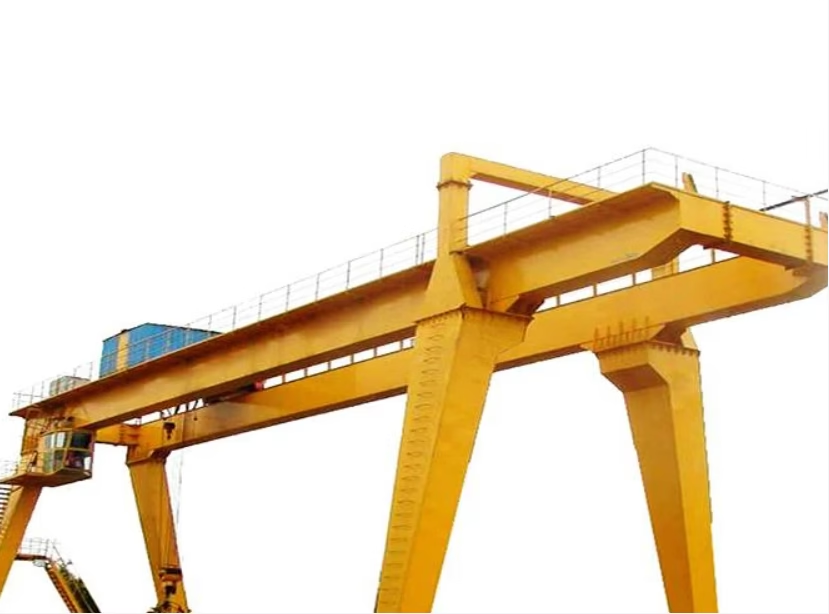
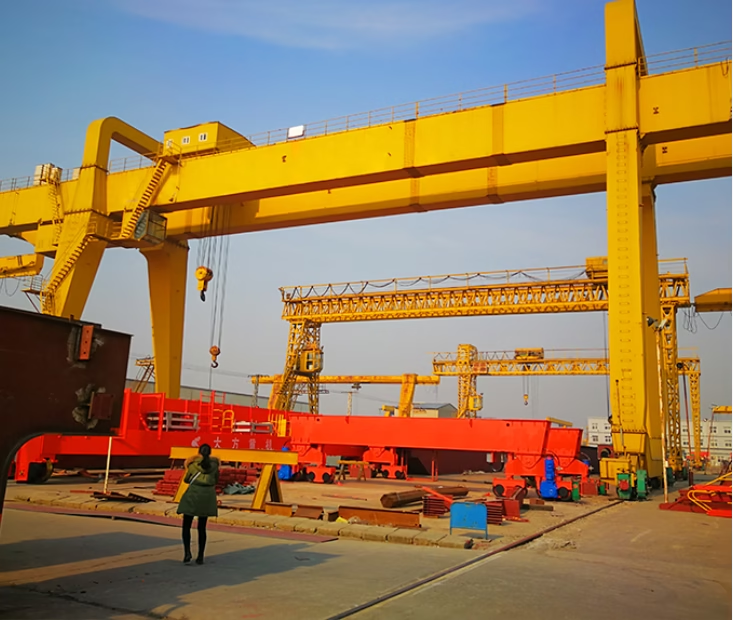
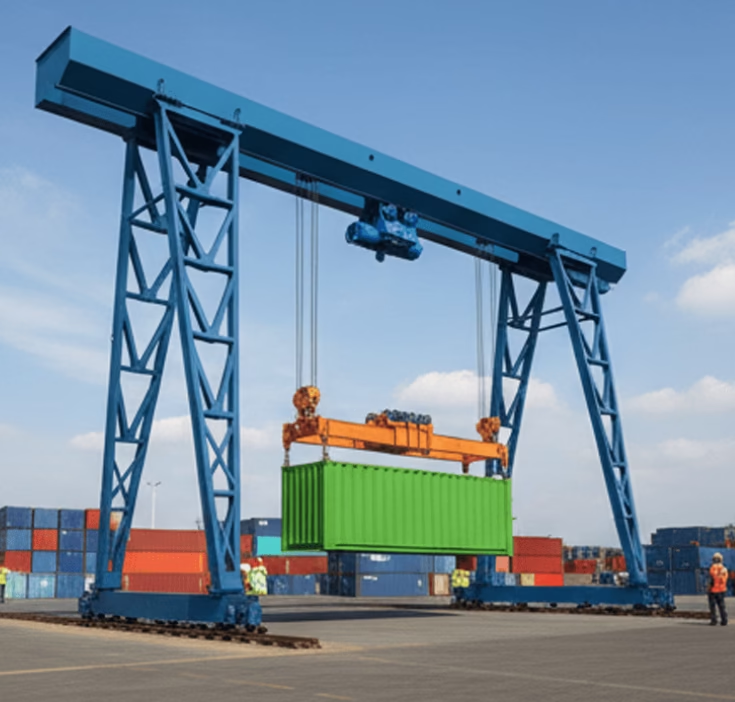
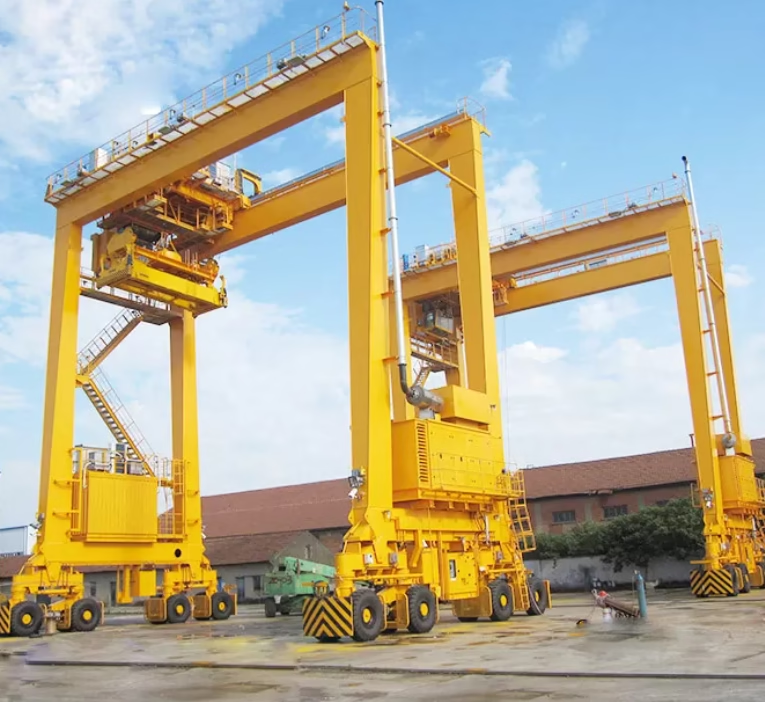
Gantry crane systems operating in ports, shipyards, and container terminals demand cables capable of withstanding extreme mechanical stresses, including high tensile forces and continuous torsional movements. The selection of appropriate reeling cables directly impacts operational efficiency, maintenance costs, and safety standards in material handling operations. This comprehensive technical analysis compares two leading cable solutions manufactured to German DIN VDE 0250 standards: the Nexans RHEYFIRM® (RS) flat cable series and the (N)TSCGEWÖU medium-voltage cable family. 龙门起重机系统在港口、造船厂和集装箱码头运行时,需要能够承受极端机械应力的电缆,包括高拉力和持续的扭转运动。适当选择卷筒电缆直接影响物料搬运作业中的运营效率、维护成本和安全标准。本综合技术分析比较了两种按德国DIN VDE 0250标准制造的领先电缆解决方案:Nexans RHEYFIRM®(RS)扁电缆系列和(N)TSCGEWÖU中压电缆系列。

Nexans RHEYFIRM® (RS) vs. (N)TSCGEWÖU: A Detailed Comparison of Tensile Strength and Torsion Resistance for Gantry Cranes

Gantry crane systems operating in ports, shipyards, and container terminals demand cables capable of withstanding extreme mechanical stresses, including high tensile forces and continuous torsional movements. The selection of appropriate reeling cables directly impacts operational efficiency, maintenance costs, and safety standards in material handling operations. This comprehensive technical analysis compares two leading cable solutions manufactured to German DIN VDE 0250 standards: the Nexans RHEYFIRM® (RS) flat cable series and the (N)TSCGEWÖU medium-voltage cable family. 龙门起重机系统在港口、造船厂和集装箱码头运行时,需要能够承受极端机械应力的电缆,包括高拉力和持续的扭转运动。适当选择卷筒电缆直接影响物料搬运作业中的运营效率、维护成本和安全标准。本综合技术分析比较了两种按德国DIN VDE 0250标准制造的领先电缆解决方案:Nexans RHEYFIRM®(RS)扁电缆系列和(N)TSCGEWÖU中压电缆系列。
RHEYFIRM® cable series, developed by Nexans, represents the industry benchmark for high-voltage reeling cables in demanding crane and material handling applications. Within this series, the distinction between splittable earth configurations (designated with "S" variants) and standard configurations using the (N)TSKCGEWÖU designation has significant technical and operational implications. This analysis examines whether generic splittable earth reeling cables can serve as direct replacements for Nexans' proprietary "S" series cables.

RHEYFIRM® (S) Splittable vs. Standard (N)TSKCGEWÖU: Can Generic Splittable Earth Reeling Cables Replace Nexans “S” Series?

RHEYFIRM® cable series, developed by Nexans, represents the industry benchmark for high-voltage reeling cables in demanding crane and material handling applications. Within this series, the distinction between splittable earth configurations (designated with “S” variants) and standard configurations using the (N)TSKCGEWÖU designation has significant technical and operational implications. This analysis examines whether generic splittable earth reeling cables can serve as direct replacements for Nexans’ proprietary “S” series cables.
Underground mining operations require strict adherence to Mine Safety and Health Administration (MSHA) regulations for cable repair and splicing to ensure worker safety and equipment reliability. The distinction between permanent and temporary cable repairs is critical, as improper splicing is a leading cause of electrical hazards in mining environments. This technical guide examines the regulatory framework under Title 30 Code of Federal Regulations (CFR), specifically addressing trailing cable splice requirements for underground coal and metal/nonmetal mines. 地下采矿作业必须严格遵守矿山安全与健康管理局(MSHA)的电缆修复和接线规定,以确保工人安全和设备可靠性。永久性和临时性电缆修复之间的区别至关重要,因为不当的接线是采矿环境中电气危险的主要原因。本技术指南研究了《联邦法规》第30篇(CFR)下的监管框架,特别针对地下煤矿和金属/非金属矿山的拖曳电缆接线要求。

MSHA Splice Kits: Rules for Permanent vs. Temporary Cable Repairs Underground

Underground mining operations require strict adherence to Mine Safety and Health Administration (MSHA) regulations for cable repair and splicing to ensure worker safety and equipment reliability. The distinction between permanent and temporary cable repairs is critical, as improper splicing is a leading cause of electrical hazards in mining environments. This technical guide examines the regulatory framework under Title 30 Code of Federal Regulations (CFR), specifically addressing trailing cable splice requirements for underground coal and metal/nonmetal mines. 地下采矿作业必须严格遵守矿山安全与健康管理局(MSHA)的电缆修复和接线规定,以确保工人安全和设备可靠性。永久性和临时性电缆修复之间的区别至关重要,因为不当的接线是采矿环境中电气危险的主要原因。本技术指南研究了《联邦法规》第30篇(CFR)下的监管框架,特别针对地下煤矿和金属/非金属矿山的拖曳电缆接线要求。
Mining operations increasingly rely on fiber optic technology for real-time communications, monitoring systems, and data transmission in underground and surface mining environments. The (N)TSCGEWÖU-FO cable represents a specialized class of flexible reeling cables with integrated fiber optic elements, designed specifically to withstand the extreme mechanical stresses, torsional forces, and harsh environmental conditions typical of mining applications. 矿业运营越来越依赖光纤技术进行实时通信、监控系统和地下及露天采矿环境中的数据传输。(N)TSCGEWÖU-FO 电缆代表了一类特殊的柔性卷筒电缆,集成了光纤元件,专门设计用于承受采矿应用中典型的极端机械应力、扭转力和恶劣环境条件。

Repairing Fiber Optics in Mining Cables: Splice Kits for (N)TSCGEWÖU-FO Breakages

Mining operations increasingly rely on fiber optic technology for real-time communications, monitoring systems, and data transmission in underground and surface mining environments. The (N)TSCGEWÖU-FO cable represents a specialized class of flexible reeling cables with integrated fiber optic elements, designed specifically to withstand the extreme mechanical stresses, torsional forces, and harsh environmental conditions typical of mining applications. 矿业运营越来越依赖光纤技术进行实时通信、监控系统和地下及露天采矿环境中的数据传输。(N)TSCGEWÖU-FO 电缆代表了一类特殊的柔性卷筒电缆,集成了光纤元件,专门设计用于承受采矿应用中典型的极端机械应力、扭转力和恶劣环境条件。
AusProof has been designing and manufacturing electrical cable couplers for mining and tunneling operations since 1974, establishing themselves as industry leaders in high voltage connection technology. Their coupler systems are specifically engineered to provide safe, reliable power connections in demanding environments including underground coal mines, metalliferous mines, open-cut operations, and tunnel excavation projects. The genderless design and full phase-to-earth segregation features make AusProof couplers among the safest and most reliable high voltage connectors available globally. (AusProof自1974年以来一直为采矿和隧道作业设计和制造电缆联接器,确立了自己在高压连接技术方面的行业领导地位。他们的联接器系统专门设计用于在要求苛刻的环境中提供安全、可靠的电力连接,包括地下煤矿、金属矿、露天作业和隧道挖掘项目。无性别设计和完整的相对地隔离功能使AusProof联接器成为全球最安全、最可靠的高压连接器之一。)

AusProof Couplers: Cable Stripping Dimensions 

AusProof has been designing and manufacturing electrical cable couplers for mining and tunneling operations since 1974, establishing themselves as industry leaders in high voltage connection technology. Their coupler systems are specifically engineered to provide safe, reliable power connections in demanding environments including underground coal mines, metalliferous mines, open-cut operations, and tunnel excavation projects. The genderless design and full phase-to-earth segregation features make AusProof couplers among the safest and most reliable high voltage connectors available globally. (AusProof自1974年以来一直为采矿和隧道作业设计和制造电缆联接器,确立了自己在高压连接技术方面的行业领导地位。他们的联接器系统专门设计用于在要求苛刻的环境中提供安全、可靠的电力连接,包括地下煤矿、金属矿、露天作业和隧道挖掘项目。无性别设计和完整的相对地隔离功能使AusProof联接器成为全球最安全、最可靠的高压连接器之一。)
Proper cable sizing is critical for safe and efficient operation of medium voltage mining equipment. When connecting Type SHD-GC cables to Patton & Cooke 15kV cable couplers, precise matching of conductor size to termination grommet specifications ensures optimal electrical performance, mechanical reliability, and long-term safety in demanding mining environments. 正确的电缆尺寸选择对于中压采矿设备的安全高效运行至关重要。将SHD-GC型电缆连接到帕顿与库克15kV电缆耦合器时,精确匹配导体尺寸与终端护套规格可确保在苛刻的采矿环境中实现最佳电气性能、机械可靠性和长期安全性。

Patton & Cooke Cable Sizing: Matching Type SHD-GC to 15kV Coupler Grommets

Proper cable sizing is critical for safe and efficient operation of medium voltage mining equipment. When connecting Type SHD-GC cables to Patton & Cooke 15kV cable couplers, precise matching of conductor size to termination grommet specifications ensures optimal electrical performance, mechanical reliability, and long-term safety in demanding mining environments. 正确的电缆尺寸选择对于中压采矿设备的安全高效运行至关重要。将SHD-GC型电缆连接到帕顿与库克15kV电缆耦合器时,精确匹配导体尺寸与终端护套规格可确保在苛刻的采矿环境中实现最佳电气性能、机械可靠性和长期安全性。
Indoor overhead cranes, gantry cranes, and material handling systems require specialized flat cables that can withstand constant flexing, bending, and mechanical stress while delivering reliable power and control signals. Unlike round cables, flat cables offer distinct advantages in space-constrained festoon systems: they allow for smaller bending radii, enable more compact stacking in cable carriers, and reduce wind resistance in moving applications. The choice between branded products like Lapp ÖLFLEX CRANE and VDE-designated generic alternatives such as (N)TSFLCGEWÖU or NGFLGÖU cables significantly impacts both initial costs and long-term operational reliability. (室内桥式起重机、龙门起重机和物料搬运系统需要专用扁平电缆,能够承受持续的弯曲、曲折和机械应力,同时提供可靠的电力和控制信号。与圆形电缆不同,扁平电缆在空间受限的滑触线系统中具有明显优势:它们允许更小的弯曲半径,能够在电缆拖链中更紧凑地堆叠,并减少移动应用中的风阻。在Lapp ÖLFLEX CRANE等品牌产品和(N)TSFLCGEWÖU或NGFLGÖU电缆等VDE指定的通用替代品之间进行选择,会显著影响初始成本和长期运营可靠性。) The German VDE (Verband der Elektrotechnik) standards provide a comprehensive framework for cable designation and performance requirements. Cables manufactured according to VDE 0250 standards for festoon and crane applications must meet stringent mechanical, electrical, and environmental specifications. Understanding the designation codes and how they compare to proprietary products is essential for making informed purchasing decisions. (德国VDE(德国电气工程师协会)标准为电缆指定和性能要求提供了全面的框架。根据VDE 0250标准制造的滑触线和起重机应用电缆必须满足严格的机械、电气和环境规格。了解指定代码以及它们与专有产品的比较对于做出明智的采购决策至关重要。)

Lapp ÖLFLEX CRANE vs. (N)TSFLCGEWÖU 

Indoor overhead cranes, gantry cranes, and material handling systems require specialized flat cables that can withstand constant flexing, bending, and mechanical stress while delivering reliable power and control signals. Unlike round cables, flat cables offer distinct advantages in space-constrained festoon systems: they allow for smaller bending radii, enable more compact stacking in cable carriers, and reduce wind resistance in moving applications. The choice between branded products like Lapp ÖLFLEX CRANE and VDE-designated generic alternatives such as (N)TSFLCGEWÖU or NGFLGÖU cables significantly impacts both initial costs and long-term operational reliability. (室内桥式起重机、龙门起重机和物料搬运系统需要专用扁平电缆,能够承受持续的弯曲、曲折和机械应力,同时提供可靠的电力和控制信号。与圆形电缆不同,扁平电缆在空间受限的滑触线系统中具有明显优势:它们允许更小的弯曲半径,能够在电缆拖链中更紧凑地堆叠,并减少移动应用中的风阻。在Lapp ÖLFLEX CRANE等品牌产品和(N)TSFLCGEWÖU或NGFLGÖU电缆等VDE指定的通用替代品之间进行选择,会显著影响初始成本和长期运营可靠性。) The German VDE (Verband der Elektrotechnik) standards provide a comprehensive framework for cable designation and performance requirements. Cables manufactured according to VDE 0250 standards for festoon and crane applications must meet stringent mechanical, electrical, and environmental specifications. Understanding the designation codes and how they compare to proprietary products is essential for making informed purchasing decisions. (德国VDE(德国电气工程师协会)标准为电缆指定和性能要求提供了全面的框架。根据VDE 0250标准制造的滑触线和起重机应用电缆必须满足严格的机械、电气和环境规格。了解指定代码以及它们与专有产品的比较对于做出明智的采购决策至关重要。)
Portable cords in industrial settings face relentless abuse on a daily basis. From construction sites where cables are run over by heavy equipment, to manufacturing facilities where they're exposed to oils and chemicals, to mining operations with constant mechanical stress, these cables must endure conditions that would destroy ordinary extension cords within weeks. The demand is clear: cables must be both exceptionally heavy-duty and highly flexible to handle rough and continuous applications without failure. (工业环境中的便携式电缆每天都面临无情的滥用。从电缆被重型设备碾压的建筑工地,到暴露于油和化学品的制造设施,再到持续机械应力的采矿作业,这些电缆必须承受在几周内就会摧毁普通延长线的条件。需求很明确:电缆必须既异常坚固又高度柔韧,以应对粗暴和持续的应用而不失效。)

TPC Wire Super-Trex Equivalent: Heavy Duty Cord

Portable cords in industrial settings face relentless abuse on a daily basis. From construction sites where cables are run over by heavy equipment, to manufacturing facilities where they’re exposed to oils and chemicals, to mining operations with constant mechanical stress, these cables must endure conditions that would destroy ordinary extension cords within weeks. The demand is clear: cables must be both exceptionally heavy-duty and highly flexible to handle rough and continuous applications without failure. (工业环境中的便携式电缆每天都面临无情的滥用。从电缆被重型设备碾压的建筑工地,到暴露于油和化学品的制造设施,再到持续机械应力的采矿作业,这些电缆必须承受在几周内就会摧毁普通延长线的条件。需求很明确:电缆必须既异常坚固又高度柔韧,以应对粗暴和持续的应用而不失效。)
Arctic mining operations in Canada and Russia represent some of the most challenging environments for electrical infrastructure. With temperatures regularly plummeting to -50°C (-58°F) or lower, standard cables suffer from critical failures including sheath cracking, insulation brittleness, and loss of flexibility. (加拿大和俄罗斯的北极采矿作业代表着电气基础设施面临的最具挑战性的环境。温度经常降至-50°C或更低,标准电缆会出现护套开裂、绝缘层脆化和失去柔韧性等严重故障。) The Arctic region contains significant mineral deposits, with Russia producing approximately 80% of its oil and 90% of its gas in high northern latitudes, while Canada continues to develop major mining projects including iron ore deposits 300 miles inside the Arctic Circle. (北极地区蕴藏着大量矿产资源,俄罗斯在高纬度北部地区生产约80%的石油和90%的天然气,而加拿大继续开发位于北极圈内300英里处的大型铁矿项目。)

Arctic Mining Cables for Extreme Cold Environments

Arctic mining operations in Canada and Russia represent some of the most challenging environments for electrical infrastructure. With temperatures regularly plummeting to -50°C (-58°F) or lower, standard cables suffer from critical failures including sheath cracking, insulation brittleness, and loss of flexibility. (加拿大和俄罗斯的北极采矿作业代表着电气基础设施面临的最具挑战性的环境。温度经常降至-50°C或更低,标准电缆会出现护套开裂、绝缘层脆化和失去柔韧性等严重故障。) The Arctic region contains significant mineral deposits, with Russia producing approximately 80% of its oil and 90% of its gas in high northern latitudes, while Canada continues to develop major mining projects including iron ore deposits 300 miles inside the Arctic Circle. (北极地区蕴藏着大量矿产资源,俄罗斯在高纬度北部地区生产约80%的石油和90%的天然气,而加拿大继续开发位于北极圈内300英里处的大型铁矿项目。)
Acid Mine Drainage represents one of the most challenging environmental conditions for electrical infrastructure in mining operations. AMD occurs when sulfide minerals, particularly pyrite, are exposed to oxygen and water during mining activities, producing sulfuric acid through oxidation reactions. According to research from the United States Geological Survey, AMD environments typically exhibit pH levels ranging from 2 to 4, with extreme cases documented as low as pH 0.5 to 0.9 at facilities such as the Richmond Mine in California. 酸性矿井排水(AMD)是采矿作业中电气基础设施面临的最具挑战性的环境条件之一。当硫化矿物(特别是黄铁矿)在采矿活动中暴露于氧气和水中时,通过氧化反应产生硫酸,从而形成AMD。

Acid Mine Drainage (AMD): Cables that Withstand pH < 3.0 Sulfuric Acid Exposure

Acid Mine Drainage represents one of the most challenging environmental conditions for electrical infrastructure in mining operations. AMD occurs when sulfide minerals, particularly pyrite, are exposed to oxygen and water during mining activities, producing sulfuric acid through oxidation reactions. According to research from the United States Geological Survey, AMD environments typically exhibit pH levels ranging from 2 to 4, with extreme cases documented as low as pH 0.5 to 0.9 at facilities such as the Richmond Mine in California. 酸性矿井排水(AMD)是采矿作业中电气基础设施面临的最具挑战性的环境条件之一。当硫化矿物(特别是黄铁矿)在采矿活动中暴露于氧气和水中时,通过氧化反应产生硫酸,从而形成AMD。