DIN VDE 0250-813

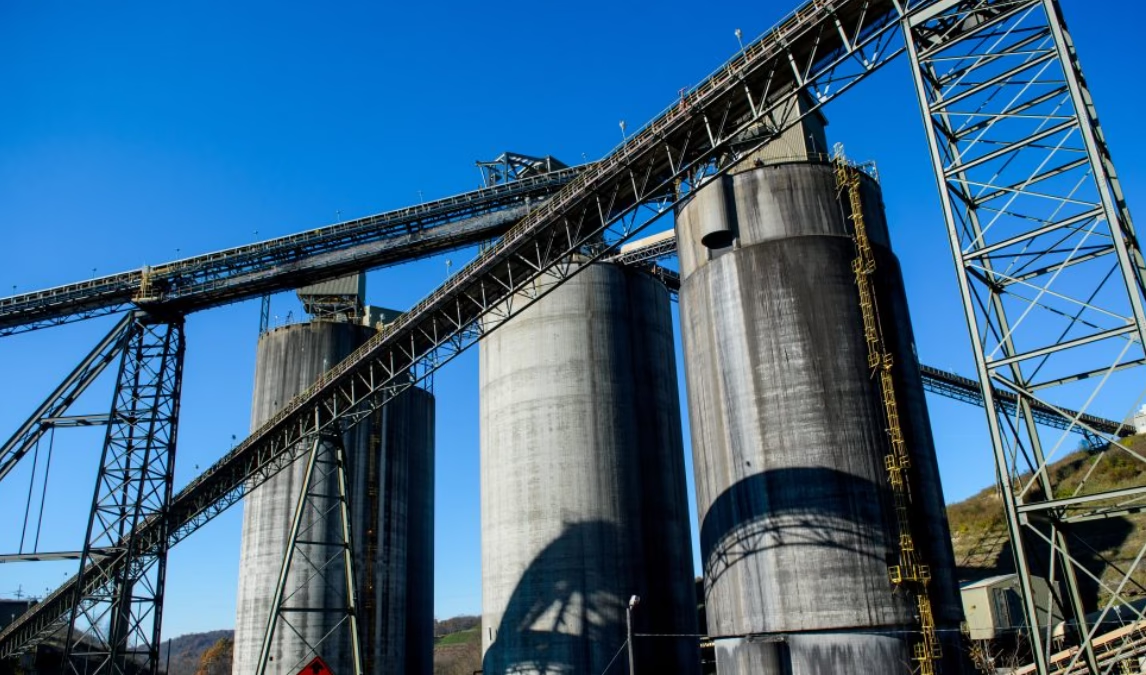
Иерархия электроэнергии в подземной угольной шахте — почему 6/10кВ магистраль необходима: Типичная архитектура: (1) Наземная главная подстанция (ГПП): базирующейся на поверхности шахты, обычно 35 кВ или 110 кВ питание от региональной электросети. ГПП содержит мощный трансформатор 35/6 кВ (трансформация высокого напряжения в среднее), главный выключатель, защитные реле. (2) Магистральный кабель 6/10 кВ (TENAX-V NSSHCGEOEU-V или КГЭЖ 6/10кВ): спускается вертикально (или наклонно) из ГПП на поверхности вниз через ствол шахты на глубину 200–1,500 метров (в зависимости от глубины выработок). Длина магистрали: 500–3,000 м типичная. Магистраль прокладывается в защитной трубе или канале (каналы "кабелепровод" железобетонные с зазорами для вентиляции). Магистраль питает несколько подземных трансформаторных подстанций. (3) Подземные трансформаторные подстанции (ТП): расположены на разных уровнях выработок (каждый уровень добычи может иметь свою ТП). Трансформатор 6/0.66 кВ (или реже 6/0.4 кВ) понижает напряжение. ТП обычно содержит: входной масляный выключатель 6 кВ, трансформатор с естественным охлаждением масло-воздух (Power rating 250–630 кВА, зависит от количества комбайнов), выходные выключатели 0.66 кВ, система защиты (реле расстояния, дифференциальные реле). (4) Локальные распределительные кабели 0.6/1.0 кВ: от ТП идут отдельные кабели (низковольтные КГЭШм 1.14кВ, как обсуждалось в предыдущей статье) к комбайнам, лебёдкам, конвейерам. Следствие: магистраль 6/10 кВ являет "хребтом" подземного электроснабжения. Потеря или отказ магистрали = полное отключение всех устройств низкого напряжения в той зоне выработок, что она питает. Поэтому надёжность магистрального кабеля критична. Замена магистрали требует полной остановки шахты на несколько дней, стоимость простоя: миллионы в сутки. Это объясняет, почему локализация магистрального TENAX-V имеет стратегическое значение для русских операторов.

TENAX-V NSSHCGEOEU-V 6/10кВ: немецкий магистральный кабель и КГЭЖ 6/10кВ русский эквивалент для подземного электроснабжения

Иерархия электроэнергии в подземной угольной шахте — почему 6/10кВ магистраль необходима: Типичная архитектура: (1) Наземная главная подстанция (ГПП): базирующейся на поверхности шахты, обычно 35 кВ или 110 кВ питание от региональной электросети. ГПП содержит мощный трансформатор 35/6 кВ (трансформация высокого напряжения в среднее), главный выключатель, защитные реле. (2) Магистральный кабель 6/10 кВ (TENAX-V NSSHCGEOEU-V или КГЭЖ 6/10кВ): спускается вертикально (или наклонно) из ГПП на поверхности вниз через ствол шахты на глубину 200–1,500 метров (в зависимости от глубины выработок). Длина магистрали: 500–3,000 м типичная. Магистраль прокладывается в защитной трубе или канале (каналы “кабелепровод” железобетонные с зазорами для вентиляции). Магистраль питает несколько подземных трансформаторных подстанций. (3) Подземные трансформаторные подстанции (ТП): расположены на разных уровнях выработок (каждый уровень добычи может иметь свою ТП). Трансформатор 6/0.66 кВ (или реже 6/0.4 кВ) понижает напряжение. ТП обычно содержит: входной масляный выключатель 6 кВ, трансформатор с естественным охлаждением масло-воздух (Power rating 250–630 кВА, зависит от количества комбайнов), выходные выключатели 0.66 кВ, система защиты (реле расстояния, дифференциальные реле). (4) Локальные распределительные кабели 0.6/1.0 кВ: от ТП идут отдельные кабели (низковольтные КГЭШм 1.14кВ, как обсуждалось в предыдущей статье) к комбайнам, лебёдкам, конвейерам. Следствие: магистраль 6/10 кВ являет “хребтом” подземного электроснабжения. Потеря или отказ магистрали = полное отключение всех устройств низкого напряжения в той зоне выработок, что она питает. Поэтому надёжность магистрального кабеля критична. Замена магистрали требует полной остановки шахты на несколько дней, стоимость простоя: миллионы в сутки. Это объясняет, почему локализация магистрального TENAX-V имеет стратегическое значение для русских операторов.
Много менеджеров и неэлектрических инженеров попадают в эту ловушку, потому что номинальное напряжение кабеля кажется подходящим: GOST 6kV — это номинальное напряжение сети, а VDE 3.6/6kV имеет 6kV в обозначении. Вывод кажется логичным: "6kV = 6kV, подходит". Это смертельная ошибка. Причина ошибки в системе двойной номинации VDE (U₀/U): • VDE 3.6/6kV означает: U₀ = 3,6 кВ (напряжение фаза-земля), U = 6,0 кВ (напряжение фаза-фаза) • Изоляция кабеля рассчитана на U₀ = 3,6 кВ • GOST 6kV означает: номинальное напряжение сети 6,0 кВ фаза-фаза • В системе IT (изолированная нейтраль) при однофазном КЗ: напряжение неповреждённых фаз мгновенно переходит из 3,6 кВ в 6,0 кВ • Кабель получает 6,0 кВ на изоляцию, рассчитанную на 3,6 кВ → ПРОБОЙ

Voltage Matching Trap: Why VDE 3.6/6kV Cables Fail Catastrophically on GOST 6kV IT Mining GridsA Critical Insulation Breakdown Risk Analysis

Много менеджеров и неэлектрических инженеров попадают в эту ловушку, потому что номинальное напряжение кабеля кажется подходящим: GOST 6kV — это номинальное напряжение сети, а VDE 3.6/6kV имеет 6kV в обозначении. Вывод кажется логичным: “6kV = 6kV, подходит”. Это смертельная ошибка. Причина ошибки в системе двойной номинации VDE (U₀/U): • VDE 3.6/6kV означает: U₀ = 3,6 кВ (напряжение фаза-земля), U = 6,0 кВ (напряжение фаза-фаза) • Изоляция кабеля рассчитана на U₀ = 3,6 кВ • GOST 6kV означает: номинальное напряжение сети 6,0 кВ фаза-фаза • В системе IT (изолированная нейтраль) при однофазном КЗ: напряжение неповреждённых фаз мгновенно переходит из 3,6 кВ в 6,0 кВ • Кабель получает 6,0 кВ на изоляцию, рассчитанную на 3,6 кВ → ПРОБОЙ
Direct Answer: Standard (N)TSCGEWÖU cables based on DIN VDE 0250-813 are not compliant with AS/NZS 1802 underground coal mining standards. The non-compliance is not merely a matter of standard jurisdiction—it reflects fundamental physical and electrical differences in cable structure, particularly regarding pilot core design and semiconductive cradle technology. 直接答案:基于DIN VDE 0250-813的标准(N)TSCGEWÖU电缆不符合AS/NZS 1802井下煤矿标准。非合规性不仅仅是标准管辖权的问题——它反映了电缆结构的根本物理和电气差异,特别是关于导引线设计和半导体支架技术。 Consequence: Using (N)TSCGEWÖU cables on Australian or New Zealand underground coal mining equipment violates workplace safety regulations and mining electrical codes. It also renders the equipment's earth fault detection system non-functional, eliminating critical protection against explosion and electrical hazards.

Is (N)TSCGEWÖU Compliant with AS/NZS 1802 Coal Mining Standards? Understanding the Pilot Core Issue

Direct Answer: Standard (N)TSCGEWÖU cables based on DIN VDE 0250-813 are not compliant with AS/NZS 1802 underground coal mining standards. The non-compliance is not merely a matter of standard jurisdiction—it reflects fundamental physical and electrical differences in cable structure, particularly regarding pilot core design and semiconductive cradle technology. 直接答案:基于DIN VDE 0250-813的标准(N)TSCGEWÖU电缆不符合AS/NZS 1802井下煤矿标准。非合规性不仅仅是标准管辖权的问题——它反映了电缆结构的根本物理和电气差异,特别是关于导引线设计和半导体支架技术。 Consequence: Using (N)TSCGEWÖU cables on Australian or New Zealand underground coal mining equipment violates workplace safety regulations and mining electrical codes. It also renders the equipment’s earth fault detection system non-functional, eliminating critical protection against explosion and electrical hazards.
RHEYFIRM® (S) series reeling cables with 3+3 core distributed earth design exhibit outer diameters ranging from approximately 40.0 mm (for 3×25+3×25/34 mm² configurations at 6/10 kV) to 76.0 mm or larger (for heavy-duty 3×185+3×95/35 mm² configurations at 12/20 kV). The nominal outer diameter depends on the specific conductor cross-section, voltage rating, and insulation thickness selected. For a typical medium-voltage marine and industrial application, a RHEYFIRM® (S) cable rated 3×70+3×35/32 mm² at 6/10 kV exhibits an outer diameter between 52.0 mm and 56.0 mm with approximate total cable weight of 4,300 kg/km (2,890 lbs/1000ft), while the corresponding 12/20 kV variant reaches 62.0 to 67.0 mm outer diameter with weights near 6,800 kg/km (4,570 lbs/1000ft).

RHEYFIRM® (S) 3+3 Core Design: Why Does Nexans Use Distributed Earth in the (S) Series and How Does It Affect EMC?

RHEYFIRM® (S) series reeling cables with 3+3 core distributed earth design exhibit outer diameters ranging from approximately 40.0 mm (for 3×25+3×25/34 mm² configurations at 6/10 kV) to 76.0 mm or larger (for heavy-duty 3×185+3×95/35 mm² configurations at 12/20 kV). The nominal outer diameter depends on the specific conductor cross-section, voltage rating, and insulation thickness selected. For a typical medium-voltage marine and industrial application, a RHEYFIRM® (S) cable rated 3×70+3×35/32 mm² at 6/10 kV exhibits an outer diameter between 52.0 mm and 56.0 mm with approximate total cable weight of 4,300 kg/km (2,890 lbs/1000ft), while the corresponding 12/20 kV variant reaches 62.0 to 67.0 mm outer diameter with weights near 6,800 kg/km (4,570 lbs/1000ft).
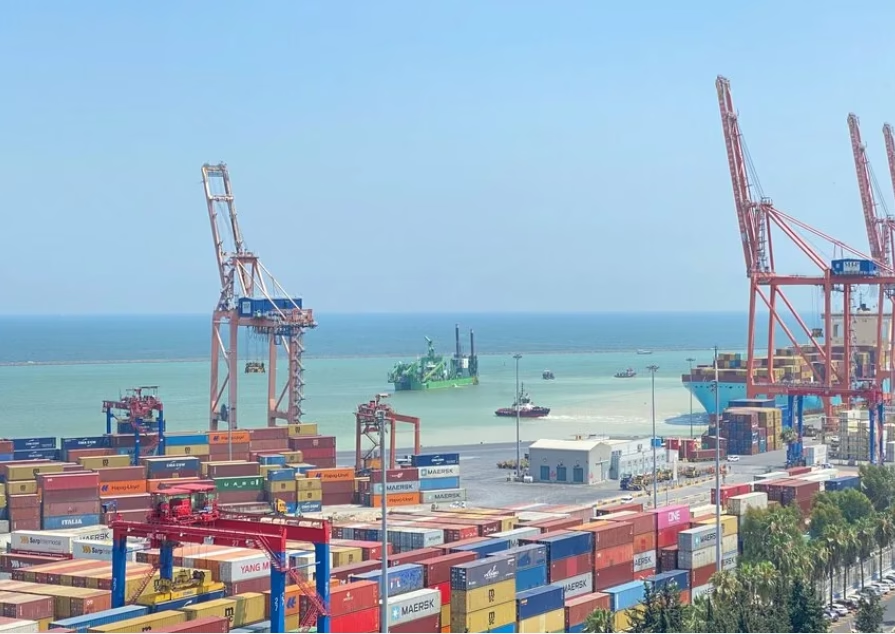
RHEYFIRM® is Nexans' premium line of flexible medium-voltage reeling cables specifically engineered for the extreme mechanical and environmental stresses of port machinery (STS cranes, automated stacker-reclaimers) and mining equipment (continuous dragline cables, mobile crusher power systems). Unlike fixed installation cables that remain stationary throughout their service life, reeling cables experience constant dynamic stress—deploying and retracting hundreds to thousands of times over their operational life. This continuous reeling duty subjects the cable to millions of bending cycles, sustained tensile loads, electromagnetic stress, salt spray corrosion, intense ultraviolet radiation, and temperature extremes far exceeding what conventional industrial cables are designed to tolerate. The physical diameter of a reeling cable is not simply a matter of aesthetics or standardization—it directly affects how much cable can fit on a physical drum of fixed dimensions. Consider a stacker-reclaimer with an existing cable drum that has a fixed flange width (say, 1,200 millimeters) and a fixed core diameter (say, 400 millimeters). The amount of cable that can be wound onto this drum depends on how tightly the cable packs around the core. A cable with a 59-millimeter outer diameter will create a larger spiral as it is wound layer by layer, limiting the total cable length to perhaps 600 meters. That same physical drum, if fitted with a 55.8-millimeter diameter cable, creates a tighter spiral and accommodates perhaps 750 meters of cable—a 25 percent increase in usable length with zero change to the physical equipment. For equipment where travel distance requirements have increased due to terminal expansion or operational upgrades, this diameter optimization can mean the difference between being able to extend operations and being forced into an expensive drum replacement project costing hundreds of thousands of dollars.

RHEYFIRM® (RS) vs. RHEYFIRM® (RTS): When to Choose the “Reduced Diameter” Version for Space-Constrained Reels

RHEYFIRM® is Nexans’ premium line of flexible medium-voltage reeling cables specifically engineered for the extreme mechanical and environmental stresses of port machinery (STS cranes, automated stacker-reclaimers) and mining equipment (continuous dragline cables, mobile crusher power systems). Unlike fixed installation cables that remain stationary throughout their service life, reeling cables experience constant dynamic stress—deploying and retracting hundreds to thousands of times over their operational life. This continuous reeling duty subjects the cable to millions of bending cycles, sustained tensile loads, electromagnetic stress, salt spray corrosion, intense ultraviolet radiation, and temperature extremes far exceeding what conventional industrial cables are designed to tolerate. The physical diameter of a reeling cable is not simply a matter of aesthetics or standardization—it directly affects how much cable can fit on a physical drum of fixed dimensions. Consider a stacker-reclaimer with an existing cable drum that has a fixed flange width (say, 1,200 millimeters) and a fixed core diameter (say, 400 millimeters). The amount of cable that can be wound onto this drum depends on how tightly the cable packs around the core. A cable with a 59-millimeter outer diameter will create a larger spiral as it is wound layer by layer, limiting the total cable length to perhaps 600 meters. That same physical drum, if fitted with a 55.8-millimeter diameter cable, creates a tighter spiral and accommodates perhaps 750 meters of cable—a 25 percent increase in usable length with zero change to the physical equipment. For equipment where travel distance requirements have increased due to terminal expansion or operational upgrades, this diameter optimization can mean the difference between being able to extend operations and being forced into an expensive drum replacement project costing hundreds of thousands of dollars.
The (N)TSCGEWÖU 3x95+3x50/3 6/10kV reeling cable, which represents a three-conductor medium-voltage power cable with three equally-sized 50 mm² grounding conductors distributed around the cable circumference, achieves a maximum continuous operating conductor temperature of 90°C according to DIN VDE 0250-813 and VDE 0298-4 standards. This 90°C temperature rating represents the absolute upper limit at which the cable can be operated indefinitely without experiencing accelerated insulation degradation or mechanical property loss. The three-phase power conductors, each with 95 mm² copper cross-section (approximately AWG 3/0), are designed to operate continuously at this 90°C conductor temperature under normal load conditions without exceeding the safe design envelope established by European electrical standards. Regarding the theoretical 125°C overload temperature: high-quality EPR (ethylene propylene rubber, type 3GI3) insulation can theoretically tolerate brief exposure to temperatures of 125°C to 130°C during emergency overload conditions lasting no more than 100 hours per year or 5 seconds for short-circuit faults. However, DIN VDE 0250-813 and VDE 0298-4 do not officially recommend 125°C as a design basis for the (N)TSCGEWÖU cable, particularly because this cable is a flexible reeling cable subject to frequent mechanical stress, dynamic bending, and repeated thermal cycling. Operating routinely at elevated temperatures significantly accelerates the rubber jacketing's aging process, dramatically reducing the cable's mechanical flexibility and service life in the demanding coil-wound configurations typical of dragline and excavator equipment. The professional engineering recommendation is clear: design all (N)TSCGEWÖU installations for 90°C operation as the safe design maximum, treat any sustained operation above 90°C as an emergency condition requiring immediate investigation, and never use 125°C as a routine design basis without explicit written approval from both the cable manufacturer and the equipment operator.

Maximum Conductor Temperature: Is (N)TSCGEWÖU 3×95+3×50/3 Rated for 90°C or 125°C Overload?

The (N)TSCGEWÖU 3×95+3×50/3 6/10kV reeling cable, which represents a three-conductor medium-voltage power cable with three equally-sized 50 mm² grounding conductors distributed around the cable circumference, achieves a maximum continuous operating conductor temperature of 90°C according to DIN VDE 0250-813 and VDE 0298-4 standards. This 90°C temperature rating represents the absolute upper limit at which the cable can be operated indefinitely without experiencing accelerated insulation degradation or mechanical property loss. The three-phase power conductors, each with 95 mm² copper cross-section (approximately AWG 3/0), are designed to operate continuously at this 90°C conductor temperature under normal load conditions without exceeding the safe design envelope established by European electrical standards. Regarding the theoretical 125°C overload temperature: high-quality EPR (ethylene propylene rubber, type 3GI3) insulation can theoretically tolerate brief exposure to temperatures of 125°C to 130°C during emergency overload conditions lasting no more than 100 hours per year or 5 seconds for short-circuit faults. However, DIN VDE 0250-813 and VDE 0298-4 do not officially recommend 125°C as a design basis for the (N)TSCGEWÖU cable, particularly because this cable is a flexible reeling cable subject to frequent mechanical stress, dynamic bending, and repeated thermal cycling. Operating routinely at elevated temperatures significantly accelerates the rubber jacketing’s aging process, dramatically reducing the cable’s mechanical flexibility and service life in the demanding coil-wound configurations typical of dragline and excavator equipment. The professional engineering recommendation is clear: design all (N)TSCGEWÖU installations for 90°C operation as the safe design maximum, treat any sustained operation above 90°C as an emergency condition requiring immediate investigation, and never use 125°C as a routine design basis without explicit written approval from both the cable manufacturer and the equipment operator.
The (N)TSCGEWÖU 3x50+3x25/3 12/20kV reeling cable has a base ampacity of approximately 210 amperes when installed in free air with standard ambient conditions of 30°C (86°F) and conductor temperature not exceeding 90°C. However, when this same cable is wound in a 3-layer configuration on a cylindrical motorized reel drum—a typical arrangement for port cranes, ship-to-shore gantries, mining equipment, and mobile cargo handling systems—the effective ampacity is dramatically reduced through application of the DIN VDE 0298-4 thermal derating factor of 0.49. This produces a practical continuous ampacity of approximately 102.9 amperes (calculated as 210 A × 0.49), representing less than half the free-air capacity. The cable features three 50 mm² main phase conductors and three 25 mm² grounding conductors arranged in a compact helical geometry, with an outer diameter of approximately 52–58 mm and total weight of approximately 4,300–4,600 kg/km. The derating factor reflects the fundamental thermal reality that cable layers wound inside the drum cannot radiate heat to the surrounding air, trapping thermal energy and forcing the cable to operate at temperatures significantly above the ambient reference condition.

Derating Factors: Current Carrying Capacity of (N)TSCGEWÖU 3×50+3×25/3 12/20kV Wound in 3 Layers on a Reel

The (N)TSCGEWÖU 3×50+3×25/3 12/20kV reeling cable has a base ampacity of approximately 210 amperes when installed in free air with standard ambient conditions of 30°C (86°F) and conductor temperature not exceeding 90°C. However, when this same cable is wound in a 3-layer configuration on a cylindrical motorized reel drum—a typical arrangement for port cranes, ship-to-shore gantries, mining equipment, and mobile cargo handling systems—the effective ampacity is dramatically reduced through application of the DIN VDE 0298-4 thermal derating factor of 0.49. This produces a practical continuous ampacity of approximately 102.9 amperes (calculated as 210 A × 0.49), representing less than half the free-air capacity. The cable features three 50 mm² main phase conductors and three 25 mm² grounding conductors arranged in a compact helical geometry, with an outer diameter of approximately 52–58 mm and total weight of approximately 4,300–4,600 kg/km. The derating factor reflects the fundamental thermal reality that cable layers wound inside the drum cannot radiate heat to the surrounding air, trapping thermal energy and forcing the cable to operate at temperatures significantly above the ambient reference condition.
The nominal width of a (N)TSFLCGEWÖU 4x120 0.6/1kV shielded flat trailing cable is approximately 91 mm (3.58 inches), with a tolerance window of ±3.5 mm producing a permissible range of 87.5–94.5 mm. The nominal thickness is approximately 27.5 mm (1.08 inches), with a tolerance window of ±1.5 mm producing a permissible range of 26.0–29.0 mm. The approximate total weight of this cable is 8,200 kg/km (5,500 lbs/1000 ft), with copper weight approximately 5,250 kg/km. It features four 120 mm² main power conductors rated for 321 amperes continuous operation at 30°C ambient, supplemented by individual copper braid shielding on each conductor for electromagnetic compatibility (EMC) with variable-frequency drives and other sensitive equipment. The distinction between width and thickness for flat cables differs fundamentally from round cable specifications because flat cables do not have a single outer diameter. Instead, engineers must manage two dimensions simultaneously, and these dimensions directly determine whether the cable will fit into festoon track systems, contact shoe assemblies, and guidance rail configurations commonly deployed in overhead crane systems and automated material handling equipment.

What is the Width and Thickness of (N)TSFLCGEWÖU 4×120 0.6/1kV Shielded Flat Cable?

The nominal width of a (N)TSFLCGEWÖU 4×120 0.6/1kV shielded flat trailing cable is approximately 91 mm (3.58 inches), with a tolerance window of ±3.5 mm producing a permissible range of 87.5–94.5 mm. The nominal thickness is approximately 27.5 mm (1.08 inches), with a tolerance window of ±1.5 mm producing a permissible range of 26.0–29.0 mm. The approximate total weight of this cable is 8,200 kg/km (5,500 lbs/1000 ft), with copper weight approximately 5,250 kg/km. It features four 120 mm² main power conductors rated for 321 amperes continuous operation at 30°C ambient, supplemented by individual copper braid shielding on each conductor for electromagnetic compatibility (EMC) with variable-frequency drives and other sensitive equipment. The distinction between width and thickness for flat cables differs fundamentally from round cable specifications because flat cables do not have a single outer diameter. Instead, engineers must manage two dimensions simultaneously, and these dimensions directly determine whether the cable will fit into festoon track systems, contact shoe assemblies, and guidance rail configurations commonly deployed in overhead crane systems and automated material handling equipment.
Nexans RHEYFIRM (RS) 12/20kV is a premium-tier medium-voltage reeling cable specifically engineered for high-speed, high-stress port machinery and industrial heavy-load applications. The cable's design reflects Nexans' deep expertise in marine and dockside equipment, incorporating proprietary RHEYCLEAN insulation chemistry and reinforced anti-torsion braid architecture that together enable reliable operation in environments where cable flexing occurs thousands of times per day at speeds exceeding 200 meters per minute. However, RHEYFIRM cables command premium pricing that reflects both their proven field performance and Nexans' brand positioning. For procurement teams managing large cable quantities, facing extended supply lead times, or constrained by budget limitations, the search for a functionally equivalent alternative is not a search for a compromise. Rather, it is a systematic evaluation of competing engineering approaches that achieve the same electrical safety, mechanical durability, and environmental resilience through different manufacturing philosophies. This guide addresses the practical reality that excellent medium-voltage reeling cables are manufactured by multiple established European and global suppliers. Helukabel (Germany), SAB Kabel (Germany), Prysmian (Italy/France), Feichun (China), and other manufacturers produce cables that meet or exceed RHEYFIRM's performance specifications while offering cost savings between 15–35%, faster regional delivery, or better availability for Asia-Pacific projects.

Cost-Effective Replacement for Nexans RHEYFIRM (RS) 3×50+3×25/3 12/20kV

Nexans RHEYFIRM (RS) 12/20kV is a premium-tier medium-voltage reeling cable specifically engineered for high-speed, high-stress port machinery and industrial heavy-load applications. The cable’s design reflects Nexans’ deep expertise in marine and dockside equipment, incorporating proprietary RHEYCLEAN insulation chemistry and reinforced anti-torsion braid architecture that together enable reliable operation in environments where cable flexing occurs thousands of times per day at speeds exceeding 200 meters per minute. However, RHEYFIRM cables command premium pricing that reflects both their proven field performance and Nexans’ brand positioning. For procurement teams managing large cable quantities, facing extended supply lead times, or constrained by budget limitations, the search for a functionally equivalent alternative is not a search for a compromise. Rather, it is a systematic evaluation of competing engineering approaches that achieve the same electrical safety, mechanical durability, and environmental resilience through different manufacturing philosophies. This guide addresses the practical reality that excellent medium-voltage reeling cables are manufactured by multiple established European and global suppliers. Helukabel (Germany), SAB Kabel (Germany), Prysmian (Italy/France), Feichun (China), and other manufacturers produce cables that meet or exceed RHEYFIRM’s performance specifications while offering cost savings between 15–35%, faster regional delivery, or better availability for Asia-Pacific projects.
Prysmian PROTOLON (SM) 3x150+3x25/3 6/10kV is a specialized high-voltage reeling cable engineered for environments where mechanical stress, torsional loading, and cable flexibility are as critical as electrical performance. Unlike standard medium-voltage power cables, PROTOLON cables are designed for continuous reeling and unreeling—the cable must bend, twist, and flex thousands of times over their service life without insulation cracking, conductor breakage, or protective conductor separation.

Cross-Reference Guide: Exact Equivalents for Prysmian PROTOLON (SM) 3×150+3×25/3 6/10kV

Prysmian PROTOLON (SM) 3×150+3×25/3 6/10kV is a specialized high-voltage reeling cable engineered for environments where mechanical stress, torsional loading, and cable flexibility are as critical as electrical performance. Unlike standard medium-voltage power cables, PROTOLON cables are designed for continuous reeling and unreeling—the cable must bend, twist, and flex thousands of times over their service life without insulation cracking, conductor breakage, or protective conductor separation.
The minimum bending radius for the (N)TSKCGEWÖU 3x95+3x16/3 3.6/6kV cable ranges from a minimum of approximately 348 millimeters for fixed installations to a maximum of 1,160 millimeters for S-curve transitions and forced-bend applications, with the most common reeling drum application falling in the 725–870 millimeter range. However, these numbers are meaningful only if you understand what they represent, why different installation types require different radii, and what happens to your cable if you bend it tighter than the specified limit. 最小弯曲半径范围从固定敷设的 348 毫米到 S 型转弯的 1,160 毫米不等,卷筒应用通常为 725–870 毫米。

Minimum Bending Radius: How Tight Can You Bend a (N)TSKCGEWÖU 3×95+3×16/3 3.6/6kV Cable?

The minimum bending radius for the (N)TSKCGEWÖU 3×95+3×16/3 3.6/6kV cable ranges from a minimum of approximately 348 millimeters for fixed installations to a maximum of 1,160 millimeters for S-curve transitions and forced-bend applications, with the most common reeling drum application falling in the 725–870 millimeter range. However, these numbers are meaningful only if you understand what they represent, why different installation types require different radii, and what happens to your cable if you bend it tighter than the specified limit. 最小弯曲半径范围从固定敷设的 348 毫米到 S 型转弯的 1,160 毫米不等,卷筒应用通常为 725–870 毫米。
(N)TMCGEH3S矿用电缆介绍 The (N)TMCGEH3S represents a sophisticated medium voltage trailing cable specifically engineered for demanding open-pit mining operations. Developed in accordance with DIN VDE 0250 Part 813 standards and Nexans specifications, this polyurethane-sheathed cable combines exceptional mechanical durability with advanced electrical performance characteristics. The integration of self-illuminating LED visual monitoring technology transforms this cable into an intelligent power transmission solution that provides real-time operational status indication. (N)TMCGEH3S是一种专为苛刻露天采矿作业设计的复杂中压拖曳电缆。该电缆按照DIN VDE 0250第813部分标准和Nexans规范开发,聚氨酯护套电缆将卓越的机械耐久性与先进的电气性能特性相结合。集成自发光LED视觉监测技术使该电缆成为能够提供实时运行状态指示的智能电力传输解决方案。

(N)TMCGEH3S Self-Illuminating Mining Cable: Can LED Brightness Indicate Voltage Level or Load Status?

(N)TMCGEH3S represents a sophisticated medium voltage trailing cable specifically engineered for demanding open-pit mining operations. Developed in accordance with DIN VDE 0250 Part 813 standards and Nexans specifications, this polyurethane-sheathed cable combines exceptional mechanical durability with advanced electrical performance characteristics. The integration of self-illuminating LED visual monitoring technology transforms this cable into an intelligent power transmission solution that provides real-time operational status indication. (N)TMCGEH3S是一种专为苛刻露天采矿作业设计的复杂中压拖曳电缆。该电缆按照DIN VDE 0250第813部分标准和Nexans规范开发,聚氨酯护套电缆将卓越的机械耐久性与先进的电气性能特性相结合。集成自发光LED视觉监测技术使该电缆成为能够提供实时运行状态指示的智能电力传输解决方案。
The (N)TSCGEH3S, commercially known under the TENAX-LUMEN product family originally developed by Prysmian Group in Germany, represents a breakthrough solution: a self-luminous medium-voltage trailing cable that glows visibly in darkness — even when de-energized — thanks to integrated electroluminescent (EL) or LED elements embedded beneath a transparent thermoplastic polyurethane (TPU) outer sheath. (N)TSCGEH3S 是一种自发光中压拖曳电缆,即使在断电状态下也能在黑暗中清晰可见,其发光元件嵌入透明TPU外护套之下。

What is (N)TSCGEH3S?The Ultimate Guide to Self-Illuminating Mining Cables

The (N)TSCGEH3S, commercially known under the TENAX-LUMEN product family originally developed by Prysmian Group in Germany, represents a breakthrough solution: a self-luminous medium-voltage trailing cable that glows visibly in darkness — even when de-energized — thanks to integrated electroluminescent (EL) or LED elements embedded beneath a transparent thermoplastic polyurethane (TPU) outer sheath. (N)TSCGEH3S 是一种自发光中压拖曳电缆,即使在断电状态下也能在黑暗中清晰可见,其发光元件嵌入透明TPU外护套之下。
Modern mining operations increasingly rely on self-illuminating cables to improve safety visibility in underground environments. By embedding LED strip lights directly within the transparent or translucent thermoplastic polyurethane (TPU) outer jacket of a trailing or reeling cable, operators gain continuous visual confirmation of cable routing, reduce tripping hazards, and can detect cable damage more readily. Anhui Feichun Special Cable Co., Ltd. has pioneered this approach in its SHD-GC LED Mining Cable series, integrating constant-current LED strips into cables rated from 2 kV to 25 kV for both underground and open-pit operations. 现代矿山作业越来越依赖于自发光电缆来提高地下环境的安全可见度。通过将LED灯带直接嵌入拖曳或卷缆的透明/半透明热塑性聚氨酯(TPU)外护套中,操作人员可持续确认电缆走向路线、降低绊倒风险,并更容易检测电缆损坏。安徽飞纯特种电缆有限公司在其SHD-GC LED矿用电缆系列中率先采用了该技术。

Service Life: What Is the Expected Lifespan of Embedded LED Strips Inside a Mining Cable Under Constant Flexing?

Modern mining operations increasingly rely on self-illuminating cables to improve safety visibility in underground environments. By embedding LED strip lights directly within the transparent or translucent thermoplastic polyurethane (TPU) outer jacket of a trailing or reeling cable, operators gain continuous visual confirmation of cable routing, reduce tripping hazards, and can detect cable damage more readily. Anhui Feichun Special Cable Co., Ltd. has pioneered this approach in its SHD-GC LED Mining Cable series, integrating constant-current LED strips into cables rated from 2 kV to 25 kV for both underground and open-pit operations. 现代矿山作业越来越依赖于自发光电缆来提高地下环境的安全可见度。通过将LED灯带直接嵌入拖曳或卷缆的透明/半透明热塑性聚氨酯(TPU)外护套中,操作人员可持续确认电缆走向路线、降低绊倒风险,并更容易检测电缆损坏。安徽飞纯特种电缆有限公司在其SHD-GC LED矿用电缆系列中率先采用了该技术。
The RHEYFIRM® family represents Nexans' flagship line of flexible medium-voltage reeling cables, engineered specifically for extreme mechanical stress applications including Ship-to-Shore (STS) cranes, Rail Mounted Gantry (RMG) cranes, stacker reclaimers, and heavy mobile mining equipment. The "(S)" designation indicates the symmetrical configuration featuring the distinctive 3+3 core design, where three phase conductors are complemented by three protective earth conductors strategically positioned in the cable interstices. RHEYFIRM®系列是Nexans旗下的中压柔性卷筒电缆产品线,专为极端机械应力应用设计,包括岸桥(STS)起重机、轨道式龙门起重机(RMG)、堆取料机及重型移动采矿设备。"(S)"标识表示对称配置,采用独特的3+3芯设计,三根相线导体与三根保护接地导体战略性地布置在电缆间隙中。

RHEYFIRM® (S) 3+3 Core Design: Why Does Nexans Use Distributed Earth in the (S) Series and How Does It Affect EMC?

The RHEYFIRM® family represents Nexans’ flagship line of flexible medium-voltage reeling cables, engineered specifically for extreme mechanical stress applications including Ship-to-Shore (STS) cranes, Rail Mounted Gantry (RMG) cranes, stacker reclaimers, and heavy mobile mining equipment. The “(S)” designation indicates the symmetrical configuration featuring the distinctive 3+3 core design, where three phase conductors are complemented by three protective earth conductors strategically positioned in the cable interstices. RHEYFIRM®系列是Nexans旗下的中压柔性卷筒电缆产品线,专为极端机械应力应用设计,包括岸桥(STS)起重机、轨道式龙门起重机(RMG)、堆取料机及重型移动采矿设备。”(S)”标识表示对称配置,采用独特的3+3芯设计,三根相线导体与三根保护接地导体战略性地布置在电缆间隙中。
In the Nexans handling cable catalog, yellow outer sheaths are predominantly used for low-voltage (0.6/1 kV) RHEYCORD® series cables, while red outer sheaths identify medium-voltage (3–30 kV) RHEYFIRM® series cables. This color differentiation serves as a critical visual safety indicator for voltage level identification in industrial environments. 在耐克森搬运电缆目录中,黄色外护套主要用于低压(0.6/1 kV) RHEYCORD®系列电缆,而红色外护套用于标识中压(3–30 kV) RHEYFIRM®系列电缆。这种颜色区分是工业环境中电压等级识别的重要视觉安全指标。

Yellow vs. Red Sheath: Decoding Nexans RHEYFIRM® Color Codes

In the Nexans handling cable catalog, yellow outer sheaths are predominantly used for low-voltage (0.6/1 kV) RHEYCORD® series cables, while red outer sheaths identify medium-voltage (3–30 kV) RHEYFIRM® series cables. This color differentiation serves as a critical visual safety indicator for voltage level identification in industrial environments. 在耐克森搬运电缆目录中,黄色外护套主要用于低压(0.6/1 kV) RHEYCORD®系列电缆,而红色外护套用于标识中压(3–30 kV) RHEYFIRM®系列电缆。这种颜色区分是工业环境中电压等级识别的重要视觉安全指标。
RHEYFIRM cable, RHEYFIRM RTS, RHEYFIRM RS, NTSCGEWTOEUS, NTSKCGECWÖU, Kevlar reinforced cable, aramid fiber cable, DIN VDE 0250-813, medium voltage reeling cable, ultra-long vertical travel cable, deep shaft mining cable, mine hoist cable, STS crane cable, ship-to-shore crane cable, RMG crane cable, trailing cable, EPR insulated cable, rubber sheathed flexible cable, 高压卷筒电缆, 凯夫拉加强电缆, 矿用电缆, 起重机电缆, Nexans equivalent cable, Prysmian alternative cable, coal cutter cable, tunnel boring machine cable, TBM cable, elevator traveling cable, high-rise elevator cable, steel core vs Kevlar cable, aramid strength member cable, DIN VDE 0250 Part 813 compliant, VDE mining cable, 6/10kV reeling cable, 12/20kV trailing cable, 18/30kV power cable, open-pit mining cable, underground mining cable, flexible power cable for cranes, material handling cable, tinned copper conductor cable, flame retardant mining cable, oil resistant reeling cable, ozone resistant cable, Feichun special cable, 安徽飞纯电缆, 飞纯特种电缆, NSSHCGEWÖU cable, continuous miner cable, dragline cable, stacker reclaimer cable, excavator power cable

RHEYFIRM® (RS) vs. RHEYFIRM® (RTS): When to Choose RHEYFIRM® KE Kevlar (N)TSKCGECWÖU for Ultra-Long Vertical Travel

RHEYFIRM cable, RHEYFIRM RTS, RHEYFIRM RS, NTSCGEWTOEUS, NTSKCGECWÖU, Kevlar reinforced cable, aramid fiber cable, DIN VDE 0250-813, medium voltage reeling cable, ultra-long vertical travel cable, deep shaft mining cable, mine hoist cable, STS crane cable, ship-to-shore crane cable, RMG crane cable, trailing cable, EPR insulated cable, rubber sheathed flexible cable, 高压卷筒电缆, 凯夫拉加强电缆, 矿用电缆, 起重机电缆, Nexans equivalent cable, Prysmian alternative cable, coal cutter cable, tunnel boring machine cable, TBM cable, elevator traveling cable, high-rise elevator cable, steel core vs Kevlar cable, aramid strength member cable, DIN VDE 0250 Part 813 compliant, VDE mining cable, 6/10kV reeling cable, 12/20kV trailing cable, 18/30kV power cable, open-pit mining cable, underground mining cable, flexible power cable for cranes, material handling cable, tinned copper conductor cable, flame retardant mining cable, oil resistant reeling cable, ozone resistant cable, Feichun special cable, 安徽飞纯电缆, 飞纯特种电缆, NSSHCGEWÖU cable, continuous miner cable, dragline cable, stacker reclaimer cable, excavator power cable
The RHEYFIRM® series represents Nexans' premium line of flexible high-voltage and medium-voltage reeling cables, engineered specifically for demanding industrial applications requiring exceptional mechanical stress resistance combined with reliable electrical performance. These cables are manufactured according to the stringent requirements of DIN VDE 0250 Part 813, which governs trailing cables with rated voltages from 0.6/1 kV up to 20/35 kV. RHEYFIRM®系列是耐克森公司的高端柔性高压和中压卷筒电缆产品线,专门针对需要卓越机械应力耐受性和可靠电气性能的苛刻工业应用而设计。这些电缆按照DIN VDE 0250第813部分的严格要求制造,该标准规定了额定电压从0.6/1 kV至20/35 kV的拖曳电缆技术规范。

Voltage Ratings: RHEYFIRM® 30kV — Can Generic (N)TSCGEWÖU Match Nexans’ 20/35kV Rating?

The RHEYFIRM® series represents Nexans’ premium line of flexible high-voltage and medium-voltage reeling cables, engineered specifically for demanding industrial applications requiring exceptional mechanical stress resistance combined with reliable electrical performance. These cables are manufactured according to the stringent requirements of DIN VDE 0250 Part 813, which governs trailing cables with rated voltages from 0.6/1 kV up to 20/35 kV. RHEYFIRM®系列是耐克森公司的高端柔性高压和中压卷筒电缆产品线,专门针对需要卓越机械应力耐受性和可靠电气性能的苛刻工业应用而设计。这些电缆按照DIN VDE 0250第813部分的严格要求制造,该标准规定了额定电压从0.6/1 kV至20/35 kV的拖曳电缆技术规范。
Single core cables are engineered for distribution of electrical power with nominal voltages ranging from 1.8/3kV to 36kV and beyond. From a design point of view, medium-voltage cables are of three types: single-core cable, three single-core cables laid-up, and three-core cable. This technical guide examines two prominent cable solutions for demanding industrial applications requiring high flexibility and electrical performance. 单芯电缆专为输配电系统设计,额定电压从1.8/3kV至36kV及以上。本技术指南对比分析两种适用于高柔性工业应用的电缆方案。

Single Core Cables: Nexans RHEYCLEAN® (MV) vs. (N)TSCGEWÖU Single Core

Single core cables are engineered for distribution of electrical power with nominal voltages ranging from 1.8/3kV to 36kV and beyond. From a design point of view, medium-voltage cables are of three types: single-core cable, three single-core cables laid-up, and three-core cable. This technical guide examines two prominent cable solutions for demanding industrial applications requiring high flexibility and electrical performance. 单芯电缆专为输配电系统设计,额定电压从1.8/3kV至36kV及以上。本技术指南对比分析两种适用于高柔性工业应用的电缆方案。
In modern port operations and heavy machinery applications, reeling cable performance at high speeds has become a critical factor for operational efficiency and equipment reliability. This technical analysis examines whether generic (N)TSCGEWÖU cables can achieve the same performance standards as Nexans RHEYFIRM® cables, particularly at the 240 meters per minute (m/min) reeling speed threshold. 在现代港口作业和重型机械应用中,高速卷取电缆性能已成为运行效率和设备可靠性的关键因素。本技术分析检验了通用(N)TSCGEWÖU电缆能否达到与Nexans RHEYFIRM®电缆相同的性能标准,特别是在240米/分钟(m/min)卷取速度阈值下。

Speed Rating: Can Generic (N)TSCGEWÖU Match the 240m/min Reeling Speed Capability of Nexans RHEYFIRM®?

In modern port operations and heavy machinery applications, reeling cable performance at high speeds has become a critical factor for operational efficiency and equipment reliability. This technical analysis examines whether generic (N)TSCGEWÖU cables can achieve the same performance standards as Nexans RHEYFIRM® cables, particularly at the 240 meters per minute (m/min) reeling speed threshold. 在现代港口作业和重型机械应用中,高速卷取电缆性能已成为运行效率和设备可靠性的关键因素。本技术分析检验了通用(N)TSCGEWÖU电缆能否达到与Nexans RHEYFIRM®电缆相同的性能标准,特别是在240米/分钟(m/min)卷取速度阈值下。
In heavy-duty industrial cable applications such as crane operations, mining equipment, and reeling systems, the outer sheath compound represents a critical factor determining cable service life and operational reliability. The cable sheath serves as the primary defense against mechanical wear, environmental exposure, and chemical attack. Among industry-standard materials, VDE 5GM5 heavy-duty rubber compound has established itself as a benchmark for demanding applications requiring superior abrasion resistance. (在起重机操作、采矿设备和卷筒系统等重型工业电缆应用中,外护套化合物是决定电缆使用寿命和运行可靠性的关键因素。)

Sheath Abrasion Resistance: How Nexans Premium Compounds Compare to Standard VDE 5GM5 Heavy-Duty Rubber

In heavy-duty industrial cable applications such as crane operations, mining equipment, and reeling systems, the outer sheath compound represents a critical factor determining cable service life and operational reliability. The cable sheath serves as the primary defense against mechanical wear, environmental exposure, and chemical attack. Among industry-standard materials, VDE 5GM5 heavy-duty rubber compound has established itself as a benchmark for demanding applications requiring superior abrasion resistance. (在起重机操作、采矿设备和卷筒系统等重型工业电缆应用中,外护套化合物是决定电缆使用寿命和运行可靠性的关键因素。)
Gantry crane systems operating in ports, shipyards, and container terminals demand cables capable of withstanding extreme mechanical stresses, including high tensile forces and continuous torsional movements. The selection of appropriate reeling cables directly impacts operational efficiency, maintenance costs, and safety standards in material handling operations. This comprehensive technical analysis compares two leading cable solutions manufactured to German DIN VDE 0250 standards: the Nexans RHEYFIRM® (RS) flat cable series and the (N)TSCGEWÖU medium-voltage cable family. 龙门起重机系统在港口、造船厂和集装箱码头运行时,需要能够承受极端机械应力的电缆,包括高拉力和持续的扭转运动。适当选择卷筒电缆直接影响物料搬运作业中的运营效率、维护成本和安全标准。本综合技术分析比较了两种按德国DIN VDE 0250标准制造的领先电缆解决方案:Nexans RHEYFIRM®(RS)扁电缆系列和(N)TSCGEWÖU中压电缆系列。

Nexans RHEYFIRM® (RS) vs. (N)TSCGEWÖU: A Detailed Comparison of Tensile Strength and Torsion Resistance for Gantry Cranes

Gantry crane systems operating in ports, shipyards, and container terminals demand cables capable of withstanding extreme mechanical stresses, including high tensile forces and continuous torsional movements. The selection of appropriate reeling cables directly impacts operational efficiency, maintenance costs, and safety standards in material handling operations. This comprehensive technical analysis compares two leading cable solutions manufactured to German DIN VDE 0250 standards: the Nexans RHEYFIRM® (RS) flat cable series and the (N)TSCGEWÖU medium-voltage cable family. 龙门起重机系统在港口、造船厂和集装箱码头运行时,需要能够承受极端机械应力的电缆,包括高拉力和持续的扭转运动。适当选择卷筒电缆直接影响物料搬运作业中的运营效率、维护成本和安全标准。本综合技术分析比较了两种按德国DIN VDE 0250标准制造的领先电缆解决方案:Nexans RHEYFIRM®(RS)扁电缆系列和(N)TSCGEWÖU中压电缆系列。
RHEYFIRM® cable series, developed by Nexans, represents the industry benchmark for high-voltage reeling cables in demanding crane and material handling applications. Within this series, the distinction between splittable earth configurations (designated with "S" variants) and standard configurations using the (N)TSKCGEWÖU designation has significant technical and operational implications. This analysis examines whether generic splittable earth reeling cables can serve as direct replacements for Nexans' proprietary "S" series cables.

RHEYFIRM® (S) Splittable vs. Standard (N)TSKCGEWÖU: Can Generic Splittable Earth Reeling Cables Replace Nexans “S” Series?

RHEYFIRM® cable series, developed by Nexans, represents the industry benchmark for high-voltage reeling cables in demanding crane and material handling applications. Within this series, the distinction between splittable earth configurations (designated with “S” variants) and standard configurations using the (N)TSKCGEWÖU designation has significant technical and operational implications. This analysis examines whether generic splittable earth reeling cables can serve as direct replacements for Nexans’ proprietary “S” series cables.
The maximum allowable pilot loop resistance for Type 450 mining cables operating with Ampcontrol earth continuity relays represents a critical electrical parameter that directly impacts mine safety and operational reliability. This comprehensive technical analysis examines the interaction between AS/NZS 2802:2000 Type 450 cable specifications and Ampcontrol relay requirements, providing mining engineers and electrical designers with authoritative guidance for proper system design and selection. 与Ampcontrol地电连续继电器配合使用的Type 450矿用电缆的最大允许导向回路电阻是一个直接影响矿山安全和运行可靠性的关键电气参数。本全面技术分析检查了AS/NZS 2802:2000 Type 450电缆规格与Ampcontrol继电器要求之间的相互作用,为矿业工程师和电气设计师提供了正确系统设计和选择的权威指导。

PROTOLON (SB) NTSCGEWOEU I 3 – 30 KV

These cables serve as power supply or connection cables for large material handling machines, such as excavators in opencast mines, subjected to extremely high mechanical stresses where abrasion and chaffing stresses are expected in trailing operation. 这些电缆用作大型物料搬运机械(如露天矿山挖掘机)的电源或连接电缆,在拖曳作业中承受极高的机械应力、磨损和摩擦应力。
TSCGECEWÖU, NTSCGECEWÖU, TSKCGECWOEU, TSCGEWOEU, NSSHOEU, NTSCGEWOEU-CH, German mining cable, DIN cable, VDE cable, German cable standard, coal cutter cable CH, festoon cable FN, trailing cable W, screened cable designation, EPR mining cable

Joy Global (Komatsu) 7LS Longwall Shearer: (N)TSCGECEWÖU Drag Chain Cable Robustness Analysis

TSCGECEWÖU, NTSCGECEWÖU, TSKCGECWOEU, TSCGEWOEU, NSSHOEU, NTSCGEWOEU-CH, German mining cable, DIN cable, VDE cable, German cable standard, coal cutter cable CH, festoon cable FN, trailing cable W, screened cable designation, EPR mining cable
The question of whether (N)TSKCGEWÖU medium-voltage mining cables can serve as direct replacements for the original equipment manufacturer cables on Epiroc Boomer E2 face drilling rigs requires careful examination of multiple technical, operational, and warranty considerations. This analysis becomes particularly important for mining operations seeking to optimize their cable procurement strategies through alternative suppliers while maintaining equipment performance, safety compliance, and operational reliability. The Epiroc Boomer E2 represents a sophisticated two-boom hydraulic face drill designed for medium to large drift applications with coverage areas up to one hundred twelve square meters, and its electrical power supply system demands cables that can withstand the rigorous mechanical stresses of underground drilling operations. 关于(N)TSKCGEWÖU中压矿用电缆能否作为Epiroc Boomer E2掘进钻机上的原始设备制造商电缆的直接替代品的问题,需要仔细审查多个技术、操作和保修考虑因素。这一分析对于寻求通过替代供应商优化其电缆采购策略,同时保持设备性能、安全合规性和操作可靠性的采矿作业尤为重要。Epiroc Boomer E2代表了一种精密的双臂液压掘进钻机,设计用于覆盖面积达112平方米的中型到大型巷道应用,其电力供应系统需要能够承受地下钻孔作业严格机械应力的电缆。

Can (N)TSKCGEWÖU Cables Be Used as a Direct Replacement for the OEM Reeling Cable on Epiroc Boomer E2 Drill Rigs?

The question of whether (N)TSKCGEWÖU medium-voltage mining cables can serve as direct replacements for the original equipment manufacturer cables on Epiroc Boomer E2 face drilling rigs requires careful examination of multiple technical, operational, and warranty considerations. This analysis becomes particularly important for mining operations seeking to optimize their cable procurement strategies through alternative suppliers while maintaining equipment performance, safety compliance, and operational reliability. The Epiroc Boomer E2 represents a sophisticated two-boom hydraulic face drill designed for medium to large drift applications with coverage areas up to one hundred twelve square meters, and its electrical power supply system demands cables that can withstand the rigorous mechanical stresses of underground drilling operations. 关于(N)TSKCGEWÖU中压矿用电缆能否作为Epiroc Boomer E2掘进钻机上的原始设备制造商电缆的直接替代品的问题,需要仔细审查多个技术、操作和保修考虑因素。这一分析对于寻求通过替代供应商优化其电缆采购策略,同时保持设备性能、安全合规性和操作可靠性的采矿作业尤为重要。Epiroc Boomer E2代表了一种精密的双臂液压掘进钻机,设计用于覆盖面积达112平方米的中型到大型巷道应用,其电力供应系统需要能够承受地下钻孔作业严格机械应力的电缆。
Determining the appropriate cable size for the main reel power supply of a Sandvik DD421 Development Jumbo requires a comprehensive analysis of the equipment's electrical power requirements, operational characteristics, and the specific technical parameters of German mining cable standards. The Sandvik DD421 is a two-boom electro-hydraulic development drill designed for fast and accurate drilling in tunneling and drifting operations covering cross-sectional areas from eight to sixty square meters. Understanding the relationship between this equipment's power consumption profile and the current-carrying capacity of (N)TSCGEWÖU medium-voltage trailing cables is essential for ensuring safe, reliable, and efficient operation in demanding underground mining environments.

Sandvik DD421: Which (N)TSCGEWÖU Cable Size is Suitable for the Main Reel of a Sandvik DD421 Development Jumbo?

Determining the appropriate cable size for the main reel power supply of a Sandvik DD421 Development Jumbo requires a comprehensive analysis of the equipment’s electrical power requirements, operational characteristics, and the specific technical parameters of German mining cable standards. The Sandvik DD421 is a two-boom electro-hydraulic development drill designed for fast and accurate drilling in tunneling and drifting operations covering cross-sectional areas from eight to sixty square meters. Understanding the relationship between this equipment’s power consumption profile and the current-carrying capacity of (N)TSCGEWÖU medium-voltage trailing cables is essential for ensuring safe, reliable, and efficient operation in demanding underground mining environments.
Before we dive deeply into techniques for removing the bonded semiconductive layer from (N)TSCGEWÖU cables, I need to address something important about the question itself. The title asks about comparing shaving tool methods versus heat methods. This comparison suggests that both approaches might be viable alternatives that professionals choose between based on preference or circumstances. However, after extensive review of industry practices, manufacturer guidelines, and professional standards from organizations including utility companies, cable accessory manufacturers, and electrical standards bodies, I must be clear: heat is not a standard or recommended method for removing bonded semiconductive screens from medium voltage cables.

How to strip the bonded semi-con layer on (N)TSCGEWÖU cables without damaging the insulation (Shaving Tool vs. Heat)?

Before we dive deeply into techniques for removing the bonded semiconductive layer from (N)TSCGEWÖU cables, I need to address something important about the question itself. The title asks about comparing shaving tool methods versus heat methods. This comparison suggests that both approaches might be viable alternatives that professionals choose between based on preference or circumstances. However, after extensive review of industry practices, manufacturer guidelines, and professional standards from organizations including utility companies, cable accessory manufacturers, and electrical standards bodies, I must be clear: heat is not a standard or recommended method for removing bonded semiconductive screens from medium voltage cables.
Before we can properly discuss earthing techniques, we need to build a solid understanding of what (N)TSCGECEWÖU cables are and why their semiconductive screens require such careful attention. These cables represent one of the most sophisticated designs in medium voltage flexible power transmission, and understanding their construction will help you see why proper earthing is not just important but absolutely critical for safe operation.

How to properly earth the semiconductive screen of an (N)TSCGECEWÖU cable to prevent arcing?

Before we can properly discuss earthing techniques, we need to build a solid understanding of what (N)TSCGECEWÖU cables are and why their semiconductive screens require such careful attention. These cables represent one of the most sophisticated designs in medium voltage flexible power transmission, and understanding their construction will help you see why proper earthing is not just important but absolutely critical for safe operation.
(N)TSCGEWÖU cable designation represents a specialized category of medium-voltage flexible power cables manufactured according to the stringent requirements of German standard DIN VDE 0250-813. These cables are specifically engineered for demanding applications in underground mining operations, tunnelling projects, and heavy industrial installations where conventional power cables would fail under the combined stresses of mechanical loading, chemical exposure, and harsh environmental conditions. The nomenclature follows German cable designation conventions where "T" indicates fine-stranded conductors for maximum flexibility, "SC" denotes semiconductive screening layers, "G" represents flexible insulation compound, "E" signifies earth conductors, "W" indicates oil-resistant properties, and "Ö" confirms oil and chemical resistance of the outer sheath.

Ampacity Derating: How Much Current Can (N)TSCGEWÖU Carry When Wound in 3 Layers on a Drum?

(N)TSCGEWÖU cable designation represents a specialized category of medium-voltage flexible power cables manufactured according to the stringent requirements of German standard DIN VDE 0250-813. These cables are specifically engineered for demanding applications in underground mining operations, tunnelling projects, and heavy industrial installations where conventional power cables would fail under the combined stresses of mechanical loading, chemical exposure, and harsh environmental conditions. The nomenclature follows German cable designation conventions where “T” indicates fine-stranded conductors for maximum flexibility, “SC” denotes semiconductive screening layers, “G” represents flexible insulation compound, “E” signifies earth conductors, “W” indicates oil-resistant properties, and “Ö” confirms oil and chemical resistance of the outer sheath.
In demanding industrial applications such as mining operations, crane systems, and material handling equipment, the selection of appropriate cable sheath materials directly influences operational reliability and safety. The sheath represents the cable's first line of defense against mechanical stress, environmental degradation, and electrical hazards. This technical analysis examines how Ethylene Vinyl Acetate (EVA) sheath compounds improve the performance characteristics of NTSCGEWÖU-type trailing and reeling cables compared to standard Chlorinated Polyethylene (CPE) constructions, particularly regarding voltage withstand capabilities and vertical installation requirements.

Proof Voltage and Vertical Clamping Performance: EVA vs. CPE Cable Sheaths

In demanding industrial applications such as mining operations, crane systems, and material handling equipment, the selection of appropriate cable sheath materials directly influences operational reliability and safety. The sheath represents the cable’s first line of defense against mechanical stress, environmental degradation, and electrical hazards. This technical analysis examines how Ethylene Vinyl Acetate (EVA) sheath compounds improve the performance characteristics of NTSCGEWÖU-type trailing and reeling cables compared to standard Chlorinated Polyethylene (CPE) constructions, particularly regarding voltage withstand capabilities and vertical installation requirements.
(N)TSCGEWÖU cables operating in wind turbine and crane installations, the relationship between lay length and torsional stress resistance directly determines service life, maintenance intervals, and operational reliability. According to industry standards including DIN VDE 0250-813 and IEC 60228, lay length is defined as the axial distance required for one complete helical revolution of a conductor strand or cable core around the cable axis. 根据DIN VDE 0250-813和IEC 60228等行业标准,绞距定义为导体股线或电缆芯线围绕电缆轴线完成一次螺旋旋转所需的轴向距离。 This seemingly simple geometric property profoundly influences both mechanical flexibility and electrical performance characteristics.

Lay Length & Torsion: How Twist Pitch Affects (N)TSCGEWÖU Cable Suitability for Wind Turbines vs. Cranes

(N)TSCGEWÖU cables operating in wind turbine and crane installations, the relationship between lay length and torsional stress resistance directly determines service life, maintenance intervals, and operational reliability. According to industry standards including DIN VDE 0250-813 and IEC 60228, lay length is defined as the axial distance required for one complete helical revolution of a conductor strand or cable core around the cable axis. 根据DIN VDE 0250-813和IEC 60228等行业标准,绞距定义为导体股线或电缆芯线围绕电缆轴线完成一次螺旋旋转所需的轴向距离。 This seemingly simple geometric property profoundly influences both mechanical flexibility and electrical performance characteristics.