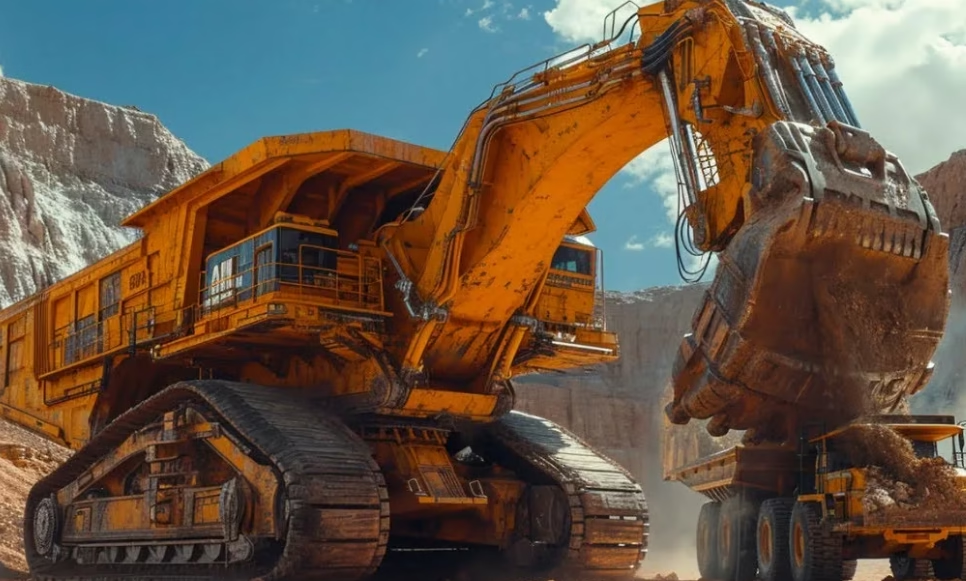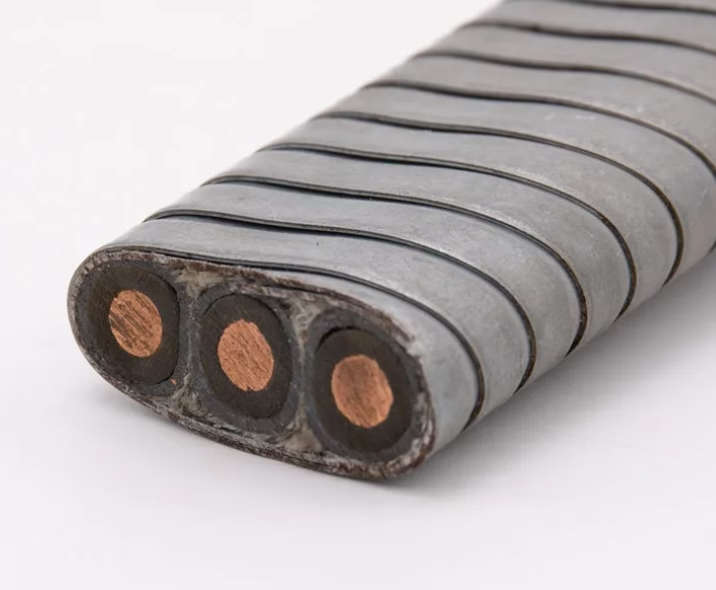
8.7/15kV mining cable

When international cable manufacturers consider entering the Colombian market, particularly for mining applications, they encounter a comprehensive regulatory framework that may initially seem complex but serves a vital purpose. The Reglamento Técnico de Instalaciones Eléctricas, universally known by its Spanish acronym RETIE, represents Colombia's mandatory technical regulation governing all electrical installations and products. 当国际电缆制造商考虑进入哥伦比亚市场时,特别是针对矿业应用,他们会遇到一个全面的监管框架 Understanding RETIE is not merely a bureaucratic exercise but rather the foundation for successfully participating in one of South America's most dynamic electrical markets.

RETIE Compliance: Are These Mining Cables Certified for Use in Colombia (RETIE) Electrical Projects?

When international cable manufacturers consider entering the Colombian market, particularly for mining applications, they encounter a comprehensive regulatory framework that may initially seem complex but serves a vital purpose. The Reglamento Técnico de Instalaciones Eléctricas, universally known by its Spanish acronym RETIE, represents Colombia’s mandatory technical regulation governing all electrical installations and products. 当国际电缆制造商考虑进入哥伦比亚市场时,特别是针对矿业应用,他们会遇到一个全面的监管框架 Understanding RETIE is not merely a bureaucratic exercise but rather the foundation for successfully participating in one of South America’s most dynamic electrical markets.
(N)TSCGEWÖU 3x185+3x35/3 medium voltage flexible mining cable typically weighs between 8,500 and 10,200 kilograms per kilometer, depending on the specific construction variant, insulation thickness, sheathing materials, and whether additional features such as anti-torsion braiding or fiber optic cores are incorporated. This weight range represents the complete cable assembly including all conductors, insulation layers, screening, inner and outer sheaths, and structural elements required for demanding mining and industrial applications. (N)TSCGEWÖU 3x185+3x35/3中压柔性采矿电缆的重量通常在每公里8,500至10,200千克之间,具体取决于特定的结构变型、绝缘厚度、护套材料,以及是否包含防扭转编织或光纤芯等附加功能。

Weight Calculator: What is the Approximate Weight per Meter (kg/km) of (N)TSCGEWÖU 3×185+3×35/3?

(N)TSCGEWÖU 3×185+3×35/3 medium voltage flexible mining cable typically weighs between 8,500 and 10,200 kilograms per kilometer, depending on the specific construction variant, insulation thickness, sheathing materials, and whether additional features such as anti-torsion braiding or fiber optic cores are incorporated. This weight range represents the complete cable assembly including all conductors, insulation layers, screening, inner and outer sheaths, and structural elements required for demanding mining and industrial applications. (N)TSCGEWÖU 3×185+3×35/3中压柔性采矿电缆的重量通常在每公里8,500至10,200千克之间,具体取决于特定的结构变型、绝缘厚度、护套材料,以及是否包含防扭转编织或光纤芯等附加功能。
The (N)TSCGEWÖU cable, designed specifically for demanding reeling and unreeling operations in mining and heavy industry, must demonstrate exceptional flex endurance to ensure reliable power transmission throughout its service life. This technical document examines how the standardized two-pulley flexing test according to BS EN 50396 and IEC 60245 standards accurately simulates real-world cable life cycles and validates the mechanical durability of these critical power transmission components.

Flexing Test: How the “Two-Pulley Flexing Test” Simulates the Life Cycle of a (N)TSCGEWÖU Reeling Cable

The (N)TSCGEWÖU cable, designed specifically for demanding reeling and unreeling operations in mining and heavy industry, must demonstrate exceptional flex endurance to ensure reliable power transmission throughout its service life. This technical document examines how the standardized two-pulley flexing test according to BS EN 50396 and IEC 60245 standards accurately simulates real-world cable life cycles and validates the mechanical durability of these critical power transmission components.
(N)TSCGEWÖU cable designation follows VDE naming conventions, where each letter represents specific cable characteristics. These medium-voltage cables are specifically engineered for power distribution to heavy-duty equipment in mining and industrial applications, available in voltage ratings of 3.6/6kV, 6/10kV, 8.7/15kV, and 12/20kV. The cable features tinned copper conductors (Class 5 according to DIN VDE 0295), rubber insulation (3GI3 compound per DIN VDE 0207 Part 20), and a heavy-duty elastomer outer sheath (5GM5 compound per DIN VDE 0207 Part 21).

Cold Impact Test: How (N)TSCGEWÖU Cables Are Certified as “Cold Resistant” at -40°C Under VDE Guidelines

(N)TSCGEWÖU cable designation follows VDE naming conventions, where each letter represents specific cable characteristics. These medium-voltage cables are specifically engineered for power distribution to heavy-duty equipment in mining and industrial applications, available in voltage ratings of 3.6/6kV, 6/10kV, 8.7/15kV, and 12/20kV. The cable features tinned copper conductors (Class 5 according to DIN VDE 0295), rubber insulation (3GI3 compound per DIN VDE 0207 Part 20), and a heavy-duty elastomer outer sheath (5GM5 compound per DIN VDE 0207 Part 21).
While both (N)TSCGEWÖU and (N)TMCGEWÖU are premium rubber-sheathed medium voltage cables designed for dynamic applications, they serve fundamentally different mechanical purposes. The core distinction lies in the letter "S" versus "M" in their VDE designation, which dictates their internal structural reinforcement. 虽然 (N)TSCGEWÖU 和 (N)TMCGEWÖU 都是专为动态应用设计的优质橡胶护套中压电缆,但它们在机械用途上有着本质的区别。核心区别在于其 VDE 型号中的字母“S”与“M”,这决定了它们内部的结构增强方式。

What are the key design differences between (N)TSCGEWÖU (High Voltage Reeling) and (N)TMCGEWÖU (Medium Voltage Trailing)?

While both (N)TSCGEWÖU and (N)TMCGEWÖU are premium rubber-sheathed medium voltage cables designed for dynamic applications, they serve fundamentally different mechanical purposes. The core distinction lies in the letter “S” versus “M” in their VDE designation, which dictates their internal structural reinforcement. 虽然 (N)TSCGEWÖU 和 (N)TMCGEWÖU 都是专为动态应用设计的优质橡胶护套中压电缆,但它们在机械用途上有着本质的区别。核心区别在于其 VDE 型号中的字母“S”与“M”,这决定了它们内部的结构增强方式。
N3GHSSYCY — это экранированный высоковольтный гибкий кабель промышленного класса, специально разработанный для подключения мобильного оборудования в шахтах и подземных выработках со взрывоопасной средой. Кабель соответствует международному стандарту DIN VDE 0250, часть 605 и выпускается в двух номинальных напряжениях: 3.6/6 кВ и 6/10 кВ. Особенностью конструкции является наличие фазоконцентрического заземляющего проводника и общего концентрического экрана мониторинга, которые в сочетании со схемой высоковольтной защиты позволяют контролировать кабель на наличие дефектов изоляции и повреждений от внешних воздействий.

Что такое тяговый кабель среднего напряжения (N)TS…WOEU?

(N)TSCGEWOEU — это высокопроизводительный гибкий тяговый кабель среднего напряжения, разработанный в соответствии со стандартом DIN VDE 0250, часть 813 для подключения крупного передвижного оборудования, работающего в условиях экстремальных механических нагрузок. Данный кабель представляет собой стандартную конструкцию серии TENAX-T, оптимизированную для применения в открытых горных разработках, на экскаваторах, самосвалах и дробилках.
Mining, drilling, and tunnelling cables represent a specialized category of electrical cables engineered to withstand the extreme conditions found in extractive industry operations. Unlike standard industrial cables, these cables must endure continuous mechanical stress from reeling and unreeling operations, exposure to ultraviolet radiation in surface mining, salt-water submersion in offshore drilling, contact with oils and greases from machinery, and the abrasive conditions of underground environments. The demanding nature of these applications requires cables with exceptional durability, flexibility, and resistance to environmental factors that would rapidly degrade conventional cables.

What is Mining, Drilling & Tunnelling Cable? Solutions for Surface, Sub-Surface & Underground Operations

(N)3GHSSHCH – 3.6/6kV, 6/10kV, 8.7/15kV, 12/20kV (N)3GHSSYCY – 3.6/6kV, 6/10kV, 8.7/15kV, 12/20kV (N)SSCHÖU-J – 0.6/1kV (N)SHÖU O/J – 0.6/1kV NSSHÖU O/J – 0.6/1kV NSSHÖU 3E – 0.6/1kV NSSHÖU 3E + ST – 0.6/1kV (N)TMCGEWÖU – 3.6/6kV to 18/30kV (N)TSCGEWÖU – 3.6/6kV to 18/30kV (N)TSCGEWÖU ZH – 3.6/6kV to 12/20kV (N)TSCGEWÖU ATB – 3.6/6kV to 12/20kV (N)TSCGEWÖU FO – 3.6/6kV to 12/20kV (N)TSCGEWÖU Submersible – 3.6/6kV to 12/20kV (N)TSKCGEWÖU – 3.6/6kV to 18/30kV (N)TSCGECEWÖU – 3.6/6kV to 12/20kV (N)TSCGECEWÖU ATB – 3.6/6kV to 12/20kV (N)TSCGECEWÖU ATB GCC – 1.8/3kV to 12/20kV (N)TSCGECEWÖU Submersible – 3.6/6kV to 12/20kV (N)TSCGECECWÖU – 3.6/6kV to 12/20kV (N)TSCGECECWÖU ZH – 3.6/6kV to 12/20kV R-(N)TSCGEWÖU + FO – 3.6/6kV to 12/20kV
Submersible and pump cables are specialized electrical cables designed for permanent operation underwater, connecting electrical motor equipment in both process and potable water applications. According to IEC standards and VDE specifications, these cables must demonstrate exceptional water resistance, flexibility under pressure, and chemical compatibility with their operating environment. The cables support diverse industries from food processing to water treatment, mining, and aquatic installations.

What are Submersible & Pump Cables?

(N)SHÖU O/J 0.6/1kV, NSSHÖU O/J 0.6/1kV, NSSHÖU 3E 0.6/1kV, NSSHÖU 3E + ST 0.6/1kV, (N)SSCHÖU-J 0.6/1kV, (N)TSCGECEWÖU 3.6/6kV, (N)TSCGECEWÖU 6/10kV, (N)TSCGECEWÖU 8.7/15kV, (N)TSCGECEWÖU 12/20kV (N)TSCGEWÖU 3.6/6kV, (N)TSCGEWÖU 6/10kV, (N)TSCGEWÖU 8.7/15kV, (N)TSCGEWÖU 12/20kV, H07RN-8-F (10m), Pump Cable 300 (300m), Drincable 600 (600m), Drincable 600 Flat (600m), Drincable 800 (800m)
Polish Mining Cable

What is YHKGXSekyn, YHKGXSekFtZnyn, YHKGXSekFtyn, YHKGXSekFitlyn, YHKGXSekFoyn, and YHKGXSekFpyn Polish Mining Cable ?

Polish Mining Cable Code Designation System represents a comprehensive nomenclature standard used extensively throughout European mining operations, particularly in Poland’s extensive coal, copper, and mineral extraction industries. This systematic coding methodology enables engineers and procurement specialists to precisely specify cable configurations through alphanumeric designations that encode critical construction parameters, material specifications, and performance characteristics.