AS/NZS 1802 – Reeling cables for underground mining

AS/NZS 1802 standard specifies requirements for electric cables used in underground coal mines in Australia and New Zealand. Type 441 cables, as defined within this standard, are trailing cables designed for reeling and trailing applications in mining equipment such as continuous miners, shuttle cars, and roof bolters. Anhui Feichun Special Cable Co., Ltd. manufactures Type 441 cables that provide equivalent performance to established brands like Olex Versolex, fully compliant with AS/NZS 1802 certification requirements.

Olex Versolex Equivalent: AS/NZS 1802 Certified Type 441 Cables for Australian Coal Mining

AS/NZS 1802 standard specifies requirements for electric cables used in underground coal mines in Australia and New Zealand. Type 441 cables, as defined within this standard, are trailing cables designed for reeling and trailing applications in mining equipment such as continuous miners, shuttle cars, and roof bolters. Anhui Feichun Special Cable Co., Ltd. manufactures Type 441 cables that provide equivalent performance to established brands like Olex Versolex, fully compliant with AS/NZS 1802 certification requirements.
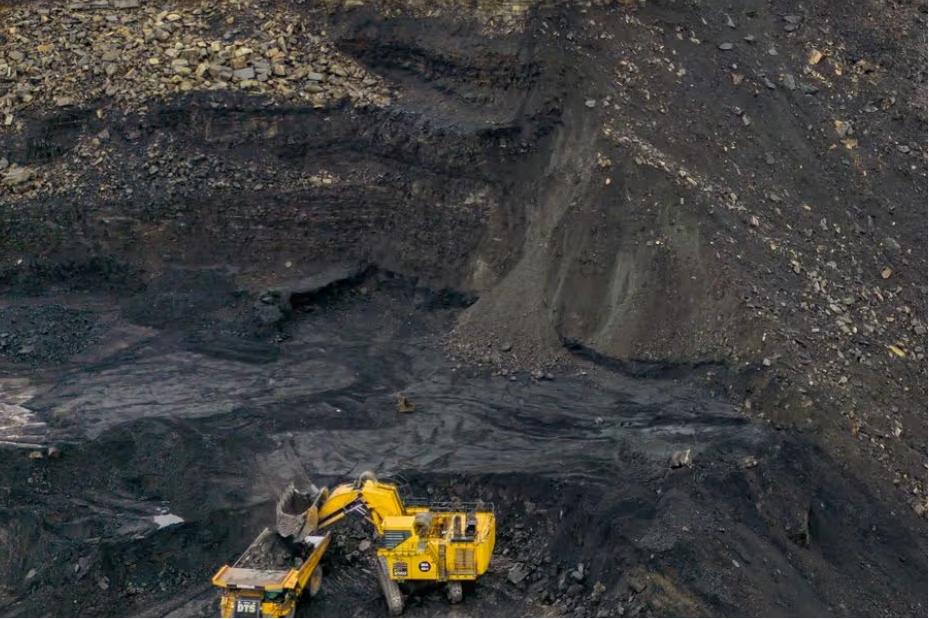
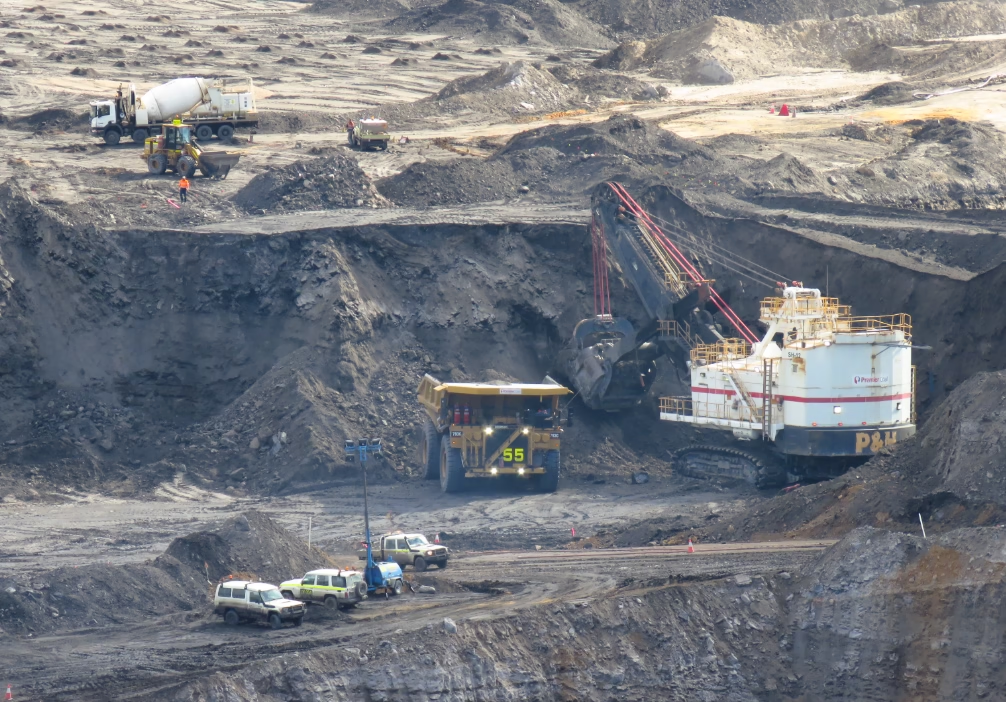
The Komatsu P&H 4100XPC is one of the world's largest and most productive AC electric mining shovels, designed for large-scale open-pit mining operations. With a payload capacity of approximately 100+ metric tons (110+ short tons) and dipper sizes ranging from 40.5 m³ to 65.8 m³, this machine demands a highly reliable power supply system capable of delivering substantial electrical loads under extreme operating conditions. P&H 4100XPC是全球最大、生产效率最高的交流电动挖掘机之一,专为大型露天采矿作业设计。其有效载荷能力超过100公吨,铲斗容量从40.5立方米到65.8立方米不等,需要高度可靠的电力供应系统。

Komatsu P&H 4100XPC: How to Select the Correct Type 450 (33kV) Trailing Cable

The Komatsu P&H 4100XPC is one of the world’s largest and most productive AC electric mining shovels, designed for large-scale open-pit mining operations. With a payload capacity of approximately 100+ metric tons (110+ short tons) and dipper sizes ranging from 40.5 m³ to 65.8 m³, this machine demands a highly reliable power supply system capable of delivering substantial electrical loads under extreme operating conditions. P&H 4100XPC是全球最大、生产效率最高的交流电动挖掘机之一,专为大型露天采矿作业设计。其有效载荷能力超过100公吨,铲斗容量从40.5立方米到65.8立方米不等,需要高度可靠的电力供应系统。
The question of whether (N)TSKCGEWÖU medium-voltage mining cables can serve as direct replacements for the original equipment manufacturer cables on Epiroc Boomer E2 face drilling rigs requires careful examination of multiple technical, operational, and warranty considerations. This analysis becomes particularly important for mining operations seeking to optimize their cable procurement strategies through alternative suppliers while maintaining equipment performance, safety compliance, and operational reliability. The Epiroc Boomer E2 represents a sophisticated two-boom hydraulic face drill designed for medium to large drift applications with coverage areas up to one hundred twelve square meters, and its electrical power supply system demands cables that can withstand the rigorous mechanical stresses of underground drilling operations. 关于(N)TSKCGEWÖU中压矿用电缆能否作为Epiroc Boomer E2掘进钻机上的原始设备制造商电缆的直接替代品的问题,需要仔细审查多个技术、操作和保修考虑因素。这一分析对于寻求通过替代供应商优化其电缆采购策略,同时保持设备性能、安全合规性和操作可靠性的采矿作业尤为重要。Epiroc Boomer E2代表了一种精密的双臂液压掘进钻机,设计用于覆盖面积达112平方米的中型到大型巷道应用,其电力供应系统需要能够承受地下钻孔作业严格机械应力的电缆。

Can (N)TSKCGEWÖU Cables Be Used as a Direct Replacement for the OEM Reeling Cable on Epiroc Boomer E2 Drill Rigs?

The question of whether (N)TSKCGEWÖU medium-voltage mining cables can serve as direct replacements for the original equipment manufacturer cables on Epiroc Boomer E2 face drilling rigs requires careful examination of multiple technical, operational, and warranty considerations. This analysis becomes particularly important for mining operations seeking to optimize their cable procurement strategies through alternative suppliers while maintaining equipment performance, safety compliance, and operational reliability. The Epiroc Boomer E2 represents a sophisticated two-boom hydraulic face drill designed for medium to large drift applications with coverage areas up to one hundred twelve square meters, and its electrical power supply system demands cables that can withstand the rigorous mechanical stresses of underground drilling operations. 关于(N)TSKCGEWÖU中压矿用电缆能否作为Epiroc Boomer E2掘进钻机上的原始设备制造商电缆的直接替代品的问题,需要仔细审查多个技术、操作和保修考虑因素。这一分析对于寻求通过替代供应商优化其电缆采购策略,同时保持设备性能、安全合规性和操作可靠性的采矿作业尤为重要。Epiroc Boomer E2代表了一种精密的双臂液压掘进钻机,设计用于覆盖面积达112平方米的中型到大型巷道应用,其电力供应系统需要能够承受地下钻孔作业严格机械应力的电缆。
Determining the appropriate cable size for the main reel power supply of a Sandvik DD421 Development Jumbo requires a comprehensive analysis of the equipment's electrical power requirements, operational characteristics, and the specific technical parameters of German mining cable standards. The Sandvik DD421 is a two-boom electro-hydraulic development drill designed for fast and accurate drilling in tunneling and drifting operations covering cross-sectional areas from eight to sixty square meters. Understanding the relationship between this equipment's power consumption profile and the current-carrying capacity of (N)TSCGEWÖU medium-voltage trailing cables is essential for ensuring safe, reliable, and efficient operation in demanding underground mining environments.

Sandvik DD421: Which (N)TSCGEWÖU Cable Size is Suitable for the Main Reel of a Sandvik DD421 Development Jumbo?

Determining the appropriate cable size for the main reel power supply of a Sandvik DD421 Development Jumbo requires a comprehensive analysis of the equipment’s electrical power requirements, operational characteristics, and the specific technical parameters of German mining cable standards. The Sandvik DD421 is a two-boom electro-hydraulic development drill designed for fast and accurate drilling in tunneling and drifting operations covering cross-sectional areas from eight to sixty square meters. Understanding the relationship between this equipment’s power consumption profile and the current-carrying capacity of (N)TSCGEWÖU medium-voltage trailing cables is essential for ensuring safe, reliable, and efficient operation in demanding underground mining environments.
The Australian and New Zealand electrical cable markets have been historically dominated by two major premium brands that established strong reputations over decades of operation. Olex Versolex, manufactured by Nexans Australia (formerly Olex Cables), represents a flagship line of flexible single-core and multicore power cables that comply fully with AS/NZS 5000.1 standards. These cables feature Class 5 flexible copper conductors, X-90 XLPE (Cross-Linked Polyethylene) insulation rated for 90 degrees Celsius continuous operation, and TPE-90 or PVC sheathing suitable for a wide range of commercial, industrial, and mining applications. The Versolex range has earned recognition for its robustness, durability, and suitability for submersible applications up to 500 meters depth, making it a preferred choice for demanding installations where reliability is paramount. 澳大利亚和新西兰电缆市场历来由两个在数十年运营中建立了强大声誉的主要高端品牌主导。由Nexans澳大利亚(前身为Olex电缆)制造的Olex Versolex代表了一系列旗舰柔性单芯和多芯电力电缆,完全符合AS/NZS 5000.1标准。这些电缆采用5类柔性铜导体、额定90摄氏度连续运行的X-90 XLPE(交联聚乙烯)绝缘以及适用于各种商业、工业和采矿应用的TPE-90或PVC护套。

Cost-Effective Generic Alternatives to Olex Versolex and Prysmian Cables

The Australian and New Zealand electrical cable markets have been historically dominated by two major premium brands that established strong reputations over decades of operation. Olex Versolex, manufactured by Nexans Australia (formerly Olex Cables), represents a flagship line of flexible single-core and multicore power cables that comply fully with AS/NZS 5000.1 standards. These cables feature Class 5 flexible copper conductors, X-90 XLPE (Cross-Linked Polyethylene) insulation rated for 90 degrees Celsius continuous operation, and TPE-90 or PVC sheathing suitable for a wide range of commercial, industrial, and mining applications. The Versolex range has earned recognition for its robustness, durability, and suitability for submersible applications up to 500 meters depth, making it a preferred choice for demanding installations where reliability is paramount. 澳大利亚和新西兰电缆市场历来由两个在数十年运营中建立了强大声誉的主要高端品牌主导。由Nexans澳大利亚(前身为Olex电缆)制造的Olex Versolex代表了一系列旗舰柔性单芯和多芯电力电缆,完全符合AS/NZS 5000.1标准。这些电缆采用5类柔性铜导体、额定90摄氏度连续运行的X-90 XLPE(交联聚乙烯)绝缘以及适用于各种商业、工业和采矿应用的TPE-90或PVC护套。
The question of whether Type 440 mining cables can be manufactured with custom yellow outer sheaths for voltage identification at 1000V (1.1kV) installations represents a critical intersection of technical capability, regulatory compliance, and practical mining site requirements. Type 440 cables, governed primarily by the AS/NZS 2802:2000 standard, are flexible rubber trailing cables specifically engineered for surface mining, underground mining operations, and general industrial applications where movable equipment requires reliable electrical power supply systems. 关于440型矿用电缆能否为1000V(1.1kV)安装定制黄色外护套以进行电压识别的问题,代表了技术能力、法规合规性和实际矿场需求的关键交叉点。440型电缆主要受AS/NZS 2802:2000标准管辖,是专为露天采矿、地下采矿作业以及移动设备需要可靠电力供应系统的一般工业应用而设计的柔性橡胶拖曳电缆。
Custom Colors: Can Type 440 Cables Be Manufactured with Yellow Sheath for 1000V Identification in Specific Mine Sites?

The question of whether Type 440 mining cables can be manufactured with custom yellow outer sheaths for voltage identification at 1000V (1.1kV) installations represents a critical intersection of technical capability, regulatory compliance, and practical mining site requirements. Type 440 cables, governed primarily by the AS/NZS 2802:2000 standard, are flexible rubber trailing cables specifically engineered for surface mining, underground mining operations, and general industrial applications where movable equipment requires reliable electrical power supply systems. 关于440型矿用电缆能否为1000V(1.1kV)安装定制黄色外护套以进行电压识别的问题,代表了技术能力、法规合规性和实际矿场需求的关键交叉点。440型电缆主要受AS/NZS 2802:2000标准管辖,是专为露天采矿、地下采矿作业以及移动设备需要可靠电力供应系统的一般工业应用而设计的柔性橡胶拖曳电缆。
The International Standards for Phytosanitary Measures No. 15, commonly known as ISPM 15, represents a globally recognized framework established by the International Plant Protection Convention (IPPC) under the Food and Agriculture Organization (FAO) to regulate wooden packaging materials used in international trade. This standard was developed to prevent the international spread of plant pests and diseases that could negatively affect ecosystems, agriculture, and forestry industries worldwide. The regulation specifically addresses solid wood packaging materials exceeding six millimeters in thickness, including pallets, crates, dunnage, and critically for the cable industry, wooden drums and spools used for transporting electrical cables across international borders. 国际植物检疫措施标准第15号(ISPM 15)是由联合国粮农组织(FAO)下属的国际植物保护公约(IPPC)制定的全球公认框架,用于规范国际贸易中使用的木质包装材料。该标准旨在防止植物害虫和疾病的国际传播,这些害虫和疾病可能对全球生态系统、农业和林业产业造成负面影响。

ISPM 15 Compliance for Wooden Cable Drums: Australia Import Requirements

The International Standards for Phytosanitary Measures No. 15, commonly known as ISPM 15, represents a globally recognized framework established by the International Plant Protection Convention (IPPC) under the Food and Agriculture Organization (FAO) to regulate wooden packaging materials used in international trade. This standard was developed to prevent the international spread of plant pests and diseases that could negatively affect ecosystems, agriculture, and forestry industries worldwide. The regulation specifically addresses solid wood packaging materials exceeding six millimeters in thickness, including pallets, crates, dunnage, and critically for the cable industry, wooden drums and spools used for transporting electrical cables across international borders. 国际植物检疫措施标准第15号(ISPM 15)是由联合国粮农组织(FAO)下属的国际植物保护公约(IPPC)制定的全球公认框架,用于规范国际贸易中使用的木质包装材料。该标准旨在防止植物害虫和疾病的国际传播,这些害虫和疾病可能对全球生态系统、农业和林业产业造成负面影响。
Type 455 cable, Type 455 mining cable, Type 455 reeling cable, Type 455 trailing cable, Type 455 22kV cable, Type 455 33kV cable, Type 455 11kV cable, Type 455 6.6kV cable, Type 455 3.3kV cable, AS/NZS 1802 cable, AS/NZS 2802 cable, Type 450 cable, stacker-reclaimer cable, Type 409 cable, Type 440 cable, Type 441 cable

Type 455 22kV Reeling Cable Production Lead Time

Type 455 cable, Type 455 mining cable, Type 455 reeling cable, Type 455 trailing cable, Type 455 22kV cable, Type 455 33kV cable, Type 455 11kV cable, Type 455 6.6kV cable, Type 455 3.3kV cable, AS/NZS 1802 cable, AS/NZS 2802 cable, Type 450 cable, stacker-reclaimer cable, Type 409 cable, Type 440 cable, Type 441 cable
In the unforgiving environment of underground coal mining operations, cable sheath integrity represents far more than a simple protective layer—it serves as the critical barrier between hazardous mining conditions and the electrical components that power essential mining equipment. When evaluating AS/NZS 1802 Type 241 cables for underground coal mining applications, one of the most fundamental material property tests specified in AS/NZS 3808 is the sheath tear resistance test. This test provides essential verification that the cable's outer protective sheath possesses sufficient mechanical strength to resist tearing forces encountered during installation, operation, and the inevitable physical challenges of the underground mining environment. 在地下煤矿作业的严酷环境中,电缆护套的完整性远不止是一个简单的保护层——它是危险采矿条件与为基本采矿设备供电的电气组件之间的关键屏障。在评估用于地下煤矿应用的AS/NZS 1802 Type 241电缆时,AS/NZS 3808中规定的最基本的材料特性测试之一是护套撕裂强度测试。该测试提供了重要验证,确保电缆的外部保护护套具有足够的机械强度,以抵抗在安装、操作以及地下采矿环境中不可避免的物理挑战中遇到的撕裂力。

Type Test: Has the Type 241 Cable Passed the Sheath Tear Resistance Test as per AS/NZS 3808?

In the unforgiving environment of underground coal mining operations, cable sheath integrity represents far more than a simple protective layer—it serves as the critical barrier between hazardous mining conditions and the electrical components that power essential mining equipment. When evaluating AS/NZS 1802 Type 241 cables for underground coal mining applications, one of the most fundamental material property tests specified in AS/NZS 3808 is the sheath tear resistance test. This test provides essential verification that the cable’s outer protective sheath possesses sufficient mechanical strength to resist tearing forces encountered during installation, operation, and the inevitable physical challenges of the underground mining environment. 在地下煤矿作业的严酷环境中,电缆护套的完整性远不止是一个简单的保护层——它是危险采矿条件与为基本采矿设备供电的电气组件之间的关键屏障。在评估用于地下煤矿应用的AS/NZS 1802 Type 241电缆时,AS/NZS 3808中规定的最基本的材料特性测试之一是护套撕裂强度测试。该测试提供了重要验证,确保电缆的外部保护护套具有足够的机械强度,以抵抗在安装、操作以及地下采矿环境中不可避免的物理挑战中遇到的撕裂力。
In the demanding environment of underground coal mining operations, electrical cable safety is not merely a regulatory checkbox—it represents a fundamental commitment to worker protection and operational reliability. When evaluating cable manufacturers for compliance with the Australian and New Zealand Standard AS/NZS 1802, the presence of a NATA-accredited test report serves as the gold standard of verification, providing independent assurance that cables meet stringent safety requirements designed specifically for hazardous underground coal mining conditions. 在地下煤矿作业的严苛环境中,电缆安全不仅仅是一个监管要求——它代表着对工人保护和运营可靠性的根本承诺。在评估电缆制造商是否符合澳大利亚和新西兰标准AS/NZS 1802时,NATA认证的测试报告作为验证的黄金标准,提供独立保证,确保电缆满足专为危险地下煤矿条件设计的严格安全要求。

Compliance Certificate: Does the Cable Manufacturer Provide a NATA-Accredited Test Report for AS/NZS 1802 Compliance?

In the demanding environment of underground coal mining operations, electrical cable safety is not merely a regulatory checkbox—it represents a fundamental commitment to worker protection and operational reliability. When evaluating cable manufacturers for compliance with the Australian and New Zealand Standard AS/NZS 1802, the presence of a NATA-accredited test report serves as the gold standard of verification, providing independent assurance that cables meet stringent safety requirements designed specifically for hazardous underground coal mining conditions. 在地下煤矿作业的严苛环境中,电缆安全不仅仅是一个监管要求——它代表着对工人保护和运营可靠性的根本承诺。在评估电缆制造商是否符合澳大利亚和新西兰标准AS/NZS 1802时,NATA认证的测试报告作为验证的黄金标准,提供独立保证,确保电缆满足专为危险地下煤矿条件设计的严格安全要求。
Type 441 cables represent a critical category of mining power cables designed for demanding applications in surface and underground mining environments. These cables are specifically engineered to withstand extreme mechanical stress, including trailing, reeling, crushing forces, and environmental hazards encountered in heavy-duty industrial operations. The sheath hardness specification is a fundamental parameter that directly affects the cable's mechanical performance, durability, and service life under harsh operational conditions. 441型电缆是专为地表和地下采矿环境中的苛刻应用而设计的关键矿用电力电缆类别。这些电缆经过专门设计,能够承受极端的机械应力,包括拖拽、卷筒、挤压力以及在重型工业作业中遇到的环境危害。护套硬度规范是直接影响电缆在苛刻操作条件下的机械性能、耐久性和使用寿命的基本参数。

Type 441 Cable Sheath Hardness Standards

Type 441 cables represent a critical category of mining power cables designed for demanding applications in surface and underground mining environments. These cables are specifically engineered to withstand extreme mechanical stress, including trailing, reeling, crushing forces, and environmental hazards encountered in heavy-duty industrial operations. The sheath hardness specification is a fundamental parameter that directly affects the cable’s mechanical performance, durability, and service life under harsh operational conditions. 441型电缆是专为地表和地下采矿环境中的苛刻应用而设计的关键矿用电力电缆类别。这些电缆经过专门设计,能够承受极端的机械应力,包括拖拽、卷筒、挤压力以及在重型工业作业中遇到的环境危害。护套硬度规范是直接影响电缆在苛刻操作条件下的机械性能、耐久性和使用寿命的基本参数。Type 441 cables represent a critical category of mining power cables designed for demanding applications in surface and underground mining environments. These cables are specifically engineered to withstand extreme mechanical stress, including trailing, reeling, crushing forces, and environmental hazards encountered in heavy-duty industrial operations. The sheath hardness specification is a fundamental parameter that directly affects the cable’s mechanical performance, durability, and service life under harsh operational conditions. 441型电缆是专为地表和地下采矿环境中的苛刻应用而设计的关键矿用电力电缆类别。这些电缆经过专门设计,能够承受极端的机械应力,包括拖拽、卷筒、挤压力以及在重型工业作业中遇到的环境危害。护套硬度规范是直接影响电缆在苛刻操作条件下的机械性能、耐久性和使用寿命的基本参数。
The question of whether a Type 450 33kV cable requires a bending radius of twelve times or fifteen times its overall diameter when installed on a monospiral reel is not merely an academic exercise but a critical consideration that directly impacts cable longevity, system reliability, and operational safety in medium-voltage power distribution networks. Understanding the correct specification requires examining the interplay between international standards, cable construction characteristics, and the specific mechanical conditions imposed by monospiral reel systems. Type 450 33kV电缆在单螺旋卷筒上安装时,其弯曲半径是需要12倍还是15倍外径,这不仅仅是一个学术问题,而是直接影响电缆寿命、系统可靠性和中压配电网络运行安全的关键考虑因素。理解正确的规范需要研究国际标准、电缆结构特性以及单螺旋卷筒系统施加的特定机械条件之间的相互作用。

Bending Radius for Type 450 33kV Cables on Monospiral Reels: 12xOD or 15xOD?

The question of whether a Type 450 33kV cable requires a bending radius of twelve times or fifteen times its overall diameter when installed on a monospiral reel is not merely an academic exercise but a critical consideration that directly impacts cable longevity, system reliability, and operational safety in medium-voltage power distribution networks. Understanding the correct specification requires examining the interplay between international standards, cable construction characteristics, and the specific mechanical conditions imposed by monospiral reel systems. Type 450 33kV电缆在单螺旋卷筒上安装时,其弯曲半径是需要12倍还是15倍外径,这不仅仅是一个学术问题,而是直接影响电缆寿命、系统可靠性和中压配电网络运行安全的关键考虑因素。理解正确的规范需要研究国际标准、电缆结构特性以及单螺旋卷筒系统施加的特定机械条件之间的相互作用。
Understanding the thermal short-circuit current limits of cable earth screens represents a critical aspect of mining cable design and electrical system safety. When a fault occurs in a mining electrical system, massive currents can flow through the cable's protective earth screen, generating intense heat that must be contained without damaging the cable's insulation or compromising its structural integrity. For Type 209 mining cables, which serve as flexible feeders to machinery in demanding underground coal mining environments, accurately calculating these thermal limits ensures that the composite earth screen can safely carry fault currents until protective devices clear the fault. 了解电缆地线屏蔽的热短路电流限制是矿用电缆设计和电气系统安全的关键方面。当矿山电气系统发生故障时,巨大的电流可能通过电缆的保护性地线屏蔽流动,产生必须在不损坏电缆绝缘或损害其结构完整性的情况下控制的强热。对于作为苛刻地下煤矿环境中机械柔性馈线的Type 209矿用电缆,准确计算这些热限制确保复合地线屏蔽能够安全承载故障电流,直到保护装置清除故障。

Short Circuit Rating: How to Calculate the Thermal Short-Circuit Limit for the Earth Screen of a Type 209 Cable

Understanding the thermal short-circuit current limits of cable earth screens represents a critical aspect of mining cable design and electrical system safety. When a fault occurs in a mining electrical system, massive currents can flow through the cable’s protective earth screen, generating intense heat that must be contained without damaging the cable’s insulation or compromising its structural integrity. For Type 209 mining cables, which serve as flexible feeders to machinery in demanding underground coal mining environments, accurately calculating these thermal limits ensures that the composite earth screen can safely carry fault currents until protective devices clear the fault. 了解电缆地线屏蔽的热短路电流限制是矿用电缆设计和电气系统安全的关键方面。当矿山电气系统发生故障时,巨大的电流可能通过电缆的保护性地线屏蔽流动,产生必须在不损坏电缆绝缘或损害其结构完整性的情况下控制的强热。对于作为苛刻地下煤矿环境中机械柔性馈线的Type 209矿用电缆,准确计算这些热限制确保复合地线屏蔽能够安全承载故障电流,直到保护装置清除故障。
To appreciate the ingenious engineering behind Type 440 cable design, we must first understand the mechanical challenges that mining cables face in their demanding service environment. Imagine a heavy-duty power cable trailing behind a massive dragline excavator as it moves across an open-pit mine. This cable must deliver reliable electrical power while simultaneously withstanding crushing forces when the excavator's tracks pass over it, resisting abrasion from sharp rock surfaces, and maintaining flexibility through countless cycles of bending and twisting movements. 要理解Type 440电缆设计背后的巧妙工程,我们必须首先了解矿用电缆在苛刻服务环境中面临的机械挑战。想象一根重型电力电缆拖在大型拉铲挖掘机后面,当它在露天矿中移动时,这根电缆必须提供可靠的电力,同时承受挖掘机履带经过时的压碎力、抵抗尖锐岩石表面的磨损,并在无数次弯曲和扭转运动中保持柔韧性。

Central Pilot: What is the specific mechanical advantage of the Central Pilot design in Type 440 cables regarding torsional balance?

To appreciate the ingenious engineering behind Type 440 cable design, we must first understand the mechanical challenges that mining cables face in their demanding service environment. Imagine a heavy-duty power cable trailing behind a massive dragline excavator as it moves across an open-pit mine. This cable must deliver reliable electrical power while simultaneously withstanding crushing forces when the excavator’s tracks pass over it, resisting abrasion from sharp rock surfaces, and maintaining flexibility through countless cycles of bending and twisting movements. 要理解Type 440电缆设计背后的巧妙工程,我们必须首先了解矿用电缆在苛刻服务环境中面临的机械挑战。想象一根重型电力电缆拖在大型拉铲挖掘机后面,当它在露天矿中移动时,这根电缆必须提供可靠的电力,同时承受挖掘机履带经过时的压碎力、抵抗尖锐岩石表面的磨损,并在无数次弯曲和扭转运动中保持柔韧性。
In the global cable manufacturing industry, voltage ratings represent a fundamental specification that determines a cable's safe operating parameters and application suitability. When examining low-voltage mining cables, a notable discrepancy emerges between international standards and those used in Australia and New Zealand. While the International Electrotechnical Commission (IEC) designates low-voltage power cables with a rating of 0.6/1kV under IEC 60502-1, Australian mining standards specify a 1.1/1.1kV rating for equivalent applications. This distinction is not arbitrary but reflects careful consideration of mining-specific operational requirements, safety margins, and the unique characteristics of Australia's mining infrastructure. 在全球电缆制造行业中,电压等级是决定电缆安全运行参数和应用适用性的基本规格。在研究低压矿用电缆时,国际标准与澳大利亚和新西兰使用的标准之间存在明显差异。国际电工委员会(IEC)根据IEC 60502-1标准将低压电力电缆的额定值指定为0.6/1kV,而澳大利亚矿用标准对于同等应用规定了1.1/1.1kV的额定值。这种区别并非随意,而是反映了对矿山特定运行要求、安全裕度以及澳大利亚矿业基础设施独特特征的仔细考虑。

Voltage Rating: Why Australian Standards Use 1.1/1.1kV Rating for LV Mining Cables Instead of the IEC Standard 0.6/1kV?

In the global cable manufacturing industry, voltage ratings represent a fundamental specification that determines a cable’s safe operating parameters and application suitability. When examining low-voltage mining cables, a notable discrepancy emerges between international standards and those used in Australia and New Zealand. While the International Electrotechnical Commission (IEC) designates low-voltage power cables with a rating of 0.6/1kV under IEC 60502-1, Australian mining standards specify a 1.1/1.1kV rating for equivalent applications. This distinction is not arbitrary but reflects careful consideration of mining-specific operational requirements, safety margins, and the unique characteristics of Australia’s mining infrastructure. 在全球电缆制造行业中,电压等级是决定电缆安全运行参数和应用适用性的基本规格。在研究低压矿用电缆时,国际标准与澳大利亚和新西兰使用的标准之间存在明显差异。国际电工委员会(IEC)根据IEC 60502-1标准将低压电力电缆的额定值指定为0.6/1kV,而澳大利亚矿用标准对于同等应用规定了1.1/1.1kV的额定值。这种区别并非随意,而是反映了对矿山特定运行要求、安全裕度以及澳大利亚矿业基础设施独特特征的仔细考虑。
Semi-conductive screens are critical components in high voltage cable construction, serving as the interface between the cable insulation and metallic shielding systems. These screens, typically made of carbon-loaded cross-linked semi-conductive compounds approximately 1mm thick, provide a smooth transition that ensures homogeneous electric field distribution throughout the cable system. 半导电屏蔽层是高压电缆结构中的关键组成部分,作为电缆绝缘层和金属屏蔽系统之间的界面,确保整个电缆系统中均匀的电场分布。

Semi-Con Stripping: Easy-Strip vs Bonded Screens on Type 455 HV Cables

Semi-conductive screens are critical components in high voltage cable construction, serving as the interface between the cable insulation and metallic shielding systems. These screens, typically made of carbon-loaded cross-linked semi-conductive compounds approximately 1mm thick, provide a smooth transition that ensures homogeneous electric field distribution throughout the cable system. 半导电屏蔽层是高压电缆结构中的关键组成部分,作为电缆绝缘层和金属屏蔽系统之间的界面,确保整个电缆系统中均匀的电场分布。
The maximum allowable pilot loop resistance for Type 450 mining cables operating with Ampcontrol earth continuity relays represents a critical electrical parameter that directly impacts mine safety and operational reliability. This comprehensive technical analysis examines the interaction between AS/NZS 2802:2000 Type 450 cable specifications and Ampcontrol relay requirements, providing mining engineers and electrical designers with authoritative guidance for proper system design and selection. 与Ampcontrol地电连续继电器配合使用的Type 450矿用电缆的最大允许导向回路电阻是一个直接影响矿山安全和运行可靠性的关键电气参数。本全面技术分析检查了AS/NZS 2802:2000 Type 450电缆规格与Ampcontrol继电器要求之间的相互作用,为矿业工程师和电气设计师提供了正确系统设计和选择的权威指导。

Pilot Core Resistance: What is the Maximum Allowable Pilot Loop Resistance (Ohms) for a Type 450 Cable to Function with Ampcontrol Relays?

The maximum allowable pilot loop resistance for Type 450 mining cables operating with Ampcontrol earth continuity relays represents a critical electrical parameter that directly impacts mine safety and operational reliability. This comprehensive technical analysis examines the interaction between AS/NZS 2802:2000 Type 450 cable specifications and Ampcontrol relay requirements, providing mining engineers and electrical designers with authoritative guidance for proper system design and selection. 与Ampcontrol地电连续继电器配合使用的Type 450矿用电缆的最大允许导向回路电阻是一个直接影响矿山安全和运行可靠性的关键电气参数。本全面技术分析检查了AS/NZS 2802:2000 Type 450电缆规格与Ampcontrol继电器要求之间的相互作用,为矿业工程师和电气设计师提供了正确系统设计和选择的权威指导。
When engineers first encounter the AS/NZS 2802 standard for electric reeling and trailing cables used in mining and general industrial applications, a seemingly contradictory requirement immediately stands out. The standard mandates the exclusive use of electrolytic multiple-stranded circular flexible tinned copper wire conductors, explicitly rejecting aluminium despite its well-documented weight advantages. Given that aluminium weighs approximately 30 percent of copper's mass for equivalent electrical resistance, this specification appears counterintuitive, particularly for mobile mining equipment where weight reduction directly translates to improved fuel efficiency, reduced structural loading, and enhanced operational flexibility. 当工程师首次接触AS/NZS 2802标准时,用于采矿和一般工业应用的电动卷筒和拖缆,一个看似矛盾的要求立即凸显出来。该标准强制要求专门使用电解多股圆形柔性镀锡铜线导体,明确拒绝使用铝材,尽管铝的重量优势有充分记录。

Aluminium Conductors: Why Are Aluminium Conductors Strictly Prohibited in AS/NZS 2802 Trailing Cables Despite the Weight Savings?

When engineers first encounter the AS/NZS 2802 standard for electric reeling and trailing cables used in mining and general industrial applications, a seemingly contradictory requirement immediately stands out. The standard mandates the exclusive use of electrolytic multiple-stranded circular flexible tinned copper wire conductors, explicitly rejecting aluminium despite its well-documented weight advantages. Given that aluminium weighs approximately 30 percent of copper’s mass for equivalent electrical resistance, this specification appears counterintuitive, particularly for mobile mining equipment where weight reduction directly translates to improved fuel efficiency, reduced structural loading, and enhanced operational flexibility. 当工程师首次接触AS/NZS 2802标准时,用于采矿和一般工业应用的电动卷筒和拖缆,一个看似矛盾的要求立即凸显出来。该标准强制要求专门使用电解多股圆形柔性镀锡铜线导体,明确拒绝使用铝材,尽管铝的重量优势有充分记录。
Type 412 fiber optic reeling cables represent a specialized category of industrial cables designed for demanding applications where continuous flexing and dynamic movement are required. These cables are engineered to withstand the mechanical stresses associated with cable reels, drums, and continuous motion systems commonly found in mining equipment, overhead cranes, port machinery, and automated manufacturing systems. The proper implementation of strain relief techniques at fiber breakout points is critical to maintaining signal integrity and preventing costly cable failures. 412型光纤卷筒电缆是一种专用工业电缆类别,专为需要连续弯曲和动态运动的苛刻应用而设计。这些电缆经过工程设计,可承受与电缆卷筒、滚筒和连续运动系统相关的机械应力,这些系统通常见于采矿设备、桥式起重机、港口机械和自动化制造系统。

Type 412 (Fiber Optic): How to Properly Strain-Relieve the Fiber Breakout in a Type 412 Reeling Cable to Prevent Signal Loss

Type 412 fiber optic reeling cables represent a specialized category of industrial cables designed for demanding applications where continuous flexing and dynamic movement are required. These cables are engineered to withstand the mechanical stresses associated with cable reels, drums, and continuous motion systems commonly found in mining equipment, overhead cranes, port machinery, and automated manufacturing systems. The proper implementation of strain relief techniques at fiber breakout points is critical to maintaining signal integrity and preventing costly cable failures. 412型光纤卷筒电缆是一种专用工业电缆类别,专为需要连续弯曲和动态运动的苛刻应用而设计。这些电缆经过工程设计,可承受与电缆卷筒、滚筒和连续运动系统相关的机械应力,这些系统通常见于采矿设备、桥式起重机、港口机械和自动化制造系统。
Comprehensive Technical Analysis of Chlorinated Polyethylene (CPE) vs Chlorosulphonated Polyethylene (CSP) Sheath Performance Under Extreme UV Radiation in Pilbara Region Mining Operations 氯化聚乙烯(CPE)与氯磺化聚乙烯(CSP)护套在皮尔巴拉地区采矿作业极端紫外线辐射下性能的综合技术分析

UV Resistance in Type 441 Mining Cables: Does CPE Sheath Meet “Extremely High UV” Requirements of Australian Surface Mines?

Comprehensive Technical Analysis of Chlorinated Polyethylene (CPE) vs Chlorosulphonated Polyethylene (CSP) Sheath Performance Under Extreme UV Radiation in Pilbara Region Mining Operations 氯化聚乙烯(CPE)与氯磺化聚乙烯(CSP)护套在皮尔巴拉地区采矿作业极端紫外线辐射下性能的综合技术分析
The Pilbara region of Western Australia represents one of the world's most thermally challenging environments for electrical infrastructure. With ambient temperatures regularly exceeding 50°C during summer months and recorded extremes reaching 50.7°C, proper cable ampacity derating is critical for safe and reliable mining operations. This technical guide provides comprehensive methods for calculating current-carrying capacity adjustments for Type 440 cables operating under these extreme conditions, following Australian Standards AS/NZS 3008 and international standard IEC 60287.

Pilbara Heat: Calculating Ampacity Derating for Type 440 Cables in 50°C+ Ambient Temperatures

The Pilbara region of Western Australia represents one of the world’s most thermally challenging environments for electrical infrastructure. With ambient temperatures regularly exceeding 50°C during summer months and recorded extremes reaching 50.7°C, proper cable ampacity derating is critical for safe and reliable mining operations. This technical guide provides comprehensive methods for calculating current-carrying capacity adjustments for Type 440 cables operating under these extreme conditions, following Australian Standards AS/NZS 3008 and international standard IEC 60287.
In the demanding world of surface mining operations, dragline excavators and mobile material handling equipment rely on high-voltage flexible cables to deliver continuous electrical power as these massive machines traverse mining sites. The choice between Type 450 and Type 455 cables manufactured to AS/NZS 2802:2000 standards represents a critical engineering decision that directly impacts equipment reliability, operational costs, and cable service life. Both cable types are designed for voltage ratings from 3.3 kilovolts to 33 kilovolts, with operational temperatures spanning from negative 25 degrees Celsius to positive 90 degrees Celsius, making them suitable for the diverse environmental conditions encountered in Australian mining operations

Dragline Cables 22kV/33kV: Type 450 vs Type 455 — Which Design Delivers Superior Longevity for Reeling and Trailing Applications?

In the demanding world of surface mining operations, dragline excavators and mobile material handling equipment rely on high-voltage flexible cables to deliver continuous electrical power as these massive machines traverse mining sites. The choice between Type 450 and Type 455 cables manufactured to AS/NZS 2802:2000 standards represents a critical engineering decision that directly impacts equipment reliability, operational costs, and cable service life. Both cable types are designed for voltage ratings from 3.3 kilovolts to 33 kilovolts, with operational temperatures spanning from negative 25 degrees Celsius to positive 90 degrees Celsius, making them suitable for the diverse environmental conditions encountered in Australian mining operations
Type 409 cables represent a specialized category of flexible mining cables designed specifically for demanding applications in material handling equipment, surface mining operations, and industrial environments. These cables are manufactured according to the Australian and New Zealand Standard AS/NZS 2802:2000, which establishes rigorous requirements for reeling and trailing cables used in mining and general industrial applications outside underground coal mining environments. (409型电缆是专为物料搬运设备、露天采矿作业和工业环境中的高要求应用而设计的一类特种柔性矿用电缆。这些电缆按照澳大利亚和新西兰标准AS/NZS 2802:2000制造,该标准对用于煤矿井下以外的采矿和一般工业应用的卷筒电缆和拖曳电缆制定了严格要求。)

Stacker Reclaimers: What is the Minimum Bending Radius for Type 409 Cables Used on High-Speed Stacker-Reclaimer Drums?

Type 409 cables represent a specialized category of flexible mining cables designed specifically for demanding applications in material handling equipment, surface mining operations, and industrial environments. These cables are manufactured according to the Australian and New Zealand Standard AS/NZS 2802:2000, which establishes rigorous requirements for reeling and trailing cables used in mining and general industrial applications outside underground coal mining environments. (409型电缆是专为物料搬运设备、露天采矿作业和工业环境中的高要求应用而设计的一类特种柔性矿用电缆。这些电缆按照澳大利亚和新西兰标准AS/NZS 2802:2000制造,该标准对用于煤矿井下以外的采矿和一般工业应用的卷筒电缆和拖曳电缆制定了严格要求。)
In surface mining and general underground mining operations excluding coal, heavy mobile equipment such as draglines, electric shovels, and drilling rigs rely on reeling cable systems to maintain continuous power delivery during movement and repositioning. These reeling drum applications subject cables to severe mechanical stresses including crushing forces as cable layers compress against each other during winding operations. The selection between Type 440 and Type 441 cables manufactured to AS/NZS 2802 standards represents a critical engineering decision that directly impacts equipment reliability, operational safety, and maintenance costs. 在不包括煤炭的露天采矿和一般地下采矿作业中,挖掘机、电铲和钻机等重型移动设备依赖卷取电缆系统在移动和重新定位期间保持连续供电。

Mining Reeling Cables: Why Type 441 with Interstitial Earth Outperforms Type 440 Under High Crushing Forces

In surface mining and general underground mining operations excluding coal, heavy mobile equipment such as draglines, electric shovels, and drilling rigs rely on reeling cable systems to maintain continuous power delivery during movement and repositioning. These reeling drum applications subject cables to severe mechanical stresses including crushing forces as cable layers compress against each other during winding operations. The selection between Type 440 and Type 441 cables manufactured to AS/NZS 2802 standards represents a critical engineering decision that directly impacts equipment reliability, operational safety, and maintenance costs. 在不包括煤炭的露天采矿和一般地下采矿作业中,挖掘机、电铲和钻机等重型移动设备依赖卷取电缆系统在移动和重新定位期间保持连续供电。
In underground coal mining operations, longwall shearers represent some of the most mechanically demanding equipment environments for electrical power cables. These massive machines, weighing between 75 and 120 tonnes, traverse coal faces while cutting mineral from seams at drum rotation speeds of 20 to 50 revolutions per minute, generating substantial vibration and mechanical stress on their power supply systems[1]. The selection between Type 241 and Type 275 cables for these applications involves understanding critical differences in construction, mechanical performance, and operational suitability under the AS/NZS 1802:2018 standard framework. 在地下煤矿作业中,长壁采煤机代表了电力电缆最具机械挑战性的设备环境。这些重达75至120吨的大型机器在煤层面上移动,同时以每分钟20至50转的转鼓转速从煤层中切割矿物,对其电源系统产生巨大的振动和机械应力。

Longwall Shearer Power Cables: Why Type 241 Outperforms Type 275 in High-Vibration Applications

In underground coal mining operations, longwall shearers represent some of the most mechanically demanding equipment environments for electrical power cables. These massive machines, weighing between 75 and 120 tonnes, traverse coal faces while cutting mineral from seams at drum rotation speeds of 20 to 50 revolutions per minute, generating substantial vibration and mechanical stress on their power supply systems[1]. The selection between Type 241 and Type 275 cables for these applications involves understanding critical differences in construction, mechanical performance, and operational suitability under the AS/NZS 1802:2018 standard framework. 在地下煤矿作业中,长壁采煤机代表了电力电缆最具机械挑战性的设备环境。这些重达75至120吨的大型机器在煤层面上移动,同时以每分钟20至50转的转鼓转速从煤层中切割矿物,对其电源系统产生巨大的振动和机械应力。In underground coal mining operations, longwall shearers represent some of the most mechanically demanding equipment environments for electrical power cables. These massive machines, weighing between 75 and 120 tonnes, traverse coal faces while cutting mineral from seams at drum rotation speeds of 20 to 50 revolutions per minute, generating substantial vibration and mechanical stress on their power supply systems[1]. The selection between Type 241 and Type 275 cables for these applications involves understanding critical differences in construction, mechanical performance, and operational suitability under the AS/NZS 1802:2018 standard framework. 在地下煤矿作业中,长壁采煤机代表了电力电缆最具机械挑战性的设备环境。这些重达75至120吨的大型机器在煤层面上移动,同时以每分钟20至50转的转鼓转速从煤层中切割矿物,对其电源系统产生巨大的振动和机械应力。
Underground coal mining operations in Australia present unique electrical safety challenges that require specialized cable systems and protection strategies. The presence of methane gas, coal dust, confined spaces, and high humidity creates an environment where electrical faults can potentially trigger catastrophic explosions. To mitigate these risks, Australian coal mines employ earth fault limitation systems that restrict fault currents to very low levels, typically 5 amperes (5A) for systems below 4,000 volts. 澳大利亚地下煤矿作业面临独特的电气安全挑战,需要专门的电缆系统和保护策略。甲烷气体、煤尘、狭窄空间和高湿度的存在造就了一个电气故障可能引发灾难性爆炸的环境。为降低这些风险,澳大利亚煤矿采用接地故障限制系统,将故障电流限制在非常低的水平,对于4000伏以下的系统,通常为5安培(5A)。

Earth Fault Limitation: How Does the 5A Earth Fault Limit in Australian Coal Mines Affect the Sizing of Earth Conductors in Type 241 Cables?

Underground coal mining operations in Australia present unique electrical safety challenges that require specialized cable systems and protection strategies. The presence of methane gas, coal dust, confined spaces, and high humidity creates an environment where electrical faults can potentially trigger catastrophic explosions. To mitigate these risks, Australian coal mines employ earth fault limitation systems that restrict fault currents to very low levels, typically 5 amperes (5A) for systems below 4,000 volts. 澳大利亚地下煤矿作业面临独特的电气安全挑战,需要专门的电缆系统和保护策略。甲烷气体、煤尘、狭窄空间和高湿度的存在造就了一个电气故障可能引发灾难性爆炸的环境。为降低这些风险,澳大利亚煤矿采用接地故障限制系统,将故障电流限制在非常低的水平,对于4000伏以下的系统,通常为5安培(5A)。
Longwall mining represents the most productive underground coal extraction method available to modern mining operations, with a single longwall face capable of producing over 5,000 tonnes of coal per hour in optimized installations. At the heart of this productivity lies the longwall shearer, a massive mobile machine that travels back and forth along the coal face, cutting coal with rotating drums while advancing through seam heights ranging from 1.6 to 7 meters. The power cables supplying electricity to these shearers operate in one of the most mechanically demanding cable applications in industrial engineering, subjected to continuous motion within cable chain systems (often referred to as "Bretby chains"), constant vibration from cutting operations, tight bending radii as the shearer traverses the face, and the harsh environmental conditions characteristic of underground coal mining.[1] (长壁开采代表了现代采矿作业可用的最具生产力的地下煤炭开采方法,单个长壁工作面在优化安装中每小时可生产超过5000吨煤炭)

Longwall Shearer: What are the advantages of using Type 241 over Type 275 for high-vibration longwall shearer power supplies?

Longwall mining represents the most productive underground coal extraction method available to modern mining operations, with a single longwall face capable of producing over 5,000 tonnes of coal per hour in optimized installations. At the heart of this productivity lies the longwall shearer, a massive mobile machine that travels back and forth along the coal face, cutting coal with rotating drums while advancing through seam heights ranging from 1.6 to 7 meters. The power cables supplying electricity to these shearers operate in one of the most mechanically demanding cable applications in industrial engineering, subjected to continuous motion within cable chain systems (often referred to as “Bretby chains”), constant vibration from cutting operations, tight bending radii as the shearer traverses the face, and the harsh environmental conditions characteristic of underground coal mining.[1] (长壁开采代表了现代采矿作业可用的最具生产力的地下煤炭开采方法,单个长壁工作面在优化安装中每小时可生产超过5000吨煤炭)
To understand why cable sheaths in underground coal mines must be electrically conductive, we need to first explore the fundamental physics of static electricity and why it poses such an extraordinary danger in mining environments. This requirement, mandated by AS/NZS 1802:2018, is not merely a technical specification but rather a critical safety measure that has evolved from decades of mining experience and, unfortunately, from lessons learned through tragic accidents. 要理解为什么地下煤矿中的电缆护套必须具有导电性,我们首先需要探讨静电的基本物理原理,以及为什么它在采矿环境中构成如此巨大的危险。AS/NZS 1802:2018要求的这一规定不仅仅是一个技术规范,而是一项从数十年的采矿经验以及不幸的事故教训中演变而来的关键安全措施。

Explosion Risk Prevention: Why AS/NZS 1802 Cable Sheaths Must Be Electrically Conductive

To understand why cable sheaths in underground coal mines must be electrically conductive, we need to first explore the fundamental physics of static electricity and why it poses such an extraordinary danger in mining environments. This requirement, mandated by AS/NZS 1802:2018, is not merely a technical specification but rather a critical safety measure that has evolved from decades of mining experience and, unfortunately, from lessons learned through tragic accidents. 要理解为什么地下煤矿中的电缆护套必须具有导电性,我们首先需要探讨静电的基本物理原理,以及为什么它在采矿环境中构成如此巨大的危险。AS/NZS 1802:2018要求的这一规定不仅仅是一个技术规范,而是一项从数十年的采矿经验以及不幸的事故教训中演变而来的关键安全措施。
The operational profile of handheld drilling equipment demands cables that can withstand millions of flex cycles without mechanical or electrical failure. A handheld rock drill or roof bolter may be repositioned dozens of times per hour during active operation, with each repositioning imposing multiple flex cycles on the trailing cable. Over the lifetime of the cable, this translates to extreme flex cycle demands that far exceed those imposed on cables serving more stationary equipment. The AS/NZS 1802:2003 standard recognizes this requirement by specifying Type 209 cables as "more suitable as a trailing cable rather than for reeling" and noting that "smaller cables are used for drills and hand held tools and equipment."[9] (手持钻孔设备的操作特性要求电缆能够承受数百万次弯曲循环而不发生机械或电气故障)

Hand-Held Borers: Why is Type 209 (Individually Screened) Mandatory for Handheld Drilling Equipment Instead of Type 275?

The operational profile of handheld drilling equipment demands cables that can withstand millions of flex cycles without mechanical or electrical failure. A handheld rock drill or roof bolter may be repositioned dozens of times per hour during active operation, with each repositioning imposing multiple flex cycles on the trailing cable. Over the lifetime of the cable, this translates to extreme flex cycle demands that far exceed those imposed on cables serving more stationary equipment. The AS/NZS 1802:2003 standard recognizes this requirement by specifying Type 209 cables as “more suitable as a trailing cable rather than for reeling” and noting that “smaller cables are used for drills and hand held tools and equipment.”[9] (手持钻孔设备的操作特性要求电缆能够承受数百万次弯曲循环而不发生机械或电气故障)
Type 241 mining cables represent a specialized category of flexible power cables designed for demanding underground mining applications, continuous miner feeders, and pump supply systems operating at voltages from 1.1kV to 11kV. These cables are manufactured to comply with AS/NZS 1802:2003 standards and incorporate sophisticated screening systems that balance electrical performance, mechanical flexibility, and safety requirements.[1] (241型矿用电缆是专为严苛的地下采矿应用、连续采矿机馈线和泵供电系统设计的柔性电力电缆,工作电压为1.1kV至11kV)

Composite Screen: How does the copper/nylon braid screen in Type 241 cables handle fault currents compared to a full metallic screen?

Type 241 mining cables represent a specialized category of flexible power cables designed for demanding underground mining applications, continuous miner feeders, and pump supply systems operating at voltages from 1.1kV to 11kV. These cables are manufactured to comply with AS/NZS 1802:2003 standards and incorporate sophisticated screening systems that balance electrical performance, mechanical flexibility, and safety requirements.[1] (241型矿用电缆是专为严苛的地下采矿应用、连续采矿机馈线和泵供电系统设计的柔性电力电缆,工作电压为1.1kV至11kV)
The question of whether cold pour resin can be used to repair the sheath of Type 241 cables in hazardous zones under AS/NZS 1747 is a critical concern for mining operations, particularly in underground coal mines where explosion-protected equipment is mandatory. This technical analysis examines the regulatory framework, repair methodologies, and safety considerations governing cable sheath repair in potentially explosive atmospheres. 在AS/NZS 1747标准下,是否可以使用冷浇注树脂修复危险区域中241型电缆的护套,这是采矿作业的关键问题,特别是在要求防爆设备的地下煤矿中。本技术分析探讨了在潜在爆炸性环境中管理电缆护套修复的监管框架、修复方法和安全考虑。

Sheath Repair Under AS/NZS 1747: Cold Pour Resin Application for Type 241 Cables in Hazardous Zones

The question of whether cold pour resin can be used to repair the sheath of Type 241 cables in hazardous zones under AS/NZS 1747 is a critical concern for mining operations, particularly in underground coal mines where explosion-protected equipment is mandatory. This technical analysis examines the regulatory framework, repair methodologies, and safety considerations governing cable sheath repair in potentially explosive atmospheres. 在AS/NZS 1747标准下,是否可以使用冷浇注树脂修复危险区域中241型电缆的护套,这是采矿作业的关键问题,特别是在要求防爆设备的地下煤矿中。本技术分析探讨了在潜在爆炸性环境中管理电缆护套修复的监管框架、修复方法和安全考虑。
Before we dive into the technical differences between Type 241 and Type 260 cables, let's take a moment to understand shuttle cars themselves and why cable selection matters so much for these critical mining vehicles. Think of shuttle cars as the workhorses of underground coal mining operations. These are large, heavy-duty battery-electric or trailing-cable powered vehicles designed to transport coal from the continuous miner working at the coal face to either feeder breakers, mine cars, or belt conveyor systems located some distance away. The shuttle car essentially acts as a mobile bridge between the mining equipment that's actively cutting coal and the permanent conveying infrastructure that will carry that coal to the surface. 在深入了解241型和260型电缆之间的技术差异之前,让我们花点时间了解穿梭车本身,以及为什么电缆选择对这些关键采矿车辆如此重要。可以将穿梭车视为地下煤矿作业的主力。这些是大型重型电池电动或拖缆供电车辆,设计用于将煤炭从在煤层工作面工作的连续采煤机运输到位于一定距离外的给料破碎机、矿车或带式输送机系统。穿梭车本质上充当正在切割煤炭的采矿设备与将煤炭运送到地面的永久输送基础设施之间的移动桥梁。

Type 241 vs. Type 260 Mining Cables: Understanding Construction Differences and Application Selection for Shuttle Car Operations

Before we dive into the technical differences between Type 241 and Type 260 cables, let’s take a moment to understand shuttle cars themselves and why cable selection matters so much for these critical mining vehicles. Think of shuttle cars as the workhorses of underground coal mining operations. These are large, heavy-duty battery-electric or trailing-cable powered vehicles designed to transport coal from the continuous miner working at the coal face to either feeder breakers, mine cars, or belt conveyor systems located some distance away. The shuttle car essentially acts as a mobile bridge between the mining equipment that’s actively cutting coal and the permanent conveying infrastructure that will carry that coal to the surface. 在深入了解241型和260型电缆之间的技术差异之前,让我们花点时间了解穿梭车本身,以及为什么电缆选择对这些关键采矿车辆如此重要。可以将穿梭车视为地下煤矿作业的主力。这些是大型重型电池电动或拖缆供电车辆,设计用于将煤炭从在煤层工作面工作的连续采煤机运输到位于一定距离外的给料破碎机、矿车或带式输送机系统。穿梭车本质上充当正在切割煤炭的采矿设备与将煤炭运送到地面的永久输送基础设施之间的移动桥梁。
Understanding production lead times versus stock availability is critical for mining operations planning equipment deployment and maintenance schedules. Type 455 mining cables represent specialized power transmission solutions designed for reeling and trailing applications in demanding mining environments. This analysis examines typical production timeframes for Type 455 22kV configurations compared to immediate stock availability options. 了解生产交货期与库存可用性对于矿山运营规划设备部署和维护计划至关重要。455型矿用电缆是专为矿山环境中的卷筒和拖拽应用设计的特种动力传输解决方案。本分析比较了455型22kV电缆的典型生产时间与即时库存选项。

Lead Time Analysis: Type 455 22kV Mining Cables

Understanding production lead times versus stock availability is critical for mining operations planning equipment deployment and maintenance schedules. Type 455 mining cables represent specialized power transmission solutions designed for reeling and trailing applications in demanding mining environments. This analysis examines typical production timeframes for Type 455 22kV configurations compared to immediate stock availability options. 了解生产交货期与库存可用性对于矿山运营规划设备部署和维护计划至关重要。455型矿用电缆是专为矿山环境中的卷筒和拖拽应用设计的特种动力传输解决方案。本分析比较了455型22kV电缆的典型生产时间与即时库存选项。