extreme temperature mining cable

EL-Min® self-luminous mining cable represents a breakthrough in industrial safety engineering. Unlike conventional industrial cables that require separate lighting infrastructure or external power systems to mark their locations and identify operational status, the EL-Min cable generates its own illumination continuously while transmitting electrical power. This dual-function capability—power transmission combined with self-powered luminescence—is achieved through advanced electromagnetic induction technology embedded directly into the cable's construction.

EL-Min® Self-Luminous Mining Cable

Revolutionary Self-Powered Cable Safety Innovation: Advanced Electromagnetic Induction Converts Transmitted Power into Real-Time LED Illumination Without External Power Supply, Integrated Multi-Fiber Optic Monitoring for Remote Diagnostics, Tinned Copper Corrosion-Resistant Conductors, Class 5 Very Flexible Stranding for Underground Installation, DIN VDE 0250-813 Compliance, Comprehensive Cable Route Visibility, Emergency Location Detection, Personnel Safety Enhancement in Darkness, and Universal Compatibility with Modern Mining Infrastructure and Hazardous Zone Applications
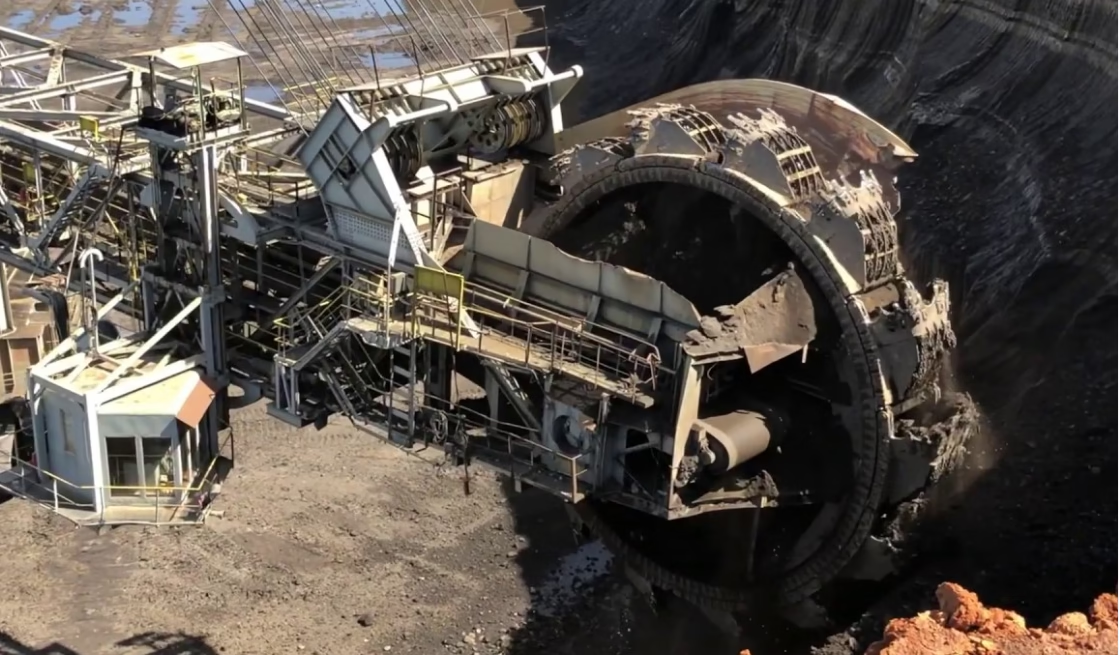
T-F-(N)TSCGEWOEU cable is purpose-engineered for this demanding opencast mining power distribution challenge. Key advantages: Dual Bending Radius Design: 6ר for fixed pit main distribution lines buried or overhead on pit benches; 10ר for mobile equipment power cables that must flex repeatedly as equipment moves. Field-Strippable Semiconducting Layer: Mining operations frequently require on-site cable modifications, connector re-termination, and length adjustments. The removable outer semiconducting layer enables these modifications without heating or special equipment—a unique feature that saves days of equipment downtime per project. Extreme Temperature Range: −40 to +80 °C operational span covers arctic pit operations (Canada, Siberia, Australia winter) to desert mining (Middle East, Australia summer), eliminating need for climate-specific cable variants. Corrosion-Resistant Tinned Copper: Pit dust from mineral extraction contains sulfides, chlorides, and other corrosive compounds. Tinned copper conductors resist oxidation and maintain conductivity where bare copper would degrade within months.

T-F-(N)TSCGEWOEU

T-F-(N)TSCGEWOEU cable is purpose-engineered for this demanding opencast mining power distribution challenge. Key advantages: Dual Bending Radius Design: 6ר for fixed pit main distribution lines buried or overhead on pit benches; 10ר for mobile equipment power cables that must flex repeatedly as equipment moves. Field-Strippable Semiconducting Layer: Mining operations frequently require on-site cable modifications, connector re-termination, and length adjustments. The removable outer semiconducting layer enables these modifications without heating or special equipment—a unique feature that saves days of equipment downtime per project. Extreme Temperature Range: −40 to +80 °C operational span covers arctic pit operations (Canada, Siberia, Australia winter) to desert mining (Middle East, Australia summer), eliminating need for climate-specific cable variants. Corrosion-Resistant Tinned Copper: Pit dust from mineral extraction contains sulfides, chlorides, and other corrosive compounds. Tinned copper conductors resist oxidation and maintain conductivity where bare copper would degrade within months.
Иерархия электроэнергии в подземной угольной шахте — почему 6/10кВ магистраль необходима: Типичная архитектура: (1) Наземная главная подстанция (ГПП): базирующейся на поверхности шахты, обычно 35 кВ или 110 кВ питание от региональной электросети. ГПП содержит мощный трансформатор 35/6 кВ (трансформация высокого напряжения в среднее), главный выключатель, защитные реле. (2) Магистральный кабель 6/10 кВ (TENAX-V NSSHCGEOEU-V или КГЭЖ 6/10кВ): спускается вертикально (или наклонно) из ГПП на поверхности вниз через ствол шахты на глубину 200–1,500 метров (в зависимости от глубины выработок). Длина магистрали: 500–3,000 м типичная. Магистраль прокладывается в защитной трубе или канале (каналы "кабелепровод" железобетонные с зазорами для вентиляции). Магистраль питает несколько подземных трансформаторных подстанций. (3) Подземные трансформаторные подстанции (ТП): расположены на разных уровнях выработок (каждый уровень добычи может иметь свою ТП). Трансформатор 6/0.66 кВ (или реже 6/0.4 кВ) понижает напряжение. ТП обычно содержит: входной масляный выключатель 6 кВ, трансформатор с естественным охлаждением масло-воздух (Power rating 250–630 кВА, зависит от количества комбайнов), выходные выключатели 0.66 кВ, система защиты (реле расстояния, дифференциальные реле). (4) Локальные распределительные кабели 0.6/1.0 кВ: от ТП идут отдельные кабели (низковольтные КГЭШм 1.14кВ, как обсуждалось в предыдущей статье) к комбайнам, лебёдкам, конвейерам. Следствие: магистраль 6/10 кВ являет "хребтом" подземного электроснабжения. Потеря или отказ магистрали = полное отключение всех устройств низкого напряжения в той зоне выработок, что она питает. Поэтому надёжность магистрального кабеля критична. Замена магистрали требует полной остановки шахты на несколько дней, стоимость простоя: миллионы в сутки. Это объясняет, почему локализация магистрального TENAX-V имеет стратегическое значение для русских операторов.

TENAX-V NSSHCGEOEU-V 6/10кВ: немецкий магистральный кабель и КГЭЖ 6/10кВ русский эквивалент для подземного электроснабжения

Иерархия электроэнергии в подземной угольной шахте — почему 6/10кВ магистраль необходима: Типичная архитектура: (1) Наземная главная подстанция (ГПП): базирующейся на поверхности шахты, обычно 35 кВ или 110 кВ питание от региональной электросети. ГПП содержит мощный трансформатор 35/6 кВ (трансформация высокого напряжения в среднее), главный выключатель, защитные реле. (2) Магистральный кабель 6/10 кВ (TENAX-V NSSHCGEOEU-V или КГЭЖ 6/10кВ): спускается вертикально (или наклонно) из ГПП на поверхности вниз через ствол шахты на глубину 200–1,500 метров (в зависимости от глубины выработок). Длина магистрали: 500–3,000 м типичная. Магистраль прокладывается в защитной трубе или канале (каналы “кабелепровод” железобетонные с зазорами для вентиляции). Магистраль питает несколько подземных трансформаторных подстанций. (3) Подземные трансформаторные подстанции (ТП): расположены на разных уровнях выработок (каждый уровень добычи может иметь свою ТП). Трансформатор 6/0.66 кВ (или реже 6/0.4 кВ) понижает напряжение. ТП обычно содержит: входной масляный выключатель 6 кВ, трансформатор с естественным охлаждением масло-воздух (Power rating 250–630 кВА, зависит от количества комбайнов), выходные выключатели 0.66 кВ, система защиты (реле расстояния, дифференциальные реле). (4) Локальные распределительные кабели 0.6/1.0 кВ: от ТП идут отдельные кабели (низковольтные КГЭШм 1.14кВ, как обсуждалось в предыдущей статье) к комбайнам, лебёдкам, конвейерам. Следствие: магистраль 6/10 кВ являет “хребтом” подземного электроснабжения. Потеря или отказ магистрали = полное отключение всех устройств низкого напряжения в той зоне выработок, что она питает. Поэтому надёжность магистрального кабеля критична. Замена магистрали требует полной остановки шахты на несколько дней, стоимость простоя: миллионы в сутки. Это объясняет, почему локализация магистрального TENAX-V имеет стратегическое значение для русских операторов.
Project Magnitude: Rio Tinto's Oyu Tolgoi underground expansion is one of the world's largest block caving mine projects. The underground mine currently extends 1,300+ meters below surface, with expansion workings reaching 1,500+ meters depth. The power distribution network includes underground substations feeding: (1) Electric load-haul-dump (LHD) fleets, (2) Continuous mining equipment and drill jumbos, (3) Conveyor systems and material handling, (4) Dewatering pumps, (5) Ventilation systems. 力拓奥尤陶勒盖地下扩建是全球最大的自然崩落法矿井项目之一。地下矿山目前已延伸地表下1300多米,扩建工作延伸到1500多米深度。配电网络包括为以下系统供电的地下变电站:(1)电动铲运机(LHD)队,(2)连续采矿设备和凿岩台车,(3)传送带系统和物料处理,(4)排水泵,(5)通风系统。 11kV Primary Distribution Role: The 11kV distribution tier is the primary feeder for underground mobile substations, which then step voltage down to 3.3kV for equipment power circuits. Multiple 11kV feeders distribute power across different mining levels (extraction level, haulage level, ventilation shafts). Each feeder may be 500–2,000 meters long, running through risky terrain where cables experience mechanical stress from falling rock, ground movement, and environmental extremes.

Oyu Tolgoi Expansion: Ampacity and Mechanical Suitability of 11kV AS/NZS Mining Cables

Project Magnitude: Rio Tinto’s Oyu Tolgoi underground expansion is one of the world’s largest block caving mine projects. The underground mine currently extends 1,300+ meters below surface, with expansion workings reaching 1,500+ meters depth. The power distribution network includes underground substations feeding: (1) Electric load-haul-dump (LHD) fleets, (2) Continuous mining equipment and drill jumbos, (3) Conveyor systems and material handling, (4) Dewatering pumps, (5) Ventilation systems. 力拓奥尤陶勒盖地下扩建是全球最大的自然崩落法矿井项目之一。地下矿山目前已延伸地表下1300多米,扩建工作延伸到1500多米深度。配电网络包括为以下系统供电的地下变电站:(1)电动铲运机(LHD)队,(2)连续采矿设备和凿岩台车,(3)传送带系统和物料处理,(4)排水泵,(5)通风系统。 11kV Primary Distribution Role: The 11kV distribution tier is the primary feeder for underground mobile substations, which then step voltage down to 3.3kV for equipment power circuits. Multiple 11kV feeders distribute power across different mining levels (extraction level, haulage level, ventilation shafts). Each feeder may be 500–2,000 meters long, running through risky terrain where cables experience mechanical stress from falling rock, ground movement, and environmental extremes.
To understand why cable sheaths in underground coal mines must be electrically conductive, we need to first explore the fundamental physics of static electricity and why it poses such an extraordinary danger in mining environments. This requirement, mandated by AS/NZS 1802:2018, is not merely a technical specification but rather a critical safety measure that has evolved from decades of mining experience and, unfortunately, from lessons learned through tragic accidents. 要理解为什么地下煤矿中的电缆护套必须具有导电性,我们首先需要探讨静电的基本物理原理,以及为什么它在采矿环境中构成如此巨大的危险。AS/NZS 1802:2018要求的这一规定不仅仅是一个技术规范,而是一项从数十年的采矿经验以及不幸的事故教训中演变而来的关键安全措施。

TENAX-SAS (N)TSCGEWOEU I 6 – 35 KV

As power supply cable to large mobile equipment in mines, specifically designed for trailing cable applications with shovels and draglines. The outer sheath is extremely robust and tough against abrasion and tearing, maintaining full flexibility in operation down to -50°C. 用作矿山大型移动设备的电源电缆,专为挖掘机和拉铲的拖曳电缆应用而设计。外护套极其坚固耐磨损和撕裂,在低至-50°C的温度下保持完全的柔韧性。
The Liebherr R 9800 is one of the world's largest hydraulic mining excavators, manufactured by Liebherr Mining Equipment in Colmar, France. With an operating weight of approximately 810 metric tons and bucket capacities ranging from 42 m³ (backhoe) to 47.5 m³ (face shovel), this machine is designed for the most demanding open-pit mining operations worldwide, including extreme cold regions such as Siberia, Yakutia, and Northern Russia where temperatures can plunge to -50°C or below. 利勃海尔R 9800是全球最大的液压采矿挖掘机之一,运行重量约810公吨,铲斗容量从42立方米到47.5立方米。该设备专为全球最苛刻的露天采矿作业设计,包括西伯利亚、雅库特和俄罗斯北部等极寒地区,那里的温度可降至-50°C或更低。

Liebherr R 9800: Cold-Weather Cable Requirements for Russian Winter Operations (-50°C)

The Liebherr R 9800 is one of the world’s largest hydraulic mining excavators, manufactured by Liebherr Mining Equipment in Colmar, France. With an operating weight of approximately 810 metric tons and bucket capacities ranging from 42 m³ (backhoe) to 47.5 m³ (face shovel), this machine is designed for the most demanding open-pit mining operations worldwide, including extreme cold regions such as Siberia, Yakutia, and Northern Russia where temperatures can plunge to -50°C or below. 利勃海尔R 9800是全球最大的液压采矿挖掘机之一,运行重量约810公吨,铲斗容量从42立方米到47.5立方米。该设备专为全球最苛刻的露天采矿作业设计,包括西伯利亚、雅库特和俄罗斯北部等极寒地区,那里的温度可降至-50°C或更低。
TENAX-LUMEN (N)TSCGEH3S 6 kV – 10 kV for Trailing Application

What is Luminescent Power Cable TENAX-LUMEN (N)TSCGEH3S 6 kV – 10 kV for Trailing Application?

TENAX-LUMEN (N)TSCGEH3S represents a significant advancement in mining cable technology, combining robust electrical performance with innovative safety features. This medium-voltage trailing cable is specifically engineered for the demanding environments of open-pit mining operations, where large mobile equipment such as draglines and electric rope shovels require reliable power supply combined with enhanced visibility for personnel safety.