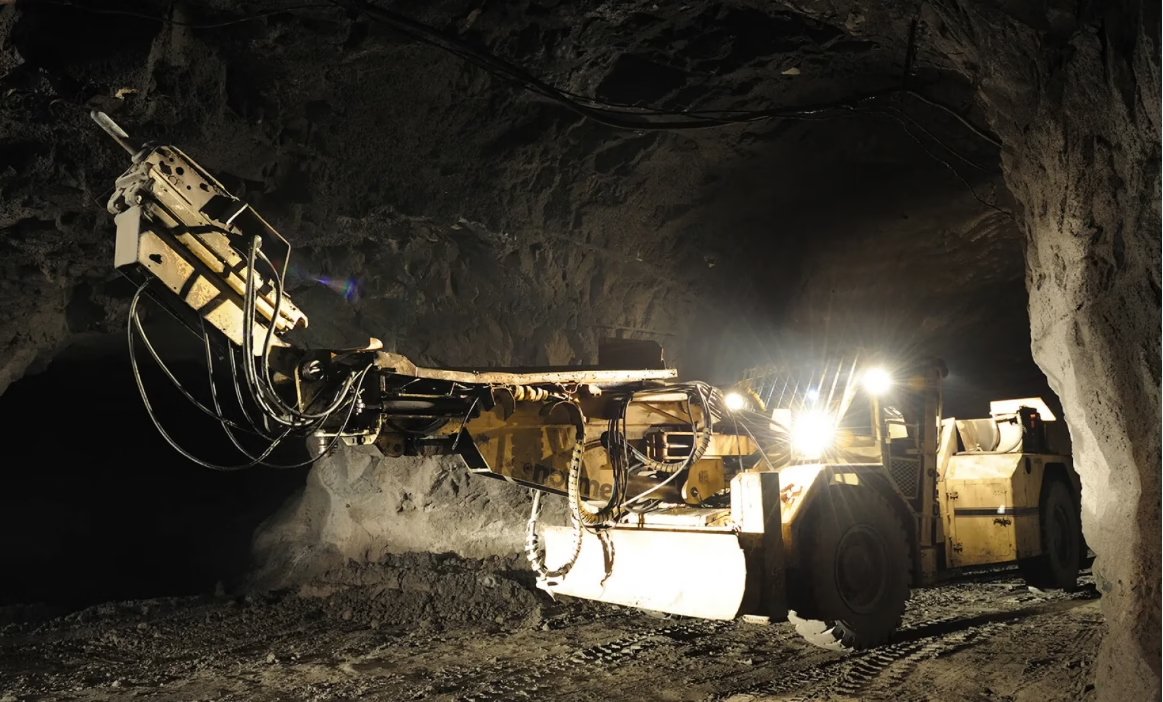
winterization mining equipment

Казахстанские открытые медные рудники (особенно Bozshakol с глубокими карьерами и Aktogay в степной зоне) испытывают зимние температуры −35…−45°C регулярно. Снег и лёд покрывают оборудование и кабельные линии. Электросварочные экскаваторы (Shovel) и буровые установки продолжают работать 24/7, потому что остановка добычи неприемлема. Это означает, что кабели подвергаются динамической нагрузке (вытягивание и наматывание на барабан) при температурах, при которых их оболочка находится в хрупком состоянии. Опасность в том, что отказ не виден визуально до того, как произойдёт электрический пробой. Микротрещины образуются в первые часы эксплуатации, но вода и электрический ток попадают в них только через 12–48 часов. Затем наступает внезапный отказ: слышен треск электрической дуги, видна вспышка, оборудование отключается, и вся подстанция теряет питание.

Glass Transition Trap: Why Standard VDE 0250 Cables Shatter at −40°C in Kazakhstan Copper MinesArctic-Grade (N)TSCGEWÖU Polymer Engineering Deep Dive

Казахстанские открытые медные рудники (особенно Bozshakol с глубокими карьерами и Aktogay в степной зоне) испытывают зимние температуры −35…−45°C регулярно. Снег и лёд покрывают оборудование и кабельные линии. Электросварочные экскаваторы (Shovel) и буровые установки продолжают работать 24/7, потому что остановка добычи неприемлема. Это означает, что кабели подвергаются динамической нагрузке (вытягивание и наматывание на барабан) при температурах, при которых их оболочка находится в хрупком состоянии. Опасность в том, что отказ не виден визуально до того, как произойдёт электрический пробой. Микротрещины образуются в первые часы эксплуатации, но вода и электрический ток попадают в них только через 12–48 часов. Затем наступает внезапный отказ: слышен треск электрической дуги, видна вспышка, оборудование отключается, и вся подстанция теряет питание.
Geographic & Operational Context—Russian Far East & Arctic Mining: Major hard-rock mining operations in extreme-cold zones: (1) Siberia (northern Russia): temperatures routinely -30°C to -50°C winter (December–March), occasional -60°C + extreme weather), (2) Arctic Circle regions (Norilsk Nickel mining complex, Yamal Peninsula LNG infrastructure): permanent permafrost, winter ambient -45°C to -55°C, (3) Far East (Sakha Republic—Yakutia): diamond/gold mining at -40°C to -50°C sustained for 6+ months/year. Climate-specific challenges: (1) Permafrost thawing/refreezing cycles, (2) Extreme low humidity (frozen air

КОГРЭШ 3х6+1х2,5+1х2,5 660V: Extreme Flexible Cold-Resistant Mining Cable

Geographic & Operational Context—Russian Far East & Arctic Mining: Major hard-rock mining operations in extreme-cold zones: (1) Siberia (northern Russia): temperatures routinely -30°C to -50°C winter (December–March), occasional -60°C + extreme weather), (2) Arctic Circle regions (Norilsk Nickel mining complex, Yamal Peninsula LNG infrastructure): permanent permafrost, winter ambient -45°C to -55°C, (3) Far East (Sakha Republic—Yakutia): diamond/gold mining at -40°C to -50°C sustained for 6+ months/year. Climate-specific challenges: (1) Permafrost thawing/refreezing cycles, (2) Extreme low humidity (frozen air
The КГЭ-ХЛ 3×95+1×25+1×10 6kV is a cold-resistant heavy-duty flexible trailing cable designed for electric mining excavators and draglines operating in climates where ambient temperature drops below −20°C. The Russian designation КГЭ stands for Кабель Гибкий Экскаваторный (Flexible Excavator Cable), and the suffix ХЛ stands for Холодостойкий (Cold-Resistant), indicating that all polymer materials—insulation, bedding, and outer sheath—are formulated to retain dynamic flexibility at temperatures down to −40°C (or −50°C in extreme-grade variants). The configuration "3×95+1×25+1×10" specifies three 95mm² power conductors, one 25mm² earth conductor, and one 10mm² pilot/monitoring conductor—the standard architecture for 6kV electric mining excavators of the ЭКГ series that dominate Kazakhstan's open-pit copper and coal mines. Feichun Cable manufactures a direct drop-in equivalent that matches the ГОСТ conductor configuration, voltage rating, outer diameter, cold-flex performance, and reel compatibility, enabling Kazakhstan mines to procure this cable without modifying existing excavator cable-handling equipment.

Cold Cracking: Why Standard КГЭ (KGE) Fails Below −20°C and КГЭ-ХЛ (KGE-HL) Is Required. Drop-In Equivalent for Kazakhstan Copper Mines — 3×95+1×25+1×10 6kV

The КГЭ-ХЛ 3×95+1×25+1×10 6kV is a cold-resistant heavy-duty flexible trailing cable designed for electric mining excavators and draglines operating in climates where ambient temperature drops below −20°C. The Russian designation КГЭ stands for Кабель Гибкий Экскаваторный (Flexible Excavator Cable), and the suffix ХЛ stands for Холодостойкий (Cold-Resistant), indicating that all polymer materials—insulation, bedding, and outer sheath—are formulated to retain dynamic flexibility at temperatures down to −40°C (or −50°C in extreme-grade variants). The configuration “3×95+1×25+1×10” specifies three 95mm² power conductors, one 25mm² earth conductor, and one 10mm² pilot/monitoring conductor—the standard architecture for 6kV electric mining excavators of the ЭКГ series that dominate Kazakhstan’s open-pit copper and coal mines. Feichun Cable manufactures a direct drop-in equivalent that matches the ГОСТ conductor configuration, voltage rating, outer diameter, cold-flex performance, and reel compatibility, enabling Kazakhstan mines to procure this cable without modifying existing excavator cable-handling equipment.