welding robot cable

Feichun FLEXIFESTOON® SPECIAL NE-FLAT Extreme-Temperature Rubber Flat Cables: Dual-Compound High-Temperature Festoon Systems (GAALTHERM® 533 −40 to +135°C Fixed / −25 to +125°C Flexible; XLPE −20 to +90°C, Halogen-Free Low-Smoke Design, 50 Mrad Radiation-Resistant, 10×D Extremely Small Bending Radius, Enhanced 25 N/mm² Tensile Strength, 70+ Product Configurations 4–24 Cores, 1.5–150 mm² Conductor Range, DIN VDE 0482/0267, IEC 60502, RoHS/CE Compliant): Comprehensive Technical Analysis Integrating Thermal Degradation Kinetics, High-Temperature Polymer Chemistry, Thermal Cycling Fatigue Engineering & Extreme-Climate Industrial Application Selection Industrial metallurgical operations—steel mills, aluminum foundries, glass manufacturing, automotive welding infrastructure—generate sustained thermal environments reaching 100–130 °C ambient temperature near furnace enclosures, control cabinets, and robotic systems, imposing continuous thermal stress on control cables far exceeding standard industrial ratings. Simultaneously, halogen-free material requirements mandated by fire safety codes (EN 50267, DIN VDE 0482-267) impose severe restrictions on polymer chemistry—standard flame-retardant additives (bromine, chlorine compounds) are prohibited, forcing cable designers to engineer alternative fire barriers using mineral fillers, phosphorus compounds, and specialty elastomer architectures. FLEXIFESTOON® SPECIAL NE-FLAT represents an advanced thermal-engineering platform delivering dual-compound material options optimized across the complete extreme-temperature spectrum: GAALTHERM® 533 (proprietary high-temperature elastomer platform rated −40 / +135°C fixed laying, −25 / +125°C flexible applications—delivering 35–45 °C temperature-rating advantage over standard industrial cables) and XLPE alternative (standard-temperature option maintaining conventional −20 / +90°C ratings at reduced material cost)—coupled with halogen-free low-smoke formulation per DIN VDE 0482-267 ensuring < 50% light transmittance (PEMS < 50%) and < 8 wt% HCl equivalent corrosive gas release during decomposition, 50 Mrad cumulative radiation tolerance (nuclear-grade specification), 10×D extremely small dynamic bend radius optimization, enhanced 25 N/mm² tensile strength enabling mechanical stress withstand under thermal contraction/expansion cycling, and comprehensive 70+ SKU portfolio spanning 4–24 core configurations and 1.5–150 mm² conductor sizes—providing thermal system designers with an unprecedented portfolio for mission-critical high-temperature automation and extreme-climate industrial applications.
FLEXIFESTOON® SPECIAL NE-FLAT

Feichun FLEXIFESTOON® SPECIAL NE-FLAT Extreme-Temperature Rubber Flat Cables: Dual-Compound High-Temperature Festoon Systems (GAALTHERM® 533 −40 to +135°C Fixed / −25 to +125°C Flexible; XLPE −20 to +90°C, Halogen-Free Low-Smoke Design, 50 Mrad Radiation-Resistant, 10×D Extremely Small Bending Radius, Enhanced 25 N/mm² Tensile Strength, 70+ Product Configurations 4–24 Cores, 1.5–150 mm² Conductor Range, DIN VDE 0482/0267, IEC 60502, RoHS/CE Compliant): Comprehensive Technical Analysis Integrating Thermal Degradation Kinetics, High-Temperature Polymer Chemistry, Thermal Cycling Fatigue Engineering & Extreme-Climate Industrial Application Selection Industrial metallurgical operations—steel mills, aluminum foundries, glass manufacturing, automotive welding infrastructure—generate sustained thermal environments reaching 100–130 °C ambient temperature near furnace enclosures, control cabinets, and robotic systems, imposing continuous thermal stress on control cables far exceeding standard industrial ratings. Simultaneously, halogen-free material requirements mandated by fire safety codes (EN 50267, DIN VDE 0482-267) impose severe restrictions on polymer chemistry—standard flame-retardant additives (bromine, chlorine compounds) are prohibited, forcing cable designers to engineer alternative fire barriers using mineral fillers, phosphorus compounds, and specialty elastomer architectures. FLEXIFESTOON® SPECIAL NE-FLAT represents an advanced thermal-engineering platform delivering dual-compound material options optimized across the complete extreme-temperature spectrum: GAALTHERM® 533 (proprietary high-temperature elastomer platform rated −40 / +135°C fixed laying, −25 / +125°C flexible applications—delivering 35–45 °C temperature-rating advantage over standard industrial cables) and XLPE alternative (standard-temperature option maintaining conventional −20 / +90°C ratings at reduced material cost)—coupled with halogen-free low-smoke formulation per DIN VDE 0482-267 ensuring < 50% light transmittance (PEMS < 50%) and < 8 wt% HCl equivalent corrosive gas release during decomposition, 50 Mrad cumulative radiation tolerance (nuclear-grade specification), 10×D extremely small dynamic bend radius optimization, enhanced 25 N/mm² tensile strength enabling mechanical stress withstand under thermal contraction/expansion cycling, and comprehensive 70+ SKU portfolio spanning 4–24 core configurations and 1.5–150 mm² conductor sizes—providing thermal system designers with an unprecedented portfolio for mission-critical high-temperature automation and extreme-climate industrial applications.
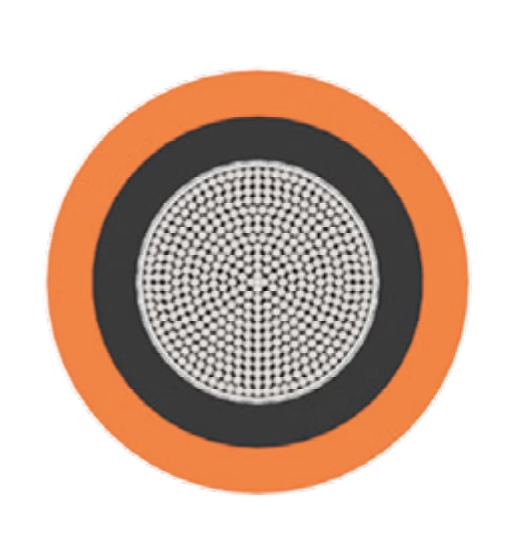
Arc welding power sources, equipment and accessories manufactured in accordance with British Standard BS638, particularly Part 4, covers single-core flexible cables carrying the welding current in metal arc welding circuits. Although the British Standards BS638 has been officially withdrawn, it remains commonly referenced in the welding industry, particularly for cables connecting welding power sources to electrode holders and workpieces.

What is BS638 Part 4 Cable?

Arc welding power sources, equipment and accessories manufactured in accordance with British Standard BS638, particularly Part 4, covers single-core flexible cables carrying the welding current in metal arc welding circuits. Although the British Standards BS638 has been officially withdrawn, it remains commonly referenced in the welding industry, particularly for cables connecting welding power sources to electrode holders and workpieces.