mining infrastructure electrical

Before specifying Type 7S cable for installation in tight mine shafts, engineers must understand the fundamental distinction between two completely different bending radius requirements: static (fixed position after installation) and dynamic (during pulling/deployment). 在为狭窄矿井安装指定Type 7S电缆之前,工程师必须理解两个完全不同的弯曲半径要求之间的根本区别:静态(安装后固定位置)和动态(拉动/部署过程中)。 Static Bend Radius: The minimum radius to which cable can be bent and held in a fixed, immobile position without risk of insulation cracking or internal conductor damage. Once the cable is in its final position and no pulling force is applied, this is the operative limit.

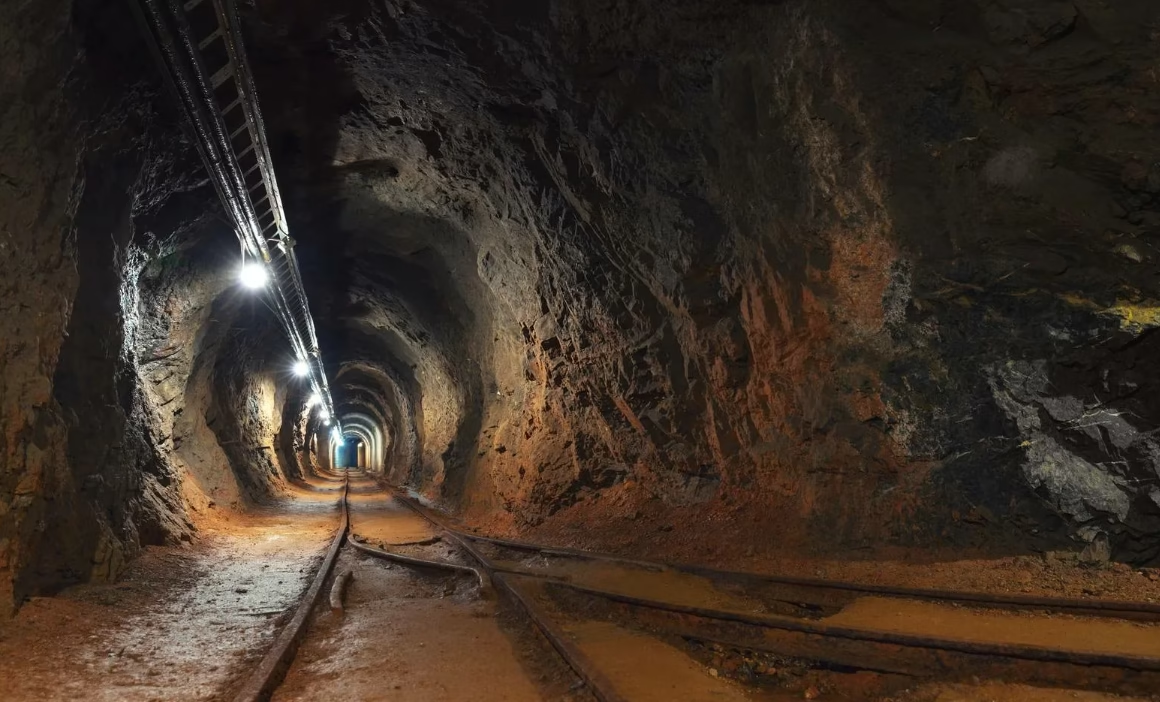
Bending Radius: Minimum Static Bend Limits for Installing Type 7S 6.6kV 3x120mm² in Tight Mine Shafts

Before specifying Type 7S cable for installation in tight mine shafts, engineers must understand the fundamental distinction between two completely different bending radius requirements: static (fixed position after installation) and dynamic (during pulling/deployment). 在为狭窄矿井安装指定Type 7S电缆之前,工程师必须理解两个完全不同的弯曲半径要求之间的根本区别:静态(安装后固定位置)和动态(拉动/部署过程中)。 Static Bend Radius: The minimum radius to which cable can be bent and held in a fixed, immobile position without risk of insulation cracking or internal conductor damage. Once the cable is in its final position and no pulling force is applied, this is the operative limit.
A pilot core is a small-diameter, individually insulated conductor that runs the full length of a Type 3S mining cable alongside the power conductors and earth cores. Its purpose is to carry a low-voltage supervisory signal from the substation to the remote equipment and back, allowing a monitoring relay at the substation to continuously verify that the cable's earth return path (the path through which fault currents flow to ground) remains intact and unbroken. In a Type 3S 6.6kV 3x150mm² cable, the pilot core is typically 10–25 mm² in cross-sectional area (much smaller than the 150 mm² power conductors), has its own color-coded insulation to distinguish it from the two earth cores, and is the critical difference that transforms a cable from simple power delivery (Type 2S) into a safety-monitored system (Type 3S). For equipment like continuous miners, pump stations, or large longwall systems that operate far from direct visual supervision, the pilot core provides the electrical equivalent of a "safety tether"—if that tether breaks, the system knows immediately and can shut down before a dangerous fault condition develops.

Earth Fault Monitoring: Identifying Pilot Cores in Type 3S 6.6kV 3x150mm² Feeder Cables

AS/NZS 1972, AS/NZS 1972 Type 3S, Type 3S cable, Type 3S 6.6kV, 6.6kV mining cable, earth fault monitoring mining, earth continuity monitoring, pilot core identification, 3x150mm2 mining cable, 150mm2 6.6kV cable, AS/NZS 2081, AS/NZS mining standards, underground coal mine cable, SWA mining cable, individual screen cable, XLPE insulated mining cable, medium voltage mining cable, mine power feeder, electrical safety mining, earth return path, interstitial pilot core, 300 MCM mining cable, AWG equivalent mining cable, cable outer diameter, mining cable copper weight, 6.6kV ampacity, cable selection mining, mine substation feeder, electrical engineering mining, Prysmian mining cable, Olex Type 3S, earth fault relay, mining cable specifications, semi-fixed mining cable, flame retardant PVC sheath, heavy duty mine cable, AS/NZS 1972 vs Type 2S, cable cross section 150mm2, pilot circuit monitoring, high voltage cable splicing, mining cable termination, earth core sizing, short circuit rating mining, mining infrastructure electrical, AS/NZS 3008 ampacity, underground equipment power supply, machine cable underground, mining cable technical data, fault protection mining, pilot wire relay
The nominal weight of a Type 3S 3.3kV 3x240mm² steel wire armoured cable is approximately 13,200 to 13,800 kilograms per kilometer (kg/km), or roughly 13.2 to 13.8 kilograms per linear meter. For practical planning purposes, engineers working with Feichun's Type 3S 3x240mm² product should design logistics and installation equipment assuming 13.5 kg/m as the midpoint value. This is not a lightweight cable—a single 1,000-meter feeder run will weigh 13,500 kilograms (13.5 tonnes), demanding heavy-duty mechanical handling equipment and careful transport planning from the moment the cable leaves the manufacturing facility. Type 3S 3.3kV 3x240mm² 钢丝铠装电缆的标称重量约为 13,200 至 13,800 千克/公里 (kg/km),或粗略计算每线性米约 13.2 至 13.8 公斤。 为了实际规划目的,与 Feichun 的 Type 3S 3x240mm² 产品合作的工程师应该以 13.5 kg/m 作为中点值来设计物流和安装设备。这不是一根轻型电缆——单个 1,000 米的馈电敷设将重达 13,500 公斤(13.5 吨),从电缆离开制造厂的那一刻起就需要重型机械处理设备和仔细的运输规划。

Weight & Logistics: Calculating kg/km for Heavy-Duty Type 3S 3.3kV 3x240mm² Steel Wire Armoured Cables

The nominal weight of a Type 3S 3.3kV 3x240mm² steel wire armoured cable is approximately 13,200 to 13,800 kilograms per kilometer (kg/km), or roughly 13.2 to 13.8 kilograms per linear meter. For practical planning purposes, engineers working with Feichun’s Type 3S 3x240mm² product should design logistics and installation equipment assuming 13.5 kg/m as the midpoint value. This is not a lightweight cable—a single 1,000-meter feeder run will weigh 13,500 kilograms (13.5 tonnes), demanding heavy-duty mechanical handling equipment and careful transport planning from the moment the cable leaves the manufacturing facility. Type 3S 3.3kV 3x240mm² 钢丝铠装电缆的标称重量约为 13,200 至 13,800 千克/公里 (kg/km),或粗略计算每线性米约 13.2 至 13.8 公斤。 为了实际规划目的,与 Feichun 的 Type 3S 3x240mm² 产品合作的工程师应该以 13.5 kg/m 作为中点值来设计物流和安装设备。这不是一根轻型电缆——单个 1,000 米的馈电敷设将重达 13,500 公斤(13.5 吨),从电缆离开制造厂的那一刻起就需要重型机械处理设备和仔细的运输规划。
The Single Most Important Cable Design Decision in Underground Coal Mining: Whether the cable employs collective screening (Type 2) or individual phase screening (Type 2S). This single engineering choice directly determines whether a mechanical cable failure will result in a phase-to-earth fault (detected and stopped in milliseconds) or a phase-to-phase fault with thousands of amperes of arc current (igniting methane explosions).

Type 2 vs Type 2S: Why the “S” (Individual Screen) is Mandatory for 11kV Underground Coal Mines

The Single Most Important Cable Design Decision in Underground Coal Mining: Whether the cable employs collective screening (Type 2) or individual phase screening (Type 2S). This single engineering choice directly determines whether a mechanical cable failure will result in a phase-to-earth fault (detected and stopped in milliseconds) or a phase-to-phase fault with thousands of amperes of arc current (igniting methane explosions).