medium voltage cable standard

Single core cables are engineered for distribution of electrical power with nominal voltages ranging from 1.8/3kV to 36kV and beyond. From a design point of view, medium-voltage cables are of three types: single-core cable, three single-core cables laid-up, and three-core cable. This technical guide examines two prominent cable solutions for demanding industrial applications requiring high flexibility and electrical performance. 单芯电缆专为输配电系统设计,额定电压从1.8/3kV至36kV及以上。本技术指南对比分析两种适用于高柔性工业应用的电缆方案。

Single Core Cables: Nexans RHEYCLEAN® (MV) vs. (N)TSCGEWÖU Single Core

Single core cables are engineered for distribution of electrical power with nominal voltages ranging from 1.8/3kV to 36kV and beyond. From a design point of view, medium-voltage cables are of three types: single-core cable, three single-core cables laid-up, and three-core cable. This technical guide examines two prominent cable solutions for demanding industrial applications requiring high flexibility and electrical performance. 单芯电缆专为输配电系统设计,额定电压从1.8/3kV至36kV及以上。本技术指南对比分析两种适用于高柔性工业应用的电缆方案。
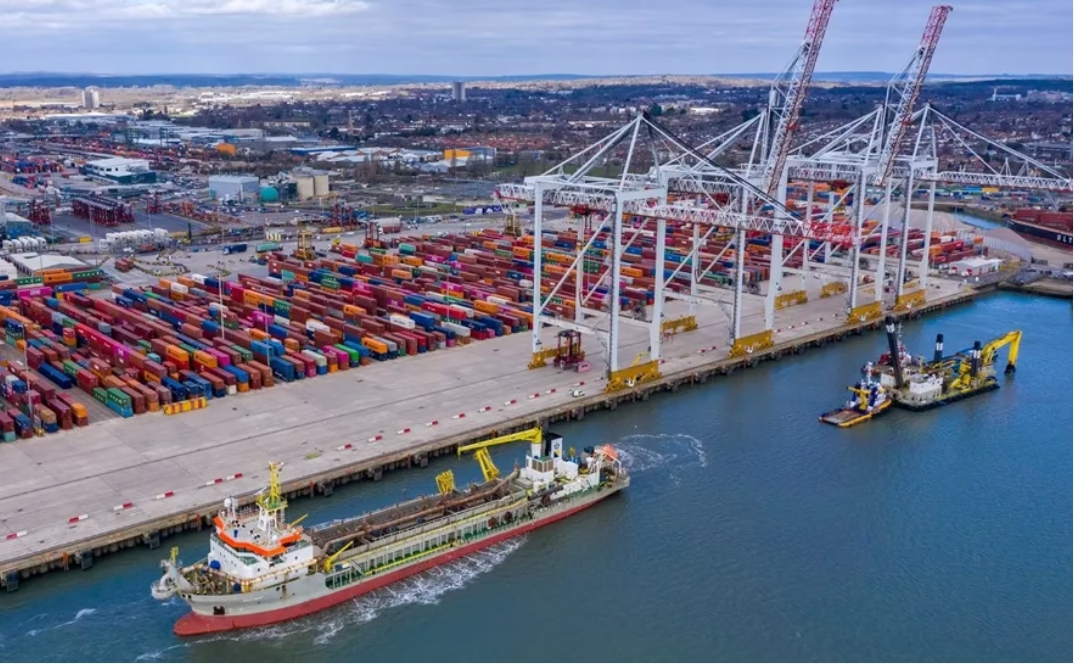
Overland conveyor systems represent critical infrastructure for bulk material handling across mining, quarrying, and heavy industrial operations. When these systems extend beyond 5 kilometers, the selection of appropriate power distribution cables becomes a paramount engineering decision that directly impacts operational reliability, maintenance costs, and system longevity. According to industry standards published by the International Electrotechnical Commission, power cables for such applications must meet rigorous mechanical and electrical performance criteria to withstand the demanding operational environment. This technical analysis examines two primary cable architectures utilized in extended overland conveyor applications: armoured cables and flexible cables. Each design philosophy addresses specific operational requirements, with armoured configurations prioritizing mechanical protection for fixed installations, while flexible designs accommodate dynamic loading and continuous motion requirements. The selection between these cable types fundamentally depends on installation methodology, environmental conditions, mechanical stress profiles, and long-term operational economics.

Overland Conveyor Systems: Armoured vs. Flexible Cables for 5km+ Power Distribution

Overland conveyor systems represent critical infrastructure for bulk material handling across mining, quarrying, and heavy industrial operations. When these systems extend beyond 5 kilometers, the selection of appropriate power distribution cables becomes a paramount engineering decision that directly impacts operational reliability, maintenance costs, and system longevity. According to industry standards published by the International Electrotechnical Commission, power cables for such applications must meet rigorous mechanical and electrical performance criteria to withstand the demanding operational environment. This technical analysis examines two primary cable architectures utilized in extended overland conveyor applications: armoured cables and flexible cables. Each design philosophy addresses specific operational requirements, with armoured configurations prioritizing mechanical protection for fixed installations, while flexible designs accommodate dynamic loading and continuous motion requirements. The selection between these cable types fundamentally depends on installation methodology, environmental conditions, mechanical stress profiles, and long-term operational economics.
When you look at a cable from the outside, you see a smooth, round cylinder. This simple appearance conceals a complex engineering challenge. Inside that cylindrical exterior are multiple insulated conductors of various sizes arranged together. Without proper design, these internal components would naturally create an irregular, lumpy cross-section rather than the uniform circular shape we expect from a professional cable. This is where rubber fillers play their essential role, and understanding their function requires us to think about the geometric and mechanical realities of cable construction.

Rubber Filler Role: Understanding How Fillers Maintain Cylindrical Shape in NSSHÖU Cables Under Crushing Loads

When you look at a cable from the outside, you see a smooth, round cylinder. This simple appearance conceals a complex engineering challenge. Inside that cylindrical exterior are multiple insulated conductors of various sizes arranged together. Without proper design, these internal components would naturally create an irregular, lumpy cross-section rather than the uniform circular shape we expect from a professional cable. This is where rubber fillers play their essential role, and understanding their function requires us to think about the geometric and mechanical realities of cable construction.
The German national standard DIN VDE 0250 covers cables, wires, and flexible cords for power installations. This standard has achieved global recognition as the definitive benchmark for tough rubber-sheathed flexible cables. Germany remains the only country to have issued specialized design regulations for flexible electrical cables covering cranes, material handling equipment, and mining machinery, which explains why DIN VDE 0250 is widely accepted internationally for demanding industrial applications. (德国国家标准DIN VDE 0250涵盖电力设施用电缆、电线和软线。该标准已成为坚固橡胶护套柔性电缆的全球公认基准。德国是唯一一个为起重机、物料搬运设备和采矿机械的柔性电缆发布专门设计规范的国家,这解释了为什么DIN VDE 0250在要求苛刻的工业应用中被国际广泛接受。)

DIN VDE 0250: Part 812 (Mobile Equipment) vs Part 813 (Mining & Industry)

The German national standard DIN VDE 0250 covers cables, wires, and flexible cords for power installations. This standard has achieved global recognition as the definitive benchmark for tough rubber-sheathed flexible cables. Germany remains the only country to have issued specialized design regulations for flexible electrical cables covering cranes, material handling equipment, and mining machinery, which explains why DIN VDE 0250 is widely accepted internationally for demanding industrial applications. (德国国家标准DIN VDE 0250涵盖电力设施用电缆、电线和软线。该标准已成为坚固橡胶护套柔性电缆的全球公认基准。德国是唯一一个为起重机、物料搬运设备和采矿机械的柔性电缆发布专门设计规范的国家,这解释了为什么DIN VDE 0250在要求苛刻的工业应用中被国际广泛接受。)