IEC 60502 cable

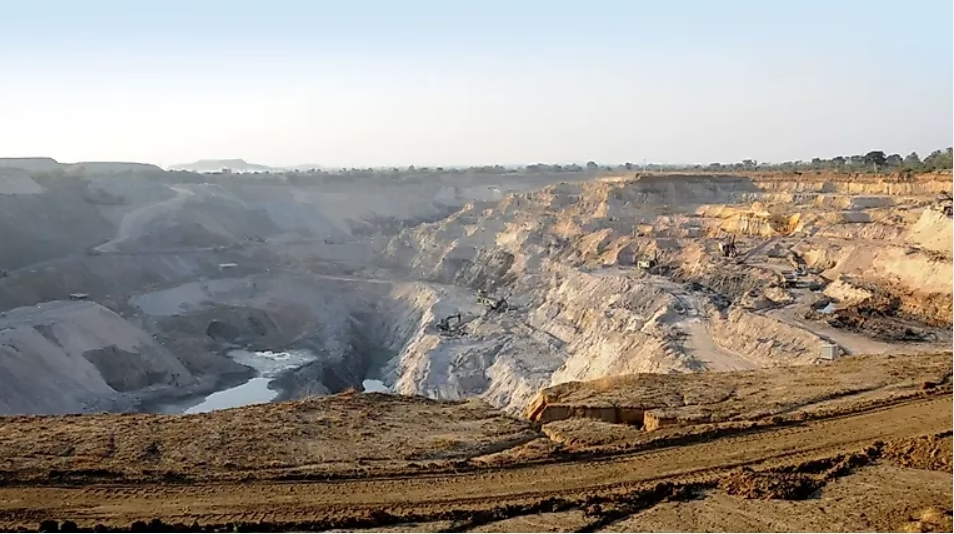
Mining operations depend on extensive underground cable networks to distribute power, transmit control signals, and maintain communication systems across vast subterranean infrastructure. These buried cable installations face unique environmental challenges that differ significantly from surface installations, and among the most destructive threats are biological attacks from termites and rodents. While these creatures evolved to consume natural materials, modern cable construction using synthetic polymers can inadvertently attract or fail to deter these persistent pests, leading to catastrophic system failures that jeopardize both operational continuity and worker safety.

Termite & Rodent Proof Mining Cables: Nylon Sheath vs. Steel Tape Armor Options

Mining operations depend on extensive underground cable networks to distribute power, transmit control signals, and maintain communication systems across vast subterranean infrastructure. These buried cable installations face unique environmental challenges that differ significantly from surface installations, and among the most destructive threats are biological attacks from termites and rodents. While these creatures evolved to consume natural materials, modern cable construction using synthetic polymers can inadvertently attract or fail to deter these persistent pests, leading to catastrophic system failures that jeopardize both operational continuity and worker safety.
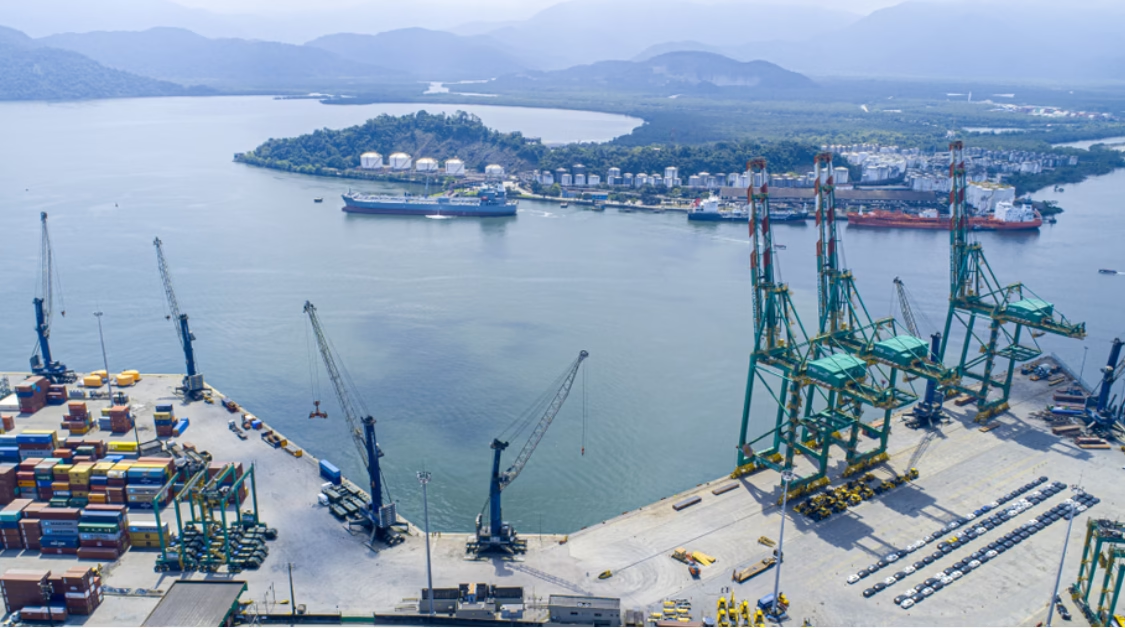
Overland conveyor systems represent critical infrastructure for bulk material handling across mining, quarrying, and heavy industrial operations. When these systems extend beyond 5 kilometers, the selection of appropriate power distribution cables becomes a paramount engineering decision that directly impacts operational reliability, maintenance costs, and system longevity. According to industry standards published by the International Electrotechnical Commission, power cables for such applications must meet rigorous mechanical and electrical performance criteria to withstand the demanding operational environment. This technical analysis examines two primary cable architectures utilized in extended overland conveyor applications: armoured cables and flexible cables. Each design philosophy addresses specific operational requirements, with armoured configurations prioritizing mechanical protection for fixed installations, while flexible designs accommodate dynamic loading and continuous motion requirements. The selection between these cable types fundamentally depends on installation methodology, environmental conditions, mechanical stress profiles, and long-term operational economics.

Overland Conveyor Systems: Armoured vs. Flexible Cables for 5km+ Power Distribution

Overland conveyor systems represent critical infrastructure for bulk material handling across mining, quarrying, and heavy industrial operations. When these systems extend beyond 5 kilometers, the selection of appropriate power distribution cables becomes a paramount engineering decision that directly impacts operational reliability, maintenance costs, and system longevity. According to industry standards published by the International Electrotechnical Commission, power cables for such applications must meet rigorous mechanical and electrical performance criteria to withstand the demanding operational environment. This technical analysis examines two primary cable architectures utilized in extended overland conveyor applications: armoured cables and flexible cables. Each design philosophy addresses specific operational requirements, with armoured configurations prioritizing mechanical protection for fixed installations, while flexible designs accommodate dynamic loading and continuous motion requirements. The selection between these cable types fundamentally depends on installation methodology, environmental conditions, mechanical stress profiles, and long-term operational economics.
When international cable manufacturers consider entering the Colombian market, particularly for mining applications, they encounter a comprehensive regulatory framework that may initially seem complex but serves a vital purpose. The Reglamento Técnico de Instalaciones Eléctricas, universally known by its Spanish acronym RETIE, represents Colombia's mandatory technical regulation governing all electrical installations and products. 当国际电缆制造商考虑进入哥伦比亚市场时,特别是针对矿业应用,他们会遇到一个全面的监管框架 Understanding RETIE is not merely a bureaucratic exercise but rather the foundation for successfully participating in one of South America's most dynamic electrical markets.

RETIE Compliance: Are These Mining Cables Certified for Use in Colombia (RETIE) Electrical Projects?

When international cable manufacturers consider entering the Colombian market, particularly for mining applications, they encounter a comprehensive regulatory framework that may initially seem complex but serves a vital purpose. The Reglamento Técnico de Instalaciones Eléctricas, universally known by its Spanish acronym RETIE, represents Colombia’s mandatory technical regulation governing all electrical installations and products. 当国际电缆制造商考虑进入哥伦比亚市场时,特别是针对矿业应用,他们会遇到一个全面的监管框架 Understanding RETIE is not merely a bureaucratic exercise but rather the foundation for successfully participating in one of South America’s most dynamic electrical markets.
(N)TSCGEWÖU cable type represents a specialized category of medium-voltage power cables designed for demanding applications in mining, tunneling, harbor cranes, and heavy-duty industrial environments. These cables feature 3GI3 grade Ethylene-Propylene Rubber (EPR) insulation, which must maintain dielectric integrity under extreme mechanical stress, moisture exposure, and electrical field conditions. Understanding the aging behavior of the dielectric loss factor (tan delta, tan δ) is critical for predictive maintenance and ensuring operational safety in these mission-critical applications.

Tan Delta Aging: How does the dielectric loss factor (Tan Delta) of 3GI3 insulation in (N)TSCGEWÖU cables change with long-term aging?

(N)TSCGEWÖU cable type represents a specialized category of medium-voltage power cables designed for demanding applications in mining, tunneling, harbor cranes, and heavy-duty industrial environments. These cables feature 3GI3 grade Ethylene-Propylene Rubber (EPR) insulation, which must maintain dielectric integrity under extreme mechanical stress, moisture exposure, and electrical field conditions. Understanding the aging behavior of the dielectric loss factor (tan delta, tan δ) is critical for predictive maintenance and ensuring operational safety in these mission-critical applications.
The tunnelling and underground mining industries have traditionally relied on heavy-duty rubber-sheathed cables manufactured according to DIN VDE 0250 standards. However, a significant shift is occurring as polyurethane (PUR) sheathed cables, designated with the VDE code "11Y" and "12Y" (for TPE-E variants), are increasingly specified for demanding tunnel boring machine (TBM) applications and underground operations. 隧道和地下采矿行业传统上依赖于按照DIN VDE 0250标准生产的重型橡胶护套电缆。然而,随着聚氨酯(PUR)护套电缆(VDE代码为"11Y",TPE-E变体为"12Y")在隧道掘进机(TBM)和地下作业等高要求应用中越来越多被指定使用,一个重大转变正在发生。

Why Are Polyurethane (PUR) Sheathed Cables Becoming Popular Alternatives to Standard VDE Rubber Cables in Tunnelling?

The tunnelling and underground mining industries have traditionally relied on heavy-duty rubber-sheathed cables manufactured according to DIN VDE 0250 standards. However, a significant shift is occurring as polyurethane (PUR) sheathed cables, designated with the VDE code “11Y” and “12Y” (for TPE-E variants), are increasingly specified for demanding tunnel boring machine (TBM) applications and underground operations. 隧道和地下采矿行业传统上依赖于按照DIN VDE 0250标准生产的重型橡胶护套电缆。然而,随着聚氨酯(PUR)护套电缆(VDE代码为”11Y”,TPE-E变体为”12Y”)在隧道掘进机(TBM)和地下作业等高要求应用中越来越多被指定使用,一个重大转变正在发生。
How do you select conductor size for high-current tunnelling equipment and cable reels?

كيفية اختيار مقاس الموصل لمعدات الأنفاق عالية التيار وبكرات الكابلات؟

Selecting the correct conductor size for cables used in tunnel boring equipment and cable reels is critical for ensuring safety and operational efficiency. These cables are subjected to extreme conditions including high currents, mechanical stress, and elevated temperatures. According to International Electrotechnical Commission (IEC) standards, conductor selection must consider ampacity, voltage drop, short-circuit capacity, and environmental factors.
Mining cables require specific storage conditions to maintain insulation integrity and performance characteristics. Temperature, humidity, UV exposure, and chemical contact all affect cable lifespan and reliability. Industry standards recommend storage in dry, well-ventilated warehouses with controlled environmental conditions. The optimal storage temperature range is 5°C to 30°C (41°F to 86°F), with relative humidity not exceeding 75%. Cables should be protected from direct sunlight to prevent premature aging of the insulation layer. According to cable handling guidelines, storage periods should not exceed 18-24 months under normal conditions, with periodic rotation of stock recommended every 3 months.

ما هي أسلم طريقة لتخزين ومناولة وفحص كابلات التعدين قبل التركيب؟

Proper storage, handling, and inspection of mining cables are critical factors in ensuring operational safety and reliable performance in harsh industrial environments. According to the Mine Safety and Health Administration (MSHA) regulations under 30 CFR Part 75 and Part 77, all underground trailing cables must be MSHA-approved as flame resistant and undergo rigorous inspection before deployment. Failure to properly manage cables can result in insulation degradation, moisture absorption, mechanical damage, and ultimately catastrophic failures including electrical fires, equipment damage, and personnel injuries. This comprehensive guide outlines industry best practices based on international standards including IEC 60502, IEEE 400, and MT818-2009.
Mining, drilling, and tunnelling cables are specialized heavy-duty electrical cables engineered specifically for the harsh conditions found in underground mining operations, drilling sites, and tunnel construction facilities. These industrial-grade cables are designed to withstand extreme mechanical stress, chemical exposure, moisture, and temperature variations while maintaining reliable power transmission and ensuring safety in demanding underground environments. According to international standards including IEC 60502 and MSHA regulations, these cables form the electrical backbone of modern mining and underground construction operations.

ما هي كابلات التعدين والحفر والأنفاق؟ وأين تُستخدم تحت الأرض؟

Mining, drilling, and tunnelling cables are specialized heavy-duty electrical cables engineered specifically for the harsh conditions found in underground mining operations, drilling sites, and tunnel construction facilities. These industrial-grade cables are designed to withstand extreme mechanical stress, chemical exposure, moisture, and temperature variations while maintaining reliable power transmission and ensuring safety in demanding underground environments. According to international standards including IEC 60502 and MSHA regulations, these cables form the electrical backbone of modern mining and underground construction operations.
PE cable, polyethylene cable, XLPE cable, medium voltage cable, N2XS2Y, NA2XS2Y, N2XS(F)2Y, N2XS(FL)2Y, BS 6622 cable, MDPE cable, HDPE cable, 6/10kV cable, 12/20kV cable, 18/30kV cable, underground cable, direct burial cable, duct grade cable, IEC 60502, VDE 0276, copper conductor cable, aluminium cable, waterblock cable, UV resistant cable, Cat 6 PE cable, Cat 5E external cable, oil resistant cable, industrial power cable, railway cable, mining cable, petrochemical cable, 聚乙烯电缆, 中压电缆, PE電纜, cable de polietileno, cable XLPE, outdoor power cable, MV cable manufacturer, Anhui Feichun cable, 安徽飞纯电缆, special cable manufacturer China

What is PE Cable?

N2XS2Y cable, NA2XS2Y cable, N2XS(F)2Y cable, N2XS(FL)2Y cable, NA2XS(F)2Y cable, NA2XS(FL)2Y cable, NY2Y cable, NAY2Y cable, BS 6622 cable, A2XS(F)2Y cable, A2XS(FL)2Y cable, PE cable, polyethylenMDPE cable, HDPE cable, XLPE insulated cable, PE sheathed cable, polyethylene insulation cable, cross-linked polyethylene cable, thermoplastic cable sheathe cable, XLPE cable, medium voltage cable, power cable, outdoor cable, underground cable, MV cable specifications
PROTOLON(M) F(N)TSCGEWOEU 3 kV – 30 kV Medium Voltage Flexible Cables High-Performance EPR-Insulated Trailing Cables for Semiflexible Installation in Mining, Material Handling, and Industrial Applications

PROTOLON(M) F(N)TSCGEWOEU 3 kV – 30 kV Medium Voltage Flexible Cables

PROTOLON(M) F(N)TSCGEWOEU series represents a specialized family of medium voltage flexible cables designed for demanding industrial environments where conventional fixed installation cables prove inadequate. These cables are engineered specifically for semiflexible installation applications, combining the durability required for mobile equipment with the electrical performance characteristics essential for medium voltage power distribution systems operating between 3 kV and 30 kV. According to the International Electrotechnical Commission, medium voltage cables are critical components in power distribution systems, with IEC 60502-2 establishing comprehensive requirements for cables rated from 6 kV (Um = 7.2 kV) up to 30 kV (Um = 36 kV), ensuring rigorous safety and performance standards across diverse industrial applications. The PROTOLON(M) F(N)TSCGEWOEU cable series is engineered to meet and exceed these stringent international requirements while addressing the specific mechanical demands of mobile and reeling applications.
Serbian Cable

What is Serbian Cable Standards (SRPS) Cable?

Serbian Power Engineering Standards (SRPS) represent a comprehensive framework of technical regulations governing electrical cables and conductors in Serbia and other regions that have adopted these specifications. SRPS standards are developed and maintained by the Institute for Standardization of Serbia (ISS), which operates as the national standardization body responsible for developing, publishing, and promoting technical standards across various industries.