Medium Voltage Cable

The mining industry continues to evolve toward increasingly sophisticated communication infrastructure, driven by safety regulations and operational efficiency demands. Fiber optic technology has emerged as the backbone of modern mining operations, providing high-bandwidth, electromagnetic interference-resistant data transmission in some of the most challenging environments on Earth. Within this context, fiber optic breakout cables represent a critical component for deploying reliable networks in underground and surface mining facilities. 矿业持续向更复杂的通信基础设施发展,这是由安全法规和运营效率需求驱动的。光纤技术已成为现代矿业运营的支柱,在地球上一些最具挑战性的环境中提供高带宽、抗电磁干扰的数据传输。在此背景下,光纤分支电缆是在地下和地面采矿设施中部署可靠网络的关键组件。

Fiber Optic Breakout in Mining Cables: Best Practices for (N)TSCGEWÖU-FO Termination

The mining industry continues to evolve toward increasingly sophisticated communication infrastructure, driven by safety regulations and operational efficiency demands. Fiber optic technology has emerged as the backbone of modern mining operations, providing high-bandwidth, electromagnetic interference-resistant data transmission in some of the most challenging environments on Earth. Within this context, fiber optic breakout cables represent a critical component for deploying reliable networks in underground and surface mining facilities. 矿业持续向更复杂的通信基础设施发展,这是由安全法规和运营效率需求驱动的。光纤技术已成为现代矿业运营的支柱,在地球上一些最具挑战性的环境中提供高带宽、抗电磁干扰的数据传输。在此背景下,光纤分支电缆是在地下和地面采矿设施中部署可靠网络的关键组件。
Executive Summary: As global resource extraction expands into Arctic and subarctic regions, electrical infrastructure must withstand temperatures that regularly plunge below -40°C. The (N)TSCGEWÖU cable family represents specialized medium-voltage flexible cables engineered specifically for extreme mechanical and environmental stresses in mining, drilling, and tunneling operations. Understanding cold impact ratings and temperature performance specifications is critical for project engineers, procurement specialists, and operations managers working on Siberian oil and gas projects, Arctic mining operations, and other extreme cold installations. This comprehensive guide examines the technical requirements, testing standards, and material considerations essential for cable selection in environments where standard cables would fail catastrophically. 执行摘要:随着全球资源开采扩展到北极和亚北极地区,电气基础设施必须承受经常低于-40°C的温度。(N)TSCGEWÖU电缆系列代表专门为采矿、钻探和隧道作业中的极端机械和环境应力而设计的中压柔性电缆。了解冷冲击等级和温度性能规格对于从事西伯利亚油气项目、北极采矿作业和其他极冷装置的项目工程师、采购专家和运营管理人员至关重要。

Understanding “Cold Impact” Ratings: (N)TSCGEWÖU Cables for -40°C Siberian Projects

Executive Summary: As global resource extraction expands into Arctic and subarctic regions, electrical infrastructure must withstand temperatures that regularly plunge below -40°C. The (N)TSCGEWÖU cable family represents specialized medium-voltage flexible cables engineered specifically for extreme mechanical and environmental stresses in mining, drilling, and tunneling operations. Understanding cold impact ratings and temperature performance specifications is critical for project engineers, procurement specialists, and operations managers working on Siberian oil and gas projects, Arctic mining operations, and other extreme cold installations. This comprehensive guide examines the technical requirements, testing standards, and material considerations essential for cable selection in environments where standard cables would fail catastrophically. 执行摘要:随着全球资源开采扩展到北极和亚北极地区,电气基础设施必须承受经常低于-40°C的温度。(N)TSCGEWÖU电缆系列代表专门为采矿、钻探和隧道作业中的极端机械和环境应力而设计的中压柔性电缆。了解冷冲击等级和温度性能规格对于从事西伯利亚油气项目、北极采矿作业和其他极冷装置的项目工程师、采购专家和运营管理人员至关重要。
Australia's mining industry operates under stringent safety regulations, particularly for underground coal operations where methane gas and coal dust present unique explosion hazards. The selection of appropriate electrical cables is not merely a technical decision but a critical safety requirement mandated by New South Wales Work Health and Safety regulations. According to the Work Health and Safety (Mines and Petroleum Sites) Regulation 2022, specific cable types must be used in hazardous zones of underground coal mines to prevent catastrophic incidents. 澳大利亚采矿业在严格的安全法规下运营,特别是在地下煤矿作业中,甲烷气体和煤尘呈现独特的爆炸危险。选择合适的电缆不仅是技术决策,更是新南威尔士州工作健康与安全法规规定的关键安全要求。

AS/NZS 1802 vs. AS/NZS 2802: Which Mining Cable Do You Need for NSW Coal Mines?

Australia’s mining industry operates under stringent safety regulations, particularly for underground coal operations where methane gas and coal dust present unique explosion hazards. The selection of appropriate electrical cables is not merely a technical decision but a critical safety requirement mandated by New South Wales Work Health and Safety regulations. According to the Work Health and Safety (Mines and Petroleum Sites) Regulation 2022, specific cable types must be used in hazardous zones of underground coal mines to prevent catastrophic incidents. 澳大利亚采矿业在严格的安全法规下运营,特别是在地下煤矿作业中,甲烷气体和煤尘呈现独特的爆炸危险。选择合适的电缆不仅是技术决策,更是新南威尔士州工作健康与安全法规规定的关键安全要求。
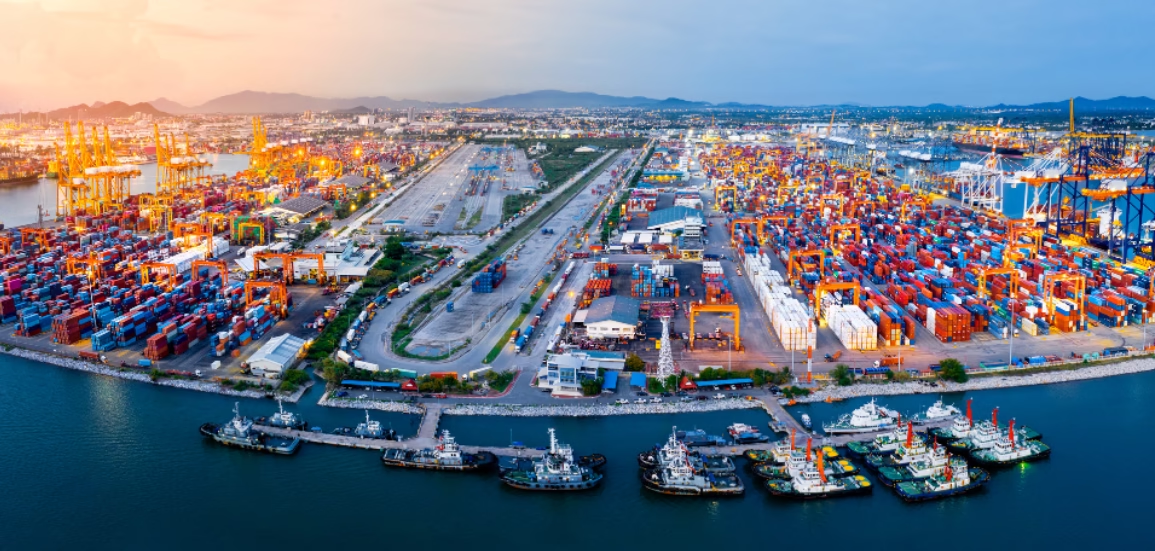
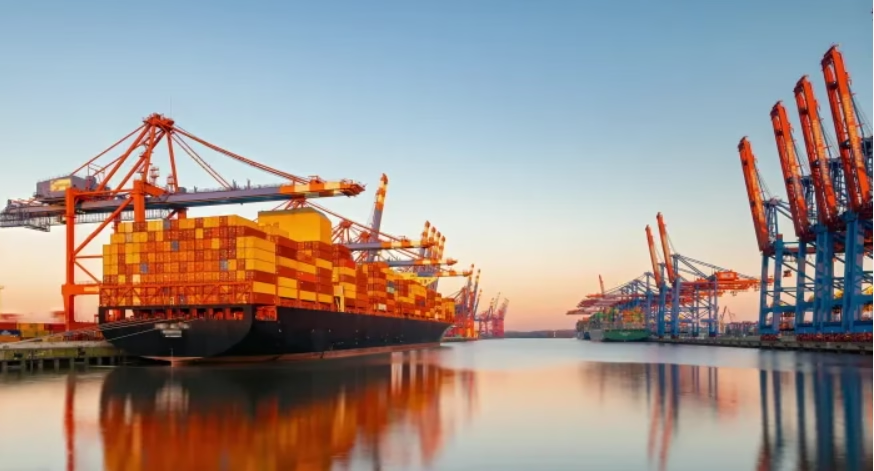
Prysmian Group's PROTOLON series represents a premium line of flexible reeling cables engineered specifically for demanding material handling applications, including port container cranes (RTGs, STS cranes), ship-to-shore systems, and heavy-duty industrial machinery. The PROTOLON (SB) variant is designed for steel drum reeling systems where cables undergo continuous bending cycles and mechanical stress during operation. 普睿司曼集团的PROTOLON系列是专为严苛物料搬运应用设计的高端柔性卷筒电缆,包括港口集装箱起重机(RTG、岸桥)、船岸系统及重型工业机械。PROTOLON (SB)型号专为钢制卷筒系统设计,电缆在运行过程中需承受连续弯曲循环和机械应力。

Prysmian PROTOLON: What is the Generic Equivalent to Prysmian PROTOLON (SB) Reeling Cable for Port Cranes?

Prysmian Group’s PROTOLON series represents a premium line of flexible reeling cables engineered specifically for demanding material handling applications, including port container cranes (RTGs, STS cranes), ship-to-shore systems, and heavy-duty industrial machinery. The PROTOLON (SB) variant is designed for steel drum reeling systems where cables undergo continuous bending cycles and mechanical stress during operation. 普睿司曼集团的PROTOLON系列是专为严苛物料搬运应用设计的高端柔性卷筒电缆,包括港口集装箱起重机(RTG、岸桥)、船岸系统及重型工业机械。PROTOLON (SB)型号专为钢制卷筒系统设计,电缆在运行过程中需承受连续弯曲循环和机械应力。
In demanding industrial environments such as ports, steel plants, mining facilities, and automated material handling systems, reeling cables must withstand extreme mechanical stress. Tensile strength—the maximum load a cable can bear before failure—is a critical specification when selecting cables for crane systems, spreaders, and mobile machinery. 在港口、钢铁厂、矿山及自动化物流系统等苛刻工业环境中,卷筒电缆必须承受极端机械应力。抗拉强度——电缆断裂前所能承受的最大载荷——是选择起重机、吊具及移动设备用电缆时的关键技术指标。 This technical comparison examines two industry-leading reeling cable types: the (N)TSCGEWÖU (a German-standard flexible reeling cable conforming to DIN VDE specifications) and the Nexans RHEYFIRM-RS (a premium heavy-duty cable from Nexans Germany). Both are engineered for motor-driven cable reels, but differ in construction philosophy and performance characteristics. 本文深入对比两种行业领先的卷筒电缆:符合DIN VDE规范的德国标准柔性卷筒电缆(N)TSCGEWÖU,以及来自Nexans德国的高端重载电缆RHEYFIRM-RS。两者均专为电动卷筒设计,但在结构理念和性能特性上各有差异。

Comparison: (N)TSCGEWÖU vs. Nexans RHEYFIRM-RS

In demanding industrial environments such as ports, steel plants, mining facilities, and automated material handling systems, reeling cables must withstand extreme mechanical stress. Tensile strength—the maximum load a cable can bear before failure—is a critical specification when selecting cables for crane systems, spreaders, and mobile machinery. 在港口、钢铁厂、矿山及自动化物流系统等苛刻工业环境中,卷筒电缆必须承受极端机械应力。抗拉强度——电缆断裂前所能承受的最大载荷——是选择起重机、吊具及移动设备用电缆时的关键技术指标。 This technical comparison examines two industry-leading reeling cable types: the (N)TSCGEWÖU (a German-standard flexible reeling cable conforming to DIN VDE specifications) and the Nexans RHEYFIRM-RS (a premium heavy-duty cable from Nexans Germany). Both are engineered for motor-driven cable reels, but differ in construction philosophy and performance characteristics. 本文深入对比两种行业领先的卷筒电缆:符合DIN VDE规范的德国标准柔性卷筒电缆(N)TSCGEWÖU,以及来自Nexans德国的高端重载电缆RHEYFIRM-RS。两者均专为电动卷筒设计,但在结构理念和性能特性上各有差异。
Fermel is a recognized manufacturer of underground utility vehicles designed for mining, tunneling, and construction applications. Their utility vehicle lineup includes personnel carriers, material transporters, and multi-purpose service units that operate in confined underground environments where electrical power delivery via trailing cables is essential for safe and efficient operation. 费尔梅尔(Fermel)是地下多功能车的知名制造商,产品专为采矿、隧道和建筑应用设计。其多功能车系列包括人员运输车、物料运输车和多功能服务单元,在封闭的地下环境中运行,通过拖曳电缆供电对于安全高效运行至关重要。

Fermel Utility Vehicles: Type 241 Cable Flexibility for Cable Reels

Fermel is a recognized manufacturer of underground utility vehicles designed for mining, tunneling, and construction applications. Their utility vehicle lineup includes personnel carriers, material transporters, and multi-purpose service units that operate in confined underground environments where electrical power delivery via trailing cables is essential for safe and efficient operation. 费尔梅尔(Fermel)是地下多功能车的知名制造商,产品专为采矿、隧道和建筑应用设计。其多功能车系列包括人员运输车、物料运输车和多功能服务单元,在封闭的地下环境中运行,通过拖曳电缆供电对于安全高效运行至关重要。
In modern tunnel boring machine (TBM) applications, the selection of appropriate voltage ratings for cutterhead drive systems is critical for operational efficiency, safety, and equipment longevity. For Herrenknecht TBMs—the world's leading manufacturer of mechanized tunneling equipment—the standard voltage rating for cutterhead high-voltage drives is predominantly 6kV (6/10kV class) and 10kV, with 20kV systems reserved for specialized high-power applications exceeding 5MW per motor. 在现代隧道掘进机(TBM)应用中,刀盘驱动系统的电压等级选择对运行效率、安全性和设备寿命至关重要。对于海瑞克TBM——全球领先的机械化隧道设备制造商——刀盘高压驱动的标准电压等级主要为6kV(6/10kV级)和10kV,20kV系统仅用于单电机功率超过5MW的特殊高功率应用。

TBM Cutterhead High-Voltage Drives: Which Voltage Rating (6kV, 10kV, or 20kV) is Standard for Herrenknecht TBM?

In modern tunnel boring machine (TBM) applications, the selection of appropriate voltage ratings for cutterhead drive systems is critical for operational efficiency, safety, and equipment longevity. For Herrenknecht TBMs—the world’s leading manufacturer of mechanized tunneling equipment—the standard voltage rating for cutterhead high-voltage drives is predominantly 6kV (6/10kV class) and 10kV, with 20kV systems reserved for specialized high-power applications exceeding 5MW per motor. 在现代隧道掘进机(TBM)应用中,刀盘驱动系统的电压等级选择对运行效率、安全性和设备寿命至关重要。对于海瑞克TBM——全球领先的机械化隧道设备制造商——刀盘高压驱动的标准电压等级主要为6kV(6/10kV级)和10kV,20kV系统仅用于单电机功率超过5MW的特殊高功率应用。
The Atlas Copco Boltec series represents a range of mechanized rock bolting rigs designed for underground mining and tunneling operations. These machines are engineered to install rock bolts efficiently in challenging subterranean environments, requiring robust electrical systems capable of withstanding extreme mechanical stress, moisture exposure, and continuous operational demands. 阿特拉斯·科普柯 Boltec 系列是专为地下采矿和隧道作业设计的机械化锚杆钻机。这些设备在恶劣的地下环境中高效安装锚杆,其电气系统需要承受极端机械应力、潮湿环境和持续运行的考验。

Atlas Copco Boltec: Feed Cable Selection & Replacement Guide

The Atlas Copco Boltec series represents a range of mechanized rock bolting rigs designed for underground mining and tunneling operations. These machines are engineered to install rock bolts efficiently in challenging subterranean environments, requiring robust electrical systems capable of withstanding extreme mechanical stress, moisture exposure, and continuous operational demands. 阿特拉斯·科普柯 Boltec 系列是专为地下采矿和隧道作业设计的机械化锚杆钻机。这些设备在恶劣的地下环境中高效安装锚杆,其电气系统需要承受极端机械应力、潮湿环境和持续运行的考验。
For a 500-meter length of Type 440 11kV mining cable, the required shipping drum dimensions are fundamentally determined by the cable's minimum bend radius and physical dimensions. Based on industry standards from AS/NZS 2802:2000 and IEC 60502-2, proper drum sizing ensures cable integrity during transportation and prevents damage to the cable's internal structure, particularly the semiconductive screens and EPR insulation critical for medium voltage applications. 对于500米长的Type 440 11kV矿用电缆,所需的运输卷筒尺寸主要由电缆的最小弯曲半径和物理尺寸决定。根据AS/NZS 2802:2000和IEC 60502-2的行业标准,正确的卷筒尺寸可确保运输过程中的电缆完整性,并防止损坏电缆的内部结构,特别是对中压应用至关重要的半导体屏蔽层和EPR绝缘层。

Drum Dimensions for Type 440 11kV Cable: Engineering Specification Guide

For a 500-meter length of Type 440 11kV mining cable, the required shipping drum dimensions are fundamentally determined by the cable’s minimum bend radius and physical dimensions. Based on industry standards from AS/NZS 2802:2000 and IEC 60502-2, proper drum sizing ensures cable integrity during transportation and prevents damage to the cable’s internal structure, particularly the semiconductive screens and EPR insulation critical for medium voltage applications. 对于500米长的Type 440 11kV矿用电缆,所需的运输卷筒尺寸主要由电缆的最小弯曲半径和物理尺寸决定。根据AS/NZS 2802:2000和IEC 60502-2的行业标准,正确的卷筒尺寸可确保运输过程中的电缆完整性,并防止损坏电缆的内部结构,特别是对中压应用至关重要的半导体屏蔽层和EPR绝缘层。
(N)TSCGEWÖU 3x185+3x35/3 medium voltage flexible mining cable typically weighs between 8,500 and 10,200 kilograms per kilometer, depending on the specific construction variant, insulation thickness, sheathing materials, and whether additional features such as anti-torsion braiding or fiber optic cores are incorporated. This weight range represents the complete cable assembly including all conductors, insulation layers, screening, inner and outer sheaths, and structural elements required for demanding mining and industrial applications. (N)TSCGEWÖU 3x185+3x35/3中压柔性采矿电缆的重量通常在每公里8,500至10,200千克之间,具体取决于特定的结构变型、绝缘厚度、护套材料,以及是否包含防扭转编织或光纤芯等附加功能。

Weight Calculator: What is the Approximate Weight per Meter (kg/km) of (N)TSCGEWÖU 3×185+3×35/3?

(N)TSCGEWÖU 3×185+3×35/3 medium voltage flexible mining cable typically weighs between 8,500 and 10,200 kilograms per kilometer, depending on the specific construction variant, insulation thickness, sheathing materials, and whether additional features such as anti-torsion braiding or fiber optic cores are incorporated. This weight range represents the complete cable assembly including all conductors, insulation layers, screening, inner and outer sheaths, and structural elements required for demanding mining and industrial applications. (N)TSCGEWÖU 3×185+3×35/3中压柔性采矿电缆的重量通常在每公里8,500至10,200千克之间,具体取决于特定的结构变型、绝缘厚度、护套材料,以及是否包含防扭转编织或光纤芯等附加功能。
Before we can properly discuss earthing techniques, we need to build a solid understanding of what (N)TSCGECEWÖU cables are and why their semiconductive screens require such careful attention. These cables represent one of the most sophisticated designs in medium voltage flexible power transmission, and understanding their construction will help you see why proper earthing is not just important but absolutely critical for safe operation.

How to properly earth the semiconductive screen of an (N)TSCGECEWÖU cable to prevent arcing?

Before we can properly discuss earthing techniques, we need to build a solid understanding of what (N)TSCGECEWÖU cables are and why their semiconductive screens require such careful attention. These cables represent one of the most sophisticated designs in medium voltage flexible power transmission, and understanding their construction will help you see why proper earthing is not just important but absolutely critical for safe operation.
The proper application of tightening torque to phase connectors in high-voltage cable terminations is one of the most critical yet frequently overlooked aspects of electrical installation work. When terminating Type 450 cables at 33kV, the connector torque directly determines the quality and reliability of the electrical connection, affecting both the immediate performance and long-term service life of the installation. Understanding the correct torque specifications and their underlying principles is essential for ensuring safe, code-compliant, and maintenance-free operation in demanding mining and industrial environments. 在高压电缆终端中对相连接器施加正确的紧固扭矩是电气安装工作中最关键但经常被忽视的方面之一。在33kV终接Type 450电缆时,连接器扭矩直接决定电气连接的质量和可靠性。

Torque Settings: What is the Recommended Tightening Torque for Phase Connectors in a Type 450 33kV Termination?

The proper application of tightening torque to phase connectors in high-voltage cable terminations is one of the most critical yet frequently overlooked aspects of electrical installation work. When terminating Type 450 cables at 33kV, the connector torque directly determines the quality and reliability of the electrical connection, affecting both the immediate performance and long-term service life of the installation. Understanding the correct torque specifications and their underlying principles is essential for ensuring safe, code-compliant, and maintenance-free operation in demanding mining and industrial environments. 在高压电缆终端中对相连接器施加正确的紧固扭矩是电气安装工作中最关键但经常被忽视的方面之一。在33kV终接Type 450电缆时,连接器扭矩直接决定电气连接的质量和可靠性。
Type SHD-GC cables represent a specialized category of shielded medium voltage mining cables designed for the most demanding industrial applications. These cables are specifically engineered for use in mining operations where they must withstand extensive abrasion, impact, vibration, tension, and cut-through conditions that commonly cause standard cable failures. The designation "SHD-GC" indicates Super Heavy Duty with Ground Check capability, making them essential for applications such as continuous mining machines, longwall systems, blast hole drillers, shovels, draglines, and other mobile mining equipment.

What is the correct Pothead compound filling procedure for Type SHD-GC medium voltage couplers?

Type SHD-GC cables represent a specialized category of shielded medium voltage mining cables designed for the most demanding industrial applications. These cables are specifically engineered for use in mining operations where they must withstand extensive abrasion, impact, vibration, tension, and cut-through conditions that commonly cause standard cable failures. The designation “SHD-GC” indicates Super Heavy Duty with Ground Check capability, making them essential for applications such as continuous mining machines, longwall systems, blast hole drillers, shovels, draglines, and other mobile mining equipment.
When you look at a modern mining cable cross-section, you'll notice it contains more than just the power conductors that deliver electricity to mining equipment. Among these additional elements are one or more pilot cores—specialized conductors that serve critical safety and monitoring functions. While these pilot cores might seem like simple extra wires at first glance, they represent sophisticated monitoring infrastructure that enables mining operations to detect dangerous conditions before they cause injuries, equipment damage, or production interruptions.1 当您查看现代矿用电缆横截面时,您会注意到它包含的不仅仅是向采矿设备输送电力的电力导体。在这些附加元件中有一个或多个引导芯——服务于关键安全和监控功能的专用导体。

Digital Monitoring: Using Pilot Cores for Real-Time Temperature and Damage Detection

When you look at a modern mining cable cross-section, you’ll notice it contains more than just the power conductors that deliver electricity to mining equipment. Among these additional elements are one or more pilot cores—specialized conductors that serve critical safety and monitoring functions. While these pilot cores might seem like simple extra wires at first glance, they represent sophisticated monitoring infrastructure that enables mining operations to detect dangerous conditions before they cause injuries, equipment damage, or production interruptions.1 当您查看现代矿用电缆横截面时,您会注意到它包含的不仅仅是向采矿设备输送电力的电力导体。在这些附加元件中有一个或多个引导芯——服务于关键安全和监控功能的专用导体。
Type 241 trailing cables represent a specialized category of flexible power cables specifically engineered for underground coal mining applications and other demanding industrial environments. Manufactured in accordance with AS/NZS 1802 standards, these cables serve as the primary power transmission medium for continuous miners, shuttle cars, longwall machinery, and auxiliary equipment operating in confined underground spaces where environmental hazards, mechanical stresses, and limited visibility create unique safety challenges. Type 241拖曳电缆代表了一类专门为地下煤矿应用和其他苛刻工业环境而设计的柔性电力电缆。根据AS/NZS 1802标准制造,这些电缆作为连续采矿机、梭车、长壁开采机械和辅助设备的主要电力传输介质,在受限的地下空间中运行,这些空间存在环境危害、机械应力和有限的能见度等独特的安全挑战。

Why is Reflective Tape or Bright Coloring Required on Type 241 Trailing Cables for Underground Visibility?

Type 241 trailing cables represent a specialized category of flexible power cables specifically engineered for underground coal mining applications and other demanding industrial environments. Manufactured in accordance with AS/NZS 1802 standards, these cables serve as the primary power transmission medium for continuous miners, shuttle cars, longwall machinery, and auxiliary equipment operating in confined underground spaces where environmental hazards, mechanical stresses, and limited visibility create unique safety challenges. Type 241拖曳电缆代表了一类专门为地下煤矿应用和其他苛刻工业环境而设计的柔性电力电缆。根据AS/NZS 1802标准制造,这些电缆作为连续采矿机、梭车、长壁开采机械和辅助设备的主要电力传输介质,在受限的地下空间中运行,这些空间存在环境危害、机械应力和有限的能见度等独特的安全挑战。
Variable Frequency Drive systems have revolutionized industrial motor control by offering precise speed regulation and significant energy savings. However, the high-frequency switching characteristics inherent to VFD operation introduce complex electrical phenomena that demand specialized cable designs and installation practices. The (N)3GHSSYCY cable, manufactured according to DIN VDE 0250 Part 605 standard, represents a specialized medium-voltage flexible cable designed for mobile operating equipment in mining and tunneling applications with voltage ratings from 3.6/6 kV to 12/20 kV.

Ampacity Derating: Why do (N)3GHSSYCY VFD Cables Fail Prematurely if the EMC Grounding is Not Installed Correctly?

Variable Frequency Drive systems have revolutionized industrial motor control by offering precise speed regulation and significant energy savings. However, the high-frequency switching characteristics inherent to VFD operation introduce complex electrical phenomena that demand specialized cable designs and installation practices. The (N)3GHSSYCY cable, manufactured according to DIN VDE 0250 Part 605 standard, represents a specialized medium-voltage flexible cable designed for mobile operating equipment in mining and tunneling applications with voltage ratings from 3.6/6 kV to 12/20 kV.
NSSHÖU cables represent a specialized category of heavy-duty rubber mining cables designed to operate in the most demanding industrial environments. These cables conform to VDE 0250 part 812 specifications, which establish rigorous requirements for cables subjected to high mechanical stress during mining operations, construction equipment applications, and mobile machinery installations. The outer sheath of NSSHÖU cables provides critical protection against abrasion, cutting, tearing, oil penetration, and water ingress, making its integrity essential for maintaining safe electrical performance and achieving IP67 water resistance ratings.

How to Repair a Torn Outer Sheath on NSSHÖU Cable to Maintain IP67 Water Resistance

NSSHÖU cables represent a specialized category of heavy-duty rubber mining cables designed to operate in the most demanding industrial environments. These cables conform to VDE 0250 part 812 specifications, which establish rigorous requirements for cables subjected to high mechanical stress during mining operations, construction equipment applications, and mobile machinery installations. The outer sheath of NSSHÖU cables provides critical protection against abrasion, cutting, tearing, oil penetration, and water ingress, making its integrity essential for maintaining safe electrical performance and achieving IP67 water resistance ratings.
Mining operations in coastal environments and sub-sea applications face unique challenges when it comes to electrical infrastructure reliability. Type 241 cables, designed to AS/NZS 1802 standards for mining applications, represent a critical component in power distribution systems for continuous miners, pump installations, and mobile mining equipment. These cables must operate in some of the harshest conditions imaginable, where saltwater exposure creates an aggressive corrosive environment that can compromise the integrity of protective screening systems.

How Does Saltwater Corrosion Affect the Screen Continuity of Type 241 Cables in Sub-Sea or Coastal Mining?

Mining operations in coastal environments and sub-sea applications face unique challenges when it comes to electrical infrastructure reliability. Type 241 cables, designed to AS/NZS 1802 standards for mining applications, represent a critical component in power distribution systems for continuous miners, pump installations, and mobile mining equipment. These cables must operate in some of the harshest conditions imaginable, where saltwater exposure creates an aggressive corrosive environment that can compromise the integrity of protective screening systems.
(N)SHTÖU cable designation represents a specific family of German-engineered flexible power cables manufactured according to the rigorous requirements established in DIN VDE 0250-814 standard. The nomenclature itself conveys critical information about the cable's construction and intended application environment. The letter designation "SHTÖU" is derived from the German technical specifications where "SH" indicates heavy-duty rubber insulation (Schwergummi), "T" denotes textile reinforcement embedded within the cable structure, "Ö" signifies oil resistance of the outer sheath material, and "U" represents the rugged outer jacket suitable for demanding industrial environments.

What is the Maximum Permissible Tensile Load (N/mm²) for (N)SHTÖU Vertical Suspension Cables?

(N)SHTÖU cable designation represents a specific family of German-engineered flexible power cables manufactured according to the rigorous requirements established in DIN VDE 0250-814 standard. The nomenclature itself conveys critical information about the cable’s construction and intended application environment. The letter designation “SHTÖU” is derived from the German technical specifications where “SH” indicates heavy-duty rubber insulation (Schwergummi), “T” denotes textile reinforcement embedded within the cable structure, “Ö” signifies oil resistance of the outer sheath material, and “U” represents the rugged outer jacket suitable for demanding industrial environments.
(N)TSCGEWÖU medium voltage reeling cable represents a specialized engineering solution designed for extreme mechanical stress applications in mining, material handling, and heavy industrial operations. When evaluating performance in Arctic environments with sustained temperatures of negative forty degrees Celsius, the cable's construction and material specifications demonstrate compliance with international cold performance standards, making it technically suitable for continuous operation in such demanding conditions.

Can (N)TSCGEWÖU Cables Handle Continuous Operation in -40°C Arctic Environments (Cold Impact Test)?

(N)TSCGEWÖU medium voltage reeling cable represents a specialized engineering solution designed for extreme mechanical stress applications in mining, material handling, and heavy industrial operations. When evaluating performance in Arctic environments with sustained temperatures of negative forty degrees Celsius, the cable’s construction and material specifications demonstrate compliance with international cold performance standards, making it technically suitable for continuous operation in such demanding conditions.
Type SHD-GC cable represents a critical component in mining and heavy industrial applications, designed specifically for environments where both flexibility and maximum protection are paramount. This shielded mining cable features Ethylene Propylene Diene Monomer (EPDM) or Ethylene Propylene Rubber (EPR) insulation, providing exceptional resistance to moisture, heat, and abrasion. The cable is commonly deployed in mobile mining equipment, continuous mining machines, longwall mining systems, and other demanding industrial settings where power reliability and safety cannot be compromised.

Minimum Bending Radius: How Tight Can You Bend a Type SHD-GC Cable Without Damaging the EPDM Insulation?

Type SHD-GC cable represents a critical component in mining and heavy industrial applications, designed specifically for environments where both flexibility and maximum protection are paramount. This shielded mining cable features Ethylene Propylene Diene Monomer (EPDM) or Ethylene Propylene Rubber (EPR) insulation, providing exceptional resistance to moisture, heat, and abrasion. The cable is commonly deployed in mobile mining equipment, continuous mining machines, longwall mining systems, and other demanding industrial settings where power reliability and safety cannot be compromised.
Type 440 reeling cables represent a critical component in mining and industrial power distribution systems, specifically designed for flexible trailing applications according to AS/NZS 2802:2000 standards. These metal-screened power cables feature three pilot cores and operate across voltage ratings from 1.1 kilovolts to 11 kilovolts, supplying reliable electrical power to mobile mining equipment such as draglines, excavators, and materials handling machinery. Despite their robust construction with EPR insulation and high abrasion resistance, these cables remain vulnerable to a particularly destructive failure mode known as corkscrewing, which can compromise both electrical performance and mechanical integrity during operation.

How does “Corkscrewing” destroy Type 440 reeling cables, and how to prevent it during installation?

Type 440 reeling cables represent a critical component in mining and industrial power distribution systems, specifically designed for flexible trailing applications according to AS/NZS 2802:2000 standards. These metal-screened power cables feature three pilot cores and operate across voltage ratings from 1.1 kilovolts to 11 kilovolts, supplying reliable electrical power to mobile mining equipment such as draglines, excavators, and materials handling machinery. Despite their robust construction with EPR insulation and high abrasion resistance, these cables remain vulnerable to a particularly destructive failure mode known as corkscrewing, which can compromise both electrical performance and mechanical integrity during operation.
Mining operations worldwide face a critical procurement decision when selecting medium voltage reeling and trailing cables for mobile equipment such as excavators, draglines, and continuous miners. The choice between premium brand-name cables like PROTOLON and generic alternatives conforming to the same NTSCGEWÖU specification represents a significant investment decision with long-term operational and safety implications.

PROTOLON (Proprietary) vs. Generic NTSCGEWÖU: Is the Premium Price for Brand-Name Mining Cables Justified?

Mining operations worldwide face a critical procurement decision when selecting medium voltage reeling and trailing cables for mobile equipment such as excavators, draglines, and continuous miners. The choice between premium brand-name cables like PROTOLON and generic alternatives conforming to the same NTSCGEWÖU specification represents a significant investment decision with long-term operational and safety implications.
Type 441 cables occupy a unique position in the Australian mining cable landscape, providing voltage flexibility spanning from low-voltage 1.1 kilovolt systems through medium-voltage applications reaching 22 kilovolts. This voltage range versatility enables Type 441 cables to serve both underground metalliferous mining operations requiring robust trailing cable solutions and surface mining applications demanding reliable power transmission to mobile equipment. The cable's distinguishing feature lies in its semiconductive screened construction incorporating three earth cores and one central pilot core, engineered specifically to withstand the mechanical stresses of slow reeling and trailing applications common in continuous mining operations.

Type 441 vs. Type 450: Understanding the Voltage Rating Differences (1.1kV vs 3.3kV) for Australian Mines

Type 441 cables occupy a unique position in the Australian mining cable landscape, providing voltage flexibility spanning from low-voltage 1.1 kilovolt systems through medium-voltage applications reaching 22 kilovolts. This voltage range versatility enables Type 441 cables to serve both underground metalliferous mining operations requiring robust trailing cable solutions and surface mining applications demanding reliable power transmission to mobile equipment. The cable’s distinguishing feature lies in its semiconductive screened construction incorporating three earth cores and one central pilot core, engineered specifically to withstand the mechanical stresses of slow reeling and trailing applications common in continuous mining operations.
The Australian AS/NZS 2802 Type 440 cable and the German DIN VDE 0250-813 (N)TSCGEWÖU cable both serve draglines, excavators, and mobile mining equipment. However, their ultraviolet resistance characteristics differ significantly based on sheath material composition and regional design priorities. Understanding these differences enables mining engineers to select optimal cables for Pilbara mining operations where equipment operates continuously under intense solar radiation. 本对比分析研究了两种领先的露天采矿用卷筒电缆标准。澳大利亚AS/NZS 2802 440型电缆和德国DIN VDE 0250-813 (N)TSCGEWÖU电缆都适用于拉铲、挖掘机和移动采矿设备。然而,它们的抗紫外线特性基于护套材料成分和区域设计优先级存在显著差异。

Type 440 (Australia) vs. (N)TSCGEWÖU (VDE): Which reeling cable offers better UV resistance for the Pilbara region?

The Australian AS/NZS 2802 Type 440 cable and the German DIN VDE 0250-813 (N)TSCGEWÖU cable both serve draglines, excavators, and mobile mining equipment. However, their ultraviolet resistance characteristics differ significantly based on sheath material composition and regional design priorities. Understanding these differences enables mining engineers to select optimal cables for Pilbara mining operations where equipment operates continuously under intense solar radiation. 本对比分析研究了两种领先的露天采矿用卷筒电缆标准。澳大利亚AS/NZS 2802 440型电缆和德国DIN VDE 0250-813 (N)TSCGEWÖU电缆都适用于拉铲、挖掘机和移动采矿设备。然而,它们的抗紫外线特性基于护套材料成分和区域设计优先级存在显著差异。
In the demanding world of port cranes, mining hoists, and heavy industrial material handling systems, the selection of reeling cables represents far more than a simple procurement decision. These specialized cables must survive hundreds of thousands of winding and unwinding cycles while suspended under their own considerable weight, sometimes extending hundreds of meters into vertical shafts or across vast horizontal spans. The difference between a standard reeling cable and one optimized for monospiral drum applications can determine whether equipment operates reliably for a decade or experiences premature failure requiring costly downtime and replacement.

(N)TSCGEWÖU vs. (N)TSKCGEWÖU: Why is the (N)TSKCGEWÖU Design Better for Monospiral Reeling Drums?

In the demanding world of port cranes, mining hoists, and heavy industrial material handling systems, the selection of reeling cables represents far more than a simple procurement decision. These specialized cables must survive hundreds of thousands of winding and unwinding cycles while suspended under their own considerable weight, sometimes extending hundreds of meters into vertical shafts or across vast horizontal spans. The difference between a standard reeling cable and one optimized for monospiral drum applications can determine whether equipment operates reliably for a decade or experiences premature failure requiring costly downtime and replacement.
The thermal time constant represents one of the most critical parameters in determining the overload capability and dynamic rating of medium voltage power cables. For (N)TSCGEWÖU cables used in demanding mining, tunneling, and crane applications, accurate calculation of this parameter enables operators to safely maximize cable utilization during peak demand periods while avoiding thermal degradation of insulation materials. Understanding the thermal time constant provides essential insight into how quickly a cable responds to changes in electrical load and how long it can sustain temporary overload conditions without exceeding maximum permissible conductor temperatures. 热时间常数代表了确定中压电力电缆过载能力和动态额定值的最关键参数之一。对于用于要求苛刻的采矿、隧道和起重机应用的(N)TSCGEWÖU电缆,准确计算此参数使操作员能够在高峰需求期间安全地最大化电缆利用率,同时避免绝缘材料的热降解。理解热时间常数为电缆如何快速响应电负载变化以及它可以维持临时过载条件多长时间而不超过最大允许导体温度提供了重要见解。

Thermal Time Constant: Calculating Overload Capability of (N)TSCGEWÖU Cables

The thermal time constant represents one of the most critical parameters in determining the overload capability and dynamic rating of medium voltage power cables. For (N)TSCGEWÖU cables used in demanding mining, tunneling, and crane applications, accurate calculation of this parameter enables operators to safely maximize cable utilization during peak demand periods while avoiding thermal degradation of insulation materials. Understanding the thermal time constant provides essential insight into how quickly a cable responds to changes in electrical load and how long it can sustain temporary overload conditions without exceeding maximum permissible conductor temperatures. 热时间常数代表了确定中压电力电缆过载能力和动态额定值的最关键参数之一。对于用于要求苛刻的采矿、隧道和起重机应用的(N)TSCGEWÖU电缆,准确计算此参数使操作员能够在高峰需求期间安全地最大化电缆利用率,同时避免绝缘材料的热降解。理解热时间常数为电缆如何快速响应电负载变化以及它可以维持临时过载条件多长时间而不超过最大允许导体温度提供了重要见解。
In fire emergencies, the performance characteristics of electrical cables can mean the difference between safe evacuation and catastrophic loss of life. While both halogen-free cables like NSHXAFÖ and conventional rubber-insulated cables serve essential power distribution functions, their behavior during fire exposure differs dramatically. This technical analysis examines the fundamental chemical and physical differences between these cable types, focusing on smoke generation, toxic gas emissions, and overall fire safety performance according to international testing standards. 在火灾紧急情况下,电缆的性能特征可能意味着安全疏散与灾难性生命损失之间的差异。虽然NSHXAFÖ等无卤电缆和传统橡胶绝缘电缆都具有重要的配电功能,但它们在火灾暴露期间的行为却截然不同。本技术分析根据国际测试标准,研究了这些电缆类型之间的基本化学和物理差异,重点关注烟雾产生、有毒气体排放和整体消防安全性能。

The Halogen-Free Difference: What Distinguishes NSHXAFÖ VDE Cables from Standard Rubber Cables in Fire Scenarios?

In fire emergencies, the performance characteristics of electrical cables can mean the difference between safe evacuation and catastrophic loss of life. While both halogen-free cables like NSHXAFÖ and conventional rubber-insulated cables serve essential power distribution functions, their behavior during fire exposure differs dramatically. This technical analysis examines the fundamental chemical and physical differences between these cable types, focusing on smoke generation, toxic gas emissions, and overall fire safety performance according to international testing standards. 在火灾紧急情况下,电缆的性能特征可能意味着安全疏散与灾难性生命损失之间的差异。虽然NSHXAFÖ等无卤电缆和传统橡胶绝缘电缆都具有重要的配电功能,但它们在火灾暴露期间的行为却截然不同。本技术分析根据国际测试标准,研究了这些电缆类型之间的基本化学和物理差异,重点关注烟雾产生、有毒气体排放和整体消防安全性能。
In demanding industrial applications such as mining operations, crane systems, and material handling equipment, the selection of appropriate cable sheath materials directly influences operational reliability and safety. The sheath represents the cable's first line of defense against mechanical stress, environmental degradation, and electrical hazards. This technical analysis examines how Ethylene Vinyl Acetate (EVA) sheath compounds improve the performance characteristics of NTSCGEWÖU-type trailing and reeling cables compared to standard Chlorinated Polyethylene (CPE) constructions, particularly regarding voltage withstand capabilities and vertical installation requirements.

Proof Voltage and Vertical Clamping Performance: EVA vs. CPE Cable Sheaths

In demanding industrial applications such as mining operations, crane systems, and material handling equipment, the selection of appropriate cable sheath materials directly influences operational reliability and safety. The sheath represents the cable’s first line of defense against mechanical stress, environmental degradation, and electrical hazards. This technical analysis examines how Ethylene Vinyl Acetate (EVA) sheath compounds improve the performance characteristics of NTSCGEWÖU-type trailing and reeling cables compared to standard Chlorinated Polyethylene (CPE) constructions, particularly regarding voltage withstand capabilities and vertical installation requirements.
(N)TSCGEWÖU cables used in demanding applications such as wind turbines, cranes, and mobile equipment, quality assurance represents far more than a final inspection step. 在中压电力电缆的制造中,特别是像(N)TSCGEWÖU这样用于风力涡轮机、起重机和移动设备等苛刻应用的专用设计,质量保证远不止是最后的检查步骤。 The five-minute proof voltage test, performed on every single cable length produced, stands as one of the most important verification procedures that separates professional cable manufacturing from mere wire assembly.

Proof Voltage: Why (N)TSCGEWÖU Cables Are Specifically Designed With 5-Minute Proof Voltage Testing During Routine Production

(N)TSCGEWÖU cables used in demanding applications such as wind turbines, cranes, and mobile equipment, quality assurance represents far more than a final inspection step. 在中压电力电缆的制造中,特别是像(N)TSCGEWÖU这样用于风力涡轮机、起重机和移动设备等苛刻应用的专用设计,质量保证远不止是最后的检查步骤。 The five-minute proof voltage test, performed on every single cable length produced, stands as one of the most important verification procedures that separates professional cable manufacturing from mere wire assembly.
在电缆经历持续机械应力、油、溶剂和磨损条件的工业环境中,电缆外护套上的印刷识别标记会随着时间的推移而退化。 For specialized medium-voltage cables like (N)TSCGEWÖU used in cranes, wind turbines, and other dynamic applications, maintaining accurate identification becomes critical for safety, maintenance planning, warranty claims, and regulatory compliance.

Manufacturer Identification: How to Identify Year of Manufacture and Manufacturer Code on (N)TSCGEWÖU Cables When Print is Worn Off

在电缆经历持续机械应力、油、溶剂和磨损条件的工业环境中,电缆外护套上的印刷识别标记会随着时间的推移而退化。 For specialized medium-voltage cables like (N)TSCGEWÖU used in cranes, wind turbines, and other dynamic applications, maintaining accurate identification becomes critical for safety, maintenance planning, warranty claims, and regulatory compliance.
The (N)TSCGEWÖU cable, designed specifically for demanding reeling and unreeling operations in mining and heavy industry, must demonstrate exceptional flex endurance to ensure reliable power transmission throughout its service life. This technical document examines how the standardized two-pulley flexing test according to BS EN 50396 and IEC 60245 standards accurately simulates real-world cable life cycles and validates the mechanical durability of these critical power transmission components.

Flexing Test: How the “Two-Pulley Flexing Test” Simulates the Life Cycle of a (N)TSCGEWÖU Reeling Cable

The (N)TSCGEWÖU cable, designed specifically for demanding reeling and unreeling operations in mining and heavy industry, must demonstrate exceptional flex endurance to ensure reliable power transmission throughout its service life. This technical document examines how the standardized two-pulley flexing test according to BS EN 50396 and IEC 60245 standards accurately simulates real-world cable life cycles and validates the mechanical durability of these critical power transmission components.
In the design of medium voltage mining and reeling cables such as the (N)TSCGECEWÖU, the short-circuit temperature rating of the insulation material fundamentally determines the cable's fault current withstand capability. The 3GI3 EPR (Ethylene Propylene Rubber) compound specified in DIN VDE 0207 Part 20 has a maximum permissible short-circuit temperature of 250°C, which directly influences how engineers must size the metallic screen to safely conduct earth fault currents without thermal damage. 在设计诸如(N)TSCGECEWÖU等中压矿用和卷筒电缆时,绝缘材料的短路温度额定值从根本上决定了电缆的故障电流承受能力。DIN VDE 0207第20部分规定的3GI3 EPR(乙丙橡胶)化合物的最大允许短路温度为250°C,这直接影响工程师必须如何确定金属屏蔽层的尺寸,以安全传导接地故障电流而不会造成热损坏。

Short-Circuit Rating: Why is the Short-Circuit Temperature for 3GI3 EPR-Insulated VDE Cables Set at 250°C, and How Does This Impact Screen Sizing for (N)TSCGECEWÖU?

In the design of medium voltage mining and reeling cables such as the (N)TSCGECEWÖU, the short-circuit temperature rating of the insulation material fundamentally determines the cable’s fault current withstand capability. The 3GI3 EPR (Ethylene Propylene Rubber) compound specified in DIN VDE 0207 Part 20 has a maximum permissible short-circuit temperature of 250°C, which directly influences how engineers must size the metallic screen to safely conduct earth fault currents without thermal damage. 在设计诸如(N)TSCGECEWÖU等中压矿用和卷筒电缆时,绝缘材料的短路温度额定值从根本上决定了电缆的故障电流承受能力。DIN VDE 0207第20部分规定的3GI3 EPR(乙丙橡胶)化合物的最大允许短路温度为250°C,这直接影响工程师必须如何确定金属屏蔽层的尺寸,以安全传导接地故障电流而不会造成热损坏。