UV resistant cable sheath

If you are an electrical engineer reviewing a Bill of Materials for a Kalimantan mining project and the BOM line reads "AS/NZS 1972 Type 2S 6.6kV 3×185mm² Armoured Cable," the cable you actually need is an AS/NZS 1972 Mine Feeder Cable rated 6.35/11kV, with 3×185mm² copper conductors, XLPE or EPR insulation, copper tape screen, and galvanised steel wire armour (SWA). The "Type 2S" designation on your BOM is technically incorrect for this voltage class—a point we will clarify in detail below—but the intent behind the specification is clear: a heavy-duty, armoured, medium-voltage power cable for primary distribution in an underground or open-pit mine. 如果您是一名审查加里曼丹矿区物料清单(BOM)的电气工程师,BOM 上写着"AS/NZS 1972 Type 2S 6.6kV 3×185mm² 铠装电缆",您实际需要的是 AS/NZS 1972 矿用馈线电缆,额定 6.35/11kV,3×185mm² 铜导体,XLPE 或 EPR 绝缘,铜带屏蔽,镀锌钢丝铠装(SWA)。BOM 上的"Type 2S"标识在此电压等级下技术上不正确——我们将在下文详细说明——但规格的意图是明确的:用于矿井主干配电的重型铠装中压电力电缆。 The ampacity you should design around at 40°C ambient air temperature in Kalimantan is approximately 420 amperes for cable tray or free-air installation, and approximately 370 amperes for direct burial in tropical soil at 30°C ground temperature. These figures are derated from the standard 30°C base-case ampacity of approximately 460 A (air) and the 20°C base-case of approximately 400 A (ground), using the thermal derating methodology prescribed in AS/NZS 3008.1.1 and IEC 60502-2. The full derivation, including the governing equations and correction factors for Kalimantan's specific environmental conditions, follows in Sections 6 and 7.

AS/NZS 1972 Mine Feeder Cable 6.35/11kV 3×185mm² SWA: Ampacity Derating at 40°C for Kalimantan Coal and Nickel Mines

If you are an electrical engineer reviewing a Bill of Materials for a Kalimantan mining project and the BOM line reads “AS/NZS 1972 Type 2S 6.6kV 3×185mm² Armoured Cable,” the cable you actually need is an AS/NZS 1972 Mine Feeder Cable rated 6.35/11kV, with 3×185mm² copper conductors, XLPE or EPR insulation, copper tape screen, and galvanised steel wire armour (SWA). The “Type 2S” designation on your BOM is technically incorrect for this voltage class—a point we will clarify in detail below—but the intent behind the specification is clear: a heavy-duty, armoured, medium-voltage power cable for primary distribution in an underground or open-pit mine. 如果您是一名审查加里曼丹矿区物料清单(BOM)的电气工程师,BOM 上写着”AS/NZS 1972 Type 2S 6.6kV 3×185mm² 铠装电缆”,您实际需要的是 AS/NZS 1972 矿用馈线电缆,额定 6.35/11kV,3×185mm² 铜导体,XLPE 或 EPR 绝缘,铜带屏蔽,镀锌钢丝铠装(SWA)。BOM 上的”Type 2S”标识在此电压等级下技术上不正确——我们将在下文详细说明——但规格的意图是明确的:用于矿井主干配电的重型铠装中压电力电缆。 The ampacity you should design around at 40°C ambient air temperature in Kalimantan is approximately 420 amperes for cable tray or free-air installation, and approximately 370 amperes for direct burial in tropical soil at 30°C ground temperature. These figures are derated from the standard 30°C base-case ampacity of approximately 460 A (air) and the 20°C base-case of approximately 400 A (ground), using the thermal derating methodology prescribed in AS/NZS 3008.1.1 and IEC 60502-2. The full derivation, including the governing equations and correction factors for Kalimantan’s specific environmental conditions, follows in Sections 6 and 7.
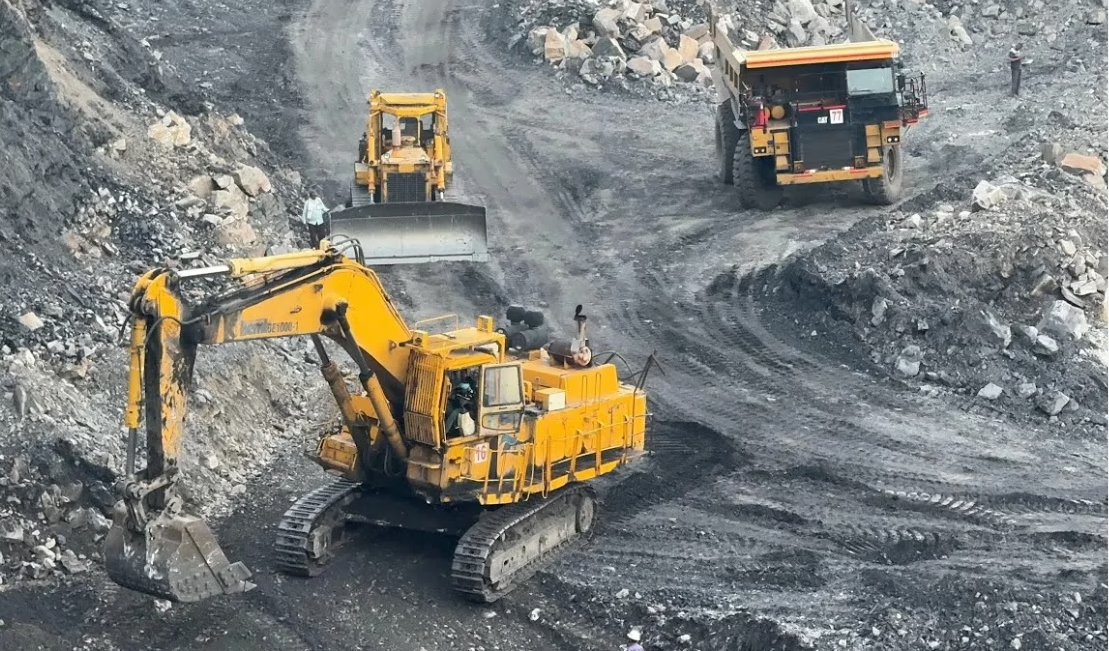
Mining operations in extreme high-altitude environments such as the Andes Mountains and the Tibetan Plateau present unique challenges for electrical cable systems. At elevations around 4000 meters (13,123 feet) above sea level, reduced atmospheric pressure significantly affects the thermal performance and current-carrying capacity of power cables. This technical document provides engineering guidance on proper cable derating calculations for mining installations operating under these demanding conditions. 安第斯山脉和青藏高原等极端高海拔环境中的采矿作业对电缆系统提出了独特挑战。在海拔约4000米处,大气压力降低显著影响电力电缆的热性能和载流能力。本技术文件为在这些苛刻条件下运行的采矿设施提供关于适当电缆降额计算的工程指导。

High Altitude Mining Cable Systems: De-rating Calculations for Operations at 4000m Above Sea Level

Mining operations in extreme high-altitude environments such as the Andes Mountains and the Tibetan Plateau present unique challenges for electrical cable systems. At elevations around 4000 meters (13,123 feet) above sea level, reduced atmospheric pressure significantly affects the thermal performance and current-carrying capacity of power cables. This technical document provides engineering guidance on proper cable derating calculations for mining installations operating under these demanding conditions. 安第斯山脉和青藏高原等极端高海拔环境中的采矿作业对电缆系统提出了独特挑战。在海拔约4000米处,大气压力降低显著影响电力电缆的热性能和载流能力。本技术文件为在这些苛刻条件下运行的采矿设施提供关于适当电缆降额计算的工程指导。