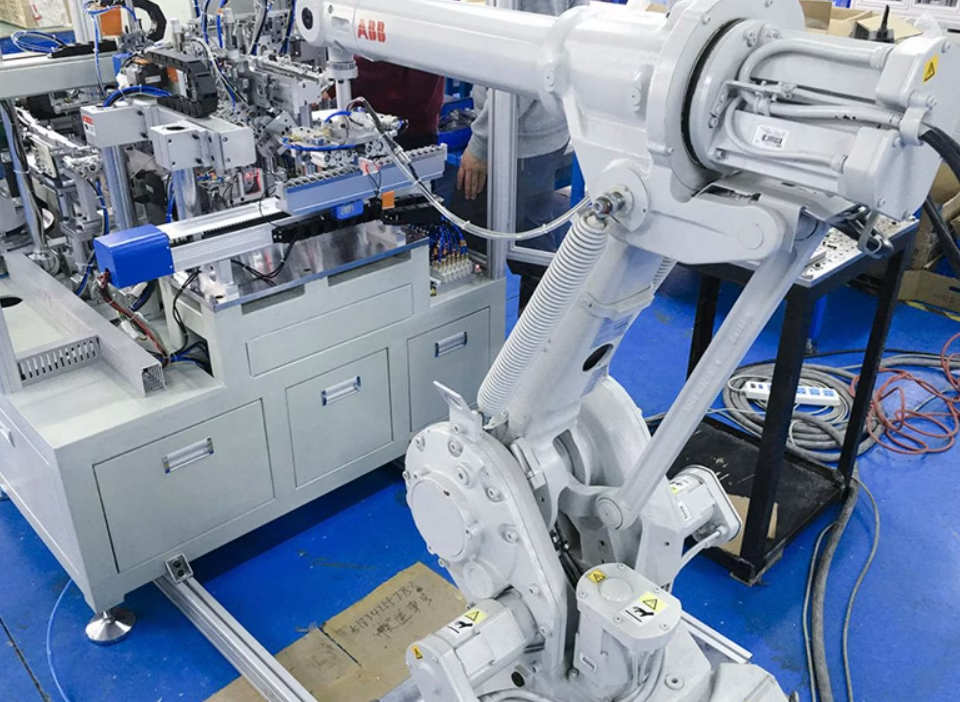
shielded drag chain cable

Electromagnetic compatibility shielding is one of the most misunderstood concepts in industrial cable specification, because understanding it requires integrating knowledge from physics, electrical engineering, materials science, and practical manufacturing. Let me build your understanding of this critical topic from first principles, starting with the fundamental question: what problem does shielding actually solve? In industrial factories, electrical equipment generates electromagnetic noise constantly. Variable frequency drives (VFDs) switching high current on and off create radio-frequency interference. Motors create electromagnetic fields as magnetic flux patterns change. Welding equipment creates severe high-frequency noise. Radio frequency heating systems generate intense electromagnetic energy. This electromagnetic energy radiates outward from all these equipment sources, filling the factory air with invisible electromagnetic waves traveling at the speed of light. Now imagine control cables routed through this electrically noisy environment—cables carrying sensitive information such as sensor measurements, position feedback from encoders, or safety interlock status. When this unshielded cable passes through the electromagnetic noise field, the noise energy couples directly onto the conductor wires inside the cable. The effect is like trying to hear someone whisper in a crowded, loud nightclub—the noise overwhelms the desired signal. A shielded cable solves this problem by surrounding the inner conductors with a conductive barrier—a braid of copper wires—that intercepts the electromagnetic noise before it can couple onto the signal conductors. The shielding acts like a physical wall, or more precisely, like a Faraday cage (a complete electrical enclosure that blocks external electromagnetic fields). However, a Faraday cage is only effective if it has complete coverage—if there are gaps, electromagnetic energy penetrates through the gaps and reaches the inner contents. This is precisely why braid coverage percentage matters so profoundly: it directly determines whether the shielding provides near-complete electromagnetic protection or whether gaps allow significant noise penetration. A cable with 50 percent braid coverage has gaps that allow substantial electromagnetic energy to penetrate. A cable with 85 percent braid coverage has much smaller gaps that allow minimal penetration. The coverage percentage directly determines the shielding effectiveness, measured in decibels, which quantifies how much electromagnetic interference is blocked. Understanding this relationship—how coverage percentage translates into shielding effectiveness—is essential for electrical engineers selecting cables and designing systems that will operate reliably in electromagnetically noisy environments.
EMC Shielding Specs: Tinned Copper Braid Coverage on LAPP ÖLFLEX FD 855 CP 36G0.75

Electromagnetic compatibility shielding is one of the most misunderstood concepts in industrial cable specification, because understanding it requires integrating knowledge from physics, electrical engineering, materials science, and practical manufacturing. Let me build your understanding of this critical topic from first principles, starting with the fundamental question: what problem does shielding actually solve? In industrial factories, electrical equipment generates electromagnetic noise constantly. Variable frequency drives (VFDs) switching high current on and off create radio-frequency interference. Motors create electromagnetic fields as magnetic flux patterns change. Welding equipment creates severe high-frequency noise. Radio frequency heating systems generate intense electromagnetic energy. This electromagnetic energy radiates outward from all these equipment sources, filling the factory air with invisible electromagnetic waves traveling at the speed of light. Now imagine control cables routed through this electrically noisy environment—cables carrying sensitive information such as sensor measurements, position feedback from encoders, or safety interlock status. When this unshielded cable passes through the electromagnetic noise field, the noise energy couples directly onto the conductor wires inside the cable. The effect is like trying to hear someone whisper in a crowded, loud nightclub—the noise overwhelms the desired signal. A shielded cable solves this problem by surrounding the inner conductors with a conductive barrier—a braid of copper wires—that intercepts the electromagnetic noise before it can couple onto the signal conductors. The shielding acts like a physical wall, or more precisely, like a Faraday cage (a complete electrical enclosure that blocks external electromagnetic fields). However, a Faraday cage is only effective if it has complete coverage—if there are gaps, electromagnetic energy penetrates through the gaps and reaches the inner contents. This is precisely why braid coverage percentage matters so profoundly: it directly determines whether the shielding provides near-complete electromagnetic protection or whether gaps allow significant noise penetration. A cable with 50 percent braid coverage has gaps that allow substantial electromagnetic energy to penetrate. A cable with 85 percent braid coverage has much smaller gaps that allow minimal penetration. The coverage percentage directly determines the shielding effectiveness, measured in decibels, which quantifies how much electromagnetic interference is blocked. Understanding this relationship—how coverage percentage translates into shielding effectiveness—is essential for electrical engineers selecting cables and designing systems that will operate reliably in electromagnetically noisy environments.
A high-flex control cable is a specialized electrical cable designed to carry low-voltage control signals, sensor data, and feedback information in industrial automation equipment that requires mechanical flexibility for repeated bending and flexing. Unlike power cables that carry large amounts of electrical energy with relatively straightforward requirements, control cables face a different set of engineering challenges: they must maintain signal integrity (the accuracy and clarity of transmitted information) while navigating tight curves in drag chain systems, remain flexible enough to route through space-constrained equipment, and do so at a cost point that makes equipment economically viable for manufacturers and end users. The cost dimension is fundamentally important because control cables represent a significant portion of bill-of-materials cost in industrial automation equipment, especially when a single machine might require dozens of separate control cable runs for sensors, positioning systems, safety interlocks, and feedback mechanisms. Equipment manufacturers constantly seek cost-effective solutions that maintain necessary performance while reducing material expenses. The LAPP ÖLFLEX FD CLASSIC 810 CY 12G1 cable represents a carefully engineered balance point in this cost-performance spectrum: it delivers the essential high-flex capabilities and EMC shielding required for reliable control signal transmission while utilizing material selections and conductor geometries that keep cost significantly lower than premium servo or power cables. Understanding how to specify this cable appropriately, and how to evaluate cost-effective alternatives, enables equipment designers to reduce equipment cost without compromising reliability or performance. This is the practical reality of industrial engineering: making tradeoff decisions that deliver acceptable performance at sustainable cost. The ÖLFLEX FD CLASSIC 810 CY cable is specifically engineered to excel in this practical middle ground between maximum performance and minimum cost.

High-Flex Control Cable Alternative: Cost-Saving Replacement for LAPP ÖLFLEX FD CLASSIC 810 CY 12G1

A high-flex control cable is a specialized electrical cable designed to carry low-voltage control signals, sensor data, and feedback information in industrial automation equipment that requires mechanical flexibility for repeated bending and flexing. Unlike power cables that carry large amounts of electrical energy with relatively straightforward requirements, control cables face a different set of engineering challenges: they must maintain signal integrity (the accuracy and clarity of transmitted information) while navigating tight curves in drag chain systems, remain flexible enough to route through space-constrained equipment, and do so at a cost point that makes equipment economically viable for manufacturers and end users. The cost dimension is fundamentally important because control cables represent a significant portion of bill-of-materials cost in industrial automation equipment, especially when a single machine might require dozens of separate control cable runs for sensors, positioning systems, safety interlocks, and feedback mechanisms. Equipment manufacturers constantly seek cost-effective solutions that maintain necessary performance while reducing material expenses. The LAPP ÖLFLEX FD CLASSIC 810 CY 12G1 cable represents a carefully engineered balance point in this cost-performance spectrum: it delivers the essential high-flex capabilities and EMC shielding required for reliable control signal transmission while utilizing material selections and conductor geometries that keep cost significantly lower than premium servo or power cables. Understanding how to specify this cable appropriately, and how to evaluate cost-effective alternatives, enables equipment designers to reduce equipment cost without compromising reliability or performance. This is the practical reality of industrial engineering: making tradeoff decisions that deliver acceptable performance at sustainable cost. The ÖLFLEX FD CLASSIC 810 CY cable is specifically engineered to excel in this practical middle ground between maximum performance and minimum cost.