salt spray resistant cables

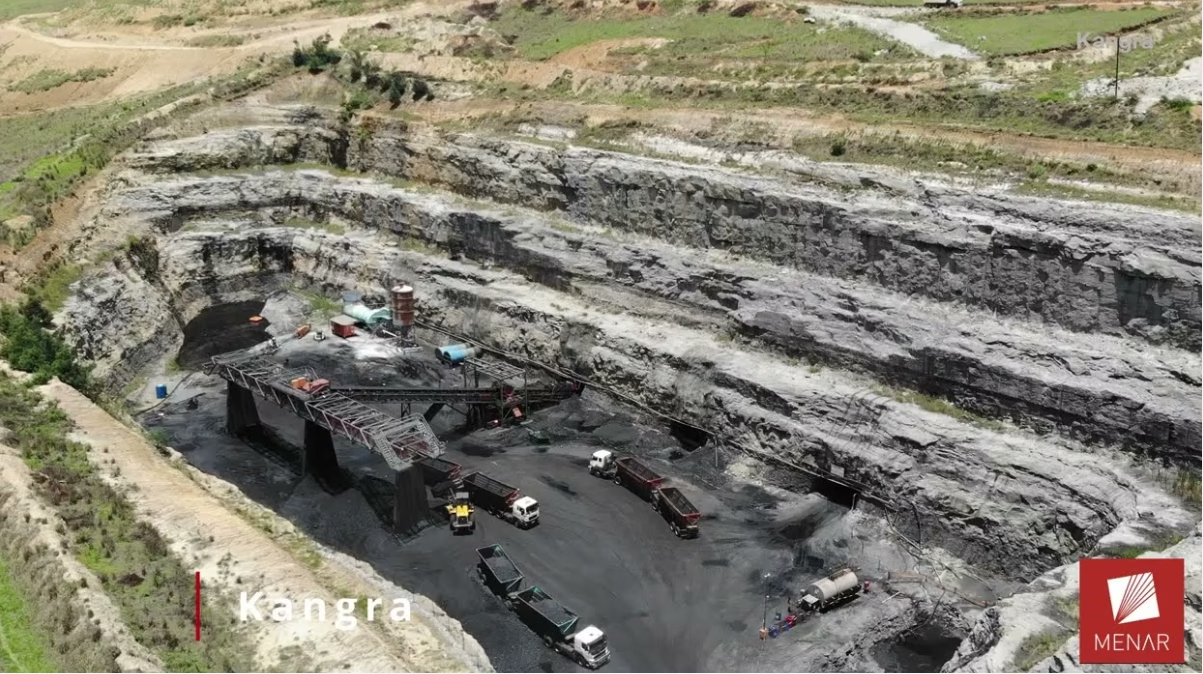
Potash and salt mining operations present one of the most chemically aggressive environments for electrical infrastructure. Unlike conventional mining operations where mechanical wear dominates cable failure modes, potash mines create a uniquely hostile chemical environment that systematically attacks standard cable materials through multiple corrosion pathways. Understanding why cables fail in these conditions requires examining the specific chemistry of the mining environment and how it interacts with different cable sheath materials. 钾盐矿是世界上最重要的化肥生产基地,但同时也是电缆系统面临最严峻腐蚀环境的场所之一。Potash mines are among the world's most important fertilizer production sites, but they also present one of the most severe corrosive environments for cable systems. The high chloride content, combined with moisture, hydrogen sulfide, and elevated temperatures, creates conditions that rapidly degrade standard rubber cable sheaths

Potash & Salt Mines: Why Standard Rubber Cables Fail and How to Choose Corrosion Resistant Sheaths

Potash and salt mining operations present one of the most chemically aggressive environments for electrical infrastructure. Unlike conventional mining operations where mechanical wear dominates cable failure modes, potash mines create a uniquely hostile chemical environment that systematically attacks standard cable materials through multiple corrosion pathways. Understanding why cables fail in these conditions requires examining the specific chemistry of the mining environment and how it interacts with different cable sheath materials. 钾盐矿是世界上最重要的化肥生产基地,但同时也是电缆系统面临最严峻腐蚀环境的场所之一。Potash mines are among the world’s most important fertilizer production sites, but they also present one of the most severe corrosive environments for cable systems. The high chloride content, combined with moisture, hydrogen sulfide, and elevated temperatures, creates conditions that rapidly degrade standard rubber cable sheaths
Port crane operations demand robust electrical infrastructure capable of withstanding harsh marine environments, continuous mechanical stress, and high-speed travel requirements. The selection between NGFLGÖU unscreened flat festoon cable and NGFLCGÖU screened flat festoon cable represents a critical engineering decision that impacts operational reliability, electromagnetic compatibility, maintenance intervals, and total cost of ownership. This technical comparison evaluates both cable types across multiple performance parameters specific to container handling equipment, ship-to-shore cranes, rubber-tired gantry cranes, and automated stacking cranes operating in modern port terminals.

NGFLGÖU vs. NGFLCGÖU: Which Flat Cable is Superior for High-Speed Festoon Systems in Ports?

Port crane operations demand robust electrical infrastructure capable of withstanding harsh marine environments, continuous mechanical stress, and high-speed travel requirements. The selection between NGFLGÖU unscreened flat festoon cable and NGFLCGÖU screened flat festoon cable represents a critical engineering decision that impacts operational reliability, electromagnetic compatibility, maintenance intervals, and total cost of ownership. This technical comparison evaluates both cable types across multiple performance parameters specific to container handling equipment, ship-to-shore cranes, rubber-tired gantry cranes, and automated stacking cranes operating in modern port terminals.