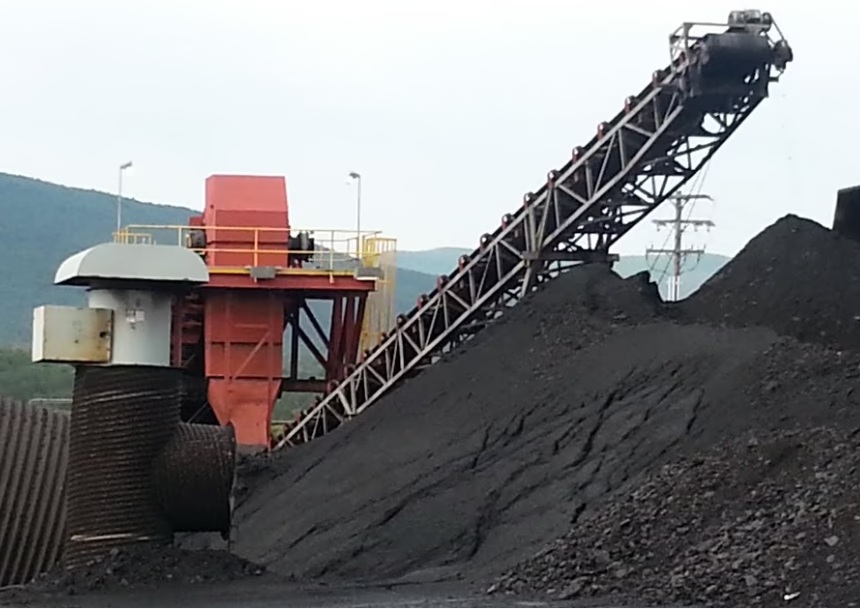
permafrost cable laying

Arctic mining operations in Canada and Russia represent some of the most challenging environments for electrical infrastructure. With temperatures regularly plummeting to -50°C (-58°F) or lower, standard cables suffer from critical failures including sheath cracking, insulation brittleness, and loss of flexibility. (加拿大和俄罗斯的北极采矿作业代表着电气基础设施面临的最具挑战性的环境。温度经常降至-50°C或更低,标准电缆会出现护套开裂、绝缘层脆化和失去柔韧性等严重故障。) The Arctic region contains significant mineral deposits, with Russia producing approximately 80% of its oil and 90% of its gas in high northern latitudes, while Canada continues to develop major mining projects including iron ore deposits 300 miles inside the Arctic Circle. (北极地区蕴藏着大量矿产资源,俄罗斯在高纬度北部地区生产约80%的石油和90%的天然气,而加拿大继续开发位于北极圈内300英里处的大型铁矿项目。)

Arctic Mining Cables for Extreme Cold Environments

Arctic mining operations in Canada and Russia represent some of the most challenging environments for electrical infrastructure. With temperatures regularly plummeting to -50°C (-58°F) or lower, standard cables suffer from critical failures including sheath cracking, insulation brittleness, and loss of flexibility. (加拿大和俄罗斯的北极采矿作业代表着电气基础设施面临的最具挑战性的环境。温度经常降至-50°C或更低,标准电缆会出现护套开裂、绝缘层脆化和失去柔韧性等严重故障。) The Arctic region contains significant mineral deposits, with Russia producing approximately 80% of its oil and 90% of its gas in high northern latitudes, while Canada continues to develop major mining projects including iron ore deposits 300 miles inside the Arctic Circle. (北极地区蕴藏着大量矿产资源,俄罗斯在高纬度北部地区生产约80%的石油和90%的天然气,而加拿大继续开发位于北极圈内300英里处的大型铁矿项目。)
Executive Summary: As global resource extraction expands into Arctic and subarctic regions, electrical infrastructure must withstand temperatures that regularly plunge below -40°C. The (N)TSCGEWÖU cable family represents specialized medium-voltage flexible cables engineered specifically for extreme mechanical and environmental stresses in mining, drilling, and tunneling operations. Understanding cold impact ratings and temperature performance specifications is critical for project engineers, procurement specialists, and operations managers working on Siberian oil and gas projects, Arctic mining operations, and other extreme cold installations. This comprehensive guide examines the technical requirements, testing standards, and material considerations essential for cable selection in environments where standard cables would fail catastrophically. 执行摘要:随着全球资源开采扩展到北极和亚北极地区,电气基础设施必须承受经常低于-40°C的温度。(N)TSCGEWÖU电缆系列代表专门为采矿、钻探和隧道作业中的极端机械和环境应力而设计的中压柔性电缆。了解冷冲击等级和温度性能规格对于从事西伯利亚油气项目、北极采矿作业和其他极冷装置的项目工程师、采购专家和运营管理人员至关重要。

Understanding “Cold Impact” Ratings: (N)TSCGEWÖU Cables for -40°C Siberian Projects

Executive Summary: As global resource extraction expands into Arctic and subarctic regions, electrical infrastructure must withstand temperatures that regularly plunge below -40°C. The (N)TSCGEWÖU cable family represents specialized medium-voltage flexible cables engineered specifically for extreme mechanical and environmental stresses in mining, drilling, and tunneling operations. Understanding cold impact ratings and temperature performance specifications is critical for project engineers, procurement specialists, and operations managers working on Siberian oil and gas projects, Arctic mining operations, and other extreme cold installations. This comprehensive guide examines the technical requirements, testing standards, and material considerations essential for cable selection in environments where standard cables would fail catastrophically. 执行摘要:随着全球资源开采扩展到北极和亚北极地区,电气基础设施必须承受经常低于-40°C的温度。(N)TSCGEWÖU电缆系列代表专门为采矿、钻探和隧道作业中的极端机械和环境应力而设计的中压柔性电缆。了解冷冲击等级和温度性能规格对于从事西伯利亚油气项目、北极采矿作业和其他极冷装置的项目工程师、采购专家和运营管理人员至关重要。