oil resistant cables

Flexible rubber cables represent a critical category of industrial power transmission cables specifically engineered for demanding applications requiring exceptional mechanical flexibility combined with robust environmental protection. These cables utilize synthetic rubber insulation and sheathing materials to deliver superior performance in mobile equipment, submersible pumps, generators, and industrial machinery operating under harsh conditions. According to the International Electrotechnical Commission standard IEC 60245, rubber insulated cables are designed for use in power installations operating at nominal voltages up to and including 450/750V, with specialized constructions available for 0.6/1kV applications requiring enhanced durability. 柔性橡胶电缆代表了工业电力传输电缆的关键类别,专门设计用于需要卓越机械柔韧性与强大环境保护相结合的苛刻应用。这些电缆采用合成橡胶绝缘和护套材料,在移动设备、潜水泵、发电机和在恶劣条件下运行的工业机械中提供卓越性能。
Top Cable Xtrem DN-F Alternative: High Performance Rubber Cables for Pumps & Generators

Flexible rubber cables represent a critical category of industrial power transmission cables specifically engineered for demanding applications requiring exceptional mechanical flexibility combined with robust environmental protection. These cables utilize synthetic rubber insulation and sheathing materials to deliver superior performance in mobile equipment, submersible pumps, generators, and industrial machinery operating under harsh conditions. According to the International Electrotechnical Commission standard IEC 60245, rubber insulated cables are designed for use in power installations operating at nominal voltages up to and including 450/750V, with specialized constructions available for 0.6/1kV applications requiring enhanced durability. 柔性橡胶电缆代表了工业电力传输电缆的关键类别,专门设计用于需要卓越机械柔韧性与强大环境保护相结合的苛刻应用。这些电缆采用合成橡胶绝缘和护套材料,在移动设备、潜水泵、发电机和在恶劣条件下运行的工业机械中提供卓越性能。
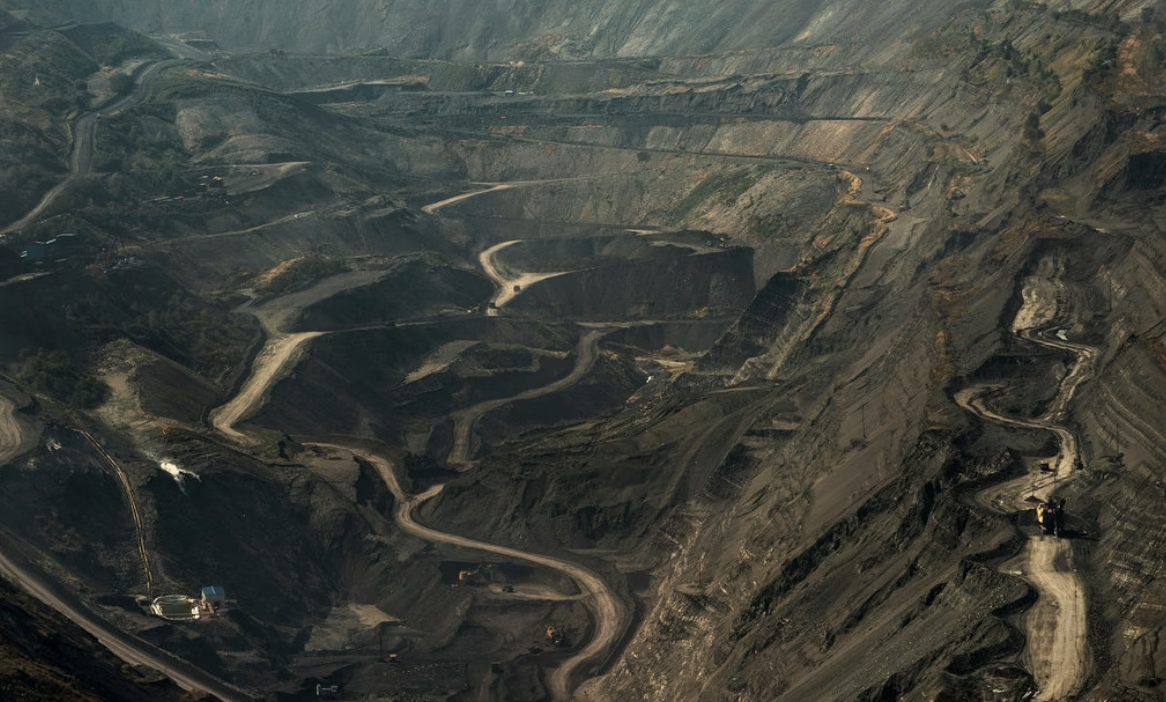
Arctic mining operations in Canada and Russia represent some of the most challenging environments for electrical infrastructure. With temperatures regularly plummeting to -50°C (-58°F) or lower, standard cables suffer from critical failures including sheath cracking, insulation brittleness, and loss of flexibility. (加拿大和俄罗斯的北极采矿作业代表着电气基础设施面临的最具挑战性的环境。温度经常降至-50°C或更低,标准电缆会出现护套开裂、绝缘层脆化和失去柔韧性等严重故障。) The Arctic region contains significant mineral deposits, with Russia producing approximately 80% of its oil and 90% of its gas in high northern latitudes, while Canada continues to develop major mining projects including iron ore deposits 300 miles inside the Arctic Circle. (北极地区蕴藏着大量矿产资源,俄罗斯在高纬度北部地区生产约80%的石油和90%的天然气,而加拿大继续开发位于北极圈内300英里处的大型铁矿项目。)

Arctic Mining Cables for Extreme Cold Environments

Arctic mining operations in Canada and Russia represent some of the most challenging environments for electrical infrastructure. With temperatures regularly plummeting to -50°C (-58°F) or lower, standard cables suffer from critical failures including sheath cracking, insulation brittleness, and loss of flexibility. (加拿大和俄罗斯的北极采矿作业代表着电气基础设施面临的最具挑战性的环境。温度经常降至-50°C或更低,标准电缆会出现护套开裂、绝缘层脆化和失去柔韧性等严重故障。) The Arctic region contains significant mineral deposits, with Russia producing approximately 80% of its oil and 90% of its gas in high northern latitudes, while Canada continues to develop major mining projects including iron ore deposits 300 miles inside the Arctic Circle. (北极地区蕴藏着大量矿产资源,俄罗斯在高纬度北部地区生产约80%的石油和90%的天然气,而加拿大继续开发位于北极圈内300英里处的大型铁矿项目。)