LHD vehicle cable

The selection of appropriate submersible pump cables for acidic mine water dewatering applications represents a critical engineering decision that directly impacts operational safety, equipment longevity, and maintenance costs. While Type 441 cables may appear suitable for general submersible pump applications, the harsh chemical environment of acidic mine water typically necessitates the use of specialized EPR (Ethylene Propylene Rubber) or CSP (Chlorosulfonated Polyethylene) insulated cables specifically engineered for corrosive conditions. 为酸性矿井水脱水应用选择合适的潜水泵电缆是一项关键的工程决策,直接影响运行安全、设备寿命和维护成本。虽然441型电缆可能适用于一般潜水泵应用,但酸性矿井水的恶劣化学环境通常需要使用专门设计用于腐蚀性条件的EPR(乙丙橡胶)或CSP(氯磺化聚乙烯)绝缘电缆。

TUNNELFLEX-R-PUR HF with Antitwisting Protection 1 KV

TUNNELFLEX-R-PUR HF represents a specialized category of halogen-free, flame-retardant flexible power cables engineered specifically for the demanding requirements of underground mining and tunneling operations. This cable combines advanced polyurethane (PUR) sheathing technology with integrated antitwisting protection to deliver exceptional mechanical durability, environmental resistance, and most importantly, enhanced safety through its halogen-free construction that significantly reduces toxic gas emissions during fire incidents. TUNNELFLEX-R-PUR HF电缆是专为地下采矿和隧道作业的苛刻要求而设计的无卤阻燃柔性电力电缆。该电缆结合了先进的聚氨酯护套技术和集成的防扭转保护,提供卓越的机械耐久性、环境抵抗力,以及通过无卤结构在火灾事故中显著减少有毒气体排放的增强安全性。
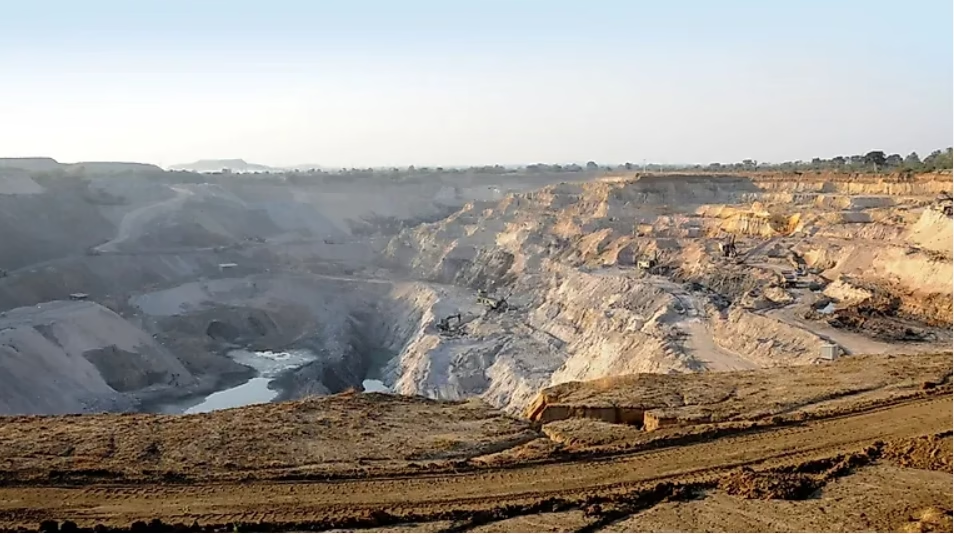
When international cable manufacturers consider entering the Colombian market, particularly for mining applications, they encounter a comprehensive regulatory framework that may initially seem complex but serves a vital purpose. The Reglamento Técnico de Instalaciones Eléctricas, universally known by its Spanish acronym RETIE, represents Colombia's mandatory technical regulation governing all electrical installations and products. 当国际电缆制造商考虑进入哥伦比亚市场时,特别是针对矿业应用,他们会遇到一个全面的监管框架 Understanding RETIE is not merely a bureaucratic exercise but rather the foundation for successfully participating in one of South America's most dynamic electrical markets.

TROMMELFLEX-M-PUR D2X11Y I 1 KV

TROMMELFLEX-M-PUR represents a specialized class of flexible low voltage reeling cables engineered specifically for underground mining and tunnelling operations. This cable features optimized dimensions and incorporates a flame retardant, halogen-free polyurethane outer sheath, making it particularly suitable for demanding industrial environments where both mechanical durability and safety are paramount. The cable’s design addresses the unique challenges encountered in mining applications, where equipment must withstand frequent dynamic loads, abrasive conditions, and the rigorous demands of continuous reeling operations on drilling machines, scoops, and load-haul-dump vehicles. 卷筒柔性电缆专为地下采矿和隧道设备设计,具有优化的尺寸和阻燃无卤聚氨酯外护套。该电缆适用于钻机、铲运机和装载设备的频繁动态负载和卷筒操作。
Hard-rock mining operations present some of the most severe mechanical challenges for cable materials in any industrial environment. Unlike coal mining where the surrounding geology consists of relatively softer sedimentary rock formations, hard-rock mining for metals such as gold, copper, platinum, iron ore, and other valuable minerals involves working with extremely abrasive geological materials. Granite, basalt, quartzite, and metamorphic rocks create an environment where cables are constantly subjected to cutting, gouging, and grinding forces that can rapidly destroy inadequately protected cable sheaths.1 硬岩采矿作业对电缆材料在任何工业环境中都提出了一些最严峻的机械挑战。与煤矿开采周围地质由相对较软的沉积岩层组成不同,开采金、铜、铂、铁矿石和其他贵重矿物的硬岩采矿涉及与极具磨蚀性的地质材料一起工作。

PUR/Polyurethane Sheath vs 5GM3 Rubber: Material Comparison for Abrasive Hard-Rock Mining

Hard-rock mining operations present some of the most severe mechanical challenges for cable materials in any industrial environment. Unlike coal mining where the surrounding geology consists of relatively softer sedimentary rock formations, hard-rock mining for metals such as gold, copper, platinum, iron ore, and other valuable minerals involves working with extremely abrasive geological materials. Granite, basalt, quartzite, and metamorphic rocks create an environment where cables are constantly subjected to cutting, gouging, and grinding forces that can rapidly destroy inadequately protected cable sheaths.1 硬岩采矿作业对电缆材料在任何工业环境中都提出了一些最严峻的机械挑战。与煤矿开采周围地质由相对较软的沉积岩层组成不同,开采金、铜、铂、铁矿石和其他贵重矿物的硬岩采矿涉及与极具磨蚀性的地质材料一起工作。
Type 440 reeling cables represent a critical component in mining and industrial power distribution systems, specifically designed for flexible trailing applications according to AS/NZS 2802:2000 standards. These metal-screened power cables feature three pilot cores and operate across voltage ratings from 1.1 kilovolts to 11 kilovolts, supplying reliable electrical power to mobile mining equipment such as draglines, excavators, and materials handling machinery. Despite their robust construction with EPR insulation and high abrasion resistance, these cables remain vulnerable to a particularly destructive failure mode known as corkscrewing, which can compromise both electrical performance and mechanical integrity during operation.

How does “Corkscrewing” destroy Type 440 reeling cables, and how to prevent it during installation?

Type 440 reeling cables represent a critical component in mining and industrial power distribution systems, specifically designed for flexible trailing applications according to AS/NZS 2802:2000 standards. These metal-screened power cables feature three pilot cores and operate across voltage ratings from 1.1 kilovolts to 11 kilovolts, supplying reliable electrical power to mobile mining equipment such as draglines, excavators, and materials handling machinery. Despite their robust construction with EPR insulation and high abrasion resistance, these cables remain vulnerable to a particularly destructive failure mode known as corkscrewing, which can compromise both electrical performance and mechanical integrity during operation.
Mining operations worldwide face a critical procurement decision when selecting medium voltage reeling and trailing cables for mobile equipment such as excavators, draglines, and continuous miners. The choice between premium brand-name cables like PROTOLON and generic alternatives conforming to the same NTSCGEWÖU specification represents a significant investment decision with long-term operational and safety implications.

PROTOLON (Proprietary) vs. Generic NTSCGEWÖU: Is the Premium Price for Brand-Name Mining Cables Justified?

Mining operations worldwide face a critical procurement decision when selecting medium voltage reeling and trailing cables for mobile equipment such as excavators, draglines, and continuous miners. The choice between premium brand-name cables like PROTOLON and generic alternatives conforming to the same NTSCGEWÖU specification represents a significant investment decision with long-term operational and safety implications.
(N)TMCGEWÖU and reeling cables designated (N)TSCGEWÖU represents more than nomenclature. These cable types embody fundamentally different engineering approaches to managing mechanical stress, electrical performance, and operational reliability. While both cables conform to DIN VDE 0250 Part 813 standards and share similar voltage ratings from 3.6/6 kV to 18/30 kV, their construction reflects distinct design philosophies optimized for specific movement patterns and stress profiles. 在中压矿用电缆应用中,(N)TMCGEWÖU拖曳电缆和(N)TSCGEWÖU卷筒电缆之间的区别不仅仅是命名差异。这些电缆类型体现了管理机械应力、电气性能和运行可靠性的根本不同的工程方法。

(N)TMCGEWÖU vs. (N)TSCGEWÖU: Can I use a Medium Voltage Trailing cable for a Reeling application?

(N)TMCGEWÖU and reeling cables designated (N)TSCGEWÖU represents more than nomenclature. These cable types embody fundamentally different engineering approaches to managing mechanical stress, electrical performance, and operational reliability. While both cables conform to DIN VDE 0250 Part 813 standards and share similar voltage ratings from 3.6/6 kV to 18/30 kV, their construction reflects distinct design philosophies optimized for specific movement patterns and stress profiles. 在中压矿用电缆应用中,(N)TMCGEWÖU拖曳电缆和(N)TSCGEWÖU卷筒电缆之间的区别不仅仅是命名差异。这些电缆类型体现了管理机械应力、电气性能和运行可靠性的根本不同的工程方法。
BS6708, mining cable, quarry cable, trailing cable, EPR cable, SWA cable, coal cutter cable, excavator cable, 礦用電纜, 採石場電纜, 拖曳電纜

What is BS6708 Cable?

British Standard BS6708 sets out the requirements for flexible trailing cables where used in mining operations and quarries. These cables are often referred to as trailing cables, quarry cables, or auxiliary cables and have applications with a wide range of dynamic mining equipment including excavators, coal-cutters, crushing machines, and shuttle cars. flexible trailing cable, mine cable, EPR mining cable, SWA mining cable, chloroprene cable, coal cutter cable, excavator cable, shuttle car cable, crushing machine cable, coal face cable, Type 7 mining cable, Type 7M cable, Type 7S cable, Type 11 cable, Type 20 cable, Type 21 cable, Type 307 cable, Type 331 cable, Type 621 cable, Type 631 cable, 640/1100V mining cable, 1.9/3.3kV mining cable
TYPE 260 Heavy-Duty Mining Cable: Comprehensive Technical Analysis

TYPE 260 Heavy-Duty Mining Cable: Comprehensive Technical Analysis

TYPE 260 mining cable represents a pinnacle of engineering excellence in the domain of heavy-duty electrical power transmission for mining operations. This pliable armoured cable, designed in strict accordance with Australian and New Zealand standards AS/NZS 1802:2003 and AS/NZS 2802:2000, serves as a critical feeder cable in demanding mining environments where exceptional impact resistance and mechanical durability are paramount operational requirements.
Polish Mining Cable

What is YHKGXSekyn, YHKGXSekFtZnyn, YHKGXSekFtyn, YHKGXSekFitlyn, YHKGXSekFoyn, and YHKGXSekFpyn Polish Mining Cable ?

Polish Mining Cable Code Designation System represents a comprehensive nomenclature standard used extensively throughout European mining operations, particularly in Poland’s extensive coal, copper, and mineral extraction industries. This systematic coding methodology enables engineers and procurement specialists to precisely specify cable configurations through alphanumeric designations that encode critical construction parameters, material specifications, and performance characteristics.