high voltage cable splicing

A pilot core is a small-diameter, individually insulated conductor that runs the full length of a Type 3S mining cable alongside the power conductors and earth cores. Its purpose is to carry a low-voltage supervisory signal from the substation to the remote equipment and back, allowing a monitoring relay at the substation to continuously verify that the cable's earth return path (the path through which fault currents flow to ground) remains intact and unbroken. In a Type 3S 6.6kV 3x150mm² cable, the pilot core is typically 10–25 mm² in cross-sectional area (much smaller than the 150 mm² power conductors), has its own color-coded insulation to distinguish it from the two earth cores, and is the critical difference that transforms a cable from simple power delivery (Type 2S) into a safety-monitored system (Type 3S). For equipment like continuous miners, pump stations, or large longwall systems that operate far from direct visual supervision, the pilot core provides the electrical equivalent of a "safety tether"—if that tether breaks, the system knows immediately and can shut down before a dangerous fault condition develops.

Earth Fault Monitoring: Identifying Pilot Cores in Type 3S 6.6kV 3x150mm² Feeder Cables

AS/NZS 1972, AS/NZS 1972 Type 3S, Type 3S cable, Type 3S 6.6kV, 6.6kV mining cable, earth fault monitoring mining, earth continuity monitoring, pilot core identification, 3x150mm2 mining cable, 150mm2 6.6kV cable, AS/NZS 2081, AS/NZS mining standards, underground coal mine cable, SWA mining cable, individual screen cable, XLPE insulated mining cable, medium voltage mining cable, mine power feeder, electrical safety mining, earth return path, interstitial pilot core, 300 MCM mining cable, AWG equivalent mining cable, cable outer diameter, mining cable copper weight, 6.6kV ampacity, cable selection mining, mine substation feeder, electrical engineering mining, Prysmian mining cable, Olex Type 3S, earth fault relay, mining cable specifications, semi-fixed mining cable, flame retardant PVC sheath, heavy duty mine cable, AS/NZS 1972 vs Type 2S, cable cross section 150mm2, pilot circuit monitoring, high voltage cable splicing, mining cable termination, earth core sizing, short circuit rating mining, mining infrastructure electrical, AS/NZS 3008 ampacity, underground equipment power supply, machine cable underground, mining cable technical data, fault protection mining, pilot wire relay
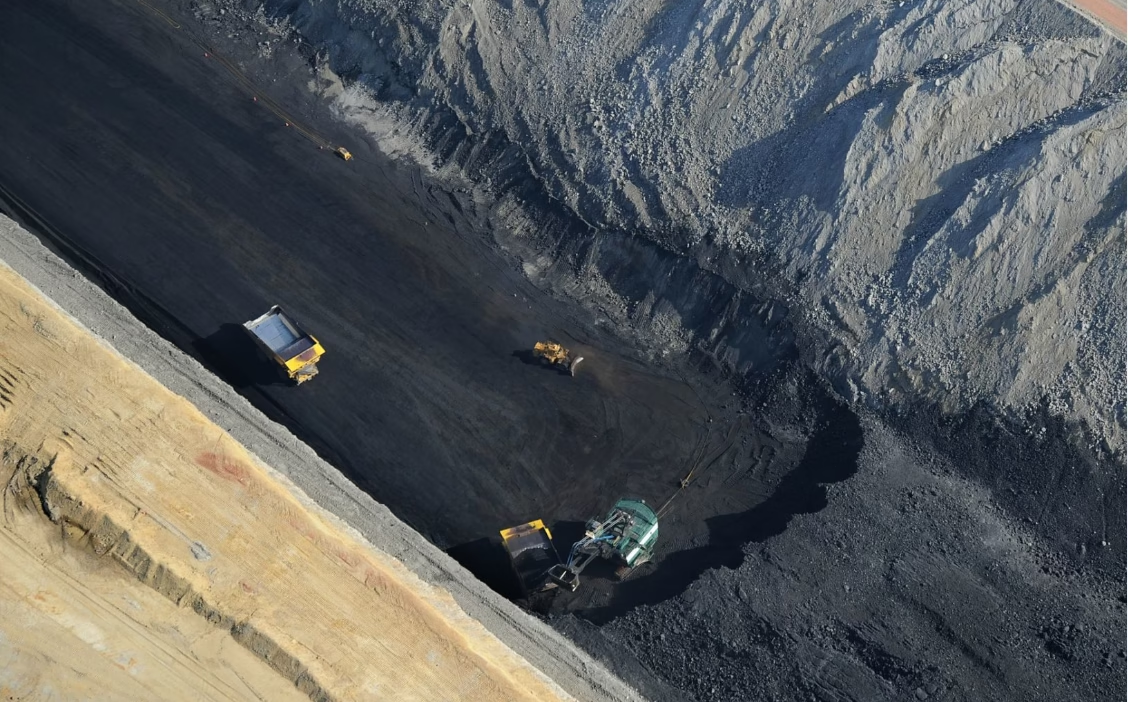
Underground mining operations require strict adherence to Mine Safety and Health Administration (MSHA) regulations for cable repair and splicing to ensure worker safety and equipment reliability. The distinction between permanent and temporary cable repairs is critical, as improper splicing is a leading cause of electrical hazards in mining environments. This technical guide examines the regulatory framework under Title 30 Code of Federal Regulations (CFR), specifically addressing trailing cable splice requirements for underground coal and metal/nonmetal mines. 地下采矿作业必须严格遵守矿山安全与健康管理局(MSHA)的电缆修复和接线规定,以确保工人安全和设备可靠性。永久性和临时性电缆修复之间的区别至关重要,因为不当的接线是采矿环境中电气危险的主要原因。本技术指南研究了《联邦法规》第30篇(CFR)下的监管框架,特别针对地下煤矿和金属/非金属矿山的拖曳电缆接线要求。

MSHA Splice Kits: Rules for Permanent vs. Temporary Cable Repairs Underground

Underground mining operations require strict adherence to Mine Safety and Health Administration (MSHA) regulations for cable repair and splicing to ensure worker safety and equipment reliability. The distinction between permanent and temporary cable repairs is critical, as improper splicing is a leading cause of electrical hazards in mining environments. This technical guide examines the regulatory framework under Title 30 Code of Federal Regulations (CFR), specifically addressing trailing cable splice requirements for underground coal and metal/nonmetal mines. 地下采矿作业必须严格遵守矿山安全与健康管理局(MSHA)的电缆修复和接线规定,以确保工人安全和设备可靠性。永久性和临时性电缆修复之间的区别至关重要,因为不当的接线是采矿环境中电气危险的主要原因。本技术指南研究了《联邦法规》第30篇(CFR)下的监管框架,特别针对地下煤矿和金属/非金属矿山的拖曳电缆接线要求。