EPR marine cable

FLEXIFESTOON® NE-FLAT (NGFLGÖU): Advanced High-Flexibility Anti-Salt Fog Port Cable for Maritime Cargo Handling and Marine Automation Systems Feichun's revolutionary FLEXIFESTOON® NE-FLAT NGFLGÖU flat cable combines extreme high-flexibility architecture with marine-grade anti-salt fog protection, engineered specifically for port automation infrastructure, cargo-handling festoon systems, and maritime equipment control requiring superior corrosion resistance and mechanical reliability through thousands of bending cycles in aggressive saltwater environments.

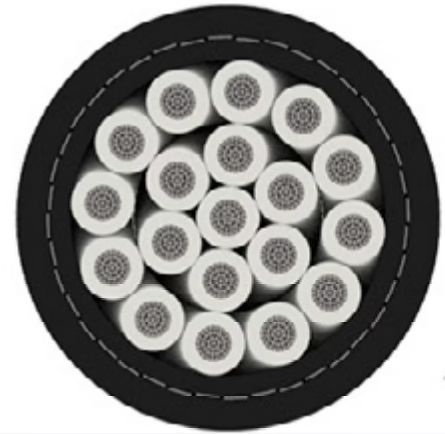
FLAT (NGFLGÖU) UL Reeling Cable

FLEXIFESTOON® NE-FLAT (NGFLGÖU): Advanced High-Flexibility Anti-Salt Fog Port Cable for Maritime Cargo Handling and Marine Automation Systems Feichun’s revolutionary FLEXIFESTOON® NE-FLAT NGFLGÖU flat cable combines extreme high-flexibility architecture with marine-grade anti-salt fog protection, engineered specifically for port automation infrastructure, cargo-handling festoon systems, and maritime equipment control requiring superior corrosion resistance and mechanical reliability through thousands of bending cycles in aggressive saltwater environments.
Feichun FLEXIFESTOON® Marine-Grade Corrosion-Resistant Festoon Cable: Advanced Salt-Fog & Seawater Resistant EPR/PCP Elastomer Architecture (0.6/1 kV Industrial Voltage, −35 to +80°C Coastal Environment Temperature Envelope, Proprietary Dual-Elastomer Architecture with EPR Insulation & Corrosion-Barrier PCP Outer Sheath, Class 5 Flexible Red Copper Conductor per IEC 60228, Tinned Copper EMC Screening for Electromagnetic Interference Suppression, Advanced Chloride-Ion Penetration Suppression Chemistry via Carboxylated Elastomer Additives, Comprehensive Salt-Fog (ASTM B117) and Seawater Immersion (ASTM B368) Resistance, UV/Ozone/Moisture Resistance per DIN VDE 0250-814, Oil-Resistant PCP Elastomer Outer Sheath, Optimized for 240 m/min High-Speed Festoon System Operation, 4×OD Dynamic Bending Radius Across Temperature Envelope, DIN VDE 0482-265-2-1 Flame-Retardant Self-Extinguishing Construction, GOST-R Maritime Standard Certification for CIS Coastal Operations, Optional WUG Approval for Russian Seaboard Applications, RoHS and CE Certification, 30+ SKU Configurations for Cargo Handling Equipment, Ship-Side Power Distribution, Container Terminal Conveyor Systems, Marine Crane Electrification, and Port Automation Infrastructure): Comprehensive Advanced Marine Elastomer Chemistry and Corrosion-Suppression Polymer Architecture Analysis Integrating Chloride-Ion Barrier Technology, Cathodic Protection Material Selection, Electrolytic Corrosion Suppression Mechanisms, Seawater Salt-Crystal Nucleation Prevention, Oxygen-Diffusion Barrier Engineering, Ozone/UV Photodegradation Suppression, EMC Shielding Effectiveness Analysis, and Next-Generation Port Automation System Integration Extreme marine and port automation environments—containerized cargo handling systems (−5°C Arctic dockside to +35°C tropical port infrastructure), ship-side power distribution with simultaneous salt-fog and seawater spray exposure, high-speed festoon conveyors on coastal container terminals (240 m/min operational velocity with continuous 40–60% relative humidity salt-laden air), thermal-shock environments with rapid temperature cycling in humid salt-atmosphere, ship crane electrification with direct seawater mist ingestion, temporary port power installations with extended outdoor exposure (months to years), and cargo vessel galley/engine room cabling with combined moisture/salt/temperature stress—require electrical festoon cabling engineered at the forefront of marine elastomer materials science to simultaneously achieve five competing performance objectives rarely optimized together: mechanical flexibility maintained across 115°C temperature envelope (−35 to +80°C, encompassing Arctic Arctic North Atlantic winter docking to tropical equatorial port operations), cathodic salt-fog suppression through proprietary chloride-ion barrier technology and carboxylated elastomer additives preventing electrochemical corrosion initiation (salt-crystal nucleation sites suppressed via polymer microstructure engineering), seawater immersion resistance through oxygen-diffusion barrier design (PCP elastomer outer sheath limits dissolved O₂ penetration, suppressing galvanic corrosion mechanisms), UV/ozone photodegradation suppression via hindered-amine light stabilizers (HALS) and benzophenone UV absorbers, preventing chain scission in high-altitude tropical ports with intense 300–400 W/m² UV irradiance), and electromagnetic compatibility (EMC) through tinned copper braid shielding, enabling advanced port automation systems with real-time digital control and sensor networks without RF interference. Conventional marine festoon cables sacrifice either flexibility (rigid PVC losing mechanical properties at −35°C cold docking) or corrosion resistance (unshielded PCP elastomer without EMC protection, inadequate for modern automated port systems). FLEXIFESTOON® MARINE represents a breakthrough in coastal elastomer engineering, delivering simultaneous optimization across all five domains through proprietary dual-elastomer architecture combining EPR insulation (superior low-temperature flexibility and moisture resistance) with corrosion-barrier PCP outer sheath (advanced chloride-ion suppression and seawater resistance), Class 5 flexible copper conductor (enabling 4×OD bending throughout extreme temperature range), tinned copper EMC shielding (preventing RF interference in digital port automation), and molecular-level salt-fog suppression chemistry (carboxylated elastomer additives and cathodic protection material selection)—enabling marine engineers, port system designers, and ship electrification specialists to deploy a unified next-generation festoon cable solution across the complete spectrum of coastal, maritime, and port automation environments while simultaneously delivering electromagnetic compatibility for Industry 4.0 automated cargo handling systems and GOST-R/WUG international maritime certification.

FLEXIFESTOON® (N)GRDGCGÖU-J

Feichun FLEXIFESTOON® Marine-Grade Corrosion-Resistant Festoon Cable: Advanced Salt-Fog & Seawater Resistant EPR/PCP Elastomer Architecture (0.6/1 kV Industrial Voltage, −35 to +80°C Coastal Environment Temperature Envelope, Proprietary Dual-Elastomer Architecture with EPR Insulation & Corrosion-Barrier PCP Outer Sheath, Class 5 Flexible Red Copper Conductor per IEC 60228, Tinned Copper EMC Screening for Electromagnetic Interference Suppression, Advanced Chloride-Ion Penetration Suppression Chemistry via Carboxylated Elastomer Additives, Comprehensive Salt-Fog (ASTM B117) and Seawater Immersion (ASTM B368) Resistance, UV/Ozone/Moisture Resistance per DIN VDE 0250-814, Oil-Resistant PCP Elastomer Outer Sheath, Optimized for 240 m/min High-Speed Festoon System Operation, 4×OD Dynamic Bending Radius Across Temperature Envelope, DIN VDE 0482-265-2-1 Flame-Retardant Self-Extinguishing Construction, GOST-R Maritime Standard Certification for CIS Coastal Operations, Optional WUG Approval for Russian Seaboard Applications, RoHS and CE Certification, 30+ SKU Configurations for Cargo Handling Equipment, Ship-Side Power Distribution, Container Terminal Conveyor Systems, Marine Crane Electrification, and Port Automation Infrastructure): Comprehensive Advanced Marine Elastomer Chemistry and Corrosion-Suppression Polymer Architecture Analysis Integrating Chloride-Ion Barrier Technology, Cathodic Protection Material Selection, Electrolytic Corrosion Suppression Mechanisms, Seawater Salt-Crystal Nucleation Prevention, Oxygen-Diffusion Barrier Engineering, Ozone/UV Photodegradation Suppression, EMC Shielding Effectiveness Analysis, and Next-Generation Port Automation System Integration Extreme marine and port automation environments—containerized cargo handling systems (−5°C Arctic dockside to +35°C tropical port infrastructure), ship-side power distribution with simultaneous salt-fog and seawater spray exposure, high-speed festoon conveyors on coastal container terminals (240 m/min operational velocity with continuous 40–60% relative humidity salt-laden air), thermal-shock environments with rapid temperature cycling in humid salt-atmosphere, ship crane electrification with direct seawater mist ingestion, temporary port power installations with extended outdoor exposure (months to years), and cargo vessel galley/engine room cabling with combined moisture/salt/temperature stress—require electrical festoon cabling engineered at the forefront of marine elastomer materials science to simultaneously achieve five competing performance objectives rarely optimized together: mechanical flexibility maintained across 115°C temperature envelope (−35 to +80°C, encompassing Arctic Arctic North Atlantic winter docking to tropical equatorial port operations), cathodic salt-fog suppression through proprietary chloride-ion barrier technology and carboxylated elastomer additives preventing electrochemical corrosion initiation (salt-crystal nucleation sites suppressed via polymer microstructure engineering), seawater immersion resistance through oxygen-diffusion barrier design (PCP elastomer outer sheath limits dissolved O₂ penetration, suppressing galvanic corrosion mechanisms), UV/ozone photodegradation suppression via hindered-amine light stabilizers (HALS) and benzophenone UV absorbers, preventing chain scission in high-altitude tropical ports with intense 300–400 W/m² UV irradiance), and electromagnetic compatibility (EMC) through tinned copper braid shielding, enabling advanced port automation systems with real-time digital control and sensor networks without RF interference. Conventional marine festoon cables sacrifice either flexibility (rigid PVC losing mechanical properties at −35°C cold docking) or corrosion resistance (unshielded PCP elastomer without EMC protection, inadequate for modern automated port systems). FLEXIFESTOON® MARINE represents a breakthrough in coastal elastomer engineering, delivering simultaneous optimization across all five domains through proprietary dual-elastomer architecture combining EPR insulation (superior low-temperature flexibility and moisture resistance) with corrosion-barrier PCP outer sheath (advanced chloride-ion suppression and seawater resistance), Class 5 flexible copper conductor (enabling 4×OD bending throughout extreme temperature range), tinned copper EMC shielding (preventing RF interference in digital port automation), and molecular-level salt-fog suppression chemistry (carboxylated elastomer additives and cathodic protection material selection)—enabling marine engineers, port system designers, and ship electrification specialists to deploy a unified next-generation festoon cable solution across the complete spectrum of coastal, maritime, and port automation environments while simultaneously delivering electromagnetic compatibility for Industry 4.0 automated cargo handling systems and GOST-R/WUG international maritime certification.
British Standard BS6883 covers the specifications for elastomer insulated cables for fixed wiring in ships (shipwiring) and on mobile and fixed offshore marine units. This standard specifies the requirements and test methods for shipboard fixed wiring of lighting, power, control, instrumentation and propulsion circuits with a voltage rating of up to 8.7/15kV.

What is BS6883 Cable?

BS6883電纜, BS6883船用電纜, 船用電纜, 海上電纜, 船用佈線電纜, 船舶電纜, LSZH電纜, LSHF電纜, 低煙無鹵電纜, EPR船用電纜, 海上電力電纜, 船用電纜, 657TQ電纜, 658TQ電纜, SW4型電纜, SW3型電纜, SW2型電纜, 鎧裝船用電纜, 非鎧裝船用電纜, 鋼絲編織電纜, HOFR電纜, 無鹵電纜, 阻燃船用電纜, 勞氏船級社電纜, DNV電纜, UKOOA電纜, 600/1000V船用電纜, 船用儀表電纜, 海上平台電纜, 鑽井平台電纜, 石油平台電纜, FPSO電纜, 耐火電纜, BS7917電纜, 彈性體絕緣電纜, EPR絕緣電纜, 鍍錫銅船用電纜,BS6883, BS6883 cable, marine cable, offshore cable, shipwiring cable, ship cable, LSZH cable, LSHF cable, low smoke halogen free cable, EPR marine cable, offshore power cable, shipboard cable, 657TQ cable, 658TQ cable, Type SW4 cable, Type SW3 cable, Type SW2 cable, armoured marine cable, unarmoured marine cable, GSWB cable, steel wire braid cable, HOFR cable, halogen free cable, flame retardant marine cable