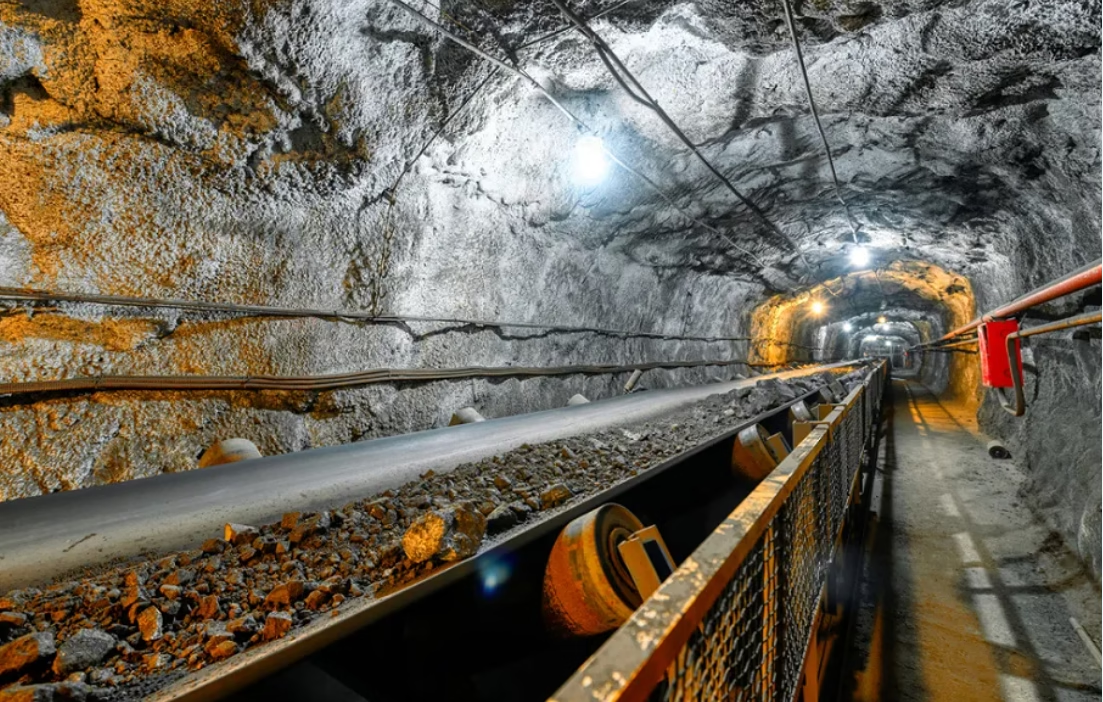
AWG 3/0 mining cable

Regulatory & Logistical Reality—European Cable Import Barriers: Pre-2022: Russian mining operations routinely imported VDE 0250-compliant trailing cables from German/Austrian suppliers (e.g., Lappkabel, Elka, Sark) via standard EU-Russia trade channels. Post-2022 sanctions regime: (1) EU supply chain restrictions on "dual-use" high-voltage cables (designation as potential military-relevant infrastructure), (2) Banking/payment system complications (SWIFT alternative systems cumbersome, payment settlement 6–12 month delays), (3) Long lead times (European suppliers prioritizing EU/NATO markets, Russia queued behind 18+ month backlogs), (4) Cost escalation (freight via Central Asia +150–200% vs pre-2022 rates, tariff uncertainty), (5) Technical certification bottlenecks (European factories revoked Russian QA partner access, verification documentation no longer issued). Net result: European VDE cables become 3–4× more expensive + 12–18 month delivery vs domestic alternative 6–8 weeks, $200–300 K/km. Russian Strategic Response—Импортозамещение (Import Substitution): Russian industrial policy (decree 2014 onward, accelerated 2022+) mandates "import substitution" (Импортозамещение): preference for domestic suppliers where technically feasible. Mining sector specifically: Federal mining companies (Gazprom, UMMC, Rosneft, state-owned regional operators) directed to prioritize domestic cable sourcing. Consequence: Korean, Chinese, Turkish cable suppliers also increasingly sidelined (foreign ownership concerns). Genuine GOST-standard Russian manufacturers (Kamkabel, Sibkabel, Roskabel, etc.) now de facto monopoly suppliers with government implicit backing. For procurement officers: domestic GOST cable sourcing is NOT a "compromise"—it is strategic mandate + technical feasibility combined.

Import Substitution: VDE 0250 (N)TSCGEWÖU to GOST КГЭ-ХЛ 6/10kV Russian Mining Cable

Regulatory & Logistical Reality—European Cable Import Barriers: Pre-2022: Russian mining operations routinely imported VDE 0250-compliant trailing cables from German/Austrian suppliers (e.g., Lappkabel, Elka, Sark) via standard EU-Russia trade channels. Post-2022 sanctions regime: (1) EU supply chain restrictions on “dual-use” high-voltage cables (designation as potential military-relevant infrastructure), (2) Banking/payment system complications (SWIFT alternative systems cumbersome, payment settlement 6–12 month delays), (3) Long lead times (European suppliers prioritizing EU/NATO markets, Russia queued behind 18+ month backlogs), (4) Cost escalation (freight via Central Asia +150–200% vs pre-2022 rates, tariff uncertainty), (5) Technical certification bottlenecks (European factories revoked Russian QA partner access, verification documentation no longer issued). Net result: European VDE cables become 3–4× more expensive + 12–18 month delivery vs domestic alternative 6–8 weeks, $200–300 K/km. Russian Strategic Response—Импортозамещение (Import Substitution): Russian industrial policy (decree 2014 onward, accelerated 2022+) mandates “import substitution” (Импортозамещение): preference for domestic suppliers where technically feasible. Mining sector specifically: Federal mining companies (Gazprom, UMMC, Rosneft, state-owned regional operators) directed to prioritize domestic cable sourcing. Consequence: Korean, Chinese, Turkish cable suppliers also increasingly sidelined (foreign ownership concerns). Genuine GOST-standard Russian manufacturers (Kamkabel, Sibkabel, Roskabel, etc.) now de facto monopoly suppliers with government implicit backing. For procurement officers: domestic GOST cable sourcing is NOT a “compromise”—it is strategic mandate + technical feasibility combined.
If you are procuring Type 275 3.3kV 3x95mm² mining cables for Mongolian operations and relying on standard AS/NZS 1802 formulations without Arctic Grade modification, you will experience outer sheath cracking within days to weeks of deployment during Mongolian winter. The answer to your question is unambiguous: yes, standard cables will fail, and the failure is not marginal—it is catastrophic. The cracking will progress from hairline fissures to complete jacket failure within a timeframe measured in operational shifts, not months. This is not a theoretical risk or a worst-case scenario. It is an engineering certainty rooted in fundamental material science physics. 如果您正在为蒙古国运营采购 Type 275 3.3kV 3x95mm² 矿用电缆,并依赖于标准 AS/NZS 1802 配方而没有极地级修改,您将在蒙古冬季部署后的几天到几周内经历外护套开裂。答案是明确的:是的,标准电缆会失效,且失效不是边际的—这是灾难性的。开裂将在以运营班次而不是月份衡量的时间框架内从细微裂纹发展为完全护套失效。这不是理论风险或最坏情况场景。它是根植于基本材料科学物理的工程必然。

Cold Weather Reeling: Does Type 275 3.3kV 3x95mm² Outer Sheath Crack in Mongolian Winters?

If you are procuring Type 275 3.3kV 3x95mm² mining cables for Mongolian operations and relying on standard AS/NZS 1802 formulations without Arctic Grade modification, you will experience outer sheath cracking within days to weeks of deployment during Mongolian winter. The answer to your question is unambiguous: yes, standard cables will fail, and the failure is not marginal—it is catastrophic. The cracking will progress from hairline fissures to complete jacket failure within a timeframe measured in operational shifts, not months. This is not a theoretical risk or a worst-case scenario. It is an engineering certainty rooted in fundamental material science physics. 如果您正在为蒙古国运营采购 Type 275 3.3kV 3x95mm² 矿用电缆,并依赖于标准 AS/NZS 1802 配方而没有极地级修改,您将在蒙古冬季部署后的几天到几周内经历外护套开裂。答案是明确的:是的,标准电缆会失效,且失效不是边际的—这是灾难性的。开裂将在以运营班次而不是月份衡量的时间框架内从细微裂纹发展为完全护套失效。这不是理论风险或最坏情况场景。它是根植于基本材料科学物理的工程必然。