Arctic mining cables

Sumitomo Electric Industries represents one of the world's most respected cable manufacturers, with a heritage spanning over 120 years since its founding in 1897. The company's origins trace back even further to the Sumitomo group's copper refining operations that began during the 17th century. According to historical records from Encyclopedia.com, Sumitomo's involvement in copper refining naturally led the company into cable and wire production when Japan's industrialization during the Meiji Restoration created urgent demand for electrical infrastructure. In 1897, Sumitomo purchased a facility near Osaka from the Japan Copper Manufacturing Company, retooling it to produce cable and wire using copper from the company's rich Besshi mine. This facility became the foundation of what would eventually become Sumitomo Electric Wire and Cable Works, incorporated as an independent company in 1920. 住友电气工业代表了世界上最受尊敬的电缆制造商之一,自1897年成立以来拥有超过120年的传统。该公司的起源可以追溯到住友集团在17世纪开始的铜精炼业务。
Sumitomo Mining Cables: Compatible Replacements for Japanese Specification Machinery

Sumitomo Electric Industries represents one of the world’s most respected cable manufacturers, with a heritage spanning over 120 years since its founding in 1897. The company’s origins trace back even further to the Sumitomo group’s copper refining operations that began during the 17th century. According to historical records from Encyclopedia.com, Sumitomo’s involvement in copper refining naturally led the company into cable and wire production when Japan’s industrialization during the Meiji Restoration created urgent demand for electrical infrastructure. In 1897, Sumitomo purchased a facility near Osaka from the Japan Copper Manufacturing Company, retooling it to produce cable and wire using copper from the company’s rich Besshi mine. This facility became the foundation of what would eventually become Sumitomo Electric Wire and Cable Works, incorporated as an independent company in 1920. 住友电气工业代表了世界上最受尊敬的电缆制造商之一,自1897年成立以来拥有超过120年的传统。该公司的起源可以追溯到住友集团在17世纪开始的铜精炼业务。
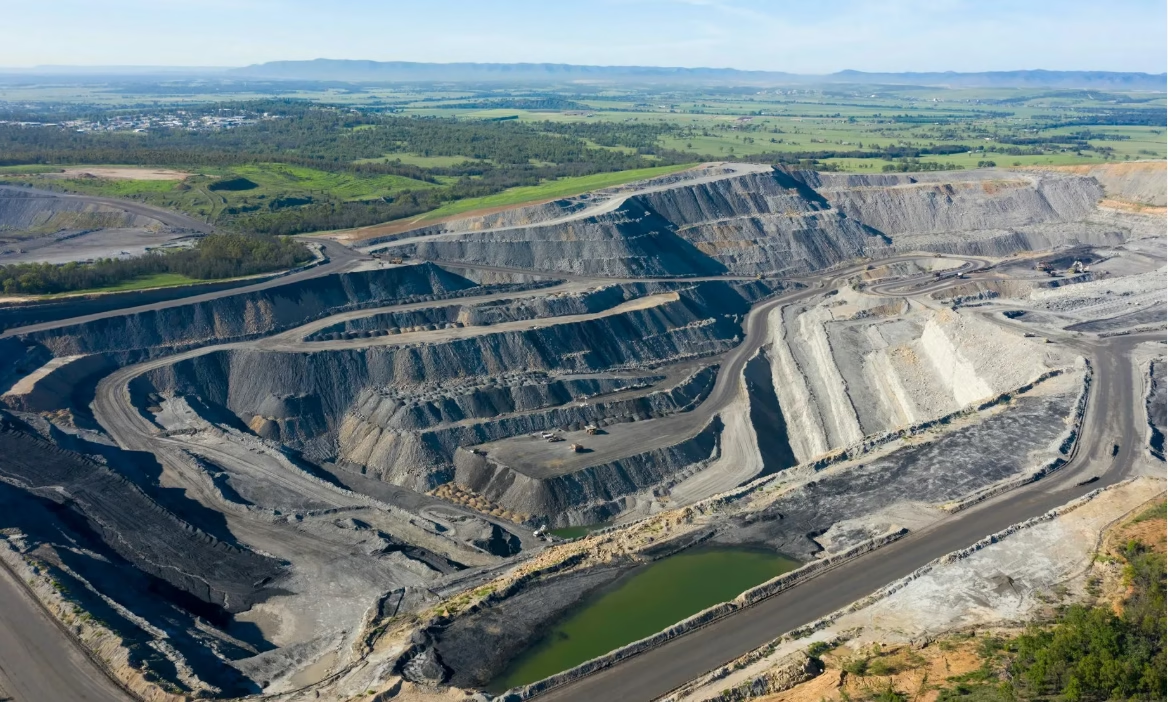
Arctic mining operations in Canada and Russia represent some of the most challenging environments for electrical infrastructure. With temperatures regularly plummeting to -50°C (-58°F) or lower, standard cables suffer from critical failures including sheath cracking, insulation brittleness, and loss of flexibility. (加拿大和俄罗斯的北极采矿作业代表着电气基础设施面临的最具挑战性的环境。温度经常降至-50°C或更低,标准电缆会出现护套开裂、绝缘层脆化和失去柔韧性等严重故障。) The Arctic region contains significant mineral deposits, with Russia producing approximately 80% of its oil and 90% of its gas in high northern latitudes, while Canada continues to develop major mining projects including iron ore deposits 300 miles inside the Arctic Circle. (北极地区蕴藏着大量矿产资源,俄罗斯在高纬度北部地区生产约80%的石油和90%的天然气,而加拿大继续开发位于北极圈内300英里处的大型铁矿项目。)

Arctic Mining Cables for Extreme Cold Environments

Arctic mining operations in Canada and Russia represent some of the most challenging environments for electrical infrastructure. With temperatures regularly plummeting to -50°C (-58°F) or lower, standard cables suffer from critical failures including sheath cracking, insulation brittleness, and loss of flexibility. (加拿大和俄罗斯的北极采矿作业代表着电气基础设施面临的最具挑战性的环境。温度经常降至-50°C或更低,标准电缆会出现护套开裂、绝缘层脆化和失去柔韧性等严重故障。) The Arctic region contains significant mineral deposits, with Russia producing approximately 80% of its oil and 90% of its gas in high northern latitudes, while Canada continues to develop major mining projects including iron ore deposits 300 miles inside the Arctic Circle. (北极地区蕴藏着大量矿产资源,俄罗斯在高纬度北部地区生产约80%的石油和90%的天然气,而加拿大继续开发位于北极圈内300英里处的大型铁矿项目。)