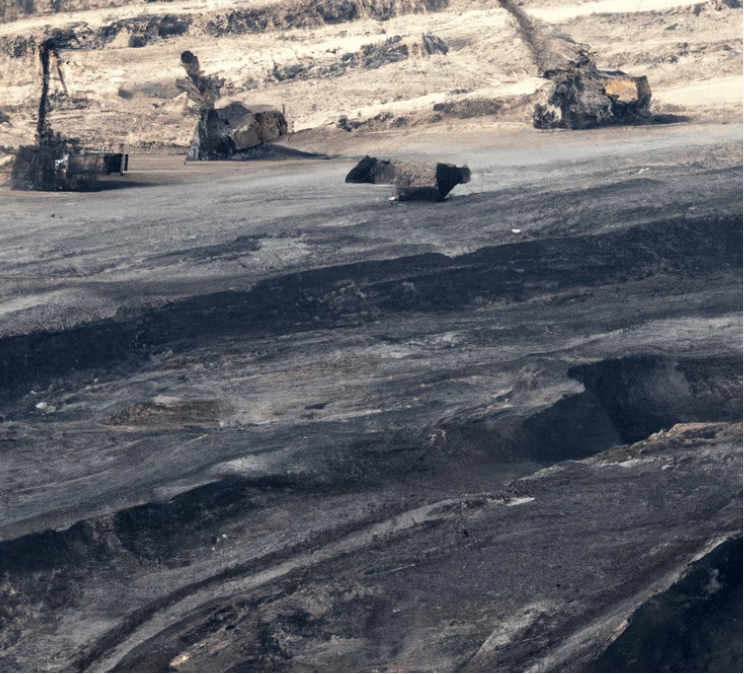
abrasion resistant cables

Flexible rubber cables represent a critical category of industrial power transmission cables specifically engineered for demanding applications requiring exceptional mechanical flexibility combined with robust environmental protection. These cables utilize synthetic rubber insulation and sheathing materials to deliver superior performance in mobile equipment, submersible pumps, generators, and industrial machinery operating under harsh conditions. According to the International Electrotechnical Commission standard IEC 60245, rubber insulated cables are designed for use in power installations operating at nominal voltages up to and including 450/750V, with specialized constructions available for 0.6/1kV applications requiring enhanced durability. 柔性橡胶电缆代表了工业电力传输电缆的关键类别,专门设计用于需要卓越机械柔韧性与强大环境保护相结合的苛刻应用。这些电缆采用合成橡胶绝缘和护套材料,在移动设备、潜水泵、发电机和在恶劣条件下运行的工业机械中提供卓越性能。
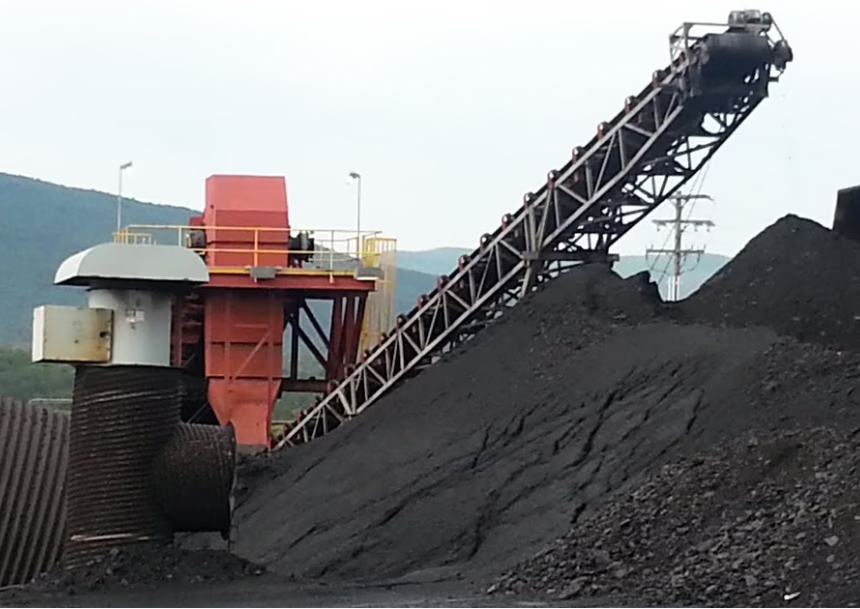
Top Cable Xtrem DN-F Alternative: High Performance Rubber Cables for Pumps & Generators

Flexible rubber cables represent a critical category of industrial power transmission cables specifically engineered for demanding applications requiring exceptional mechanical flexibility combined with robust environmental protection. These cables utilize synthetic rubber insulation and sheathing materials to deliver superior performance in mobile equipment, submersible pumps, generators, and industrial machinery operating under harsh conditions. According to the International Electrotechnical Commission standard IEC 60245, rubber insulated cables are designed for use in power installations operating at nominal voltages up to and including 450/750V, with specialized constructions available for 0.6/1kV applications requiring enhanced durability. 柔性橡胶电缆代表了工业电力传输电缆的关键类别,专门设计用于需要卓越机械柔韧性与强大环境保护相结合的苛刻应用。这些电缆采用合成橡胶绝缘和护套材料,在移动设备、潜水泵、发电机和在恶劣条件下运行的工业机械中提供卓越性能。
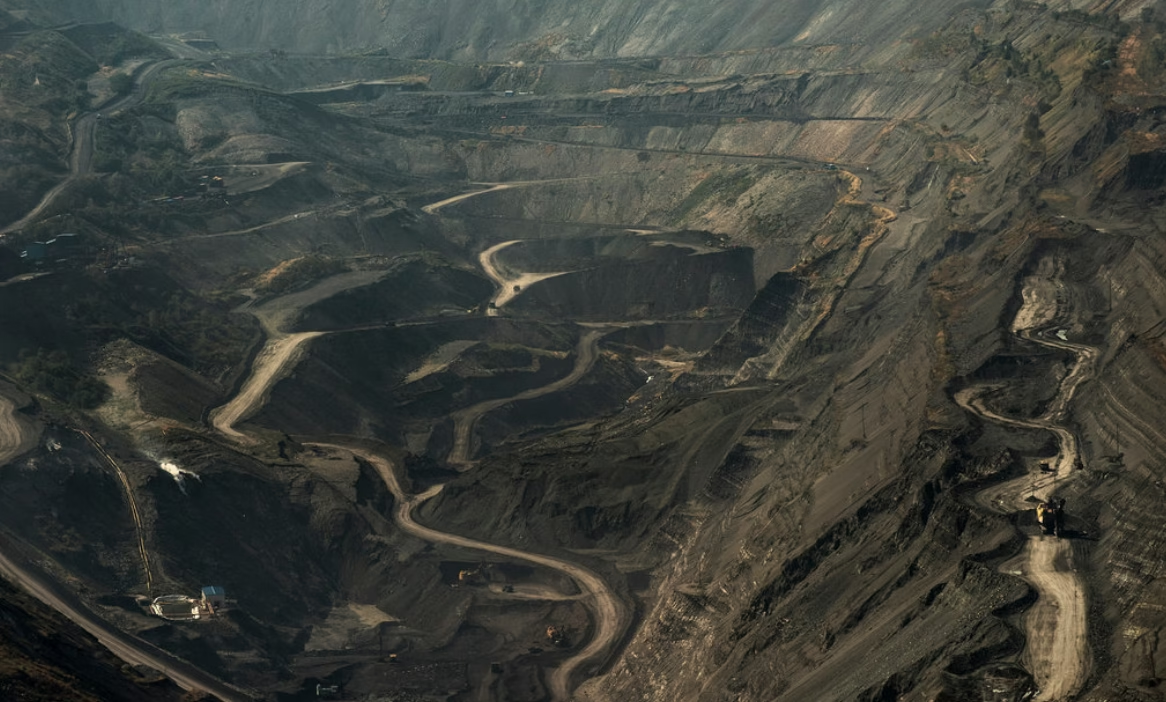
Arctic mining operations in Canada and Russia represent some of the most challenging environments for electrical infrastructure. With temperatures regularly plummeting to -50°C (-58°F) or lower, standard cables suffer from critical failures including sheath cracking, insulation brittleness, and loss of flexibility. (加拿大和俄罗斯的北极采矿作业代表着电气基础设施面临的最具挑战性的环境。温度经常降至-50°C或更低,标准电缆会出现护套开裂、绝缘层脆化和失去柔韧性等严重故障。) The Arctic region contains significant mineral deposits, with Russia producing approximately 80% of its oil and 90% of its gas in high northern latitudes, while Canada continues to develop major mining projects including iron ore deposits 300 miles inside the Arctic Circle. (北极地区蕴藏着大量矿产资源,俄罗斯在高纬度北部地区生产约80%的石油和90%的天然气,而加拿大继续开发位于北极圈内300英里处的大型铁矿项目。)

Arctic Mining Cables for Extreme Cold Environments

Arctic mining operations in Canada and Russia represent some of the most challenging environments for electrical infrastructure. With temperatures regularly plummeting to -50°C (-58°F) or lower, standard cables suffer from critical failures including sheath cracking, insulation brittleness, and loss of flexibility. (加拿大和俄罗斯的北极采矿作业代表着电气基础设施面临的最具挑战性的环境。温度经常降至-50°C或更低,标准电缆会出现护套开裂、绝缘层脆化和失去柔韧性等严重故障。) The Arctic region contains significant mineral deposits, with Russia producing approximately 80% of its oil and 90% of its gas in high northern latitudes, while Canada continues to develop major mining projects including iron ore deposits 300 miles inside the Arctic Circle. (北极地区蕴藏着大量矿产资源,俄罗斯在高纬度北部地区生产约80%的石油和90%的天然气,而加拿大继续开发位于北极圈内300英里处的大型铁矿项目。)
Potash and salt mining operations present one of the most chemically aggressive environments for electrical infrastructure. Unlike conventional mining operations where mechanical wear dominates cable failure modes, potash mines create a uniquely hostile chemical environment that systematically attacks standard cable materials through multiple corrosion pathways. Understanding why cables fail in these conditions requires examining the specific chemistry of the mining environment and how it interacts with different cable sheath materials. 钾盐矿是世界上最重要的化肥生产基地,但同时也是电缆系统面临最严峻腐蚀环境的场所之一。Potash mines are among the world's most important fertilizer production sites, but they also present one of the most severe corrosive environments for cable systems. The high chloride content, combined with moisture, hydrogen sulfide, and elevated temperatures, creates conditions that rapidly degrade standard rubber cable sheaths

Potash & Salt Mines: Why Standard Rubber Cables Fail and How to Choose Corrosion Resistant Sheaths

Potash and salt mining operations present one of the most chemically aggressive environments for electrical infrastructure. Unlike conventional mining operations where mechanical wear dominates cable failure modes, potash mines create a uniquely hostile chemical environment that systematically attacks standard cable materials through multiple corrosion pathways. Understanding why cables fail in these conditions requires examining the specific chemistry of the mining environment and how it interacts with different cable sheath materials. 钾盐矿是世界上最重要的化肥生产基地,但同时也是电缆系统面临最严峻腐蚀环境的场所之一。Potash mines are among the world’s most important fertilizer production sites, but they also present one of the most severe corrosive environments for cable systems. The high chloride content, combined with moisture, hydrogen sulfide, and elevated temperatures, creates conditions that rapidly degrade standard rubber cable sheaths
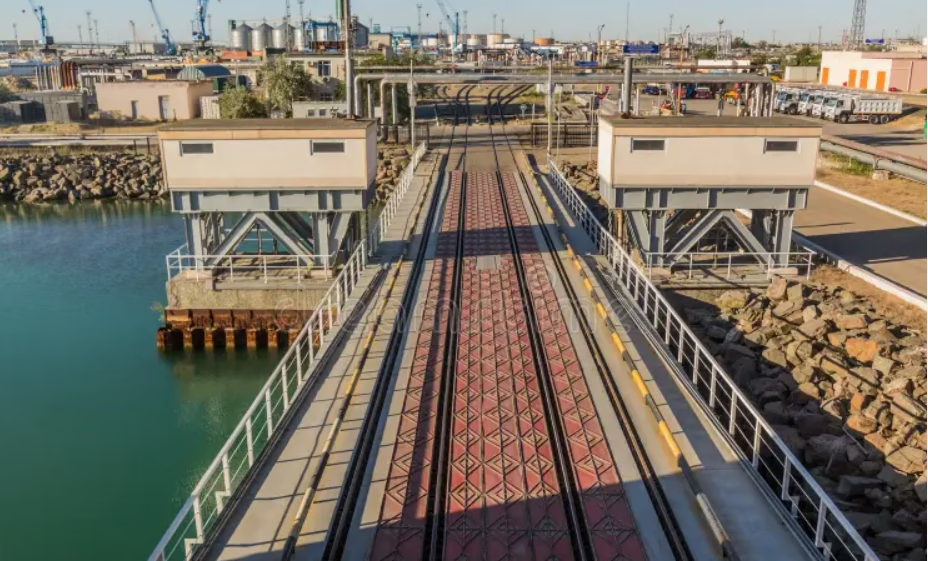
The Liebherr T 284 represents the pinnacle of ultra-class mining truck engineering, with a payload capacity of 360 tonnes (397 short tons) and groundbreaking electrification capabilities through its Trolley Assist System. This diesel-electric haul truck utilizes overhead pantograph connections to draw power from fixed electrical infrastructure, achieving remarkable operational efficiency gains while significantly reducing carbon emissions in mining operations. 根据利勃海尔官方数据,T 284 是 360 吨级中最轻且最具承载能力的超级矿用卡车,通过架空接触网供电系统实现了燃料消耗降低 90% 以上的突破性成果。According to Liebherr's official documentation, the T 284 achieves over 90% reduction in diesel fuel consumption when operating under trolley assist mode, with speed-on-grade improvements reaching up to 100% compared to diesel-only operation

Liebherr T 284 Mining Truck: Grid Connection Cables for Trolley Assist Lines

The Liebherr T 284 represents the pinnacle of ultra-class mining truck engineering, with a payload capacity of 360 tonnes (397 short tons) and groundbreaking electrification capabilities through its Trolley Assist System. This diesel-electric haul truck utilizes overhead pantograph connections to draw power from fixed electrical infrastructure, achieving remarkable operational efficiency gains while significantly reducing carbon emissions in mining operations. 根据利勃海尔官方数据,T 284 是 360 吨级中最轻且最具承载能力的超级矿用卡车,通过架空接触网供电系统实现了燃料消耗降低 90% 以上的突破性成果。According to Liebherr’s official documentation, the T 284 achieves over 90% reduction in diesel fuel consumption when operating under trolley assist mode, with speed-on-grade improvements reaching up to 100% compared to diesel-only operation
The question of whether (N)SHTÖU control cables comply with RoHS 3 lead-free and phthalate-free directives is critically important for manufacturers, importers, and end-users operating within the European Union and increasingly global markets. (N)SHTÖU cables represent specialized heavy-duty flexible control and power cables manufactured according to German standard VDE 0250 Part 814, designed specifically for demanding applications involving cable reeling systems, cranes, material handling equipment, and industrial automation where simultaneous tensile and torsional stresses occur during operation. 关于(N)SHTÖU控制电缆是否符合RoHS 3无铅和无邻苯二甲酸盐指令的问题,对于在欧盟和日益全球化市场中运营的制造商、进口商和最终用户至关重要。(N)SHTÖU电缆代表根据德国标准VDE 0250第814部分制造的专业重型柔性控制和电力电缆,专门设计用于涉及电缆卷绕系统、起重机、物料搬运设备和工业自动化的苛刻应用,在操作过程中会发生同时的拉伸和扭转应力。

RoHS 3 Compliance: Are (N)SHTÖU Control Cables Lead-Free and Phthalate-Free?

The question of whether (N)SHTÖU control cables comply with RoHS 3 lead-free and phthalate-free directives is critically important for manufacturers, importers, and end-users operating within the European Union and increasingly global markets. (N)SHTÖU cables represent specialized heavy-duty flexible control and power cables manufactured according to German standard VDE 0250 Part 814, designed specifically for demanding applications involving cable reeling systems, cranes, material handling equipment, and industrial automation where simultaneous tensile and torsional stresses occur during operation. 关于(N)SHTÖU控制电缆是否符合RoHS 3无铅和无邻苯二甲酸盐指令的问题,对于在欧盟和日益全球化市场中运营的制造商、进口商和最终用户至关重要。(N)SHTÖU电缆代表根据德国标准VDE 0250第814部分制造的专业重型柔性控制和电力电缆,专门设计用于涉及电缆卷绕系统、起重机、物料搬运设备和工业自动化的苛刻应用,在操作过程中会发生同时的拉伸和扭转应力。
In demanding industrial applications such as mining operations, crane systems, and material handling equipment, the selection of appropriate cable sheath materials directly influences operational reliability and safety. The sheath represents the cable's first line of defense against mechanical stress, environmental degradation, and electrical hazards. This technical analysis examines how Ethylene Vinyl Acetate (EVA) sheath compounds improve the performance characteristics of NTSCGEWÖU-type trailing and reeling cables compared to standard Chlorinated Polyethylene (CPE) constructions, particularly regarding voltage withstand capabilities and vertical installation requirements.

Proof Voltage and Vertical Clamping Performance: EVA vs. CPE Cable Sheaths

In demanding industrial applications such as mining operations, crane systems, and material handling equipment, the selection of appropriate cable sheath materials directly influences operational reliability and safety. The sheath represents the cable’s first line of defense against mechanical stress, environmental degradation, and electrical hazards. This technical analysis examines how Ethylene Vinyl Acetate (EVA) sheath compounds improve the performance characteristics of NTSCGEWÖU-type trailing and reeling cables compared to standard Chlorinated Polyethylene (CPE) constructions, particularly regarding voltage withstand capabilities and vertical installation requirements.