flexible power cable

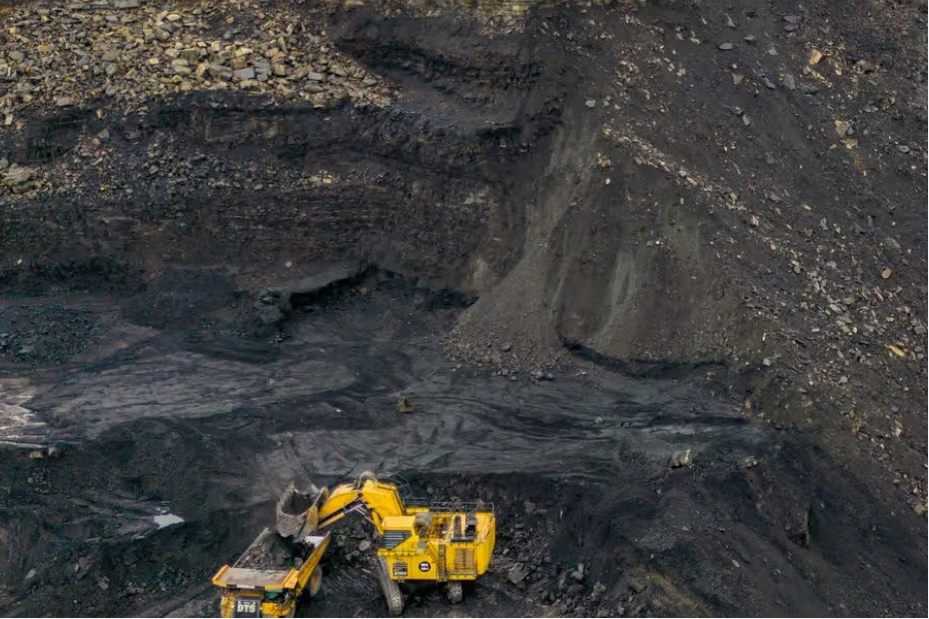
飞纯 Type 209 是飞纯电缆基于 AS/NZS 1802:2003 卷筒与拖曳电缆 体系设计的矿用柔性馈电与拖曳电缆系列,电压范围覆盖 1.1 至 11KV。根据产品资料,Type 209 系列电缆主要作为矿山机械柔性馈电电缆使用,更适合作为拖曳电缆而不是高频卷筒电缆。较小规格适用于钻机、手持工具和移动设备。 这一定义是理解 Type 209 的关键。Type 209 不是普通工业橡套软电缆,也不只是单纯的矿山供电线。它的核心定位是 矿山机械柔性馈电电缆,也就是为矿山机械提供可移动、可拖曳、可适应复杂作业路径的供电系统。同时,它更适合作为 拖曳电缆,即跟随设备移动的电缆,而不是长期高频卷绕使用的卷筒电缆。

什么是 H07RN8-F 450/750V Harmonized Rubber Cables

H07RN8-F 450/750V Harmonized Rubber Cables 是一种用于潜水泵和类似工业水下应用的重型柔性橡套电缆。根据资料说明,该电缆可用于工业用水环境,适用水深最高可达 10 m,水温范围最高可达 40℃,同时也适用于干燥、潮湿和湿润应用。Feichun 将其定位于矿山排水、地下工程排涝、港口泵站、码头检修排水、工业水池和移动潜水泵供电等场景。它的工程价值不是单纯“能进水”,而是在水压、潮湿、移动、拉拽、磨损和低压动力传输同时存在时,仍能通过 Class 5 多股铜导体、EI4 橡胶绝缘、EM2/EM3 内护套与 EM2 外护套形成稳定的电气与机械防护系统。
La vida útil de los cables móviles de carrete, festón y canasta depende, en gran medida, de la instalación y del diseño del sistema de enrollado. Este manual abarca radios de curvatura, guías, protección de tensión, anclaje, selección de carrete y eliminación de torsión, junto con los métodos eléctricos de capacidad de corriente, reducción (derating), caída de tensión y cortocircuito.

O que é a Família TUNNELFLEX: Análise de Engenharia Aprofundada dos Cabos Flexíveis de Baixa e Média Tensão para Mineração e Tunelamento

A família TUNNELFLEX é uma plataforma de cabos flexíveis para a alimentação de equipamentos móveis com alto risco de dano mecânico em mineração e tunelamento. Ela é organizada em torno de uma mesma filosofia — condutores de cobre classe 5 de construção especial para serviço móvel e bainhas de altíssima resistência mecânica — declinada em três respostas distintas: o TUNNELFLEX-PUR 0,6/1 kV, sem proteção anti-torção, para deflexão em um único plano; o TUNNELFLEX-R/PUR 0,6/1 kV, com uma malha sintética anti-torção que habilita o cabo a tolerar torção; e o TUNNELFLEX-TX RS-(N)TSCGEWOEU de média tensão, de 3,6/6 a 12/20 kV, com isolação HEPR-MV e blindagens semicondutoras para o controle de campo elétrico exigido pela média tensão. Em conjunto, a família cobre desde a alimentação de máquinas auxiliares até o acionamento de equipamentos pesados de escavação de túnel em 20 kV.
BASKET SPREADER 740 (YSLTOE) is engineered specifically for hoisting and control applications where mechanical flexibility and electrical reliability must coexist in marine environments. Unlike load-bearing structural cables (which prioritize tensile strength), control cables emphasize: Conductor flexibility – Repeated bending over pulleys without mechanical fatigue Insulation integrity – Voltage breakdown resistance under salt-fog corrosion Mechanical damping – Rope-like flexibility to drape naturally in spreader bar frames Environmental barrier – Outer sheath blocks salt, moisture, and UV penetration Core Design Elements: Component Material Specification Function Port Environment Benefit Conductor Flexible red copper Class 6 (IEC 60228) Carries 300/500V power; enables bending flexibility High purity copper resists galvanic corrosion Insulation PVC type YI2 (IEC 60811) Electrical isolation; voltage breakdown resistance (2 kV test) PVC with marine additives prevents salt-induced tracking Central Unit Aramide yarns (Kevlar™ equivalent) Mechanical load-bearing backup; structural integrity Aramide resists moisture & salt; absorbs vibration stress Outer Sheath PUR type 11YM1 (DIN 73377) Environmental barrier; UV/ozone/moisture protection Superior salt-fog resistance; 20+ year marine lifespan

(N)3GHSSHCH Flexible Power Cable: HFFR средневольтный кабель для mobile operating equipment, mines и hazardous underground environments

(N)3GHSSHCH — это гибкий средневольтный силовой кабель для подключения mobile operating equipments в шахтах и подземных выработках с hazardous environments. По предоставленным данным он также применяется в stationary operation, например для high-voltage transformers in mining and tunnelling. Главное отличие конструкции — использование special halogen free and flame retardant HFFR compound для внутренних и наружной оболочек, в сочетании с EPR-изоляцией 3GI3, pilot control cores, 3E protective conductors, ÜL monitoring conductor и galvanized steel wire braiding с покрытием минимум 75%.
LIFT-2S (European) vs. LIFT-1S UL (North American): LIFT-2S characteristics: Voltage: 300/500V (European standard, lower voltage) Temperature: −40°C to +70°C (moderate range) Standards: VDE 0482 part 265-2-1, EN 50265-2-1, IEC 60332-1-2 Design philosophy: Safety by material redundancy (2 steel cores) Steel cores: 2× cores provide mechanical backup Conductor: Class 6 (European, ~150–200 wires per mm²) Cost: Lower (proven European manufacturing) Market: Europe, Asia-Pacific, most of world LIFT-1S UL characteristics: Voltage: 600V (North American standard, higher voltage) Temperature: −25°C to +105°C (extreme range, high-temp optimized) Standards: UL 2562, UL 62, CSA C22.2 No.210.2 Design philosophy: Safety by certification (single core + redundant control) Steel core: 1× core (sufficient with nylon covering) Conductor: Class M (UL, extra fine ~300+ wires per mm²) Cost: Higher (UL testing, certification documentation) Market: North America (USA, Canada), Mexico UL 2562 specialty certification: UL 2562 scope: Elevator and Dumbwaiter Cables Specific requirements: 1. Pendant cable design (cable hangs freely, no duct support) 2. Vertical orientation (designed for gravity-loaded suspension) 3. Repeated flex cycles (cable moves up/down frequently) 4. Safety-critical function (failure = personnel risk) Consequence: More stringent than general-purpose cables Testing includes: Bend cycle fatigue, heat aging, compression resistance Test procedures (unique to UL 2562): Bend cycle test: 1,000+ cycles at minimum bending radius Cable must pass insulation resistance after cycling Heat aging: 500+ hours at 105°C continuous Tensile strength retention minimum 70% Compression: 1,000+ hours under sustained compression Cable cross-section must not exceed 5% permanent deformation LIFT-2S (no UL 2562): Tests per VDE are less stringent on fatigue/cycling Assumes cable mostly static, not repeated flex Adequate for European elevator duty (lower speed, fewer cycles) LIFT-1S UL: All UL 2562 tests passed (proven for North American elevators) Faster cycle times, more frequent motion → more fatigue stress Extra testing ensures reliability under North American elevator duty Market requirement (regulatory): Europe/International: CE mark required (European conformity) VDE/EN/IEC standards sufficient No UL certification needed (not recognized in EU) LIFT-2S is sufficient North America (USA, Canada): UL certification mandatory for elevators UL 2562 specifically for elevator cables CSA dual certification required in Canada LIFT-2S NOT acceptable (lacks UL 2562) LIFT-1S UL mandatory Cost implication: UL certification: ~$5,000–15,000 per product per region Testing duration: 3–6 months per model Documentation: Comprehensive test reports, technical files Result: LIFT-1S UL 20–30% higher cost than equivalent European cable

Что такое PANZERFLEX-L 0,6/1 kV – Power: инженерный обзор гибкого силового кабеля для Mining, Cable Reels и Festoon Systems

PANZERFLEX-L 0,6/1 kV — это гибкий низковольтный силовой кабель для подключения подвижных частей машин, станков, перегрузочного оборудования и горнодобывающей техники. Его конструкция рассчитана на высокие механические нагрузки, частый изгиб, торсионные воздействия, быстрое движение и сильные ускорения в системах питания на кабельных барабанах и festoon systems. В отличие от обычного rubber power cable, PANZERFLEX-L объединяет гибкий лужёный медный проводник class 5 IEC 60228, HEPR-изоляцию повышенной стойкости, полихлоропреновые оболочки и антискручивающую защиту из синтетических нитей между внутренней и наружной оболочкой.
Lifting Cable vs. Festoon Cable: Festoon cable (FLEXIFESTOON series): Primary stress: Repeated bending at 4–6×D radius Speed: 60–240 m/min continuous reeling Bending cycles/year: 10–100 million cycles Insulation: Soft, highly flexible (TPE, EPR) Material: Rubber or PUR outer sheath (elastic) Design goal: Maximize fatigue life under bending Service life: 5–15 years (fatigue-limited) Cost: Moderate (commodity materials) LIFT-2S lifting cable: Primary stress: Sustained vertical tensile load Speed: Static (or very slow vertical movement) Bending cycles/year:

什么是 俄罗斯标准 ККГРПУ, ККГРПУс:转子综合体与装载运输机用柔性动力电缆 GOST/EAC

ККГРПУ 和 ККГРПУс 是用于 роторные комплексы 转子综合体和 погрузочно-доставочные машины 装载运输机的柔性动力电缆。资料标题定义为“Кабели силовые гибкие для роторных комплексов и погрузочно-доставочных машин”,用于连接电气设备、控制装置、照明系统,并在设备内部进行电能引入和分配。其适用电压为交流至 660 V、频率至 60 Hz,或直流至 1200 V
FLEXIDRUM® MEDIUM FLAT: Advanced High-Flexibility Salt-Fog Resistant Port Cable System Specialized reeling-flat power cable engineered for extreme maritime environments combining flexible tinned copper conductors (IEC 60228 Class 5), proprietary EPR insulation chemistry, hydrophobic semi-conductive interfaces, and specialized red outer-sheath PCP compound with integrated volatile-corrosion-inhibitor (VCI) technology. Designed for rapid cable-reel deployment systems in dredging, submersible pump, and floating crane applications requiring superior electrochemical corrosion immunity and compact outer-diameter efficiency across 3.6/6 kV through 8.7/15 kV voltage platforms.

FLAT (N)TSFLCGCWOEUS Reeling flat cables

FLEXIDRUM® MEDIUM FLAT: Advanced High-Flexibility Salt-Fog Resistant Port Cable System Specialized reeling-flat power cable engineered for extreme maritime environments combining flexible tinned copper conductors (IEC 60228 Class 5), proprietary EPR insulation chemistry, hydrophobic semi-conductive interfaces, and specialized red outer-sheath PCP compound with integrated volatile-corrosion-inhibitor (VCI) technology. Designed for rapid cable-reel deployment systems in dredging, submersible pump, and floating crane applications requiring superior electrochemical corrosion immunity and compact outer-diameter efficiency across 3.6/6 kV through 8.7/15 kV voltage platforms.
FLEXIDRUM® MEDIUM SHD GC: Advanced Flexible Power Cable for Mobile Mining and Industrial Equipment Comprehensive technical engineering guide to FLEXIDRUM® MEDIUM SHD GC (2 kV to 25 kV AC power distribution cable), purpose-engineered for flexible installation on cable-reel systems, mobile mining equipment, longwall miners, loaders, drills, shovels, conveyors, pumps, and industrial machinery requiring simultaneous power delivery, ground conductor functionality, and ground-check monitoring across demanding extraction and materials-handling environments.

SHD GC Cable ICEA S-75-381 or CSA C22.2 No. 96-17

FLEXIDRUM® MEDIUM SHD GC: Advanced Flexible Power Cable for Mobile Mining and Industrial Equipment Comprehensive technical engineering guide to FLEXIDRUM® MEDIUM SHD GC (2 kV to 25 kV AC power distribution cable), purpose-engineered for flexible installation on cable-reel systems, mobile mining equipment, longwall miners, loaders, drills, shovels, conveyors, pumps, and industrial machinery requiring simultaneous power delivery, ground conductor functionality, and ground-check monitoring across demanding extraction and materials-handling environments.
FeiChun Marine Port Power Cables: Advanced Salt-Fog Corrosion Resistance Engineering, HEPR-Equivalent Elastomeric Insulation with Superior Environmental Durability, Flexible Conductor Architecture (Class FS Fine Stranding) for High-Speed Coastal Reeling Applications, Integrated Marine-Grade PCP Multi-Layer Sheath System with Zinc-Rich Anti-Corrosion Outer Coating, UV/Ozone Stabilization for 30+ Year Coastal Service Life, Dynamic Tensile-Load Optimization (3,000–10,800 N), Thermomechanical Stress Resistance Across −30°C to +80°C Operating Range, Ground-Conductor Semiconducting-Layer Architecture for EMI Suppression in High-Power Port Equipment, IEC 60811-2-1 Salt-Fog Testing Compliance (ASTM B117 5,000+ Hour Qualification), Port-Specific Environmental Corrosion Analysis, High-Flexibility Festoon System Engineering, Real-World Field Performance from 150+ Global Port Terminals and Coastal Installations, Comprehensive Lifecycle Cost Analysis for Maritime Operations, and Complete Technical Justification for Advanced Marine-Cable Specification in Demanding Salt-Fog Coastal Power Distribution Systems

CORDAFLEX(SMK) (N)SHTOEU

FeiChun Marine Port Power Cables: Advanced Salt-Fog Corrosion Resistance Engineering, HEPR-Equivalent Elastomeric Insulation with Superior Environmental Durability, Flexible Conductor Architecture (Class FS Fine Stranding) for High-Speed Coastal Reeling Applications, Integrated Marine-Grade PCP Multi-Layer Sheath System with Zinc-Rich Anti-Corrosion Outer Coating, UV/Ozone Stabilization for 30+ Year Coastal Service Life, Dynamic Tensile-Load Optimization (3,000–10,800 N), Thermomechanical Stress Resistance Across −30°C to +80°C Operating Range, Ground-Conductor Semiconducting-Layer Architecture for EMI Suppression in High-Power Port Equipment, IEC 60811-2-1 Salt-Fog Testing Compliance (ASTM B117 5,000+ Hour Qualification), Port-Specific Environmental Corrosion Analysis, High-Flexibility Festoon System Engineering, Real-World Field Performance from 150+ Global Port Terminals and Coastal Installations, Comprehensive Lifecycle Cost Analysis for Maritime Operations, and Complete Technical Justification for Advanced Marine-Cable Specification in Demanding Salt-Fog Coastal Power Distribution Systems
Complete Technical Guide to Heavy-Duty Reeling Cables for Ship-to-Shore (STS) Container Cranes, Rubber-Tired Gantry (RTG/RMG) Systems, and Mining Bucket Wheel Excavators. VDE 0250-813/814 Standards, Anti-Torsion Engineering Strategy, EPR 3GI3 Insulation, 5GM5 Neoprene Heavy-Duty Sheath, Tensile Strength Analysis, High-Speed Reeling Operation, Dynamic Load Management, Global Supply Chain Procurement, and Factory-Direct Equivalence to Premium European Brands. 港口集装箱起重机、轮胎式门式起重机(RTG/RMG)系统和采矿铲斗轮挖掘机重型卷筒电缆的完整技术指南。VDE 0250-813/814标准、防扭转工程策略、EPR 3GI3绝缘、5GM5氯丁橡胶重型护套、拉伸强度分析、高速卷筒操作、动态负荷管理、全球供应链采购和与高端欧洲品牌的工厂直接等效。

Crane Reeling Cables for Port and Mining Equipment: VDE Engineering, Mechanical Stress Performance, and Supply Chain Optimization

Complete Technical Guide to Heavy-Duty Reeling Cables for Ship-to-Shore (STS) Container Cranes, Rubber-Tired Gantry (RTG/RMG) Systems, and Mining Bucket Wheel Excavators. VDE 0250-813/814 Standards, Anti-Torsion Engineering Strategy, EPR 3GI3 Insulation, 5GM5 Neoprene Heavy-Duty Sheath, Tensile Strength Analysis, High-Speed Reeling Operation, Dynamic Load Management, Global Supply Chain Procurement, and Factory-Direct Equivalence to Premium European Brands. 港口集装箱起重机、轮胎式门式起重机(RTG/RMG)系统和采矿铲斗轮挖掘机重型卷筒电缆的完整技术指南。VDE 0250-813/814标准、防扭转工程策略、EPR 3GI3绝缘、5GM5氯丁橡胶重型护套、拉伸强度分析、高速卷筒操作、动态负荷管理、全球供应链采购和与高端欧洲品牌的工厂直接等效。
TFCrane replacement, TF Kable TFCrane alternative, Tele-Fonika crane cable, STS crane reeling cable, RTG crane power cable, motorized drum cable, heavy duty reeling cable, Feichun reeling cable, Feichun crane cable, Chinese premium crane cable, import substitution crane, VDE 0250-814 cable, NSHTOU equivalent, NTSCGEWOU equivalent, anti torsion cable, torsion resistant reeling, EPR insulation 3GI3, 5GM5 outer sheath, neoprene trailing cable, continuous flexing cable, dynamic load reeling, high tensile strength reel, corkscrew resistant cable, flame retardant drum cable, oil resistant reeling cable, UV resistant crane cable, weather resistant reeling, ship unloader cable, RMG crane cable, tinned copper class 5, multi core reeling cable, heavy machinery wiring, industrial heavy flex, European standard equivalent, Prysmian PROTOMONT alternative, Nexans RHEYFIRM equivalent, Lapp crane alternative, sanction free crane cable, direct factory reeling cable, port terminal electrification, thick rubber sheath cable, mechanical stress cable, offshore crane power, mobile substation reeling, high speed winding cable, Feichun special cable, flexible power cable, dragline reeling cable, port equipment electrification, container handling cable

TFCrane Equivalent Reeling Cable for STS and RTG Cranes: TF Kable (Tele-Fonika) to FeiChun Drop-In Replacement — VDE 0250-814 / 0250-813, Anti-Torsion Braid Engineering, High-Speed Motorised Drum Compatibility

TFCrane replacement, TF Kable TFCrane alternative, Tele-Fonika crane cable, STS crane reeling cable, RTG crane power cable, motorized drum cable, heavy duty reeling cable, Feichun reeling cable, Feichun crane cable, Chinese premium crane cable, import substitution crane, VDE 0250-814 cable, NSHTOU equivalent, NTSCGEWOU equivalent, anti torsion cable, torsion resistant reeling, EPR insulation 3GI3, 5GM5 outer sheath, neoprene trailing cable, continuous flexing cable, dynamic load reeling, high tensile strength reel, corkscrew resistant cable, flame retardant drum cable, oil resistant reeling cable, UV resistant crane cable, weather resistant reeling, ship unloader cable, RMG crane cable, tinned copper class 5, multi core reeling cable, heavy machinery wiring, industrial heavy flex, European standard equivalent, Prysmian PROTOMONT alternative, Nexans RHEYFIRM equivalent, Lapp crane alternative, sanction free crane cable, direct factory reeling cable, port terminal electrification, thick rubber sheath cable, mechanical stress cable, offshore crane power, mobile substation reeling, high speed winding cable, Feichun special cable, flexible power cable, dragline reeling cable, port equipment electrification, container handling cable
PROTOMONT replacement, Prysmian PROTOMONT alternative, PROTOMONT crane cable, PROTOMONT NSHTOU, PROTOMONT NTSCGEWOU, motorized drum cable, heavy duty reeling cable, Feichun reeling cable, Feichun crane cable, Chinese premium crane cable, import substitution crane, VDE 0250-814 cable, VDE 0250-813 cable, STS crane reeling, RMG crane cable, RTG crane wiring, anti torsion cable, torsion resistant reeling, EPR insulation 3GI3, 5GM5 outer sheath, neoprene trailing cable, continuous flexing cable, dynamic load MV cable, high tensile strength reel, corkscrew resistant cable, flame retardant drum cable, oil resistant reeling cable, UV resistant crane cable, weather resistant reeling, ship unloader cable, stacker reclaimer cable, tinned copper class 5, multi core reeling cable, heavy machinery wiring, industrial heavy flex, European standard equivalent, Nexans reeling equivalent, Lapp crane alternative, sanction free crane cable, direct factory reeling cable, port terminal electrification, thick rubber sheath cable, mechanical stress cable, offshore crane power, mobile substation reeling, high speed winding cable, Feichun special cable, flexible power cable, dragline reeling cable, mining reel electrification

NSHTOU Heavy-Duty Reeling Cable Manufacturer: Complete Guide to Direct Factory Sourcing, Manufacturing Capabilities, and VDE 0250-814 Certification for Port and Mining Operations

PROTOMONT replacement, Prysmian PROTOMONT alternative, PROTOMONT crane cable, PROTOMONT NSHTOU, PROTOMONT NTSCGEWOU, motorized drum cable, heavy duty reeling cable, Feichun reeling cable, Feichun crane cable, Chinese premium crane cable, import substitution crane, VDE 0250-814 cable, VDE 0250-813 cable, STS crane reeling, RMG crane cable, RTG crane wiring, anti torsion cable, torsion resistant reeling, EPR insulation 3GI3, 5GM5 outer sheath, neoprene trailing cable, continuous flexing cable, dynamic load MV cable, high tensile strength reel, corkscrew resistant cable, flame retardant drum cable, oil resistant reeling cable, UV resistant crane cable, weather resistant reeling, ship unloader cable, stacker reclaimer cable, tinned copper class 5, multi core reeling cable, heavy machinery wiring, industrial heavy flex, European standard equivalent, Nexans reeling equivalent, Lapp crane alternative, sanction free crane cable, direct factory reeling cable, port terminal electrification, thick rubber sheath cable, mechanical stress cable, offshore crane power, mobile substation reeling, high speed winding cable, Feichun special cable, flexible power cable, dragline reeling cable, mining reel electrification
Complete technical analysis of NSHTOEU 0.6/1 kV low-voltage drum reeling cable for STS/RMG/RTG container cranes and port equipment: anti-torsion synthetic braid prevents helical copper core collapse during 120 m/min reeling, EPR 3GI3 micro-filtered insulation resists thermal cycling and flexing stress, 5GM5 neoprene sheath withstands marine UV/ozone/salt-spray exposure, Class 5 tinned copper maintains flexibility at -40°C. FeiChun NSHTOEU — VDE 0250-814 certified direct European equivalent with 30–35% cost savings, 45–60 day lead time, seamless compatibility with existing motorized drums. Replaces Prysmian/Nexans/Lapp for global container terminals under import-substitution programs.

NSHTOEU 0.6/1 kV Drum Reeling Cable Alternative: Complete Technical Solution for STS, RMG, and RTG Container Cranes — Direct European Equivalent Without Supply Chain Delays

Complete technical analysis of NSHTOEU 0.6/1 kV low-voltage drum reeling cable for STS/RMG/RTG container cranes and port equipment: anti-torsion synthetic braid prevents helical copper core collapse during 120 m/min reeling, EPR 3GI3 micro-filtered insulation resists thermal cycling and flexing stress, 5GM5 neoprene sheath withstands marine UV/ozone/salt-spray exposure, Class 5 tinned copper maintains flexibility at -40°C. FeiChun NSHTOEU — VDE 0250-814 certified direct European equivalent with 30–35% cost savings, 45–60 day lead time, seamless compatibility with existing motorized drums. Replaces Prysmian/Nexans/Lapp for global container terminals under import-substitution programs.
Full technical breakdown Prysmian PROTOMONT (FC) (N)SSHOEU-J 3x50+3x25/3 0.6/1.0 kV (VDE 0250-813): specialized flexible cable large excavators, drill rigs, winches open pits/underground. Letter decoding (N)SSHOEU-J: (N) VDE norm compliance, SS heavy rubber class, HCG construction, E wrap, O oil-resistant sheath, EU additional protection, J yellow-green ground wire. Direct Chinese equivalent КГЭ 3x50+3x25/3 (Feichun/ZTT/Hengtong, budget version simplified no concentric monitoring electrode). Cost PROTOMONT gray-market €1,400–1,800/km vs Chinese КГЭ Feichun €450–550/km (70% savings). Full specs table. Choice full-featured German PROTOMONT (critical high-mechanical) vs simplified Chinese (acceptable open pit low-monitoring requirements). Case study Kuzbass open mining (excavator BentoMak replacement КГЭ 2023). EAC certification. Long-term procurement strategy 10-year ROI.

PROTOMONT (FC) (N)SSHOEU-J 3×50+3×25/3: немецкий экскаваторный кабель и китайский КГЭ 3×50 аналог для открытых карьеров

Full technical breakdown Prysmian PROTOMONT (FC) (N)SSHOEU-J 3×50+3×25/3 0.6/1.0 kV (VDE 0250-813): specialized flexible cable large excavators, drill rigs, winches open pits/underground. Letter decoding (N)SSHOEU-J: (N) VDE norm compliance, SS heavy rubber class, HCG construction, E wrap, O oil-resistant sheath, EU additional protection, J yellow-green ground wire. Direct Chinese equivalent КГЭ 3×50+3×25/3 (Feichun/ZTT/Hengtong, budget version simplified no concentric monitoring electrode). Cost PROTOMONT gray-market €1,400–1,800/km vs Chinese КГЭ Feichun €450–550/km (70% savings). Full specs table. Choice full-featured German PROTOMONT (critical high-mechanical) vs simplified Chinese (acceptable open pit low-monitoring requirements). Case study Kuzbass open mining (excavator BentoMak replacement КГЭ 2023). EAC certification. Long-term procurement strategy 10-year ROI.
Complete technical datasheet Prysmian (Draka) TENAX-V NSSHCGEOEU 0.6/1 kV coal cutter cable with chain cable handler: weight tables (kg/km) all cross-sections (3×16/16 KON through 3×95/50 KON), outer diameter (mm) min/max, minimum bending radius four operating modes (fixed installation 6×d, free moving 10×d, forced guidance reeling 12×d, forced guidance sheaves 15×d). DIN VDE 0250-812 construction, particularly fine stranded tinned copper special flexible design, 3GI3 EPR heat-resistant insulation enhanced mechanical strength, semiconducting screens, copper-steel pilot cores, concentric monitoring electrode (KON), GM1b inner sheath, tinned copper spiral earth conductor, 5GM5 chloroprene outer sheath yellow — abrasion/tear/oil/flame resistant. Drum weight calculation for logistics. Comparison TENAX-Streb (face lighting), TENAX-VE NSSHKCGEOEU (reinforced armour), TENAX-Z (tensile optimized). Russian GOST equivalent КГЭШ 0.66/1 kV. Feichun FC-TXV localized alternative full dimensional/electrical compatibility.

Технический паспорт TENAX-V NSSHCGEOEU 0.6/1кВ: полные таблицы веса (кг/км), наружного диаметра (мм) и минимального радиуса изгиба

Complete technical datasheet Prysmian (Draka) TENAX-V NSSHCGEOEU 0.6/1 kV coal cutter cable with chain cable handler: weight tables (kg/km) all cross-sections (3×16/16 KON through 3×95/50 KON), outer diameter (mm) min/max, minimum bending radius four operating modes (fixed installation 6×d, free moving 10×d, forced guidance reeling 12×d, forced guidance sheaves 15×d). DIN VDE 0250-812 construction, particularly fine stranded tinned copper special flexible design, 3GI3 EPR heat-resistant insulation enhanced mechanical strength, semiconducting screens, copper-steel pilot cores, concentric monitoring electrode (KON), GM1b inner sheath, tinned copper spiral earth conductor, 5GM5 chloroprene outer sheath yellow — abrasion/tear/oil/flame resistant. Drum weight calculation for logistics. Comparison TENAX-Streb (face lighting), TENAX-VE NSSHKCGEOEU (reinforced armour), TENAX-Z (tensile optimized). Russian GOST equivalent КГЭШ 0.66/1 kV. Feichun FC-TXV localized alternative full dimensional/electrical compatibility.
The nominal outer diameter (OD) of a LAPP ÖLFLEX CLASSIC 100 4G16 flexible industrial power cable (Article number 00101123) is exactly 20.4 millimeters (0.804 inches), with a standard tolerance of ±0.3 millimeters, producing acceptable cables measuring 20.1 to 20.7 millimeters in outer diameter. This four-conductor cable configuration consists of three active power conductors (black, brown, and grey color-coded per VDE 0293-308) plus one green-yellow dual-color protective earth/ground conductor, each having a cross-sectional area of 16 square millimeters, providing a total copper conductor mass of approximately 614 kilograms per kilometer. The complete assembled cable, including PVC insulation around each conductor, tinned copper braid shielding (in shielded variants), and the grey RAL 7001 PVC outer protective sheath, weighs approximately 1,087 kilograms per kilometer under normal atmospheric conditions. When properly coiled on a standard industrial reel, a single 100-meter length of this cable weighs approximately 108.7 kilograms, a 500-meter drum weighs approximately 544 kilograms, and a full 1-kilometer supply spool weighs approximately 1,087 kilograms—specifications essential for facility material handling planning and equipment procurement. This cable is designed specifically for industrial power distribution, flexible machinery connections, HVAC system wiring, and wind turbine generator (WTG) applications where robust electrical performance, mechanical durability, and standards compliance are non-negotiable requirements.

Outer Diameter Specs: Dimensions and Weight for LAPP ÖLFLEX CLASSIC 100 4G16 Power Cable

The nominal outer diameter (OD) of a LAPP ÖLFLEX CLASSIC 100 4G16 flexible industrial power cable (Article number 00101123) is exactly 20.4 millimeters (0.804 inches), with a standard tolerance of ±0.3 millimeters, producing acceptable cables measuring 20.1 to 20.7 millimeters in outer diameter. This four-conductor cable configuration consists of three active power conductors (black, brown, and grey color-coded per VDE 0293-308) plus one green-yellow dual-color protective earth/ground conductor, each having a cross-sectional area of 16 square millimeters, providing a total copper conductor mass of approximately 614 kilograms per kilometer. The complete assembled cable, including PVC insulation around each conductor, tinned copper braid shielding (in shielded variants), and the grey RAL 7001 PVC outer protective sheath, weighs approximately 1,087 kilograms per kilometer under normal atmospheric conditions. When properly coiled on a standard industrial reel, a single 100-meter length of this cable weighs approximately 108.7 kilograms, a 500-meter drum weighs approximately 544 kilograms, and a full 1-kilometer supply spool weighs approximately 1,087 kilograms—specifications essential for facility material handling planning and equipment procurement. This cable is designed specifically for industrial power distribution, flexible machinery connections, HVAC system wiring, and wind turbine generator (WTG) applications where robust electrical performance, mechanical durability, and standards compliance are non-negotiable requirements.
Yes, a highly capable cable manufacturer can absolutely engineer generic (N)TSCGEWÖU flexible reeling cables to match or even exceed the 20/35kV (36kV maximum equipment voltage) rating of Nexans' RHEYFIRM® brand premium products. However, the critical phrase here is "highly capable manufacturer"—not every cable producer has the technical depth, quality control infrastructure, and engineering expertise to successfully execute a 20/35kV design. The fundamental cable construction—Class 5 tinned copper conductors, semi-conductive rubber inner and outer layers, EPR (ethylene propylene rubber) insulation, and a heavy-duty CPE or chloroprene outer sheath—is well understood and exists within the established scope of DIN VDE 0250-813 mining cable standards. While the traditional (N)TSCGEWÖU specification typically covers voltages up to 18/30kV, the engineering principles that govern the construction are equally applicable to 20/35kV ratings. The transition from 18/30kV to 20/35kV is not a revolutionary leap requiring entirely new materials or manufacturing processes—it is an evolutionary engineering optimization that competent manufacturers have been executing for decades. What distinguishes a genuinely compliant 20/35kV generic (N)TSCGEWÖU from a merely relabeled 18/30kV cable masquerading as 20/35kV is the application of three fundamental engineering disciplines. First, the insulation thickness must be increased according to rigorous electrical stress calculations based on IEC 60502-2 high-voltage standards, accounting for the higher electrical field strength that 20/35kV imposes on the dielectric material. Second, the semi-conductive layers must be engineered with exquisite precision to control the electric field distribution and prevent partial discharge (PD) inception, which is the primary failure mechanism for high-voltage cables subjected to continuous stress. Third, the outer sheath material must be selected and formulated from premium compounds with superior mechanical durability to withstand not only the normal environmental stresses of mining operations but also any electrical stress-related damage that might be induced by the higher voltage rating. The answer, therefore, is yes—but only when manufacturers invest in the engineering rigor and quality control discipline that the 20/35kV rating genuinely demands.

RHEYFIRM® 30kV vs. Generic (N)TSCGEWÖU: Can Standard Manufacturers Match Nexans’ 20/35kV Rating?

Yes, a highly capable cable manufacturer can absolutely engineer generic (N)TSCGEWÖU flexible reeling cables to match or even exceed the 20/35kV (36kV maximum equipment voltage) rating of Nexans’ RHEYFIRM® brand premium products. However, the critical phrase here is “highly capable manufacturer”—not every cable producer has the technical depth, quality control infrastructure, and engineering expertise to successfully execute a 20/35kV design. The fundamental cable construction—Class 5 tinned copper conductors, semi-conductive rubber inner and outer layers, EPR (ethylene propylene rubber) insulation, and a heavy-duty CPE or chloroprene outer sheath—is well understood and exists within the established scope of DIN VDE 0250-813 mining cable standards. While the traditional (N)TSCGEWÖU specification typically covers voltages up to 18/30kV, the engineering principles that govern the construction are equally applicable to 20/35kV ratings. The transition from 18/30kV to 20/35kV is not a revolutionary leap requiring entirely new materials or manufacturing processes—it is an evolutionary engineering optimization that competent manufacturers have been executing for decades. What distinguishes a genuinely compliant 20/35kV generic (N)TSCGEWÖU from a merely relabeled 18/30kV cable masquerading as 20/35kV is the application of three fundamental engineering disciplines. First, the insulation thickness must be increased according to rigorous electrical stress calculations based on IEC 60502-2 high-voltage standards, accounting for the higher electrical field strength that 20/35kV imposes on the dielectric material. Second, the semi-conductive layers must be engineered with exquisite precision to control the electric field distribution and prevent partial discharge (PD) inception, which is the primary failure mechanism for high-voltage cables subjected to continuous stress. Third, the outer sheath material must be selected and formulated from premium compounds with superior mechanical durability to withstand not only the normal environmental stresses of mining operations but also any electrical stress-related damage that might be induced by the higher voltage rating. The answer, therefore, is yes—but only when manufacturers invest in the engineering rigor and quality control discipline that the 20/35kV rating genuinely demands.
Yes, properly-specified generic (N)TSCGEWÖU 3x70+3x35/3 6/10kV cables can reliably replace Sandvik OEM cables on underground load-haul-dump loaders, with realistic cost savings of 20 to 40 percent over the cable's service life, provided that five critical verification steps are completed before installation. The generic cable must have an outer diameter not exceeding 59.1 millimeters (matching or staying within the original cable's drum clearance envelope), must feature verified anti-torsion braid rated for minimum ±25° per meter torsional resistance (preventing corkscrewing failures), must specify an outer jacket of either premium 5GM5 elastomer or polyurethane formulation confirmed for underground abrasion resistance (not standard CPE), must carry a maximum tensile load rating of at least 3,150 to 4,200 newtons (matching Sandvik's duty cycle), and must include complete technical documentation of insulation thickness and conductor stranding patterns (enabling proper splicing compatibility). Additionally, the cable supplier must provide type-test certification according to DIN VDE 0250-813 and ideally field-proven performance data from comparable underground mining installations. When these five criteria are met, field experience from underground mines across Scandinavia, North America, and Australia demonstrates that properly-specified generic cables achieve service lives of 3 to 5 years—matching or occasionally exceeding OEM cable longevity—while reducing procurement costs by $80,000 to $150,000 per cable depending on the specific LHD model and regional pricing. However, many suppliers offering cables under the "(N)TSCGEWÖU" designation do not actually meet these technical requirements. Low-cost variants that compromise on anti-torsion structure, use inadequate jacket material, or provide incomplete documentation will fail within 6 to 12 months of underground operation, creating safety hazards and erasing the cost savings through premium pricing for emergency replacement cables and associated downtime. Therefore, the straightforward answer "yes, generic cables can work" comes with an essential caveat: success requires rigorous verification of the specific generic cable specification before procurement, not blind assumption that any product bearing the (N)TSCGEWÖU designation meets the technical requirements of underground LHD operation.

Underground LHD Loaders: Replacing OEM Sandvik Cables with Generic (N)TSCGEWÖU 3×70+3×35/3

Yes, properly-specified generic (N)TSCGEWÖU 3×70+3×35/3 6/10kV cables can reliably replace Sandvik OEM cables on underground load-haul-dump loaders, with realistic cost savings of 20 to 40 percent over the cable’s service life, provided that five critical verification steps are completed before installation. The generic cable must have an outer diameter not exceeding 59.1 millimeters (matching or staying within the original cable’s drum clearance envelope), must feature verified anti-torsion braid rated for minimum ±25° per meter torsional resistance (preventing corkscrewing failures), must specify an outer jacket of either premium 5GM5 elastomer or polyurethane formulation confirmed for underground abrasion resistance (not standard CPE), must carry a maximum tensile load rating of at least 3,150 to 4,200 newtons (matching Sandvik’s duty cycle), and must include complete technical documentation of insulation thickness and conductor stranding patterns (enabling proper splicing compatibility). Additionally, the cable supplier must provide type-test certification according to DIN VDE 0250-813 and ideally field-proven performance data from comparable underground mining installations. When these five criteria are met, field experience from underground mines across Scandinavia, North America, and Australia demonstrates that properly-specified generic cables achieve service lives of 3 to 5 years—matching or occasionally exceeding OEM cable longevity—while reducing procurement costs by $80,000 to $150,000 per cable depending on the specific LHD model and regional pricing. However, many suppliers offering cables under the “(N)TSCGEWÖU” designation do not actually meet these technical requirements. Low-cost variants that compromise on anti-torsion structure, use inadequate jacket material, or provide incomplete documentation will fail within 6 to 12 months of underground operation, creating safety hazards and erasing the cost savings through premium pricing for emergency replacement cables and associated downtime. Therefore, the straightforward answer “yes, generic cables can work” comes with an essential caveat: success requires rigorous verification of the specific generic cable specification before procurement, not blind assumption that any product bearing the (N)TSCGEWÖU designation meets the technical requirements of underground LHD operation.
The (N)TSCGEWÖU 3x95+3x50/3 6/10kV reeling cable, which represents a three-conductor medium-voltage power cable with three equally-sized 50 mm² grounding conductors distributed around the cable circumference, achieves a maximum continuous operating conductor temperature of 90°C according to DIN VDE 0250-813 and VDE 0298-4 standards. This 90°C temperature rating represents the absolute upper limit at which the cable can be operated indefinitely without experiencing accelerated insulation degradation or mechanical property loss. The three-phase power conductors, each with 95 mm² copper cross-section (approximately AWG 3/0), are designed to operate continuously at this 90°C conductor temperature under normal load conditions without exceeding the safe design envelope established by European electrical standards. Regarding the theoretical 125°C overload temperature: high-quality EPR (ethylene propylene rubber, type 3GI3) insulation can theoretically tolerate brief exposure to temperatures of 125°C to 130°C during emergency overload conditions lasting no more than 100 hours per year or 5 seconds for short-circuit faults. However, DIN VDE 0250-813 and VDE 0298-4 do not officially recommend 125°C as a design basis for the (N)TSCGEWÖU cable, particularly because this cable is a flexible reeling cable subject to frequent mechanical stress, dynamic bending, and repeated thermal cycling. Operating routinely at elevated temperatures significantly accelerates the rubber jacketing's aging process, dramatically reducing the cable's mechanical flexibility and service life in the demanding coil-wound configurations typical of dragline and excavator equipment. The professional engineering recommendation is clear: design all (N)TSCGEWÖU installations for 90°C operation as the safe design maximum, treat any sustained operation above 90°C as an emergency condition requiring immediate investigation, and never use 125°C as a routine design basis without explicit written approval from both the cable manufacturer and the equipment operator.

Maximum Conductor Temperature: Is (N)TSCGEWÖU 3×95+3×50/3 Rated for 90°C or 125°C Overload?

The (N)TSCGEWÖU 3×95+3×50/3 6/10kV reeling cable, which represents a three-conductor medium-voltage power cable with three equally-sized 50 mm² grounding conductors distributed around the cable circumference, achieves a maximum continuous operating conductor temperature of 90°C according to DIN VDE 0250-813 and VDE 0298-4 standards. This 90°C temperature rating represents the absolute upper limit at which the cable can be operated indefinitely without experiencing accelerated insulation degradation or mechanical property loss. The three-phase power conductors, each with 95 mm² copper cross-section (approximately AWG 3/0), are designed to operate continuously at this 90°C conductor temperature under normal load conditions without exceeding the safe design envelope established by European electrical standards. Regarding the theoretical 125°C overload temperature: high-quality EPR (ethylene propylene rubber, type 3GI3) insulation can theoretically tolerate brief exposure to temperatures of 125°C to 130°C during emergency overload conditions lasting no more than 100 hours per year or 5 seconds for short-circuit faults. However, DIN VDE 0250-813 and VDE 0298-4 do not officially recommend 125°C as a design basis for the (N)TSCGEWÖU cable, particularly because this cable is a flexible reeling cable subject to frequent mechanical stress, dynamic bending, and repeated thermal cycling. Operating routinely at elevated temperatures significantly accelerates the rubber jacketing’s aging process, dramatically reducing the cable’s mechanical flexibility and service life in the demanding coil-wound configurations typical of dragline and excavator equipment. The professional engineering recommendation is clear: design all (N)TSCGEWÖU installations for 90°C operation as the safe design maximum, treat any sustained operation above 90°C as an emergency condition requiring immediate investigation, and never use 125°C as a routine design basis without explicit written approval from both the cable manufacturer and the equipment operator.
(N)TSKCGEWÖU 3x150+3x25/3 3.6/6kV cable with split three-part earth conductor is approximately 65 mm (2.56 inches), with a standard tolerance window of ±3.0 mm producing a permissible range of 62.0–68.0 mm. The inner jacket (the intermediate protective layer between the insulation and outer sheath) typically has a nominal thickness of approximately 0.8–1.0 mm, contributing to overall diameter build-up but not typically measured as a separate "inner diameter" in engineering specifications because the inner jacket is not a defined outer boundary—it is a layer embedded within the cable structure. The outer jacket (the final thermosetting rubber compound layer) has a nominal thickness of approximately 2.5–3.0 mm, providing the cable's mechanical interface with the environment. The approximate total weight of this cable is 8,200 kg/km (5,510 lbs/1000 ft), with copper content approximately 4,560 kg/km. It features three 150 mm² Class 5 tinned copper main phase conductors, three strategically distributed 25/3 mm² split earth conductors for electromagnetic symmetry, a 3GI3 high-dielectric EPR insulation system rated for continuous 90°C operation, an anti-torsion braid reinforcement layer, and a 5GM5 thermosetting halogen-free outer sheath providing extreme abrasion and tear resistance.

What is the Inner and Outer Jacket Diameter of (N)TSKCGEWÖU 3×150+3×25/3 3.6/6kV Splittable Earth Cable?

(N)TSKCGEWÖU 3×150+3×25/3 3.6/6kV cable with split three-part earth conductor is approximately 65 mm (2.56 inches), with a standard tolerance window of ±3.0 mm producing a permissible range of 62.0–68.0 mm. The inner jacket (the intermediate protective layer between the insulation and outer sheath) typically has a nominal thickness of approximately 0.8–1.0 mm, contributing to overall diameter build-up but not typically measured as a separate “inner diameter” in engineering specifications because the inner jacket is not a defined outer boundary—it is a layer embedded within the cable structure. The outer jacket (the final thermosetting rubber compound layer) has a nominal thickness of approximately 2.5–3.0 mm, providing the cable’s mechanical interface with the environment. The approximate total weight of this cable is 8,200 kg/km (5,510 lbs/1000 ft), with copper content approximately 4,560 kg/km. It features three 150 mm² Class 5 tinned copper main phase conductors, three strategically distributed 25/3 mm² split earth conductors for electromagnetic symmetry, a 3GI3 high-dielectric EPR insulation system rated for continuous 90°C operation, an anti-torsion braid reinforcement layer, and a 5GM5 thermosetting halogen-free outer sheath providing extreme abrasion and tear resistance.
The nominal outer diameter of a Type SHD-GC 3/C 350 MCM 15kV flexible mining trailing cable is approximately 73 mm (2.87 inches), with a maximum permissible outer diameter of approximately 74.9 mm (2.95 inches) per ICEA S-75-381 and NEMA WC-58 standards. The approximate weight of this specific cable geometry is 10,900 kg/km (7,300 lbs/1000 ft). It features three 350 MCM (177 mm² equivalent) main power conductors rated for 435 amperes continuous operation, supplemented by two 2/0 AWG earth conductors and one 6 AWG ground-check monitoring conductor for enhanced mining safety systems. The distinction between nominal (design target) and maximum (allowable limit) outer diameter is critical for mining operations because reel systems, conduit systems, and terminal connectors are engineered based on these dimensional constraints. A cable that exceeds the maximum outer diameter will not fit into equipment designed for the nominal specification, creating logistics delays and operational disruptions that cost far more than any cable savings.

What is the Maximum Outer Diameter of Type SHD-GC 3/C 350 MCM 15kV Mining Cable?

The nominal outer diameter of a Type SHD-GC 3/C 350 MCM 15kV flexible mining trailing cable is approximately 73 mm (2.87 inches), with a maximum permissible outer diameter of approximately 74.9 mm (2.95 inches) per ICEA S-75-381 and NEMA WC-58 standards. The approximate weight of this specific cable geometry is 10,900 kg/km (7,300 lbs/1000 ft). It features three 350 MCM (177 mm² equivalent) main power conductors rated for 435 amperes continuous operation, supplemented by two 2/0 AWG earth conductors and one 6 AWG ground-check monitoring conductor for enhanced mining safety systems. The distinction between nominal (design target) and maximum (allowable limit) outer diameter is critical for mining operations because reel systems, conduit systems, and terminal connectors are engineered based on these dimensional constraints. A cable that exceeds the maximum outer diameter will not fit into equipment designed for the nominal specification, creating logistics delays and operational disruptions that cost far more than any cable savings.
Type W 4/C 2/0 AWG 2000V portable power cables represent the heavy-duty backbone of North American mining operations, temporary power distribution systems, and construction equipment supply chains. These cables deliver 237 amperes continuously while withstanding the mechanical abuse, thermal cycling, oil exposure, and moisture ingress endemic to underground mining, drilling rig operations, and industrial emergency power applications. The designation "Type W" codifies a specific engineering philosophy: maximum flexibility through extreme copper stranding (259 to 342 fine wires per conductor), robust outer sheathing rated for tractor drag and ground abrasion, and flame-retardant chemistry meeting the rigorous MSHA standards that govern underground coal mining environments.

Sourcing Type W 4/C 2/0 AWG 2000V: Generic Equivalents Meeting MSHA Standards

Type W 4/C 2/0 AWG 2000V portable power cables represent the heavy-duty backbone of North American mining operations, temporary power distribution systems, and construction equipment supply chains. These cables deliver 237 amperes continuously while withstanding the mechanical abuse, thermal cycling, oil exposure, and moisture ingress endemic to underground mining, drilling rig operations, and industrial emergency power applications. The designation “Type W” codifies a specific engineering philosophy: maximum flexibility through extreme copper stranding (259 to 342 fine wires per conductor), robust outer sheathing rated for tractor drag and ground abrasion, and flame-retardant chemistry meeting the rigorous MSHA standards that govern underground coal mining environments.
AmerCable 37-102594BS, part of the Nexans AmerCable Gexol® premium marine cable family, represents a highly engineered solution for extreme environments—drilling rigs, floating production platforms, heavy-duty ship systems, and industrial facilities where cable failure is not an option. However, procurement teams worldwide face recurring supply challenges: extended lead times, regional availability constraints, price volatility tied to raw material markets, and the need for local certification or supplier support within specific geographic jurisdictions.

Looking for an Alternative to AmerCable 37-102594BS? Marine & Offshore Power Cable Solutions Guide

AmerCable 37-102594BS, part of the Nexans AmerCable Gexol® premium marine cable family, represents a highly engineered solution for extreme environments—drilling rigs, floating production platforms, heavy-duty ship systems, and industrial facilities where cable failure is not an option. However, procurement teams worldwide face recurring supply challenges: extended lead times, regional availability constraints, price volatility tied to raw material markets, and the need for local certification or supplier support within specific geographic jurisdictions.
The minimum bending radius for the (N)TSKCGEWÖU 3x95+3x16/3 3.6/6kV cable ranges from a minimum of approximately 348 millimeters for fixed installations to a maximum of 1,160 millimeters for S-curve transitions and forced-bend applications, with the most common reeling drum application falling in the 725–870 millimeter range. However, these numbers are meaningful only if you understand what they represent, why different installation types require different radii, and what happens to your cable if you bend it tighter than the specified limit. 最小弯曲半径范围从固定敷设的 348 毫米到 S 型转弯的 1,160 毫米不等,卷筒应用通常为 725–870 毫米。

Minimum Bending Radius: How Tight Can You Bend a (N)TSKCGEWÖU 3×95+3×16/3 3.6/6kV Cable?

The minimum bending radius for the (N)TSKCGEWÖU 3×95+3×16/3 3.6/6kV cable ranges from a minimum of approximately 348 millimeters for fixed installations to a maximum of 1,160 millimeters for S-curve transitions and forced-bend applications, with the most common reeling drum application falling in the 725–870 millimeter range. However, these numbers are meaningful only if you understand what they represent, why different installation types require different radii, and what happens to your cable if you bend it tighter than the specified limit. 最小弯曲半径范围从固定敷设的 348 毫米到 S 型转弯的 1,160 毫米不等,卷筒应用通常为 725–870 毫米。
When a reeling cable passes over a sheave, pulley, or diverter roller during normal operation, it undergoes mechanical bending that imposes significant stress on its internal conductors and insulation layers. Unlike a cable running in a straight line, where tension is distributed relatively evenly, a cable wrapped around a curved surface experiences localized compression and tension that can cause permanent deformation, insulation cracking, and conductor fatigue within surprisingly short timeframes if the geometry is not carefully controlled.

Change of Direction: Managing Bending Stress in Reeling Cables

When a reeling cable passes over a sheave, pulley, or diverter roller during normal operation, it undergoes mechanical bending that imposes significant stress on its internal conductors and insulation layers. Unlike a cable running in a straight line, where tension is distributed relatively evenly, a cable wrapped around a curved surface experiences localized compression and tension that can cause permanent deformation, insulation cracking, and conductor fatigue within surprisingly short timeframes if the geometry is not carefully controlled.
NSHTÖU cables, this limit is 15 newtons per square millimeter. This specification is not arbitrary—it is determined through extensive materials testing and represents the maximum sustained tensile stress that the copper conductors and the surrounding insulation can endure without permanent plastic deformation or rupture. When a cable is subjected to tension exceeding this limit, the copper conductors begin to yield, permanently elongating and losing mechanical strength. The insulation, which is bonded to the conductors, separates from them as the conductors stretch. The result is a cable that may appear to function electrically but is mechanically compromised and unsafe for continued operation.

Cable Tension Formula: Setting Motor Torque on Cavotec Reels for NSHTÖU Cables

NSHTÖU cables, this limit is 15 newtons per square millimeter. This specification is not arbitrary—it is determined through extensive materials testing and represents the maximum sustained tensile stress that the copper conductors and the surrounding insulation can endure without permanent plastic deformation or rupture. When a cable is subjected to tension exceeding this limit, the copper conductors begin to yield, permanently elongating and losing mechanical strength. The insulation, which is bonded to the conductors, separates from them as the conductors stretch. The result is a cable that may appear to function electrically but is mechanically compromised and unsafe for continued operation.
The corkscrew effect, also known as birdcaging or helical twist deformation, represents one of the most catastrophic failure modes in medium-voltage reeling cables. It occurs when a cable develops a permanent spiral distortion that resembles the twisted form of a corkscrew or the expanded form of a wire cage — hence the colorful industrial terminology. Unlike simple insulation cracking or conductor breakage, which may occur at a localized point, corkscrew deformation is a systemic problem that compromises the cable's structural integrity across its entire length or in extended sections. To understand what causes this failure, we must first recognize that a cable is not a monolithic object but rather a carefully engineered composite structure with multiple layers of conductors, insulation, and sheathing, all held in precise geometric alignment through precise manufacturing. When the cable is wound onto a reel and subjected to mechanical stress, that geometric alignment can be disrupted. The conductor strands, which are wound in a helical pattern, can slip out of position. The insulation layer, which must flex repeatedly without tearing, can separate from the conductors it insulates. The outer sheath, which protects everything inside, can develop stress cracks that accelerate moisture ingress and corrosion. The corkscrew effect amplifies all of these problems simultaneously.

Corkscrew Effect: Top 3 Installation Mistakes Causing (N)TSCGEWÖU Cable Failure

The corkscrew effect, also known as birdcaging or helical twist deformation, represents one of the most catastrophic failure modes in medium-voltage reeling cables. It occurs when a cable develops a permanent spiral distortion that resembles the twisted form of a corkscrew or the expanded form of a wire cage — hence the colorful industrial terminology. Unlike simple insulation cracking or conductor breakage, which may occur at a localized point, corkscrew deformation is a systemic problem that compromises the cable’s structural integrity across its entire length or in extended sections. To understand what causes this failure, we must first recognize that a cable is not a monolithic object but rather a carefully engineered composite structure with multiple layers of conductors, insulation, and sheathing, all held in precise geometric alignment through precise manufacturing. When the cable is wound onto a reel and subjected to mechanical stress, that geometric alignment can be disrupted. The conductor strands, which are wound in a helical pattern, can slip out of position. The insulation layer, which must flex repeatedly without tearing, can separate from the conductors it insulates. The outer sheath, which protects everything inside, can develop stress cracks that accelerate moisture ingress and corrosion. The corkscrew effect amplifies all of these problems simultaneously.
Modern industrial lifting and material handling equipment operates under increasingly stringent design constraints. Gantry cranes in container yards must span wider distances with reduced structural weight. Ship-to-shore (STS) cranes must achieve higher transfer speeds without exceeding motor power budgets. Mining draglines must extend to greater heights while maintaining cable reeling capacity within physically constrained drum widths. In each of these scenarios, the reeling cable becomes a critical design bottleneck. The cable must simultaneously deliver high electrical current (high ampacity), fit within limited spatial envelopes (constrained outer diameter), maintain mechanical strength for decades of cyclic loading, and remain cost-competitive against alternative designs. These competing requirements have historically forced engineers into uncomfortable compromises: oversizing conductors to achieve required ampacity while accepting larger outer diameters and additional weight, or accepting reduced ampacity and undersizing equipment performance. XLPE (cross-linked polyethylene) insulated cable technology breaks this compromise by fundamentally altering the physics of electrical insulation, enabling smaller outer diameters and higher ampacity at equivalent mechanical performance levels. Understanding when this technology delivers genuine advantage versus when traditional elastomeric designs remain optimal requires careful analysis of the underlying physics and realistic comparison of total system performance.

(N)GRXGöu vs. NSHTÖU: When to Use XLPE-Insulated Reeling Cables Over Standard EPR Insulation for Higher Ampacity

Modern industrial lifting and material handling equipment operates under increasingly stringent design constraints. Gantry cranes in container yards must span wider distances with reduced structural weight. Ship-to-shore (STS) cranes must achieve higher transfer speeds without exceeding motor power budgets. Mining draglines must extend to greater heights while maintaining cable reeling capacity within physically constrained drum widths. In each of these scenarios, the reeling cable becomes a critical design bottleneck. The cable must simultaneously deliver high electrical current (high ampacity), fit within limited spatial envelopes (constrained outer diameter), maintain mechanical strength for decades of cyclic loading, and remain cost-competitive against alternative designs. These competing requirements have historically forced engineers into uncomfortable compromises: oversizing conductors to achieve required ampacity while accepting larger outer diameters and additional weight, or accepting reduced ampacity and undersizing equipment performance. XLPE (cross-linked polyethylene) insulated cable technology breaks this compromise by fundamentally altering the physics of electrical insulation, enabling smaller outer diameters and higher ampacity at equivalent mechanical performance levels. Understanding when this technology delivers genuine advantage versus when traditional elastomeric designs remain optimal requires careful analysis of the underlying physics and realistic comparison of total system performance.
A bucket wheel excavator is a remarkable piece of mining equipment: a massive rotating wheel fitted with buckets that continuously scoops material from a mining face, lifts it high into the air, and deposits it onto a conveyor system. The electrical cables that power such equipment face challenges that are fundamentally different from the cables used in stationary equipment or even in traditional draglines and shovels. As the main bucket wheel rotates continuously — sometimes for 12 to 20 hours per day — the flexible power cables that deliver electricity to drive motors must rotate with the wheel while simultaneously being wound and unwound through the cable reel system that connects the mobile equipment to the fixed power supply. This simultaneous rotation and reeling creates torsional stress — twisting force — that attempts to spiral the cable around its own axis. A standard single-sheath cable, designed primarily to withstand tension and bending, will gradually degrade under this torsional loading, with internal conductors ultimately fracturing and failing. A properly designed double-sheath cable with an anti-torsion braid can withstand decades of this continuous torsional punishment without degradation. Understanding why this distinction matters is the key to extending cable life and preventing expensive equipment failures.

(N)TSKCGEWÖU Double-Sheath Design: Why Anti-Torsion Braid is Critical for Bucket Wheel Excavators

A bucket wheel excavator is a remarkable piece of mining equipment: a massive rotating wheel fitted with buckets that continuously scoops material from a mining face, lifts it high into the air, and deposits it onto a conveyor system. The electrical cables that power such equipment face challenges that are fundamentally different from the cables used in stationary equipment or even in traditional draglines and shovels. As the main bucket wheel rotates continuously — sometimes for 12 to 20 hours per day — the flexible power cables that deliver electricity to drive motors must rotate with the wheel while simultaneously being wound and unwound through the cable reel system that connects the mobile equipment to the fixed power supply. This simultaneous rotation and reeling creates torsional stress — twisting force — that attempts to spiral the cable around its own axis. A standard single-sheath cable, designed primarily to withstand tension and bending, will gradually degrade under this torsional loading, with internal conductors ultimately fracturing and failing. A properly designed double-sheath cable with an anti-torsion braid can withstand decades of this continuous torsional punishment without degradation. Understanding why this distinction matters is the key to extending cable life and preventing expensive equipment failures.
Rail-mounted gantry (RMG) cranes are the largest and most powerful material handling systems in modern container ports and intermodal yards. Unlike traditional spreader cranes that hang from a fixed trolley, RMG cranes are completely self-contained electromechanical systems mounted on wheels that roll along parallel steel rails, spanning the entire width of a container yard. The electrical architecture of an RMG is fundamentally different from other port equipment, and this difference cascades into specific requirements for power transmission cables. RMG是现代集装箱港口最大最强的物料搬运系统。其完全自推进的电气架构对电缆提出了特殊要求。

Rheyfirm® (RS) 20kV: Migration Strategy for RMG Crane Cable Replacement

Rail-mounted gantry (RMG) cranes are the largest and most powerful material handling systems in modern container ports and intermodal yards. Unlike traditional spreader cranes that hang from a fixed trolley, RMG cranes are completely self-contained electromechanical systems mounted on wheels that roll along parallel steel rails, spanning the entire width of a container yard. The electrical architecture of an RMG is fundamentally different from other port equipment, and this difference cascades into specific requirements for power transmission cables. RMG是现代集装箱港口最大最强的物料搬运系统。其完全自推进的电气架构对电缆提出了特殊要求。
When electrical engineers and procurement managers specify cables for self-elevating drilling rigs—commonly known as jack-up rigs (自升式钻井平台)—they frequently encounter AmerCable 37-102 designations in technical specifications. The primary concern when evaluating equivalent cable solutions centers on whether alternative suppliers can deliver the same IEEE 1580 Type P core standard and extreme high-flexibility characteristics while offering improved lead times and cost optimization.

AmerCable 37-102 Equivalent: Sourcing High-Flexibility Type P Cables for Jack-Up Rigs

When electrical engineers and procurement managers specify cables for self-elevating drilling rigs—commonly known as jack-up rigs (自升式钻井平台)—they frequently encounter AmerCable 37-102 designations in technical specifications. The primary concern when evaluating equivalent cable solutions centers on whether alternative suppliers can deliver the same IEEE 1580 Type P core standard and extreme high-flexibility characteristics while offering improved lead times and cost optimization.
In heavy-duty industrial cable applications such as crane operations, mining equipment, and reeling systems, the outer sheath compound represents a critical factor determining cable service life and operational reliability. The cable sheath serves as the primary defense against mechanical wear, environmental exposure, and chemical attack. Among industry-standard materials, VDE 5GM5 heavy-duty rubber compound has established itself as a benchmark for demanding applications requiring superior abrasion resistance. (在起重机操作、采矿设备和卷筒系统等重型工业电缆应用中,外护套化合物是决定电缆使用寿命和运行可靠性的关键因素。)

Sheath Abrasion Resistance: How Nexans Premium Compounds Compare to Standard VDE 5GM5 Heavy-Duty Rubber

In heavy-duty industrial cable applications such as crane operations, mining equipment, and reeling systems, the outer sheath compound represents a critical factor determining cable service life and operational reliability. The cable sheath serves as the primary defense against mechanical wear, environmental exposure, and chemical attack. Among industry-standard materials, VDE 5GM5 heavy-duty rubber compound has established itself as a benchmark for demanding applications requiring superior abrasion resistance. (在起重机操作、采矿设备和卷筒系统等重型工业电缆应用中,外护套化合物是决定电缆使用寿命和运行可靠性的关键因素。)
The Australian and New Zealand electrical cable markets have been historically dominated by two major premium brands that established strong reputations over decades of operation. Olex Versolex, manufactured by Nexans Australia (formerly Olex Cables), represents a flagship line of flexible single-core and multicore power cables that comply fully with AS/NZS 5000.1 standards. These cables feature Class 5 flexible copper conductors, X-90 XLPE (Cross-Linked Polyethylene) insulation rated for 90 degrees Celsius continuous operation, and TPE-90 or PVC sheathing suitable for a wide range of commercial, industrial, and mining applications. The Versolex range has earned recognition for its robustness, durability, and suitability for submersible applications up to 500 meters depth, making it a preferred choice for demanding installations where reliability is paramount. 澳大利亚和新西兰电缆市场历来由两个在数十年运营中建立了强大声誉的主要高端品牌主导。由Nexans澳大利亚(前身为Olex电缆)制造的Olex Versolex代表了一系列旗舰柔性单芯和多芯电力电缆,完全符合AS/NZS 5000.1标准。这些电缆采用5类柔性铜导体、额定90摄氏度连续运行的X-90 XLPE(交联聚乙烯)绝缘以及适用于各种商业、工业和采矿应用的TPE-90或PVC护套。

Cost-Effective Generic Alternatives to Olex Versolex and Prysmian Cables

The Australian and New Zealand electrical cable markets have been historically dominated by two major premium brands that established strong reputations over decades of operation. Olex Versolex, manufactured by Nexans Australia (formerly Olex Cables), represents a flagship line of flexible single-core and multicore power cables that comply fully with AS/NZS 5000.1 standards. These cables feature Class 5 flexible copper conductors, X-90 XLPE (Cross-Linked Polyethylene) insulation rated for 90 degrees Celsius continuous operation, and TPE-90 or PVC sheathing suitable for a wide range of commercial, industrial, and mining applications. The Versolex range has earned recognition for its robustness, durability, and suitability for submersible applications up to 500 meters depth, making it a preferred choice for demanding installations where reliability is paramount. 澳大利亚和新西兰电缆市场历来由两个在数十年运营中建立了强大声誉的主要高端品牌主导。由Nexans澳大利亚(前身为Olex电缆)制造的Olex Versolex代表了一系列旗舰柔性单芯和多芯电力电缆,完全符合AS/NZS 5000.1标准。这些电缆采用5类柔性铜导体、额定90摄氏度连续运行的X-90 XLPE(交联聚乙烯)绝缘以及适用于各种商业、工业和采矿应用的TPE-90或PVC护套。
Type 441 cables represent a critical category of mining power cables designed for demanding applications in surface and underground mining environments. These cables are specifically engineered to withstand extreme mechanical stress, including trailing, reeling, crushing forces, and environmental hazards encountered in heavy-duty industrial operations. The sheath hardness specification is a fundamental parameter that directly affects the cable's mechanical performance, durability, and service life under harsh operational conditions. 441型电缆是专为地表和地下采矿环境中的苛刻应用而设计的关键矿用电力电缆类别。这些电缆经过专门设计,能够承受极端的机械应力,包括拖拽、卷筒、挤压力以及在重型工业作业中遇到的环境危害。护套硬度规范是直接影响电缆在苛刻操作条件下的机械性能、耐久性和使用寿命的基本参数。

Type 441 Cable Sheath Hardness Standards

Type 441 cables represent a critical category of mining power cables designed for demanding applications in surface and underground mining environments. These cables are specifically engineered to withstand extreme mechanical stress, including trailing, reeling, crushing forces, and environmental hazards encountered in heavy-duty industrial operations. The sheath hardness specification is a fundamental parameter that directly affects the cable’s mechanical performance, durability, and service life under harsh operational conditions. 441型电缆是专为地表和地下采矿环境中的苛刻应用而设计的关键矿用电力电缆类别。这些电缆经过专门设计,能够承受极端的机械应力,包括拖拽、卷筒、挤压力以及在重型工业作业中遇到的环境危害。护套硬度规范是直接影响电缆在苛刻操作条件下的机械性能、耐久性和使用寿命的基本参数。Type 441 cables represent a critical category of mining power cables designed for demanding applications in surface and underground mining environments. These cables are specifically engineered to withstand extreme mechanical stress, including trailing, reeling, crushing forces, and environmental hazards encountered in heavy-duty industrial operations. The sheath hardness specification is a fundamental parameter that directly affects the cable’s mechanical performance, durability, and service life under harsh operational conditions. 441型电缆是专为地表和地下采矿环境中的苛刻应用而设计的关键矿用电力电缆类别。这些电缆经过专门设计,能够承受极端的机械应力,包括拖拽、卷筒、挤压力以及在重型工业作业中遇到的环境危害。护套硬度规范是直接影响电缆在苛刻操作条件下的机械性能、耐久性和使用寿命的基本参数。